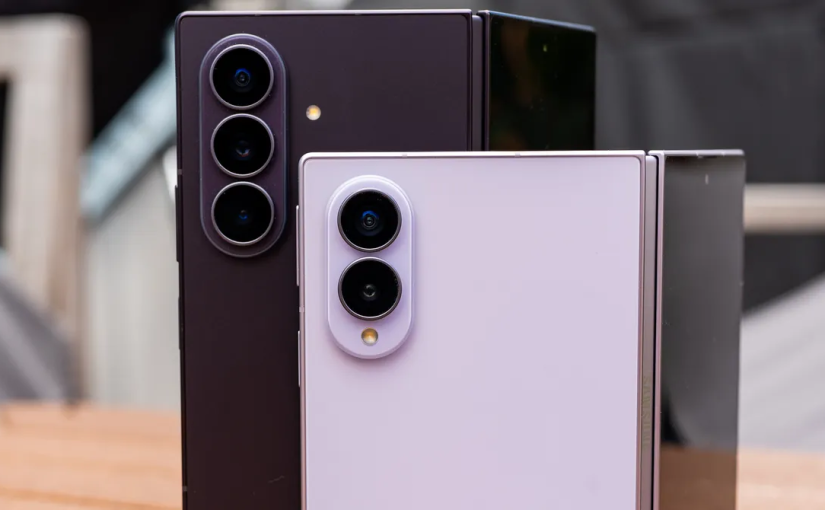
Galaxy Z Fold8 Ultra Brings Samsung’s Foldable Strategy Into a New Phase

Samsung’s Foldable Strategy Enters a New Chapter

Foldable smartphones have moved well beyond the experimental stage, and New Zealand is becoming an increasingly interesting market for the next generation of mobile devices. In 2026, Samsung is pushing its foldable strategy further with the Galaxy Z Fold8 Ultra, a premium device designed to combine smartphone portability with a much larger workspace.

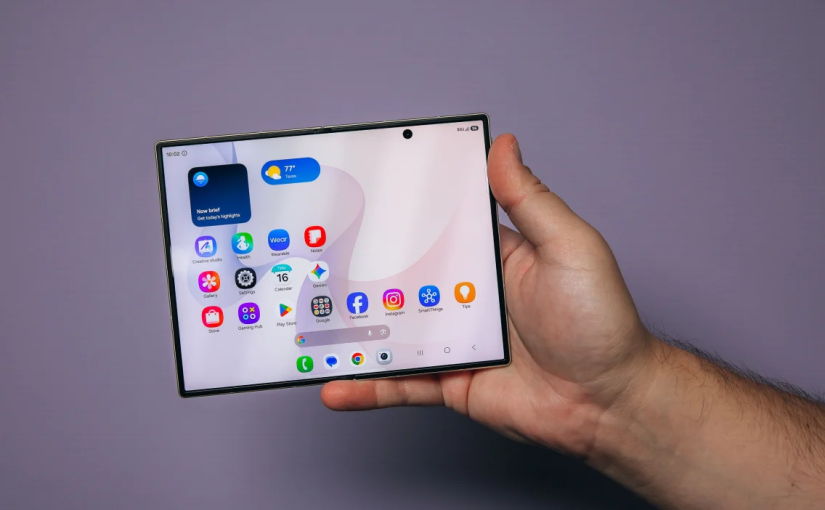
The Galaxy Z Fold8 Ultra officially arrived in New Zealand as part of Samsung’s new Galaxy Z8 range. Samsung New Zealand lists the device with an 8-inch main display, a 6.5-inch cover display, a 5,000mAh battery and a 200MP wide camera. It also measures just 4.1mm when unfolded and weighs 215g.

These specifications point to an important shift in the foldable-phone category. Instead of simply giving consumers a phone that can bend, Samsung is positioning the Fold8 Ultra as a mobile productivity machine.

For New Zealand users who move between home, the office, university, cafés and outdoor environments, that difference could be significant.

A Larger Screen Designed for Real Multitasking

The biggest attraction of the Galaxy Z Fold8 Ultra is arguably its expansive inner display. At 8 inches, the unfolded screen provides considerably more space than a conventional smartphone.

That extra screen real estate changes the way everyday tasks can be handled. Users can keep a video call open while checking a calendar, browse a website while writing notes, or compare documents without constantly switching between applications.

Samsung has specifically highlighted split-screen productivity on the Fold8 Ultra. Its software supports multiple applications running side by side, including two-way and three-way split views.

This could be particularly useful in New Zealand’s increasingly flexible working environment. A professional working from a café in Auckland, a student studying in Wellington or a freelancer working from a smaller home office can potentially use one device for tasks that would traditionally require both a phone and tablet.

The appeal is not simply about having a bigger display. It is about reducing friction between different activities.

Galaxy AI Moves Closer to Everyday Use

Artificial intelligence is another major part of Samsung’s 2026 foldable strategy. Rather than treating AI as a standalone feature, Samsung is integrating it into communication, productivity, information discovery and automation.

Samsung New Zealand says Galaxy AI features such as Now Nudge, Now Brief and Automation are designed to make everyday interactions more seamless. Now Nudge can provide suggestions based on context, while Automation can trigger relevant actions without requiring users to constantly move between applications.

For New Zealand users, language support is also important. Samsung states that Galaxy AI’s Now Nudge supports English in New Zealand, while Photo Assist supports a broader range of languages.

The larger Fold8 Ultra display gives these AI functions more room to work. A recommendation, message, calendar entry or generated content can be viewed alongside the application currently being used.

This creates a different relationship between AI and the smartphone. Instead of asking users to open a separate AI application, Samsung is attempting to make AI part of the normal workflow.

Why Battery Performance Matters More on a Foldable

A larger screen and more intensive multitasking can also increase power consumption. That makes battery capacity particularly relevant for a device such as the Galaxy Z Fold8 Ultra.

Samsung has equipped the Fold8 Ultra with a 5,000mAh battery, representing a 600mAh increase compared with the previous generation according to Samsung’s New Zealand product information. Samsung claims up to 27 hours of video playback under its testing conditions.

For people researching replacement components or planning long-term ownership, the importance of a reliable samsung smartphone battery becomes much more obvious with a large foldable device.

A foldable smartphone is not used in exactly the same way as a conventional handset. Owners may spend longer watching videos, editing photos, working with documents, browsing the web and using multiple applications simultaneously. Those habits can make battery performance a central part of the overall user experience.

Battery health will therefore become an increasingly relevant consideration as premium foldable phones remain in use for several years.

Built for New Zealand’s Mobile Lifestyle

New Zealand presents an unusual combination of urban connectivity and vast outdoor spaces. Smartphone users can move from highly connected city environments to rural roads, beaches, hiking areas and smaller communities.

That makes portability particularly valuable.

The Fold8 Ultra is designed to provide a large working area without requiring users to carry a separate tablet. When folded, it remains a conventional smartphone-shaped device that can be used for calls, messaging, navigation and quick tasks.

When more space is needed, the display can be opened to provide a much larger canvas.

For travellers, this could mean checking maps while reading travel information. For business users, it could mean reviewing a spreadsheet while communicating with colleagues. For content creators, it could mean editing images or reviewing video footage without immediately reaching for a laptop.

The concept fits a broader movement toward devices that combine several categories into one product.

Cameras Push the Foldable Category Further

Samsung is also using the Ultra branding to bring more advanced camera hardware to its foldable range.

The Galaxy Z Fold8 Ultra features a 200MP wide camera, together with a 50MP ultra-wide camera, according to Samsung’s product information. The camera system is designed to give the device greater flexibility for photography and content creation.

That matters in New Zealand, where social media creators, travellers and outdoor enthusiasts often use smartphones as their primary cameras.

A foldable phone can also offer a different shooting experience because the display can be positioned in multiple ways. The large inner screen provides a bigger preview, while the foldable form factor can make hands-free shooting more convenient in some situations.

Combined with AI-powered image tools, the camera becomes another part of Samsung’s effort to make the Fold8 Ultra a device for creation rather than simply communication.

The Importance of Durability

Foldable displays have historically faced a different durability challenge from traditional smartphone screens because the display needs to bend repeatedly.

Samsung is addressing this area with its Flex Titanium construction. The company says a dual layer of titanium has been applied to the shock-absorbing layer underneath the display to strengthen the screen structure.

For consumers in New Zealand, durability can be an important consideration when purchasing an expensive mobile device.

A premium foldable is expected to remain useful for years rather than months. That means buyers may pay closer attention to the hinge, display, frame, battery and software support than they would when purchasing a lower-cost smartphone.

Samsung is also advertising up to seven generations of OS upgrades and security updates for the Fold8 Ultra, which could make long-term software support another factor for buyers considering the device.

Foldable Phones Are Becoming Productivity Devices

The most interesting development around the Fold8 Ultra may not be the folding screen itself.

Instead, it is the way Samsung is redefining what a smartphone is expected to do.

Traditional smartphones have become extremely powerful, but their physical displays remain relatively small. Tablets offer more screen space but are less convenient to carry. Laptops provide greater productivity but are less portable.

Foldables attempt to occupy the space between these categories.

The Galaxy Z Fold8 Ultra takes that concept particularly seriously. Its large inner display, multitasking features, AI tools and high-end camera system are designed to make the phone useful across a wider range of situations.

That could be especially relevant as consumers increasingly expect one device to handle work, entertainment, communication and creative tasks.

What Battery Longevity Means for Long-Term Ownership

As foldables become more sophisticated, battery longevity will deserve greater attention.

Battery capacity is only one part of the equation. Screen brightness, application usage, charging habits, software optimisation and temperature can all influence how a smartphone performs over time.

For Fold8 Ultra owners, maintaining good charging habits and avoiding unnecessary heat can help preserve battery performance.

If a device is expected to remain in service for several years, the availability and quality of a compatible samsung smartphone battery can also become an important consideration later in its lifecycle.

This is particularly relevant for premium devices because replacing the entire phone simply because of declining battery performance may not be attractive to every owner.

A New Competitor in New Zealand’s Premium Smartphone Market

Samsung’s arrival with the Galaxy Z Fold8 Ultra also comes at an interesting moment for the wider smartphone industry.

Foldable competition is expanding, while other major manufacturers are exploring new form factors. Consumers are therefore being presented with more alternatives to the traditional flat smartphone.

Samsung’s advantage is its established Galaxy ecosystem, which connects smartphones with watches, earbuds, tablets, PCs and other connected devices.

For New Zealand consumers already using Samsung products, the Fold8 Ultra can fit naturally into that ecosystem.

The company’s New Zealand launch also shows that foldables are no longer being treated purely as niche technology. Samsung has made the Galaxy Z8 series available through Samsung’s online store, carriers and retailers in the country.

The Future of Smartphones Could Be More Flexible

The Galaxy Z Fold8 Ultra illustrates how quickly the definition of a smartphone is changing.

Its 8-inch display turns the device into something closer to a compact tablet when unfolded. AI functions attempt to make everyday tasks more automated. A 200MP camera targets serious mobile photography. A 5,000mAh battery supports the demands of the larger display and more intensive workflows.

For New Zealand consumers, the appeal ultimately depends on how they use technology every day.

Someone who primarily makes calls and sends messages may not need a foldable. But for people who work remotely, travel frequently, create content, manage multiple applications or want a larger screen without carrying a tablet, the concept is considerably more compelling.

As foldable technology continues to mature, the conversation is moving away from whether phones should fold and toward what people can actually accomplish with the extra flexibility.

Why the Galaxy Z Fold8 Ultra Matters Now

Samsung’s latest foldable arrives at a time when smartphones are becoming increasingly intelligent, versatile and connected.

The Galaxy Z Fold8 Ultra combines a large flexible display with AI-powered software, advanced cameras, a larger battery and a thinner design. Samsung’s New Zealand launch demonstrates that the company sees foldables as an important part of its future mobile portfolio rather than a temporary experiment.

For users thinking about long-term ownership, hardware maintenance and battery health will remain part of that equation. As these premium devices become more capable, keeping them powered reliably becomes just as important as their processors, cameras or displays.

That is why the broader market for components such as a samsung smartphone battery is likely to remain relevant alongside the growth of premium smartphones.

Ultimately, the Galaxy Z Fold8 Ultra represents more than another annual smartphone upgrade. It reflects a wider change in how mobile technology is being designed: smaller when you carry it, larger when you need it, smarter when you use it and increasingly capable of replacing several devices at once.

For New Zealand’s fast-changing consumer technology market, that makes Samsung’s latest foldable one of the most interesting devices to watch in 2026.
Samsung Galaxy S26 Series Keeps the Smartphone AI Race Moving in New Zealand

Samsung’s Galaxy S26 Momentum Reaches a New Stage in New Zealand

The smartphone market in New Zealand is entering another interesting phase as artificial intelligence becomes less of a headline feature and more of an everyday tool. Samsung’s Galaxy S26 family is at the centre of that transition, with the company continuing to develop Galaxy AI while expanding its latest software experience across compatible devices.

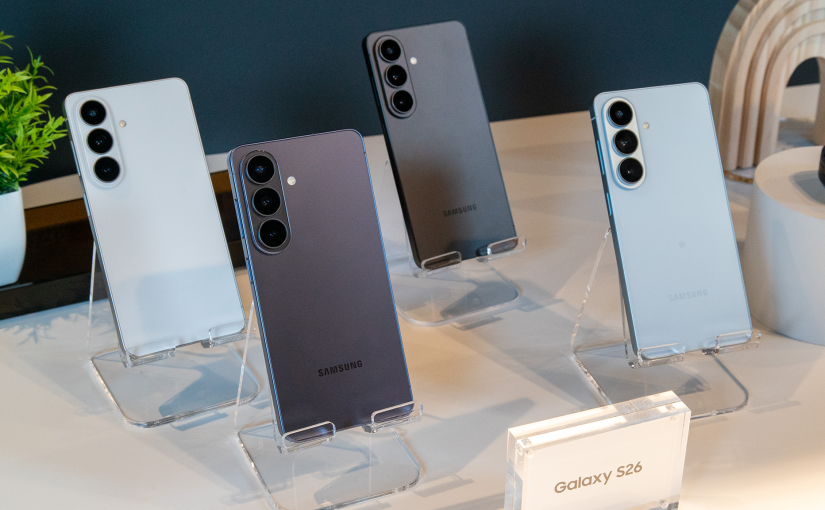
Samsung officially introduced the Galaxy S26, Galaxy S26+ and Galaxy S26 Ultra in New Zealand in February 2026. The company positioned the series around a combination of advanced hardware, cameras and more proactive AI experiences designed to reduce the number of steps users need to complete everyday tasks.

By September, the story had moved beyond the original hardware launch. Samsung began rolling out One UI 9 in New Zealand on September 17, starting with the Galaxy S26 series. The update brings additional AI functions, new personalisation tools and changes designed to make Galaxy devices feel more integrated into daily routines.

For New Zealand consumers, that makes the Galaxy S26 story particularly relevant. The question is no longer simply how powerful a smartphone can be. It is increasingly about how naturally that power can fit into work, communication, travel, entertainment and everyday life.

Galaxy AI Moves From Features to Everyday Assistance

Earlier generations of smartphones often treated AI as a collection of individual features. A camera might use AI to improve an image, while a voice assistant could answer a question. Samsung is pushing the idea further with the Galaxy S26 generation.

The company describes the latest Galaxy AI experience as more intuitive, proactive and adaptive. Instead of requiring users to open a particular application for every task, the phone is designed to understand context and help users move between activities more efficiently.

That approach could have particular appeal in New Zealand, where consumers frequently use smartphones for a broad mix of activities. A single device can be a navigation tool on a road trip, a camera during a weekend hike, a work computer during the week and an entertainment screen at night.

One UI 9 continues this direction. Samsung says its latest software can provide context-aware suggestions, improve translation and scanning, and make recording and other everyday functions easier to manage. The company’s new Now Nudge feature, for example, is designed to surface useful suggestions at relevant moments rather than forcing users to search through menus.

One UI 9 Gives the Galaxy S26 a Fresh Identity

Software updates can sometimes feel invisible. One UI 9 takes a different approach by adding functions that users can notice during ordinary smartphone use.

Samsung’s September rollout includes My FanCam, which can automatically track a selected person in recorded video and keep them centred as the scene changes. For people recording sports, performances, family events or social occasions, this could reduce the amount of manual editing required after recording.

The update also introduces more customisable cards within Now Brief. Users can choose information related to areas such as health, weather and video, allowing the daily summary to become more personalised.

For New Zealand consumers who regularly move between work and outdoor activities, these features can be particularly practical. A smartphone is often expected to handle very different environments, from a meeting in Auckland to a weekend trip through the South Island.

Samsung is also putting more device-care information directly into Settings. Warranty and Care allows users to check coverage, perform self-diagnostics, view repair estimates and manage support options from compatible devices.

Battery Life Still Matters in an AI Smartphone

There is an important reality behind the AI conversation: advanced smartphone features still depend on physical hardware.

The Galaxy S26 family combines high-resolution displays, powerful processors, advanced cameras, 5G connectivity and AI functions. All of these can influence energy consumption, especially when users spend long periods recording video, using navigation, playing games or relying on mobile data.

Samsung lists battery capacities of 4,300mAh for the Galaxy S26, 4,900mAh for the Galaxy S26+, and 5,000mAh for the Galaxy S26 Ultra in its New Zealand specifications. Actual battery life varies according to network conditions, apps, features and usage patterns.

That makes battery management an increasingly important part of the premium smartphone experience. As phones become more capable, consumers also expect them to remain useful throughout a busy day.

For owners thinking about long-term device care, the quality and condition of a samsung smartphone battery can become an important consideration as a phone ages. Heavy users may notice changes sooner because demanding applications, high screen brightness, 5G connectivity and camera use can place greater demands on the battery.

New Zealand’s Mobile Environment Makes Connectivity Important

Smartphone performance cannot be separated from network connectivity. The Galaxy S26 family supports 5G, LTE and Wi-Fi 7, although actual network availability depends on the local network environment and service provider.

For New Zealand users, connectivity can vary considerably depending on where they live and travel. Major urban areas offer a different mobile environment from rural communities, coastal roads and remote outdoor destinations.

This makes the combination of connectivity and battery efficiency particularly important. A phone constantly searching for or switching between network connections can behave differently from one operating in a strong, stable signal environment.

For consumers comparing smartphones, battery capacity alone therefore does not tell the whole story. Network conditions, display settings, camera usage, gaming, background applications and AI features all contribute to real-world endurance.

Galaxy S26 FE Expands the New Zealand Conversation

Samsung’s smartphone strategy in New Zealand is also expanding beyond the flagship models.

On August 28, Samsung New Zealand announced the Galaxy S26 FE, describing it as the newest member of the Galaxy S26 family. It is also the first device in the S26 lineup to launch with One UI 9, bringing Galaxy AI and updated camera capabilities to another segment of the market.

This matters because AI smartphones are no longer limited to the most expensive devices. As manufacturers bring more advanced software to a wider range of phones, AI increasingly becomes part of the baseline smartphone experience.

For consumers, that can change how phones are compared. Specifications such as processor speed and camera megapixels remain important, but software support, AI capabilities, display quality, connectivity and battery endurance can all influence the overall experience.

The Galaxy S26 FE therefore adds another layer to Samsung’s New Zealand strategy, giving the brand a broader way to bring its latest software ecosystem to consumers.

Cameras Become More Intelligent

Photography remains one of the strongest reasons people upgrade smartphones, and Samsung is using AI to push mobile photography beyond simple image processing.

The Galaxy S26 family combines its camera hardware with Galaxy AI features intended to help users capture and refine content more easily. The One UI 9 update takes this further with My FanCam, while Creative Studio can provide image-generation suggestions based on upcoming events.

For New Zealand users, this could be particularly useful for travel and outdoor photography. From beaches and hiking trails to concerts and sporting events, smartphone cameras are increasingly expected to capture moving subjects in challenging conditions.

The challenge is that more sophisticated cameras and video tools can also encourage longer sessions. Recording high-resolution video, editing footage and uploading content can consume significant power.

That brings the conversation back to the samsung smartphone battery. A powerful camera system is most useful when the phone has enough energy to support the entire experience rather than forcing users to stop midway through a day of shooting.

Translation and Communication Get More Practical

New Zealand’s increasingly connected economy also creates opportunities for smartphone translation tools. Samsung’s One UI 9 includes improvements to Interpreter, including a Thread View designed to help users follow translated conversations by referencing earlier exchanges.

The update also improves Conversation Mode and works with compatible Galaxy Buds to make translated conversations feel more continuous.

This illustrates an important change in smartphone AI. Instead of being something users activate simply to experiment with, AI is becoming embedded in communication itself.

For travellers, international students, businesses and people communicating across languages, such features could become part of normal smartphone usage.

Privacy Remains Part of the AI Conversation

As smartphones become more aware of their users and surroundings, privacy naturally becomes more important.

Samsung says One UI 9 adds security and privacy functions designed to help users understand potential risks. Security Brief can surface information about malware, apps from unknown sources and unnecessary permissions, while enhanced Privacy Alerts can identify certain potential privacy risks involving background access.

This is significant because consumers are increasingly asking not only what AI can do, but also what information it needs to do it.

The move toward more personalised AI therefore creates a balance between convenience and user control. Smartphone manufacturers will need to make advanced functions easy to use while giving consumers enough information to understand how those functions operate.

What Galaxy S26 Means for New Zealand’s Smartphone Market

Samsung’s latest strategy shows how the smartphone industry is changing. The hardware race is still important, but software is becoming an increasingly visible part of the product.

The Galaxy S26 series combines high-end displays, cameras, connectivity and processing power with an expanding AI ecosystem. The arrival of One UI 9 adds another layer, making the phone more proactive and personal in everyday use.

At the same time, the Galaxy S26 FE shows Samsung’s intention to bring the newest Galaxy experience to a broader group of consumers.

For New Zealand buyers, this means the smartphone upgrade decision is becoming more complicated. A new phone is no longer simply about getting a faster processor or a better camera. Users are also considering software longevity, AI features, connectivity, privacy, durability and battery performance.

The Battery Question Will Follow Every AI Upgrade

As smartphones become more intelligent, battery technology will remain one of the industry’s practical limits.

AI functions, high-refresh-rate displays, 5G connectivity, advanced cameras and demanding applications all depend on energy. Even with increasingly efficient processors and software optimisation, consumers will continue to care about how long their devices can remain useful away from a charger.

For people keeping a Galaxy phone for several years, understanding battery condition becomes particularly relevant. If a device is otherwise working well but its endurance has declined significantly, battery replacement can be an important part of extending its useful life.

A compatible samsung smartphone battery can therefore be viewed as part of the wider device-maintenance conversation rather than simply a technical component. The key considerations include compatibility, capacity, installation quality and appropriate handling.

Samsung’s Next Chapter in New Zealand

The Galaxy S26 series represents more than another annual smartphone update. It reflects the industry’s broader movement toward phones that understand context, automate routine actions and integrate AI into everyday activities.

For New Zealand consumers, the timing is notable. Samsung has expanded the S26 family with the Galaxy S26 FE, while One UI 9 is now moving across compatible Galaxy devices.

The next stage of competition will likely involve more than cameras, processors or screen specifications. Smartphone makers are increasingly competing over how naturally their devices fit into people’s daily lives.

That makes battery performance an important part of the equation. The smarter a smartphone becomes, the more users expect it to remain ready throughout the day. For Galaxy owners considering long-term use, monitoring battery health and choosing a suitable samsung smartphone battery when replacement eventually becomes necessary can help keep capable hardware useful for longer.

In New Zealand’s fast-moving consumer technology market, the Galaxy S26 story is therefore not just about a new smartphone. It is about the changing relationship between AI, hardware, connectivity and everyday digital life.

How AI-Powered Siri Could Change Everyday iPhone Use in New Zealand

For years, Siri has been a familiar voice inside the iPhone, helping people set alarms, send messages, check the weather and perform simple tasks. But in September 2026, Apple is pushing Siri into a very different era. With iOS 27 now available and the introduction of Siri AI, Apple is turning its voice assistant into a more context-aware tool designed to understand what users are doing and help them across different apps and everyday situations.

For New Zealand iPhone users, this change arrives at an interesting time. Smartphones have become central to everything from communication and navigation to banking, entertainment, photography and work. At the same time, New Zealand consumers are increasingly interested in how artificial intelligence can make technology more useful without making everyday digital life more complicated.

The arrival of Siri AI could therefore represent more than another software update. It could change how people interact with their iPhones.

Siri Moves Beyond Simple Voice Commands

Traditional Siri works best when users give it a straightforward instruction. Asking Siri to set a timer, make a phone call or play music is relatively simple because each request has a clear outcome.

Siri AI is designed around a broader concept. Instead of simply responding to isolated commands, the assistant can use context to understand what a person is trying to accomplish.

That difference could be particularly useful in everyday situations.

Imagine a person in Auckland preparing for a busy morning. Instead of opening several apps individually, they could potentially ask Siri to help organise information from messages, calendar events, maps and other apps. A user planning a weekend trip could ask for information related to reservations, directions and schedules without manually jumping between multiple screens.

Apple’s new software updates place greater emphasis on Apple Intelligence and more capable interactions across the company’s ecosystem.

The goal is not simply to make Siri talk more. It is to make the assistant understand more.

Why This Matters for New Zealand Users

New Zealand has its own everyday technology habits and challenges. People may move between large cities such as Auckland, Wellington and Christchurch and more remote communities where reliable connectivity can be particularly important.

A smarter digital assistant could make routine tasks easier when users are travelling, commuting or managing several responsibilities at once.

Consider navigation as an example. A person driving across Auckland may already rely on their iPhone for directions, messages and music. A more context-aware Siri could potentially reduce the need to manually switch between these functions.

The same idea applies to work.

A small business owner might receive a message from a customer, check a calendar appointment and prepare a reminder within the same workflow. Instead of treating each task as a separate command, an AI-powered assistant could help connect the information.

This could make the iPhone feel less like a collection of individual apps and more like one integrated personal tool.

The Importance of Battery Life in an AI-Heavy iPhone

More intelligent smartphone functions also raise an important practical question: how much power will increasingly sophisticated features require?

Modern iPhones already perform demanding tasks such as high-resolution photography, video recording, gaming, navigation and wireless communication. Adding more AI processing creates another layer of workload.

For users who rely heavily on Siri AI throughout the day, battery performance becomes an important part of the overall smartphone experience. A capable iPhone battery is therefore not simply about getting through a day of calls and messages. It can also support the growing number of computational tasks that people expect their phones to handle.

This becomes especially relevant for New Zealanders who spend significant time outdoors, travel between regions or use their phones heavily for navigation and photography. Running out of power at the wrong moment can turn a useful digital assistant into an unavailable one.

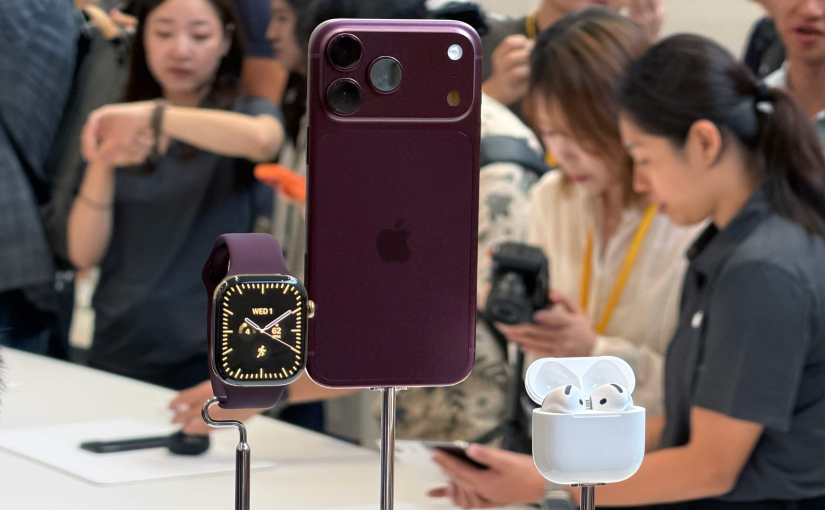
Apple’s latest iPhone generation also places attention on performance and battery improvements. The iPhone 18 Pro and iPhone 18 Pro Max were introduced in September 2026, adding new hardware alongside the company’s latest software platform.

Privacy Will Be Just as Important as Intelligence

As Siri becomes more capable, privacy becomes a bigger part of the conversation.

A simple voice command such as asking for a weather forecast does not require much personal context. But an assistant that understands messages, schedules, photos or information displayed inside apps potentially has access to much more sensitive information.

That is why Apple’s approach to privacy will be closely watched by consumers.

Apple has positioned Apple Intelligence around a combination of on-device processing and Private Cloud Compute for more demanding tasks. The company says its architecture is designed to protect personal information while allowing more advanced AI capabilities.

For New Zealand consumers, the practical question is straightforward: what information is being processed, where is it processed, and what control does the user have?

These questions are likely to become more important as AI assistants become a normal part of smartphones.

Siri Could Change the Way People Search

Another major change could involve search.

For many years, finding information on an iPhone has meant opening Safari, entering keywords, scanning results and deciding which page appears useful.

Conversational AI changes that process.

Instead of thinking about the exact words to type, users can describe what they need in ordinary language. A person might explain a problem, ask for options or request a summary rather than performing a traditional keyword search.

This could be particularly useful on a small smartphone screen.

Typing long queries on a phone can be inconvenient, especially when someone is walking, travelling or multitasking. Voice interaction provides another way to communicate with technology.

For younger users who already interact naturally with conversational AI, this could become increasingly normal.

Everyday Photography Could Become More Intelligent

Photography is another area where Siri and Apple Intelligence could have an impact.

New Zealand offers an enormous variety of photographic environments, from urban streets and coastal landscapes to mountains, lakes and hiking trails. iPhones are already widely used as everyday cameras because they combine portability with increasingly advanced imaging systems.

The latest generation adds more photography capabilities, while iOS 27 introduces AI-powered tools for working with images.

This could eventually make photo management much easier.

Instead of searching through hundreds of images manually, users could potentially describe what they are looking for in natural language. Someone returning from a South Island road trip, for example, might want to find particular landscape photos, screenshots or travel information stored on the phone.

The more accurately an assistant understands context, the less time users may need to spend navigating menus.

AI Could Make the iPhone More Accessible

One of the less discussed possibilities is accessibility.

Voice interaction can be particularly useful for people who find traditional touch-based interfaces difficult or inconvenient. A more capable assistant could potentially help users complete complicated sequences without requiring them to navigate multiple menus.

This could make advanced smartphone features easier to access.

Instead of learning where a particular setting is located, a user could explain what they want to accomplish. The assistant can then become an additional interface between the person and the operating system.

That is an important shift.

Technology has traditionally required users to understand how software works. AI assistants increasingly aim to understand how people communicate.

New Zealand Businesses May Also Benefit

The impact of Siri AI is not limited to personal smartphone use.

Small businesses are an important part of New Zealand’s economy, and many owners manage customer communication, appointments, marketing and administration from mobile devices.

A smarter assistant could help reduce repetitive digital tasks.

For example, a business owner could use an AI assistant to organise information from incoming messages, prepare reminders or manage routine scheduling. The value may not come from one spectacular feature but from saving a few minutes repeatedly throughout the day.

Over weeks and months, those small savings could become meaningful.

The challenge will be ensuring that AI-generated actions remain accurate and that users retain control over important decisions.

Not Every iPhone Will Offer the Same Experience

One important detail for New Zealand buyers is hardware compatibility.

The arrival of iOS 27 does not mean that every iPhone will necessarily receive every advanced AI capability. Apple’s more demanding intelligence features depend on newer hardware, meaning owners of older devices may receive the operating-system update while missing some of the most advanced functions.

This creates an interesting upgrade question.

Consumers may no longer choose a smartphone only because of its camera, display or processor. AI capability could become another major factor.

That could influence how New Zealand shoppers think about upgrading.

Someone with an older iPhone may decide that a new model is worthwhile because of the combination of AI functions, camera improvements, performance and battery life rather than any single feature.

Battery Health Could Become More Important

As smartphones become more capable, battery health remains a long-term consideration.

AI features, high-quality cameras, bright displays, navigation and gaming can all contribute to intensive daily use. Users who keep their phones for several years may therefore pay closer attention to battery capacity and charging habits.

A healthy iPhone battery can make a significant difference to the practical usefulness of an older device, particularly for people who depend on their phones throughout a working day.

This matters in New Zealand because smartphones are often used well beyond traditional communication. They can function as maps, cameras, entertainment devices, payment tools, workstations and emergency communication devices.

When one device performs so many jobs, dependable power becomes part of the overall experience.

The iPhone Is Becoming More Like a Personal Assistant

The biggest change brought by Siri AI may not be one particular command or feature.

It is the gradual disappearance of the boundary between the user and individual apps.

In the past, users learned which app to open for each task. Messages were for communication, Maps was for navigation, Photos was for pictures and Calendar was for appointments.

AI creates the possibility of a different model.

The user explains the goal, and the system helps determine which tools are needed.

That could make smartphones easier for beginners while simultaneously making them more powerful for experienced users.

For New Zealanders, this could mean an iPhone that feels increasingly useful during travel, work, study and everyday life.

What Comes Next for New Zealand iPhone Users

The arrival of Siri AI is only one step in a much broader transformation of smartphones.

Apple has already expanded Apple Intelligence into multiple parts of its ecosystem, while the latest iOS release brings more advanced Siri functionality to compatible devices.

The next stage will likely be defined by how well these features work in real-world situations.

Can Siri understand New Zealand accents naturally? Can it handle local terminology? Can it reliably connect information across different apps? Can it perform useful tasks without creating privacy concerns? And can the experience remain reliable when users are travelling away from fast networks?

Those questions will matter more than flashy demonstrations.

For everyday consumers, technology is valuable when it quietly solves problems.

A New Chapter for Everyday Smartphone Use

For New Zealand iPhone users, 2026 could mark an important transition from voice-controlled smartphones to genuinely AI-assisted devices.

Siri is no longer simply about asking the weather or setting an alarm. The new generation of Apple Intelligence features is designed to understand context, work across apps and make the iPhone more useful in everyday situations.

At the same time, consumers will need to think about privacy, compatibility, battery life and whether new AI functions genuinely improve their daily routines.

As these capabilities develop, the iPhone battery will remain one of the less glamorous but essential parts of the experience. The smartest phone in the world is only useful when it has enough power to be there when people need it.

For New Zealand users, the future of the iPhone may therefore be defined by a combination of intelligence, privacy, reliability and endurance. Siri AI is opening the door, but how people actually use that door will determine what the next generation of smartphones becomes.

What the New iPhone Air Means for New Zealand Smartphone Buyers

A New iPhone Choice Arrives at an Interesting Time

For smartphone buyers in New Zealand, September is once again becoming an important month for mobile technology. Apple has refreshed its iPhone lineup, introduced the iPhone 18 Pro family, and placed the iPhone Air alongside other current models as part of its latest smartphone range. Apple’s New Zealand website now presents the iPhone Air alongside the iPhone Duo, iPhone 18 Pro, iPhone 17 and iPhone 17e, giving local buyers more choices than a simple standard-versus-Pro decision.

That matters because the smartphone market has changed significantly. People no longer upgrade simply because a new processor is faster. Design, portability, cameras, battery life, software features, connectivity and long-term usability all play a role in the buying decision.

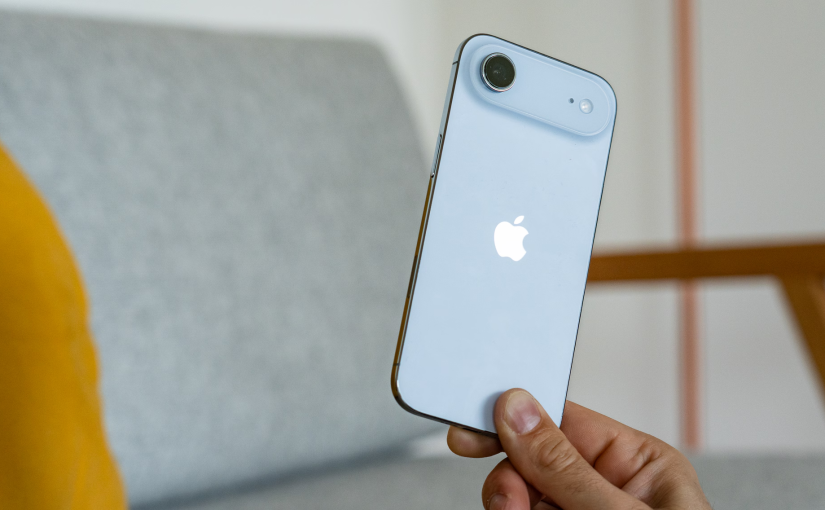
The iPhone Air arrives with a particularly interesting proposition: a focus on being remarkably thin and light while still delivering the kind of performance expected from a modern premium smartphone.

For New Zealand consumers, this could make the device relevant to a wide range of lifestyles, from commuters travelling across Auckland to university students, photographers exploring the South Island and professionals who spend much of their day moving between meetings.

Why Thin and Light Matters in New Zealand

A smartphone is one of the few pieces of technology people carry almost everywhere. It sits in a pocket while walking through Wellington, stays in a backpack during a weekend trip to Queenstown, or accompanies users on long journeys between cities.

That makes physical design more important than it may initially appear.

A thinner and lighter smartphone can be easier to carry throughout the day. For users who already carry wireless earbuds, a laptop, keys, a wallet and other accessories, reducing the weight of one of the most frequently used devices can make a noticeable difference.

The iPhone Air therefore represents more than another model in Apple’s catalogue. It reflects a broader trend in consumer electronics toward portability.

This is particularly interesting in New Zealand, where technology is often used alongside outdoor activities and travel. A phone can be a navigation device, camera, communication tool, entertainment screen and emergency contact all at once.

The more comfortable it is to carry, the easier it becomes to use it as an everyday companion rather than simply as a communication device.

The Battery Question Still Matters

Thin smartphones inevitably raise an important question: how does a slimmer design affect battery performance?

For consumers, battery life remains one of the most practical specifications. A beautiful screen or powerful processor is much less useful if a phone constantly needs to be connected to a charger.

The latest iPhone generation shows that Apple continues to treat battery performance as a major part of its product strategy. Apple describes the iPhone 18 Pro and iPhone 18 Pro Max as delivering major improvements in battery life, performance and camera capabilities.

The same broader expectation applies to the iPhone Air. Consumers looking at a slim premium phone are likely to consider not only its thickness but also how long it can realistically support daily activities such as navigation, video streaming, photography, social media and messaging.

For anyone researching an iPhone battery, this is an important reminder that battery capacity is only one part of the equation. Software optimisation, processor efficiency, display technology and individual usage patterns can all influence real-world endurance.

A user who mainly sends messages and checks email may experience a very different battery day from someone who records high-resolution video, plays games and uses navigation for several hours.

A Strong Match for Mobile Photography

Photography is another area where the iPhone Air could attract attention.

New Zealand offers an unusually diverse visual environment for smartphone photography. Beaches, mountains, forests, lakes, city architecture and changing weather provide endless opportunities for casual photography.

For many people, carrying a dedicated camera is inconvenient. A smartphone is always available, which means the best camera is often the one already in the user’s pocket.

This makes the balance between portability and imaging capability particularly important.

The latest Apple generation also demonstrates the company’s continued emphasis on camera technology. The iPhone 18 Pro introduces a 48MP Fusion Main camera with variable aperture, while Apple is positioning its newest models around greater creative control.

Although the iPhone Air occupies a different position within the range, the overall direction is clear: modern iPhones are becoming increasingly capable photography and video tools.

For New Zealand travellers, that can mean less equipment to carry while exploring destinations such as Rotorua, Milford Sound, Abel Tasman National Park or the West Coast.

Everyday Performance Is Becoming More Important

Performance is no longer just about benchmark numbers.

Most smartphone users want applications to open quickly, cameras to respond immediately and multitasking to feel smooth. They also expect their phones to remain useful for years.

This is particularly relevant when buying a premium smartphone in New Zealand, where consumers may want to keep their devices for several years rather than upgrade every twelve months.

Apple’s current software strategy adds another dimension. Its latest software updates introduce new Siri AI capabilities and additional Apple Intelligence features, making software increasingly central to the iPhone experience. Apple announced that these updates are now available across supported devices.

That means the value of a new iPhone cannot be judged only by its physical design.

A phone purchased today may receive new software features over time, potentially changing how users interact with the device. The processor, memory, display, battery and operating system therefore work together as one ecosystem.

The iPhone Air and the New Zealand Student Market

Students are another group that may find the iPhone Air particularly interesting.

A university student may use a smartphone for lectures, messaging, public transport, photography, music, social media, banking and study applications throughout the day.

At the same time, students often carry laptops, books and other equipment. A lighter smartphone can therefore fit naturally into a lifestyle where portability is already important.

Battery endurance is also significant for students moving between campuses, libraries, cafés and public transport. A phone that can comfortably survive a busy day reduces the need to search for a power outlet.

When comparing an iPhone battery with the battery performance of competing smartphones, students should therefore think beyond advertised numbers. Screen brightness, mobile data use, gaming, video calls and location services can all have a substantial effect on daily endurance.

The right choice depends on how the individual actually uses the phone.

Travel Could Be Another Major Advantage

New Zealand consumers are often enthusiastic travellers, both domestically and internationally.

For a weekend road trip, a smartphone can replace several separate devices. It can provide maps, weather information, accommodation details, travel bookings, photography, entertainment and communication.

This makes size and battery life important together.

A smaller, lighter device can be easier to carry while walking through a new city or hiking toward a scenic viewpoint. At the same time, dependable battery performance becomes essential when users are away from convenient charging.

Travellers should also consider how much they rely on mobile data, GPS and photography. Navigation can consume significant power, particularly when combined with a bright display and mobile connectivity.

That is why buying a new phone should involve thinking about an entire travel day rather than simply looking at its dimensions.

How the iPhone Air Fits Into Apple’s Larger Lineup

One of the most interesting developments in Apple’s 2026 lineup is the growing variety of iPhone designs.

The company’s current New Zealand lineup includes the iPhone Air as well as the iPhone 18 Pro and other models.

The iPhone 18 Pro models are positioned toward users who want advanced camera capabilities, performance and battery improvements. Apple says pre-orders for the iPhone 18 Pro and iPhone 18 Pro Max began in New Zealand on 13 September, with availability beginning on 18 September.

The existence of different models means buyers can focus more closely on their own priorities.

Someone who values professional-style photography may pay closer attention to the Pro range. Someone who prioritises portability may find the Air concept more appealing. Another buyer may simply want a more affordable model that provides the essential iPhone experience.

This diversification could make Apple’s lineup more relevant to different types of New Zealand consumers.

What Buyers Should Consider Before Upgrading

The arrival of the iPhone Air does not automatically mean that every existing iPhone owner needs to upgrade.

Consumers should first consider the condition and performance of their current phone.

If an existing device still provides sufficient battery life, camera quality, storage and software support, keeping it for longer can make financial sense. On the other hand, users experiencing battery degradation, slow performance, limited storage or an outdated camera may notice a much larger benefit from moving to a newer model.

Battery health deserves particular attention.

If a current phone struggles to last through a normal day, users may want to investigate whether the issue is related to battery ageing, demanding applications or usage habits. Searching for information about an iPhone battery can help consumers understand their options before making a purchase decision.

The goal should be to match the device with actual needs rather than simply choosing the newest product.

A More Personal Smartphone Era

The biggest change represented by devices such as the iPhone Air may not be a single specification.

Instead, it is the idea that smartphones are becoming increasingly personal.

Some users want the largest possible screen. Others want professional photography. Some prioritise gaming performance, while others care most about portability. Some people want maximum battery endurance, while others prefer a lighter device.

New Zealand’s diverse geography and lifestyles make these differences particularly noticeable.

A commuter in Auckland, a student in Dunedin, a creative professional in Wellington and a traveller exploring the South Island may all use the same smartphone in completely different ways.

The iPhone Air is interesting because it attempts to answer one particular question: how much technology can Apple place into a device designed around lightness and portability?

That question could influence smartphone design beyond Apple itself.

What This Means for New Zealand Smartphone Buyers

The arrival of the iPhone Air gives New Zealand consumers another option at a time when smartphone technology is moving beyond simple annual performance upgrades.

AI-powered software, increasingly capable cameras, improved battery efficiency, lighter designs and deeper device ecosystems are all becoming part of the modern smartphone experience.

For buyers, the most useful approach is to consider how these features connect to everyday life.

If portability is a priority, the iPhone Air’s design could be especially relevant. If photography and maximum performance are more important, Apple’s Pro models provide a different direction. If battery endurance is the main concern, comparing real-world usage requirements and battery specifications should come before making a decision.

Ultimately, the iPhone Air represents an interesting new chapter in Apple’s smartphone strategy. As the New Zealand market gets access to the latest generation, consumers have more freedom to choose a phone based on how they actually live, work, travel and communicate.

And that may be the most important development of all: the modern smartphone is no longer defined by one feature. It is defined by how naturally it fits into everyday life.

Samsung Galaxy Z Fold 8 Faces a New Challenge From Apple’s Foldable iPhone

A New Chapter for Foldable Phones in New Zealand

Foldable smartphones have been evolving for years, but September 2026 has brought a major change to the conversation. Apple has now entered the foldable smartphone market with the iPhone Duo, putting one of the world’s most recognisable smartphone brands directly into a category where Samsung has already built a strong presence.

For New Zealand consumers, the timing is particularly interesting. The local technology market is relatively small compared with the United States, China or larger Asian markets, but New Zealanders are enthusiastic users of smartphones, mobile photography, streaming services, social media and connected devices. A new generation of foldable phones could therefore influence how people think about premium smartphones, productivity and mobile entertainment.

Apple’s iPhone Duo has attracted international attention with its foldable design, while Samsung is continuing to promote the Galaxy Z Fold8 as an established option in the category. Apple’s New Zealand pricing has also become part of the discussion, with the iPhone Duo starting at NZ$4,199 according to 1News.

The competition is no longer simply about specifications. It is becoming a battle over how consumers imagine the future of the smartphone.

Apple Finally Enters Samsung’s Territory

Samsung has spent years developing foldable smartphones, giving the company considerable experience with flexible displays, hinges, multitasking and large-screen mobile designs.

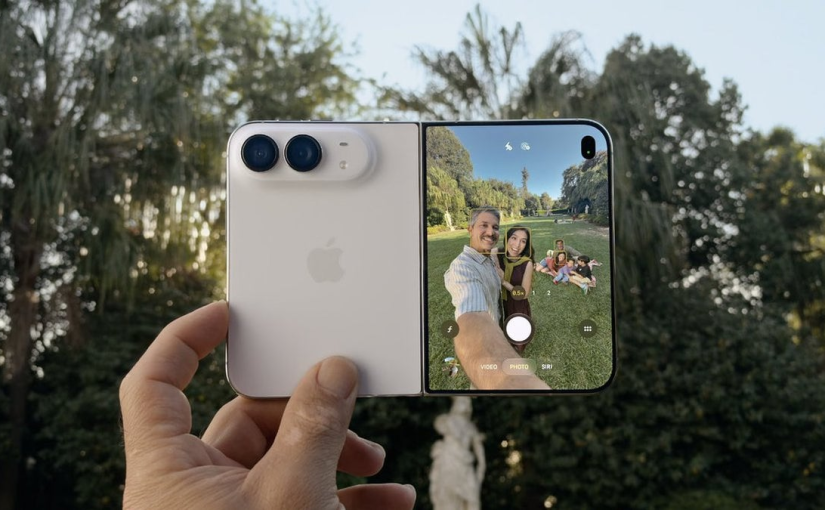
Apple’s arrival changes the market dynamic. The iPhone Duo combines a conventional smartphone form when closed with a much larger internal display when opened. Apple describes it as its largest iPhone display in a foldable design, with a 48MP dual-camera system and A20 Pro chip.

For consumers who have never owned a foldable phone, Apple’s approach could make the category more familiar. Many iPhone users already understand the company’s software ecosystem, accessories and services. Moving to a foldable iPhone could therefore feel less like switching to a completely different type of device and more like upgrading within an existing ecosystem.

That could matter in New Zealand, where consumers often use their phones for banking, navigation, communication, photography, entertainment and work throughout the day.

Samsung Has a Head Start

Samsung’s advantage is experience.

The Galaxy Z Fold series has been developing since the early years of modern foldable smartphones. The Galaxy Z Fold8 continues that product line with a large 7.6-inch foldable display and Snapdragon 8 Elite Gen 5 processor, alongside Galaxy AI features.

That history gives Samsung an important position in the market. It has already had years to refine the hardware concept and demonstrate how a large folding phone can function as both a communication device and a compact productivity machine.

For New Zealand professionals, this is one of the most interesting aspects of the Galaxy Z Fold8. A larger screen can make it easier to review documents, manage email, browse websites, edit photos or work with multiple applications without carrying a tablet.

Apple is now asking consumers whether it can offer a similar experience while maintaining the simplicity associated with the iPhone.

The Real Difference May Be the Software

Hardware specifications are easy to compare. The more complicated question is how each phone feels after several months of everyday use.

Foldable phones are not simply larger smartphones. Their software needs to adapt to different screen sizes and orientations. A user may begin reading an email on the outside screen, open the phone and continue on the larger display, then switch to another application.

Samsung has had considerable time to develop this style of multitasking. Apple is entering the category with its own approach to foldable software and the broader iOS ecosystem.

For New Zealand users, practical software features could become more important than raw processing power. Someone working between Auckland and Wellington, for example, might use a foldable phone to manage messages, maps, documents and video calls while travelling. A university student could use the larger screen for research, notes and entertainment.

The winning experience will ultimately depend on how naturally those activities fit into everyday life.

Battery Life Becomes More Important

Foldable displays create an interesting battery challenge. A larger internal screen can consume more energy, while the compact body places limits on how much battery capacity manufacturers can physically include.

That means battery efficiency is becoming an increasingly important part of the premium smartphone conversation.

The iPhone Duo is designed around all-day battery performance, while Apple is also using its latest-generation silicon and power-management technologies to balance performance with energy consumption.

For people researching replacement components or long-term device ownership, an iPhone battery can also become an important consideration. Battery health naturally declines over time, and high-performance smartphones can place significant demands on their power systems.

The same principle applies to Samsung’s foldable devices. A samsung smartphone battery has to support demanding displays, mobile processors, cameras, wireless connectivity and intensive multitasking.

For New Zealand consumers who regularly spend long days outdoors, travel between cities or use navigation and mobile data heavily, battery reliability can be just as important as screen size.

Photography Could Be Another Battleground

New Zealand is an unusually attractive environment for smartphone photography.

From the beaches of Northland to the Southern Alps, Milford Sound and the volcanic landscapes around Rotorua, there are countless situations where people want to capture high-quality photographs without carrying a dedicated camera.

Apple has positioned the iPhone Duo with a 48MP dual-camera system, while the Galaxy Z Fold8 continues Samsung’s focus on advanced mobile photography.

The foldable form factor itself could also create new possibilities. A partially folded phone can potentially act as its own stand, making hands-free photography and video recording more convenient.

That could be useful for travellers, families and content creators across New Zealand.

However, cameras also place significant demands on battery power. Extended video recording, high-resolution photography and bright displays can quickly consume energy. This makes efficient hardware design increasingly important.

When users eventually need to consider an iPhone battery for a device that has been heavily used for photography and video, battery condition may be just as relevant as camera specifications.

A More Interesting Competition for New Zealand Buyers

The competition between Apple and Samsung is particularly interesting because the two companies approach smartphones differently.

Apple emphasises integration between hardware, software and its wider ecosystem. Samsung offers a broader range of Android devices and has spent years experimenting with foldable designs.

For consumers, that means the decision is not simply about choosing between two screens.

An iPhone user may already own an Apple Watch, AirPods, MacBook or iPad. A Samsung user may use Galaxy Buds, Galaxy Watch, Galaxy tablets and other Android-compatible products.

The smartphone can therefore become the centre of a much larger technology ecosystem.

This is important in New Zealand because premium smartphones are significant purchases. Consumers may keep their devices for several years, making compatibility with existing technology and long-term software support meaningful considerations.

Samsung’s New Zealand Marketing Adds a Local Twist

Samsung’s response to Apple’s foldable launch has even included a distinctly New Zealand element.

Samsung Mobile New Zealand promoted the Galaxy Z Fold8 using a local man named Tim Cook, who happens to share the same name as Apple’s CEO. The playful campaign attracted international attention after Apple entered the foldable category.

The campaign illustrates how smartphone competition is increasingly becoming a cultural conversation rather than a purely technical one.

Instead of simply comparing processor speeds and camera specifications, brands are competing for attention through humour, social media and localised advertising.

For New Zealand consumers, seeing an international technology rivalry adapted to a local audience makes the launch feel much closer to home.

What Happens to Traditional Smartphones?

The arrival of another major foldable manufacturer does not mean traditional smartphones are disappearing overnight.

Many consumers still prefer a conventional design because it is familiar, generally lighter and often less expensive. A standard smartphone also has fewer moving parts and does not require users to adjust to a different screen format.

Foldables instead appeal to people who want more screen space without carrying a tablet.

This distinction could become increasingly important as prices, durability and battery efficiency improve.

If foldable phones become easier to manufacture and more accessible, they could eventually move beyond the premium market. But for now, the price of devices such as the iPhone Duo means they remain a significant investment for many shoppers.

What Should New Zealand Consumers Watch Next?

The most interesting development may not be which company sells more foldable phones. It may be how quickly consumers discover new reasons to use them.

A foldable phone could become a mobile office, entertainment screen, camera, navigation device and communication hub in one package.

At the same time, manufacturers will need to keep improving durability, battery longevity, charging speeds, hinge technology and software optimisation.

Battery technology will remain a particularly important part of this process. As screens become larger and smartphones become more powerful, consumers will continue to expect devices to last through long working days, travel, gaming, photography and streaming.

A samsung smartphone battery therefore represents more than a replacement component. It is part of the broader conversation about how long a premium smartphone can remain useful.

The Foldable Future Is Getting Real

Apple’s arrival has made foldable smartphones much harder to dismiss as a niche experiment.

Samsung already has years of experience in the category, while Apple’s entry brings enormous attention to the format. In New Zealand, the competition gives consumers more choice at the premium end of the smartphone market and creates new questions about what a phone should actually be.

The Galaxy Z Fold8 and iPhone Duo represent two different approaches to the same basic idea: a smartphone does not necessarily have to remain the size of a traditional smartphone.

For New Zealand technology enthusiasts, the next few years could be particularly interesting. As foldable displays become more refined, software becomes more adaptable and batteries become more efficient, the line between smartphone and tablet may continue to disappear.

The real test will happen outside launch events and advertising campaigns — in cafés in Auckland, offices in Wellington, university campuses in Christchurch, airports, hiking trails and homes across the country.

That is where consumers will decide whether foldable smartphones are simply an exciting premium category or the next major stage of mobile technology.

The iPhone 18 Pro Is Here and New Zealand Users Are Looking Beyond Camera Upgrades

A New iPhone Moment for New Zealand

Apple’s latest iPhone launch has once again put smartphones at the centre of New Zealand’s technology conversation. But this year, there is a noticeable difference in what people are talking about.

The iPhone 18 Pro and iPhone 18 Pro Max have arrived with a more advanced camera system, a new A20 Pro chip, improved cooling and a major focus on battery performance. For New Zealand consumers, however, the biggest question may not simply be whether the new phone takes better photos. It is whether the overall experience is meaningfully better for everyday life.

Apple began pre-orders for the iPhone 18 Pro and iPhone 18 Pro Max in New Zealand on September 13, with availability scheduled to follow shortly afterwards. Local retailers and telecommunications providers have also begun promoting the new models, putting the devices firmly in the spotlight as the country’s spring shopping season gets underway.

For many Kiwi consumers, that creates a familiar dilemma: should they upgrade immediately, wait for future models, or simply keep their current iPhone for another year?

More Than a Camera Upgrade

The camera remains one of the headline features of the iPhone 18 Pro generation. Apple has introduced a 48MP Fusion Main camera with variable aperture, giving users more control over exposure, depth of field and low-light photography.

That could be particularly appealing in New Zealand, where people often use their phones in a wide variety of environments. From bright coastal landscapes to cloudy hiking trails, evening events and indoor family gatherings, smartphone cameras are expected to handle almost everything without requiring additional equipment.

The new variable aperture system is important because it changes the conversation from simply counting megapixels to controlling how the camera behaves. Instead of relying entirely on computational processing, the hardware itself can offer more flexibility when capturing different scenes.

For photography enthusiasts, this could make the iPhone 18 Pro feel like a more serious creative tool. For ordinary users, however, the difference may only become obvious when they compare photos side by side.

That is why the camera is unlikely to be the only reason many New Zealanders upgrade.

Battery Life Becomes a Bigger Selling Point

One of the most practical improvements in the new generation is battery performance.

Apple says the iPhone 18 Pro and iPhone 18 Pro Max deliver a major increase in battery life, with the larger Pro Max model offering up to 45 hours of video playback under Apple’s testing conditions. The improvement comes from a combination of battery capacity, processor efficiency, thermal design and broader hardware optimisation.

For everyday users, this matters far more than a specification sheet might suggest.

A smartphone in New Zealand can easily become an all-day travel companion. Someone heading from Auckland to Rotorua, travelling through the South Island, spending a day at a sports event or exploring a national park may depend on their phone for maps, photos, messages, payments, weather information and emergency communication.

That makes the iphone battery an important part of the overall ownership experience.

A phone can have an excellent camera and powerful processor, but those features become less useful when the battery percentage drops rapidly during a long day away from a charger.

Why Battery Efficiency Matters for Kiwi Users

New Zealand’s geography creates some interesting challenges for smartphone users.

In large cities, charging is relatively easy. People can top up their phones at home, at work, in cafés or in their cars. But the situation can be very different during road trips, outdoor adventures and long-distance travel.

New Zealanders also spend considerable time using navigation and mobile connectivity while travelling. GPS, 5G connectivity, photography and high-brightness displays can all consume significant amounts of power.

The iPhone 18 Pro’s improvements therefore have practical implications beyond simply achieving a longer number on a laboratory test.

The new A20 Pro chip is designed to provide higher performance while improving efficiency. Apple has also introduced improved thermal management, helping the phone maintain performance without unnecessarily wasting energy through excessive heat.

For consumers who regularly use demanding apps, record high-resolution video or play mobile games, these improvements could be more noticeable than a small change in camera quality.

The A20 Pro Changes the Performance Conversation

Performance is another major part of the iPhone 18 Pro story.

The new A20 Pro chip is designed for demanding workloads, including photography, video processing, gaming and on-device intelligent features. Apple has also positioned the processor as a key part of its next generation of mobile computing strategy.

For many users, however, raw processor speed is not the most important factor.

What matters is how quickly the phone opens applications, how smoothly it edits photos, how long it maintains performance during gaming and how efficiently it completes tasks without draining the battery.

This is where Apple’s approach becomes interesting. Instead of treating performance and efficiency as separate features, the company is increasingly presenting them as two sides of the same smartphone experience.

A faster processor that consumes less energy can potentially make a device feel better without requiring users to think about technical specifications.

The New Zealand Upgrade Question

The biggest challenge for Apple may be convincing existing iPhone owners that the new model is worth the money.

Someone using an iPhone 17 Pro may already have an excellent camera, strong performance and dependable battery life. For that person, the decision to upgrade is not obvious.

The difference becomes more interesting for owners of older devices.

An iPhone user who has been holding onto an iPhone 13, iPhone 14 or another earlier generation may notice a much larger improvement when moving to the latest Pro model.

This creates two very different groups of buyers in New Zealand.

The first group consists of technology enthusiasts who want the latest hardware as soon as possible. These users are likely to be attracted to the new camera controls, processor, display improvements and battery performance.

The second group is more practical. They may only upgrade when their existing phone begins to feel slow, the camera no longer meets their expectations or battery endurance becomes frustrating.

For this second group, the iPhone 18 Pro could be more attractive because several improvements arrive together rather than as a single headline feature.

Price Will Still Matter

There is another factor that cannot be ignored: price.

Apple has positioned the iPhone 18 Pro range firmly at the premium end of the market. With higher prices and increasing competition from Samsung, Google and other smartphone manufacturers, New Zealand consumers are likely to compare the entire ownership experience rather than focusing on one specification.

This could make trade-in offers particularly important.

A consumer who can receive a reasonable value for an older iPhone may find the upgrade easier to justify. Retail promotions, interest-free payment options and telecommunications plans could also influence purchasing decisions.

For buyers, the real question is therefore not simply “Is the iPhone 18 Pro better?”

It is “Is the improvement worth the additional cost compared with keeping my current phone?”

That is a much harder question for Apple to answer.

The Everyday Camera Could Be the Real Winner

Despite the focus on battery and performance, photography remains one of the strongest reasons people choose a Pro iPhone.

New Zealand offers an unusually diverse photographic environment. Beaches, mountains, forests, urban architecture and changing weather conditions provide plenty of opportunities to test a smartphone camera.

The new variable-aperture system could be especially interesting for users who enjoy taking portraits, landscapes and night-time photographs.

Instead of making every photo look heavily processed, the additional control could give experienced users more influence over the final image.

At the same time, automatic computational photography remains important for people who simply point and shoot.

That balance is arguably one of the strongest aspects of the iPhone 18 Pro. It can remain simple for casual users while giving enthusiasts more control when they want it.

A Phone Designed for Long Days

The broader trend behind the iPhone 18 Pro may ultimately be more important than any individual specification.

Modern smartphones are expected to do almost everything.

They are cameras, navigation devices, payment tools, entertainment systems, communication platforms and work computers. People increasingly rely on them throughout the entire day.

That means endurance has become a defining part of the smartphone experience.

The iphone battery is no longer just a technical component hidden inside the phone. It directly affects how confidently people can use every other feature.

If a traveller avoids taking photos because the battery is running low, the camera specification suddenly becomes irrelevant. If a student cannot rely on their phone for a full day of classes, a powerful processor matters less. If a driver needs navigation for several hours, battery efficiency becomes a practical safety consideration.

This is why battery improvements can sometimes matter more than dramatic-looking design changes.

What New Zealand Buyers Should Consider

Before buying the iPhone 18 Pro, consumers should think about how they actually use their phones.

Heavy photographers may benefit from the upgraded camera system. Gamers and creators may appreciate the A20 Pro chip and improved thermal performance. Frequent travellers may value longer battery life.

Meanwhile, casual users who mainly send messages, browse social media and take occasional photographs may find that their existing iPhone still performs perfectly well.

It is also worth considering storage requirements. High-resolution photographs and video can consume storage quickly, particularly for users who record a lot of content while travelling around New Zealand.

Buyers should also think about charging habits. A powerful smartphone can still become inconvenient if the user regularly forgets to charge it overnight or spends long periods away from a power source.

The Bigger Picture for Apple in New Zealand

The iPhone 18 Pro arrives at an interesting moment for Apple’s smartphone business.

Apple has introduced its first foldable iPhone, the iPhone Duo, alongside the new Pro models, while the traditional iPhone launch strategy has changed significantly this year. That means the Pro series is competing not only against Android flagships but also against a completely new category within Apple’s own ecosystem.

For New Zealand consumers, this could make the premium smartphone market more interesting than ever.

Some buyers will want the familiar Pro experience with a powerful camera and long battery life. Others may be tempted by the novelty of a foldable device. Still others may decide that their existing smartphone is good enough and wait.

That variety could make the next few months particularly important for Apple’s position in the New Zealand market.

Is the iPhone 18 Pro Worth Considering?

The iPhone 18 Pro is not simply a camera upgrade.

Its appeal comes from the combination of photography, processing power, thermal management, software and battery improvements. For people who use their smartphones heavily throughout the day, that combination could make a meaningful difference.

The most interesting change may actually be the shift in priorities. Smartphone buyers are becoming less impressed by isolated specifications and more interested in how everything works together.

A better camera is useful.

A faster processor is useful.

A brighter display is useful.

But when all of these features can work together while maintaining longer endurance, the phone becomes more dependable as an everyday device.

For New Zealand consumers, that may be the real story behind the latest iPhone generation.

The iphone battery improvement may not be the most visually exciting feature, but it could become one of the reasons users appreciate the phone most after the excitement of launch day has passed.

As the iPhone 18 Pro begins reaching Kiwi customers, the real test will not happen on Apple’s presentation stage. It will happen on busy weekdays, long road trips, weekend adventures, university campuses, beaches and city streets across New Zealand.

And that is where the latest iPhone will have to prove whether its upgrades are more than numbers on a specification sheet.

Apple’s New Foldable iPhone Arrives as Kiwi Shoppers Rethink Premium Phones

A New Chapter for the iPhone in New Zealand

For years, buying a new iPhone in New Zealand has usually meant choosing between screen size, camera performance, storage, colour and price. The basic shape of the smartphone has remained familiar. That has now changed.

Apple has officially entered the foldable smartphone market with the new iPhone Duo, its first foldable iPhone. The device was unveiled during Apple’s September 2026 launch event and has immediately become one of the biggest stories in consumer technology. For New Zealand shoppers, however, the excitement comes with a major question: is a radically different iPhone worth paying a radically higher price for?

The iPhone Duo opens from a compact smartphone into a much larger display, creating a device that sits somewhere between a traditional phone and a small tablet. Apple says the product is designed to combine portability with a larger workspace, while retaining the familiar iPhone experience.

New Zealand is officially part of the launch story. Apple lists the iPhone Duo with a recommended retail price starting at NZ$4,199 including GST, with storage options ranging from 256GB to 2TB. The device is scheduled to become available in October.

That price places the Duo firmly in premium territory. It is not simply another upgrade for consumers who replace their phones every two or three years. Instead, it is a test of whether New Zealand shoppers are ready to spend laptop-level money on a phone that can transform into something much closer to a tablet.

Why Foldable Phones Are Suddenly More Interesting

Foldable phones are not new. Samsung, Google and several other manufacturers have already spent years experimenting with flexible displays, hinge mechanisms and new software interfaces.

Apple’s arrival is different because of the company’s influence over consumer behaviour.

When Apple adopts a product category, people who previously ignored that category often start paying attention. The same thing happened with wireless earbuds, smartwatches and other connected devices. The iPhone Duo could therefore bring foldable phones into the mainstream conversation in New Zealand.

For many consumers, the biggest attraction is obvious. A conventional smartphone is excellent for messaging, navigation, photography and social media, but its relatively small display can become limiting when users want to multitask.

A larger internal screen changes that experience.

Someone travelling around New Zealand could use the outer display while walking through Wellington or Auckland, then open the phone to study a map, compare accommodation options or manage several apps at once. A university student could read documents while taking notes. A business traveller could respond to emails without carrying a tablet.

The appeal is not necessarily about having more power. It is about making one device useful in more situations.

The Price Question Will Be Difficult to Ignore

The biggest obstacle for the iPhone Duo may not be its technology. It may be its price.

At NZ$4,199, the Duo is dramatically more expensive than a conventional premium smartphone. That puts it in a category where consumers will naturally begin comparing it with laptops, tablets, cameras and other major purchases.

For New Zealand households dealing with the cost of living, that comparison matters.

A buyer may love the idea of a foldable iPhone but still decide that a regular iPhone paired with an iPad or MacBook offers better overall value. Others may see the Duo as a replacement for several devices and therefore consider the premium easier to justify.

This creates an interesting psychological shift. Traditional smartphone upgrades are often about getting a better version of something people already own. A foldable phone asks consumers to reconsider what the phone itself should be.

That makes the purchasing decision much more personal.

Battery Life Becomes Even More Important

A larger display, more demanding multitasking and a sophisticated folding mechanism naturally make battery performance an important consideration.

For everyday users, battery life can matter more than processor benchmarks. New Zealanders who spend weekends hiking, travelling between cities or exploring outdoor destinations may not always have convenient access to a power outlet.

That is why the conversation around an iphone battery is likely to remain important even as manufacturers focus on flexible screens and advanced processors.

Consumers increasingly expect smartphones to survive a full day of navigation, photography, streaming, messaging and social media without constantly searching for a charger. A premium phone costing thousands of dollars is expected to deliver not only impressive specifications but also dependable everyday endurance.

Battery health is another consideration. A smartphone can remain fast and attractive for years, but declining battery capacity can eventually change the ownership experience. Buyers considering an expensive device may therefore think more carefully about long-term battery performance than they would with a cheaper phone.

For the iPhone Duo, this becomes particularly relevant because consumers are not simply purchasing a new screen design. They are investing in a completely new form factor.

A Foldable iPhone Could Change Mobile Photography

Photography is another major reason New Zealand consumers may be interested in the new generation of iPhones.

New Zealand offers an unusually wide range of photographic environments, from Auckland’s urban skyline to the beaches of Northland, the mountains of the South Island and the landscapes around Queenstown.

A phone that can function as both a compact camera and a larger viewing device could appeal to travellers and content creators.

The larger internal display could also make editing photographs and videos more comfortable. Instead of immediately transferring content to a laptop or tablet, users may be able to complete more creative work directly on their phone.

That matters because modern smartphone ownership is increasingly about creation rather than consumption.

People are no longer using their phones only to scroll through social media. They record short videos, edit photographs, manage online businesses, create travel content, attend meetings and communicate with customers.

A flexible screen could therefore have practical advantages beyond simply looking futuristic.

New Zealand Consumers Are Becoming More Selective

The premium smartphone market is becoming more complicated.

Consumers have more choices than ever, while the differences between flagship devices can sometimes appear surprisingly small. A camera may be slightly better, a processor slightly faster or a display slightly brighter, but none of those improvements necessarily creates a completely different user experience.

Foldable technology changes that equation.

The form factor itself becomes the selling point.

Instead of asking whether a phone is 10 percent faster, buyers can ask whether they want a phone that opens into a larger screen. That is a much easier difference to understand.

At the same time, New Zealand shoppers are known for looking carefully at value. A product may attract huge attention online but still struggle to achieve mass-market adoption if the price is too high.

The iPhone Duo therefore faces an unusual challenge: it needs to be exciting enough to justify its premium while being practical enough to become part of everyday life.

The Repair and Longevity Conversation

Premium electronics increasingly raise questions about longevity.

When someone spends more than NZ$4,000 on a smartphone, they are unlikely to think of it as a disposable gadget. They will want to keep it functioning for as long as possible.

That makes durability, software support, battery health and repair options increasingly important.

Foldable devices introduce additional complexity because they contain moving parts and flexible display technology. Consumers may naturally wonder how the hinge will perform after years of opening and closing, how the internal screen will age and how expensive repairs could become.

For New Zealand buyers, those concerns can influence the real cost of ownership.

The same principle applies to the iphone battery. A device can have excellent specifications on launch day, but long-term value depends on how well its key components perform after hundreds or thousands of charging cycles.

A premium smartphone should therefore be judged over several years rather than several weeks.

The iPhone Duo Versus the Conventional iPhone

The most important question is not whether the Duo is technically impressive. It clearly represents a major change in Apple’s smartphone design.

The real question is whether ordinary users actually need that change.

For someone who mainly uses a phone for messaging, banking, navigation, calls and social media, a conventional iPhone may remain the more sensible choice.

For power users, however, the calculation is different.

People who regularly multitask, edit video, read documents, work remotely or travel extensively may appreciate the larger screen. The ability to carry one device instead of a phone and tablet could make the premium easier to understand.

This could create two very different audiences in New Zealand: practical buyers who prefer established designs and technology enthusiasts who want the newest possible experience.

Both groups can be right.

Apple’s Ecosystem May Be the Biggest Advantage

Apple’s greatest advantage may not be the folding display at all.

It is the ecosystem surrounding the iPhone.

Many New Zealand consumers already use Apple Watches, AirPods, Macs and iPads. The iPhone Duo can therefore enter an environment where other devices already communicate with one another.

That makes the decision less about buying one smartphone and more about extending an existing digital lifestyle.

A user could start a task on the Duo, continue it on a MacBook and receive notifications through an Apple Watch. AirPods could remain connected while moving between devices.

For people already invested in Apple’s ecosystem, this convenience can be difficult for competitors to replicate.

It also explains why Apple’s foldable phone launch matters beyond the device itself. The company is not simply selling a new screen. It is attempting to redefine how its entire ecosystem fits into consumers’ daily routines.

What This Means for the Future of Smartphones

The iPhone Duo may eventually prove to be either a revolutionary turning point or an expensive experiment.

Both outcomes would still be significant.

If New Zealand consumers embrace the device, competitors will have even more reason to develop thinner, lighter and more durable foldable phones. Prices could eventually fall as the technology becomes more common.

If adoption remains limited, manufacturers may reconsider how much consumers are actually willing to pay for radically different smartphone designs.

Either way, the competition will benefit consumers.

More competition usually encourages better displays, improved hinges, stronger batteries, better software and more flexible designs. It can also accelerate innovation in accessories such as cases, chargers and portable power solutions.

That means the impact of the Duo could extend far beyond Apple’s own sales figures.

A New Kind of Smartphone Buyer

The arrival of the iPhone Duo is ultimately about more than a foldable screen.

It reflects a broader change in the way people think about personal technology. Smartphones are becoming increasingly powerful, versatile and expensive. Consumers now expect them to replace cameras, entertainment devices, navigation tools, payment cards, communication platforms and sometimes even computers.

That makes reliability more important than ever.

A premium smartphone needs to perform consistently whether someone is commuting through Auckland, working from a café in Wellington, travelling through the South Island or spending a weekend away from the city.

For that reason, details such as battery health cannot be ignored. The future of smartphones will not be determined only by how impressive a device looks when it is opened. It will also depend on how well it performs after months and years of real-world use.

The iphone battery may sound like a small component compared with a revolutionary folding display, but for everyday users, it can determine whether an expensive phone feels genuinely useful or frustratingly inconvenient.

Will Kiwis Buy Into the Foldable Future?

The iPhone Duo has arrived at a fascinating moment for New Zealand’s technology market.

Consumers are surrounded by smarter devices, faster networks and increasingly sophisticated digital services. At the same time, shoppers are becoming more conscious of price, longevity and practical value.

Apple’s first foldable iPhone sits directly in the middle of that tension.

It offers a dramatic new design, a much larger internal display and the familiarity of the iPhone ecosystem. But its premium price means buyers will need a compelling reason to choose it over a conventional smartphone.

For technology enthusiasts, that reason may simply be the excitement of owning something genuinely different.

For professionals, travellers and creators, the larger screen could provide practical benefits that justify the investment.

For everyone else, the conventional iPhone may continue to make more financial sense.

What is certain is that Apple’s move has changed the conversation. Foldable phones are no longer simply an experimental category dominated by other manufacturers. Apple has now entered the field, and New Zealand consumers have a new option to consider.

The next few months will reveal whether the iPhone Duo becomes a niche luxury, a serious productivity tool or the beginning of a much larger transformation in the smartphone market.

One thing is already clear: the future of the smartphone in New Zealand just became considerably more interesting.

Why Rising AI Demand Could Make Smartphones More Expensive in New Zealand

The Smartphone Price Revolution Is Starting to Look Different

For years, buying a new smartphone often felt like getting more technology for roughly the same amount of money. Screens became sharper, cameras became more capable, processors became faster, and storage increased. Even when flagship phones became expensive, competition between Apple, Samsung, Google, Xiaomi, and other manufacturers gave consumers plenty of choices across different price ranges.

That familiar pattern is now facing a new challenge.

Artificial intelligence is changing not only what smartphones can do, but also how much it costs to build them. Across the global technology industry, enormous demand for AI data centres is putting pressure on semiconductor supplies, particularly memory chips. Recent reports have described the situation as “RAMageddon”, with memory costs rising sharply as manufacturers redirect production towards higher-value AI hardware.

For New Zealand consumers, this global shift matters. A phone sold in Auckland, Wellington, Christchurch, or Hamilton may have been designed in California, manufactured in Asia, and assembled using components sourced from several countries. When one part of that international supply chain becomes significantly more expensive, the effect can eventually reach the retail shelf.

The question is no longer simply whether the next smartphone will be smarter.

It is whether consumers will have to pay considerably more for that intelligence.

AI Is Hungry for Memory

Artificial intelligence may sound like a software story, but the AI boom is also a massive hardware story.

Large AI systems require enormous amounts of computing power and high-performance memory. Data centres operated by major technology companies are purchasing advanced processors and high-bandwidth memory in huge quantities. That demand is changing the economics of the semiconductor industry.

The problem is that memory manufacturers cannot instantly create new production capacity. Building advanced semiconductor facilities takes years and requires billions of dollars in investment. At the same time, AI companies are willing to pay premium prices for specialised memory products.

This creates an uncomfortable situation for consumer electronics manufacturers.

Smartphones, laptops, gaming consoles, and other devices compete for resources within the same broader semiconductor ecosystem. If suppliers can earn more from components destined for AI infrastructure, consumer electronics companies may face higher costs or tighter availability.

Recent reporting suggests that smartphone DRAM prices have risen dramatically over the past year, while the overall memory shortage could continue for several years.

That creates a direct connection between an AI data centre somewhere overseas and the price of a smartphone in New Zealand.

Why New Zealand Could Feel the Pressure

New Zealand is geographically distant from many of the world’s largest electronics manufacturing centres. That does not isolate the country from global technology trends; instead, it can make international supply-chain movements particularly important.

The New Zealand smartphone market is heavily influenced by global brands. Apple has held a particularly strong position, while Samsung is another major player. Current market data shows Apple accounting for more than half of mobile vendor share in the country, with Samsung also representing a substantial portion.

That means developments surrounding premium smartphones can have a noticeable effect on local consumers.

If manufacturers increase prices internationally, New Zealand retailers and consumers may eventually feel the impact through higher recommended prices, exchange-rate movements, or reduced promotional discounts.

The effect does not necessarily mean every smartphone will suddenly become unaffordable. Instead, the change may appear gradually.

A flagship phone that once seemed expensive could become significantly more expensive. A mid-range device could retain its price while offering less storage or memory. Entry-level models could become less attractive as manufacturers try to protect their margins.

In other words, consumers may pay more money for the same specifications—or pay the same money for fewer specifications.

The Next iPhone Is Part of the Bigger Story

Apple is currently at the centre of attention as the company prepares to unveil its latest iPhone lineup. The upcoming generation is expected to face higher component costs, while Apple is also entering a particularly competitive period for AI-powered smartphones and potentially foldable devices.

A potential foldable iPhone is especially interesting because foldable hardware already tends to be more expensive than conventional smartphones.

Foldable displays require sophisticated hinges, flexible panels, specialised components, and complex engineering. Add more memory, more powerful processors, and advanced AI capabilities, and the cost equation becomes even more complicated.

For New Zealand buyers, the premium could be particularly noticeable.

A high-end smartphone priced above NZ$2,000 is no longer an abstract possibility. Consumers are already seeing premium devices move further into luxury territory, particularly when manufacturers combine cutting-edge hardware with advanced AI features.

The interesting question is whether customers will continue upgrading at the same pace if flagship prices climb significantly.

AI Could Make Phones More Useful—and More Expensive

There is an obvious reason manufacturers want to put more AI into smartphones.

AI can make a phone genuinely more useful.

Instead of simply opening applications, users can increasingly ask their phones to summarise information, edit photographs, translate conversations, generate text, organise schedules, search through personal content, and perform increasingly complex tasks.

Some of these functions can happen directly on the device rather than entirely in the cloud. That requires powerful processors and sufficient memory.

It also creates a new hardware arms race.

A smartphone designed for basic messaging and web browsing does not need the same resources as a device expected to run sophisticated AI models locally. As manufacturers add more AI capabilities, they may need larger memory configurations, faster processors, more efficient cooling, and improved power management.

That has consequences for the entire device.

Even the smartphone battery becomes increasingly important when a phone is expected to perform demanding AI tasks throughout the day.

Battery Life Could Become the Next Battleground

AI features may be impressive, but consumers still expect one basic thing from a smartphone: it should last through the day.

This becomes more difficult when processors perform more intensive calculations.

Manufacturers can respond by improving chip efficiency, increasing battery capacity, optimising software, or combining all three approaches. The challenge is balancing performance, weight, thickness, heat, and battery life.

This is particularly important for compact and thin smartphones.

Consumers increasingly want powerful cameras, bright displays, fast processors, AI capabilities, and long battery life without carrying a heavy device. Those requirements compete with each other.

A larger smartphone battery can improve endurance, but it can also increase weight and thickness. A more efficient processor can reduce power consumption, but advanced AI workloads may still require significant energy.

This is why the AI smartphone race is not simply about adding more features.

It is about making those features practical.

More Memory Could Change the Smartphone Shopping Experience

For consumers, one of the most interesting consequences of the memory shortage could be changes to product configurations.

Manufacturers have several options when component costs increase.

They can raise prices. They can reduce specifications. They can offer fewer storage or memory configurations. They can redesign products around cheaper components. Or they can absorb some of the additional cost and accept lower margins.

Some companies may choose a combination of these strategies.

For New Zealand shoppers, this could make product comparisons more important than ever.

A phone advertised as a new generation model might not necessarily represent a dramatic improvement over its predecessor. Consumers may need to look more carefully at RAM, storage, processor performance, camera hardware, charging speeds, and long-term software support.

The cheapest model may no longer provide the best value.

At the same time, the most expensive model may not deliver enough additional benefits to justify its price.

That could create an opportunity for carefully chosen mid-range smartphones.

Could This Change How Long Kiwis Keep Their Phones?

Higher prices could also change consumer behaviour.

If replacing a smartphone becomes more expensive, people may simply keep their existing devices for longer.

That is not necessarily bad news.

Modern smartphones are already powerful enough for many everyday tasks. A three-year-old phone can still handle messaging, social media, navigation, photography, streaming, banking, and productivity applications.

The real issue is battery ageing.

Even when the processor and display remain perfectly usable, declining battery capacity can make an older phone feel frustrating. Users may notice faster battery drain, unexpected shutdowns, or the need to recharge several times a day.

In that situation, replacing the entire phone may seem unnecessary.

A replacement smartphone battery can potentially extend the useful life of a device and postpone the cost of purchasing a new flagship.

This becomes particularly relevant if smartphone prices continue rising because of semiconductor shortages.

The Rise of AI Phones Could Benefit Consumers Too

Despite the concerns about price, the AI revolution is not entirely negative for consumers.

Competition is intense.

Apple is developing its own AI strategy, Samsung continues to expand AI features across Galaxy devices, and Chinese manufacturers such as Huawei and Xiaomi are aggressively developing AI-powered smartphones and new form factors. Recent launches from Huawei and Xiaomi demonstrate just how quickly the high-end smartphone market is evolving.

Competition could ultimately force manufacturers to deliver better technology rather than simply higher prices.

AI could also make smartphones more accessible.

Better translation tools could help travellers communicate. Improved accessibility features could assist people with disabilities. Smarter photography could allow ordinary users to create better images. On-device assistants could simplify everyday tasks.

The value of a smartphone may therefore increasingly depend on what it can accomplish rather than simply how fast its processor is.

New Zealand Consumers May Need a Different Upgrade Strategy

The smartphone market is entering an unusual period.

On one side, technology is advancing rapidly. AI is bringing new capabilities to everyday devices, foldable phones are becoming more sophisticated, and manufacturers are experimenting with entirely new ways of interacting with screens.

On the other side, the components required to build these devices are becoming more expensive.

For New Zealand consumers, that combination makes timing more important.

If a current phone still performs well, there may be little reason to upgrade immediately. If a battery is the main problem, replacing it could be more economical than buying a new device. If an upgrade is genuinely necessary, comparing specifications and prices across several models could become increasingly valuable.

Consumers should also pay attention to software support.

A smartphone that receives years of security and operating-system updates can remain useful for much longer than a device with similar hardware but limited support.

That matters even more when new phones become more expensive.

The Smartphone Is Becoming a Mini AI Computer

The biggest change may be conceptual.

The smartphone is no longer simply a communication device. It is becoming a portable AI computer.

That transformation explains why manufacturers are investing so heavily in processors, memory, cameras, sensors, connectivity, and power efficiency. It also explains why the global AI boom can influence something as ordinary as the price of a phone.

The irony is that AI is simultaneously making smartphones more capable and potentially more expensive.

For New Zealand consumers, the next few years could therefore bring a very different smartphone market. Instead of expecting every new generation to deliver more features for roughly the same price, buyers may increasingly have to decide which improvements are genuinely worth paying for.

The days of effortless annual upgrades may be fading.

The Real Question Is What You Get for Your Money

AI is not going away. Demand for AI infrastructure is continuing to reshape the semiconductor industry, while companies are racing to put increasingly sophisticated AI capabilities into consumer devices. Qualcomm, for example, is expanding aggressively into AI data-centre chips as the industry moves beyond traditional smartphone hardware.

That means the pressure on components is unlikely to disappear overnight.

For New Zealand shoppers, the future may therefore be less about finding the cheapest smartphone and more about finding the smartest long-term purchase.

A phone that costs slightly more but receives years of software support may provide better value. A device with a replaceable or serviceable smartphone battery may remain useful for longer. And a phone with practical AI features could eventually justify a premium if those capabilities genuinely save users time every day.

The smartphone industry has entered another major transition.

This time, the driving force is not simply a faster processor or a better camera.

It is artificial intelligence—and the enormous hardware ecosystem behind it.

As AI continues to consume more computing resources, the question facing New Zealand consumers is becoming increasingly simple:

How much more are we willing to pay for a phone that thinks?

Google Pixel 11 Is Here: What Does Its New AI Hardware Mean for Kiwi Buyers?

A New Pixel Chapter Arrives in New Zealand

Google’s latest Pixel launch has arrived at an interesting moment for New Zealand’s technology market. On August 12, 2026, Google unveiled the Pixel 11, Pixel 11 Pro, and Pixel 11 Pro XL, bringing together a new Tensor G6 processor, upgraded cameras, more proactive Gemini features, stronger security, and faster charging. Google has also confirmed New Zealand as one of the markets covered by its latest Pixel announcement.

For Kiwi consumers, however, the biggest question is not simply whether the Pixel 11 is faster or whether its cameras are better. The more interesting question is what this generation tells us about the future of smartphones.

The smartphone industry is moving away from the idea that every new model must simply have a brighter screen, more megapixels, or a larger processor. Instead, artificial intelligence is becoming part of the basic experience. Google is positioning the Pixel 11 around what it calls Gemini Intelligence, with AI designed to help users manage everyday tasks, capture photos, communicate, and interact with their phones more naturally.

That shift could be particularly important in New Zealand, where consumers often expect expensive technology to remain useful for years rather than becoming outdated after a short upgrade cycle.

AI Is Becoming the Real Smartphone Upgrade

For years, smartphone launches followed a familiar formula. A manufacturer introduced a faster chip, a sharper camera, a slightly thinner design, and perhaps a larger battery. The improvements were real, but they were often incremental.

The Pixel 11 takes a different approach.

Its new Tensor G6 chip is designed to run the latest Gemini Nano model, putting more emphasis on AI-powered experiences directly on the device. Google says the new Pixel generation can provide more proactive personal assistance, helping users complete everyday tasks rather than simply responding to traditional commands.

This matters because AI is quickly becoming one of the main reasons consumers consider upgrading their phones.

Imagine taking a photograph while travelling around New Zealand and having the phone intelligently improve the image without requiring complicated editing. Imagine asking your phone to help organise information from a conversation, summarise something important, or assist with a task while you are moving between work, family commitments, and daily errands.

The goal is no longer simply to make the smartphone a better camera or communication device. It is to make the phone a more capable personal assistant.

For Kiwi buyers, that could make the Pixel 11 particularly appealing to people who already rely heavily on Google services and want AI integrated into their everyday routines.

What Does This Mean for Battery Life?

There is an obvious tension in this AI-first smartphone strategy.

More AI processing can mean more computing activity. More computing activity can potentially mean greater energy consumption. At the same time, consumers still expect smartphones to last through a full day of calls, navigation, photography, streaming, social media, and work.

That makes the pixel phone battery an increasingly important part of the conversation.

A smartphone can have an impressive processor and advanced AI features, but those features are much less useful if users constantly have to search for a charger. Battery performance is therefore becoming a critical part of the overall smartphone experience rather than a specification that buyers check once before making a purchase.

Google has clearly recognised this issue. The Pixel 11 generation introduces faster charging, including built-in Pixelsnap support and Qi2.2 25W compatibility on Pixel 11 and Pixel 11 Pro. Google also says the Pixel 11 Pro XL can gain up to 15 hours of battery life with 15 minutes of wired charging.

For people living busy lives across Auckland, Wellington, Christchurch, Hamilton, or smaller regional communities, fast charging can be just as valuable as maximum battery capacity. A short charging session before leaving home can make the difference between confidently using navigation and arriving at a destination with a nearly empty phone.

Why Fast Charging Matters to Kiwi Users

New Zealand’s geography creates interesting challenges for smartphone users.

A weekend trip might involve long drives, outdoor activities, photography, navigation, music streaming, and limited access to power outlets. A phone can quickly become more than a communication device in these situations. It becomes a map, camera, entertainment system, emergency contact, and source of information.

That makes battery reliability especially important.

A strong pixel phone battery is therefore not simply about how many hours a phone can remain switched on under laboratory conditions. Real-world battery performance depends on how people use their devices.

Navigation can consume significant power. High-brightness displays can drain energy quickly. Camera use, mobile data, gaming, video calls, and AI processing can all place additional demands on a smartphone.

This is why smarter power management could become one of the most important areas of smartphone development.

Instead of simply increasing battery capacity, manufacturers can use AI to understand which applications need power, which tasks can be processed more efficiently, and when certain functions should run. The result could eventually be a phone that feels more intelligent not only because of Gemini, but because it understands how to manage its own resources.

The Camera Battle Is Getting More Interesting

The Pixel brand has built much of its reputation around computational photography, and the Pixel 11 continues that strategy.

The standard Pixel 11 introduces a larger 48-megapixel main sensor with improved light sensitivity, while the Tensor G6 processor supports new camera capabilities. Google says the phone can also deliver 30x Super Zoom through its 5x telephoto system.

For New Zealand consumers, this could make the phone especially attractive to people who use their smartphones for outdoor photography.

New Zealand offers an unusually wide variety of photographic environments. Beaches, mountains, lakes, city skylines, forests, wildlife, and dramatic weather can all create opportunities for smartphone photography.

But better cameras create another battery challenge.

Taking photographs is relatively manageable, but recording long videos, processing high-resolution images, using computational photography, and uploading content over mobile networks can consume considerably more power.

That brings the discussion back to battery technology. As cameras and AI become more powerful, the smartphone battery needs to support an increasingly demanding collection of hardware and software features.

A More Durable Phone Could Change Upgrade Habits

Another interesting aspect of the Pixel 11 generation is durability.

Google says the Pixel 11 has a redesigned camera bar that is 40% thinner, while the Pro models feature a brighter display, improved scratch resistance, and a drop-resistant design.

Durability matters because a phone that physically survives longer is more likely to remain in use for longer.

This is particularly relevant at a time when consumers are becoming more conscious about the cost and environmental impact of constantly replacing electronics.

Google is also offering seven years of operating-system, security, and Pixel Drop updates for the Pixel 11 family.

That creates an interesting contrast with the traditional smartphone upgrade cycle. Instead of convincing customers that they need a completely new phone every couple of years, manufacturers increasingly have an incentive to make devices useful for much longer.

But long-term ownership also puts pressure on components such as batteries.

A phone may continue receiving software updates for years, but battery performance naturally changes over time. This means battery longevity, charging behaviour, and replacement options could become increasingly important considerations for consumers planning to keep their phones for the long term.

Security Is Becoming a Bigger Part of the Smartphone Story

AI is not the only major change happening inside the Pixel 11.

Google has also highlighted security, including its new Titan M3 security chip and post-quantum cryptography for secure boot. The company says the Pixel 11 family has been designed to protect sensitive information against advanced attacks, including future risks associated with quantum computing.

For everyday consumers, quantum computing may sound like something from a distant future. But the underlying message is much simpler: smartphones now contain enormous amounts of personal information.

Photos, banking information, passwords, work documents, messages, location information, and private conversations may all be stored or accessed through one device.

As phones become more capable AI assistants, they may also gain access to even more personal information.

That makes security an essential part of the next smartphone generation. The smarter a device becomes, the more important it is to ensure that its intelligence does not come at the expense of privacy.

What Should New Zealand Buyers Look For?

For Kiwi consumers considering a Pixel 11, the most useful approach may be to look beyond the headline specifications.

The first question should be whether the phone’s AI features will genuinely improve everyday life. Someone who rarely uses AI tools may not notice the difference immediately. Someone who frequently relies on voice commands, photography, productivity tools, or Google’s ecosystem could find the new features much more valuable.

The second question is battery performance.

Consumers should think about how they actually use their phones. Someone who spends weekends hiking or travelling may prioritise endurance differently from someone who spends most of the day near a desk and can easily recharge.

The third consideration is longevity.

With seven years of software, security, and Pixel Drop updates, the Pixel 11 is positioned as a device designed for extended ownership. That makes the long-term condition of the pixel phone battery especially relevant when deciding whether the phone represents good value.

Finally, buyers should consider the wider ecosystem. Pixel phones are increasingly connected to watches, earbuds, cloud services, AI tools, and other Google products. The value of the phone may therefore depend not only on the handset itself but also on how well it fits into the user’s existing digital life.

Is Pixel 11 the Start of a New Smartphone Era?

The Pixel 11 arrives at a time when smartphones are undergoing a fundamental change.

The industry is no longer competing solely on screen size, camera megapixels, or processor speed. AI is becoming the central battlefield, and Google is clearly betting that the next generation of smartphones will be more proactive, more personalised, and more capable of completing tasks for users.

For New Zealand consumers, that could make the Pixel 11 one of the more interesting smartphone launches of 2026.

Its new Tensor G6 processor, Gemini integration, camera upgrades, security architecture, durability improvements, and faster charging all point toward a future in which the smartphone becomes less like a passive tool and more like an intelligent companion.

But there is an important lesson underneath all the AI excitement.

The smartest smartphone in the world is still limited by the fundamentals of mobile hardware. It needs a reliable connection, a strong display, durable components, efficient processing, and, above all, dependable energy.

As AI makes phones more powerful, battery technology will have to keep pace.

That is why the Pixel 11 launch is not simply another smartphone announcement. It is a glimpse into a larger transformation in consumer electronics. The future phone may understand more, photograph better, respond faster, and anticipate what users need next—but it will still need enough energy to do all of those things.

For Kiwi buyers deciding whether the latest Pixel is worth the upgrade, that may be the most important question of all: not just how smart the phone is, but how intelligently it uses every hour of battery life.

Could Rising Memory Chip Prices Push Up Smartphone and Laptop Costs in New Zealand?

The AI Boom Is Creating an Unexpected Problem

Artificial intelligence is becoming one of the biggest technology stories of 2026, but its rapid expansion is creating a surprising problem for everyday consumers: the devices they buy could become more expensive.

For New Zealand shoppers, the issue is particularly relevant as smartphones, laptops, tablets and other connected devices remain essential parts of everyday life. The global electronics industry is facing a growing shortage of memory chips as manufacturers redirect production toward components needed by AI data centres. Recent reporting in New Zealand has already highlighted how AI demand is contributing to higher prices for household electronics.

This is not simply a story about expensive servers hidden inside enormous data centres. The same global supply chain supports the devices sitting on kitchen tables, office desks and school backpacks across New Zealand.

That means the AI revolution could eventually show up on a New Zealand shopper’s receipt.

Why AI Needs So Much Memory

Modern AI systems require enormous amounts of computing power and memory. Large data centres use specialised processors alongside high-performance memory to train and operate increasingly sophisticated AI models.

As technology companies invest heavily in AI infrastructure, memory manufacturers have a strong financial incentive to prioritise higher-margin products for data centres. This can leave less production capacity for conventional memory used in consumer electronics.

Industry analysts have described this phenomenon as “chipflation”: rising memory costs caused partly by extraordinary AI demand. The pressure is affecting smartphones, laptops, tablets and other hardware.

The situation is not necessarily temporary, either. Samsung has warned that the memory shortage could worsen through 2027 and potentially remain a problem into 2028, with AI data-centre demand continuing to compete with consumer electronics for supply.

For New Zealand, which relies heavily on imported consumer electronics, developments in overseas semiconductor markets can eventually translate into higher retail prices.

What This Could Mean for Smartphones

Smartphones may look small, but they contain a remarkable amount of technology. Modern models rely on memory, storage, processors, displays, cameras, wireless connectivity and sophisticated power-management systems.

AI is also becoming a standard smartphone feature rather than a futuristic concept. New devices increasingly offer on-device image processing, translation, voice assistance, photo editing and generative AI functions.

All of those features require increasingly capable hardware.

If memory prices continue rising, manufacturers will face difficult choices. They could absorb higher component costs and accept lower profit margins, raise retail prices, reduce specifications, or introduce different configurations for different markets.

For New Zealand consumers, the most obvious consequence could be a higher price for a new phone.

But price is not the only consideration. Consumers may also become more interested in keeping their existing phones for longer. If upgrading becomes more expensive, battery health, software support, repairability and long-term performance could become much more important when deciding whether a replacement is really necessary.

The Battery Question Is Becoming More Important

There is an interesting connection between rising device prices and battery technology.

When smartphones become more expensive, consumers naturally want them to last longer. A phone that remains reliable for four or five years becomes more attractive than one designed around frequent upgrades.

That puts additional attention on the smartphone battery.

A healthy smartphone battery can have a major effect on the practical lifespan of a device. Even when the processor, display and camera remain perfectly usable, declining battery capacity can make an otherwise good phone feel old.

For New Zealand consumers facing potentially higher smartphone prices, replacing a battery rather than replacing an entire phone may become a more appealing option.

This could also encourage manufacturers to think differently about long-term device ownership. Better battery durability, easier servicing and longer software support could become selling points alongside camera quality and AI performance.

Laptops Face the Same Pressure

The laptop market may be even more exposed to the memory problem.

Laptops increasingly use large amounts of RAM and fast solid-state storage to support multitasking, AI applications, video editing, gaming and professional workloads. At the same time, manufacturers are introducing more AI-focused PCs that depend on additional processing capabilities.

The global memory squeeze is therefore arriving at an awkward moment.

Manufacturers want to make laptops more powerful, but the components required to achieve that goal are becoming more expensive. Recent industry reporting has warned that AI-driven memory demand is pushing up the cost of PCs and other consumer hardware.

For students, remote workers and small businesses in New Zealand, even a modest increase in laptop prices could matter.

A household replacing several computers may suddenly face a significantly larger technology budget.

Why Laptop Buyers May Delay Upgrades

If laptop prices rise, consumers may respond differently than they did during previous upgrade cycles.

Instead of immediately buying the latest model, many people could choose to keep an older machine for another year. That makes reliability increasingly important.

A laptop with a good display and modern processor may still be perfectly capable of handling documents, web browsing, video calls and streaming several years after purchase. The component most likely to affect everyday mobility, however, is often the battery.

This is where the laptop battery becomes an important part of the ownership equation.

Replacing a worn laptop battery can sometimes extend the useful life of a computer considerably, particularly when the rest of the hardware still meets the user’s needs.

For New Zealand households trying to manage technology costs, maintaining an existing laptop could therefore become more attractive than immediately purchasing a more expensive AI PC.

The New Zealand Dollar Adds Another Layer

There is another factor New Zealand consumers cannot ignore: the country is highly dependent on international supply chains for consumer electronics.

A smartphone or laptop sold locally may have components sourced from multiple countries before the finished product reaches New Zealand.

That means the final price can be influenced by global manufacturing costs, shipping, currency movements and retailer pricing—not simply by what happens in New Zealand.

If memory components become significantly more expensive internationally, New Zealand retailers and distributors may eventually have to pass some of those additional costs to consumers.

The effect will not necessarily appear overnight. Companies often negotiate supply contracts in advance, maintain inventory and adjust pricing strategies gradually.

But if the shortage persists, consumers could notice a difference when the next generation of devices arrives.

Could AI Actually Make Electronics Better?

The story is not entirely negative.

Higher component costs could create pressure for manufacturers to become more efficient.

Instead of simply adding more hardware, companies may develop smarter software that achieves similar results using less memory and computing power. Smaller AI models, improved compression and more efficient processors could help reduce the amount of hardware required for everyday AI tasks.

This could eventually create a more sustainable balance between AI infrastructure and consumer electronics.

The current memory shortage may therefore accelerate innovation in an unexpected direction: making AI more efficient.

That matters because the future of consumer technology cannot depend indefinitely on throwing more and more hardware at every problem.

What Should New Zealand Consumers Do?

Consumers do not necessarily need to panic and buy a phone or laptop immediately.

Instead, the current environment is a good reason to think more carefully about technology purchases.

Someone whose current phone works well may benefit from keeping it longer, particularly if the battery remains healthy or can be replaced. A laptop user should similarly consider whether a new machine would provide meaningful benefits or simply offer newer specifications.

For people who genuinely need a replacement, comparing specifications becomes more important.

A device with adequate RAM, storage and processing power today may remain useful for several years. Buying substantially more capability than necessary can increase the upfront cost without necessarily improving the everyday experience.

Battery performance should also be part of the calculation.

A slightly more expensive device with excellent battery endurance and strong long-term support could ultimately be better value than a cheaper model that needs to be replaced sooner.

The Bigger Battle Is Happening Behind the Screen

The most fascinating part of the current situation is that consumers rarely see the competition happening behind their devices.

When someone in Auckland, Wellington or Christchurch opens a new smartphone, they are not thinking about semiconductor allocation contracts or AI data-centre investment.

They simply want the phone to work.

Yet the components inside that phone are connected to a global technology economy in which AI companies are competing for the same manufacturing resources needed by everyday electronics.

Memory manufacturers are responding to enormous demand from AI infrastructure, while consumer-device makers are trying to maintain affordable products. Recent analysis suggests traditional memory production is under pressure as chipmakers prioritise higher-margin AI applications.

This creates a fascinating tension.

AI promises smarter phones and more capable computers, but the hardware needed to create those devices may become more expensive at the same time.

Will New Zealanders Change the Way They Buy Technology?

The biggest question may not be whether smartphone and laptop prices rise.

It may be whether consumers change their behaviour as a result.

For years, the technology industry encouraged frequent upgrades. Faster processors, better cameras, thinner designs and new features gave consumers plenty of reasons to replace perfectly functional devices.

But rising component costs could change that mindset.

If a new smartphone or laptop becomes noticeably more expensive, keeping an existing device for another year suddenly makes more financial sense. Battery replacement, storage upgrades, maintenance and repair could become more attractive.

This would represent a significant change in consumer electronics culture.

Instead of asking, “What’s the newest device?”, shoppers may increasingly ask, “How long can I make my current device last?”

The AI Era May Redefine Value

For New Zealand consumers, the next stage of the technology market could therefore be about more than AI features.

It could be about value.

A phone with an impressive AI assistant is exciting, but consumers will also want a reliable battery, durable hardware and software support that lasts for years. A powerful AI laptop may be attractive, but buyers will still care about battery endurance, repair costs and whether the machine remains useful after its first few years.

The global memory shortage is a reminder that every technological breakthrough has a physical cost.

AI may live in the cloud, but it ultimately depends on chips, electricity, factories and supply chains.

And when those resources become scarce, the impact can travel all the way from enormous data centres to the electronics aisle in New Zealand.

A New Chapter for Consumer Electronics

The current memory shortage may eventually ease as manufacturers expand production and supply chains adjust. But the experience of 2026 could leave a lasting impression on the consumer electronics industry.

AI is no longer just software running on a screen. It is becoming a force that influences semiconductor manufacturing, hardware design, energy consumption and ultimately the prices consumers pay.

For New Zealanders, that makes the next generation of smartphones and laptops particularly interesting.

The question is no longer simply whether the next device will be faster or smarter.

It is whether it will be affordable, durable and efficient enough to justify the investment.

As AI continues to reshape the technology industry, consumers may discover that the smartest purchase is not always the newest device. Sometimes, it may be the one that lasts the longest.