Sony Refreshes Its Headphone Lineup as New Zealand Audio Fans Seek Better Sound

Sony’s Headphone Push Gains Attention in New Zealand

New Zealand’s personal audio market is entering another interesting phase. Wireless headphones and earbuds are no longer simply accessories for listening to music on the bus or during a workout. They have become everyday technology for commuting, remote work, gaming, travel, calls, study and entertainment.

Sony is one of the brands at the centre of this shift. Its current New Zealand headphone range includes premium noise-cancelling models such as the WH-1000XM6, established WH-1000XM5 and WH-1000XM4, as well as more affordable options such as the WH-CH720N. Sony also continues to expand its true wireless range through the 1000X and LinkBuds families.

For New Zealand consumers, the appeal is increasingly about the complete listening experience rather than simply louder sound. Noise cancellation, microphone performance, comfort, wireless connectivity and battery endurance are becoming equally important when choosing a new pair of headphones.

That makes Sony’s latest generation particularly relevant to a market where consumers can spend hours with headphones every day.

WH-1000XM6 Targets the Premium Market

The WH-1000XM6 is currently one of Sony’s headline over-ear headphones in New Zealand. Sony describes the model as offering advanced noise cancellation, premium sound and clearer calls, while its design focuses on portability and long-duration comfort.

The model is also available in a new Olive Gray colour, giving the product a slightly different visual identity compared with the traditional black and lighter finishes associated with many premium headphones.

The importance of the WH-1000XM6 goes beyond colour or appearance. Premium headphones are increasingly expected to operate as intelligent communication devices. People use them to join online meetings, answer calls, switch between computers and smartphones, listen to podcasts and block out background noise while travelling.

Sony says the WH-1000XM6 uses an adaptive microphone system and advanced processing to optimise noise cancellation in real time. Its call system also uses intelligent beamforming to help isolate the user’s voice when other sounds are present.

For New Zealand commuters, travellers and hybrid workers, these features can be particularly useful.

Noise Cancellation Becomes an Everyday Feature

Active noise cancellation was once considered a premium feature. Today, it has become much more common across different price categories.

The reason is simple: modern consumers encounter noise almost everywhere. A commuter might move from a train station to a busy street, then into an office or café. A university student may study in a shared apartment. A remote worker may need to take calls while family members are nearby.

Headphones therefore have to respond to changing environments.

Sony’s current range demonstrates how this technology has spread across its product portfolio. The company’s New Zealand catalogue includes premium 1000X models as well as less expensive noise-cancelling headphones such as the WH-CH720N.

This creates a wider choice for consumers who want noise reduction without necessarily buying the most expensive model.

For the premium segment, however, the challenge is no longer simply blocking noise. Consumers increasingly expect headphones to recognise their surroundings, manage microphones intelligently and provide consistent sound while moving between different environments.

Battery Life Is Part of the Listening Experience

Sound quality and noise cancellation may dominate the marketing conversation, but battery performance can determine how practical wireless headphones are in everyday life.

Nobody wants to discover that their headphones are nearly empty just before a long flight, an important video meeting or a morning commute. For this reason, consumers researching a replacement often pay close attention to charging behaviour and expected operating time.

The sony headphones battery has therefore become an important consideration for owners who use their headphones extensively. A battery that can maintain reliable performance over repeated charging cycles can make a significant difference to the long-term experience of a premium wireless headset.

Sony’s New Zealand range includes models with different battery specifications and usage profiles. The company states that selected noise-cancelling headphones can offer battery life of up to 80 hours on a single charge, depending on the model and conditions.

That range illustrates an important point: battery expectations vary significantly between headphone categories.

A lightweight everyday headset may prioritise portability, while a premium travel model may put greater emphasis on long listening sessions. Consumers should therefore consider how they actually use their headphones instead of focusing only on a single battery-life number.

From Music to Work and Communication

Headphones have evolved into multifunctional devices.

For many New Zealand users, listening to music is only one part of the day. The same headphones may be used for a morning podcast, a work conference, an afternoon YouTube session and an evening gaming session.

This change has placed greater pressure on microphone quality.

Sony highlights the WH-1000XM6’s intelligent beamforming system for calls, designed to isolate the user’s voice even when surrounding noise is present.

This matters because poor call quality can undermine an otherwise excellent pair of headphones. A headset may reproduce music beautifully, but if colleagues cannot clearly hear someone during a meeting, its usefulness is reduced.

The growth of hybrid work has consequently helped transform headphones into productivity devices. For office workers and students, clear communication can be just as important as high-fidelity music playback.

LinkBuds Expand Sony’s Strategy

Sony’s headphone story in New Zealand is not limited to large over-ear models.

The LinkBuds family takes a different approach by focusing on compact designs and awareness of the surrounding environment. Sony’s New Zealand catalogue includes LinkBuds Clip, LinkBuds Fit and LinkBuds Open, among other products.

The LinkBuds Clip, for example, uses an open-ear design intended to allow users to hear conversations and environmental cues while listening to audio. Sony lists up to 37 hours of total battery life when combining the earbuds and charging case.

This category could appeal to people who do not want complete isolation from their surroundings.

That is particularly relevant for everyday activities such as walking, working in shared spaces or moving around busy urban environments. Instead of trying to eliminate the outside world, open-ear headphones attempt to balance entertainment with environmental awareness.

The Importance of Comfort

As headphones become part of everyday life, comfort becomes increasingly important.

A product can have excellent audio specifications but still disappoint if it becomes uncomfortable after several hours. This is especially relevant for people who use headphones throughout a workday or during long-distance travel.

Sony says the WH-1000XM6 has a wider headband and smooth vegan leather materials designed for all-day wear.

The physical design also matters when travelling. Sony emphasises the ability to unfold, rotate and store the headphones more conveniently, reflecting the growing expectation that premium headphones should be portable as well as powerful.

For New Zealand consumers, portability can be especially relevant because headphones often accompany users across different environments, from urban commuting to domestic flights and longer international journeys.

Wireless Audio Competition Is Getting Tougher

Sony is not competing in isolation.

The premium headphone market includes major players such as Bose, Apple, Sennheiser and other specialist audio companies. Meanwhile, more affordable brands continue to improve their noise cancellation and wireless audio technology.

This means established brands have to demonstrate meaningful improvements with every generation.

Recent competition has also put greater attention on comfort, battery endurance, microphones and software features. Consumers are becoming more knowledgeable, and many now compare several technical specifications before purchasing.

As a result, Sony’s challenge is not simply to produce good-sounding headphones. It needs to create products that remain useful throughout an increasingly complicated digital lifestyle.

What New Zealand Buyers Should Consider

For consumers considering new headphones, the most important question may not be which model has the longest specification sheet.

Instead, buyers should think about how they will use the device.

Frequent travellers may prioritise noise cancellation, comfort and battery endurance. Remote workers may care more about microphone quality and multipoint connectivity. Students could place greater importance on comfort and affordability. Fitness-focused users may prefer lightweight earbuds or designs that allow them to remain aware of their surroundings.

Battery maintenance is another practical consideration. Keeping charging habits consistent and avoiding unnecessary exposure to extreme heat can help users take better care of rechargeable electronics over time.

When researching replacement options, checking the exact model number is also important. The sony headphones battery requirements can vary between product generations and designs, so compatibility should always be confirmed before purchasing a replacement component.

The Future of Personal Audio

The next stage of headphone development is likely to involve even closer integration between hardware, software and intelligent processing.

Noise cancellation is already becoming more adaptive. Microphones are becoming more sophisticated. Wireless connections are becoming faster and more flexible. At the same time, headphones are increasingly expected to work across phones, computers, tablets and gaming devices without creating friction for users.

Sony’s current products illustrate this direction. The WH-1000XM6 supports multipoint connectivity and LE Audio, while the company continues to develop different product families for different listening environments.

The result is a market where headphones are no longer defined purely by their speakers.

They are becoming compact computing devices worn on the head or ears.

Why Battery Reliability Will Remain Important

Even as audio technology becomes more advanced, one basic requirement will remain unchanged: users need their headphones to work when they need them.

More processors, microphones, wireless features and intelligent functions can increase the importance of efficient power management. The longer consumers use wireless headphones throughout the day, the more noticeable battery performance becomes.

For long-term owners, the sony headphones battery can eventually become one of the most important factors in determining whether an older pair remains practical.

This is especially relevant as premium headphones become more expensive. Consumers may prefer to extend the useful life of an existing device rather than replace an entire headset simply because its rechargeable battery has deteriorated.

That creates a broader conversation around product longevity, maintenance and electronic waste.

A Changing Audio Market in New Zealand

New Zealand’s headphone market reflects a wider global transformation in consumer electronics.

People are asking their devices to do more. Headphones now need to provide high-quality sound, reduce unwanted noise, support calls, connect to multiple devices and remain comfortable for hours.

Sony’s expanding range shows how manufacturers are responding to these expectations. From the premium WH-1000XM6 to the compact LinkBuds family and more accessible noise-cancelling models, consumers have more choices than ever.

For New Zealand audio enthusiasts, that competition means the headphone buying decision is becoming more sophisticated. Sound remains essential, but it is only one part of the equation.

Battery endurance, comfort, call quality, connectivity and long-term usability are becoming equally important.

As wireless audio continues to develop, the winners in the market will not simply be the products that sound impressive in a demonstration. They will be the headphones that fit naturally into real life — during a commute, a workday, a flight, a gaming session or a quiet evening at home.

For Sony, the latest generation represents another step in that direction. For New Zealand consumers, it means the search for the right headphones is becoming less about choosing a pair of speakers and more about choosing an everyday technology companion.


Could Real-Time Translation Make AirPods More Useful for New Zealanders?

A New Kind of Conversation

For years, wireless earbuds have been mainly about music, podcasts and phone calls. In 2026, that familiar picture is changing. Apple has positioned its latest AirPods as a more active part of everyday communication, with Live Translation becoming one of the headline features of the new AirPods 5.

For New Zealanders, the timing is particularly interesting. New Zealand is a highly connected country with strong international tourism, a diverse population and close links with Asia, Australia, Europe and North America. People regularly encounter different languages through travel, study, business, hospitality and family connections. A pair of earbuds that can help bridge language gaps could therefore have a much broader role than simply providing wireless audio.

Apple announced AirPods 5 in September 2026, with Live Translation, improved Active Noise Cancellation and hands-free Siri capabilities. In New Zealand, the new AirPods 5 start at NZ$249, while AirPods 5 with a Wireless Charging Case are priced at NZ$299. Availability is scheduled for 18 September.

The question is no longer whether earbuds can translate. The more interesting question is whether real-time translation can become useful enough to change how New Zealanders communicate.

How Live Translation Works

Apple’s Live Translation is designed to work through a combination of compatible AirPods, an Apple Intelligence-enabled iPhone and Apple’s Translate technology. Users can start a translation through the Translate app, an iPhone Action button or by using Siri. Once activated, translated speech can be heard through the AirPods.

The system is intended to make conversations feel more natural rather than forcing both people to constantly look at a phone screen. Apple says Live Translation can be used for conversations in which users hear another language translated into their preferred language.

That distinction matters.

Traditional translation apps often require users to take out their phone, open an application, select languages and pass the device back and forth. That can work well when someone needs a single sentence translated, but it can become awkward during a longer conversation.

Earbuds change the interaction. The phone becomes the processing and display device while the earbuds become the personal audio interface.

For someone in Auckland speaking with an overseas visitor, for example, translation could happen while both people continue to focus on the conversation instead of the screen.

Why This Could Matter in New Zealand

New Zealand’s geography makes international connections particularly important. Auckland is a major international gateway, while Queenstown, Rotorua, Wellington and Christchurch attract visitors from many countries.

Tourism is one obvious area where translation technology could become useful.

Imagine a hotel employee helping a visitor who speaks limited English. Instead of repeatedly typing sentences into a translation application, the employee could potentially use a compatible Apple setup to support a spoken conversation.

The same principle could apply in restaurants, shops, airports and tourist attractions.

There are also everyday situations that have nothing to do with tourism. New Zealanders may communicate with friends, relatives, colleagues or classmates who speak another language at home. Students may encounter international classmates, while businesses increasingly communicate with overseas customers and suppliers.

In these situations, translation does not necessarily need to be perfect to be useful. Even reducing the friction of a conversation could make a difference.

Travel Could Be One of the Biggest Use Cases

New Zealanders are well known for travelling internationally, partly because the country’s location makes overseas trips a significant part of many people’s travel plans.

For travellers, translation earbuds could become another item alongside passports, phones, chargers and travel adapters.

Consider a trip through Japan, France, Spain or another country where English is not always the dominant language. Ordering food, asking for directions, checking into accommodation or dealing with an unexpected problem can become stressful when communication breaks down.

A smartphone translation app already solves some of these problems. AirPods could make the process feel less disruptive.

Instead of holding a phone between two people, travellers could potentially listen to translated speech while maintaining eye contact with the person speaking.

That could be particularly useful in situations where communication needs to remain relatively natural.

However, travellers should not assume that translation technology will replace basic preparation. Language availability, internet access, device compatibility and regional restrictions can affect how features work. Apple also notes that some features may not be available in every region or language.

The Importance of Battery Life

As earbuds become more capable, battery life becomes increasingly important.

Music playback is relatively simple. A user might listen for an hour during a flight or commute and put the earbuds back in the case. Translation is potentially different because it can involve continuous audio processing, communication between the earbuds and iPhone, and other computational tasks.

That makes an AirPods battery an important part of the overall experience.

A translation feature is only useful when the earbuds have enough power to remain available throughout a conversation. Someone travelling across New Zealand or spending an entire day exploring a city may not want to discover that their earbuds are nearly empty just when they need translation.

Apple says the AirPods 5 with Wireless Charging Case offer longer battery life than the standard model, while the new generation also introduces other power-related improvements.

For consumers, this creates an interesting shift. Battery capacity may become less of a technical specification hidden in the background and more of a factor in deciding whether smart earbuds are suitable for travel, work or communication.

AirPods Are Becoming More Than Audio Devices

The bigger story is not simply translation.

Apple’s latest AirPods combine audio, voice interaction, noise cancellation, Siri and translation. That means earbuds are gradually becoming an interface between people and their digital services.

The development follows a wider technology trend. Smartphones once replaced separate cameras, MP3 players, GPS devices and digital organisers. Smart earbuds could similarly absorb functions that previously required separate applications.

For New Zealand users, this could make earbuds particularly attractive because they are small, lightweight and easy to carry.

A traveller does not need to add another dedicated translation device to a luggage bag. A student does not need to carry a separate language gadget. A business traveller may already have an iPhone and wireless earbuds.

The technology is therefore building on something consumers already own.

Noise Cancellation Could Make Translation More Practical

Translation accuracy is only one part of the equation. Hearing the translated speech clearly is equally important.

New AirPods 5 introduce Active Noise Cancellation in an open-ear design, with Apple claiming up to 50 per cent more external noise reduction than AirPods 4 with ANC under its testing conditions.

This could matter in busy New Zealand environments.

A conversation at a crowded Auckland café, a railway station, an airport terminal or a busy tourist attraction presents an obvious challenge for any voice-based translation system. Background noise can make it harder to understand what another person is saying and harder for the user to hear the translated response.

Better noise management could therefore make translation feel more practical in real-world environments.

At the same time, open-ear earbuds still allow users to remain aware of their surroundings. That can be valuable when walking through cities, travelling or moving around busy public spaces.

Privacy Will Remain an Important Question

Real-time translation also introduces questions about privacy.

A conversation can contain names, addresses, financial information, business details or other sensitive information. Users may reasonably want to know what happens to spoken conversations when translation technology is involved.

Apple has highlighted privacy and on-device processing as important parts of its broader Apple Intelligence approach, but the exact technology used can vary depending on the feature and device. Users should therefore check the specific requirements and privacy information associated with Live Translation before relying on it for sensitive conversations.

This is especially relevant for businesses.

A tourist asking where the nearest train station is presents little privacy concern. A lawyer, doctor, financial professional or company executive discussing confidential information faces a very different situation.

The convenience of translation should not automatically override the need for appropriate privacy practices.

What About New Zealand’s Language Landscape?

Another interesting question is which languages will matter most locally.

English is overwhelmingly important in New Zealand, but the country is also home to Māori and New Zealand Sign Language as official languages, alongside communities speaking many other languages.

Apple’s current Live Translation language support is not the same thing as comprehensive support for every language used in New Zealand. Apple’s announcement lists supported languages and notes that availability can vary by region and feature.

That means New Zealand consumers should distinguish between the idea of translation technology and the languages a particular product actually supports.

The technology may become increasingly powerful, but usefulness depends on whether it supports the conversations users actually want to have.

Could This Change Everyday Earbud Buying Decisions?

For years, consumers often chose wireless earbuds based on sound quality, comfort, battery life and price.

Translation introduces another category: communication features.

A New Zealander who rarely encounters another language may see Live Translation as an interesting extra. Someone who travels frequently or works in an international environment could consider it much more important.

That could gradually change how people compare earbuds.

Instead of asking only whether a model sounds better, shoppers may ask whether it works with their phone, which languages it supports, how long it lasts, whether the charging case is convenient and whether translation works in the places they visit.

Battery performance will remain part of that equation. A capable AirPods battery supports the basic promise that smart features should be available when users need them, rather than becoming another function that has to be carefully managed throughout the day.

A Glimpse at the Future of Communication

Live Translation on AirPods is still an emerging technology rather than a perfect replacement for human interpreters.

Accents, background noise, slang, technical terminology and fast conversations can all create challenges. Translation systems can also misunderstand context, and users should be cautious when accuracy has serious consequences.

But the direction is significant.

The most interesting part of Apple’s latest AirPods may not be the earbuds themselves. It may be the idea that translation can disappear into the background.

Instead of thinking about translation as an application that users deliberately operate, technology could eventually make it feel like an ordinary part of conversation.

That could be particularly meaningful in a country like New Zealand, where tourism, international education, migration, business and overseas travel create countless opportunities for people speaking different languages to meet.

What New Zealand Consumers Should Watch

For shoppers considering the new AirPods 5, several questions are worth asking before making a decision.

First, check whether the user’s iPhone supports the necessary Apple Intelligence features. Second, confirm that the desired translation languages are supported. Third, consider whether the earbuds will mainly be used at home, while commuting, during travel or in professional situations.

Battery expectations should also be realistic. Heavy use of smart features can make power management more important than it was with traditional wireless earbuds. The charging case can therefore be just as important as the earbuds themselves.

The new AirPods battery story is ultimately about more than hours of music playback. It is about how much intelligence and connectivity a tiny wearable device can deliver before it needs to return to its case.

The Next Step for Smart Earbuds

AirPods began as a convenient way to listen without wires. They have since evolved into devices capable of interacting with phones, assistants and increasingly sophisticated software.

With Live Translation, that evolution takes another step.

For New Zealanders, the feature has obvious potential in tourism, travel, education and international communication. It will not eliminate language barriers overnight, and it will not replace professional interpreters in situations where precision is essential.

But it could make many everyday conversations easier.

As Apple prepares to bring AirPods 5 to New Zealand stores on 18 September, the conversation around wireless earbuds is moving beyond sound quality. The real question is becoming what people want their earbuds to help them do.

If translation becomes reliable, fast and simple enough, the answer may be much bigger than listening to music.

It could be communication itself.

Why Wireless Earbuds Are Getting Smarter Instead of Simply Louder

For years, wireless earbuds were mainly judged by a few familiar questions: How good do they sound? How comfortable are they? How long can they play music before needing a charge?

That checklist is changing quickly.

In 2026, wireless audio is moving into a much more interesting phase. Earbuds and headphones are becoming miniature computing devices, combining artificial intelligence, adaptive noise cancellation, better microphones, health-related features and increasingly sophisticated controls. Industry developments showcased at CES 2026 highlighted a broader move toward high-fidelity sound, immersive listening, open-ear designs and smarter wearable audio.

For New Zealand consumers, this evolution is particularly relevant. Wireless headphones are no longer limited to music on the bus or a podcast during a walk. They can become tools for commuting, remote work, study, gaming, travel and everyday communication.

The interesting question is no longer whether wireless earbuds can sound louder. It is whether they can become genuinely more useful.

From Music Players to Personal Technology

The biggest change happening in wireless audio is the shift from passive listening to intelligent assistance.

Modern earbuds can already do far more than reproduce sound. Features such as adaptive noise cancellation can respond to changing surroundings, while voice-processing technology can improve call clarity in noisy environments. AI is also increasingly being used for personalised audio tuning and more responsive voice experiences.

Imagine walking through a busy Auckland street while listening to a podcast. Instead of manually changing the volume or noise-control setting, your earbuds could recognise that your surroundings have become louder and adjust accordingly.

The same principle could work in a café, on a train or during a video meeting.

This makes wireless audio increasingly similar to other smart consumer electronics. The device is no longer simply waiting for instructions. It is trying to understand what the user is doing and respond automatically.

AI Is Changing What Headphones Can Do

Artificial intelligence is becoming one of the most talked-about technologies in personal audio.

One reason is simple: headphones sit close to the user’s ears and face, making them an ideal platform for microphones, voice assistants and contextual computing. A pair of earbuds can potentially hear commands, analyse environmental sounds and communicate with a smartphone without requiring the user to reach for a screen.

The result could be a more natural relationship between people and their devices.

For example, a user might ask for a quick summary of a conversation, translate a phrase while travelling or receive assistance during a phone call. Some emerging audio products are already moving toward AI-powered transcription and other intelligent functions.

For New Zealanders who travel between cities, work remotely or communicate with international clients, these capabilities could become more useful than another small improvement in maximum volume.

Noise Cancellation Is Becoming More Intelligent

Active noise cancellation, or ANC, has already transformed premium headphones. However, the next stage is not simply making outside sounds quieter.

The goal is making noise control more adaptive.

A commuter may want strong noise cancellation while sitting on public transport but still need awareness of nearby announcements. Someone working from a busy café may want to reduce background conversations without completely isolating themselves from their surroundings.

This is where intelligent audio processing becomes important.

Instead of choosing between “noise cancellation on” and “noise cancellation off”, future headphones can increasingly adjust the listening experience according to the environment. Industry forecasts also point toward AI-driven headphones that optimise audio based on surroundings and listening situations.

That approach fits the way people actually use headphones. New Zealand consumers do not live in a single acoustic environment. A quiet home office, a windy coastal walk and a crowded airport all demand different listening settings.

Open-Ear Audio Offers a Different Idea

Not everyone wants to block the outside world.

That is helping open-ear headphones and earbuds attract more attention. Rather than sealing the ear canal, these products allow users to remain more aware of their surroundings while listening to audio.

This can be appealing for people who walk, cycle, work outdoors or simply prefer hearing what is happening around them.

At CES 2026, open-ear designs were among the technologies attracting attention, with manufacturers exploring ways to combine environmental awareness with better sound quality.

For a country with a strong outdoor lifestyle, this concept has obvious appeal. A person heading out for a walk may want music or a podcast without feeling completely disconnected from traffic, other pedestrians or the natural environment.

The challenge is finding the right balance between awareness and audio quality.

Battery Life Still Matters

Despite all these futuristic features, one basic issue has not disappeared: headphones still need power.

In fact, smarter headphones may make battery performance even more important. Advanced ANC, multiple microphones, wireless connectivity, voice processing and AI functions can all increase the demands placed on a small battery.

That means consumers are likely to pay closer attention to charging time and long-term battery performance when choosing their next device.

A pair of headphones might have outstanding sound quality and impressive AI features, but those benefits become less useful if the device constantly needs to be recharged.

This is why the quality and condition of a headphones battery can have a major influence on the everyday experience. Battery capacity, charging behaviour and battery health can determine whether a device remains convenient after months or years of regular use.

What Happens When the Battery Gets Older?

Rechargeable batteries naturally lose capacity over time. A pair of wireless headphones that once lasted through an entire workday may eventually need charging much sooner.

For users, this can create a frustrating situation. The headphones themselves may still sound excellent, connect reliably and have perfectly usable controls, yet reduced battery performance can make the entire product feel outdated.

That raises an important question about the future of consumer electronics: Should people replace an otherwise functional device simply because its battery has aged?

The answer may increasingly depend on repairability.

Some newer headphones are beginning to put greater emphasis on replaceable batteries and easier repair. For example, the Sennheiser Momentum 5 Wireless has been highlighted for its user-replaceable battery, reflecting growing interest in repair-friendly product design.

For consumers concerned about electronic waste, this could become an important selling point.

Better Batteries Could Make Smarter Headphones More Practical

Battery technology may therefore become one of the less visible but most important areas of innovation in wireless audio.

Manufacturers want longer listening times without making headphones heavier. They also want faster charging without creating excessive heat or reducing long-term battery life.

That is a difficult engineering problem because consumers increasingly expect everything at once: high-quality audio, powerful ANC, multiple microphones, Bluetooth connectivity, smart features and all-day comfort.

A premium wireless headphone that lasts dozens of hours between charges can be much more practical than one that requires daily charging.

For consumers comparing products, advertised battery life should therefore be considered alongside real-world usage. ANC, volume level, Bluetooth behaviour and other functions can affect actual runtime.

When an older device begins struggling to hold a charge, replacing the headphones battery may also become an option worth investigating before replacing the entire product.

Wireless Audio Is Becoming a Productivity Tool

The rise of remote and flexible work has also changed how people use headphones.

A headset is no longer just entertainment equipment. It can be a work tool.

For someone working from home in Wellington, Auckland or Christchurch, a good pair of wireless headphones can handle video meetings, music, phone calls and focused work throughout the day.

Microphone quality is therefore becoming just as important as speaker quality.

Recent audio products are putting greater emphasis on voice isolation and microphone processing, with some new models using multiple microphones and dedicated processing chips to improve call clarity in noisy surroundings.

This is an important shift. Consumers may increasingly ask not only “How does this sound?” but also “How do I sound to other people?”

The New Zealand Lifestyle Creates Interesting Demands

New Zealand’s geography and lifestyle make versatility particularly valuable.

Someone might use the same headphones while commuting in Auckland, working from home, travelling between cities, exercising outdoors and relaxing with a film at night.

That means a single pair of headphones may need to perform across very different environments.

Comfort becomes crucial during long listening sessions. Noise cancellation matters in busy places. Awareness matters outdoors. Battery life matters when travelling. Microphone quality matters during work calls.

The best products are therefore not necessarily the ones with the longest specification sheet. They are the ones that solve the most everyday problems without becoming complicated.

Premium Features Are Moving Down the Price Range

Another interesting development is the gradual spread of once-premium technologies.

ANC, transparency modes, multipoint connectivity and increasingly sophisticated audio processing are no longer restricted to the most expensive headphones.

As competition increases, consumers can expect manufacturers to compete on combinations of features rather than basic wireless connectivity alone. The broader wireless audio market continues to be driven by improvements in Bluetooth, noise cancellation, spatial audio and battery efficiency.

This could be good news for New Zealand shoppers.

Rather than spending heavily on a flagship model simply to obtain one advanced feature, consumers may increasingly find mid-range products offering a surprisingly complete package.

That also means shoppers need to look beyond marketing language and consider which features they will actually use.

The Importance of Repair and Longevity

There is another trend that could become increasingly important: keeping electronics in use for longer.

A headphone purchase may seem relatively small compared with a smartphone or laptop, but replacing wireless audio devices repeatedly can still contribute to electronic waste.

If a product has good sound quality, comfortable construction and reliable connectivity, a worn battery should not necessarily mean the end of its useful life.

A replaceable headphones battery could extend the working life of a device and make repair a more attractive alternative to replacement.

This idea fits into a wider consumer electronics conversation around durability, repairability and sustainability.

For New Zealand consumers, it could eventually become another factor in purchasing decisions alongside sound quality and price.

What Will the Next Generation Look Like?

The most exciting possibility is that headphones could become a genuine interface between people and artificial intelligence.

Instead of constantly looking at a phone, users could interact with digital assistants through their headphones.

A pair of earbuds might recognise commands, provide directions, summarise information, translate speech or adjust audio automatically. At the same time, improved microphones and environmental processing could make conversations clearer.

The technology is moving in that direction, but there is still a long way to go.

Consumers will expect these features to work reliably without draining the battery, creating privacy concerns or making headphones uncomfortable.

The winners will likely be products that make advanced technology feel almost invisible.

The Real Upgrade Is Intelligence

Wireless headphones are entering an interesting new era.

The biggest improvement may not be louder speakers or more dramatic bass. Instead, it may be the ability to understand context.

A smart pair of headphones should know when the user needs quiet, when they need awareness, when they are speaking to someone and when they simply want to enjoy music.

For New Zealand consumers, that could make wireless audio more useful across work, travel, study, entertainment and outdoor activities.

Battery performance will remain part of that equation. The smartest headphones in the world are not particularly helpful when they run out of power at the wrong moment.

As wireless audio continues to evolve, consumers should therefore look at the complete experience: sound quality, comfort, connectivity, intelligent features, repairability and long-term battery performance.

The future of headphones is not simply about hearing more.

It is about making personal audio smarter, more adaptable and more useful in everyday life.

Why Are Open-Ear Headphones Gaining Attention Among Tech Consumers?

A New Kind of Listening Experience

For years, choosing headphones seemed simple. Consumers could pick traditional over-ear headphones for immersive sound, in-ear earbuds for portability, or basic wired headphones for affordability. But a new category is changing that familiar choice: open-ear headphones.

Instead of sealing the ear canal, open-ear models position their speakers near the ears while leaving the ear canals relatively clear. That simple design difference can completely change how people use headphones. New Zealand’s consumer technology market is particularly interesting for this trend because outdoor activities, commuting, walking, cycling and everyday mobility all create situations where people may want entertainment without becoming completely disconnected from their surroundings.

Consumer NZ describes open-ear headphones as a useful option for outdoor listening because they allow users to hear environmental sounds. However, the organisation also points out that they are less suitable for noisy environments.

This balance between personal audio and environmental awareness is helping open-ear headphones attract attention. The question is no longer simply whether headphones should deliver better sound. Increasingly, consumers are asking whether they can enjoy music, podcasts and calls while still feeling connected to the world around them.

Why Open-Ear Designs Feel Different

Traditional in-ear earbuds work by placing a small driver inside or near the ear canal. This can create a strong sense of isolation, especially when combined with active noise cancellation. That experience is excellent for flights, offices and other situations where blocking outside noise is desirable.

Open-ear headphones take the opposite approach.

Their speakers sit outside the ear canal, allowing ambient sounds to remain audible. Some designs use ear hooks, while newer products experiment with clip-on or other lightweight structures. Recent testing of open-ear products has shown that manufacturers are exploring several different approaches to fit, comfort and stability.

For New Zealand consumers, this can be particularly attractive during outdoor activities. Someone walking through a busy neighbourhood may want to hear a podcast while remaining aware of traffic. A runner may want music without completely blocking conversations or surrounding sounds. A person working in a shared environment may want entertainment without feeling isolated.

This is where open-ear technology becomes more than another headphone design. It represents a different philosophy of personal technology: listen privately, but remain aware publicly.

Why New Zealand Could Be an Interesting Market

New Zealand has a strong culture of outdoor recreation, and consumer electronics increasingly accompany people beyond the home. Smartphones, smartwatches, fitness trackers and wireless earbuds are already common companions for walking, commuting and exercise.

Open-ear headphones fit naturally into this ecosystem.

Instead of replacing the smartphone or smartwatch, they extend the usefulness of those devices. Users can listen to streaming services, answer calls, receive navigation instructions and interact with digital assistants while keeping their ears more open to the surrounding environment.

That versatility is one reason wireless audio continues to attract consumers. New Zealand’s Consumer NZ currently covers a broad range of headphone categories, including over-ear headphones, true wireless earbuds, air-conduction products and bone-conduction headphones.

The growing variety suggests that consumers are becoming less interested in a single definition of what a headphone should be. Different activities require different designs.

For someone sitting quietly at home, noise cancellation may be the priority. For someone running outdoors, awareness and stability may matter more.

Open-Ear Headphones Are Moving Beyond Sports

Open-ear headphones were once strongly associated with runners and fitness enthusiasts. That image is changing.

Recent 2026 headphone coverage shows open-ear products appearing across different categories, including lightweight clip-on models and designs aimed at everyday listening. Some newer models focus on comfort, while others compete through sound quality, water resistance or longer playback times.

That expansion matters because mainstream consumers rarely buy technology for only one purpose.

A New Zealand consumer might use the same headphones while walking to work in Auckland, listening to music at home, taking calls during the day and exercising at the weekend. A product that can handle several situations becomes much more attractive than one designed exclusively for sport.

The result could be a gradual shift in how people think about wireless audio. Instead of asking, “Are these the best headphones for music?”, consumers may increasingly ask, “Are these the best headphones for my lifestyle?”

Comfort Could Become a Major Selling Point

One of the biggest challenges for conventional earbuds is long-term comfort. Some users dislike having silicone tips inside their ears for extended periods. Others experience discomfort after wearing sealed earbuds throughout the day.

Open-ear products attempt to solve that problem by moving the sound source away from the ear canal.

Of course, open-ear designs are not automatically comfortable for everyone. The shape of the ear, the weight of the product and the pressure created by hooks or clips can all affect the experience. Recent product testing has therefore placed significant emphasis on fit and stability.

This could become increasingly important as consumers wear personal audio devices for longer periods.

The headphones of the future may not simply compete on sound quality. They may compete on how easily users forget that they are wearing them.

Battery Life Is Still a Critical Question

Even the most innovative headphone design cannot escape one basic limitation: it needs energy.

Wireless headphones contain tiny rechargeable batteries that power Bluetooth connectivity, audio processing, microphones and, in some products, advanced features such as noise cancellation. As more functions are added, efficient power management becomes increasingly important.

That makes headphones battery performance an important part of the overall consumer experience.

Recent open-ear models demonstrate how manufacturers are approaching the challenge differently. Some products provide several hours of playback from the earbuds themselves, while their charging cases extend total listening time considerably. One 2026 review, for example, highlighted models offering roughly 9 to 19 hours of earbud playback depending on the design, with charging cases extending total listening time much further.

For consumers, the number printed on a product specification sheet is only part of the story. Real-world battery performance depends on volume, Bluetooth usage, microphones, environmental conditions and additional features.

A user who spends hours outdoors may therefore pay close attention to headphones battery capacity before purchasing a new pair.

More Features Can Mean More Power Consumption

The next generation of open-ear headphones is becoming increasingly sophisticated.

Modern wireless audio products can include multiple microphones, voice assistants, touch controls, spatial audio, advanced Bluetooth connections and sophisticated sound processing. Some future ear-worn devices may also become platforms for health monitoring, contextual awareness and AI-powered interaction.

That creates an interesting engineering challenge.

More computing power can make headphones smarter, but additional processing requires energy. The industry is already debating the balance between high-quality wireless audio, advanced features and battery life. Recent industry discussions indicate that mainstream consumers continue to place practical factors such as comfort, connectivity and battery life high on their list of priorities.

This means manufacturers cannot simply keep adding features without considering power efficiency.

A brilliant pair of headphones that needs to be recharged constantly may become frustrating very quickly.

Could Open-Ear Headphones Become AI Wearables?

Perhaps the most exciting possibility is that headphones are becoming more than audio devices.

AI is already changing consumer electronics, from smartphones to smart glasses. Ear-worn devices could become another important interface between people and artificial intelligence.

Imagine walking around Wellington and asking your headphones for directions without taking out your phone. Imagine receiving a translated conversation through your earbuds while still hearing the person speaking naturally. Imagine getting a reminder about an appointment through a discreet audio prompt while continuing to interact with the people around you.

These experiences could make open-ear technology particularly interesting.

The ear may become a convenient location for microphones, speakers and low-power computing. Research into “earable” devices is also exploring how ear-worn technology could evolve from simple audio playback toward sensing, interaction and context-aware applications.

That would transform headphones from passive accessories into active computing devices.

The Challenge of Sound Quality

There is, however, one major question: can open-ear headphones really compete with traditional headphones for sound quality?

The answer depends heavily on the situation.

Because open-ear designs do not seal the ear canal, outside noise can interfere with the listening experience. Consumer NZ notes that they are useful outdoors but are not ideal in noisy environments.

For quiet environments, this may not matter much. But on a busy street or in a crowded public space, listeners may prefer conventional earbuds with active noise cancellation.

This means open-ear headphones are unlikely to completely replace traditional headphones. Instead, they are likely to become another important category.

That may actually be good news for consumers.

Rather than buying one universal pair, people could eventually choose different audio devices for different parts of their lives.

Sustainability and the Future of Small Electronics

As wireless devices become more common, another issue will become increasingly important: what happens when their batteries age?

Small electronics are convenient, but their compact construction can make repair and battery replacement difficult. For consumers thinking about long-term value, battery longevity may therefore become just as important as sound quality.

A durable headphones battery can help extend the useful life of a device and reduce the frustration associated with frequent charging.

Manufacturers may also face growing pressure to improve durability, repairability and material efficiency. As consumers become more conscious of electronic waste, the best product may not necessarily be the one with the longest list of features. It may be the one that continues working reliably for years.

This creates an opportunity for the industry to rethink the design of compact wireless electronics.

What Should New Zealand Consumers Look For?

For people considering open-ear headphones, the best choice depends on how they intend to use them.

Outdoor users may prioritise stability and water resistance. Office workers may care more about call quality and comfort. Frequent travellers may prefer a compact charging case. Heavy users should examine actual playback performance and headphones battery capacity rather than focusing only on headline specifications.

Sound leakage is another consideration. Because open-ear headphones are designed differently from sealed earbuds, people nearby may hear some of the audio, particularly at higher volumes.

The best product is therefore not necessarily the one with the most advanced specifications. It is the one whose design matches the user’s everyday routine.

A New Chapter for Personal Audio

Open-ear headphones may still be a relatively young category, but the technology is developing quickly. In 2026, manufacturers are experimenting with clip-on designs, ear hooks, improved drivers, longer battery life and smarter software.

For New Zealand consumers, the appeal is easy to understand.

People want technology that helps them stay connected without forcing them to disconnect from their surroundings. They want music during a walk, calls while moving around and digital assistance throughout the day, but they also want comfort, practicality and freedom.

That is precisely where open-ear headphones have an opportunity.

The next big change in personal audio may not be about making headphones louder or adding more complicated specifications. It may be about making technology fit more naturally into everyday life.

If manufacturers can combine comfortable designs, convincing sound, reliable connectivity and a long-lasting headphones battery, open-ear headphones could move from an interesting niche product to a mainstream consumer-electronics category in New Zealand.

And perhaps that is the real attraction: the future of headphones may not be about shutting the world out. It may be about finding a smarter way to listen while staying part of it.

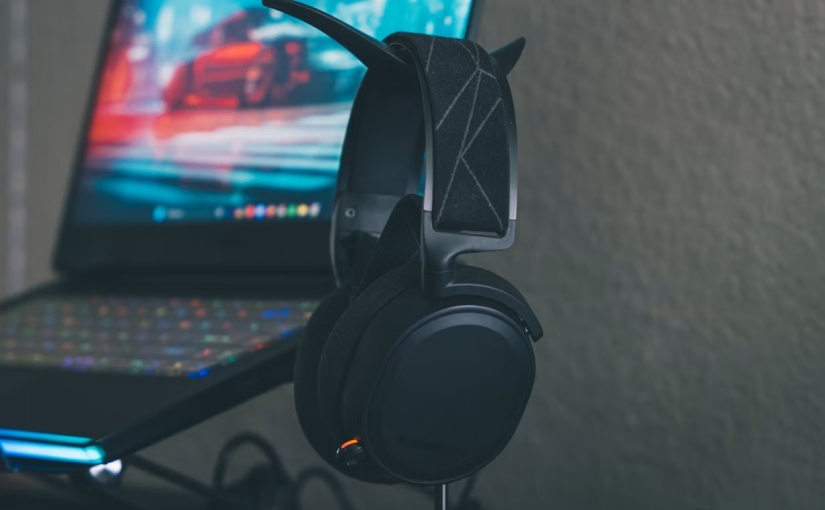
SteelSeries Arctis Pro Wireless Battery Replacement Guide and Tips

Understanding the SteelSeries Arctis Pro Wireless Battery

The steelseries arctis pro wireless battery is one of the most important parts of the headset system, providing the power needed for gaming, music, calls, and everyday use. The Arctis Pro Wireless uses a removable battery design, which allows users to replace or swap batteries instead of waiting for long charging periods.

For many users in New Zealand, a reliable wireless headset battery is important for long gaming sessions, remote meetings, and entertainment. Over time, battery capacity may decrease because of regular charging cycles, leading users to look for solutions related to battery life, charging issues, and replacement options.

What Is the Battery Life of the Arctis Wireless Pro

Many users search what is the battery life of the arctis wireless pro because they want to know how long they can use the headset before needing to recharge. The actual usage time depends on different factors, including volume level, microphone activity, wireless settings, and how frequently the headset is used.

The steelseries arctis pro wireless battery life can change as the battery gets older. A new battery usually provides longer usage time, while an aging battery may drain faster and require more frequent charging. Users who spend many hours gaming or working online may prefer having an additional battery available for convenience.

Common Signs of SteelSeries Arctis Pro Wireless Battery Problems

When users experience short usage time, unexpected shutdowns, or charging failures, they often search for steelseries arctis pro wireless battery not working. These problems may happen because of battery aging, poor connections, charging issues, or other hardware-related causes.

A battery that cannot maintain power for long periods may indicate reduced capacity. Before replacing the battery, users can check the charging connection, battery contacts, and headset settings to determine whether the problem comes from the battery itself.

How to Tell If SteelSeries Battery Is Charging

Many owners want to know how to tell if steelseries battery is charging when they place the battery into the headset or charging area. Checking the charging indicator and battery status can help confirm whether the battery is receiving power.

If the charging signal does not appear, users can try removing and reinstalling the battery, cleaning the contact points, and checking the charger connection. Sometimes a battery that has been unused for a long period may need extra time before showing charging activity.

Why Is My SteelSeries Headset Battery Not Charging

A common question among users is why is my steelseries headset battery not charging. Charging problems can happen for several reasons, including damaged charging accessories, dirty contacts, battery aging, or connection problems.

For users experiencing steelseries arctis pro wireless battery not charging, checking simple factors first can help identify the issue. Testing the charger, ensuring the battery is inserted correctly, and restarting the headset may resolve some charging problems.

If the battery still cannot charge after troubleshooting, the battery may have reached the end of its lifespan and require replacement.

Choosing a SteelSeries Arctis Pro Wireless Battery Replacement

When battery performance decreases, many users begin searching for steelseries arctis pro wireless battery replacement options. Because the Arctis Pro Wireless uses a removable battery system, replacing the battery is more convenient compared with headsets that have built-in batteries.

A suitable replacement battery should have the correct size, specifications, and connector design. Choosing a compatible battery helps maintain stable performance and reduces the risk of charging or power issues.

Before purchasing a replacement, users should confirm their headset model and battery requirements to ensure proper compatibility.

How to Replace Battery in Arctis Pro

Many people search how to replace battery in arctis pro because they want to restore their headset performance. The replacement process mainly involves removing the existing battery and installing a suitable new one.

The steelseries arctis pro wireless battery replacement process is relatively straightforward because the battery compartment is designed for easy access. Users should turn off the headset, remove the old battery carefully, insert the replacement battery correctly, and check whether the headset powers on normally.

Taking care during the replacement process can help protect the battery contacts and avoid unnecessary damage.

SteelSeries Arctis Pro Wireless Battery Pack and Battery Swap

One of the biggest advantages of the headset is the ability to use an extra battery. A steelseries arctis pro wireless battery pack allows users to keep a spare battery ready and quickly continue using the headset when the current battery runs out.

The steelseries arctis pro wireless battery swap feature is useful for gamers, streamers, and professionals who need uninterrupted wireless performance. Instead of waiting for the battery to recharge, users can simply replace the empty battery with a fully charged one.

For people who frequently use their headset for extended periods, carrying an additional battery pack can improve convenience.

SteelSeries Arctis Pro Wireless Battery Replacement Discussions Online

Many users share their experiences and troubleshooting methods in online communities. Searches such as steelseries arctis pro wireless battery replacement reddit often lead to discussions about battery lifespan, replacement methods, charging issues, and user experiences.

Community feedback can provide helpful information about common problems, but battery performance can vary depending on usage habits, charging frequency, and storage conditions.

Using a SteelSeries Arctis Pro Wireless Battery Charger Correctly

A suitable steelseries arctis pro wireless battery charger plays an important role in maintaining battery performance. Using the correct charging method helps ensure the battery receives stable power and reduces unnecessary stress.

If charging becomes inconsistent, users should check the charger connection and charging environment. Avoiding damaged cables and keeping charging contacts clean can help improve charging reliability.

How to Extend Battery Life and Reduce Future Problems

Taking care of the headset battery can help extend its useful lifespan. Avoiding excessive heat, storing the headset in a dry place, and charging the battery regularly can support better long-term performance.

For users in New Zealand, changing temperatures between seasons may affect battery performance. Proper storage and careful handling can help reduce battery-related issues over time.

Finding the Best Solution for SteelSeries Arctis Pro Wireless Battery Issues

Whether you are dealing with steelseriesarctisprowirelessbatterynotworking, charging problems, or reduced battery capacity, understanding the cause is the first step toward solving the issue.

Some users may only need to adjust charging habits or check connections, while others may benefit from replacing an aging battery. Knowing the condition of your headset battery can help you choose the most practical solution.

Final Thoughts on SteelSeries Arctis Pro Wireless Battery Care

The SteelSeries Arctis Pro Wireless offers a convenient removable battery system that makes long-term use easier. Understanding battery life, replacement options, charging problems, and battery maintenance can help users keep their headset working smoothly.

Whether you are searching for steelseries arctis pro wireless battery charger, dealing with steelseries arctis pro wireless battery not charging, or planning a steelseries arctis pro wireless battery replacement, learning about common battery issues can help you make better decisions and enjoy a more reliable wireless audio experience.

Best Noise Cancelling Earbuds Compared for Comfort and Performance

Why Noise Cancelling Earbuds Are Popular in New Zealand

For many people in New Zealand, daily routines include commuting, working remotely, travelling, exercising, and relaxing in different environments. noise cancelling earbuds have become a popular audio choice because they help reduce unwanted background sounds and create a more comfortable listening experience. Whether you are taking public transport, working in a busy office, or enjoying music outdoors, the right earbuds can help you stay focused.

Modern earbuds are no longer only designed for listening to music. They are also widely used for online meetings, phone calls, podcasts, videos, and gaming. With improvements in sound technology, battery life, and wireless connection, more users are searching for earbuds that suit different lifestyles.

How to Choose the Best Noise Cancelling Earbuds

Choosing the best noise cancelling earbuds depends on your personal needs and daily activities. Some people need strong noise reduction for commuting and flights, while others focus more on comfort, sound quality, or battery performance.

For New Zealand users who often travel long distances or spend time outdoors, factors such as secure fitting, reliable Bluetooth connection, and long battery life are important. Comfortable earbuds can also make a big difference for people who wear them for several hours a day.

Noise Cancelling Earbuds Sony for High-Quality Listening

Many users searching for noise cancelling earbuds sony are interested in earbuds that offer excellent sound performance, effective noise reduction, and comfortable designs. Sony models are often considered by people who want an immersive audio experience for music, calls, and entertainment.

Different Sony earbuds provide different features, including adaptive sound settings and smart controls. They can be a suitable option for commuters, office workers, and travellers who want to enjoy clearer audio with fewer distractions.

Noise Cancelling Earbuds Sport for Active Lifestyles

For runners, gym users, and outdoor enthusiasts, noise cancelling earbuds sport can be a useful choice. These earbuds are designed with movement in mind, focusing on a secure fit, lightweight design, and comfortable wearing experience.

New Zealand has many outdoor activities, from walking trails to fitness training, so earbuds that stay in place during exercise can provide extra convenience. A good sport model should balance sound quality with comfort and durability.

What to Look for in a Noise Cancelling Earbuds Review

Reading a noise cancelling earbuds review can help buyers understand how different earbuds perform in real situations. Reviews often discuss important areas such as noise cancellation, sound quality, microphone performance, battery life, and comfort.

The best choice depends on your environment. Earbuds that work well in a quiet office may not perform the same way on a plane or in a crowded area. Checking real user experiences can help you understand whether a product matches your needs.

Finding Good Value with Noise Cancelling Earbuds Sale Offers

Many shoppers look for a noise cancelling earbuds sale when they want to upgrade their audio devices while keeping costs reasonable. Sales can provide opportunities to compare different models and find features that fit your budget.

However, price should not be the only consideration. Battery capacity, comfort, connection quality, and overall performance are also important when choosing earbuds that can be used for a long time.

Noise Cancelling Earbuds Sleep for a More Relaxing Experience

Some users search for noise cancelling earbuds sleep because they want a quieter environment while resting. Sleep-friendly earbuds usually focus on smaller designs, lightweight materials, and improved comfort for longer use.

For people living in busy areas or those who travel frequently, comfortable noise reduction can create a more relaxing personal space. The right sleep earbuds should reduce distractions without causing discomfort.

JBL Noise Cancelling Earbuds for Music and Entertainment

Many people consider jbl noise cancelling earbuds because of their strong audio performance and user-friendly designs. JBL earbuds are popular among users who enjoy music, podcasts, videos, and everyday entertainment.

For daily use, features such as simple controls, stable wireless connection, and good battery performance are important. A balanced pair of earbuds can support activities throughout the day, from morning travel to evening relaxation.

Noise Cancelling Earbuds Wired or Wireless: Which Is Better?

While wireless products are becoming more common, some users still prefer noise cancelling earbuds wired because they offer a direct connection without needing battery charging or Bluetooth pairing.

Wired earbuds can be useful for specific devices and situations where a cable connection is preferred. On the other hand, wireless models provide greater freedom of movement and are often more convenient for commuting, sports, and travel.

Noise Cancelling Earbuds for Flying During Long Trips

Travellers often search for noise cancelling earbuds for flying because airplane cabins create continuous background noise. Good travel earbuds can help reduce engine sounds and make long journeys more comfortable.

For New Zealand travellers taking international flights, features such as long battery life, comfortable fit, and effective noise reduction are especially valuable. Compact earbuds are also easier to carry during trips.

Bluetooth Noise Cancelling Earbuds for Everyday Convenience

bluetooth noise cancelling earbuds are designed to provide a flexible listening experience without cables. They can connect with smartphones, tablets, and laptops, making them suitable for work, entertainment, and communication.

Bluetooth technology has improved in recent years, offering more stable connections and better power efficiency. For users who want convenient audio on the go, wireless earbuds are a practical option for everyday life.

Final Thoughts on Choosing Noise Cancelling Earbuds

The right earbuds depend on how you plan to use them. Whether you need earbuds for travel, exercise, sleeping, working, or entertainment, there are many options available for New Zealand users.

By comparing noise reduction performance, comfort, battery life, sound quality, and connection features, you can find noise cancelling earbuds that match your lifestyle. A suitable pair can provide a more enjoyable and focused audio experience wherever you go.

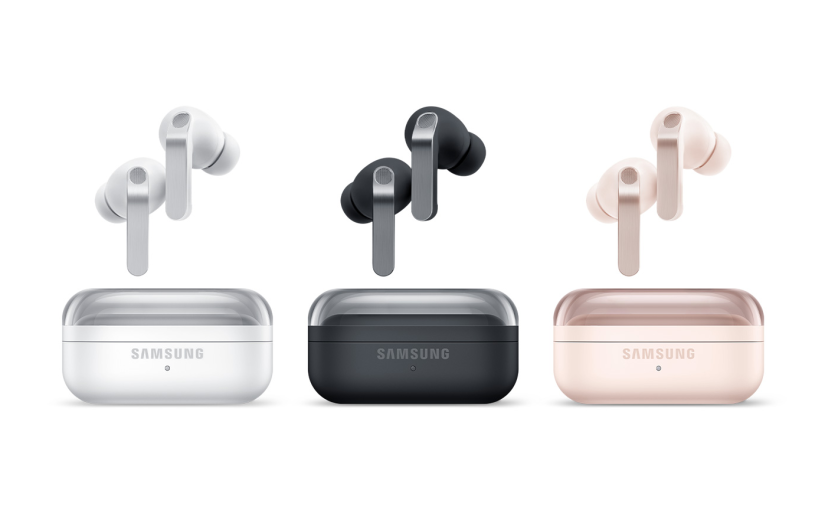
Galaxy buds battery replacement cost guide and samsung options

Why Galaxy Buds Battery Life Becomes a Common Concern

Wireless earbuds have become an essential accessory for many people in New Zealand, whether for commuting, working, exercising, or making phone calls. However, after long-term use, many Samsung Galaxy Buds users notice shorter battery life, faster power loss, or charging problems.

As battery performance decreases, many users begin searching for answers to questions like can you replace the battery in Samsung earbuds?, can an earbuds battery be replaced?, and can Galaxy batteries be replaced? Instead of replacing the entire device, some users prefer to explore battery replacement options to extend the lifespan of their earbuds.

Although Galaxy Buds are designed with compact built-in batteries, replacement may still be possible through professional repair services or specialised battery suppliers.

Galaxy Buds Battery Replacement Cost in New Zealand

The galaxy buds battery replacement cost depends on different factors, including the Galaxy Buds model, battery availability, repair difficulty, and the service provider chosen. Since wireless earbuds contain very small internal components, replacing the battery requires careful technical work.

In New Zealand, the cost of replacing a Galaxy Buds battery can vary depending on whether one earbud or both earbuds require a new battery. Older models may have more affordable replacement options, while newer models can be more expensive because of their compact design and complex internal structure.

Before deciding on a repair, users should compare the galaxy buds battery replacement cost with the cost of purchasing another pair. For many people, repairing existing earbuds can be a practical choice, especially when the earbuds are still in good condition.

Understanding Samsung Battery Replacement Options

When users search for samsung battery replacement, they are often looking for ways to restore battery performance without replacing the whole device. Samsung products include many different types of batteries, including smartphone batteries, tablet batteries, smartwatch batteries, and earbud batteries.

For Galaxy Buds, the battery is built into the earbud housing and is not designed for simple replacement by users. A technician usually needs to carefully open the device, remove the old battery, install a suitable replacement, and check whether the earbuds charge and function correctly.

Battery replacement can help solve problems such as reduced listening time, unexpected shutdowns, or earbuds that cannot hold a charge.

How to Find Samsung Battery Replacement Near You

Many users search for samsung battery replacement near me when they experience battery problems and want a convenient repair option. In New Zealand, electronic repair shops, mobile repair centres, and battery specialists may provide Samsung battery replacement services.

When choosing a local repair provider, users should consider whether the technician has experience repairing wireless earbuds. Galaxy Buds require precision because of their small size and delicate internal components.

It is also recommended to ask about repair time, replacement battery availability, testing procedures, and service guarantees before making a decision.

Samsung Battery Replacement Cost Explained

The samsung battery replacement cost depends on the type of Samsung device and the complexity of the repair. For example, replacing a smartphone battery is usually easier than replacing an earbud battery because phones have larger components and more accessible designs.

For Galaxy Buds, the cost is affected by the specific model, the condition of the earbuds, labour charges, and whether the charging case also needs attention.

If only one earbud has poor battery performance, replacing a single battery may be a more affordable solution compared with buying a completely new set.

Can You Replace the Battery in Samsung Earbuds?

Many Samsung users ask can you replace the battery in Samsung earbuds? The answer is that battery replacement is possible, but it is not a simple DIY process.

Galaxy Buds use small rechargeable lithium batteries placed inside a compact sealed structure. Unlike devices with removable batteries, earbuds require specialised tools and careful repair methods to access and replace the battery.

A successful battery replacement can improve battery life and help users continue using their Galaxy Buds. However, the repair decision should depend on the age, condition, and overall performance of the earbuds.

Can an Earbuds Battery Be Replaced?

The question can an earbuds battery be replaced? is common among wireless earbud users who experience battery problems after extended use.

In most cases, earbuds batteries can technically be replaced, but the process is more challenging than replacing batteries in larger electronic devices. Wireless earbuds combine multiple components in a very small space, including speakers, sensors, charging contacts, and batteries.

For users who like their current earbuds and want to reduce electronic waste, battery replacement can be a useful option.

What Is the Price of Buds Battery Replacement?

Many people search what is the price of buds battery? when they want to estimate the repair cost before making a decision.

The price depends on the Galaxy Buds model, battery type, repair location, and labour costs. In New Zealand, replacement prices may vary between different cities and repair providers.

Some services charge separately for the battery and repair work, while others provide a complete replacement package. Comparing different options can help users find a suitable solution based on their budget.

Tips to Extend Galaxy Buds Battery Life

Taking care of your Galaxy Buds battery can help reduce the need for replacement. Avoid exposing the earbuds to extreme heat or cold, keep the charging contacts clean, and avoid storing them for long periods with an empty battery.

Regular charging habits can also help maintain battery performance. Allowing the battery to completely drain frequently may reduce its overall lifespan over time.

Keeping the charging case in good condition is also important because charging problems are sometimes caused by dirty contacts or case-related issues rather than the earbud battery itself.

Is Galaxy Buds Battery Replacement Worth It in New Zealand?

For many New Zealand users, replacing a worn battery can be a practical way to extend the life of their Galaxy Buds. If the earbuds still provide good sound quality, comfortable use, and reliable connection, battery replacement may be worth considering.

However, if the earbuds have multiple issues or are several years old, replacing them with a newer model may provide better value.

Understanding the galaxy buds battery replacement cost, samsung battery replacement options, samsung battery replacement near me choices, and other repair considerations can help users make a better decision based on their needs and budget.

Sena 20S Evo Battery Guide: Battery Life, Charging, Checks and Fixes

Understanding the Sena 20S Evo Battery

The Sena 20S Evo remains a popular motorcycle communication system among riders who rely on clear intercom connections, navigation prompts, and music streaming during long journeys. One of the most common topics discussed by users is the sena 20s evo battery and how to keep it performing efficiently over time. Whether you use your headset for daily commuting, weekend touring, or long-distance rides across New Zealand, understanding battery performance can help you avoid interruptions on the road.

Many riders are interested in the sena 20s evo battery size because battery capacity directly affects operating time. While the compact design of the 20S Evo allows it to fit comfortably on most helmets, its rechargeable battery is engineered to provide sufficient power for extended communication and media use.

Sena 20S Evo Battery Life Expectations

One of the most frequently asked questions is, how long does the sena 20s battery last? The answer depends on usage patterns, environmental conditions, and battery age. Under typical riding conditions, the sena 20s evo battery life can support many hours of talk time, music playback, GPS instructions, and intercom communication before requiring a recharge.

For riders who spend entire days exploring New Zealand’s scenic coastal highways or mountain routes, battery performance can vary depending on the number of connected devices and active features. As with most rechargeable electronics, battery capacity gradually decreases after years of regular charging cycles. Monitoring your usage habits can help maximize the lifespan of your communication system.

How to Check Battery Status Before a Ride

Many users ask, how do i check the battery level on my sena 20s evo helmet? Knowing your remaining charge before leaving home is essential, especially for long-distance rides.

A regular sena 20s evo battery check can help prevent unexpected shutdowns while riding. The device provides battery information through voice prompts and indicator lights, allowing riders to monitor the sena 20s evo battery level without complicated procedures. Performing a quick sena 20s evo battery level verification before every trip is a practical habit that helps ensure uninterrupted communication during your journey.

In addition, periodic sena 20s evo battery check routines can help identify declining battery performance before it becomes a significant issue.

How to Charge Sena 20S Evo Properly

Another common question is, how to charge sena 20s evo? Proper charging practices can extend battery longevity and improve overall reliability.

When learning how to charge sena 20s evo?, riders should use compatible charging equipment and avoid exposing the headset to excessive heat during charging. It is generally recommended to recharge the unit after longer rides rather than allowing the battery to remain completely depleted for extended periods.

For New Zealand riders who frequently travel between regions, carrying a portable power bank can be useful during multi-day tours. Consistent charging habits often contribute to better long-term battery performance.

Can You Replace a Sena Battery?

As devices age, many owners begin asking, can you replace a sena battery? This question becomes particularly relevant when operating time noticeably decreases compared to when the headset was new.

The answer to can you replace a sena battery? depends on the specific condition of the unit and the availability of replacement components. In many cases, battery replacement may restore usability when battery degradation becomes severe. However, users should carefully assess the headset’s overall condition before deciding whether battery replacement is the most practical solution.

Understanding available service options and replacement procedures can help riders make informed maintenance decisions.

How to Replace Sena 20S Evo Battery Safely

A growing number of users search for how to replace sena 20s evo battery when they notice shorter operating times or charging difficulties. Before attempting how to replace sena 20s evo battery, it is important to understand the internal design of the headset and follow appropriate safety precautions.

The process typically requires careful disassembly, battery removal, and installation of a compatible replacement battery. Since the headset contains sensitive electronic components, patience and attention to detail are essential. Riders who are uncomfortable working with electronics may prefer seeking professional assistance to reduce the risk of accidental damage.

Common Sena 20S Evo Battery Problems

Over time, users may encounter various sena 20s evo battery problems that affect performance. These issues can include reduced operating time, inconsistent charging behavior, unexpected shutdowns, or inaccurate battery indications.

Several factors may contribute to sena 20s evo battery problems, including battery aging, frequent exposure to extreme temperatures, prolonged storage without charging, or normal wear after years of use. Regular maintenance and proper charging habits often help minimize these concerns.

If battery performance suddenly changes, performing a full charge cycle and checking the charging accessories may help identify the source of the problem before considering replacement.

Understanding Sena 20S Evo Battery Replacement Options

When battery degradation becomes significant, many riders begin researching sena 20s evo battery replacement solutions. A successful sena 20s evo battery replacement can potentially extend the useful life of the communication system and improve daily reliability.

Before proceeding with a sena 20s evo battery replacement, users should confirm battery compatibility and carefully review installation procedures. Selecting an appropriate replacement battery and following proper installation practices can help maintain consistent performance and safety.

For riders who depend on their communication systems during long-distance touring throughout New Zealand, maintaining battery health remains one of the most important aspects of device ownership.

The sena 20s evo battery plays a crucial role in the overall performance of the headset. Whether you are researching how long does the sena 20s battery last?, wondering how do i check the battery level on my sena 20s evo helmet?, learning how to charge sena 20s evo?, asking can you replace a sena battery?, investigating how to replace sena 20s evo battery, or exploring sena 20s evo battery replacement options, understanding battery care can significantly improve your riding experience.

By monitoring the sena 20s evo battery level, conducting regular sena 20s evo battery check routines, and addressing sena 20s evo battery problems early, riders can enjoy more dependable communication and longer-lasting performance on every journey.

Why Your AirPods Sound Quality Fluctuates: What Might Be Causing It

Understanding AirPods Battery Life in Daily Use

When it comes to wireless earbuds, airpods battery life is one of the most important factors influencing user satisfaction. For users in New Zealand, where commutes, outdoor activities, and remote work are common, having reliable battery performance is essential. Typically, AirPods offer several hours of listening time on a single charge, with additional charges provided by the case. However, actual performance can vary depending on usage habits such as volume level, call frequency, and environmental conditions like temperature. By understanding how airpods battery life works, users can better plan their day without unexpected interruptions.

How to Check AirPods Battery Efficiently

Knowing how to check airpods battery is key to avoiding sudden power loss. Fortunately, there are multiple simple ways to monitor battery levels. When connected to an iPhone or iPad, users can open the case near the device to instantly see the battery status on screen. Another convenient method is using the battery widget, which provides real-time updates. For those using AirPods with other devices, Bluetooth settings often display battery percentages as well. Learning how to check airpods battery regularly helps users stay in control and ensures a smoother listening experience throughout the day.

How to Tell If Your AirPods Are Out of Battery

A common concern among users is how to tell if your airpods are out of battery, especially when you’re on the go. AirPods usually give subtle audio cues, such as a low battery chime, before shutting down. In some cases, one earbud may stop working before the other, indicating uneven battery levels. Additionally, connection drops or failure to pair can signal that the battery is fully depleted. Understanding how to tell if your airpods are out of battery can save time and prevent confusion, particularly during important calls or workouts.

Charging Habits That Extend Battery Performance

Beyond simply monitoring battery levels, adopting good charging habits can significantly improve long-term performance. Avoid letting your AirPods drain completely too often, as this may impact battery health over time. Instead, try to keep them within a moderate charge range. For users in New Zealand who may spend extended periods outdoors, carrying the charging case fully powered can make a big difference. Small habits like these contribute to more consistent airpods battery life and reduce the need for frequent charging cycles.

Environmental Factors and Usage Tips

Battery performance is also influenced by external conditions. Colder climates, which can occur in parts of New Zealand, may temporarily reduce battery efficiency. Similarly, using features like noise cancellation or making long voice calls can drain power faster. Adjusting settings and being mindful of usage can help balance performance and longevity. Combining these insights with knowledge of how to check airpods battery ensures a more reliable experience in various situations.

Getting the Most Out of Your AirPods

Ultimately, managing your AirPods effectively comes down to awareness and routine. By understanding airpods battery life, learning how to check airpods battery, and recognizing how to tell if your airpods are out of battery, users can avoid common frustrations. With a few practical adjustments and consistent monitoring, your AirPods can deliver a seamless and dependable audio experience, whether you’re commuting, working, or relaxing.

Comfortable Memory Foam Headset Guide for Long Gaming Sessions

Sleek Design Meets Comfort

The SteelSeries Arctis Nova Pro Wireless Multi Gaming Headset immediately catches the eye with its modern, minimalist design. Lightweight yet sturdy, it combines premium materials with a sleek aesthetic suitable for extended gaming sessions. The memory foam ear cushions and adjustable headband provide comfort that lasts, allowing gamers to stay immersed without fatigue. Its modular design hints at the versatility, making it compatible across multiple platforms, from PC setups to consoles and handheld devices. Gamers increasingly search for long-lasting gaming headset batteries with easy swap options to ensure uninterrupted marathon sessions, and this headset addresses that need.

Advanced Performance and Audio Fidelity

At the heart of the Nova Pro Wireless lies its dual-wireless system, which delivers ultra-low latency audio, critical for competitive gaming. The headset features premium lossless 2.4 GHz wireless connectivity alongside Bluetooth support, ensuring uninterrupted audio whether gaming or multitasking. Its custom-tuned drivers deliver a broad frequency range with precise bass and crystal-clear highs, providing an immersive spatial soundscape for first-person shooters, RPGs, or cinematic experiences. Notably, wireless gaming headsets compatible with quick battery replacement have become a hot search topic as players look for convenience and reliability during long play sessions.

Intelligent Features for Gamers

Beyond audio quality, the Arctis Nova Pro Wireless includes a suite of smart features designed for modern gamers. The active noise-canceling microphone adapts to your environment, ensuring voice clarity even in noisy rooms, while the headset’s AI-driven software allows customizable sound profiles and surround sound tuning. Gamers following the latest eSports events and content creation trends appreciate the multi-platform headset battery management tips that help maintain peak performance across devices. These intelligent features reflect the growing demand for headsets that blend performance with smart, adaptive tech.

Key Highlights and Connectivity

What sets the Nova Pro Wireless apart is its balance of design, performance, and flexibility. The headset supports simultaneous connections to multiple devices, allowing users to stay connected to both gaming consoles and mobile phones without swapping devices. Its long-lasting wireless battery life complements the convenience of the previously mentioned battery-related features, ensuring uninterrupted gaming and streaming. The headset also integrates intuitive software for sound optimization, reflecting a broader trend in high-end gaming peripherals focusing on user experience and customization.

Immersive Gaming and Future-Ready Tech

With the rise of hybrid gaming setups and live streaming, headsets like the SteelSeries Arctis Nova Pro Wireless have become central to a seamless gaming experience. The combination of comfort, high-fidelity audio, and intelligent features makes it suitable for both competitive esports and casual gaming. Its compatibility with adaptive audio profiles ensures that gamers and creators can stay at the forefront of tech trends. For those seeking an all-in-one audio solution, this headset represents a future-ready investment in both performance and versatility.

The SteelSeries Arctis Nova Pro Wireless Multi Gaming Headset is more than just a gaming accessory; it’s a reflection of the evolving gaming culture, blending style, high performance, and smart functionality. Its focus on comfort, immersive audio, and intelligent controls makes it a must-have for those following the latest in eSports, streaming, and tech trends. For anyone looking to elevate their gaming or content creation setup, this headset offers a comprehensive solution that keeps pace with the demands of today’s high-tech gaming world.