Could Shape-Shifting Smart Blocks Be the Future of LEGO-Style Creativity?

From Simple Building Bricks to Intelligent Play

Imagine sitting at your kitchen table in Auckland on a rainy afternoon. Instead of building a conventional tower with colourful plastic bricks, you connect a collection of intelligent blocks, watch them respond to your movements, and transform your creation into something entirely different. A few minutes later, your building becomes a moving vehicle, a miniature game controller, or even a simple interactive robot.

This is the exciting possibility behind shape-shifting smart blocks.

Traditional construction toys have always encouraged children to use their imagination. From building castles and spacecraft to designing imaginary cities, the experience of connecting individual pieces has remained popular for generations. However, advances in electronics, sensors, artificial intelligence, and modular technology are creating opportunities to take this familiar activity much further.

For New Zealand families, educators, and technology enthusiasts, the idea raises an interesting question: could intelligent building blocks become the next major evolution of creative play?

The answer may depend on how successfully manufacturers combine physical creativity with digital interaction.

What Exactly Are Shape-Shifting Smart Blocks?

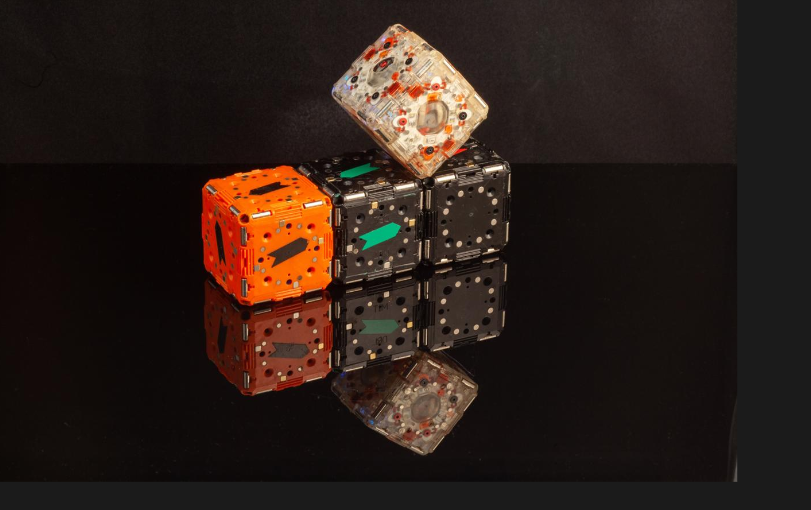
Shape-shifting smart blocks are an emerging concept in interactive construction toys. Rather than functioning only as passive building pieces, these blocks could contain electronic components that allow them to communicate, recognise connections, respond to movement, or perform programmed actions.

Imagine connecting several blocks to create a small robotic creature. A movement sensor could detect when someone approaches, while a light module could make its eyes glow. Another component might produce sounds or respond when the structure is touched.

Some modular electronic construction systems already demonstrate parts of this concept. Programmable robotics kits, magnetic electronic blocks, and interactive educational toys show how traditional building activities can incorporate technology.

The more ambitious idea is to make individual blocks adaptable. Instead of requiring a completely different set of components for every project, users could rearrange the same pieces and give them new functions.

One afternoon, a collection of blocks might become a racing car. The next day, those same pieces could form a miniature weather station or an interactive model of a spaceship.

That flexibility could make construction toys much more than a temporary entertainment product.

Why New Zealand Could Be a Great Place for This Innovation

New Zealand has a strong connection with outdoor creativity, practical learning, and hands-on exploration. Children grow up surrounded by opportunities to experiment, whether they are building treehouses, exploring beaches, creating backyard projects, or learning about the natural environment.

Smart construction toys could bring some of that curiosity into the digital world.

In Auckland, Wellington, Christchurch, and smaller communities, families increasingly encounter technology through everyday activities. Children use digital devices for entertainment and learning, while schools continue exploring ways to introduce science, technology, engineering, and mathematics through practical projects.

Intelligent building blocks could provide a bridge between screen-based entertainment and physical experimentation.

For example, a child might construct a model of a New Zealand lighthouse, program its light to rotate, and add a sensor that responds when someone approaches. Another might build a miniature farm, complete with moving gates and simulated weather conditions.

These projects connect technology with familiar local experiences.

The appeal is not simply that the toys look futuristic. It is that children can make something with their hands and then discover how technology can bring it to life.

LEGO-Style Creativity Is Changing

For decades, construction toys have encouraged open-ended play. A box of bricks does not necessarily tell children what they must build. Instead, it gives them materials and allows their imagination to determine the final result.

This freedom is one reason LEGO-style creativity remains so appealing.

However, modern children are growing up in a world where physical objects and digital experiences increasingly overlap. Video games, interactive displays, programmable robots, and augmented reality have changed expectations about what toys can do.

Smart blocks could combine these experiences without requiring children to spend the entire afternoon staring at a screen.

A particularly interesting possibility is interactive storytelling. Imagine constructing a small fantasy village in which different buildings respond to one another. A bridge could light up when a vehicle crosses it, while a castle might produce different sounds depending on which pieces are connected.

Instead of simply following a predetermined game, children could invent the rules themselves.

That is a significant difference. The toy becomes a platform for creativity rather than a product with only one intended purpose.

The Role of Artificial Intelligence

Artificial intelligence could make smart construction toys even more interesting.

In a conventional building set, the user decides what to create and how it should look. An AI-assisted system could offer suggestions, identify structures, or help children understand why a particular design works.

For instance, a child building a bridge might ask why the structure keeps collapsing. An educational assistant could explain the importance of support points, weight distribution, and triangular shapes.

A more advanced system might recognise the connected components and suggest ways to add movement or interactive features.

However, AI should support creativity rather than replace it.

If a toy automatically designs every structure, children lose the opportunity to experiment, make mistakes, and discover solutions independently. The most useful technology would provide guidance while leaving important decisions in the child’s hands.

For New Zealand schools, this could create interesting opportunities for project-based learning. Teachers could introduce engineering challenges and encourage students to develop their own solutions instead of simply reproducing an example.

Could Smart Blocks Make STEM Learning More Exciting?

One of the biggest opportunities for intelligent construction toys is education.

STEM subjects can sometimes feel abstract, particularly when students encounter complicated scientific or mathematical ideas without seeing how they apply to everyday life.

Building a working model offers a different experience.

A group of students could create a miniature wind turbine, experiment with different blade shapes, and observe how the design affects rotation. Another group might construct a small automated greenhouse with temperature sensors and a simulated watering system.

These activities could introduce concepts such as electricity, mechanical movement, programming, measurement, and problem-solving.

New Zealand’s emphasis on practical learning and digital technology education makes this an especially interesting area to explore.

Schools could also connect building projects with local environmental topics. Students might design models of sustainable homes, coastal monitoring stations, or devices that demonstrate how water moves through a landscape.

The best educational toys do not make learning feel like another classroom worksheet. They turn questions into experiments.

The Technology Hidden Inside Every Block

Creating intelligent building pieces is considerably more complicated than producing ordinary plastic bricks.

Each block must be durable enough for regular handling while remaining small and lightweight. Electronic connections need to work reliably, and components must communicate without becoming difficult for younger users to understand.

Depending on the design, smart blocks could include miniature processors, wireless communication modules, LEDs, microphones, motion sensors, or magnetic connectors.

Power management is another important consideration.

Interactive toys require a dependable energy source, particularly when they contain moving components, wireless functions, and illuminated displays. Manufacturers developing these products need to consider the size, safety, charging arrangements, and expected lifespan of each toys battery.

A well-designed power system could help ensure that children spend more time experimenting and less time waiting for their creations to recharge.

The challenge is to make the technology almost invisible during play. Children should be thinking about what they want to build, not worrying about complicated setup procedures.

Will Parents Welcome Another Connected Toy?

Although smart blocks sound exciting, parents may have questions before bringing them home.

Price is likely to be one concern. Traditional construction sets are available across a wide range of budgets, while products containing electronic components, sensors, and software may cost considerably more.

Durability is another consideration. Ordinary bricks can survive years of play, but electronic components introduce additional potential points of failure.

Parents may also worry about screen time, online connectivity, and data privacy.

A smart construction toy does not necessarily need an internet connection to be useful. In fact, many families might prefer a system that works offline, stores projects locally, and avoids unnecessary personal data collection.

Manufacturers could make their products more appealing by offering clear privacy settings, replaceable components, robust materials, and simple controls.

For New Zealand households, repairability and long-term value could be particularly important. A toy that can be upgraded or expanded over several years may be more attractive than one that becomes outdated after a single software update.

What About Battery Life and Safety?

Power requirements deserve special attention when electronic components are placed inside toys.

A basic illuminated block may consume relatively little energy, while a moving robotic structure with sensors and wireless connectivity could require considerably more power.

This means battery design will influence the overall experience.

Families will want products that are easy to recharge, reliable during extended play sessions, and designed with appropriate protection against overheating, short circuits, and accidental damage.

Parents shopping for replacement components should always check device compatibility and follow the manufacturer’s charging and maintenance instructions.

For manufacturers, developing a suitable toys battery is not simply about providing enough energy. It is also about balancing weight, dimensions, operating time, and safety.

A lightweight modular block that can operate throughout an afternoon of creative play would offer a much better experience than one that constantly needs charging.

Battery performance could therefore become an important part of the competition between future smart construction toy brands.

Could These Toys Inspire the Next Generation of Inventors?

Perhaps the most exciting possibility is that smart blocks could introduce children to engineering without making the experience feel intimidating.

A child who builds a moving vehicle may become curious about motors. Someone who creates an interactive animal might start asking questions about sensors and programming.

That curiosity can develop naturally.

New Zealand has a growing technology and innovation community, and encouraging young people to experiment with engineering could help build interest in future technical careers.

There is also an opportunity for families to participate together.

Parents could help children troubleshoot a connection, grandparents could share ideas for unusual structures, and siblings could compete to create the most imaginative working model.

These activities encourage communication and collaboration while giving everyone a shared project.

Importantly, children do not need to become professional programmers to benefit. Learning how to test an idea, identify a problem, and try another solution is valuable in almost any field.

The Environmental Question Behind Electronic Toys

As electronic features become more common in construction toys, sustainability will become increasingly important.

Traditional plastic building pieces can often be reused for many years. Adding circuit boards, batteries, wireless components, and rechargeable systems creates additional environmental considerations.

Manufacturers should think about what happens when an electronic module stops working.

Can the battery be replaced? Can damaged components be repaired? Can electronic pieces be separated from plastic parts for recycling?

These questions matter in New Zealand, where waste reduction and responsible consumption are important public conversations.

A modular design could actually provide an advantage. If one electronic component breaks, users might be able to replace that individual piece instead of throwing away an entire set.

Reusable rechargeable power systems could also reduce the need for disposable batteries.

Designing products for a longer useful life would make smart construction toys more appealing to environmentally conscious families.

What Could the Future of Smart Building Blocks Look Like?

The next generation of construction toys may combine physical pieces, programmable electronics, artificial intelligence, and interactive storytelling.

Imagine a building set that allows children to construct an entire miniature city. Traffic lights respond to moving vehicles, streetlights turn on automatically, and buildings display different patterns depending on environmental conditions.

Another set might allow children to build a miniature underwater research station, complete with simulated sensors and interactive control panels.

Some systems could eventually connect physical models with digital environments, allowing children to see their creations appear inside a virtual world.

However, the most successful products will probably be those that remain simple to use.

Children should be able to open a box, connect a few pieces, and start experimenting without reading a complicated instruction manual.

Affordable expansion packs, interchangeable modules, straightforward programming tools, and dependable toys battery systems could all help make these products more practical.

Are Smart Blocks the Future of Creative Play?

Shape-shifting smart blocks may not replace traditional construction toys, and they probably should not.

Ordinary bricks still offer something special: unlimited possibilities without screens, software, or electronic complications.

However, intelligent building systems could introduce an exciting new category of play. By combining physical construction with movement, sensors, programming, and interactive features, they could give children new ways to explore their imagination.

For New Zealand families, the opportunity is particularly interesting because these toys could connect entertainment with practical learning, environmental awareness, and technological curiosity.

The real innovation will not be creating the most complicated electronic brick.

It will be creating a toy that makes a child look at a collection of ordinary-looking pieces and imagine something extraordinary.

Perhaps the future of LEGO-style creativity is not about building bigger structures or adding more complicated technology. It is about giving every small piece the potential to become something completely unexpected.
Digimon Is Bringing Virtual Pets Back, and Kiwi Gamers May Be Ready for a Nostalgia Trip

The digital pets that once demanded attention during school breaks, bus rides and family holidays are finding a new audience. Digimon, one of the most recognisable names from the golden age of handheld virtual pets, continues to inspire nostalgia among adults while attracting younger fans who enjoy interactive toys, portable gaming and collectible technology. For New Zealand consumers, this revival raises an interesting question: can a tiny digital creature on a handheld screen still compete with smartphones, tablets and modern gaming consoles?

The answer might be more exciting than expected. In a world filled with endless notifications, sophisticated graphics and online multiplayer experiences, the appeal of looking after a small virtual monster has something refreshingly simple about it. Players feed it, train it, watch it grow and discover what kind of creature it might become. There is no enormous screen, complicated subscription or lengthy tutorial required. Just a pocket-sized device and a digital companion that needs a little attention.

For New Zealand’s gaming and toy enthusiasts, this nostalgic trend is more than a trip down memory lane. It reflects a growing interest in interactive entertainment, retro-inspired gadgets and toys that combine physical products with digital experiences.

Why Virtual Pets Still Have a Place in Modern Gaming

Virtual pets first became popular because they offered something different from traditional electronic toys. Instead of simply pressing buttons to trigger sounds or animations, players were responsible for keeping a digital creature alive and happy.

That small responsibility created an emotional connection. A virtual pet was not just another gadget sitting in a drawer. It became something players checked throughout the day.

Digimon took this concept further by introducing training, battles, evolution and a larger fictional universe. Players could raise creatures, unlock different forms and explore a sense of progression that made each experience feel personal.

Modern gaming has changed dramatically, but the basic attraction remains surprisingly relevant. Many people now spend hours interacting with complex digital worlds, yet a simple handheld device can provide a different kind of enjoyment.

For busy New Zealanders, particularly those who enjoy casual gaming, virtual pets offer short entertainment sessions without demanding an entire evening. A quick check before heading to work, a training session during a lunch break or a battle while travelling can become part of an everyday routine.

Digimon Nostalgia Is Finding a New Generation

Nostalgia is a powerful force in entertainment. Adults who grew up watching Digimon television series or playing earlier handheld games may now be interested in introducing the franchise to their children.

This creates an interesting opportunity for the toy industry. A parent might remember raising a digital monster during childhood, while a younger family member discovers the experience for the first time.

Unlike some retro products that depend heavily on familiarity with older characters, Digimon has an established universe that can introduce new players to its creatures, stories and different evolutionary forms.

The experience also encourages curiosity. Children may want to discover why one creature evolves into another, how training affects development and what happens when different monsters battle.

Rather than offering a completely passive entertainment experience, virtual pets invite players to participate.

In New Zealand, where families have access to everything from console gaming to outdoor activities, a compact digital toy can offer an appealing alternative for short periods of screen-based entertainment.

It also provides an opportunity for parents and children to share something that connects different generations.

A Real Product Revival Is Already Happening in New Zealand

This revival is not simply a theoretical trend. New Zealand consumers have a particularly interesting reason to pay attention: local technology retailer PB Tech reported the arrival of Bandai’s Digimon Original New Wave 1 range in August 2026.

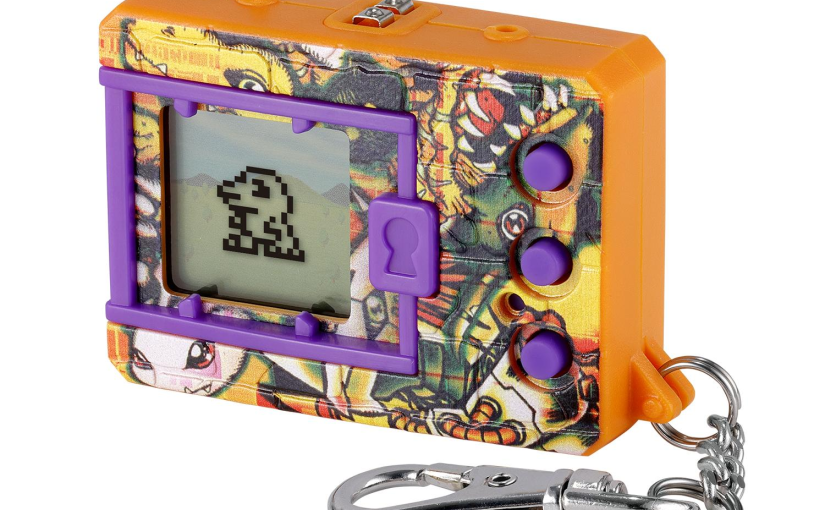
The collection brings back the familiar handheld Digital Monster experience with four different designs. These include Digivolution Agumon, Digital Camouflage, Graffiti Agumon and Pixel Protein.

The devices share the same underlying gameplay, but their exterior designs and special unlockable DigiEggs give collectors a reason to compare different versions. Players can raise more than 100 Digimon, train their creatures and participate in battles. Connecting two differently named devices can also unlock additional content.

This is an interesting development for New Zealand’s toy and gaming market because it demonstrates how manufacturers can refresh a familiar product without completely redesigning its original appeal.

The devices are also relatively affordable compared with many modern gaming products. PB Tech listed the New Wave 1 models at NZ$55 each when announcing their arrival. That makes them an interesting option for collectors who want something different from another expensive gaming accessory.

For adults who remember the original Digital Monster devices, the new designs offer a familiar experience with a fresh appearance. Younger players, meanwhile, can discover why these tiny electronic companions once became such popular playground accessories.

Why Small Electronic Toys Can Be Surprisingly Addictive

One reason virtual pets remain attractive is their simplicity.

A modern smartphone can run thousands of games, stream videos and connect people around the world. However, that abundance of options can sometimes make entertainment feel overwhelming. Players constantly switch between applications, notifications and different activities.

A virtual pet works differently.

It gives users one small responsibility: look after their creature. Feed it, train it, clean up after it and help it develop. These actions are straightforward, but they create a reason to return to the device.

The limited screen also contributes to its charm. Pixel graphics might seem outdated compared with high-resolution mobile games, yet they encourage imagination. Players do not need realistic animations to become attached to a digital character.

There is also a collectible element. Different designs, evolution paths and unlockable creatures make the experience feel like a small personal adventure.

For toy retailers, this combination is particularly interesting. A product does not necessarily need advanced graphics or complicated technology to attract attention. Sometimes, a clear concept and an enjoyable gameplay loop are enough.

The Technology Hidden Inside a Tiny Digimon Device

Although Digimon virtual pets look simple, they demonstrate how several electronic components can work together inside a remarkably small product.

A typical handheld virtual pet contains a display, control buttons, a processing unit, memory and a power source. The processor manages the creature’s behaviour, calculates changes in its status and responds to player input.

The screen communicates information through small graphics and symbols. Even without elaborate animations, it can show whether a creature is hungry, tired, happy or ready for another battle.

The buttons are equally important. They allow players to navigate menus, select activities and interact with their digital companions.

Power management is another essential part of the experience. A portable electronic toy needs a dependable energy source that can support its display and internal electronics without making the device unnecessarily bulky.

For many traditional handheld virtual pets, coin-cell batteries provide a practical solution. The Digimon Original New Wave 1 devices arrive with a CR2032 battery fitted for testing, although owners should have a fresh replacement available for continued use.

This is where toys battery becomes a relevant consideration for the wider electronic toy market. Even a product with a simple screen and limited functions depends on reliable power to keep its digital world running.

A small battery may not be the most exciting feature on a product’s packaging, but it plays an important role in whether a toy remains enjoyable over time.

Why Battery Convenience Matters for Portable Toys

Portable entertainment depends on convenience. Children and adults alike want devices that can be carried around without constantly worrying about charging cables or finding a power outlet.

That is one reason battery-powered toys continue to have a place alongside rechargeable electronics.

A coin-cell-powered device can be particularly convenient because it does not require a charging dock or a dedicated cable. When the battery eventually needs replacing, users can install a compatible replacement rather than waiting for the device to recharge.

However, battery compatibility matters. Consumers should always check the exact battery specification, voltage, dimensions and manufacturer instructions before purchasing a replacement.

Parents should also remember that small coin batteries can be dangerous if swallowed. Devices with accessible battery compartments need appropriate supervision, and battery compartments should remain securely closed.

For toy manufacturers, balancing portability, operating time, safety and product size is an important engineering challenge. A device that is too demanding on its power source can become frustrating, while an unnecessarily large battery can make a compact toy less comfortable to carry.

The best design is one that makes the technology feel almost invisible.

Digimon Is Also Becoming a Collectible Hobby

Another reason for the franchise’s renewed attention is the growing appeal of collecting physical gaming products.

For some fans, buying a Digimon device is not just about playing a game. It is about owning a piece of entertainment history.

Different shell designs, character artwork and limited releases can make individual devices appealing to collectors. Some people may prefer the classic Agumon-inspired appearance, while others might choose a more unusual colour scheme.

Bandai has also continued expanding its product range internationally and in Japan. The 2026 New Wave 2 collection introduces additional designs, while the Digivice Ver.REVIVAL series brings back the appearance of the original adventure-era devices.

The appeal goes beyond simply collecting different colours. Some devices offer different creatures, communication features and gameplay experiences.

This creates an interesting relationship between toys and gaming accessories. A product can function as a game, a collectible and a nostalgic display item at the same time.

New Zealand has a relatively small population compared with major international gaming markets, but collectors can still participate in global entertainment communities through online stores, social media and gaming forums.

That means a Digimon enthusiast in Auckland might be comparing devices with someone in Tokyo, London or Sydney. The internet makes it easier for niche collecting communities to share discoveries, discuss new releases and exchange recommendations.

Could Virtual Pets Become Popular Christmas Gifts Again?

With Christmas approaching, virtual pets could become an interesting alternative to conventional electronic gifts.

Many parents face the same challenge every year: finding something entertaining that does not involve buying another expensive tablet or gaming console.

A handheld digital pet offers a different proposition. It is compact, relatively simple to operate and encourages repeated interaction.

For younger children, caring for a virtual creature can introduce basic ideas about routines and responsibility. They can learn that their digital companion needs attention and that different actions produce different outcomes.

Older children might enjoy the collecting and battling aspects, while adults may appreciate the nostalgic connection.

There is also a practical advantage for families travelling around New Zealand during the summer holiday period. A small handheld toy can fit into a backpack or carry-on bag without taking up much space.

Whether a family is heading to a beach holiday in the Coromandel, visiting relatives in Christchurch or taking a long road trip through the South Island, portable entertainment can make travel more enjoyable.

Parents should still check the recommended age range, small-part warnings and battery compartment security before buying one.

Price is another consideration. While some collectible devices can become expensive, the more accessible models offer an opportunity to experience the franchise without committing to a major gaming purchase.

The Wider Opportunity for the Electronic Toy Industry

Digimon’s revival also highlights a broader opportunity for electronic toy manufacturers.

Consumers are surrounded by sophisticated technology, but that does not mean every new product needs to be more complicated than its predecessor.

There is room for products that combine simple controls, recognisable characters and interactive experiences.

Virtual pets are a good example. They are small enough to carry, simple enough to understand and engaging enough to encourage repeated use.

Other manufacturers could explore similar ideas through interactive keychains, miniature gaming devices, digital collectible toys and portable educational gadgets.

For example, a future electronic toy might allow children to build a virtual garden, look after a digital wildlife reserve or create a miniature town. Physical buttons and a compact screen could provide an experience that feels different from using a smartphone application.

The challenge will be finding the right balance between nostalgia and innovation. Consumers want familiar experiences, but they also expect modern products to be reliable, safe and enjoyable.

Battery design will remain part of that equation. As manufacturers develop smaller and more interactive gadgets, the choice of toys battery will influence device size, convenience, operating time and maintenance requirements.

A successful electronic toy needs more than an entertaining character. Its hardware must support the experience without creating unnecessary inconvenience for its owner.

What New Zealand Buyers Should Consider Before Purchasing

Anyone considering a Digimon virtual pet should think about how they intend to use it.

First, check the specific model. Different Digimon devices can have different creatures, features, communication options and battery requirements. Two products that look almost identical might offer different experiences.

Second, consider whether the device is intended for everyday play or collecting. Someone who wants to interact with their digital creature regularly may prioritise ease of use, while a collector might care more about the design and rarity of a particular release.

Third, look at battery availability. A replacement should match the manufacturer’s stated specification rather than simply fitting inside the compartment.

Consumers should also consider the long-term availability of accessories and replacement components. This is particularly relevant for collectors who want to keep their devices working for years.

Finally, avoid assuming that every international release is automatically available in New Zealand. Import costs, shipping times, retailer stock and warranty arrangements can vary.

Checking local retailers before ordering from overseas can help buyers understand the total cost and avoid unexpected surprises.

A Small Digital Monster With a Surprisingly Big Future

The return of Digimon virtual pets shows that entertaining technology does not always need to be large, expensive or complicated.

A tiny handheld device can still create excitement through character development, simple interactions and the satisfaction of watching a digital creature evolve.

For adults, it offers an opportunity to reconnect with a childhood favourite. For children, it introduces a new kind of interactive play that feels different from scrolling through a smartphone.

For New Zealand’s consumer electronics and toy market, the revival also highlights an interesting trend: familiar products can find new audiences when manufacturers give them fresh designs and preserve the experiences that made them popular.

Perhaps the most appealing part of the virtual pet revival is its simplicity. There are no enormous virtual worlds to master and no complicated gaming setup to assemble. There is simply a little creature waiting for its next adventure.

And as long as people enjoy collecting, playing and caring for digital companions, there will probably be room for another generation of pocket-sized monsters.

The future of electronic toys may be more sophisticated, but Digimon reminds us that sometimes the smallest gadgets create the biggest memories. Whether consumers are buying their first virtual pet or replacing an old favourite, reliable toys battery technology will remain a small but essential part of keeping those adventures alive.

Interactive Toy Story 5 Robots Launch Across Australia and New Zealand

A New Era of Interactive Toys Arrives in New Zealand

The world of toys is changing rapidly as technology transforms familiar characters into interactive experiences. In New Zealand, families, collectors and technology enthusiasts are increasingly encountering products that combine traditional play with electronic features, including moving figures, character voices, programmable actions and responsive accessories.

The latest wave of Toy Story merchandise highlights this shift. In July 2026, interactive robot toys featuring Buzz Lightyear and Woody attracted attention across Australia and New Zealand, combining recognisable Pixar characters with electronic functions. The development reflects a broader trend in which entertainment brands are exploring ways to bring fictional characters beyond television screens and into everyday play.

The arrival of Toy Story 5 on Disney+ in New Zealand on 23 September 2026 has also renewed interest in the franchise. For younger viewers, the characters offer a gateway into imaginative storytelling. For adults who grew up with the original films, interactive collectibles provide a different way to reconnect with a familiar universe.

However, the appeal of modern toys extends beyond nostalgia. These products raise important questions about affordability, technology, durability and safety. As electronic features become more common, New Zealand consumers are learning to evaluate toys not only by their appearance but also by how well they perform over time.

Why Interactive Robot Toys Are Attracting Attention

Traditional toys have always encouraged imagination, but electronic technology adds another dimension to the experience. A standard action figure depends entirely on the child’s imagination, while an interactive version may speak, move, respond to controls or perform a sequence of programmed actions.

These features can make familiar characters feel more engaging. A child might send Buzz Lightyear on a pretend space mission, arrange a scene with Woody or create an entirely new adventure involving both characters. Mechanical movements and familiar sound effects can help bring these stories to life.

For collectors, the attraction may be different. Detailed character designs, realistic movements and carefully reproduced audio can make interactive figures appealing display pieces. Some collectors may prefer to keep them in their packaging, while others enjoy demonstrating their features to friends and family.

New Zealand’s consumer electronics market provides a useful setting for this trend. Households already use smartphones, gaming systems, smart televisions and connected home devices. Interactive toys extend some of the same technologies into a more physical form.

Nevertheless, more technology does not automatically mean a better toy. A product with many electronic features may still offer limited long-term entertainment if its actions quickly become repetitive. The most successful designs are likely to be those that support creative play rather than simply encouraging users to press buttons repeatedly.

Toy Story 5 Connects Entertainment With Technology

The latest chapter of the Toy Story franchise explores the changing relationship between traditional toys and electronic devices. That theme resonates with modern families, where children often move between physical play, streaming entertainment and digital games throughout the day.

Interactive merchandise offers a way to connect these different experiences. Children can watch their favourite characters on a screen and then use physical figures to create their own stories away from the television.

For parents, this creates an opportunity to encourage imaginative activities without making every play session dependent on a digital screen. A character figure can become the starting point for storytelling, drawing, role-playing or collaborative games with siblings and friends.

The commercial potential is also significant. Popular entertainment franchises can attract customers who might otherwise overlook electronic toys. A familiar character provides an immediate connection, while additional technology offers a reason to consider a premium product.

Yet families should distinguish between genuine functionality and marketing appeal. A famous character may attract attention, but the quality of the mechanics, ease of use and suitability for the intended age group remain essential considerations.

The Technology Behind Modern Robot Toys

An interactive toy may appear simple on the outside, but its electronic systems can be surprisingly sophisticated.

Small motors enable movement, while circuit boards coordinate different actions. Speakers reproduce dialogue and sound effects, and buttons or sensors allow the toy to respond to commands. Some products also use a dedicated base or compatible accessories to activate particular functions.

Every one of these features depends on a reliable power supply. A basic sound-producing toy may consume relatively little energy, whereas a robot with moving limbs, lights and frequent audio playback can require considerably more.

This makes toys battery performance an important consideration when comparing interactive products. The power source can affect how often a toy needs recharging or battery replacement, how conveniently it can be used and whether its electronic functions remain available during extended play sessions.

Not every toy uses the same power arrangement. Some rely on disposable batteries, others contain rechargeable cells, and certain products use separate power sources for their accessories. Buyers should check the manufacturer’s specifications before purchasing replacement batteries or charging equipment.

Understanding these differences can help families avoid unnecessary expenses and keep their electronic toys operating as intended.

Are Premium Interactive Toys Worth the Price?

One of the biggest questions facing New Zealand consumers is whether an interactive toy justifies its price.

Compared with a conventional action figure, a robot toy may incorporate additional motors, speakers, electronic controls and specialised software. Licensed character designs and limited production runs can also influence retail pricing.

For New Zealand shoppers, the final cost may vary depending on the retailer, shipping arrangements, exchange rates and local availability. A product advertised overseas may not be available locally at the same price, so consumers should compare the total cost before making a decision.

The best way to evaluate value is to consider how the toy will actually be used. Families buying a birthday present may prioritise durability, straightforward controls and age-appropriate features. Collectors may care more about design accuracy, character authenticity and presentation.

Consumers should also examine the range of available interactions. Can the toy perform several different actions? Are its controls easy to understand? Does it require a separate base or accessory? Are replacement parts or troubleshooting instructions available?

These questions can reveal more about long-term value than the number of features listed on the packaging.

A premium electronic toy may be worthwhile when it provides lasting entertainment and reliable performance. However, buyers should not assume that a higher price automatically guarantees better quality.

Battery Life and Everyday Maintenance

Electronic toys require more attention than many traditional toys because their power systems and moving parts can wear out or need maintenance.

Frequent movement, lighting effects and sound playback may increase energy consumption. Leaving a toy switched on unnecessarily can also shorten the time available for active play between charging sessions or battery changes.

When comparing toys battery requirements, compatibility should always come first. Consumers should follow the manufacturer’s specified battery type, voltage and charging instructions rather than choosing a replacement based only on its physical size.

Rechargeable batteries should be used only when the product supports them. Using an unsuitable power source or charger may damage the toy and create safety risks.

Storage also matters. Families should keep electronic toys in a dry location unless the manufacturer confirms that the product is suitable for wet environments. Toys with moving parts should be handled carefully, and damaged wires, loose components or cracked battery compartments should be inspected before the product is used again.

For toys that will remain unused for a long period, the instruction manual may recommend removing disposable batteries. This can help reduce the risk of leakage damaging the electronics.

Good maintenance can extend a toy’s useful life and help protect the money spent on a premium product. It also reduces the likelihood that a favourite character will become unusable because of a preventable power or maintenance problem.

Toy Safety Matters for New Zealand Families

As electronic features become more common, toy safety deserves particular attention.

Button batteries are especially hazardous if swallowed or inserted into a child’s nose or ears. They can cause severe internal injuries in a short time, so secure battery compartments and careful storage are essential.

Parents should keep loose batteries away from children and check that battery covers remain firmly secured. If a toy’s compartment is damaged or cannot close properly, the product should not be used until the problem has been resolved.

Age recommendations are equally important. Interactive figures may include small accessories, detachable parts or mechanical components that are unsuitable for younger children. Buyers should read packaging information carefully and choose products appropriate for the child’s age and abilities.

New Zealand consumers should also consider the quality of the instructions supplied with a toy. Clear guidance on batteries, charging, cleaning and maintenance can make electronic products easier to use safely.

If a child may have swallowed a button battery, seek emergency medical assistance immediately. Do not wait for symptoms to appear.

A well-designed toy should combine entertainment with practical safety measures. For families, checking these details before purchase is just as important as choosing a favourite character.

Can Interactive Toys Encourage Learning?

Interactive toys can offer educational opportunities when their design encourages exploration and creative thinking.

A programmable robot, for example, may introduce basic ideas about sequencing, cause and effect and problem-solving. Children can experiment with commands, observe the results and adjust their approach when an action does not work as expected.

Story-based figures can support language development and imaginative storytelling. Children may invent conversations, create new adventures or work together to build an imaginary world around familiar characters.

The learning value depends on the experience rather than the presence of electronics alone. A toy that repeats the same sequence every time may quickly lose its appeal, while one that allows different combinations of actions can encourage experimentation.

Parents can extend the experience with simple questions. What should the character do next? How could the story end differently? Why does the robot move in a particular way?

These activities help children use technology as a starting point for thinking and creativity.

Balance remains essential. Electronic toys should complement reading, outdoor activities, construction games and social interaction rather than replace them.

What Retailers Need to Consider

The growth of interactive toys presents opportunities for New Zealand retailers, particularly around major film releases, birthdays and holiday shopping periods.

However, selling a premium electronic toy requires more than displaying a popular character. Customers need accurate information about what the product can do, what accessories are included and how its power system works.

Retailers can help by demonstrating the main functions and explaining any limitations. Buyers should be able to determine whether a figure moves independently, requires a compatible base or needs additional equipment.

Clear information about warranties, returns and after-sales support is also important. Electronic products can occasionally develop faults, and customers may need help troubleshooting movement problems, audio issues or charging difficulties.

Retailers should avoid making unverified claims about connectivity, programmability or rechargeable features. Specifications can vary between models, even when the products look similar.

For distributors, reliable support and access to replacement components may become increasingly important as interactive toys grow more sophisticated.

The Future of Interactive Play in New Zealand

Interactive robot toys represent a wider shift in consumer entertainment. Physical products are increasingly combining familiar designs with electronics, software and responsive features that were once associated mainly with games and smart devices.

For New Zealand families, this creates new possibilities but also makes informed purchasing more important. Price, durability, safety, age suitability and maintenance should all influence the final decision.

Power requirements will remain part of that discussion. As toys incorporate more motors, lighting and sound, toys battery reliability will continue to affect convenience, running costs and the overall ownership experience.

Manufacturers that provide clear specifications, dependable power systems and practical maintenance instructions can make their products more appealing to families. Retailers that explain these details honestly can help consumers choose products that suit their needs.

Ultimately, the future of play will not be determined simply by how many electronic features a toy contains. The real measure of success is whether those features inspire imagination, encourage interaction and remain enjoyable after the excitement of a new release fades.

With the renewed attention surrounding Toy Story 5, interactive robot figures offer a timely example of how entertainment and consumer technology can meet. For Kiwi families, the most memorable toys will still be the ones that give children something worth imagining, whether they move with the help of electronics or rely entirely on the power of a good story.

Smart Toys Bring New Privacy Questions for New Zealand Families

When Toys Become Connected Devices

The modern toy box looks very different from the one many New Zealand parents grew up with. Alongside wooden blocks, puzzles and stuffed animals, children can now find talking robots, connected dolls, interactive learning devices, remote-controlled vehicles and toys that respond to voice commands. Some can connect to smartphones, home Wi-Fi networks or companion apps, turning ordinary play into a much more digital experience.

That shift has created a new question for Kiwi families: when does a toy stop being just a toy?

The issue is becoming increasingly important as technology moves deeper into children’s everyday lives. A connected toy may contain microphones, cameras, sensors, Bluetooth hardware or an internet connection. These features can make play more engaging, but they can also create new questions about what information is collected, where it goes and who can access it.

New Zealand’s privacy conversation has already moved strongly toward children’s digital lives. The Office of the Privacy Commissioner reported in its 2026 annual privacy survey that children’s privacy, including social media use, was the top concern among respondents, with 71% expressing concern. That figure was four percentage points higher than the previous year.

For parents, the challenge is no longer simply deciding whether a toy is fun. It is also deciding whether the technology behind the toy deserves the same level of attention as the toy itself.

The New Generation of Smart Toys

Connected toys can offer experiences that traditional toys cannot. A child might ask a toy a question, create a digital story, control a miniature vehicle from a tablet or use an interactive learning device that adapts to their responses.

Some products are designed around artificial intelligence, while others rely on simpler voice recognition, Bluetooth connectivity or smartphone applications. The technology can encourage creativity and make educational activities more interactive.

But every additional digital feature can also introduce another layer of data collection.

A toy that records a child’s voice is fundamentally different from a traditional plush toy. A toy that connects to an app may require an account. A device with location-related functions could potentially reveal information about where a family lives or where a child spends time.

That does not automatically mean smart toys are unsafe. Instead, it means families need to understand what they are buying.

The same principle applies to the less glamorous part of electronic toys. Parents may spend considerable time examining an app’s privacy settings while overlooking the physical power system inside the device. Yet battery compartments, replacement batteries and charging systems are also important parts of responsible toy ownership.

For families purchasing electronic toys, checking the manufacturer’s instructions and understanding the appropriate toys battery for a particular product can be just as important as checking its software requirements.

Why Children’s Privacy Is Becoming a Bigger Issue

New Zealand’s latest privacy research shows that concerns around children’s digital lives are becoming mainstream rather than niche. The Privacy Commissioner says increasing technology use is leading more people to question how personal information is collected, what it is used for and how it is protected.

That concern is especially relevant when children are involved.

Children may not understand what information a connected device is collecting. They may also assume that a toy is private because it looks like a traditional children’s product. A microphone hidden inside a colourful toy may not feel like the same thing as a microphone on a smartphone, even though both can potentially capture audio.

Parents therefore have an important role in creating a boundary between convenience and unnecessary data collection.

Before connecting a smart toy, families can look at whether an account is required, what permissions the companion app requests, whether voice or video information is stored, whether data can be deleted and whether the device can still be used without an internet connection.

These questions may take only a few minutes, but they can make a significant difference.

The Privacy Question Starts Before the Toy Comes Home

One of the easiest mistakes is to wait until a toy is already connected before thinking about privacy.

A better approach begins in the shop or online checkout.

Parents can look for the manufacturer’s information about connectivity, apps, data collection and security. If a toy needs a smartphone application, checking the app’s permissions before handing the product to a child can reveal how much information it wants to access.

It is also worth asking a simple question: does the toy really need all of these features?

A toy that plays sounds locally may not need an internet connection. A remote-controlled vehicle may only require a short-range controller. An educational device may be perfectly useful without collecting a child’s personal profile.

The fewer unnecessary connections a device has, the easier it can be to understand and manage.

This is particularly relevant as artificial intelligence becomes more common in children’s products. AI-enabled toys can potentially offer imaginative experiences, but parents should distinguish between technology that supports creativity and technology that attempts to create an always-connected relationship with a child.

The difference matters because a toy that simply generates drawings or responds to predefined commands presents a different privacy profile from a device designed to maintain an ongoing conversation.

Battery Safety Still Matters in the Smart Toy Era

Digital privacy is only one part of the equation.

Electronic toys still have physical safety considerations, and New Zealand authorities continue to pay close attention to them. The Commerce Commission says toys intended for children up to and including 36 months must meet specific safety requirements, including rules designed to reduce choking risks and prevent easy access to batteries.

That is particularly important because small batteries can present serious dangers if swallowed. Product Safety New Zealand warns that button batteries can cause severe and potentially fatal injuries if swallowed or inserted into the ears or nose.

For families, this means an electronic toy should be evaluated from both sides: what happens digitally and what happens physically.

A secure app cannot compensate for an easily accessible battery compartment. Likewise, a well-designed battery system does not address unnecessary data collection.

Parents should therefore inspect the battery compartment, follow the manufacturer’s instructions and keep replacement and used batteries away from young children. When replacing a battery, using the correct specification is essential rather than simply choosing one that physically fits.

This is another reason to pay attention to the toys battery specified for an electronic product and to store spare batteries securely.

New Zealand Is Updating Toy Safety Rules

The timing is particularly interesting because New Zealand is already modernising its approach to toy safety.

In July 2026, the government announced changes intended to update toy safety requirements for products marketed to children under three. The existing New Zealand framework relied on a 2002 Australia/New Zealand standard, while the government said newer standards had since been developed internationally.

The updated approach is designed to recognise the 2023 Australia/New Zealand standard as well as comparable European and United States standards.

The government says the change should reduce unnecessary compliance costs while maintaining safety protections and making it easier for suppliers to offer compliant products in New Zealand.

That development shows how quickly the toy industry is changing. The modern toy market is no longer limited to simple physical products. Toys increasingly combine electronics, software, wireless connections, sensors and digital services.

Safety frameworks therefore need to keep pace with technology.

The Difference Between a Smart Toy and a Safe Toy

A product can be technologically impressive without being the right choice for every family.

Parents may be attracted to a toy because it promises artificial intelligence, voice interaction or a highly personalised experience. Children may love the novelty. But the more connected a toy becomes, the more important it is to understand its limitations.

A useful checklist is surprisingly simple.

First, identify what the toy can hear, see or record.

Second, determine whether it connects to the internet or another device.

Third, check whether an account is required.

Fourth, review the permissions requested by the companion application.

Fifth, find out whether data is stored remotely and whether parents can delete it.

Finally, check the physical safety of the product, including its battery compartment and age suitability.

This approach does not mean avoiding technology. Instead, it encourages families to choose technology deliberately.

Smart Toys Should Support Play, Not Replace It

There is also a broader question about what children actually need from technology.

The best smart toys may not be the ones with the largest number of digital features. A toy that encourages children to build, draw, imagine, solve problems or interact with other people can have more lasting value than one that simply talks continuously.

This is one reason privacy-friendly designs can be particularly appealing.

A device does not necessarily need to collect a child’s personal information to be entertaining. It can use technology as a tool rather than turning the child into a source of data.

That philosophy could become increasingly important as AI enters more consumer products.

For New Zealand families, the conversation around smart toys is therefore bigger than cybersecurity. It is about creating a healthier relationship between children and connected technology.

What Kiwi Parents Can Do Today

Parents do not need to become cybersecurity experts to make smarter decisions.

Start by reading the packaging and manufacturer’s instructions. If a toy uses an app, check the app before allowing a child to use the device independently. Disable permissions that are not necessary for the toy’s core function, where possible.

Keep software and companion apps updated because manufacturers may release security improvements over time.

If the toy has a microphone or camera, consider where it is used in the home. A device placed in a child’s bedroom raises different privacy considerations from one used occasionally in a shared family space.

Parents should also establish simple household rules. Children can learn that connected toys are still electronic devices and that they should not share personal information with them.

Physical safety deserves the same attention. Keep spare batteries out of reach, make sure battery compartments are properly secured and follow the recommended replacement procedure. When purchasing replacements, selecting the correct toys battery helps ensure the device operates as intended.

A New Kind of Toy Box

The toy box of the future is unlikely to become less technological. If anything, more toys will probably include sensors, wireless connections, intelligent software and interactive features.

That does not have to be a bad thing.

Technology can make play more creative, educational and personalised. But New Zealand’s growing focus on children’s privacy suggests that families are beginning to ask a more important question: what should technology know about a child simply because it is inside a toy?

There is no single answer for every family. A connected toy may be perfectly appropriate in one household and unnecessary in another.

The smartest approach is not to reject innovation. It is to understand it.

As New Zealand updates toy safety rules and public concern over children’s digital privacy continues to rise, parents have a timely opportunity to look at toys differently. The most valuable feature may not be artificial intelligence, an internet connection or a clever voice assistant.

Sometimes, the best toy is simply one that gives children room to imagine while giving parents confidence that the technology around them is safe, understandable and under control.