A New iPhone Moment for New Zealand
Apple’s latest iPhone launch has once again put smartphones at the centre of New Zealand’s technology conversation. But this year, there is a noticeable difference in what people are talking about.
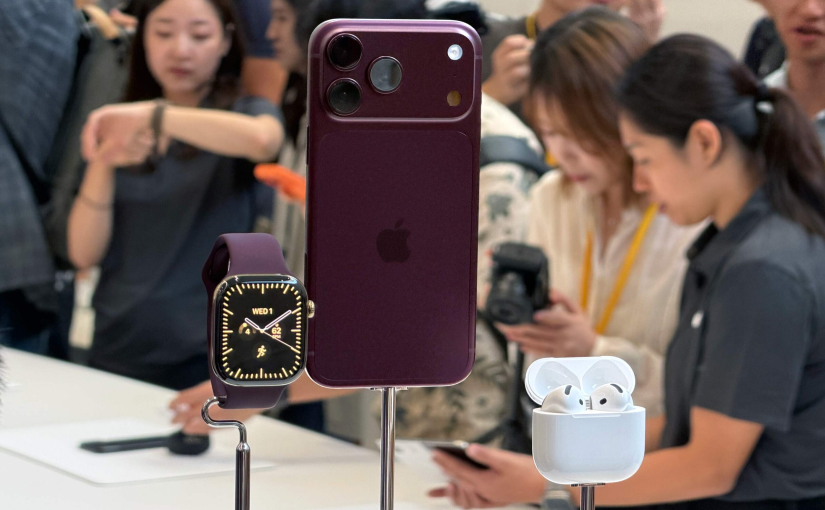
The iPhone 18 Pro and iPhone 18 Pro Max have arrived with a more advanced camera system, a new A20 Pro chip, improved cooling and a major focus on battery performance. For New Zealand consumers, however, the biggest question may not simply be whether the new phone takes better photos. It is whether the overall experience is meaningfully better for everyday life.
Apple began pre-orders for the iPhone 18 Pro and iPhone 18 Pro Max in New Zealand on September 13, with availability scheduled to follow shortly afterwards. Local retailers and telecommunications providers have also begun promoting the new models, putting the devices firmly in the spotlight as the country’s spring shopping season gets underway.
For many Kiwi consumers, that creates a familiar dilemma: should they upgrade immediately, wait for future models, or simply keep their current iPhone for another year?
More Than a Camera Upgrade
The camera remains one of the headline features of the iPhone 18 Pro generation. Apple has introduced a 48MP Fusion Main camera with variable aperture, giving users more control over exposure, depth of field and low-light photography.
That could be particularly appealing in New Zealand, where people often use their phones in a wide variety of environments. From bright coastal landscapes to cloudy hiking trails, evening events and indoor family gatherings, smartphone cameras are expected to handle almost everything without requiring additional equipment.
The new variable aperture system is important because it changes the conversation from simply counting megapixels to controlling how the camera behaves. Instead of relying entirely on computational processing, the hardware itself can offer more flexibility when capturing different scenes.
For photography enthusiasts, this could make the iPhone 18 Pro feel like a more serious creative tool. For ordinary users, however, the difference may only become obvious when they compare photos side by side.
That is why the camera is unlikely to be the only reason many New Zealanders upgrade.
Battery Life Becomes a Bigger Selling Point
One of the most practical improvements in the new generation is battery performance.
Apple says the iPhone 18 Pro and iPhone 18 Pro Max deliver a major increase in battery life, with the larger Pro Max model offering up to 45 hours of video playback under Apple’s testing conditions. The improvement comes from a combination of battery capacity, processor efficiency, thermal design and broader hardware optimisation.
For everyday users, this matters far more than a specification sheet might suggest.
A smartphone in New Zealand can easily become an all-day travel companion. Someone heading from Auckland to Rotorua, travelling through the South Island, spending a day at a sports event or exploring a national park may depend on their phone for maps, photos, messages, payments, weather information and emergency communication.
That makes the iphone battery an important part of the overall ownership experience.
A phone can have an excellent camera and powerful processor, but those features become less useful when the battery percentage drops rapidly during a long day away from a charger.
Why Battery Efficiency Matters for Kiwi Users
New Zealand’s geography creates some interesting challenges for smartphone users.
In large cities, charging is relatively easy. People can top up their phones at home, at work, in cafés or in their cars. But the situation can be very different during road trips, outdoor adventures and long-distance travel.
New Zealanders also spend considerable time using navigation and mobile connectivity while travelling. GPS, 5G connectivity, photography and high-brightness displays can all consume significant amounts of power.
The iPhone 18 Pro’s improvements therefore have practical implications beyond simply achieving a longer number on a laboratory test.
The new A20 Pro chip is designed to provide higher performance while improving efficiency. Apple has also introduced improved thermal management, helping the phone maintain performance without unnecessarily wasting energy through excessive heat.
For consumers who regularly use demanding apps, record high-resolution video or play mobile games, these improvements could be more noticeable than a small change in camera quality.
The A20 Pro Changes the Performance Conversation
Performance is another major part of the iPhone 18 Pro story.
The new A20 Pro chip is designed for demanding workloads, including photography, video processing, gaming and on-device intelligent features. Apple has also positioned the processor as a key part of its next generation of mobile computing strategy.
For many users, however, raw processor speed is not the most important factor.
What matters is how quickly the phone opens applications, how smoothly it edits photos, how long it maintains performance during gaming and how efficiently it completes tasks without draining the battery.
This is where Apple’s approach becomes interesting. Instead of treating performance and efficiency as separate features, the company is increasingly presenting them as two sides of the same smartphone experience.
A faster processor that consumes less energy can potentially make a device feel better without requiring users to think about technical specifications.
The New Zealand Upgrade Question
The biggest challenge for Apple may be convincing existing iPhone owners that the new model is worth the money.
Someone using an iPhone 17 Pro may already have an excellent camera, strong performance and dependable battery life. For that person, the decision to upgrade is not obvious.
The difference becomes more interesting for owners of older devices.
An iPhone user who has been holding onto an iPhone 13, iPhone 14 or another earlier generation may notice a much larger improvement when moving to the latest Pro model.
This creates two very different groups of buyers in New Zealand.
The first group consists of technology enthusiasts who want the latest hardware as soon as possible. These users are likely to be attracted to the new camera controls, processor, display improvements and battery performance.
The second group is more practical. They may only upgrade when their existing phone begins to feel slow, the camera no longer meets their expectations or battery endurance becomes frustrating.
For this second group, the iPhone 18 Pro could be more attractive because several improvements arrive together rather than as a single headline feature.
Price Will Still Matter
There is another factor that cannot be ignored: price.
Apple has positioned the iPhone 18 Pro range firmly at the premium end of the market. With higher prices and increasing competition from Samsung, Google and other smartphone manufacturers, New Zealand consumers are likely to compare the entire ownership experience rather than focusing on one specification.
This could make trade-in offers particularly important.
A consumer who can receive a reasonable value for an older iPhone may find the upgrade easier to justify. Retail promotions, interest-free payment options and telecommunications plans could also influence purchasing decisions.
For buyers, the real question is therefore not simply “Is the iPhone 18 Pro better?”
It is “Is the improvement worth the additional cost compared with keeping my current phone?”
That is a much harder question for Apple to answer.
The Everyday Camera Could Be the Real Winner
Despite the focus on battery and performance, photography remains one of the strongest reasons people choose a Pro iPhone.
New Zealand offers an unusually diverse photographic environment. Beaches, mountains, forests, urban architecture and changing weather conditions provide plenty of opportunities to test a smartphone camera.
The new variable-aperture system could be especially interesting for users who enjoy taking portraits, landscapes and night-time photographs.
Instead of making every photo look heavily processed, the additional control could give experienced users more influence over the final image.
At the same time, automatic computational photography remains important for people who simply point and shoot.
That balance is arguably one of the strongest aspects of the iPhone 18 Pro. It can remain simple for casual users while giving enthusiasts more control when they want it.
A Phone Designed for Long Days
The broader trend behind the iPhone 18 Pro may ultimately be more important than any individual specification.
Modern smartphones are expected to do almost everything.
They are cameras, navigation devices, payment tools, entertainment systems, communication platforms and work computers. People increasingly rely on them throughout the entire day.
That means endurance has become a defining part of the smartphone experience.
The iphone battery is no longer just a technical component hidden inside the phone. It directly affects how confidently people can use every other feature.
If a traveller avoids taking photos because the battery is running low, the camera specification suddenly becomes irrelevant. If a student cannot rely on their phone for a full day of classes, a powerful processor matters less. If a driver needs navigation for several hours, battery efficiency becomes a practical safety consideration.
This is why battery improvements can sometimes matter more than dramatic-looking design changes.
What New Zealand Buyers Should Consider
Before buying the iPhone 18 Pro, consumers should think about how they actually use their phones.
Heavy photographers may benefit from the upgraded camera system. Gamers and creators may appreciate the A20 Pro chip and improved thermal performance. Frequent travellers may value longer battery life.
Meanwhile, casual users who mainly send messages, browse social media and take occasional photographs may find that their existing iPhone still performs perfectly well.
It is also worth considering storage requirements. High-resolution photographs and video can consume storage quickly, particularly for users who record a lot of content while travelling around New Zealand.
Buyers should also think about charging habits. A powerful smartphone can still become inconvenient if the user regularly forgets to charge it overnight or spends long periods away from a power source.
The Bigger Picture for Apple in New Zealand
The iPhone 18 Pro arrives at an interesting moment for Apple’s smartphone business.
Apple has introduced its first foldable iPhone, the iPhone Duo, alongside the new Pro models, while the traditional iPhone launch strategy has changed significantly this year. That means the Pro series is competing not only against Android flagships but also against a completely new category within Apple’s own ecosystem.
For New Zealand consumers, this could make the premium smartphone market more interesting than ever.
Some buyers will want the familiar Pro experience with a powerful camera and long battery life. Others may be tempted by the novelty of a foldable device. Still others may decide that their existing smartphone is good enough and wait.
That variety could make the next few months particularly important for Apple’s position in the New Zealand market.
Is the iPhone 18 Pro Worth Considering?
The iPhone 18 Pro is not simply a camera upgrade.
Its appeal comes from the combination of photography, processing power, thermal management, software and battery improvements. For people who use their smartphones heavily throughout the day, that combination could make a meaningful difference.
The most interesting change may actually be the shift in priorities. Smartphone buyers are becoming less impressed by isolated specifications and more interested in how everything works together.
A better camera is useful.
A faster processor is useful.
A brighter display is useful.
But when all of these features can work together while maintaining longer endurance, the phone becomes more dependable as an everyday device.
For New Zealand consumers, that may be the real story behind the latest iPhone generation.
The iphone battery improvement may not be the most visually exciting feature, but it could become one of the reasons users appreciate the phone most after the excitement of launch day has passed.
As the iPhone 18 Pro begins reaching Kiwi customers, the real test will not happen on Apple’s presentation stage. It will happen on busy weekdays, long road trips, weekend adventures, university campuses, beaches and city streets across New Zealand.
And that is where the latest iPhone will have to prove whether its upgrades are more than numbers on a specification sheet.