The Next Tech Battle Could Be Happening Inside Your Home

For years, the biggest battles in consumer technology were fought on smartphone screens. Apple, Samsung, Google and other major technology companies competed to deliver brighter displays, better cameras, faster processors and longer-lasting devices. But in 2026, the centre of the technology race is beginning to move somewhere much closer to home.

The next major technology battle could be happening inside the living room, kitchen, garage and even the backyard.

Smart homes are no longer simply collections of internet-connected light bulbs, speakers and security cameras. Artificial intelligence is beginning to connect these products, allowing them to understand routines, communicate with one another and make decisions without requiring constant instructions from their owners.

This shift is particularly interesting for New Zealand. As the country considers how to balance growing electricity demand, new technology and household energy costs, smarter homes could become more than a lifestyle upgrade. They could become part of the country’s wider energy and technology conversation.

From Connected Homes to Intelligent Homes

The first generation of smart-home technology was relatively simple. A homeowner could use a smartphone to turn on a light, check a security camera or adjust a thermostat remotely. The technology was useful, but the human still had to tell the devices what to do.

Artificial intelligence is changing that relationship.

Instead of asking a smart speaker to switch off the lights every night, an AI-powered home system could learn when the household normally goes to bed. It could recognise that certain lights are usually switched off at a particular time and gradually automate the process.

The difference may sound small, but it represents a fundamental change.

The home is moving from being a collection of connected gadgets to becoming a system that can understand patterns.

Recent technology launches show how quickly this idea is developing. At IFA 2026, companies showcased AI-powered home hubs, intelligent lighting, robot vacuums, connected security products and other devices designed to work together. Some systems are also putting more AI processing directly inside the home rather than depending entirely on remote cloud services.

For consumers, that could mean faster responses, greater privacy and fewer separate apps.

Why New Zealand Could Be an Interesting Test Market

New Zealand has a particular reason to pay attention to smarter homes: energy.

Electricity use is becoming a bigger technology issue around the world. AI data centres, electric vehicles, heating systems and other forms of electrification are increasing demand for power.

New Zealand is not isolated from this trend. Recent discussion around proposed AI data centres in Taranaki and Southland has highlighted questions about how much electricity large-scale AI infrastructure could consume. One analysis suggested that the two proposed projects could potentially account for a substantial share of the country’s annual electricity supply.

That makes household energy management increasingly relevant.

A smart home that simply turns lights on and off is convenient. A smart home that can understand when electricity is being consumed, identify unnecessary usage and coordinate appliances could be considerably more valuable.

Imagine a New Zealand household with solar panels, a home battery, an electric vehicle and several smart appliances. Instead of treating each product separately, an AI home system could potentially coordinate them.

It might charge a vehicle when electricity is more attractive, delay certain appliances and use stored energy when appropriate.

The home would effectively become a small energy-management system.

The Rise of the AI Home Hub

One of the most important developments in smart-home technology is the emergence of the AI home hub.

Traditionally, a smart speaker or home hub acted as a simple command centre. It connected devices and responded to voice commands. New AI-powered hubs are aiming to become something much more sophisticated.

Recent launches have included home hubs designed to connect compatible smart-home devices while running AI functions locally. Anker, for example, introduced its MindBase concept at IFA 2026, positioning it as an AI-powered centre for connected home products and local data processing.

The appeal is obvious.

Instead of opening five different apps to control five different devices, users could potentially interact with one intelligent system.

“Make the house ready for movie night” could eventually become a meaningful command rather than a marketing demonstration. The system could lower the blinds, adjust the lighting, activate the television and modify the room environment.

The goal is not necessarily to make homes more complicated.

It is to make the technology disappear into the background.

Energy Efficiency Could Become a Killer Feature

For New Zealand consumers, energy efficiency could be one of the most important reasons to adopt smarter home technology.

A growing number of household devices now require electricity, from televisions and computers to heat pumps, refrigerators, chargers and smart appliances. Electric vehicles add another significant load.

An intelligent home could potentially analyse these demands and help households use energy more efficiently.

This is where the humble electronic device battery becomes part of the bigger picture.

Batteries are no longer limited to phones and laptops. They are increasingly found in smart cameras, wireless speakers, robotic cleaners, security sensors and other connected products. As more devices become cordless and intelligent, the performance of an electronic device battery can influence how convenient the entire smart-home experience feels.

A security camera with a battery that needs frequent charging is less convenient than one that can operate for months. A robot vacuum with better energy management can spend less time connected to a charger. A wireless sensor can become almost invisible when its battery lasts for a long period.

In other words, battery technology quietly supports the smart-home revolution.

Privacy Is Becoming Just as Important as Convenience

There is, however, another side to the AI-powered home.

The smarter a home becomes, the more information it can potentially collect.

A smart speaker may know when people are home. A security camera can see who enters the property. A connected television can understand viewing habits. Smart appliances can reveal patterns about daily routines.

That creates an important question for consumers: who controls the data?

This issue is becoming more significant as companies develop AI systems that can interact with multiple applications and services. Recent AI assistant developments have shown both the convenience and security challenges of allowing AI to perform actions across different digital services.

For New Zealand households, privacy may therefore become a major factor when choosing smart-home products.

Consumers may increasingly ask whether AI processing happens locally or in the cloud, how long information is stored, and whether different devices can communicate without sending every piece of household data to a remote server.

The smartest home may not necessarily be the one with the most devices.

It could be the one that gives its owner the greatest amount of control.

The Battery Problem Nobody Talks About

As homes become filled with wireless devices, another challenge is easy to overlook: charging.

One smart camera might not seem like a problem. Neither does a wireless doorbell, smart speaker, robot vacuum or collection of environmental sensors.

But put dozens of connected devices into one home and charging can quickly become annoying.

This is why battery development will remain important even as AI attracts most of the headlines.

A better electronic device battery can improve the user experience without changing the appearance of a product. Higher energy density, improved charging technology and better power management can allow manufacturers to make devices smaller while extending operating time.

For consumers, the result is simple: fewer charging interruptions.

That could become particularly valuable in larger homes, rural properties and locations where smart security systems need to operate continuously.

The future of smart homes may therefore depend as much on invisible battery improvements as on flashy AI features.

Smart Appliances Are Becoming More Proactive

Another major change is happening in household appliances.

Robot vacuums are a good example. Earlier models largely followed predefined routes. Newer generations are becoming more intelligent, using sensors, cameras and AI to understand their surroundings and adapt their behaviour.

The same principle can be applied to lighting, heating, air purification and home security.

At IFA 2026, new smart-home products demonstrated a strong focus on AI, automation, health and local processing.

Instead of asking whether an appliance is “smart,” consumers may soon ask how well it can cooperate with the rest of the home.

That distinction matters.

A smart washing machine that connects to Wi-Fi is useful. A washing machine that understands household energy patterns and coordinates with an AI home system could be much more valuable.

The Home Could Become Its Own Energy Network

The most exciting possibility is that smart homes could eventually become active participants in the energy system.

Solar panels can generate electricity. Home batteries can store it. Electric vehicles can consume large amounts of power. Smart appliances can adjust their schedules.

AI could potentially coordinate all of these elements.

During periods of strong solar generation, a home might prioritise charging batteries or an electric vehicle. When demand increases, the system could reduce non-essential consumption.

The concept fits into a broader global trend toward distributed energy and home storage. As electricity demand rises because of data centres and electrification, home solar and battery systems are increasingly being discussed as ways to reduce pressure on traditional power infrastructure.

For New Zealand, with its strong renewable-energy resources and growing interest in electrification, this could become particularly relevant.

The smart home of the future may not simply consume electricity.

It could help manage it.

What Consumers Should Look For

For New Zealanders considering smart-home technology, buying the newest gadget is not necessarily the best strategy.

Compatibility should come first.

A device that works with multiple platforms and common smart-home standards is likely to remain more useful as the ecosystem develops.

Privacy should also be considered. Local AI processing can be attractive because some information may remain inside the home instead of being constantly uploaded to external servers.

Energy consumption matters too. A device that claims to be smart but consumes large amounts of electricity may not make much sense for an energy-conscious household.

Finally, consumers should pay attention to battery life and charging requirements.

A product with impressive AI features becomes much less impressive if it constantly needs to be recharged. For portable and wireless products, a reliable electronic device battery can be just as important as the processor inside the device.

The New Zealand Smart Home Is Only Beginning

The biggest change in consumer technology may not arrive as one spectacular product.

It may happen gradually.

A smarter thermostat here. An AI security camera there. A robot vacuum that learns the layout of the house. A home energy system that automatically manages electricity. A voice assistant that understands context instead of responding only to commands.

Eventually, these technologies could begin working together.

That is when the smart home becomes something fundamentally different.

New Zealand’s technology landscape is already being shaped by major questions around AI, electricity, data centres, electrification and household costs. At the same time, global technology companies are racing to bring AI into everyday consumer products.

The result could be a new generation of homes that are not only more connected, but also more aware, more efficient and more autonomous.

The next technology battle, therefore, may not be fought on a smartphone screen.

It could happen quietly behind the walls of our homes, inside our appliances, cameras, speakers, chargers and batteries.

And for New Zealand consumers, the winner may not be the home with the most technology.

It may be the home that uses technology most intelligently.

New Zealand Consumers Are Looking for Smarter and Longer-Lasting Electronics

A New Era for Kiwi Tech Buyers

Walk into a New Zealand electronics store today and the choices can feel endless. Smartphones promise powerful AI features, laptops are becoming more intelligent, televisions are turning into entertainment hubs, and smart home devices are increasingly capable of communicating with one another.

Yet there is another change happening beneath the excitement of new features.

New Zealand consumers are becoming more selective.

Instead of simply asking whether a device has the newest processor or the highest-resolution screen, many buyers are beginning to ask a more practical question: How long will this device remain useful?

That question is becoming increasingly important in 2026 as artificial intelligence transforms consumer electronics. Smartphones, computers, wearables and smart-home products are gaining new capabilities, while global component pressures are also influencing device prices and availability. The wider consumer electronics market continues to expand, with AI, smart homes, wearables and connected devices among the major trends shaping the industry.

For Kiwi households, this creates an interesting balance. People want smarter technology, but they also want products that can deliver value for years rather than months.

Why Smarter Does Not Always Mean Better

Artificial intelligence has become one of the biggest selling points in consumer technology.

Modern smartphones can summarise information, edit photographs and assist with writing. Laptops can provide AI-powered productivity tools. Smart televisions can recommend entertainment, while connected home devices can automate lighting, security and energy management.

The technology is impressive, but consumers are becoming more realistic about what they actually need.

A feature that looks revolutionary in a product advertisement may not be particularly useful in everyday life. Someone buying a smartphone, for example, may care more about reliable battery life, camera quality and software support than whether the device can perform a complicated AI demonstration.

This is especially relevant when household budgets are under pressure.

A smarter device is only a good investment if its additional capabilities provide meaningful value.

That is why longevity is becoming an important part of the consumer electronics conversation.

Battery Life Is Becoming a Bigger Buying Decision

Among all the components inside a modern electronic device, the battery has a particularly visible effect on the user experience.

A powerful smartphone is not very useful when it needs to be charged repeatedly throughout the day. A wireless speaker loses its convenience if its battery cannot support a long outing. A smartwatch becomes less attractive when users constantly have to remove it for charging.

For many consumers, battery performance has therefore moved from being a technical specification to becoming a daily quality-of-life issue.

This is where the concept of a consumer electronics battery becomes increasingly important. Whether it is installed in a smartphone, wearable, portable speaker or another rechargeable device, battery performance can influence how convenient that product feels after months or years of use.

New Zealand consumers are surrounded by portable technology. Phones accompany people to work, school, travel and outdoor activities. Earbuds and smartwatches are increasingly common. Portable entertainment devices and connected accessories are also becoming part of everyday life.

The longer these products can operate between charges, the more useful they become.

AI Is Making Devices More Demanding

There is an interesting contradiction at the centre of today’s technology market.

Consumers want AI-powered devices, but AI can also increase the demands placed on hardware.

More advanced processing can require additional computing resources. Cameras are becoming more sophisticated. Displays are getting brighter and faster. Connectivity is becoming more complex.

At the same time, manufacturers are trying to make devices thinner, lighter and more portable.

This creates a difficult engineering challenge.

A modern smartphone may need to deliver high performance while remaining slim enough to fit comfortably in a pocket. A smartwatch has even less physical space available. Wireless earbuds are smaller still.

Battery technology therefore has to evolve alongside processors, displays and AI capabilities.

The goal is not simply to create a larger battery. Engineers also need to improve energy efficiency, charging speed, thermal management and overall power consumption.

For consumers, the result is simple: the best device is often the one that can provide advanced features without constantly demanding access to a charger.

The Smartphone Remains the Centre of Digital Life

For most consumers, the smartphone remains the most important piece of personal technology.

It is a camera, communication device, navigation system, entertainment platform, payment tool and increasingly an AI assistant.

That makes smartphone battery performance particularly important.

New Zealanders may use their phones throughout a typical day for everything from checking weather and public transport information to messaging family members, managing work tasks and taking photographs.

When travelling, battery life becomes even more important.

A person exploring Queenstown, hiking near Rotorua or travelling between Auckland and Wellington may not always have immediate access to a power outlet. A phone that lasts comfortably throughout the day can provide reassurance, while a rapidly draining device can become a genuine inconvenience.

This is why consumers increasingly evaluate a consumer electronics battery not simply by its advertised capacity but by how effectively it supports real-world use.

The relationship between software and battery life is also becoming more important. AI-based power management can potentially help devices understand usage patterns and allocate energy more intelligently.

Smart Homes Are Changing Expectations

The demand for longer-lasting electronics is not limited to portable devices.

New Zealand homes are also becoming more connected.

Smart cameras, speakers, lighting systems, security devices, televisions and appliances can all communicate through home networks. Research into 2026 consumer-device trends points to smart homes, AI and connected technologies becoming increasingly important parts of the consumer electronics landscape.

For households, the appeal is obvious.

Lights can be controlled from a smartphone. Security cameras can send notifications. Smart speakers can answer questions. Connected appliances can automate repetitive tasks.

But every additional connected device introduces another consideration: reliability.

Consumers do not want a smart security camera that frequently loses power. They do not want a wireless speaker that suddenly stops working during a gathering. They do not want to recharge several devices every evening.

As the number of connected products increases, energy efficiency becomes part of the overall smart-home experience.

The Hidden Cost of Cheap Electronics

Price remains an important factor for Kiwi shoppers.

However, the cheapest product is not always the most economical choice.

A low-cost device may have an attractive purchase price but a shorter usable lifespan. It might receive software updates for less time, use less durable components or have a battery that loses capacity relatively quickly.

A more durable product may cost more initially but provide better value over several years.

This is particularly important for frequently used electronics.

Consider a smartphone that costs slightly more but remains reliable for four or five years compared with a cheaper model that needs replacing much sooner. The original price difference becomes less significant when calculated across the entire ownership period.

The same principle can apply to laptops, tablets, smartwatches and other rechargeable products.

For consumers, durability is increasingly becoming another form of value.

Repairability Is Part of the Conversation

As electronics become more expensive and sophisticated, repairability is also attracting attention.

Consumers increasingly want to know what happens when something goes wrong.

Can the battery be replaced? Are spare parts available? Can the device be repaired rather than discarded? Will software continue to support it?

These questions matter because electronic waste is becoming a global concern.

A device that can remain useful for several additional years does not need to be replaced as frequently. Extending product life can therefore benefit both household budgets and resource efficiency.

Battery replacement is particularly relevant because rechargeable batteries naturally experience chemical ageing over time.

A device may still function perfectly, but declining battery capacity can make it feel old before its other components have reached the end of their useful life.

That is why battery longevity should be considered alongside processor speed, camera performance and screen quality when consumers evaluate a new product.

The Rise of Portable Technology

Another reason battery technology matters in New Zealand is the popularity of portable electronics.

People want technology that can move with them.

Bluetooth speakers can travel to beaches and parks. Tablets can be used while travelling. Wireless earbuds can accompany commuters. Smartwatches can monitor activity throughout the day. Portable gaming devices can provide entertainment outside the home.

The common factor is freedom from a fixed power outlet.

A portable device only feels genuinely portable when its energy supply can support that mobility.

For manufacturers, this means improving energy density without making devices significantly heavier. For consumers, it means looking beyond headline specifications and considering how a device behaves during real-world use.

A consumer electronics battery may be one of the least visible components inside a device, but it can have one of the biggest effects on how that device fits into everyday life.

Global Technology Pressures Are Reaching Kiwi Consumers

New Zealand is part of a global electronics market, which means international technology trends can eventually affect local shoppers.

One major issue in 2026 is the growing demand for advanced memory and computing components from AI infrastructure. Industry analysis has warned that increased AI data-centre demand is putting pressure on memory supply, potentially affecting smartphones and PCs through higher component costs and changing product specifications.

This creates an unusual situation.

Consumers want more powerful AI devices, but producing those devices may become more expensive.

Manufacturers therefore have to balance performance, pricing and efficiency.

For New Zealand shoppers, this could make product longevity even more important. If new electronics become more expensive, consumers may be less interested in replacing devices every year.

Instead, they may look for products that can remain competitive for longer.

What Should Kiwi Consumers Look For?

When buying a new electronic device, it is easy to become distracted by impressive specifications.

But a better approach is to consider the complete ownership experience.

First, look at battery performance rather than simply battery capacity. A larger capacity does not automatically guarantee better real-world endurance.

Second, consider software support. A device that continues receiving meaningful updates can remain useful for much longer.

Third, investigate repair options. Knowing whether batteries and other components can be serviced may become important several years after purchase.

Fourth, consider energy efficiency. A device that performs well while using less power can be more convenient and potentially cheaper to operate.

Finally, think about your own habits.

Someone who spends hours streaming video may have different requirements from someone who mainly uses a phone for calls and messaging. A frequent traveller may prioritise battery endurance, while a home user might care more about screen quality and connectivity.

There is no single definition of the perfect electronic device.

The best choice is the one that matches the user’s real needs.

The Future Is Not Just Smarter—It Is More Sustainable

The next generation of consumer electronics will probably be defined by more than AI.

Intelligence will matter, but so will longevity.

Consumers are beginning to expect devices that are smarter, more efficient and more durable. Manufacturers are under pressure to deliver advanced functionality without sacrificing battery performance or making products unnecessarily difficult to maintain.

This could lead to an important change in the way people think about technology.

Instead of asking, “What is the newest device?” consumers may increasingly ask, “Which device will still be useful several years from now?”

That is a much more practical question.

It also creates opportunities for manufacturers to compete on durability rather than simply adding more features.

A Better Future for Kiwi Consumers

New Zealand’s technology market is entering an interesting period.

Artificial intelligence is moving into everyday devices. Smart-home products are becoming more capable. Smartphones and wearables continue to evolve. At the same time, global supply pressures and rising expectations around sustainability are encouraging consumers to think more carefully before replacing electronics.

The result could be a healthier technology market—one where innovation and longevity are not opposites.

The most exciting product may not be the one with the largest number of features. It may be the device that quietly performs well every day, uses energy efficiently, receives updates for years and remains dependable long after the excitement of its launch has disappeared.

For consumers, that means looking at the entire lifecycle of a product.

Battery quality matters. Repairability matters. Software support matters. Energy efficiency matters.

And as more electronics become portable, connected and AI-powered, the importance of dependable energy will only grow.

The next generation of Kiwi consumer electronics will not simply be smarter.

It will need to last longer, work harder and fit more naturally into everyday life.

Why Is New Zealand Watching Floating Data Centres? Can Seawater Really Solve AI Cooling?

New Zealand Has a Very Different Data Centre Problem

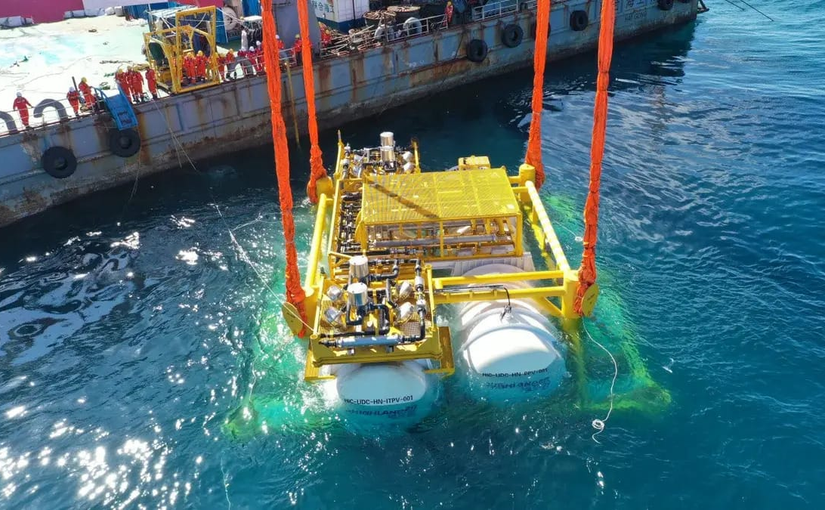
Imagine looking out from the coast of New Zealand and seeing something unusual on the water: not a container ship, not a fishing vessel, but a massive floating platform packed with powerful computer servers.

It may sound like science fiction, but floating data centres are becoming a serious technology concept as the global artificial intelligence boom creates a new infrastructure challenge. AI models need enormous computing power, and that computing power requires electricity, physical space and, perhaps most importantly, cooling.

For New Zealand, the idea is particularly interesting.

The country has abundant renewable electricity, a long coastline and a relatively cool climate. At the same time, proposed AI data centres have already triggered debate about electricity consumption, water use, land requirements and the impact of large-scale computing projects on local communities.

One proposed Southland facility, for example, has attracted significant attention because of its potential electricity and water requirements. Reports have suggested that the planned project could require hundreds of megawatts of electricity, placing it among the country’s largest individual electricity users.

That raises an obvious question: if AI infrastructure is going to grow, does it really need to be built on land?

The answer from a growing group of technology and infrastructure companies is increasingly intriguing: perhaps not.

Why AI Data Centres Need So Much Cooling

The biggest difference between today’s AI infrastructure and traditional computing is density.

A conventional data centre might contain thousands of servers performing a wide range of tasks. AI facilities, however, can concentrate huge numbers of high-performance processors into relatively small spaces. Those processors generate substantial amounts of heat while handling complex calculations.

The result is a difficult engineering equation.

More AI chips mean more computing power. More computing power means more electricity. More electricity used by processors means more heat. More heat means more sophisticated cooling systems.

Globally, the electricity requirements of data centres are already becoming a major energy issue. The International Energy Agency estimates that data centres consumed around 415 terawatt-hours of electricity in 2024, and its base-case forecast suggests consumption could more than double by 2030. AI-accelerated servers are expected to be one of the strongest drivers of this growth.

Cooling is part of that equation.

Traditional facilities can rely heavily on air conditioning, chilled-water systems or other mechanical cooling technologies. But when computing density rises, simply installing larger air-conditioning systems becomes increasingly expensive and energy intensive.

This is why the ocean suddenly looks attractive.

The Ocean Could Become the Next Cooling System

New Zealand has one major natural advantage that many landlocked countries do not: an enormous coastline.

Floating data centres could potentially use seawater as part of their cooling systems, reducing reliance on freshwater and conventional cooling infrastructure. Similar concepts are being explored internationally, including offshore and underwater facilities designed to take advantage of naturally cool seawater.

Samsung Heavy Industries has been developing a floating data centre concept with commercialization targeted for 2028. The proposed design combines offshore infrastructure with seawater cooling, while partnerships with technology and maritime companies are being developed to test whether high-performance AI servers can operate reliably on floating platforms.

The concept is fascinating because it changes the basic architecture of a data centre.

Instead of constructing a huge building, installing cooling equipment and connecting everything to land-based infrastructure, an operator could theoretically place computing capacity on a platform at sea.

The ocean becomes part of the cooling strategy.

That does not make the engineering problem disappear. Saltwater is highly corrosive, storms can be severe and maintaining sophisticated electronics offshore is far more complicated than maintaining them inside a conventional building.

But the idea demonstrates how dramatically AI infrastructure is evolving.

Why New Zealand Is an Interesting Test Case

New Zealand may be unusually well suited to discussions about alternative data centre infrastructure.

The country has strong renewable electricity resources, including hydroelectricity, geothermal generation and wind power. It also has a relatively cool climate compared with many regions where large data centre projects are being developed.

Most importantly, New Zealand is surrounded by the Pacific Ocean.

That combination creates an unusual opportunity.

A floating facility could potentially reduce pressure on scarce industrial land while using seawater for cooling. It could also be located closer to suitable energy and telecommunications infrastructure, depending on the project design.

However, the idea should not be confused with a simple solution.

A data centre still needs enormous quantities of electricity regardless of whether it sits on land or water. Floating infrastructure does not magically create energy. In fact, offshore facilities may introduce additional engineering and maintenance requirements.

That is why the real debate in New Zealand is not simply about where data centres should be located.

It is about whether the country can build digital infrastructure without creating unacceptable pressure on its energy and natural resources.

The Southland Debate Shows Why the Question Matters

The debate is no longer theoretical.

Plans for a major AI data centre in Makarewa, Southland, have generated concern over electricity consumption, water use and potential local impacts. The proposed project has been reported as a multibillion-dollar development, illustrating just how much capital is now moving toward AI infrastructure.

Supporters of data centre investment argue that New Zealand has an opportunity to attract international technology investment, create highly skilled jobs and strengthen its digital infrastructure.

Critics ask a different question: who ultimately pays for the additional electricity and infrastructure?

That question matters because electricity demand is not an abstract technical statistic.

It affects households, businesses and the wider economy.

If a single large facility requires hundreds of megawatts, policymakers must consider how that demand interacts with the national grid, future renewable generation and electricity prices.

This is where floating data centres become interesting—not necessarily because they solve the electricity problem, but because they could potentially address some of the land and cooling challenges at the same time.

What About the Devices Inside?

It is easy to imagine a floating data centre as one giant machine, but it is actually an ecosystem of thousands of individual electronic components.

Servers, networking equipment, monitoring systems, communications hardware, emergency systems and control devices all need reliable power.

Even though the primary electricity supply would come from large-scale infrastructure, backup systems remain essential. A modern data centre cannot simply shut down every time a power interruption occurs.

Small electronic systems may rely on dedicated electronic device battery solutions to maintain communications, monitoring or control functions during temporary interruptions.

That same principle applies beyond data centres.

As New Zealand becomes more dependent on cloud services and AI infrastructure, ordinary consumers are also surrounded by battery-powered technology. Smartphones, laptops, routers, wearable devices, cameras and smart-home equipment all depend on compact energy storage.

The AI revolution may therefore have an unexpected side effect: it could make consumers more aware of the importance of reliable energy across the entire technology ecosystem.

Floating Does Not Mean Environmentally Perfect

There is a temptation to describe offshore data centres as a green technology and stop there.

That would be too simplistic.

A floating data centre still consumes electricity. The environmental benefit depends heavily on where that electricity comes from, how efficiently the facility operates and how the cooling system is designed.

There are also marine environmental questions.

Seawater cooling systems must be carefully engineered to avoid damaging local ecosystems. Heat discharged into surrounding waters could become an issue if systems are poorly designed. Construction, maintenance vessels and offshore infrastructure could also create environmental impacts.

Then there is the question of storms.

New Zealand is not a tropical region, but its coastal environment can be challenging. Strong winds, large waves and changing weather conditions mean that any offshore computing platform would need to meet demanding engineering standards.

The technology therefore has potential, but it is not a shortcut around environmental regulation.

Could the Data Centre Become a Giant Energy Platform?

The most exciting possibility may actually go beyond cooling.

Imagine combining offshore computing with renewable energy.

New Zealand has significant potential for wind generation, and offshore wind is attracting increasing attention around the world. If future floating data centres could be positioned near reliable renewable energy sources, computing infrastructure could theoretically become part of a larger offshore energy ecosystem.

In that scenario, the data centre would not simply be a building full of servers.

It could become a platform connecting electricity generation, telecommunications, computing and cooling.

That could be particularly valuable for AI workloads that do not always need to be processed in a conventional city-based facility.

Of course, this vision remains technologically and economically challenging. Transmission, connectivity, maintenance and reliability all matter.

But AI infrastructure is already forcing engineers to reconsider assumptions that seemed obvious only a few years ago.

What It Could Mean for Kiwi Consumers

For ordinary New Zealanders, the debate may initially seem distant.

A floating data centre does not look like something that belongs in a household.

Yet much of modern life depends on data centres.

Streaming services, online banking, cloud storage, artificial intelligence tools, navigation systems, business software and many smartphone applications rely on computing infrastructure somewhere in the background.

When that infrastructure expands, the effects can eventually reach consumers through electricity demand, network investment, digital services and new technology products.

There is also another connection.

As smart devices become more powerful and more connected, they require increasingly reliable energy storage. A smartphone that communicates with cloud-based AI services, a smart security camera that uploads video continuously and a wearable device that monitors information throughout the day all depend on batteries.

For consumers, choosing a reliable electronic device battery can become just as important as choosing the device itself.

The same principle applies to remote and outdoor technology, which is particularly relevant in a country with New Zealand’s geography.

The Real Question Is Not Land Versus Ocean

The floating data centre debate ultimately reveals something much bigger about the AI era.

The question is not simply whether New Zealand should build data centres on land or move them offshore.

The real question is how a relatively small country can participate in the global AI economy without compromising the resources that make it attractive in the first place.

New Zealand has several advantages: renewable energy, political stability, international connectivity, a strong legal system and access to large amounts of natural space and coastline. Industry discussions increasingly frame these characteristics as potential advantages for future digital infrastructure investment.

But those advantages cannot be taken for granted.

If data centre development grows too quickly, local communities may question electricity consumption and environmental impacts. If development moves too slowly, New Zealand could miss opportunities created by the global AI economy.

The challenge is finding the middle ground.

From Server Rooms to Floating Infrastructure

The most interesting thing about floating data centres is not that computers could soon be living on the ocean.

It is what the idea tells us about the future of technology.

For decades, computing infrastructure was largely invisible. Servers sat inside buildings, and consumers rarely thought about where their data was processed.

AI has changed that.

The enormous computational demands of modern AI are forcing companies and governments to think about electricity, cooling, land, water and connectivity at an entirely different scale.

New Zealand is now part of that conversation.

A floating data centre will not automatically solve the country’s energy challenges, and it may never become a mainstream solution. But the concept offers a fascinating alternative at a moment when traditional infrastructure is under pressure.

And if the next generation of computing really does move closer to the ocean, the technology ecosystem surrounding it will evolve as well—from massive AI processors and advanced cooling systems to communications equipment and electronic device battery technology.

For a country surrounded by water, that possibility feels surprisingly natural.

The future of New Zealand’s AI infrastructure may not be hidden inside a giant warehouse.

It could be floating just offshore.

How Long Shipping Times Are Influencing New Zealand Electronics Buyers

For New Zealand consumers, buying a new electronic device can sometimes involve more than comparing specifications, prices, and reviews. Delivery time has become an important part of the purchasing decision. A product may look like a great deal online, but if it takes weeks to arrive, the savings can feel less attractive.

New Zealand’s geographic location makes international shopping particularly interesting. Consumers have access to a huge global electronics market, yet many products still need to travel a long distance before reaching a customer’s doorstep. This is especially noticeable when shoppers are looking for replacement parts, accessories, batteries, or less common electronic devices.

As online shopping continues to shape everyday life, New Zealand buyers are becoming more strategic. They are not simply asking, “How much does it cost?” Increasingly, they are asking, “When will I actually get it?”

New Zealand’s Distance Changes the Online Shopping Experience

New Zealand is separated from many of the world’s major electronics manufacturing and distribution centres by thousands of kilometres. A smartphone accessory, laptop component, camera battery, or smart device may pass through several logistics hubs before reaching a customer.

For shoppers in Auckland, Wellington, Christchurch, or other major centres, delivery can often be relatively straightforward. However, the experience can be different for people living in smaller towns or rural communities. A parcel may need additional transportation after reaching a main distribution centre.

This geographical reality makes delivery estimates more important than they might initially appear.

When a consumer needs a replacement component for a device, waiting several weeks can be inconvenient. If a laptop is used for university, remote work, or running a small business, a missing component can affect an entire schedule. The same applies to cameras, tablets, gaming devices, and other everyday electronics.

As a result, delivery speed is increasingly becoming part of the perceived value of a product.

Cheap Electronics Do Not Always Mean Better Value

One of the biggest attractions of international online shopping is price. New Zealand consumers can sometimes find electronics, accessories, and replacement parts at prices that appear significantly lower than local alternatives.

However, the lowest advertised price does not necessarily represent the lowest overall cost.

Shipping fees, delivery times, import considerations, and the inconvenience of waiting can all affect the final value. A product that costs less but takes a long time to arrive may not be the best choice when the customer needs it urgently.

Imagine someone whose wireless keyboard suddenly stops working. They could order a replacement online for a low price, but if delivery takes several weeks, buying a slightly more expensive alternative that arrives much sooner may make more sense.

The same principle applies to replacement batteries. When an older device starts losing power quickly, consumers may prefer to replace the battery rather than replace the entire device. But the usefulness of that decision depends partly on how quickly the replacement can arrive.

For many shoppers, the question is no longer simply about price. It is about the combination of price, availability, reliability, and delivery time.

Replacement Parts Create a Special Challenge

Consumer electronics are not always replaced when something goes wrong. Increasingly, people are looking for ways to extend the life of devices they already own.

A replacement battery can sometimes keep an older device useful for considerably longer. This is particularly relevant for products such as smartphones, laptops, tablets, cameras, handheld gaming devices, and portable speakers.

For consumers searching for an electronic device battery, shipping speed can therefore become surprisingly important. If a device is already difficult to use because its battery no longer holds a charge, waiting for a replacement may mean going without it for an extended period.

This can influence purchasing behaviour. Some consumers may choose a locally available replacement even if it costs more. Others may order from overseas because the exact model they need is difficult to find locally.

The decision often comes down to one simple question: how urgently is the device needed?

Rural Consumers Face a Different Reality

New Zealand’s population is concentrated in urban areas, but many people live outside major cities and towns. For these consumers, the final stage of delivery can be especially important.

A parcel may arrive in New Zealand quickly but still require additional time to reach its final destination. Weather, transport schedules, rural delivery routes, and weekends can all affect the customer’s experience.

This is particularly relevant for people who rely heavily on online shopping because local electronics stores may have a more limited selection.

Someone living in a rural area might search online for a particular laptop charger, camera accessory, smartwatch component, or electronic device battery simply because the exact product is not available nearby.

In this situation, accurate delivery information becomes almost as important as product information.

Consumers want to know whether “shipping available” means a parcel will arrive in a few days or several weeks. Clear estimates can make the difference between completing a purchase and continuing to search.

Outdoor Life Makes Timing Even More Important

New Zealand’s strong outdoor culture adds another interesting dimension to consumer electronics.

Camping, hiking, road trips, fishing, and other outdoor activities often involve electronic devices. Portable speakers, GPS equipment, cameras, action cameras, smartphones, headlamps, power banks, and other gadgets have become common companions on outdoor adventures.

But outdoor users also tend to think carefully about reliability.

A traveller preparing for a South Island road trip may not want to discover that a crucial accessory is still sitting in an overseas warehouse. A camper may need replacement power equipment before leaving. Someone preparing for a long trip may want to replace an aging battery before relying on a phone or camera for navigation and photography.

This creates a strong connection between delivery speed and preparation.

For consumers, buying technology is sometimes not about having something eventually. It is about having it ready before a particular trip, event, school term, or work deadline.

The Rise of “Buy Now, Use Soon” Shopping

Traditional online shopping often encouraged consumers to focus primarily on product selection and price. But expectations are changing.

People have become accustomed to tracking parcels, receiving delivery notifications, and planning purchases around estimated arrival dates. When delivery takes significantly longer than expected, frustration can build quickly.

For electronics buyers, this problem can feel even more serious because technology is often purchased to solve an immediate problem.

A broken charger creates an immediate inconvenience. A failing laptop battery can affect work or study. A damaged phone accessory can make daily communication more difficult. A malfunctioning gaming controller can make a planned weekend gaming session impossible.

The closer a product is connected to daily life, the more important delivery timing becomes.

Consumers Are Becoming Better at Comparing Sellers

Longer international shipping times are also changing how New Zealanders compare products.

Instead of looking at one online listing, consumers may compare several sellers at once. They can examine price, estimated delivery, shipping charges, return policies, product compatibility, and customer feedback.

This is especially valuable when purchasing technical products.

For example, someone searching for a replacement electronic device battery may discover several apparently similar products. However, the cheapest option may have a much longer delivery estimate. Another seller might charge slightly more but offer faster shipping and clearer compatibility information.

The second option can ultimately provide better value.

This means delivery information is becoming part of the product itself. A good shopping experience is no longer only about receiving the correct product. It is also about knowing what to expect before placing the order.

Why Accurate Product Information Matters

Long delivery times can be frustrating, but inaccurate product information can make the experience even worse.

Electronics often have specific model numbers, connector types, voltage requirements, dimensions, and compatibility limitations. A consumer who waits weeks for a product only to discover that it does not fit their device faces a much bigger problem than someone buying a general household item.

This is why detailed product descriptions matter.

When buying a replacement battery, for example, consumers should check the exact device model and relevant battery specifications rather than relying only on a product photo. The same principle applies to chargers, laptop adapters, remote controls, camera accessories, and other replacement components.

A few minutes of research before ordering can prevent a long and frustrating return process.

Local Availability Still Has a Major Advantage

International shopping is unlikely to disappear simply because delivery can take longer. The global online market offers enormous choice, and New Zealand consumers clearly benefit from that variety.

However, local availability has an important advantage: speed.

When a consumer needs something urgently, the ability to obtain a product quickly can outweigh a small difference in price.

This is particularly true for essential electronics. Someone working from home may not want to wait weeks for a replacement accessory. A student may need a functioning laptop for assignments. A traveller may need a charging solution before leaving the country.

In these situations, immediate availability becomes part of the product’s value.

What This Means for the Future of Electronics Shopping

The New Zealand electronics market is likely to become increasingly shaped by a balance between global choice and local convenience.

Consumers will continue to shop internationally for products that are cheaper, unusual, or difficult to find locally. At the same time, fast delivery will remain attractive when people need technology quickly.

This could encourage sellers to improve local inventory, provide clearer delivery estimates, and stock commonly requested replacement parts.

It may also encourage consumers to plan ahead.

Instead of waiting until a device completely fails, a careful buyer may replace an aging component before it becomes an emergency. Someone preparing for a camping trip may check chargers and power equipment several days or weeks in advance. A student may replace a weak laptop battery before the start of a new semester.

In this sense, shipping time is not just a logistics issue. It can influence how people maintain and use their technology.

A New Definition of Value

For New Zealand electronics buyers, value is becoming more complicated.

A low price is attractive, but it is only one part of the equation. Consumers also care about delivery time, reliability, compatibility, convenience, and how long the product can remain useful.

This is particularly important in a market where distance can turn a simple online purchase into a longer process.

The best deal may therefore not be the product with the lowest price tag. It may be the product that arrives when it is needed, works as expected, and keeps an existing device useful for longer.

As New Zealanders become increasingly dependent on smartphones, laptops, cameras, gaming devices, wearables, and other personal electronics, the importance of reliable access to these products will continue to grow.

For today’s consumer, the shopping journey does not end when the order is placed. It ends when the right product arrives at the right time and solves the problem it was purchased to solve.

And in New Zealand, where distance can make every delivery mile matter, that difference can be surprisingly significant.

Why Physical AI Could Be the Next Technology Wave to Hit New Zealand

The Rise of Physical AI Is Bringing Intelligence Into the Real World

Artificial intelligence has already changed the way people search, communicate, work, and create content. However, the next major technology shift may not happen only on computer screens. Instead, AI is beginning to enter the physical world through robots, smart machines, autonomous devices, and intelligent systems that can understand their surroundings and take action. This emerging field, known as Physical AI, is becoming one of the most discussed technology trends globally and is attracting attention in New Zealand as businesses look for smarter solutions to workforce challenges and productivity demands.

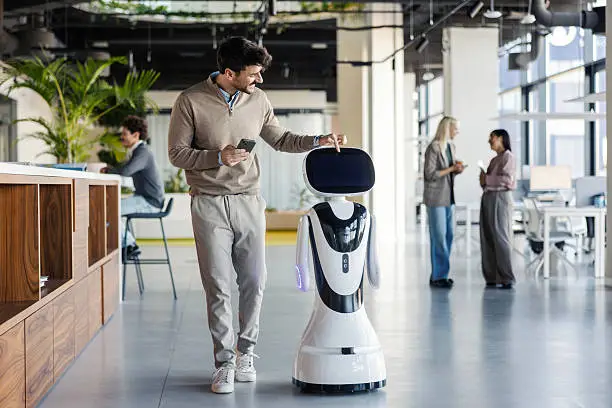
Unlike traditional AI software that mainly processes information, Physical AI combines artificial intelligence with hardware, sensors, cameras, robotics, and real-time decision-making systems. These technologies allow machines to see, learn, move, and interact with the environment. From agricultural robots working on farms to intelligent healthcare devices assisting professionals, Physical AI could reshape many industries across New Zealand.

For a country known for agriculture, logistics, manufacturing, and environmental innovation, the development of intelligent machines creates new opportunities. New Zealand businesses are increasingly exploring technologies that can improve efficiency while reducing pressure caused by labour shortages. Robotics and AI adoption are becoming important parts of discussions about the future of work and economic growth.

How Physical AI Could Transform New Zealand’s Agricultural Industry

Agriculture remains one of New Zealand’s most important industries, but farmers face challenges including labour shortages, unpredictable weather, and increasing demand for sustainable production. Physical AI could provide a new generation of farming tools that operate independently while helping farmers make better decisions.

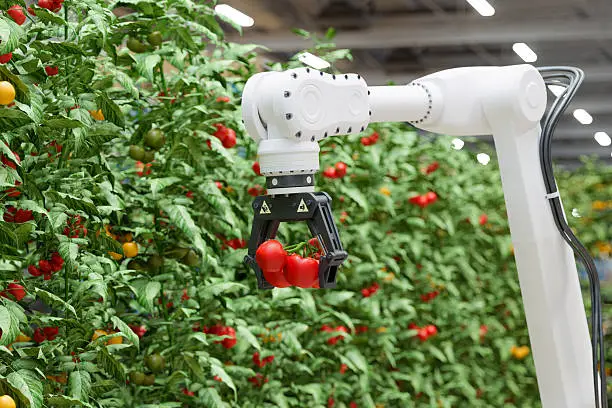
Traditional agricultural machines usually follow programmed instructions, but Physical AI-powered equipment can analyse information and adapt to changing conditions. For example, smart farming robots could identify plant health issues, monitor soil conditions, remove weeds, or optimise resource usage without requiring constant human control.

Future farms may include autonomous vehicles, intelligent harvesting machines, and AI-powered monitoring systems. These technologies could help farmers reduce waste, improve productivity, and protect natural resources.

Small electronic devices will also play an important role in these systems. Sensors, controllers, and portable monitoring equipment need reliable energy solutions to operate in remote rural environments. A high-quality electronic device battery can help smart agricultural equipment maintain stable performance when operating far away from traditional power sources.

This connection between AI software and dependable hardware shows why Physical AI is not only about advanced algorithms. The future of intelligent machines depends on every component working together, including sensors, processors, communication modules, and energy systems.

Smart Robots Could Become Everyday Tools in New Zealand

When many people hear the word “robot,” they imagine futuristic machines from science fiction movies. However, modern robotics is becoming much more practical. Today’s intelligent robots are designed to solve real-world problems in workplaces, hospitals, warehouses, and homes.

Physical AI enables robots to move beyond simple repetitive tasks. With advanced sensors and AI models, robots can recognise objects, understand instructions, and adjust their actions based on changing environments. Global technology trends show increasing interest in robotics systems that combine AI reasoning with physical movement.

In New Zealand, robots could support industries where efficiency and safety are important. In warehouses, intelligent robots may help organise products and manage inventory. In manufacturing, collaborative robots could work alongside employees to improve production speed. In healthcare, robotic assistants could support routine tasks and allow medical professionals to focus on patient care.

However, every intelligent robot requires powerful and reliable hardware. Mobile robots depend on compact energy systems that can provide long operating times without increasing weight. This is where a suitable electronic device battery becomes an essential part of modern robotics development.

Battery technology directly affects how useful intelligent machines can become. Longer-lasting power means robots can operate for extended periods, reduce downtime, and perform more tasks in real-world environments.

The Growth of AI-Powered Consumer Devices

Physical AI is not limited to factories and farms. Consumers may soon experience intelligent technology through everyday electronic products.

Smart home devices, AI assistants, wearable technology, and personal robots are becoming more advanced. Instead of simply responding to commands, future devices may understand user behaviour and automatically adapt to individual needs.

For example, an AI-powered home assistant could monitor energy usage, manage household devices, and provide personalised recommendations. Smart wearable devices could track health information more accurately and provide real-time feedback. Intelligent cameras and security systems could recognise unusual activity and respond automatically.

As these devices become smarter, consumers will expect better mobility and longer usage time. Portable products need batteries that can support advanced processors, sensors, and wireless connectivity while maintaining a compact design.

A reliable electronic device battery allows next-generation consumer technology to deliver a smoother user experience. Without efficient power solutions, even the most advanced AI features may be limited by short operating times.

This demonstrates an important reality: the future of technology is not only about smarter software. Hardware innovation, especially energy management, will determine how quickly intelligent devices become part of everyday life.

Why New Zealand Could Benefit From Physical AI Innovation

New Zealand has several characteristics that make it an interesting market for Physical AI development. The country has a strong technology sector, a large rural economy, and many industries that operate across challenging environments.

Remote locations create unique demands for technology. Intelligent machines used in agriculture, environmental monitoring, or infrastructure management must often work independently with limited human support.

Physical AI could help address these challenges by creating systems that can operate autonomously while collecting and analysing information. For example, environmental monitoring robots could track ecosystems, smart machines could inspect infrastructure, and autonomous systems could support emergency response efforts.

New Zealand’s focus on innovation and sustainability also creates opportunities for technologies that improve efficiency while reducing environmental impact. Energy-efficient robots and intelligent devices could help organisations achieve productivity goals while using fewer resources.

The success of Physical AI will depend on collaboration between software developers, hardware manufacturers, researchers, and businesses. Building a complete ecosystem requires not only advanced AI models but also reliable components such as sensors, processors, communication systems, and power solutions.

Challenges Before Physical AI Becomes Mainstream

Although Physical AI has significant potential, several challenges remain before intelligent machines become common in New Zealand.

One major challenge is cost. Advanced robots and AI-powered devices require expensive hardware, development resources, and maintenance. For small businesses, investment decisions must be carefully considered.

Security is another important concern. Connected intelligent machines collect large amounts of data and communicate through networks. Protecting these systems from cyber threats will become increasingly important as more devices become autonomous.

There are also questions about workforce adaptation. While robots may reduce the need for some repetitive tasks, they may also create demand for new skills in technology management, programming, and maintenance.

Education and training will play a key role in helping workers adapt to a future where humans and intelligent machines work together.

The Future of Physical AI in New Zealand

Physical AI represents a major shift from digital intelligence toward intelligent machines that can interact with the real world. For New Zealand, this technology could create opportunities across agriculture, healthcare, manufacturing, consumer electronics, and environmental management.

The future will not simply belong to machines replacing humans. Instead, the most successful applications will likely involve humans and AI-powered systems working together. Robots can handle dangerous or repetitive tasks, while people focus on creativity, decision-making, and innovation.

As Physical AI continues to develop, the demand for reliable electronic components will grow. Devices need stronger processors, better sensors, improved connectivity, and efficient energy solutions. The role of the electronic device battery will become increasingly important as more intelligent products move from research laboratories into everyday environments.

New Zealand’s technology future may be shaped by machines that do more than calculate information. They may see, understand, and act. Physical AI could become the next technology wave transforming how people live, work, and interact with the world around them.

Can Smart Agriculture Help New Zealand Farmers Produce More With Less?

A New Chapter for New Zealand Farming

New Zealand has always been a country where agriculture matters. From dairy farms and sheep stations to vineyards, orchards and horticultural operations, the primary sector plays a major role in the country’s economy and international reputation. But farming in 2026 is facing a very different set of challenges from those of previous generations.

Farmers are under pressure to improve productivity while dealing with changing weather patterns, rising operating costs, labour shortages, environmental expectations and growing demand for high-quality food. At the same time, technology is moving rapidly into rural areas. Artificial intelligence, smart sensors, satellite imagery, connected machinery, robotics and automated livestock systems are no longer futuristic ideas. They are increasingly becoming practical farming tools.

New Zealand’s Ministry for Primary Industries describes smart farming as the use of digital technology to optimise plant and animal growth, manage livestock remotely, use water and fertiliser more efficiently, monitor pests, predict weather impacts and support longer-term decision-making.

The big question is no longer whether technology belongs on a farm. It is whether smart agriculture can genuinely help farmers produce more with fewer resources.

From Experience-Based Farming to Data-Driven Decisions

For generations, New Zealand farmers have relied heavily on experience. A farmer can often recognise changes in pasture, animal behaviour or soil conditions simply by looking at the land. That knowledge remains extremely valuable.

Smart agriculture does not replace that experience. Instead, it adds another layer of information.

A modern farm can collect data from soil sensors, weather stations, GPS equipment, cameras, livestock wearables and satellite systems. Instead of checking a large paddock manually, farmers can receive information about moisture, temperature, pasture growth or animal activity through digital platforms.

This changes the way decisions are made.

Imagine a farmer preparing to irrigate a field. Rather than watering the entire area because the weather forecast looks dry, sensors can identify which parts of the field actually need water. A connected system can then help determine when irrigation should begin and how much water is required.

The result is not simply more technology. It is potentially less waste.

AI Is Moving Closer to the Farm

Artificial intelligence is becoming one of the most interesting developments in New Zealand agritech.

AI can analyse enormous amounts of information much faster than a person can. In agriculture, this could include weather data, satellite images, soil conditions, animal activity, pasture growth and historical farm records.

New Zealand’s Ministry for Primary Industries is already supporting projects involving AI-powered agricultural tools. One current project aims to develop an AI agent that can help optimise greenhouse-gas emissions, productivity and profitability across dairy and beef pastures while supporting earlier farmer decision-making.

That is significant because it shows how AI is moving beyond simple automation. The goal is not merely to make a machine perform a task. The goal is to help farmers decide what task should be performed, when it should happen and where resources should be used.

AI is also being explored in livestock research. AgResearch has used AI to analyse livestock CT scan data and identify traits associated with areas such as feed efficiency and methane emissions. Its wider research programme includes thermal imaging, hyperspectral imaging and ultrasound to investigate animal health and meat quality.

For New Zealand, this could become particularly important because the country’s agricultural advantage increasingly depends on producing high-value products efficiently and sustainably.

Smart Sensors Could Change How Farmers Monitor Animals

One of the most promising areas of smart agriculture is livestock monitoring.

A farmer cannot physically observe every animal every minute of every day. Sensors and wearable devices can help fill that gap.

AgResearch is investigating future dairy farming systems using sensors that can monitor animals’ temperature and activity levels. The objective is to understand what an animal experiences throughout the day and use that information to provide insights into its wellbeing.

This could allow farmers to identify unusual behaviour earlier.

For example, if an animal becomes less active than normal, a digital system could flag the change for further investigation. The farmer can then decide whether the animal needs attention instead of discovering the problem much later.

Connected livestock technology also creates another challenge: keeping electronic devices operating reliably in remote environments. A collar, sensor, tracker or monitoring unit may spend weeks outdoors, exposed to rain, dust, temperature changes and physical movement.

That makes a dependable electronic device battery an important but often overlooked part of smart farming.

The intelligence of a sensor means little if the device repeatedly loses power.

Virtual Fencing Shows What Connected Farming Can Look Like

New Zealand is also attracting international attention for livestock technology.

Virtual fencing systems use connected devices and digital boundaries to help farmers manage animals without relying entirely on traditional physical fences. New Zealand-based agtech company Halter has become one of the most visible examples of this trend, with its AI-enabled livestock technology attracting major investment and international expansion interest in 2026.

The concept is fascinating because it combines several technologies at once: livestock wearables, location information, software, communications and data analysis.

Instead of treating technology as a separate tool, the farm becomes a connected system.

This could reduce some physical infrastructure requirements while giving farmers more flexibility over where animals graze. It could also help farmers manage land in ways that were previously difficult or labour-intensive.

However, connected livestock systems also need reliable communications and power. A wearable device cannot simply be treated like a smartphone. It has to work outdoors, remain lightweight and operate for long periods.

Again, battery performance becomes part of agricultural productivity.

Precision Weed Control: Less Chemical, Less Waste

Another exciting direction is precision crop management.

Traditional weed control can require large amounts of labour, machinery and chemical inputs. Smart systems are beginning to offer a different approach.

New Zealand’s Ministry for Primary Industries is supporting a project involving Carbon Robotics’ LaserWeeder technology. The system combines advanced cameras, artificial intelligence and precision lasers to identify and eliminate weeds without relying on conventional chemical treatment. The project is intended to evaluate performance, costs and potential returns for New Zealand growers.

The idea sounds almost like science fiction: a machine moves through a field, identifies individual weeds and targets them precisely.

But the underlying principle is simple.

If technology can identify exactly what needs to be treated, farmers may not need to treat everything.

That could mean lower input use, reduced waste and potentially more precise crop management.

For horticulture, where labour and input costs can be significant, such technologies could become increasingly attractive.

Satellites Are Giving Farmers a New View of the Land

Smart agriculture does not stop at ground level.

Satellite data is becoming another important source of agricultural information. Farmers can use remote sensing to understand pasture conditions, vegetation changes, water patterns and other characteristics across large areas.

This is particularly useful in New Zealand, where farms can cover enormous distances.

A farmer cannot inspect every square metre of land every day. Satellite imagery can provide a broader picture and help identify areas that deserve closer attention.

New Zealand’s primary-sector research has highlighted the growing role of satellite data alongside GPS, remote sensors and smart devices. These technologies can support remote stock and pasture management and improve the efficiency of water, fuel, fertiliser and other resources.

The real opportunity comes when these systems communicate with one another.

Satellite data can identify a change. A drone can inspect it more closely. A ground sensor can provide additional information. AI can analyse the combined data. Finally, the farmer can make the decision.

That is the foundation of a truly connected farm.

Producing More Does Not Necessarily Mean Using More

The phrase “produce more with less” can sound contradictory.

Agriculture has traditionally associated higher production with greater inputs: more fertiliser, more water, more machinery, more labour or more land.

Smart agriculture challenges that assumption.

The goal is precision.

Instead of applying the same amount of water everywhere, farmers can target irrigation. Instead of treating an entire field, machines can target individual weeds. Instead of checking every animal manually at the same frequency, sensors can identify animals requiring closer attention.

This approach could make agricultural production more efficient without simply increasing resource consumption.

It may also help New Zealand respond to environmental pressures.

The government has committed more than NZ$400 million over four years to accelerate research and development of technologies designed to reduce agricultural emissions while protecting production and profitability.

That combination is crucial.

Farmers cannot be expected to adopt expensive technology simply because it is environmentally friendly. The technology must also make economic sense.

The Hidden Challenge: Powering a Connected Farm

There is one issue that receives far less attention than AI or robotics: power.

A smart farm may contain dozens or even hundreds of electronic devices. Sensors can monitor soil moisture. Cameras can watch crops. GPS devices can track machinery. Wearables can monitor livestock. Communication equipment can transmit information from remote paddocks.

All of these systems need energy.

In urban environments, plugging in a device is easy. On a remote farm, it can be much harder.

Some sensors may need to operate for months without maintenance. Others may need to survive harsh weather and temperature changes. Livestock devices must remain lightweight while providing enough power for continuous monitoring.

Consequently, battery technology becomes an important part of agricultural innovation.

A reliable electronic device battery can help remote sensors remain operational for longer periods, reducing maintenance visits and preventing gaps in data collection. For farmers, that reliability can be just as important as the software running behind the device.

The future of smart agriculture will therefore depend not only on smarter algorithms but also on better hardware.

Connectivity Will Be Just as Important as Intelligence

A smart device is useful only if it can communicate.

New Zealand’s geography creates a particular challenge. Farms can be remote, mountainous or spread across large areas. A sensor that works perfectly in a laboratory may face very different conditions in the real world.

This means agricultural technology needs reliable connectivity, efficient power management and rugged hardware.

The combination of low-power sensors, wireless communications, satellite services and edge computing could become increasingly important.

Instead of sending every piece of information to a distant data centre, some devices may process information locally. This can reduce communication requirements and potentially allow faster responses.

For example, a livestock monitoring device might detect an unusual movement pattern locally and send only an alert rather than transmitting every second of raw sensor data.

That approach could save both energy and bandwidth.

What Could the Farm of the Future Look Like?

Picture a New Zealand dairy farm several years from now.

Before sunrise, an AI system has already analysed overnight weather information, pasture conditions and livestock activity. It recommends moving a group of animals to a particular paddock.

A farmer checks the recommendation on a tablet.

Meanwhile, soil sensors have identified that another area does not need irrigation. A drone is inspecting a section of crops where satellite imagery detected an unusual change. A robotic system is checking weeds between rows.

The farmer is still making decisions, but the decisions are supported by information that would have been impossible to collect manually.

This is perhaps the most important point about smart agriculture.

The future does not necessarily mean farms without people.

It could mean farms where people have better information.

Will Smart Farming Work for Every New Zealand Farmer?

Despite its potential, smart agriculture is not a magic solution.

Technology costs money. Farmers need training, technical support and reliable connectivity. Devices can fail. Software can become outdated. Different systems may not always work well together.

There are also questions about data ownership and privacy. If a farm generates huge quantities of information, farmers need to understand who controls that data and how it can be used.

Adoption will therefore depend on whether technology solves genuine problems rather than simply adding complexity.

The most successful products are likely to be those that save time, reduce costs, improve animal welfare, increase productivity or help farmers meet environmental requirements.

A More Efficient Future for New Zealand Agriculture

New Zealand has a unique opportunity.

Its agricultural sector already has generations of practical knowledge, strong export markets and a growing technology ecosystem. Smart farming can combine those strengths with artificial intelligence, sensors, robotics, satellite imagery and automation.

Current projects supported by New Zealand’s primary-sector agencies show that this transition is already happening. AI pasture tools, livestock monitoring, automated weed control and digital farming research are moving technology closer to everyday agricultural operations.

The most exciting part is that these technologies do not have to replace traditional farming knowledge.

Instead, they can amplify it.

A farmer who knows the land can use satellite data to see changes earlier. A livestock expert can use wearable sensors to identify unusual behaviour. A grower can use computer vision to target weeds more precisely.

Smart agriculture is ultimately about making better decisions with better information.

For New Zealand, producing more with less may not require dramatically expanding farms. It may require making every litre of water, every kilogram of fertiliser, every hour of labour and every hectare of land work harder.

And behind every sensor, camera, wearable and connected machine will be the same basic requirement: dependable technology that keeps working when the farm never stops.

That is why the future of New Zealand agriculture may be shaped not by one revolutionary machine, but by thousands of small electronic devices quietly collecting information, making connections and helping farmers turn data into action. In that future, the humble electronic device battery could be just as important to productivity as the AI algorithms receiving all the attention.

AI Gadgets Are Entering New Zealand Homes What Devices Will Come Next?

The Rise of AI-Powered Gadgets in Kiwi Homes

Artificial intelligence is no longer limited to research labs, large companies, or science fiction movies. Across New Zealand, AI technology is gradually becoming part of everyday life through smart consumer devices that help people work, communicate, stay safe, and manage their homes more efficiently. From intelligent speakers and AI-powered cameras to smart appliances and wearable devices, a new generation of gadgets is changing how New Zealanders interact with technology.

The growth of AI gadgets reflects a broader global shift from traditional electronics toward smarter, more connected products. Instead of simply performing one function, modern devices are designed to understand users, learn habits, and provide personalised assistance. In New Zealand, where many households value convenience, energy efficiency, and practical technology, AI-powered gadgets are becoming increasingly attractive.

Smart home technology is one of the fastest-growing areas. AI assistants can now control lighting, manage entertainment systems, monitor security, and even help households reduce unnecessary energy consumption. New Zealand’s interest in sustainable living has also encouraged consumers to explore smart devices that improve efficiency while maintaining comfort.

The question many technology observers are asking is simple: after smart speakers, AI cameras, and connected appliances, what AI gadgets will become the next must-have devices in New Zealand homes?

AI Smart Assistants Are Becoming Everyday Companions

One of the most visible examples of AI entering homes is the evolution of smart assistants. Earlier voice assistants mainly responded to simple commands, such as playing music, checking the weather, or setting reminders. Today’s AI assistants are becoming more conversational and capable of understanding context.

New AI-powered home speakers are designed to provide more natural interactions. Instead of memorising specific commands, users can communicate with devices more casually, making technology feel more like a personal assistant rather than a simple machine. Google’s latest home speaker technology, for example, focuses on more natural conversations and deeper integration with daily routines.

For New Zealand families, these improvements could make smart homes easier to use. Parents may use AI assistants to organise schedules, professionals may rely on them for productivity support, and older users may benefit from easier access to information and reminders.

As these devices become more advanced, battery performance will also become an important factor. Portable AI speakers, smart displays, and mobile assistants require reliable energy solutions to support longer usage. This is where consumer electronics battery technology plays an increasingly important role in improving convenience and device reliability.

AI Security Devices Are Changing Home Protection

Home security is another area where AI gadgets are creating new possibilities in New Zealand. Traditional security cameras usually recorded footage that users had to review later. Modern AI security systems can analyse activity in real time, identify unusual behaviour, and send intelligent alerts.

AI cameras are becoming more popular because they offer features such as person recognition, motion analysis, and automated notifications. Instead of receiving dozens of unnecessary alerts, homeowners can receive more meaningful information about important events around their properties.

This development is particularly relevant in New Zealand, where many households are interested in improving security while maintaining privacy. Modern AI security devices increasingly process information locally through edge computing, reducing dependence on cloud services and helping users maintain greater control over their data.

Wireless security cameras also create new demand for efficient power solutions. Outdoor cameras, smart doorbells, and remote monitoring devices often require long-lasting energy performance because they may operate in locations without easy access to power outlets. Advanced consumer electronics battery solutions help these devices remain active for longer periods while supporting modern smart home expectations.

AI Wearables Could Become the Next Big Personal Technology

Wearable technology is another area expected to experience major growth. Smartwatches have already become popular among New Zealand consumers, but the next generation of wearable devices may offer much deeper AI integration.

AI smart rings, intelligent fitness trackers, and health-focused wearables are moving beyond basic activity tracking. Future devices could analyse sleep patterns, monitor health indicators, provide personalised recommendations, and assist users throughout the day.

For New Zealand consumers who enjoy outdoor activities such as hiking, cycling, and sports, lightweight AI wearables could provide valuable support. A compact device that can track performance, monitor health, and provide real-time suggestions could become an essential companion for many active users.

However, wearable devices face one major challenge: size limitations. Manufacturers must create smaller batteries that deliver longer performance without making devices uncomfortable. Improvements in consumer electronics battery technology will therefore directly influence how quickly AI wearables become mainstream.

AI Gadgets Are Transforming Entertainment Experiences

Entertainment is also being reshaped by artificial intelligence. Smart televisions, AI audio systems, gaming devices, and connected entertainment platforms are becoming more personalised.

Modern smart TVs can recommend content based on viewing habits, improve picture quality automatically, and connect with other smart home devices. AI-powered audio systems can adjust sound based on room conditions and user preferences.

For New Zealand households, where streaming services and digital entertainment have become central parts of daily life, AI-enhanced entertainment devices offer a more convenient experience.

Gaming is another sector where AI gadgets are gaining attention. Future gaming accessories may use AI to personalise gameplay, improve communication between players, and create more immersive experiences. Portable gaming devices with AI features will also increase demand for efficient battery technology, allowing users to enjoy longer entertainment sessions without frequent charging.

AI Robots Could Move From Novelty to Everyday Tools

Robotics is another exciting area where AI gadgets are developing rapidly. In the past, household robots were often considered expensive or experimental products. Today, AI-powered robot vacuums, lawn devices, and home assistants are becoming more practical.

Modern robot cleaners can recognise obstacles, map rooms, and adjust cleaning strategies based on household conditions. Some advanced systems are beginning to combine AI vision, voice control, and smart home integration.

For New Zealand homeowners, especially those with busy lifestyles, AI robots could provide valuable assistance by reducing repetitive tasks. As technology improves, future household robots may take on more responsibilities, including monitoring homes, assisting elderly residents, or managing daily routines.

The success of these devices will depend heavily on reliable energy systems. Robots require powerful yet efficient batteries to support movement, sensors, and artificial intelligence processing. Battery innovation will remain one of the most important factors shaping the future of AI consumer devices.

Smart Homes Will Become More Connected and Intelligent

The future of AI gadgets in New Zealand is likely to involve greater integration between different devices. Instead of owning separate smart products that operate independently, households will increasingly use connected ecosystems where devices communicate with each other.

For example, an AI home system could automatically adjust heating based on occupancy, optimise electricity usage, monitor security conditions, and provide personalised recommendations. Smart home technology is moving toward a future where devices work together quietly in the background.

Energy efficiency will also remain a major priority. New Zealand consumers are increasingly interested in technology that helps reduce costs and support sustainable lifestyles. Smart devices that monitor energy consumption and automatically optimise performance could become increasingly common.

What AI Gadget Will Become the Next Household Essential?

The next major AI gadget trend in New Zealand may not come from one single product category. Instead, the future is likely to be shaped by a combination of devices working together.

AI glasses could change how people access information. Smart rings could transform personal health tracking. AI robots could simplify household tasks. Intelligent security systems could improve safety. Connected entertainment devices could create more personalised experiences.

The most successful AI gadgets will be those that solve real problems rather than simply offering new technology. New Zealand consumers are likely to embrace devices that save time, improve convenience, protect privacy, and provide genuine value.

As AI continues moving from the cloud into everyday hardware, consumer electronics will become smarter, more personalised, and more connected than ever before. The next generation of gadgets entering New Zealand homes will not just be tools people use — they will become intelligent partners that understand, assist, and adapt to modern lifestyles.

New Zealand’s Space-Tech Boom: Why Startups Are Looking Beyond Earth

New Zealand has long been associated with spectacular landscapes, agriculture, tourism, and a relatively small domestic market. Yet a different image of the country is becoming increasingly difficult to ignore: New Zealand is turning into an important testing ground for space technology.

From rocket launches on the North Island to satellite development in Auckland and Christchurch, the country’s technology ecosystem is moving beyond traditional software and consumer products. The latest momentum comes from a growing group of companies developing spacecraft, satellite systems, autonomous technologies, and new ways to manufacture products in orbit.

One of the most striking recent developments is the rapid progress of Auckland-based Outlier Space. The company has raised US$7.35 million in pre-seed funding to develop a reusable platform designed to take research and manufacturing payloads into microgravity and eventually return them to Earth. Its debut mission is planned for 2028.

For New Zealand, this is more than another startup funding story. It raises a bigger question: could space technology become one of the country’s next major technology industries?

From Rocket Launches to a Broader Space Economy

When people think about New Zealand and space, Rocket Lab is probably the first name that comes to mind. Its launch activities helped demonstrate that a country far from the traditional centres of the global aerospace industry could build serious launch capabilities.

But the next stage is not simply about putting rockets into orbit.

New Zealand’s emerging space ecosystem increasingly includes satellite technology, propulsion, Earth observation, autonomous systems, advanced manufacturing, scientific research, and commercial services. This broader ecosystem could ultimately be more important than launch infrastructure alone.

Outlier Space is a good example of this shift. Instead of focusing only on getting a spacecraft into orbit, the Auckland company is developing an autonomous, reusable platform capable of carrying research and manufacturing payloads into microgravity before bringing them back to Earth. Potential customers include pharmaceutical, biotechnology, and advanced-materials companies.

That concept could change how people think about space.

Space would no longer be simply a destination for satellites or astronauts. It could become a manufacturing environment where companies conduct experiments that are difficult or impossible to reproduce on Earth.

Why Microgravity Could Become a Business Opportunity

Microgravity may sound like something reserved for government space agencies, but commercial interest is growing.

In a microgravity environment, materials behave differently. Fluids, biological systems, crystals, and other substances can respond in ways that are difficult to replicate under normal gravitational conditions.

For pharmaceutical companies, this could potentially create new research opportunities. For advanced-materials companies, it could provide a different environment for testing and manufacturing. For biotechnology businesses, it could open new possibilities for experiments.

This is where New Zealand startups could find an unusual advantage.

The country does not need to compete directly with the largest aerospace economies on every front. Instead, it can focus on specialised technologies where relatively small teams can move quickly.

That strategy fits New Zealand’s broader startup culture. A company does not necessarily need to build an enormous rocket factory to participate in the space economy. It could develop a specialised propulsion system, satellite component, autonomous navigation technology, sensor, software platform, or research vehicle.

The result could be a much wider technology ecosystem than the public image of “New Zealand space” might suggest.

What Recent Investment Says About the Market

Money is often one of the clearest indicators of whether investors believe an emerging technology has commercial potential.

The recent funding activity surrounding New Zealand space technology is therefore significant. Outlier Space announced a US$7.35 million pre-seed round in July, led by GD1, to support development of its commercial microgravity research and return platform.

The wider New Zealand investment environment is also showing signs of renewed interest in technology. Auckland venture capital firm GD1 announced a NZ$56.7 million first close for its latest fund in August, with a target of NZ$150 million.

This matters because space technology usually requires patience.

A consumer app can potentially reach customers within months. A spacecraft may take years to design, test, launch, operate, and recover. Investors therefore need to believe that the eventual market can justify the long development cycle.

The fact that New Zealand startups are attracting capital for ambitious aerospace projects suggests investors increasingly see opportunities beyond traditional software.

The Hidden Technology Inside Every Spacecraft

Space technology also has an interesting connection with consumer electronics.

A modern spacecraft is essentially an extremely specialised electronic system. It relies on computers, sensors, communications equipment, power-management systems, cameras, navigation hardware, data storage, and countless electronic components.

The environment, however, is far less forgiving than a living room or office.

A smartphone can be charged overnight. A spacecraft cannot simply be plugged into a wall when its power runs low. A laptop can be restarted if something goes wrong. A satellite may have to continue operating autonomously for months or years.

That makes energy management particularly important.

The development of advanced consumer electronics battery technology can indirectly influence the wider electronics ecosystem by encouraging improvements in energy density, charging efficiency, thermal management, and battery monitoring.

Although spacecraft require specialised power systems rather than ordinary consumer batteries, the underlying engineering challenges are surprisingly familiar. Engineers still need to ask how much energy a system can store, how efficiently it can use that energy, and how reliably the power source will perform over time.

Why Batteries Matter Even in the Space Economy

Power is one of the fundamental constraints of any electronic system.

On Earth, users rarely think about it. A smartphone can be recharged at a café. A laptop can be connected to a charger at home. A wireless device can be replaced when its battery becomes inconvenient.

In space, energy becomes a mission-critical resource.

Satellites may rely on solar panels to generate electricity while batteries store energy for periods when sunlight is unavailable. Every electronic component has to be designed around a carefully managed power budget.

That creates an interesting technological bridge between the consumer electronics market and aerospace.

Research into lighter materials, better energy storage, improved battery-management electronics, and more efficient processors can benefit multiple industries. The relationship is not necessarily direct, but the engineering principles overlap.

For New Zealand’s growing space sector, this broader electronics ecosystem could become increasingly important as spacecraft become more autonomous and computationally powerful.

New Zealand’s Geographic Advantage

New Zealand’s geography may also help its space ambitions.

The country is remote, has relatively low population density in many areas, and already has experience with specialised aerospace infrastructure. Rocket Lab’s launch complex on the Māhia Peninsula demonstrated that New Zealand could support commercial orbital launch operations. The country has also developed a broader aerospace ecosystem around launch, research, and advanced engineering.

Its location in the Southern Hemisphere provides another potential advantage.

As satellite operators increasingly demand global coverage, Earth observation data, communications, climate monitoring, and other services, access to different orbital and geographic perspectives becomes valuable.

New Zealand does not need to become the world’s largest space power.

It may be more realistic—and potentially more profitable—to become exceptionally good at a handful of specialised technologies.

The Rise of Reusable Space Hardware

One of the most interesting themes in the current space industry is reusability.

Traditional spacecraft were often designed for a single mission. After completing their jobs, they were discarded or left in orbit.

That model becomes increasingly expensive as the number of commercial missions grows.

Reusable hardware changes the economics.

Outlier Space is developing a platform intended to provide scalable access to microgravity while returning payloads safely to Earth. The company describes its system as autonomous and reusable, with the potential to support research and manufacturing applications.

If technologies like this become commercially viable, customers could potentially conduct experiments, recover their products, analyse the results, and repeat the process.

That creates something much closer to a normal industrial supply chain—but one that includes space.

What This Could Mean for New Zealand Jobs

A successful space industry would not only create jobs for rocket scientists.

It could create opportunities for software developers, electrical engineers, mechanical engineers, data scientists, materials specialists, manufacturing technicians, cybersecurity professionals, battery engineers, robotics experts, and communications specialists.

Universities could become more closely connected with commercial aerospace research. Startups could recruit graduates who previously would have looked overseas for specialised careers.

That could be particularly valuable for a country that has historically faced challenges retaining highly skilled technology workers.

A stronger domestic technology ecosystem could give talented New Zealanders another reason to build their careers at home.

From Space Technology to Everyday Electronics

The influence could also move in the opposite direction.

Technologies developed for demanding aerospace environments sometimes eventually influence products and systems used on Earth.

The reason is simple: space forces engineers to solve difficult problems.

How do you make electronics operate reliably with limited power? How do you reduce weight without sacrificing performance? How do you make hardware survive extreme conditions? How do you communicate with a machine that may be thousands of kilometres away?

These questions can produce innovations with applications far beyond spacecraft.

For example, advances in sensors, robotics, satellite communications, navigation, imaging, and energy management can eventually contribute to commercial and consumer technologies.

Even improvements in consumer electronics battery design can benefit from the same broader push toward greater energy efficiency and smarter power management.

A New Chapter for Kiwi Innovation

New Zealand’s space ambitions are particularly interesting because they represent a change in the country’s technology narrative.

The country does not have the population or industrial scale of the United States, China, or Europe. But scale is not always the decisive factor in emerging technology.

Speed, specialised expertise, international partnerships, and the ability to focus on a narrow technical problem can sometimes matter more.

The recent funding of Outlier Space is a strong example. A relatively young New Zealand company is attempting to build technology for a global market rather than limiting itself to domestic customers. Its proposed platform could eventually serve companies in pharmaceuticals, biotechnology, materials science, and other industries around the world.

That global ambition could become one of the defining characteristics of New Zealand’s next technology wave.

The Challenge: Turning Excitement Into a Sustainable Industry

There is still a long road ahead.

Space technology is expensive, technically difficult, and highly regulated. A successful funding round does not guarantee a successful mission. Hardware must survive testing, launch, operation, and—where applicable—re-entry.

New Zealand also needs enough skilled workers, investment capital, research infrastructure, and international partnerships to support companies as they move from early-stage prototypes toward commercial operations.

The biggest challenge may be maintaining momentum.

A few successful startups can attract headlines. A genuine industry requires dozens or hundreds of companies, suppliers, researchers, investors, and customers working together.

That is why current developments are worth watching closely.

Could New Zealand Become a Space-Tech Hub?

The answer is not yet clear, but the ingredients are becoming increasingly visible.

New Zealand already has launch experience, aerospace companies, engineering talent, research institutions, and a growing startup community. Recent investment in companies such as Outlier Space adds another important ingredient: private capital willing to support ambitious space technology.

The next question is whether these individual successes can connect into a larger ecosystem.

If they do, New Zealand could develop a distinctive position in the global space economy—not by trying to copy the biggest aerospace nations, but by specialising in technologies where innovation and agility matter.

That could mean reusable spacecraft, microgravity manufacturing, satellite systems, autonomous vehicles, advanced propulsion, Earth observation, or space-based research.

And the implications could reach much further than rockets.

As electronic devices become increasingly powerful, connected, and autonomous, energy efficiency will remain one of the central engineering challenges. The same pressure that drives better consumer electronics battery technology on Earth can also encourage new thinking about power systems for sophisticated machines operating far beyond it.

Looking Beyond Earth

For decades, New Zealand’s technology story was often told through the lens of agriculture, tourism, and services.

That story is changing.

Today, Kiwi engineers and entrepreneurs are looking toward orbit, microgravity, autonomous spacecraft, and advanced manufacturing. Recent investment activity suggests that international investors are paying attention, while companies such as Outlier Space are attempting to turn ambitious ideas into commercial businesses.

The most exciting part is that this may only be the beginning.

The future of New Zealand space technology may not simply be about sending more objects into space. It could be about building an entirely new generation of machines that can work there, manufacture there, conduct research there, and return valuable products to Earth.

For a small country at the bottom of the Pacific, that is an extraordinarily ambitious idea.

But perhaps that is exactly what makes New Zealand’s emerging space-tech story so compelling: the country’s next major technology opportunity may not be waiting on the ground at all.

It may be waiting above it.

Does the Device Still Have Warranty After Lenovo Battery Replacement? Full Explanation of Warranty Coverage

Understanding lenovo battery replacement and why users need it
When using a laptop for a long time, battery performance naturally declines, which leads many users to search for information about lenovo battery replacement. In New Zealand, users often rely on their laptops for work, study, and travel, so maintaining good battery health is important for daily productivity. Over time, charging cycles, temperature changes, and heavy usage can reduce battery capacity, making replacement necessary to keep the device running smoothly. Knowing when to replace the battery and how the process works can help users avoid unexpected downtime.

What to know about lenovo battery replacement warranty
Before replacing a battery, it is important to understand the lenovo battery replacement warranty terms. Many users are unsure whether the battery is covered for the same length of time as the laptop itself. In most cases, the warranty for a battery is shorter than the overall device warranty because batteries are considered consumable components. However, the exact coverage can vary depending on the model and the service plan chosen when the laptop was purchased. Checking the warranty details helps avoid confusion before arranging a replacement.

How to check lenovo battery replacement cost in New Zealand
Another common concern is the lenovo battery replacement cost, which can vary depending on the laptop model, battery type, and where the service is performed. In New Zealand, prices may differ between service providers due to labour costs and part availability. Some newer laptops use built-in batteries that require professional installation, which may increase the total cost. Because of this, users should always confirm the full price, including installation, before deciding to replace the battery.

Whether the battery can be replaced for free if it is damaged during the warranty period
Many users ask whether the battery can be replaced for free if it is damaged during the warranty period. The answer depends on the cause of the damage. If the battery fails due to a manufacturing defect within the covered time, replacement is often provided without additional charges. However, damage caused by drops, liquid exposure, overheating, or improper charging habits may not be included. Understanding the warranty conditions helps users know what to expect before requesting service.

How long the battery warranty lasts and what affects coverage
A frequent question is how long the battery warranty lasts, especially for people who use their laptops every day. Battery warranties are usually shorter than the main device warranty, and heavy usage can make the battery reach its cycle limit faster. Factors such as frequent full discharges, high temperatures, and constant charging can reduce battery lifespan. Users in New Zealand who travel often or work outdoors should pay extra attention to these factors, as environmental conditions can also affect battery durability.

Whether replacing the battery affects the overall device warranty
Another concern is whether replacing the battery affects the overall device warranty. In most situations, replacing a worn battery will not affect the rest of the warranty as long as the replacement is done according to recommended service procedures. Problems may arise if the battery is installed incorrectly or if incompatible parts are used, which could lead to other hardware issues. Because of this, users should always make sure the replacement follows proper guidelines to keep the device protected.

Additional tips for extending battery life after replacement
After completing a lenovo battery replacement, good usage habits can help the new battery last longer. Keeping the laptop away from extreme heat, avoiding constant full discharge, and using the correct charger can all improve battery lifespan. It is also helpful to update system software regularly, because power management updates may improve efficiency. With proper care, a replacement battery can provide reliable performance for a long time, making the device suitable for work, school, and travel across New Zealand.