Wi-Fi 7 Is Coming to More New Zealand Homes as Faster Internet Becomes Essential

New Zealand’s Connected Home Is Entering a New Phase

For many New Zealand households, the internet connection has quietly become one of the most important pieces of infrastructure in the home. A decade ago, a broadband connection was mainly used for browsing websites, checking emails and watching occasional online videos. Today, the average household may have smartphones, laptops, smart TVs, gaming consoles, security cameras, tablets, smart speakers and dozens of other connected devices competing for bandwidth.

That change is pushing home networking technology forward. Faster fibre connections are becoming increasingly attractive, while Wi-Fi 7 is emerging as one of the most important developments in wireless connectivity. New Zealand consumers are increasingly interested not only in how fast their broadband plan can download a file, but also in whether their wireless network can distribute that performance effectively throughout the home.

The timing is particularly interesting. New Zealand already has a mature fibre broadband network, while high-speed options such as Hyperfibre are giving households access to multi-gigabit connections in supported areas. Some local providers are also promoting Wi-Fi 7 routers alongside faster fibre plans, highlighting the growing connection between broadband upgrades and home networking hardware.

For Kiwi households, the question is no longer simply whether faster internet is available. Increasingly, it is about whether the entire home network is ready to take advantage of it.

Why Wi-Fi 7 Is Getting Attention

Wi-Fi 7 is designed to handle the demands of a much more connected world. Compared with previous generations, the technology introduces features intended to improve speed, capacity and responsiveness.

One of the most important ideas behind Wi-Fi 7 is Multi-Link Operation, or MLO. Instead of relying on a single wireless connection, compatible devices can potentially use multiple bands more intelligently. This can help improve reliability and reduce latency in demanding network environments.

For a household where several people are online at the same time, that can make a meaningful difference.

Imagine a typical evening in an Auckland home. One person is watching a high-resolution streaming service on the television. Another is playing an online game. A parent is attending a video conference from a laptop while children are using tablets and smartphones. At the same time, smart cameras are uploading footage and other connected devices are exchanging data in the background.

A traditional router may struggle when dozens of devices compete for wireless resources. A modern Wi-Fi 7 system is designed with precisely this increasingly complicated environment in mind.

That does not mean every household needs to replace its existing router immediately. New Zealand’s Consumer advice notes that Wi-Fi 7 hardware is still relatively expensive and that many phones and computers do not yet support the standard.

However, for households already considering a broadband upgrade, Wi-Fi 7 can make the networking discussion much more interesting.

Faster Fibre Needs a Better Wireless Network

There is an important distinction between having fast broadband and actually experiencing fast internet throughout the home.

A fibre connection may deliver extremely high speeds to the modem or network terminal, but that performance still needs to travel through the household’s wireless infrastructure. If the router is old, poorly positioned or unable to handle multiple connections efficiently, users may never experience the full potential of their broadband plan.

This is becoming particularly relevant as New Zealand consumers look toward faster fibre services.

Some providers now advertise plans reaching several gigabits per second, while Hyperfibre services can offer substantially more bandwidth in selected locations. Voyager, for example, currently promotes Hyperfibre plans reaching up to 4000 Mbps for households seeking very high-speed connectivity.

But an impressive number on a broadband plan is only part of the story.

A home with thick walls, multiple floors or a large floor plan may still experience weak Wi-Fi in bedrooms, garages or outdoor areas. That is why mesh networking is becoming increasingly important. Instead of relying on one router to cover every corner, multiple wireless nodes can work together to create a more consistent network.

Wi-Fi 7 mesh systems are therefore emerging as an appealing option for larger New Zealand homes.

The Rise of the Multi-Device Household

The modern Kiwi home is increasingly becoming a small digital ecosystem.

Consider how many devices may connect to a single network on an ordinary day. Smartphones connect automatically when family members return home. Smart TVs constantly communicate with online services. Security cameras may send notifications or video clips to the cloud. Gaming consoles download large updates. Smart speakers wait for voice commands. Laptops synchronize files with cloud services.

Even devices that appear inactive may still be communicating in the background.

This creates a different challenge from simply downloading a large file. A modern network needs to manage many simultaneous connections without creating noticeable delays.

This is where technologies such as Wi-Fi 7 become particularly interesting. Current Wi-Fi 7 routers are being designed for environments with large numbers of connected devices, high-resolution streaming, gaming, remote work and smart-home applications. Recent testing of Wi-Fi 7 routers has also highlighted improvements in throughput, range and multi-device performance.

For New Zealand families, the benefit may be less about achieving a record-breaking speed test and more about making everyday internet use feel consistently smooth.

What Happens When the Power Goes Out?

There is another part of the connectivity conversation that can easily be overlooked: power.

A router can provide an excellent wireless connection, but it cannot operate without electricity. During a power interruption, the fibre infrastructure may still be available while the equipment inside the home shuts down.

For people working remotely, this can be frustrating. A short power outage can interrupt an important video meeting, disconnect a security camera or stop smart-home equipment from communicating.

This is why backup power is becoming an interesting consideration for connected households.

A suitable wireless router battery can help keep compatible networking equipment running during short interruptions, depending on the router’s power requirements and the battery system being used. Rather than thinking of backup power as something reserved for businesses, households with home offices, security systems or smart-home equipment may increasingly see it as part of their connectivity setup.

The concept becomes even more relevant when a home depends heavily on internet access for work, education or communication.

Remote Work Makes Reliable Wi-Fi More Important

New Zealand’s geography has helped make reliable digital connectivity particularly valuable.

People do not need to live in a major city to depend on online services. Remote workers, freelancers, students and small-business owners may use cloud applications, video conferencing, digital storage and online collaboration tools every day.

For someone working from home, unstable Wi-Fi can be more than an inconvenience. A dropped connection during an important meeting can disrupt communication with colleagues or customers.

Wi-Fi 7 cannot eliminate every broadband problem, but a capable wireless network can reduce congestion inside the home.

The distinction matters. Internet performance depends on multiple factors, including the broadband connection, the provider, network equipment, wireless interference and the capabilities of individual devices. Upgrading just one component does not automatically solve every problem.

Still, when faster fibre and newer wireless devices are combined properly, households can build a much stronger foundation for digital work.

Gaming and Streaming Are Raising the Bar

Entertainment is another major reason why home networks are becoming more demanding.

Modern games can involve large downloads, frequent updates and real-time online communication. Streaming platforms are also moving toward higher-resolution content, while multiple family members may expect to watch different services simultaneously.

For gamers, latency can be just as important as raw download speed. A network that is technically fast but unstable can still create frustration during competitive gaming.

For streaming households, consistency matters. A fast connection should ideally continue performing well when several devices are active.

Wi-Fi 7’s combination of higher capacity and technologies such as Multi-Link Operation is designed to address precisely these types of demanding scenarios. Recent Wi-Fi 7 testing has shown that modern routers can deliver multi-gigabit performance under suitable conditions, although actual results depend heavily on distance, interference, hardware and the connected device.

That final point is important: upgrading to Wi-Fi 7 does not magically make every old smartphone or laptop faster. The connected device also needs to support the relevant technology.

Backup Connectivity Is Becoming Part of the Conversation

As more services move online, households are also thinking about resilience.

The internet is now used for banking, healthcare appointments, education, entertainment, work and communication. When connectivity disappears, the disruption can be surprisingly large.

A backup power solution can therefore provide an additional layer of protection. For example, a properly matched wireless router battery may keep networking equipment operating during a temporary power interruption, giving users additional time to save work, communicate with others or wait for electricity to return.

The goal is not necessarily to keep every appliance running indefinitely. Instead, it is about maintaining the most important digital infrastructure when it matters.

This approach is particularly useful for households that use their home network as a critical part of their working environment.

Is Wi-Fi 7 Worth It for New Zealand Homes?

The answer depends on the household.

For someone living in a small apartment with a few older devices and a modest broadband plan, buying an expensive Wi-Fi 7 system may not provide an immediate dramatic improvement.

For a large family with a fast fibre connection, multiple floors, smart-home equipment, gaming systems and several people working or studying online, the situation is very different.

A Wi-Fi 7 router can be a future-oriented investment, especially when paired with compatible smartphones, laptops and other devices.

However, consumers should look beyond the Wi-Fi number printed on the box. Coverage, Ethernet ports, mesh compatibility, security features, software support and device compatibility can all matter.

It is also worth considering how the router will be powered. If connectivity is essential to your household, a compatible wireless router battery or other backup power solution may be worth considering alongside the networking upgrade.

The Future Is More Than Just Faster Wi-Fi

The most interesting part of New Zealand’s broadband evolution is that faster internet is becoming only one piece of a much larger technology story.

Homes are becoming more connected. Artificial intelligence is appearing in everyday devices. Smart-home systems are becoming more sophisticated. Video calls and cloud applications are becoming routine. Streaming and gaming continue to demand greater bandwidth.

At the same time, consumers are becoming more aware that the quality of their digital experience depends on the entire network rather than a single broadband speed figure.

Wi-Fi 7 is arriving at an important moment because it is designed for this new reality.

The next generation of home networking will not simply be about downloading files faster. It will be about allowing dozens of devices to communicate efficiently, keeping latency under control and making connectivity feel invisible.

For New Zealand households, that could mean a home where a student attends an online class, a parent joins a video meeting, another family member streams a movie and a gamer competes online—all without anyone asking, “Why is the Wi-Fi so slow?”

That is ultimately the promise of better wireless technology.

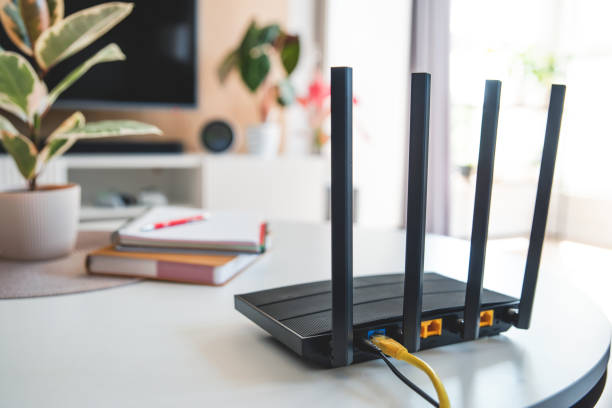
And as fibre networks become faster and connected homes become more complex, the router sitting quietly in the corner may become one of the most important pieces of technology in the entire house.


Could Satellite Internet Make Rural Connectivity Easier Across New Zealand?

A Connectivity Revolution Is Reaching the Countryside

For many people in New Zealand’s cities, a fast internet connection is something they barely think about. Fibre broadband, 5G networks and modern Wi-Fi routers make video calls, streaming, online shopping and cloud services feel almost effortless. But travel beyond the major urban centres, and the picture can change quickly.

New Zealand’s geography creates a particularly difficult connectivity challenge. Mountains, farms, forests, islands and widely scattered communities make it expensive and technically challenging to build traditional telecommunications infrastructure everywhere. The government’s rural broadband programmes have already expanded access substantially, but the digital divide has not disappeared. More than 84,000 rural homes and businesses have gained access to improved broadband through the Rural Broadband programme, while difficult terrain continues to make further infrastructure deployment challenging.

Now, low Earth orbit satellite technology is changing the conversation.

Satellite broadband is no longer viewed simply as an emergency option for extremely isolated households. It is becoming a genuine competitor to terrestrial broadband. New Zealand’s Commerce Commission reported in June 2026 that low Earth orbit, or LEO, satellite services were reshaping rural connectivity, with Starlink accounting for 27% of rural broadband connections.

The question is no longer whether satellite internet can reach rural New Zealand. Increasingly, the question is what this technology could mean for the future of rural life.

Why New Zealand Is Particularly Suited to Satellite Broadband

New Zealand has one of the most distinctive geographical environments in the developed world. A relatively small population is spread across two main islands, with large areas of mountains, farmland, forests and remote coastline.

That creates an infrastructure dilemma.

Building fibre to every isolated property can require enormous investment. Extending mobile coverage can also involve constructing towers in locations where roads, electricity and maintenance access are difficult.

Satellite internet approaches the problem differently.

Instead of requiring a physical cable connection all the way to a home, a satellite terminal communicates with satellites passing overhead. The connection can then provide broadband access to a local network inside the property.

This makes satellite technology particularly interesting for farms, holiday homes, remote businesses, conservation facilities and communities located far from conventional broadband infrastructure.

The Commerce Commission says LEO satellite technology has introduced a fundamentally different way of addressing rural connectivity because it does not depend on building towers on the ground.

That difference could become increasingly important as New Zealand’s demand for digital services grows.

From Slow Rural Internet to an Urban-Style Experience

One of the biggest changes brought by LEO satellite services is performance.

Historically, remote households often had to accept slower connections or unreliable legacy technologies. Copper connections, for example, can become increasingly unattractive when users expect modern services such as high-definition video conferencing, cloud applications and streaming.

The latest figures show how dramatically the situation is changing.

New Zealand’s Commerce Commission reported that Starlink’s average peak-time download performance was around four times faster than the measured alternative of 4G fixed wireless and around twenty times faster than basic copper.

That does not mean satellite broadband will always outperform fibre. Fibre remains highly competitive where it is available, particularly for consistency, latency and capacity.

But for a household that previously had very limited options, the difference can be transformative.

Imagine a rural family being able to work remotely while children attend online classes, stream entertainment and communicate with friends without constantly fighting for bandwidth.

For a small agricultural business, the benefits could be even greater.

The Farm Is Becoming a Digital Workplace

New Zealand’s agricultural sector has increasingly embraced digital technology.

Modern farms can use connected sensors, GPS systems, cameras, weather stations and cloud-based software to monitor operations. Machinery can generate enormous amounts of data, while farmers increasingly depend on smartphones, tablets and computers to manage everything from livestock records to financial administration.

None of these technologies reaches its full potential without reliable connectivity.

Satellite broadband could therefore become more than a way to watch Netflix in the countryside. It could become part of the digital infrastructure supporting the farm itself.

A connected farm might use broadband to send sensor information to cloud platforms, monitor equipment remotely, communicate with suppliers, access weather information and manage business operations from almost anywhere on the property.

This is especially interesting because New Zealand’s remote technology experiments are expanding beyond agriculture. In April 2026, the Department of Conservation announced a satellite-enabled pilot involving around 50 smart sensors in toilets, huts and wastewater systems across remote tracks. The project is also testing connected pest-control equipment and trail cameras.

That is a glimpse of a much bigger idea: remote locations do not necessarily have to remain digitally isolated.

What Happens Inside the House?

Satellite internet solves the problem of getting a connection to the property, but another question quickly appears: how do you distribute that connection around the home?

This is where the humble wireless router becomes important.

A satellite terminal may establish the external internet connection, but a household still needs an internal wireless network for laptops, phones, smart TVs, security cameras and other connected devices.

For rural users who rely heavily on their internet connection, a reliable wireless router battery can therefore become an interesting part of the overall connectivity setup.

A wireless router battery can provide backup power for compatible networking equipment during short electricity interruptions, helping a household maintain local connectivity when the main power supply is temporarily unavailable.

This is particularly relevant in rural areas where weather-related outages can sometimes affect electricity infrastructure. Keeping networking equipment operational for even a limited period can make a difference when people need to contact family members, access online information or continue working remotely.

Connectivity Is Also About Resilience

The discussion around satellite broadband is increasingly moving beyond speed.

For New Zealand, resilience matters.

The country is exposed to earthquakes, severe weather, flooding and other natural hazards. When physical infrastructure is damaged, communication networks can become critical to emergency response and community recovery.

Satellite technology offers an alternative pathway because the connection does not depend entirely on terrestrial infrastructure between the user’s property and a nearby exchange or tower.

That does not make satellite networks immune to disruption. Electricity is still required at the user end, weather can affect performance, and satellite networks themselves depend on sophisticated ground infrastructure.

Nevertheless, having multiple connectivity technologies available can strengthen overall resilience.

The Commerce Commission has noted that rural consumers are not moving toward one single technology. Some are choosing satellite because of performance, while others continue to prefer local providers because they value nearby support and established relationships.

That diversity may ultimately be one of New Zealand’s biggest advantages.

The Competition Question

Satellite broadband is exciting, but it has also created a new debate: how much should New Zealand depend on a small number of global satellite operators?

Starlink has grown rapidly in the rural market. Its 27% share makes it the largest rural broadband provider, according to the Commerce Commission.

That success has also attracted concerns about market concentration.

New Zealand internet providers have argued that more competition and access to spectrum could give rural customers additional choices. Recent industry discussion has intensified after proposed price increases for Starlink services.

The potential arrival of additional LEO operators could change the equation.

The Commerce Commission has specifically pointed to expected competition from Amazon’s LEO service and other satellite providers as the market develops.

For consumers, competition could mean more choices in pricing, equipment, data policies and service quality.

Satellite Internet Will Not Replace Fibre Everywhere

It would be a mistake to describe satellite broadband as the replacement for every other form of internet access.

Fibre remains extremely powerful where it is available. Fixed wireless networks also continue to play an important role in rural New Zealand, while mobile networks are expanding.

Satellite has its own limitations.

Performance can vary depending on location, congestion and weather conditions. The Commerce Commission’s broadband measurement work notes that LEO satellite services can support activities such as video conferencing and streaming, but may be less consistent than fixed-line broadband.

There is also the question of equipment and electricity.

A satellite terminal needs power, while the router inside the property also needs power to distribute the connection. For households that depend on online work or communications, backup equipment can therefore become increasingly valuable.

In that environment, a wireless router battery is not simply an accessory. It can be viewed as one small component of a larger connectivity-resilience strategy.

The Next Step: A Connected Remote New Zealand

The most exciting possibility is not simply faster internet.

It is what faster internet enables.

A remote farm could become a sophisticated digital workplace. A conservation hut could transmit environmental data. A rural school could access educational resources more easily. A small business could operate from a location that previously made reliable connectivity difficult.

Even tourism could benefit.

Visitors travelling through remote parts of New Zealand increasingly expect to remain connected. Reliable communications can improve navigation, booking services, weather updates and emergency contact.

As more devices become connected, the value of a stable network grows.

A rural property may eventually have cameras, sensors, smart energy equipment, computers, agricultural systems and communication devices all sharing the same connection. That makes the home network itself increasingly important—and makes backup power for networking equipment more relevant as well.

Could Satellite Internet Finally Close the Rural Digital Gap?

New Zealand has spent years improving rural broadband through terrestrial infrastructure. Satellite technology now adds another powerful tool.

The country’s current experience suggests that the future will not be a simple battle between fibre and satellites. Instead, New Zealand appears to be moving toward a mixed connectivity environment in which fibre, 4G, 5G, wireless broadband and LEO satellites serve different locations and different needs.

That could be a much better outcome for consumers.

The real victory would not be making every New Zealander use satellite internet. It would be giving people—whether they live in Auckland, Canterbury, Northland or a remote South Island valley—a meaningful choice of reliable connectivity.

Satellite broadband has already changed expectations in rural New Zealand. The next stage will be about affordability, competition, resilience and how communities use that connectivity once it arrives.

And as rural homes become more digitally dependent, seemingly small pieces of technology will matter too. A dependable wireless router battery, for example, could help keep a local network running when the lights go out, while satellite technology keeps the wider connection available.

That combination points toward an intriguing future: a New Zealand where physical remoteness does not automatically mean digital isolation.

For a country defined by dramatic landscapes and long distances, that could be one of the most important technological changes of the decade.

Why Do New Zealand Routers Need Better Security as AI Cyberattacks Grow?

A New Era of Digital Risk in New Zealand

For many New Zealand households, the wireless router is one of the most overlooked pieces of technology in the home. It sits quietly in a corner, connecting smartphones, laptops, televisions, gaming consoles, security cameras, smart speakers and other devices to the internet. When everything works, few people think about it. But when the router becomes vulnerable, the entire connected home can be exposed.

That issue is becoming more important as cyber threats evolve. New Zealand’s 2026 Cyber Security Strategy identifies cyber security as a significant national security challenge and calls for a more resilient digital environment across society. At the same time, New Zealand businesses are reporting a growing role for artificial intelligence in cyber incidents. Kordia’s 2026 New Zealand Business Cyber Security Report says AI-related threats are increasing alongside more traditional forms of cybercrime.

The changing threat landscape means consumers should think about their home network as more than a way to access Netflix or browse social media. A router is effectively the front door to a connected household.

Why Routers Have Become Such Important Targets

Modern homes can contain dozens of internet-connected products. A single household may have several phones, tablets, computers, smart televisions, gaming systems, printers, cameras and appliances connected simultaneously.

The router sits between these devices and the wider internet. If its software is outdated, its administrative password is weak, or unnecessary services are exposed, attackers may have an opportunity to exploit it.

This concern is not limited to New Zealand. In July 2026, international cybersecurity agencies warned that poorly configured routers and network devices were being exploited by Russian state-linked cyber actors. The New Zealand National Cyber Security Centre was among the organisations involved in the international advisory.

For ordinary households, the lesson is straightforward: network equipment deserves the same attention as smartphones and computers.

A secure router cannot prevent every cyberattack, but it can make an attack considerably more difficult. Firmware updates, strong administrative credentials, modern encryption and sensible network settings all contribute to a stronger digital boundary.

AI Is Changing the Cybersecurity Equation

Artificial intelligence has created new opportunities for businesses, students and consumers. At the same time, security specialists are warning that the same technology can make cyberattacks faster and more sophisticated.

In June 2026, cybersecurity agencies from the Five Eyes countries, including New Zealand, warned that rapidly advancing AI models could significantly increase offensive cyber capabilities.

Traditional cyberattacks can require considerable time and expertise. AI-assisted tools can potentially automate parts of reconnaissance, social engineering and vulnerability discovery. This does not mean that every home router is about to be attacked by an advanced AI system. It does mean that the overall security environment is becoming more demanding.

For New Zealand users, this makes basic cyber hygiene increasingly important.

A router that has not received a firmware update for years may contain vulnerabilities that have already been publicly documented. A default administrator password may be easy to guess. Remote management features may be unnecessary for most households. Small weaknesses can become meaningful when attackers operate at scale.

The Hidden Importance of a Router’s Power Supply

Security discussions usually focus on firmware, passwords and encryption, but reliable power is another practical part of network resilience.

During a power outage, even a perfectly configured router cannot continue providing Wi-Fi unless it has an appropriate backup power source. This can become particularly relevant in areas affected by severe weather, infrastructure disruptions or temporary electricity interruptions.

A backup solution can keep essential connectivity operating for longer, depending on the router’s power requirements and the capacity of the backup system. For households that work remotely or rely on internet-based communication, maintaining connectivity during an outage can be more than a convenience.

This is where a wireless router battery can become relevant. A compatible battery backup can help keep networking equipment powered when normal electricity is unavailable, although users should always check voltage, connector type, capacity and compatibility before connecting any external power source.

The objective is not simply to keep Wi-Fi running for entertainment. A working network can help people communicate, access online services, receive information and manage connected devices during an unexpected disruption.

How to Make a Home Router More Secure

The first step is surprisingly simple: find out which router you actually have.

Many people use equipment supplied by their internet provider and may never look at the model number. Knowing the model makes it easier to determine whether firmware updates are available and whether the device is approaching the end of its supported life.

The second step is changing default login credentials. The Wi-Fi password and the administrator password are not necessarily the same thing. Both should be protected.

Users should also check whether automatic firmware updates are enabled. If updates require manual installation, setting a reminder can prevent the router from being forgotten.

Another important step is disabling features that are not needed. Remote administration, unused ports and other unnecessary services can increase the attack surface.

Modern routers may also support separate guest networks. This can be useful when visitors need internet access without being placed on the same local network as computers, printers or other sensitive devices.

Why Software Updates Matter

A router is a small computer. It has processors, memory, operating software and network services. Like other computing devices, it can contain vulnerabilities.

The difference is that people often remember to update their phones and laptops but forget their routers.

That habit needs to change.

A firmware update may fix security vulnerabilities, improve stability or add compatibility for newer technologies. In some cases, manufacturers may stop supporting older products altogether. When that happens, replacing the device can be more sensible than continuing to rely on hardware that no longer receives meaningful security updates.

The New Zealand government has made cyber resilience a broader national priority, reflecting the growing importance of secure digital infrastructure. For households, resilience begins with relatively ordinary equipment.

What About Battery Backup?

Battery backup is another area that deserves more attention.

A router normally consumes relatively little power compared with major household appliances. That makes it a practical candidate for backup power, but the correct solution depends on the individual device.

Some users may choose a small uninterruptible power supply, while others may use a compatible external battery system. The important thing is to avoid assuming that every battery designed for networking equipment will work with every router.

A wireless router battery should match the electrical specifications of the router. Users need to check output voltage, current requirements, connector size, polarity and capacity. Using an incompatible power source can damage equipment or create a safety risk.

Battery capacity also matters. A larger capacity does not automatically mean that every router will run for the same amount of time. Actual runtime depends on the router’s power consumption and the efficiency of the backup system.

For households that depend heavily on internet access, understanding these differences can make backup planning much easier.

New Zealand’s Connected Lifestyle Makes Resilience More Important

New Zealand’s geography creates some unique technology challenges. Many people live far from major urban centres, while others regularly experience weather events that can affect infrastructure.

Connectivity can therefore be particularly valuable when normal routines are disrupted.

Remote workers may need internet access to communicate with colleagues. Families may depend on online services for information. Businesses may need connectivity to process transactions or communicate with customers.

The idea of a resilient home network is consequently becoming more practical.

It does not require turning a house into a high-security facility. Instead, it means making a few sensible decisions: use supported equipment, install updates, secure passwords, review router settings and consider backup power when reliable connectivity is important.

Smart Homes Create More Security Challenges

The router’s importance will grow as homes become more connected.

Smart cameras, doorbells, lighting systems, televisions, appliances and sensors all add another layer of technology. Every connected device can potentially introduce security or privacy considerations.

A compromised smart device may not always provide direct access to sensitive information, but poorly secured equipment can become part of a larger attack infrastructure.

International cybersecurity agencies have already warned that compromised everyday devices, including routers and networking equipment, can be used to conceal malicious activity.

This is why consumers should not judge a router purely by its maximum Wi-Fi speed.

A good router should also provide strong security features, regular firmware support and useful network-management controls.

Choosing a Router for the Years Ahead

When buying a new router, consumers should look beyond headline speeds.

Security support is one of the most important factors. A device with strong hardware but poor long-term software support may become less attractive over time.

Wi-Fi standards, coverage, processor performance and the number of connected devices also matter. Households with many smart devices may benefit from stronger network management features.

Energy consumption is another consideration. A router operates continuously, so even small differences in power usage can accumulate over years.

For households preparing for outages, compatibility with backup power should also be considered. A wireless router battery may be useful, but compatibility should always be confirmed before purchase or installation.

The best networking setup is not necessarily the most expensive one. It is the one that fits the household’s actual needs while maintaining a reasonable level of security and reliability.

Cybersecurity Starts With Small Habits

The growing sophistication of AI-powered cyber threats can make cybersecurity seem intimidating. Yet many of the most useful defensive measures remain surprisingly simple.

Updating the router does not require advanced technical knowledge. Changing a weak password does not require expensive software. Removing an unused device from the network takes only a few minutes.

The important thing is consistency.

New Zealand’s National Cyber Security Centre currently highlights the scale of exposure to online scams and continues to promote practical cyber safety for New Zealanders.

As more of everyday life moves online, these habits become part of normal household maintenance.

The Router May Become the Most Important Device in the Home

Smartphones may get the most attention, laptops may have the most powerful processors and televisions may have the largest screens, but the router quietly connects many of them together.

That makes its security increasingly important.

The rise of AI-assisted cyber threats, recent international warnings about vulnerable routers and New Zealand’s broader focus on cyber resilience all point in the same direction: home networking equipment should no longer be treated as invisible infrastructure.

A secure router, regularly updated software, strong passwords and sensible network configuration can form the foundation of a safer connected home. For households where internet access is essential, backup power can add another layer of resilience.

Whether that means a dedicated UPS or a compatible wireless router battery, the goal is the same: keep the network secure, stable and available when people need it most.

New Zealand’s digital future will depend on increasingly connected homes and businesses. Protecting that future does not always require sophisticated technology. Sometimes, it starts with something as ordinary as checking the small box that has been blinking quietly in the corner for years.

Could Wi-Fi 7 Make Smartphones Faster and More Useful at Home?

The Next Upgrade May Be Happening Inside the Home

For many New Zealand households, the smartphone has become the centre of everyday digital life. It is used for streaming, online shopping, banking, schoolwork, gaming, video calls, social media and smart-home controls. But as phones become more capable, another piece of technology is becoming increasingly important: the home Wi-Fi network.

Wi-Fi 7 is now moving beyond technical demonstrations and into real-world home broadband products. New Zealand broadband providers are already offering Wi-Fi 7 equipment alongside high-speed fibre plans, while local technology retailers are selling Wi-Fi 7 mesh systems designed for connected homes. The Commerce Commission has also highlighted how new technologies are reshaping New Zealand’s telecommunications market.

This raises an interesting question for Kiwi households: could Wi-Fi 7 actually make smartphones faster and more useful at home?

The short answer is yes—but the biggest benefits depend on the phone, router, internet connection and the number of devices competing for bandwidth.

Why Smartphones Are Becoming More Dependent on Home Wi-Fi

Modern smartphones are no longer simple communication devices. A typical phone can simultaneously handle cloud photo backups, high-resolution video, gaming, music streaming, video calls and notifications from dozens of apps.

At the same time, the average home has become increasingly connected. Phones now share a network with smart TVs, laptops, tablets, gaming consoles, security cameras, speakers, watches, printers and smart appliances.

That means a smartphone can be extremely powerful while still feeling slow if the home network is congested.

New Zealand’s Consumer organisation notes that routers distribute internet data to devices throughout the home and that upgrading network equipment can improve Wi-Fi performance, ease of use and security. It also points out that mesh systems can be particularly useful in larger homes.

Wi-Fi 7 is designed for precisely this type of environment.

What Makes Wi-Fi 7 Different?

Wi-Fi 7 is not simply about achieving a higher maximum speed. Its appeal comes from a combination of faster connections, improved efficiency and better handling of multiple devices.

One of its most talked-about features is Multi-Link Operation, which can allow compatible devices to use multiple wireless links more intelligently. This can help improve responsiveness and reliability, particularly when a household has many devices online at once.

For smartphone users, that could mean smoother video calls, quicker cloud uploads and fewer interruptions when moving around the home.

However, there is an important catch: buying a Wi-Fi 7 router does not automatically turn an older smartphone into a Wi-Fi 7 device.

Both sides of the connection need compatible hardware to take full advantage of the newest technology.

New Zealand Homes Are Becoming More Connected

The timing is particularly interesting in New Zealand because household internet usage continues to evolve.

A family might have several smartphones, multiple laptops, a smart TV, a gaming console, cameras and connected appliances all using the same home network. Broadband providers are responding with faster fibre plans and newer Wi-Fi equipment.

For example, 2degrees currently promotes Wi-Fi 7 equipment with its high-performance Hyperfibre offerings and notes that actual speeds depend partly on the modem, phone, computer and home Wi-Fi setup.

This is an important point. A faster broadband plan alone cannot guarantee a faster smartphone experience.

If an older router is struggling to distribute the connection around the house, the phone may never experience the full potential of the internet service.

The Smartphone and Router Need to Work Together

Imagine buying a smartphone capable of extremely fast Wi-Fi but connecting it to an old router several years behind the latest wireless standard.

The phone may still work perfectly, but its wireless performance could be limited by the network around it.

The reverse is also true. A household can buy an advanced Wi-Fi 7 router, but if most of its smartphones only support older Wi-Fi generations, the full benefits will not necessarily appear.

This is why upgrading both devices at the right time makes more sense than simply chasing the newest specification.

For New Zealand consumers, the practical question should not be “Is Wi-Fi 7 the fastest?” Instead, it should be “Will Wi-Fi 7 solve a problem in my home?”

Streaming Could Feel Noticeably Better

One of the easiest ways to understand the potential benefit is through video streaming.

A household might have someone watching a 4K movie on a smart TV while another person is playing an online game, someone else is attending a video meeting and several smartphones are uploading photos.

With an older network, these activities can compete for capacity.

Wi-Fi 7 is designed for high-performance environments where many devices need to communicate at the same time. New Zealand broadband providers are already positioning next-generation Wi-Fi equipment for large households, high-resolution streaming and demanding gaming setups.

For smartphone users, that could mean fewer moments when a video suddenly drops in quality or a webpage takes too long to load simply because another person in the house is downloading a large file.

Gaming Is Another Major Use Case

Mobile gaming has also changed dramatically.

Modern smartphones can run graphically demanding games that once required dedicated gaming hardware. But impressive graphics are not enough for competitive online gaming. Connection stability and latency matter just as much.

A powerful Wi-Fi 7 network could help create a more responsive home environment for compatible smartphones.

This does not mean Wi-Fi 7 will magically eliminate lag. The quality of the broadband connection, the distance from the router, network congestion and the game server all remain important.

Nevertheless, when the problem is local Wi-Fi congestion, better wireless technology can make a genuine difference.

What About Battery Life?

There is another interesting connection between Wi-Fi technology and smartphones: battery consumption.

A phone constantly searching for a reliable connection can consume additional energy. When a wireless network is unstable, the device may repeatedly adjust its connection or switch between different access points.

A well-designed home network can therefore contribute to a smoother smartphone experience.

However, consumers should not expect Wi-Fi 7 alone to transform battery life. Screen brightness, mobile signal strength, gaming, GPS, background apps and processor workload usually have much larger effects.

For people who rely heavily on their phones throughout the day, maintaining healthy charging habits and replacing an ageing wireless router battery where appropriate in backup-powered networking equipment can also help keep the home connection dependable during short power interruptions.

Wi-Fi 7 Is Especially Interesting for Smart Homes

The biggest long-term advantage may not be the smartphone itself.

It may be everything surrounding it.

New Zealand homes are becoming increasingly connected, with smart televisions, lighting, cameras, speakers and other devices sharing the same network. Chorus has highlighted the growing number of connected devices in Kiwi homes, while new broadband products are increasingly designed around high device counts.

In that environment, the router becomes more than a box that provides internet access.

It becomes the central communication point for the household.

A smartphone can act as the remote control for lights, cameras, heating, entertainment systems and appliances. The better the home network becomes, the more naturally these devices can work together.

Mesh Wi-Fi Could Matter More Than Maximum Speed

For some New Zealand households, the biggest Wi-Fi problem is not speed.

It is coverage.

A large house, thick walls, multiple floors or an awkward layout can create dead zones where the smartphone receives a weak signal.

This is where mesh Wi-Fi can be more useful than simply buying the router with the highest advertised speed.

Consumer NZ specifically notes that mesh networks can be useful for larger homes.

A mesh system places multiple wireless points around the property, allowing devices to connect more effectively across different rooms.

For a smartphone user, this can be more noticeable than a theoretical increase in peak download speed.

Walking from the living room to the bedroom should not necessarily mean losing a stable connection.

What Happens During a Power Cut?

There is another consideration that can be particularly relevant to households that depend heavily on internet-connected devices.

When the electricity goes out, the smartphone may still have plenty of battery power, but the home router could immediately stop working.

That means Wi-Fi-dependent devices become disconnected.

A backup power solution can keep networking equipment operating during short interruptions. In these setups, a properly maintained wireless router battery can help provide temporary power to compatible equipment, although the exact runtime depends on the router, battery capacity and connected hardware.

This can be especially useful for people working from home or relying on internet-based communication.

Should New Zealanders Upgrade Right Now?

Not necessarily.

If your current smartphone has reliable Wi-Fi, your home has excellent coverage and you rarely experience congestion, upgrading immediately may not deliver a dramatic difference.

But the situation changes when several conditions appear at the same time.

If your household has many connected devices, you have a fast fibre plan, your current router is several years old and your smartphone supports Wi-Fi 7, then upgrading the home network could make considerably more sense.

In other words, Wi-Fi 7 is most interesting when it removes an existing bottleneck.

The Real Value Is Future-Proofing

Technology upgrades are often difficult to justify when judged only by today’s needs.

But home networks have a long lifespan.

A household may buy a new smartphone this year, a new television next year and a new gaming console later. Each new device adds another demand to the network.

That makes a modern router a form of future-proofing.

New Zealand’s broadband market is already moving toward higher-performance home connections. NetComm, for example, launched a Wi-Fi 7 gateway and satellite platform in 2026 specifically aimed at Australian and New Zealand broadband environments.

The message is clear: next-generation wireless technology is becoming part of the infrastructure supporting everyday connected homes.

The Smartphone Experience Is Bigger Than the Phone

For years, smartphone buyers focused almost entirely on the handset itself.

How fast is the processor? How good is the camera? How bright is the screen? How large is the battery?

Those questions still matter, but the home network deserves more attention.

A premium smartphone connected to an outdated router may not feel as impressive as its specifications suggest. A capable smartphone combined with a strong home network can feel significantly more responsive in everyday use.

That is why Wi-Fi 7 could become an important part of the next smartphone upgrade cycle in New Zealand.

A Faster Future for Kiwi Homes

Wi-Fi 7 is unlikely to transform every smartphone experience overnight. Older phones will not suddenly become faster simply because a new router is installed, and households with light internet usage may see little reason to upgrade.

But for connected New Zealand homes with multiple smartphones, streaming services, gaming devices and smart appliances, the technology represents an important step forward.

The most interesting change may be that the smartphone is no longer being upgraded in isolation.

The phone, router, broadband connection and smart-home devices increasingly form one connected ecosystem.

As New Zealand homes become more digital, reliable wireless connectivity will become just as important as the capabilities inside the smartphone itself. And for households that depend on their internet connection every day, even small improvements in reliability can have a surprisingly large impact.

For those building a resilient connected home, it is also worth considering backup power alongside faster networking. A suitable wireless router battery can provide an additional layer of protection when short power interruptions threaten to take the household offline.

The future of the smartphone may therefore be partly outside the smartphone.

It could be sitting in the corner of the living room, quietly sending Wi-Fi signals throughout the home.

What Cybersecurity Features Do New Zealand Home Routers Need in the AI Era?

The Router Has Become the New Front Door

For many New Zealand households, the home router is one of those devices that quietly disappears into the background. It may sit beside the television, on a bookshelf, or near the broadband connection, blinking away while phones, laptops, smart TVs and security cameras connect to the internet.

But the humble router has become much more important.

A modern home can contain dozens of connected devices. Smartphones communicate with cloud services, smart speakers listen for commands, televisions stream content, security cameras upload video, gaming consoles connect to online servers, and smart appliances may exchange data without the homeowner even noticing.

The router sits in the middle of all of this activity.

New Zealand’s National Cyber Security Centre has described routers as an important line of defence for home and office networks. If attackers compromise a router, they may potentially gain access to connected devices or use the router as part of a larger network of compromised machines.

This makes router security particularly relevant as artificial intelligence becomes more deeply integrated into everyday technology. AI-powered applications require constant connectivity, while smart-home systems are becoming increasingly dependent on internet services.

The question is no longer simply whether a router provides fast Wi-Fi.

It is whether the router can keep an increasingly connected household safe.

Why AI Is Changing the Home Network

AI is moving from smartphones and computers into almost every part of the digital home.

Voice assistants can understand natural language. Security cameras can analyse movement. Smart displays can identify objects. Home automation systems can learn routines. Some newer devices can process information locally while others depend heavily on cloud-based AI services.

This creates a much more complicated network environment.

A household might have a laptop containing personal documents, a phone holding banking information, a smart doorbell monitoring the front entrance and a television connected to multiple entertainment services. All of these devices may share the same internet connection.

The router therefore becomes a critical security checkpoint.

New Zealand’s official guidance explains that everything entering or leaving a home wireless network passes through the router. Securing it can help prevent unauthorised access and reduce the risk of attackers reaching connected devices.

AI adds another layer to this situation. As more devices become intelligent and continuously connected, homeowners need to think about cybersecurity at the network level rather than protecting every device separately.

That is why the next generation of home routers needs more than impressive Wi-Fi speeds.

Strong Authentication Should Come First

One of the simplest router security improvements is also one of the most important: replacing default login credentials.

Many routers arrive with preset usernames or passwords. If these credentials are predictable or shared across devices, attackers have an easier starting point.

New Zealand’s Own Your Online guidance specifically recommends changing the default router login details. These credentials control access to the router’s administration settings, making them extremely important for protecting the entire home network.

A secure router should make strong authentication easy rather than treating it as an advanced option.

Modern security features can include stronger administrator passwords, multi-factor authentication for management applications, automatic alerts about suspicious login attempts and restrictions on remote administration.

This matters because convenience and security are increasingly connected.

If configuring a secure router is complicated, many households will simply leave default settings unchanged. A well-designed router should guide users through safer configurations during setup instead of expecting them to understand networking terminology.

Automatic Firmware Updates Are Becoming Essential

Router hardware can remain in a home for years.

That creates an important security challenge. New vulnerabilities can appear long after a device is installed, and attackers constantly search for outdated software that can be exploited.

New Zealand’s NCSC recommends keeping router firmware updated because manufacturers release updates to address security vulnerabilities.

For ordinary users, automatic updates are therefore one of the most useful features a router can provide.

A future-focused router should be able to check for security updates automatically, install them with minimal disruption and clearly tell the owner when an important update has been completed.

This is especially useful for busy households. People may remember to update their phones and computers but forget about the small white box sitting beside the modem.

The router should not depend entirely on the homeowner remembering to maintain it.

A Firewall Is More Than a Technical Feature

A firewall may sound like something designed for businesses, but it is highly relevant to households.

A router firewall monitors traffic moving into and out of the home network. It can help block unwanted connections while allowing legitimate traffic to continue.

New Zealand’s Own Your Online guidance recommends enabling the router firewall and ensuring that administrative access is not unnecessarily exposed to the wider internet.

This becomes increasingly important as smart homes become more complex.

Imagine a household with smart lights, cameras, televisions, speakers and connected appliances. If one device develops a security weakness, the router should help limit the ability of an attacker to move deeper into the network.

A strong firewall can act as a barrier between different parts of the digital home.

For consumers, the ideal solution is not necessarily a complicated collection of settings. It is intelligent protection that works quietly in the background.

Network Segmentation Can Protect Smart Homes

One of the most useful features for a modern home router is the ability to create separate networks.

Instead of placing every device on the same Wi-Fi connection, homeowners can create different network environments.

For example, laptops and smartphones could remain on the main network, while smart televisions, cameras and other IoT products could use a separate guest or IoT network.

New Zealand’s Own Your Online guidance specifically recommends using a guest Wi-Fi network for smart devices. If an IoT device is compromised, network separation can help prevent the problem from immediately reaching laptops and phones containing more sensitive information.

This is an increasingly attractive idea as smart-home adoption grows.

A compromised light bulb may seem harmless. A compromised laptop containing financial documents is a completely different problem.

Network segmentation creates an additional layer between them.

What Happens When the Power Goes Out?

Cybersecurity is not the only issue facing modern routers.

New Zealand households also need reliable connectivity during unexpected power interruptions, particularly when internet access supports work, communication, security cameras or smart-home systems.

A router that loses power immediately becomes useless, even if its cybersecurity features are excellent.

This is where backup power can become part of the broader conversation.

For households that depend heavily on continuous connectivity, a suitable wireless router battery can help keep compatible networking equipment operating during a short power interruption. The exact requirements depend on the router’s voltage, current and connector specifications, so compatibility should always be checked before using any replacement or backup power solution.

The security benefit is easy to overlook.

If the router goes offline during an outage, connected security cameras, smart locks and other internet-dependent systems may also lose communication. Maintaining network availability can therefore be part of a household’s overall resilience strategy.

Security Monitoring Should Become Smarter

Traditional router security often relies on predefined rules.

But AI could make home network monitoring considerably more adaptive.

An intelligent router could learn normal household behaviour and identify unusual activity. For example, if a smart appliance suddenly starts communicating with unfamiliar external services at unusual times, the router could flag the behaviour.

Similarly, if an IoT device begins generating an unexpected volume of traffic, the router could temporarily restrict its connection while notifying the homeowner.

This type of monitoring could help bridge the gap between sophisticated cybersecurity tools and ordinary households.

However, AI-powered security must also be designed carefully.

A system that produces endless warnings will quickly be ignored. The best solution would distinguish between genuinely suspicious activity and ordinary household behaviour, presenting important information in simple language.

Instead of saying that an unknown endpoint has generated anomalous encrypted traffic, a router might simply tell the homeowner that a smart device appears to be communicating unusually and ask whether the connection should continue.

That is the kind of security experience consumers can actually use.

Privacy Matters as Much as Protection

Cybersecurity is not only about preventing hackers from entering a network.

It is also about understanding what happens to household data.

Smart devices can collect information about routines, movements, preferences and interactions. Cameras and microphones can potentially gather particularly sensitive information.

As AI systems become more capable, the amount and value of connected data may increase.

Consumers therefore need routers that provide better visibility into network activity.

A good router should make it easy to see which devices are connected, which devices are consuming large amounts of bandwidth and whether unusual connections are occurring.

Privacy controls should also be understandable.

Homeowners should not need advanced networking knowledge to determine whether a particular smart device can communicate with the internet.

The future of home networking should make privacy settings more accessible, not more complicated.

Physical Resilience Still Matters

Cybersecurity discussions often focus entirely on software, but reliable hardware remains important.

Routers operate continuously, sometimes for years without being switched off. They can experience heat, voltage fluctuations, accidental unplugging and general wear.

A well-designed networking system should therefore consider both digital and physical reliability.

For households that require continuous connectivity, backup power can provide another layer of resilience. A properly matched wireless router battery may help maintain network availability during short interruptions, particularly when internet access is important for remote work or home monitoring.

The important point is that backup power should never be treated as a universal solution. Users need to verify voltage, current capacity, connector type and compatibility with their specific networking equipment.

In other words, cybersecurity and reliability should work together.

A perfectly secured router that repeatedly shuts down during power interruptions is not particularly useful when the household depends on it.

New Zealand’s Connected Future Needs Better Router Security

New Zealand is becoming increasingly connected, and the home network is becoming an important part of everyday life.

Remote work, online education, streaming, gaming, smart appliances, security cameras and AI-powered services all depend on reliable internet connectivity.

At the same time, New Zealand’s National Cyber Security Centre has highlighted the risks posed by compromised SOHO routers and IoT devices. In a 2026 advisory, the NCSC and international partners warned about covert networks made up largely of compromised small-office/home-office routers, IoT devices, firewalls and network-attached storage systems.

That development illustrates why router security can no longer be treated as a niche technical issue.

The router is part of the household’s digital security infrastructure.

Consumers should look for equipment that receives long-term security updates, supports strong authentication, provides firewall protection, allows network segmentation and makes suspicious activity easier to understand.

They should also consider resilience.

For homes where internet access is essential, a compatible wireless router battery can provide an additional layer of continuity when mains power is interrupted, provided that the specifications match the networking equipment.

The Router of Tomorrow Should Work Quietly

The best home security technology is often the technology users barely notice.

People do not want to spend their evenings studying firewall rules or analysing network traffic. They want to know that their family, devices and data are protected.

That means future routers need to combine powerful security with simple interfaces.

Automatic updates should happen in the background. Strong authentication should be easy to configure. IoT devices should be separated with a few taps. Suspicious activity should be explained in plain language. Privacy settings should be visible instead of buried inside complicated menus.

AI may help make this possible.

Rather than replacing traditional security features, AI could make them easier to manage by detecting unusual behaviour, prioritising genuine threats and adapting protection to changing network conditions.

The result could be a home router that acts less like a basic networking appliance and more like an intelligent security gateway.

A Small Device With a Big Responsibility

The days when a router was simply the box that made Wi-Fi available are disappearing.

In a connected New Zealand home, the router sits at the centre of phones, computers, entertainment systems, cameras, smart appliances and increasingly intelligent devices. Its security affects almost everything connected to the household network.

That is why consumers should look beyond Wi-Fi speed when choosing networking equipment.

Strong authentication, automatic firmware updates, firewall protection, network segmentation, privacy controls and intelligent monitoring are becoming essential features rather than luxury extras.

And as households become more dependent on digital connectivity, resilience deserves equal attention. For compatible equipment, a correctly specified wireless router battery can help keep the network running during short power interruptions.

The most important lesson is simple: protecting a smart home begins with protecting the network that connects everything together.

For New Zealand households entering an increasingly AI-driven future, the router may be one of the smallest devices in the home—but it could also be one of the most important.