New Zealand Game Development Sector Expands as 2026 Rebate Supports 43 Studios

A New Chapter for New Zealand’s Games Industry

New Zealand has long been recognised for its strengths in film, visual effects, animation and creative technology. Now, another part of the country’s digital economy is attracting growing attention: game development.

The latest figures released by NZ On Air on September 24, 2026, show just how quickly the sector is developing. The 2026 Game Development Sector Rebate round distributed NZ$21.9 million to 43 eligible game development studios across Aotearoa, compared with 40 studios supported the previous year. Those studios reported combined annual revenue of NZ$829 million, an increase of 17 percent year on year. The number of eligible games in development also increased from 170 to 194.

For players, this growth is about more than financial statistics. It means more games, more creative experimentation and more opportunities for New Zealand developers to reach audiences outside the country.

It also comes at an interesting moment for gaming hardware. Modern players increasingly move between consoles, handheld systems, PCs and cloud-connected devices. As games become larger and gaming sessions become longer, hardware reliability and portable power are becoming increasingly important parts of the experience.

That makes the current New Zealand gaming story relevant not only to developers and publishers, but also to the wider consumer electronics market.

Why Small Kiwi Studios Matter

One of the most interesting features of New Zealand’s gaming sector is the role played by smaller studios.

NZ On Air says small and medium-sized businesses accounted for 90 percent of the 2026 GDSR recipients. Almost all revenue generated by recipient studios also came from exports, showing how closely the industry is connected to international customers.

This export-focused structure is particularly significant for a relatively small domestic market.

A game created in Wellington, Auckland, Dunedin or another New Zealand city does not need to depend exclusively on local players. Digital distribution allows a small studio to launch a title simultaneously across international markets. A successful indie game can therefore build an audience in Australia, North America, Europe and Asia without requiring a traditional physical retail presence in every country.

That creates an unusual advantage for creative teams.

Instead of competing solely on production scale, smaller developers can compete through distinctive art styles, unusual gameplay mechanics, storytelling and cultural identity. New Zealand studios can build games that feel different from the largest blockbuster franchises while still reaching a worldwide audience.

The recent growth of the sector suggests that this approach is becoming increasingly viable.

From Aotearoa to Global Gaming Platforms

New Zealand developers are also appearing in increasingly visible international projects.

The latest NZ On Air Games Quarterly highlights Wellington-based Floating Rock, which contributed in-game cinematics to 007 First Light, an international title developed and published by IO Interactive. Dunedin-based Deep Field Games is continuing development around Abiotic Factor, while family-run indie studio Eat Pant Games has attracted international attention with its debut title Teeto.

These examples demonstrate the breadth of the local ecosystem.

Some studios create their own intellectual property. Others contribute specialist skills to major international productions. Some focus on independent PC titles, while others target consoles or cooperative experiences.

That variety can help create a deeper technology industry around gaming.

Game development requires programmers, artists, animators, designers, sound specialists, writers, producers and technical artists. It also creates demand for computers, development software, graphics hardware, storage systems, networking equipment and gaming accessories.

The impact therefore extends beyond the games themselves.

The Hardware Behind Longer Gaming Sessions

As New Zealand’s games industry grows, consumers are also paying attention to the hardware required to play modern games.

Current consoles and handheld gaming systems can deliver increasingly sophisticated graphics, high-resolution displays and online multiplayer experiences. These features require considerable processing power, and portable systems must balance performance with battery capacity, heat management and overall weight.

For gamers, battery performance can influence how enjoyable a device is during everyday use.

A player travelling between Auckland and Wellington, for example, may want to continue a game during a flight or train journey without constantly searching for a power outlet. A family travelling around New Zealand may also expect a handheld console to remain usable during long trips.

This is where the game console battery becomes a practical consideration rather than simply a technical specification.

Battery capacity naturally affects how long a portable gaming device can operate between charges, but real-world battery life also depends on display brightness, processor workload, wireless connectivity, game software and system settings.

As gaming hardware becomes more powerful, manufacturers face the challenge of delivering better performance without turning portable devices into heavier machines that are difficult to carry.

Nintendo Switch 2 and the Changing Portable Market

Portable gaming is particularly interesting for New Zealand because international game releases can quickly become part of the local consumer electronics market.

NZ On Air recently highlighted Shapefarm’s Orbitals, an upcoming cooperative adventure launching exclusively on Nintendo Switch 2. The title has already attracted international games-media attention and has been described as one of the platform’s anticipated upcoming releases.

The success of portable platforms demonstrates how the boundaries between console gaming and mobile entertainment continue to change.

Players no longer necessarily think of a console as a device that must remain beside a television. A modern handheld can become a travel companion, a family entertainment system or a second gaming device alongside a desktop PC or traditional console.

That makes energy efficiency increasingly important.

When a portable gaming device is used away from home, access to a charger is not always guaranteed. Battery condition can therefore influence the practical lifespan of the device and the convenience of everyday gaming.

For consumers researching replacement components, understanding the specifications of a game console battery can help them identify whether a battery is designed for the correct device and whether its voltage, capacity and physical configuration are appropriate.

The Rise of Local Gaming Events

The momentum surrounding New Zealand game development is also being reflected in industry events.

Auckland is preparing to host the New Zealand Game Developers Conference from September 30 to October 3, as part of Auckland Games Week. NZ On Air says the event will provide opportunities for developers and other industry participants to connect and discuss the future of the sector.

The conference is arriving at a significant moment.

According to a September 24 report from IT Brief New Zealand, Auckland is hosting the conference after an extended gap, while the country’s games sector has reached approximately NZ$1 billion in revenue. The report also notes that the event is intended to bring together developers, investors, industry figures and newcomers.

Events like this can be important for an industry built around collaboration.

A game may begin with an idea from a small creative team, but bringing it to an international audience can require partnerships with publishers, platform holders, investors, technology providers and marketing specialists.

For New Zealand developers, having those conversations locally can make it easier to build connections without always travelling overseas.

Māori Language Enters the Gaming Conversation

Another important development shows that New Zealand’s gaming story is not only about revenue and technology.

Wellington-based Dinosaur Polo Club recently released a full te reo Māori localisation for Mini Motorways, giving the game the Māori name Rori Riki. The update became available to the game’s global player base of around nine million people and included localisation across the interface and gameplay.

This is significant because games are global cultural products.

A language option inside a popular international game can introduce players around the world to a language and cultural perspective they may otherwise never encounter. At the same time, it demonstrates that New Zealand developers can combine international accessibility with local identity.

For the country’s games industry, that creates another potential point of differentiation.

New Zealand-made games do not have to look or sound identical to products created in larger markets. Local stories, artistic styles, languages and cultural influences can become part of their international identity.

Why Battery Technology Still Matters

The rapid development of gaming software naturally attracts attention, but hardware remains the foundation of the experience.

A game may have beautiful graphics and innovative gameplay, yet a portable device with an ageing battery can limit how and where players use it.

Over time, rechargeable batteries naturally lose some of their ability to hold a charge. Players may notice shorter gaming sessions, more frequent charging or unexpected shutdowns. Heavy gaming workloads can also place greater demands on portable hardware than lighter applications.

For anyone maintaining a handheld gaming device, the game console battery is therefore one component worth monitoring as the hardware gets older.

That does not mean every battery issue requires immediate replacement. Battery behaviour can also be affected by software, charging accessories, temperature and power-management settings. Checking the device manufacturer’s specifications and using a compatible replacement when necessary are important steps.

As portable gaming continues to expand, battery efficiency will remain closely connected to the overall user experience.

New Zealand’s Digital Economy Gets a Gaming Boost

The latest industry figures suggest that gaming is becoming an increasingly visible part of New Zealand’s digital economy.

The 2026 GDSR results show revenue growth among supported studios, a larger number of games in development and continued international demand for New Zealand-made work. NZ On Air also notes that the sector’s recipient studios generated the vast majority of their revenue overseas.

That export orientation gives the industry a global dimension that extends far beyond the size of New Zealand’s domestic population.

A successful Kiwi game can become a worldwide product.

At the same time, international gaming platforms give local developers access to audiences that were once difficult to reach. Digital storefronts, online communities, streaming platforms and social media can all help an independent title build visibility.

The result is an ecosystem where creativity and technology increasingly overlap.

What Comes Next for Kiwi Gaming

The next stage could be particularly interesting.

New Zealand already has established creative expertise, an expanding development community and studios working across independent games and international productions. Upcoming industry events provide another opportunity for developers to exchange ideas, meet potential partners and showcase local work.

Meanwhile, players are experiencing rapid changes in gaming hardware. Faster processors, improved displays, wireless connectivity and increasingly sophisticated handheld systems are changing expectations about where and how games can be played.

Battery technology will be part of that evolution.

As devices become more powerful and portable, manufacturers will continue to face the challenge of balancing performance, battery life, thermal efficiency and weight. For players, the goal is simple: more freedom to play without constantly thinking about the next charging session.

The future of New Zealand gaming is therefore not limited to what appears on the screen.

It includes the software studios creating new experiences, the technology companies supporting them, the platforms distributing their games and the hardware that allows players to enjoy those experiences wherever they are.

A Small Country With a Bigger Gaming Ambition

New Zealand’s latest gaming figures provide a snapshot of an industry moving beyond its traditional creative-technology roots and establishing a stronger international presence.

With 43 studios receiving support in the latest rebate round, 194 eligible games in development and combined recipient-studio revenue reaching NZ$829 million, the sector has clear momentum.

The upcoming New Zealand Game Developers Conference adds another layer to that story, bringing the country’s developers and technology community together at a time when gaming is becoming an increasingly important part of the digital economy.

For players, this growth means more than industry statistics. It points toward a future with more locally developed games, more international collaborations and more diverse gaming experiences.

And as those experiences increasingly move from living-room consoles to portable devices, the details inside the hardware matter too. From processing power and displays to charging systems and the game console battery, every component contributes to how long and how comfortably players can stay in the game.

New Zealand may be a small market geographically, but its game developers are increasingly building products for the world. The next few years could reveal just how far that ambition can go.
Nintendo Switch 2 Goes All In on Zelda as New Zealand Gamers Look for the Next Big Adventure

For Nintendo fans in New Zealand, 2026 is turning into a particularly interesting year for gaming. The Nintendo Switch 2 has moved beyond its launch period and is building a broader library, while one of Nintendo’s most recognisable franchises is entering a major anniversary moment. The Legend of Zelda is approaching its 40th anniversary, and Nintendo has been using the occasion to connect its classic adventures with the capabilities of its latest console.

The timing is significant. New Zealand gamers are not only looking at new releases but also at how older Nintendo experiences are being upgraded for modern hardware. The result is a gaming conversation that combines nostalgia, performance, portability and new ways to explore familiar worlds.

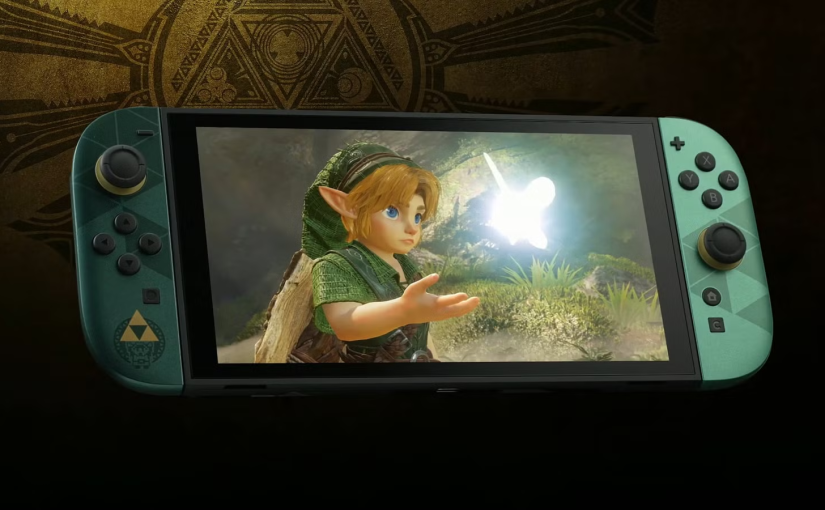
Nintendo’s latest announcements have made Zelda particularly prominent. The company has revealed an enhanced version of The Legend of Zelda: Ocarina of Time for Nintendo Switch 2, scheduled for 5 November, alongside a special Zelda 40th Anniversary Edition Switch 2 console and related accessories.

For players considering the Switch 2 in New Zealand, Zelda is therefore becoming more than another game franchise. It is increasingly part of the identity of the new generation of Nintendo hardware.

Zelda Turns 40 at a New Hardware Moment

The Legend of Zelda has been part of Nintendo’s history since 1986. Four decades later, the series is entering its anniversary year at a time when Nintendo has a much more powerful portable console to showcase.

The upcoming Ocarina of Time release is particularly interesting because it takes one of the most celebrated Zelda adventures and rebuilds the presentation for Switch 2. Nintendo says the game will feature overhauled visuals, fully voiced cutscenes, expanded character dialogue, orchestral music, and reworked camera and movement controls.

That combination gives the anniversary project two potential audiences.

Long-time Zelda fans can return to a familiar adventure with modern presentation, while younger players who never experienced the original Nintendo 64 era can discover one of the franchise’s most important games without needing older hardware.

For New Zealand gamers, the appeal also fits naturally with the Switch 2 format. A large adventure can be played at home on a television or taken elsewhere in handheld mode. That flexibility has always been one of the defining ideas behind Nintendo’s hybrid approach.

A New Zelda Edition Switch 2 Is Coming

The anniversary celebration is not limited to software. Nintendo has announced a Nintendo Switch 2 The Legend of Zelda 40th Anniversary Edition console featuring Triforce-inspired design elements.

The special console is scheduled to arrive on 29 October, ahead of the 5 November launch of Ocarina of Time. Nintendo has also announced anniversary editions of the Switch 2 Pro Controller and a carrying case with screen protector.

There is already evidence of strong interest in New Zealand. PB Tech has listed the Zelda 40th Anniversary Edition Switch 2 at NZ$999 including GST, while The Warehouse has also listed the console for pre-order at NZ$999.99 with a release date of 29 October.

That pricing also highlights an important issue for New Zealand consumers: gaming hardware costs can be affected by international pricing changes and exchange rates. Recent reporting indicates that the standard Switch 2 price in New Zealand has also risen, with NZ$969.95 reported following the September price adjustment.

The anniversary model therefore sits at the intersection of collector appeal, gaming hardware and a broader discussion about the cost of entering the latest console generation.

Why Ocarina of Time Still Matters

It might seem unusual to make a major hardware moment around a game that originally appeared decades ago. Yet Zelda has a unique position in Nintendo’s catalogue.

Ocarina of Time helped establish many conventions associated with modern three-dimensional adventure games. Its combination of exploration, puzzle solving, combat, dungeons and environmental storytelling became a reference point for the genre.

Bringing it to Switch 2 also creates an opportunity to demonstrate how Nintendo can modernise older games without completely removing their historical identity.

The upgraded version is expected to benefit from improved performance and presentation, while the game remains fundamentally rooted in the adventure created decades ago.

For players who already experienced Breath of the Wild or Tears of the Kingdom, this can also provide a fascinating opportunity to look backwards and see how Zelda evolved.

Breath of the Wild and Tears of the Kingdom Still Matter

The Zelda story on Switch 2 does not begin or end with Ocarina of Time.

Nintendo has already released Switch 2 Editions of The Legend of Zelda: Breath of the Wild and The Legend of Zelda: Tears of the Kingdom. These versions offer improved resolution, enhanced textures, smoother frame rates and faster loading times. Tears of the Kingdom also supports the ZELDA NOTES service through the Nintendo Switch App.

That means New Zealand players entering the franchise through Switch 2 have several different generations of Zelda available to them.

They can experience the open-world design of Breath of the Wild, explore the much larger combination of land, sky and underground environments in Tears of the Kingdom, and then travel back to an earlier era with Ocarina of Time.

It creates an unusual situation in which one console can serve as a historical tour through several major stages of Zelda’s development.

Nintendo Is Building a Bigger Switch 2 Library

Zelda is also arriving during a period when the Switch 2 software catalogue is expanding rapidly.

Nintendo’s September release schedule includes titles such as Valheim, RuneScape: Dragonwilds, Fire Emblem: Fortune’s Weave, LEGO Batman: Legacy of the Dark Knight and EA SPORTS FC 27. Dragon Quest XI S: Echoes of an Elusive Age – Definitive Edition is scheduled for 24 September, while Minecraft Dungeons II is scheduled for 29 September.

This matters because the strength of a console is increasingly determined by what players can do with it after the initial purchase.

The Switch 2 is moving into a phase where consumers can choose between Nintendo’s major first-party franchises, upgraded older games and an expanding selection of third-party releases.

Zelda can attract the nostalgic audience, while games such as EA SPORTS FC 27 and Minecraft Dungeons II offer very different experiences.

Battery Life Becomes Part of the Conversation

As more players use the Switch 2 as a portable gaming system, battery performance becomes an increasingly practical consideration.

A console can have an impressive screen and powerful hardware, but handheld gaming still depends on how long the device can operate between charges. Players travelling around New Zealand, gaming during long journeys or spending a weekend away from home may pay particular attention to battery behaviour.

This is where the broader game console battery market becomes relevant. Battery condition can affect how long a portable console remains convenient, particularly for older gaming hardware that has already experienced years of charging cycles.

The issue is not simply about getting the longest possible gaming session. Battery health also affects how predictable a portable gaming experience becomes. A player who expects to spend several hours exploring Hyrule does not want an ageing battery to become the limiting factor.

For Switch 2 owners, sensible charging habits and avoiding unnecessary heat can help preserve the battery over time.

What New Zealand Gamers Should Watch

The Zelda anniversary also points toward a broader trend in the gaming market: classic franchises are increasingly being used to connect generations of hardware.

For New Zealand consumers, that means upcoming gaming decisions may involve more than choosing between consoles. Players may also consider game libraries, portability, accessories, display quality, storage, online services and long-term ownership.

The game console battery is another part of that ownership equation, particularly for anyone maintaining multiple portable systems.

Nintendo’s approach with Zelda demonstrates how a franchise can simultaneously appeal to collectors, longtime players and newcomers. A limited-edition console can attract fans interested in design and memorabilia, while upgraded games can appeal to people who simply want to experience older adventures with modern hardware.

Zelda and the Future of Portable Gaming

The Switch 2 generation is also changing expectations about what a portable console can deliver.

Large open worlds, detailed graphics and sophisticated physics systems are no longer limited to traditional home consoles. Zelda has been one of the clearest examples of this shift.

Tears of the Kingdom demonstrated how Nintendo could build an enormous interactive world around exploration and player creativity. Its Switch 2 Edition adds improved technical performance, while Ocarina of Time is now being reimagined for the same platform.

For New Zealand gamers, this means the boundary between home and portable gaming continues to become less important.

The console can be connected to a television for a large-screen experience and then moved into handheld mode without requiring a completely different gaming ecosystem.

That flexibility is particularly relevant in a country where long-distance travel between cities and regions can make portable entertainment useful.

Looking Beyond the Anniversary

The most interesting part of Nintendo’s current Zelda strategy may be that the anniversary is not being treated as a single product launch.

Nintendo has announced games, hardware, accessories, music events and additional digital features as part of the celebration. The company has also announced a live-action Zelda film scheduled for cinemas worldwide on 30 April 2027.

That gives the franchise a presence well beyond the traditional game release cycle.

For players in New Zealand, the next several months could therefore bring a steady stream of Zelda-related activity. The special Switch 2 hardware, Ocarina of Time, existing Switch 2 editions and future entertainment projects all contribute to a much larger conversation around one of Nintendo’s most recognisable properties.

At the same time, the wider Switch 2 library is becoming increasingly diverse.

A New Chapter for Nintendo Fans in New Zealand

The combination of Switch 2 hardware, Zelda’s 40th anniversary and an expanding game catalogue gives New Zealand’s gaming market plenty to watch.

Ocarina of Time represents Nintendo looking back at its history, while the Switch 2 hardware represents its current direction. Breath of the Wild and Tears of the Kingdom demonstrate how far the franchise has travelled, and the continuing growth of the Switch 2 library shows where Nintendo’s platform is heading next.

For consumers, the decision is ultimately about what kind of gaming experience they want: classic adventures, huge open worlds, competitive sports, cooperative survival games or a mixture of everything.

As the Zelda anniversary approaches, one thing is clear: Nintendo is using one of its most enduring franchises to keep the Switch 2 firmly at the centre of the gaming conversation.

And for players who plan to spend long evenings exploring Hyrule, portability, charging and long-term hardware care will remain just as relevant as graphics and gameplay. A reliable game console battery can be an easily overlooked part of the experience, but for portable gaming, keeping the hardware ready to play is essential.

As Nintendo moves deeper into the Switch 2 generation, New Zealand gamers have a growing library, a major Zelda anniversary and a new wave of hardware to explore. The next chapter of Hyrule may be rooted in Nintendo’s past, but the way players experience it is increasingly shaped by the technology of today.

Nintendo’s Latest Game Updates Put Portable Gaming Back in the Spotlight

For gamers across New Zealand, portable gaming is entering another interesting chapter. Nintendo has been steadily expanding the Nintendo Switch 2 ecosystem, and September 2026 has brought a fresh wave of announcements, software updates and upcoming games that are keeping the platform firmly in the spotlight.

The latest Nintendo Direct highlighted a wide selection of games coming to Nintendo Switch 2 and Nintendo Switch, including Metroid Ravenous, Kirby and the World Beyond, Final Fantasy VII Revelation, Monster Hunter Wilds and Tomb Raider: Legacy of Atlantis. Nintendo has also announced new developments around major franchises such as The Legend of Zelda.

For New Zealand players, the appeal is not simply about having more games. It is about how the Switch 2 fits into everyday life. From gaming during a long trip to playing at home on a television, the hybrid format continues to make portable gaming unusually flexible.

A Busy September for Nintendo Switch 2

Nintendo has given Switch 2 owners plenty to talk about this month. The company released system software version 23.0.0 in September, adding several features designed to improve the overall experience.

One of the most interesting additions is variable refresh rate support in TV mode. When compatible software and a compatible television are used together, the display can adjust its refresh rate according to the game’s performance. Nintendo has also introduced a Handheld Mode Boost option, giving players another way to manage how compatible Nintendo Switch software performs when playing on the go.

These changes may sound technical, but they matter because Switch 2 is designed around flexibility. New Zealand gamers can move between handheld, tabletop and TV gaming without needing three separate devices.

That flexibility becomes even more important as the software library grows.

New Games Are Giving Players More Reasons to Pick Up the Console

Nintendo’s September Direct demonstrated just how broad the Switch 2 library is becoming. Instead of relying entirely on familiar Nintendo franchises, the platform is attracting major third-party releases as well.

Upcoming games highlighted by Nintendo include Final Fantasy VII Revelation, Monster Hunter Wilds and Tomb Raider: Legacy of Atlantis. There are also new Nintendo projects such as Metroid Ravenous and Kirby and the World Beyond.

For New Zealand gamers, this wider selection could make the console more appealing to different types of players.

A fan of traditional Nintendo adventures might be interested in Kirby or Zelda. Someone looking for a larger action RPG experience could turn toward Monster Hunter or Final Fantasy. Meanwhile, players who enjoy classic franchises are getting updated versions and new entries that take advantage of the newer hardware.

The result is a portable system that is becoming less dependent on one particular type of gaming experience.

Handheld Gaming Fits the New Zealand Lifestyle

One reason portable consoles remain attractive is simple: people do not always play games at home.

New Zealand has a relatively small population spread across a large geographic area. Travel between cities can involve long road trips or flights, and many people spend significant amounts of time away from their main gaming setup.

A handheld console can turn that downtime into gaming time.

Instead of sitting in front of a television for every session, players can pick up the Switch 2, continue a game and put it back down when they reach their destination. This is particularly useful for RPGs, adventure games and other titles where players may want to make progress in short sessions.

The growing Switch 2 library makes this flexibility more valuable. A console becomes more useful when it can offer different experiences depending on where and how someone wants to play.

Battery Life Still Matters in Portable Gaming

There is one part of the handheld experience that technology cannot completely ignore: battery life.

A powerful display, faster processor, wireless connectivity and demanding games all place pressure on a portable console’s battery. For players who spend several hours away from a wall outlet, remaining battery percentage can become just as important as storage space or screen quality.

This is why a reliable Nintendo game console battery remains an important consideration for long-term portable gaming.

Battery behaviour can vary depending on brightness, wireless connections, game intensity, temperature and system settings. A graphically demanding title can naturally put more load on the hardware than a lightweight game.

For New Zealand players travelling between regions, this can be particularly relevant. A gaming session that begins at home might continue during a journey, at a café, in a hotel or while waiting for transport.

The more people use a console as a genuinely portable device, the more important power management becomes.

Nintendo’s Software Updates Are Making the Hardware More Flexible

Nintendo’s latest system update shows that the company is not treating Switch 2 as a finished product that simply sits on a shelf.

Version 23.0.0 introduced several changes, including improvements to GameChat, virtual game card settings, system transfer features and accessibility options. The update also added TV-mode VRR support and Handheld Mode Boost.

These additions may appear unrelated, but together they show a broader trend.

Modern consoles increasingly behave like connected consumer electronics rather than traditional game machines. Software updates can add functionality after the hardware has already been purchased.

That means the experience of owning a console can change over time.

For New Zealand consumers, this is especially interesting because the value of a device is no longer determined entirely on launch day. New features can make an existing console more useful months or years after purchase.

The Zelda Effect Continues

Few Nintendo franchises generate as much attention as The Legend of Zelda, and 2026 is an especially notable year for the series because Nintendo is celebrating its 40th anniversary.

Nintendo has announced a Zelda-focused anniversary programme, including an anniversary edition of The Legend of Zelda: Ocarina of Time for Nintendo Switch 2 as well as additional related products and events.

For Nintendo fans in New Zealand, this adds another layer of interest to the Switch 2 ecosystem.

Zelda has historically been one of Nintendo’s strongest reasons to own its hardware. Anniversary content can attract long-time players who remember earlier Nintendo systems while also introducing younger gamers to classic titles.

The combination of nostalgia and newer technology is powerful. Players can revisit familiar worlds while experiencing them on a modern portable platform.

The Importance of Longer Gaming Sessions

As games become larger and more technically ambitious, players may spend significantly more time with individual titles.

A modern RPG can involve dozens of hours of exploration. Strategy games can encourage long sessions. Multiplayer games can make players return every day.

That creates a practical question: how well can a portable console support these habits?

Power management becomes part of the overall gaming experience.

A healthy battery allows players to focus on the game rather than constantly searching for a charger. Conversely, a battery that no longer performs as expected can make a portable console feel much less convenient.

This is why Nintendo game console battery considerations can become increasingly relevant as Switch hardware ages and players keep their consoles for longer periods.

The battery is not the most visible component of a gaming system, but it directly affects the defining feature of a hybrid console: portability.

Gaming and Travel Go Hand in Hand

New Zealand’s geography gives portable gaming a particularly practical role.

Whether someone is travelling between Auckland and Wellington, heading south toward Christchurch or taking a holiday somewhere away from home, carrying a portable console can be easier than carrying a full gaming setup.

A handheld system can fit into a backpack and provide entertainment without requiring a television.

That also explains why accessories matter. A compact charging solution, protective case, comfortable headphones and sufficient storage can all improve the travel experience.

But none of those accessories can compensate for a battery that cannot hold enough charge.

For frequent travellers, paying attention to battery condition is therefore part of maintaining the overall usefulness of a portable console.

A Growing Ecosystem Beyond Nintendo Games

Another major development is the increasing variety of software arriving on Switch 2.

The September 2026 announcements demonstrate that Nintendo’s platform is attracting games from outside its traditional first-party catalogue. Upcoming releases cover action, adventure, RPG, horror and cooperative experiences.

This matters because a broader software library can change who considers a Nintendo console suitable for their gaming needs.

Previously, some players might have viewed Nintendo hardware mainly as a platform for Mario, Zelda, Pokémon and other Nintendo-owned franchises.

The expanding Switch 2 catalogue creates a different picture.

Players can increasingly treat the console as a general-purpose gaming platform that also happens to offer Nintendo’s distinctive first-party experiences.

Battery Care Becomes Part of Long-Term Ownership

For anyone who intends to keep a handheld console for several years, battery care deserves attention.

Heat is one factor worth watching. Portable electronics generally operate best when they are used and stored within appropriate temperature conditions. Excessive heat can affect electronics and battery performance over time.

Charging habits also matter. Players should use appropriate charging equipment and follow the manufacturer’s guidance rather than relying on questionable accessories.

If a console eventually develops noticeably reduced runtime, unexpected shutdowns or unusual charging behaviour, the issue should be assessed carefully rather than assuming that every problem is caused by software.

For owners thinking about long-term use, Nintendo game console battery performance is ultimately part of the larger question of how long a portable gaming system remains convenient.

What Comes Next for New Zealand Gamers

Nintendo’s current momentum is likely to keep Switch 2 in the conversation throughout the remainder of 2026.

The combination of new games, system updates and major franchise anniversaries gives players several reasons to keep checking the platform.

The upcoming Mario Kart World bundle is also scheduled to arrive on 29 October in Australia and New Zealand, timed for the summer period, and includes a Switch 2 console, a Mario Kart World download code and a three-month Nintendo Switch Online membership.

That timing is particularly interesting for New Zealand, where the summer holiday period can be an important opportunity for family entertainment and travel.

A portable console can fit naturally into that environment.

Portable Gaming Is Becoming More Than a Convenience

The latest Nintendo developments show that portable gaming is no longer simply about shrinking a home console.

It is becoming a different way of interacting with games.

Players can start a game on the television, continue it in handheld mode and take it with them when they leave home. Software updates can improve the experience months after purchase. New games can expand the audience. Better display technologies can make the transition between handheld and TV modes smoother.

For New Zealand gamers, that combination of flexibility and increasingly ambitious software makes the Switch 2 an interesting part of the country’s wider consumer electronics landscape.

And as people spend more time gaming away from the wall outlet, battery performance will remain an important part of the conversation.

The most exciting part is that Nintendo’s current momentum is not only about what players can buy today. It is also about how the platform continues to evolve.

With new games arriving, major franchises celebrating milestones and system software gaining new capabilities, portable gaming is once again becoming one of the most dynamic parts of the consumer electronics market in New Zealand.

Portable Gaming Consoles Gain Popularity Among New Zealand Entertainment Users

The Rise of Portable Gaming in New Zealand’s Digital Lifestyle

In recent years, portable gaming consoles have become one of the most exciting trends in New Zealand’s consumer electronics market. As digital entertainment continues to evolve, more Kiwi gamers are looking for flexible ways to enjoy high-quality games without being limited to a traditional home setup. Whether during a long road trip across the South Island, a relaxing weekend at a holiday home, or a quiet evening at home, handheld gaming devices are changing how people experience entertainment.

New Zealand has always had a strong connection with outdoor activities and mobile lifestyles. Many consumers enjoy travelling, camping, hiking, and exploring nature, which creates a growing demand for technology that can adapt to different environments. Portable gaming consoles perfectly match this lifestyle because they combine powerful performance with convenience and mobility.

Unlike older handheld devices that focused mainly on simple games, today’s portable consoles provide console-level graphics, online connectivity, digital game libraries, and advanced controls. Players can now enjoy large-scale adventures, competitive multiplayer games, and immersive entertainment experiences from almost anywhere.

This shift has also encouraged consumers to pay more attention to device performance, charging efficiency, and long-term usability. A reliable power system has become an important factor when choosing a portable gaming device, especially for users who frequently travel or spend time away from traditional power sources.

Why Portable Gaming Consoles Are Becoming More Popular

One major reason behind the growing popularity of portable gaming consoles is the changing lifestyle of modern consumers. Many New Zealanders have busy schedules and prefer entertainment solutions that fit into their daily routines. Instead of sitting in front of a television for hours, players can enjoy gaming during short breaks, commutes, or outdoor trips.

The popularity of remote work and flexible lifestyles has also contributed to this trend. People who work from home or move between different locations often prefer compact electronic products that offer multiple entertainment options. A portable console can provide a complete gaming experience without requiring a large setup.

Another important factor is technological improvement. Modern handheld consoles now include faster processors, better displays, improved controllers, and more efficient energy management. These upgrades have attracted not only dedicated gamers but also casual users who want an easy way to access entertainment.

Battery performance is especially important in this category. Gamers expect their devices to last through long gaming sessions without frequent charging interruptions. For many users, investing in a quality game console battery can help maintain stable performance and extend the usable life of their favorite handheld gaming equipment.

New Zealand Gamers Embrace Flexible Entertainment Experiences

New Zealand’s gaming community continues to expand, with players of different ages showing interest in digital entertainment. Younger generations often use portable consoles as social devices, connecting with friends through online multiplayer games and sharing gaming experiences.

At the same time, adult gamers are also becoming an important part of the market. Many professionals who grew up with classic gaming systems are returning to gaming through modern portable devices. They appreciate the combination of nostalgia and advanced technology, allowing them to enjoy familiar gaming styles with improved graphics and convenience.

Family entertainment is another area where portable gaming consoles are gaining attention. Parents often look for technology products that can provide engaging activities during family trips or holidays. A handheld console can become a shared entertainment option for children and adults, especially during travel periods.

New Zealand’s unique geography also supports this trend. With many people living far from major urban centres, portable technology provides easier access to entertainment without depending on large home equipment. Whether travelling through rural areas or spending time at remote holiday locations, portable gaming devices offer a practical solution.

Technology Improvements Create Better Portable Gaming Devices

The latest generation of portable consoles demonstrates how quickly consumer electronics are advancing. Manufacturers are focusing on improving processing power, screen quality, connectivity, and energy efficiency to create more complete gaming experiences.

High-resolution displays allow players to enjoy detailed game environments, while improved graphics processing enables more complex gameplay. Faster internet connections also make online gaming smoother, allowing users to compete and communicate with players around the world.

Cooling technology has also improved significantly. Since powerful hardware generates more heat, portable gaming devices now require better thermal management systems to maintain performance during extended sessions.

However, energy consumption remains one of the biggest challenges. Powerful processors and bright displays require efficient power solutions. As a result, many users are paying closer attention to battery quality and replacement options. A dependable game console battery can make a significant difference for players who want longer gaming sessions and fewer interruptions.

Portable Gaming and New Zealand’s Outdoor Culture

One of the most interesting reasons portable gaming is growing in New Zealand is the connection between technology and outdoor lifestyles. Many Kiwi families enjoy camping, road trips, and outdoor adventures, creating demand for electronic products that can travel easily.

Portable gaming consoles fit naturally into these situations. They can provide entertainment during rainy days at campsites, long journeys between destinations, or relaxing evenings after outdoor activities.

For travellers, battery endurance is a key concern. A device that runs out of power quickly may not be practical when access to electricity is limited. This is why many users consider battery replacement and maintenance when planning to keep their gaming devices for several years.

A high-quality game console battery allows gamers to continue enjoying their devices even after the original battery begins to lose capacity. Instead of replacing the entire console, users can extend the lifespan of their equipment through proper maintenance and suitable replacement solutions.

The Role of Sustainable Electronics in Gaming

Sustainability is becoming an increasingly important topic in New Zealand’s technology market. Consumers are paying more attention to electronic waste, product lifespan, and environmentally responsible choices.

The gaming industry is also affected by this movement. Rather than purchasing new devices frequently, many users prefer maintaining existing products for longer periods. Battery replacement is one practical way to reduce electronic waste while keeping devices functional.

Extending the lifespan of portable gaming consoles benefits both consumers and the environment. Users can save money by upgrading individual components instead of buying completely new devices, while fewer discarded electronics enter recycling systems.

As sustainability continues to influence purchasing decisions, repair-friendly electronics and replaceable components may become more attractive to New Zealand consumers. This trend creates new opportunities for the gaming accessory and replacement parts market.

The Future of Portable Gaming in New Zealand

The future of portable gaming in New Zealand looks promising as technology continues to improve and consumer expectations change. Future devices are likely to become more powerful, lighter, and more energy efficient.

Advancements in artificial intelligence, cloud gaming, and faster networks may further transform portable entertainment. Players could enjoy more advanced gaming experiences without needing extremely powerful hardware inside their devices.

Battery technology will also remain a critical area of development. Longer-lasting batteries, faster charging solutions, and improved energy efficiency will help portable gaming consoles become even more convenient.

As more New Zealand consumers adopt mobile entertainment lifestyles, the demand for reliable accessories and replacement components will continue to grow. A well-designed game console battery will remain an essential part of maintaining portable gaming devices and ensuring players can enjoy uninterrupted entertainment.

Portable gaming consoles are becoming an important part of New Zealand’s evolving digital lifestyle. Their combination of mobility, advanced technology, and entertainment flexibility makes them appealing to a wide range of users.

From travellers and outdoor enthusiasts to families and dedicated gamers, more people are discovering the benefits of gaming anywhere and anytime. As the market continues to grow, improvements in battery technology, sustainability, and device performance will shape the next generation of portable entertainment.

For New Zealand consumers, portable gaming is no longer just a hobby. It represents a new way of connecting, relaxing, and enjoying technology in everyday life.

How to Make a Steam Deck OLED Battery Last Longer Easily

The Steam Deck OLED battery is one of the most noticeable improvements in Valve’s upgraded handheld gaming device. Compared with the original Steam Deck LCD version, the OLED model brings a larger battery capacity, better power efficiency, and longer gaming sessions. For New Zealand gamers who enjoy portable gaming while travelling, commuting, or relaxing at home, understanding battery performance can help improve the overall experience.

What Makes the Steam Deck OLED Battery Better?

The Steam Deck OLED battery has a 50Wh capacity, which is larger than the 40Wh battery used in the previous LCD model. This increased capacity allows the device to provide more playtime before needing to be charged.

The OLED display also helps improve energy efficiency. Since OLED panels can control individual pixels, they can consume less power when displaying darker images. Together with improved internal hardware, the Steam Deck OLED can offer better battery performance depending on the game type, brightness level, frame rate settings, and wireless connections.

For users in New Zealand who often travel long distances or play games away from home, the improved battery efficiency makes handheld gaming more convenient.

What Battery Is Used in the Steam Deck OLED?

Many users search for what battery is in the steam deck oled? The Steam Deck OLED uses a rechargeable lithium-ion battery with a capacity of 50Wh. This battery is designed to provide reliable power for gaming while keeping the device portable.

The actual battery life depends on how the device is used. Less demanding games usually consume less power and can run for longer periods, while high-performance games with advanced graphics require more energy. Screen brightness, Wi-Fi, Bluetooth accessories, and performance settings can also affect battery usage.

Like other lithium-ion batteries, the Steam Deck OLED battery will naturally lose some capacity after repeated charging cycles. Proper use and storage can help maintain battery performance over time.

Steam Deck OLED 1TB Version and Battery Features

The steam deck oled 1tb model is a popular choice for gamers who need more storage space for large game collections. Although it offers more storage, the 1TB version uses the same 50Wh battery as other Steam Deck OLED models.

The main advantage of the 1TB version is that it allows users to install more games without frequently deleting and reinstalling titles. This makes it especially useful for players who travel and want access to a large library without relying on constant internet connections.

The storage size does not directly affect battery life. Battery performance is mainly influenced by the games being played, system settings, and usage habits.

Is the Steam Deck OLED Battery Better Than the Previous Model?

Many gamers ask is the steam deck oled battery better? Compared with the original Steam Deck LCD version, the OLED battery is improved in several ways. The larger 50Wh capacity, more efficient OLED screen, and updated components help extend gaming time.

However, battery improvements depend on the type of game being played. Lightweight games may achieve noticeably longer battery life, while demanding AAA games can still drain power quickly because they require more processing performance.

For users who want a more reliable portable gaming device, the Steam Deck OLED provides a better balance between performance and battery endurance.

Can You Replace a Steam Deck OLED Battery?

A common question from owners is can you replace a steam deck oled battery? The answer is yes, but replacing the battery requires opening the device and handling internal components carefully.

Over time, lithium-ion batteries naturally lose capacity. If the Steam Deck OLED starts shutting down unexpectedly, charges much faster than before, or cannot maintain power during normal gaming, battery replacement may become necessary.

Users with electronics repair experience may replace the battery themselves, while others may choose professional repair services. When selecting a replacement battery, it is important to choose a compatible option designed for the Steam Deck OLED to ensure proper installation and performance.

How to Make a Steam Deck OLED Battery Last Longer?

Many players want to know how to make a steam deck oled battery last longer? There are several ways to improve battery endurance during daily use.

Reducing screen brightness is one of the easiest methods to save power. Lower brightness settings can reduce energy consumption while still providing a comfortable gaming experience.

Adjusting game settings can also make a difference. Lowering graphics quality, limiting frame rates, and reducing performance requirements can decrease power usage and extend playtime.

Other simple habits include turning off Bluetooth when it is not needed, managing Wi-Fi usage, closing unused applications, and avoiding unnecessary background processes.

For New Zealand users who frequently travel, carrying a suitable portable charger or power bank can provide extra charging options during longer journeys.

Charging Tips to Protect Steam Deck OLED Battery Health

Good charging habits can help maintain battery performance over a longer period. Avoid exposing the device to excessive heat while charging or gaming, as high temperatures can accelerate battery aging.

It is also helpful to avoid completely draining the battery too often. Keeping the battery at a moderate charge level during regular use can reduce stress on the battery cells.

If the Steam Deck OLED will not be used for an extended period, storing it with some remaining battery power can help protect long-term battery condition.

Steam Deck OLED Battery Performance for New Zealand Gamers

For New Zealand users, the Steam Deck OLED offers a convenient portable gaming experience with improved battery performance. Whether playing at home, during travel, or away from a power outlet, the upgraded battery design provides more flexibility.

The Steam Deck OLED battery, larger storage options such as the steam deck oled 1tb, and improved energy efficiency make the OLED version a strong choice for handheld gaming. With proper settings and charging habits, users can enjoy longer gaming sessions while helping maintain battery health for years.

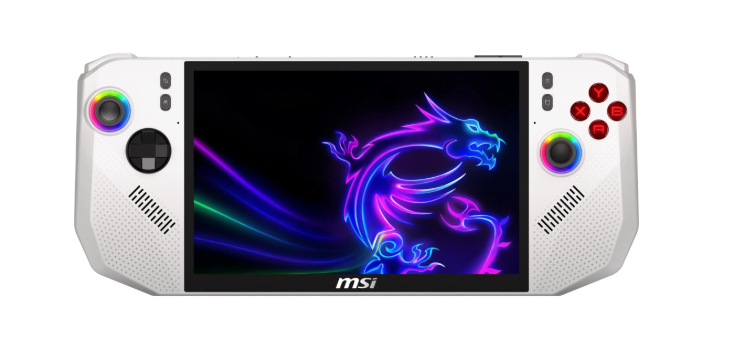
How msi claw battery upgrade Helps Improve Gaming Experience

Introduction to MSI Claw Battery Performance for Modern Gamers

Handheld gaming PCs are becoming a popular choice for players who want to enjoy PC games anywhere without being limited by a desktop setup. For many users in New Zealand, portability, battery endurance, and reliable performance are important factors when selecting a gaming handheld.

Battery life has become one of the biggest concerns for portable gaming devices. The demand for msi claw battery upgrade reflects the interest of players who want longer gaming sessions during travel, commuting, or outdoor use. At the same time, understanding msi claw battery performance helps users decide whether MSI Claw can meet their daily gaming needs compared with other popular handheld gaming devices.

Understanding MSI Claw Battery Performance and Daily Usage

The msi claw battery plays an important role in determining the overall portable gaming experience. Like other Windows-based handheld gaming PCs, battery duration depends on different factors, including game type, screen brightness, performance settings, processor workload, and wireless connections.

When playing lightweight games, indie titles, or older PC games, MSI Claw can provide a comfortable experience for portable entertainment. However, demanding AAA games usually require more processing power, which can lead to higher energy consumption and shorter gaming sessions.

For New Zealand users who often travel long distances or spend time away from charging points, battery efficiency is especially important. A handheld device that balances performance and power consumption can provide a more convenient experience during trips, flights, or outdoor activities.

Exploring MSI Claw Battery Upgrade Possibilities

The topic of msi claw battery upgrade has attracted attention from gamers who want extended playtime. A larger battery capacity may help increase usage time, but upgrading the internal battery of a handheld gaming PC requires careful consideration.

Factors such as internal design, power management, thermal performance, and charging compatibility all influence whether a battery upgrade is suitable. Users should understand the technical requirements before making any changes to their device.

For many players, improving battery efficiency through software adjustments can be a practical solution. Lowering screen brightness, reducing unnecessary background applications, adjusting performance modes, and optimizing game settings can help extend battery life without modifying the hardware.

MSI Claw vs ROG Ally vs Legion Go vs Steam Deck Comparison

The comparison of msi claw vs rog ally vs legion go vs steam deck is a common topic among handheld gaming enthusiasts. Each device offers different advantages, and the best choice depends on personal preferences, gaming habits, and portability requirements.

MSI Claw focuses on providing a Windows-based PC gaming experience. It allows users to access a wide range of games and applications, making it suitable for players who want the flexibility of a handheld computer.

ROG Ally is designed for gamers who want a lightweight and powerful handheld device. Its compact design makes it convenient for everyday carrying and travel.

Lenovo Legion Go attracts users who prefer a larger display and a more immersive gaming experience. Its unique controller design also provides additional flexibility for different gaming styles.

Steam Deck offers a more streamlined gaming experience with a system designed around handheld gaming. Many players appreciate its simple interface, efficient performance, and comfortable controls.

Comparing Battery Life Across Popular Gaming Handhelds

Battery performance is a key factor when choosing between MSI Claw, ROG Ally, Legion Go, and Steam Deck. Each device manages the balance between performance and battery endurance differently.

Windows-based handhelds usually provide greater software flexibility because users can install different applications and gaming platforms. However, running a full desktop operating system may require more energy compared with systems designed specifically for gaming.

Steam Deck benefits from software optimization, which can help improve battery efficiency in many situations. On the other hand, handheld devices with higher-performance hardware may deliver stronger gaming capability but can consume more power during demanding workloads.

For gamers in New Zealand, battery performance should match their lifestyle. Players who mainly use a handheld at home may prioritize performance, while those who travel frequently may prefer longer battery life and easier portability.

Choosing the Right Handheld for Gaming and Travel

Battery life is only one part of the handheld gaming experience. Display quality, comfort, storage capacity, controls, and software compatibility also play important roles.

MSI Claw is suitable for users who want access to PC gaming libraries and prefer the flexibility of Windows. It can be a good choice for gamers who enjoy playing different types of PC games.

ROG Ally may suit users who need a smaller and lighter device for regular travel. Legion Go is attractive for players who value a larger screen and immersive gameplay. Steam Deck remains a popular option for users who want a simple and gaming-focused experience.

The best handheld depends on individual needs. Some players prioritize maximum performance, while others care more about battery endurance, portability, or ease of use.

How New Zealand Gamers Can Extend MSI Claw Battery Life

For New Zealand gamers, improving battery efficiency can make handheld gaming more enjoyable during travel and outdoor activities. Simple adjustments can often provide longer play sessions.

Reducing unnecessary power usage, managing background programs, choosing suitable performance settings, and adjusting graphics quality can help increase battery endurance.

Players who frequently travel can also prepare a convenient charging setup. Instead of focusing only on battery capacity, creating a balance between performance and power management often provides a better overall gaming experience.

Final Thoughts on MSI Claw Battery and Handheld Gaming Choices

The popularity of msi claw battery upgrade, msi claw battery, and msi claw vs rog ally vs legion go vs steam deck discussions shows that battery performance remains an important factor for handheld gaming users.

MSI Claw provides a flexible PC gaming experience, while ROG Ally, Legion Go, and Steam Deck each offer unique advantages. For New Zealand users, the right choice depends on gaming preferences, travel habits, performance expectations, and battery requirements.

A great handheld gaming device is not only about powerful hardware. The best choice should deliver a balanced combination of performance, battery life, portability, and everyday convenience.

Onexfly F1 PRO Built for Immersive Gameplay and Responsive Controls

Design That Serves Function, Not Just Style

The Onexfly F1 PRO is clearly designed with practical gaming habits in mind. Instead of relying on aggressive shapes or excessive visual effects, it adopts a clean and compact form that feels solid in the hands and stable during long sessions. The casing is built to manage heat efficiently, while the overall layout prioritizes comfort and balance. This kind of restrained design reflects a broader trend in current consumer electronics, where users increasingly favor hardware that looks refined, durable, and suitable for everyday environments rather than something that feels purely experimental or flashy.

Performance Tuned for Modern Games

Performance is where the Onexfly F1 PRO establishes its credibility as a dedicated gaming console. The system is engineered to handle demanding titles with consistent output, allowing games to run smoothly without sudden drops or interruptions. Fast internal memory and optimized system responsiveness reduce waiting time and keep players focused on gameplay rather than system limitations. This matters more than ever, as modern games place heavy demands on processing stability, visual detail, and real-time responsiveness.

As gaming sessions become longer and more immersive, users often look beyond raw speed and consider topics such as long-term gaming console battery replacement compatibility. These searches highlight a desire for hardware that can remain reliable over time. The F1 PRO’s power efficiency and system optimization support extended use without compromising performance, reinforcing its role as a dependable gaming platform.

Smart System Features That Improve Usability

The Onexfly F1 PRO goes beyond basic gaming by integrating features that make daily use more intuitive. Its operating environment is designed for quick access to games, settings, and media, reducing friction between startup and play. Wireless connectivity enables smooth online interaction and content updates, supporting the growing expectation that gaming consoles should function as connected entertainment hubs rather than isolated devices.

System-level monitoring tools also play an important role. They help users stay aware of performance and power usage, aligning with growing interest in gaming device battery swap safety awareness. These features are not about technical complexity but about transparency, giving players confidence that their console is operating efficiently during long play periods.

Positioned for Today’s Gaming Landscape

Gaming culture continues to evolve, with more players treating consoles as long-term investments rather than short-term gadgets. The Onexfly F1 PRO fits naturally into this shift. It supports a wide range of play styles, from focused solo gaming to connected multiplayer experiences, while maintaining stability and ease of use. This flexibility reflects current market trends, where versatility and durability matter just as much as raw specifications.

Discussions around responsible device ownership have also become more common, especially topics like extended-use battery replacement solutions for gaming consoles. These conversations are driven by users who want their hardware to remain functional and relevant over time. The F1 PRO’s thoughtful engineering and balanced power management align well with these expectations.

A Console Defined by Balance and Purpose

Rather than relying on a single headline feature, the Onexfly F1 PRO distinguishes itself through overall coherence. Cooling, performance, and user interaction are carefully balanced to deliver a consistent experience. Controls feel responsive, system behavior remains stable under load, and the console avoids unnecessary distractions that pull attention away from gameplay.

In an increasingly crowded gaming market, the Onexfly F1 PRO stands out by focusing on what actually matters to players: reliable performance, practical design, and intelligent features that support real gaming habits. It is a console built not just to impress on paper, but to perform consistently in everyday use.

From Backyard Battles to Long Commutes: Nintendo 2DS Keeps Kiwi Gamers Entertained

Sleek and Durable Design for Everyday Play

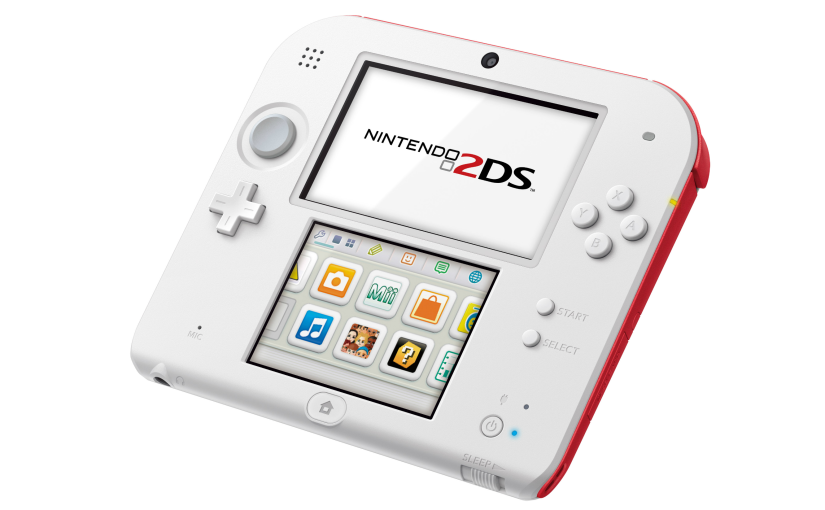
The Nintendo 2DS stands out with its distinctive slate-style design, offering a solid yet lightweight feel that makes it perfect for both casual and on-the-go gaming. Unlike other clamshell devices, the flat form factor of the 2DS provides enhanced durability, reducing the risk of damage from accidental drops—a key concern for New Zealand families who enjoy gaming outdoors or during travel. The colorful plastic shell and ergonomic button layout ensure hours of comfortable gameplay for players of all ages.

Performance That Brings Games to Life

Under the hood, the Nintendo 2DS packs impressive performance for a handheld console. Its dual-screen system, while lacking the stereoscopic 3D of its sibling devices, provides a bright top screen for gameplay and a touch-sensitive bottom screen for interactive control. With a strong library of Nintendo titles, from timeless classics to contemporary hits, players in New Zealand can immerse themselves in everything from adventure RPGs to fast-paced platformers. The responsive controls and smooth graphics make every session enjoyable, while the built-in parental controls offer peace of mind for parents keeping an eye on younger gamers.

Enhanced Features and Smart Capabilities

Beyond gaming, the 2DS offers several smart features that enhance its utility. The device supports local multiplayer via wireless connections, allowing friends and family to play together without needing internet access—a perfect fit for New Zealand’s social gaming culture. Additionally, the console supports affordable Nintendo 2DS battery replacement in Auckland, catering to gamers who want longer-lasting sessions without frequent interruptions. The system also comes equipped with an SD card slot, enabling users to store game data, photos, and downloadable content seamlessly.

Highlight: Affordable Maintenance and Longevity

One of the Nintendo 2DS’s standout qualities is its accessibility in terms of maintenance and usability. In New Zealand, there is a growing interest in high-quality handheld console battery swapping services, allowing gamers to maintain peak performance without replacing the entire device. This trend reflects a broader shift towards sustainable gaming habits, where users prefer extending the life of their consoles while enjoying uninterrupted gameplay. The 2DS’s battery efficiency, coupled with these replacement options, ensures that the device remains a reliable companion for years.

Connecting with Gaming Communities

The Nintendo 2DS also taps into the vibrant gaming community in New Zealand. Players are increasingly exploring DIY Nintendo 2DS battery upgrade kits, blending their love for technology with hands-on customization. This not only empowers users to take control of their gaming experience but also fosters a sense of community, as gamers share tips and recommendations online. Whether it’s joining local tournaments, attending gaming expos, or participating in online forums, the 2DS serves as a gateway to an engaging and interactive gaming lifestyle.

Timeless Fun Meets Smart Maintenance

The Nintendo 2DS remains a compelling choice for gamers in New Zealand, combining classic Nintendo gameplay with modern usability and smart maintenance options. Its durable design, strong performance, and interactive features make it perfect for all kinds of players, while the growing support for battery replacement and upgrades ensures longevity. For anyone looking to enjoy immersive gaming without compromise, the Nintendo 2DS continues to deliver an experience that’s both nostalgic and practical.