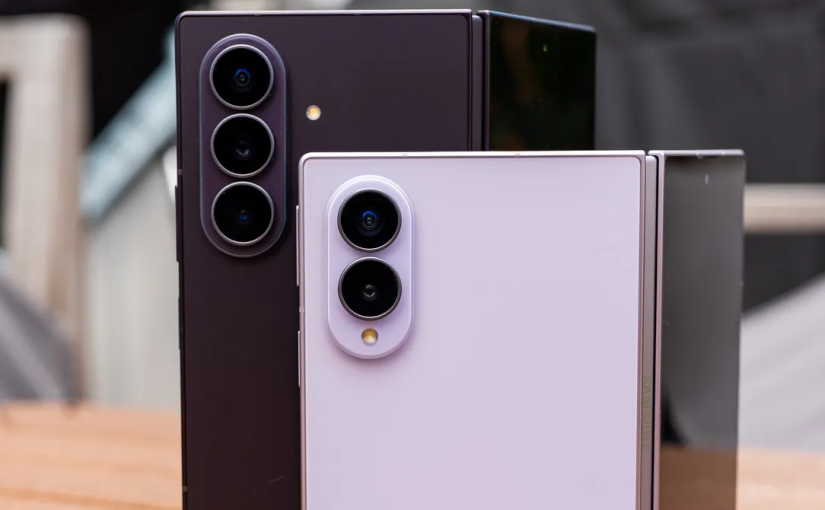
Samsung’s Foldable Strategy Enters a New Chapter
Foldable smartphones have moved well beyond the experimental stage, and New Zealand is becoming an increasingly interesting market for the next generation of mobile devices. In 2026, Samsung is pushing its foldable strategy further with the Galaxy Z Fold8 Ultra, a premium device designed to combine smartphone portability with a much larger workspace.
The Galaxy Z Fold8 Ultra officially arrived in New Zealand as part of Samsung’s new Galaxy Z8 range. Samsung New Zealand lists the device with an 8-inch main display, a 6.5-inch cover display, a 5,000mAh battery and a 200MP wide camera. It also measures just 4.1mm when unfolded and weighs 215g.
These specifications point to an important shift in the foldable-phone category. Instead of simply giving consumers a phone that can bend, Samsung is positioning the Fold8 Ultra as a mobile productivity machine.
For New Zealand users who move between home, the office, university, cafés and outdoor environments, that difference could be significant.
A Larger Screen Designed for Real Multitasking
The biggest attraction of the Galaxy Z Fold8 Ultra is arguably its expansive inner display. At 8 inches, the unfolded screen provides considerably more space than a conventional smartphone.
That extra screen real estate changes the way everyday tasks can be handled. Users can keep a video call open while checking a calendar, browse a website while writing notes, or compare documents without constantly switching between applications.
Samsung has specifically highlighted split-screen productivity on the Fold8 Ultra. Its software supports multiple applications running side by side, including two-way and three-way split views.
This could be particularly useful in New Zealand’s increasingly flexible working environment. A professional working from a café in Auckland, a student studying in Wellington or a freelancer working from a smaller home office can potentially use one device for tasks that would traditionally require both a phone and tablet.
The appeal is not simply about having a bigger display. It is about reducing friction between different activities.
Galaxy AI Moves Closer to Everyday Use
Artificial intelligence is another major part of Samsung’s 2026 foldable strategy. Rather than treating AI as a standalone feature, Samsung is integrating it into communication, productivity, information discovery and automation.
Samsung New Zealand says Galaxy AI features such as Now Nudge, Now Brief and Automation are designed to make everyday interactions more seamless. Now Nudge can provide suggestions based on context, while Automation can trigger relevant actions without requiring users to constantly move between applications.
For New Zealand users, language support is also important. Samsung states that Galaxy AI’s Now Nudge supports English in New Zealand, while Photo Assist supports a broader range of languages.
The larger Fold8 Ultra display gives these AI functions more room to work. A recommendation, message, calendar entry or generated content can be viewed alongside the application currently being used.
This creates a different relationship between AI and the smartphone. Instead of asking users to open a separate AI application, Samsung is attempting to make AI part of the normal workflow.
Why Battery Performance Matters More on a Foldable
A larger screen and more intensive multitasking can also increase power consumption. That makes battery capacity particularly relevant for a device such as the Galaxy Z Fold8 Ultra.
Samsung has equipped the Fold8 Ultra with a 5,000mAh battery, representing a 600mAh increase compared with the previous generation according to Samsung’s New Zealand product information. Samsung claims up to 27 hours of video playback under its testing conditions.
For people researching replacement components or planning long-term ownership, the importance of a reliable samsung smartphone battery becomes much more obvious with a large foldable device.
A foldable smartphone is not used in exactly the same way as a conventional handset. Owners may spend longer watching videos, editing photos, working with documents, browsing the web and using multiple applications simultaneously. Those habits can make battery performance a central part of the overall user experience.
Battery health will therefore become an increasingly relevant consideration as premium foldable phones remain in use for several years.
Built for New Zealand’s Mobile Lifestyle
New Zealand presents an unusual combination of urban connectivity and vast outdoor spaces. Smartphone users can move from highly connected city environments to rural roads, beaches, hiking areas and smaller communities.
That makes portability particularly valuable.
The Fold8 Ultra is designed to provide a large working area without requiring users to carry a separate tablet. When folded, it remains a conventional smartphone-shaped device that can be used for calls, messaging, navigation and quick tasks.
When more space is needed, the display can be opened to provide a much larger canvas.
For travellers, this could mean checking maps while reading travel information. For business users, it could mean reviewing a spreadsheet while communicating with colleagues. For content creators, it could mean editing images or reviewing video footage without immediately reaching for a laptop.
The concept fits a broader movement toward devices that combine several categories into one product.
Cameras Push the Foldable Category Further
Samsung is also using the Ultra branding to bring more advanced camera hardware to its foldable range.
The Galaxy Z Fold8 Ultra features a 200MP wide camera, together with a 50MP ultra-wide camera, according to Samsung’s product information. The camera system is designed to give the device greater flexibility for photography and content creation.
That matters in New Zealand, where social media creators, travellers and outdoor enthusiasts often use smartphones as their primary cameras.
A foldable phone can also offer a different shooting experience because the display can be positioned in multiple ways. The large inner screen provides a bigger preview, while the foldable form factor can make hands-free shooting more convenient in some situations.
Combined with AI-powered image tools, the camera becomes another part of Samsung’s effort to make the Fold8 Ultra a device for creation rather than simply communication.
The Importance of Durability
Foldable displays have historically faced a different durability challenge from traditional smartphone screens because the display needs to bend repeatedly.
Samsung is addressing this area with its Flex Titanium construction. The company says a dual layer of titanium has been applied to the shock-absorbing layer underneath the display to strengthen the screen structure.
For consumers in New Zealand, durability can be an important consideration when purchasing an expensive mobile device.
A premium foldable is expected to remain useful for years rather than months. That means buyers may pay closer attention to the hinge, display, frame, battery and software support than they would when purchasing a lower-cost smartphone.
Samsung is also advertising up to seven generations of OS upgrades and security updates for the Fold8 Ultra, which could make long-term software support another factor for buyers considering the device.
Foldable Phones Are Becoming Productivity Devices
The most interesting development around the Fold8 Ultra may not be the folding screen itself.
Instead, it is the way Samsung is redefining what a smartphone is expected to do.
Traditional smartphones have become extremely powerful, but their physical displays remain relatively small. Tablets offer more screen space but are less convenient to carry. Laptops provide greater productivity but are less portable.
Foldables attempt to occupy the space between these categories.
The Galaxy Z Fold8 Ultra takes that concept particularly seriously. Its large inner display, multitasking features, AI tools and high-end camera system are designed to make the phone useful across a wider range of situations.
That could be especially relevant as consumers increasingly expect one device to handle work, entertainment, communication and creative tasks.
What Battery Longevity Means for Long-Term Ownership
As foldables become more sophisticated, battery longevity will deserve greater attention.
Battery capacity is only one part of the equation. Screen brightness, application usage, charging habits, software optimisation and temperature can all influence how a smartphone performs over time.
For Fold8 Ultra owners, maintaining good charging habits and avoiding unnecessary heat can help preserve battery performance.
If a device is expected to remain in service for several years, the availability and quality of a compatible samsung smartphone battery can also become an important consideration later in its lifecycle.
This is particularly relevant for premium devices because replacing the entire phone simply because of declining battery performance may not be attractive to every owner.
A New Competitor in New Zealand’s Premium Smartphone Market
Samsung’s arrival with the Galaxy Z Fold8 Ultra also comes at an interesting moment for the wider smartphone industry.
Foldable competition is expanding, while other major manufacturers are exploring new form factors. Consumers are therefore being presented with more alternatives to the traditional flat smartphone.
Samsung’s advantage is its established Galaxy ecosystem, which connects smartphones with watches, earbuds, tablets, PCs and other connected devices.
For New Zealand consumers already using Samsung products, the Fold8 Ultra can fit naturally into that ecosystem.
The company’s New Zealand launch also shows that foldables are no longer being treated purely as niche technology. Samsung has made the Galaxy Z8 series available through Samsung’s online store, carriers and retailers in the country.
The Future of Smartphones Could Be More Flexible
The Galaxy Z Fold8 Ultra illustrates how quickly the definition of a smartphone is changing.
Its 8-inch display turns the device into something closer to a compact tablet when unfolded. AI functions attempt to make everyday tasks more automated. A 200MP camera targets serious mobile photography. A 5,000mAh battery supports the demands of the larger display and more intensive workflows.
For New Zealand consumers, the appeal ultimately depends on how they use technology every day.
Someone who primarily makes calls and sends messages may not need a foldable. But for people who work remotely, travel frequently, create content, manage multiple applications or want a larger screen without carrying a tablet, the concept is considerably more compelling.
As foldable technology continues to mature, the conversation is moving away from whether phones should fold and toward what people can actually accomplish with the extra flexibility.
Why the Galaxy Z Fold8 Ultra Matters Now
Samsung’s latest foldable arrives at a time when smartphones are becoming increasingly intelligent, versatile and connected.
The Galaxy Z Fold8 Ultra combines a large flexible display with AI-powered software, advanced cameras, a larger battery and a thinner design. Samsung’s New Zealand launch demonstrates that the company sees foldables as an important part of its future mobile portfolio rather than a temporary experiment.
For users thinking about long-term ownership, hardware maintenance and battery health will remain part of that equation. As these premium devices become more capable, keeping them powered reliably becomes just as important as their processors, cameras or displays.
That is why the broader market for components such as a samsung smartphone battery is likely to remain relevant alongside the growth of premium smartphones.
Ultimately, the Galaxy Z Fold8 Ultra represents more than another annual smartphone upgrade. It reflects a wider change in how mobile technology is being designed: smaller when you carry it, larger when you need it, smarter when you use it and increasingly capable of replacing several devices at once.
For New Zealand’s fast-changing consumer technology market, that makes Samsung’s latest foldable one of the most interesting devices to watch in 2026.