Will Digital Age Verification Change the Way New Zealanders Shop in Stores?

A New Era of Shopping Is Arriving in New Zealand

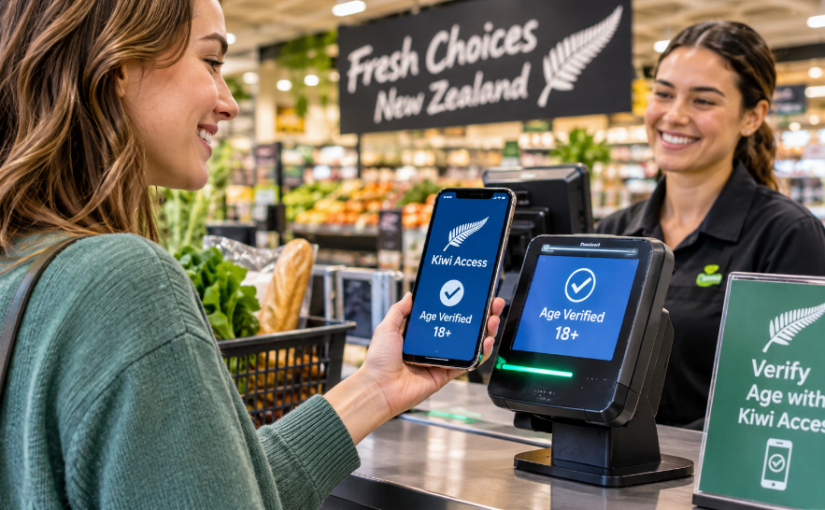
Imagine walking into a supermarket in Auckland, picking up a bottle of wine and reaching the checkout. Instead of searching through your wallet for a driver licence or another identification card, you simply take out your smartphone, open a digital wallet and approve an age-verification request on the payment terminal.

This may soon become a more familiar shopping experience across New Zealand.

Digital identity technology is moving beyond government websites and online banking. It is beginning to enter everyday commercial environments, including supermarkets, liquor stores, pharmacies, hospitality venues and other retail businesses. For consumers, this could mean faster transactions and less need to carry physical identification. For retailers, it could introduce new ways to verify customers while reducing the amount of personal information employees need to inspect.

The latest development came on 18 November 2026, when Hospitality New Zealand, NEC New Zealand and Verifone demonstrated the Kiwi Access Digital Credential in Wellington. The demonstration showed how customers could use a digital credential stored in a smartphone wallet and verify their age through compatible payment terminals.

As New Zealand continues developing its digital identity ecosystem, an interesting question is emerging: could something as simple as proving your age change the way people shop in physical stores?

What Is the Kiwi Access Digital Credential?

Kiwi Access is already a familiar identification option for many New Zealanders who need to prove their age but may not have a passport or driver’s licence.

Traditionally, the Kiwi Access Card has provided a physical alternative for people visiting licensed venues, entertainment locations and other businesses that require proof of age.

The digital version aims to bring this service into the smartphone era.

Developed through a partnership involving Hospitality New Zealand and NEC New Zealand, the Kiwi Access Digital Credential is designed to be stored in a digital wallet on a compatible mobile device.

Rather than handing over a physical card, customers can present their digital credential through a supported verification process. The payment terminal can then confirm whether the customer meets the required age threshold.

One particularly important feature is selective information sharing. Instead of revealing every detail printed on an identification document, the digital credential is designed to provide the information needed for the transaction, such as confirmation that someone is over 18.

This approach could make everyday identification checks more convenient while reducing unnecessary exposure of personal information.

However, the credential is still progressing through New Zealand’s accreditation process. Its wider adoption will depend on regulatory assessment, participating retailers and the availability of compatible technology.

Why Digital Age Verification Matters to Everyday Shoppers

For many people, showing identification at a supermarket or retail counter is a routine experience.

However, physical checks can sometimes create inconvenience. Customers may forget their wallets, struggle to find an identification card or discover that an employee cannot easily verify a particular document.

Digital age verification offers another option.

A customer carrying a compatible smartphone could potentially complete the process without removing a physical card from their wallet. This may be particularly useful for people who prefer travelling with fewer belongings or regularly use mobile payment services.

The benefits could also extend to busy retail environments.

During Friday evening shopping periods, public holidays and the Christmas shopping season, checkout queues can become frustrating. If digital verification makes age checks quicker and more consistent, retailers may be able to improve the overall customer experience.

Nevertheless, the technology is not intended to replace every identification method immediately. Physical Kiwi Access Cards and other accepted forms of identification will remain important for customers who prefer traditional documents or do not have compatible smartphones.

The most realistic future is likely to involve digital and physical identification working alongside each other.

How Verifone Payment Terminals Could Change the Checkout

One of the most interesting aspects of this development is that retailers may not need to install an entirely new checkout system.

Verifone announced support for Kiwi Access digital age verification across its compatible Android payment terminals. The technology was demonstrated in Wellington on 18 November, with more than 80,000 compatible terminals potentially benefiting from the integration.

This is significant because electronic payment terminals are already an essential part of New Zealand retail.

From supermarkets and independent shops to restaurants and hospitality businesses, EFTPOS devices are used throughout the country. Integrating identity verification into existing payment infrastructure could make adoption easier for participating merchants.

The process is designed to work through the Govt.nz digital wallet. A customer presents their credential using a supported method, such as a tap or QR code, and approves the information request on their device.

The terminal then receives the relevant verification result.

For retailers, this creates an opportunity to combine payment and age-verification functions within a familiar checkout environment.

However, merchants will still need to ensure that their equipment, software and business procedures support the new service.

Will Supermarkets and Liquor Stores Benefit the Most?

Although digital identity technology has applications across different industries, businesses selling age-restricted products are likely to see some of its most immediate benefits.

Supermarkets are an obvious example.

In New Zealand, customers purchasing certain products must meet legal age requirements. Employees need to check identification when they cannot confidently establish that a customer is old enough.

This can become challenging during busy periods, especially when checkout staff are managing several responsibilities simultaneously.

A digital credential could provide a more straightforward verification option.

Liquor stores may also benefit. Employees regularly deal with customers who need to provide acceptable proof of age, and a digital process could reduce the time spent examining physical documents.

Other potential applications include bars, restaurants, pharmacies, telecommunications retailers and selected financial services.

However, the exact requirements will differ depending on the product, service and relevant regulations.

Digital verification should therefore be viewed as an additional tool rather than an automatic replacement for existing compliance procedures.

What Happens to Traditional Barcode Scanners?

While payment terminals are becoming more sophisticated, traditional retail scanning equipment will continue to play an important role.

Most supermarkets and large retail stores rely on barcode scanners to identify products, update inventory records and calculate purchase totals.

These devices are essential for keeping checkout operations organised. Even if customers begin using digital identification, retailers will still need reliable equipment to scan groceries, packaged products and other merchandise.

This means digital identity upgrades are unlikely to eliminate traditional scanning technology.

Instead, retail businesses may gradually operate a combination of interconnected devices, including barcode scanners, EFTPOS terminals, self-service checkout systems and digital verification tools.

For stores using portable scanning equipment, hardware reliability is particularly important. A suitable barcode scanner battery helps mobile devices remain operational during long shifts, inventory checks and busy shopping periods.

Retailers also need to consider charging arrangements, battery replacement cycles and equipment maintenance when expanding their technology infrastructure.

The future of retail is therefore not simply about replacing old equipment with smartphones. It is about making different technologies work together efficiently.

Will Digital Identification Protect Customer Privacy?

Convenience is only one side of the discussion. Privacy could become an even more important issue as digital identity checks become more common.

When someone presents a physical driver’s licence, they may reveal information beyond what a retailer actually needs. This can include their full date of birth, address and licence details.

A well-designed digital credential can reduce this unnecessary information sharing.

For example, a retailer that only needs to establish whether a customer is over 18 does not necessarily need access to their full date of birth.

The Kiwi Access Digital Credential is designed around this principle of sharing only the relevant information.

The New Zealand Government’s Govt.nz digital wallet also allows users to control which credentials they add and when they share them.

However, digital systems are not automatically risk-free.

Consumers may reasonably ask what information is stored, whether transaction records are retained and who can access verification data.

Retailers must also take their responsibilities under New Zealand’s Privacy Act seriously. The Office of the Privacy Commissioner has published guidance specifically for the retail sector, covering the collection, handling and protection of personal information.

Businesses adopting digital verification should clearly explain their practices and avoid collecting information that is unnecessary for the transaction.

Building customer trust will be just as important as making the technology convenient.

Could Digital Verification Exclude Some New Zealanders?

Not everyone wants to use a smartphone for identification.

Some older consumers prefer physical cards, while others may have limited access to modern devices or reliable internet connections.

There are also people who do not feel comfortable storing personal credentials digitally.

For this reason, accessibility must remain part of New Zealand’s digital transformation.

Kiwi Access has historically served people who may not have a passport or driver’s licence. Its digital development should preserve that inclusive purpose rather than create another barrier.

The continued availability of physical Kiwi Access Cards is therefore important.

Retail employees should also be prepared to assist customers who cannot or do not wish to use digital identification.

A successful system should offer greater choice, not force everyone into the same way of shopping.

What Retailers Need to Prepare Before Adopting the Technology

For retailers, introducing digital age verification involves more than updating a payment terminal.

Businesses will need to review their checkout procedures, train employees and understand how the new verification process fits into existing compliance requirements.

Technology compatibility is another consideration.

Although Verifone’s integration is designed to work with compatible existing terminals without requiring dedicated new hardware, not every payment device will automatically support the service.

Retailers should check their equipment, software versions and service arrangements before making investment decisions.

They should also consider what happens if a customer’s phone battery runs out, the digital wallet cannot be accessed or the verification process temporarily fails.

Traditional identification methods must remain available wherever required.

For businesses with several locations, maintaining consistent procedures will be particularly important. Employees should understand when digital verification is acceptable, what information they can see and how to respond when a check cannot be completed.

Reliable checkout equipment will also remain essential. Retailers using mobile scanning devices should maintain suitable replacement barcode scanner battery supplies so that inventory and checkout operations are not interrupted during busy trading periods.

The goal should be to improve the entire shopping experience rather than introduce another complicated step at the counter.

Could This Technology Expand Beyond Age Checks?

Age verification may be the first highly visible retail application of digital credentials, but it could eventually become part of a much broader digital identity ecosystem.

The New Zealand Government has been developing its Digital Identity Services Trust Framework to establish standards for trusted digital identity services.

Through the Govt.nz app, users are expected to gain access to different accredited credentials, including information relating to licences, qualifications and other verified personal details.

This creates opportunities beyond purchasing age-restricted products.

For example, digital credentials could potentially simplify identity checks when collecting certain goods, accessing services or confirming eligibility for particular activities.

Businesses may also find opportunities to reduce paperwork and manual verification.

However, each application will need appropriate safeguards, accreditation and clear rules about what information can be requested.

Consumers should not assume that a single digital wallet will automatically become a universal identification requirement.

The emphasis should remain on voluntary participation, security and practical benefits.

The Future of Shopping in New Zealand

New Zealand’s retail environment is gradually becoming more digital, but the biggest changes do not always involve dramatic new gadgets.

Sometimes, a small improvement to an everyday checkout process can make a noticeable difference.

The Kiwi Access Digital Credential represents an interesting example. By connecting smartphone-based identification with payment terminals, it could make age verification simpler for customers and retailers alike.

The November 2026 demonstrations in Wellington suggest that this technology is moving closer to practical use. Yet accreditation, retailer adoption and public confidence will determine how quickly it becomes part of everyday shopping.

For consumers, the biggest advantages could be convenience, greater control over personal information and fewer occasions when physical identification is needed.

For businesses, digital verification could support more efficient transactions while helping staff manage age-restricted sales.

Retail technology will continue to depend on reliable infrastructure, from payment terminals to inventory scanners. Keeping equipment operational, including maintaining an appropriate barcode scanner battery supply, will remain an important part of that process.

Ultimately, digital age verification is unlikely to transform every shopping experience overnight. But if New Zealand gets the balance between convenience, privacy and accessibility right, proving your age at the checkout could become one of the simplest examples of how digital identity changes everyday life.
Are Robots and AI Watching Every Move of New Zealand Warehouse Workers?

A Technology Revolution Is Creating New Questions in New Zealand

Artificial intelligence and robotics are changing workplaces around the world, but a recent dispute in New Zealand has brought an uncomfortable question into the spotlight: how much control should technology have over ordinary workers?

On November 12, 2026, more than 300 employees from The Warehouse distribution centres in Auckland and Christchurch took part in a 24-hour strike. Their concerns went beyond the introduction of new machines. Workers were worried about potential job losses, workplace surveillance and whether automation could eventually make years of human experience less valuable.

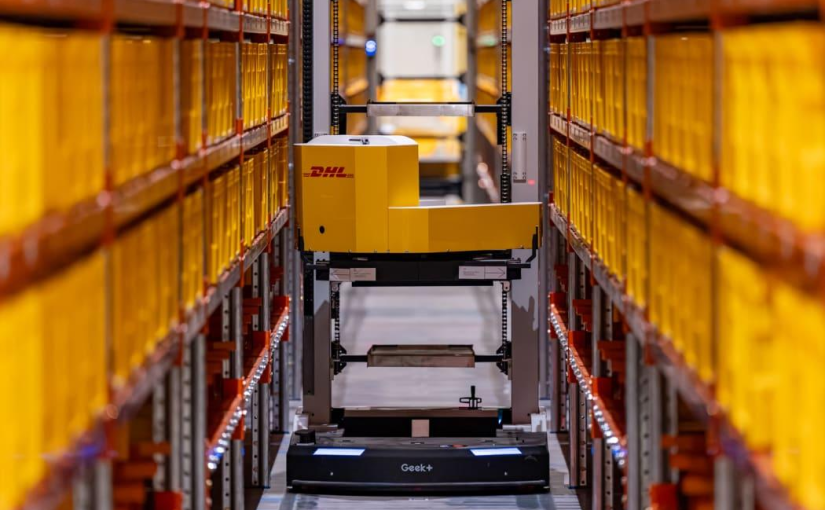
The dispute attracted attention because it involved several technologies that are becoming increasingly common in modern logistics. These include inventory drones, automated order-picking systems, scanning equipment and digital performance monitoring.

For New Zealand consumers, this is more than an argument between a retailer and its employees. The same technology that helps businesses deliver products faster could also change the way people work, shop and understand privacy.

The Warehouse Group has rejected claims that it is using AI to monitor bathroom visits and says its automation projects have not resulted in permanent job losses. Nevertheless, the disagreement has started a much wider conversation about the future of work.

Why Are Warehouse Workers Worried About Robots?

Large distribution centres are among the places where automation can make an immediate difference. Every day, thousands of products must be located, checked, packed and prepared for delivery.

Traditionally, these responsibilities have required substantial numbers of employees. Workers move through storage areas, scan product labels, check stock levels and organise orders for stores and customers.

Now, technology is taking over an increasing number of these activities.

According to reports about the recent dispute, The Warehouse has introduced drones for stocktaking and is bringing in a large automated machine designed to help pick and pack smaller products.

From a business perspective, these developments offer several advantages. Machines can perform repetitive tasks, help reduce inventory mistakes and operate without the physical limitations that affect human employees.

However, workers see another side of the situation.

Some employees have spent between 15 and 30 years working for the company. They have developed practical knowledge of warehouse operations, product handling and distribution procedures. The possibility that automated systems could eventually replace parts of their work naturally creates uncertainty.

Workers First Union has called for stronger employment protections, including consultation, retraining and opportunities to move into other positions if automation reduces the need for existing roles.

The argument is not necessarily about stopping technological progress. It is about ensuring that the people who helped build a successful business are not simply forgotten when new machines arrive.

Are AI Drones Really Watching Employees?

One of the most unusual aspects of the dispute involves workplace monitoring.

The introduction of inventory drones has raised questions about what these machines actually observe and how the information they collect is used.

In a modern warehouse, drones can fly through storage areas, identify products and help businesses check whether their inventory records match the physical stock available.

This can be particularly useful in facilities containing thousands of shelves and millions of individual items. Instead of requiring employees to manually inspect every location, automated equipment can collect information more efficiently.

However, the distinction between monitoring products and monitoring people has become an important issue.

Workers have expressed concerns about performance tracking and the possibility that technology could measure their movements throughout the working day. Some union claims have also raised questions about employees feeling pressured over bathroom breaks.

The Warehouse Group strongly denies tracking bathroom visits and says its scanning technology is not AI-powered. The company maintains that its systems are designed to measure operational efficiency rather than monitor employees’ personal activities.

This disagreement highlights an important problem for modern employers.

Even when a company believes its monitoring systems are reasonable, employees may interpret constant digital measurement differently. If workers do not understand what information is collected, how long it is stored or who can access it, mistrust can develop quickly.

Clear communication is therefore becoming just as important as the technology itself.

The Hidden Role of Barcode Scanners in Automated Warehouses

While robots and flying drones receive most of the attention, relatively ordinary electronic equipment remains essential to modern distribution operations.

Barcode scanners are a good example.

Every product entering a warehouse needs to be identified correctly. When an employee receives an item, checks its location or prepares an order, scanning technology helps confirm that the correct product is being handled.

This process reduces human error and allows inventory information to be updated quickly.

In busy distribution centres, handheld scanners are particularly useful because employees can move around without returning to a fixed computer terminal every time they need product information.

Their performance also depends on reliable portable power. A scanner that stops working during a busy shift can interrupt order processing, stock verification and other essential activities.

That is why equipment maintenance deserves more attention than it usually receives. A suitable barcode scanner battery helps handheld devices remain operational throughout demanding working periods, reducing unnecessary interruptions and supporting consistent warehouse operations.

Although these devices may look simple compared with advanced robotics, they form an important part of the digital infrastructure connecting workers, products and automated systems.

In reality, warehouse automation does not happen through robots alone. It relies on a combination of scanners, wireless networks, computers, sensors and software.

Could Automation Make Shopping Better for New Zealanders?

There is a reason why retailers continue investing in automation.

Customers increasingly expect products to be available when they want them. Whether someone is ordering household essentials online or visiting a local store, accurate inventory information can make a significant difference.

Imagine ordering a particular kitchen appliance through a retailer’s website. The system indicates that the product is available, but the warehouse cannot locate it.

This creates frustration for customers and additional work for customer service teams.

Automated inventory systems can help prevent these situations by identifying stock locations and updating records more frequently.

Drones can inspect high storage areas, while robotic equipment can assist with repetitive picking activities. Scanning systems help connect individual products with digital inventory records.

For New Zealand, where retailers often need to manage distribution across geographically distant communities, improving logistics efficiency can be especially valuable.

Faster processing may also help businesses manage operating costs during a difficult retail environment.

However, efficiency should not become the only measure of success.

If automation creates excessive pressure on employees, damages workplace relationships or reduces the quality of customer service, the long-term benefits may be smaller than expected.

Customers ultimately depend on people and technology working together.

What Happens to Experienced Workers When Machines Take Over?

Perhaps the biggest question raised by the dispute is what happens to employees whose jobs gradually change.

For younger workers entering the labour market, learning to operate new equipment may be a relatively natural part of starting a career.

For older employees, the situation can be more complicated.

Someone who has spent decades managing stock, organising orders or supervising distribution activities may suddenly find that their familiar responsibilities are being redesigned around automated systems.

This does not mean experienced employees cannot adapt.

In fact, their knowledge may become particularly valuable when businesses introduce new technology. They understand the physical warehouse environment, recognise operational problems and know how products move through different stages of distribution.

Companies could use this experience to train employees in equipment supervision, inventory technology, system maintenance and logistics coordination.

Retraining also gives workers a clearer path towards future employment instead of leaving them uncertain about their position.

For businesses, retaining experienced staff can prevent the loss of valuable knowledge. For employees, learning new digital skills can create opportunities that did not previously exist.

The challenge is making sure these opportunities are genuine rather than simply promising them when workers raise concerns.

Why Digital Equipment Maintenance Matters More Than Ever

As warehouses become increasingly connected, the reliability of everyday electronic devices becomes an important business issue.

Handheld scanners, wireless terminals and portable computers are expected to work across long shifts, sometimes in demanding environments involving constant movement and frequent handling.

A failed device can affect more than one employee. If a scanner stops working, product identification may need to be repeated manually. If several devices become unavailable, order processing can slow down.

Battery performance is therefore an important part of equipment management.

Businesses need to consider charging schedules, spare equipment, replacement cycles and the operating conditions of their electronic devices.

A reliable barcode scanner battery is one example of a small component that can have a noticeable effect on everyday productivity.

The same principle applies to other portable warehouse technology. Wireless terminals and handheld computers need dependable power to communicate with central systems and process information.

As automation expands, companies may discover that maintaining existing electronic equipment is just as important as purchasing more sophisticated machines.

Technology investment should not focus exclusively on impressive new robots. It should also include the ordinary devices that allow employees to perform their jobs safely and efficiently.

Could Warehouse Surveillance Become a Bigger Privacy Issue?

The dispute also raises broader questions about employee privacy in the digital age.

Many workplaces already use cameras, access cards, electronic timekeeping and productivity software. These systems can help improve security and organise operations.

However, more advanced monitoring technologies introduce new possibilities.

Some systems can measure how long a task takes, identify delays and compare performance across different employees or shifts.

Although these measurements may appear objective, they do not always explain why something happened.

An employee may take longer to complete an order because a product is difficult to locate, equipment is malfunctioning or a colleague needs assistance.

A digital system might record the delay without understanding the circumstances behind it.

This creates a risk that workers could be judged according to incomplete information.

For New Zealand employers, the question should not simply be whether monitoring technology is available. They should also consider whether collecting particular information is necessary, proportionate and clearly explained.

Employees deserve to understand what is being measured and how that information could influence workplace decisions.

Trust is difficult to build when people feel that every movement is being converted into a performance score.

Can New Zealand Find a Balance Between Robots and People?

The Warehouse dispute is part of a much larger international conversation.

Retailers, manufacturers and logistics companies are under pressure to improve productivity while controlling costs. Artificial intelligence and robotics offer powerful opportunities, but they also create uncertainty about employment and workplace conditions.

New Zealand has an opportunity to approach this transition carefully.

Businesses can introduce automation while investing in employee training. Unions can engage with employers about practical protections rather than treating every new machine as a threat. Government agencies can help ensure that workplace technology is introduced responsibly.

The most successful approach may involve redesigning jobs instead of simply removing them.

For example, employees who previously spent hours counting products could move into inventory analysis or equipment supervision. Workers familiar with warehouse operations could help identify problems in automated systems.

Technology would then become a tool that supports human expertise rather than automatically replacing it.

This approach requires planning, investment and meaningful communication. It cannot be achieved simply by installing a robot and expecting everyone to adapt immediately.

The Future of New Zealand Warehouses May Depend on Trust

The recent protests at The Warehouse have made one thing clear: the introduction of artificial intelligence is no longer an abstract discussion about the distant future.

It is already affecting real workplaces, real families and real conversations about employment security.

Robots can count products, drones can inspect shelves and digital systems can process information faster than ever. These capabilities may help retailers improve efficiency and offer better services to customers.

But technology cannot automatically resolve questions about fairness, dignity and trust.

A successful modern warehouse should not be measured only by how many orders its machines can process each hour. It should also be judged by whether employees feel respected, whether customers receive reliable service and whether the business can adapt without leaving people behind.

As New Zealand retailers continue exploring automation, the most important question may not be how much work robots can perform.

It may be whether businesses can create a future in which people and machines genuinely work better together.

Electronic Shelf Labels Could Transform Pricing and Inventory Management in New Zealand Stores

A New Era of Digital Retail in New Zealand

New Zealand’s retail industry is entering a period of technological change as businesses look for practical ways to improve efficiency, manage costs and deliver better customer experiences. From supermarkets and pharmacies to hardware stores and electronics retailers, digital tools are changing how products are priced, tracked and sold.

One technology attracting growing attention is the electronic shelf label (ESL). These small digital displays replace traditional paper price tags and allow retailers to update product information through a central management system. Instead of printing thousands of new labels whenever prices change, staff can update information electronically across participating stores.

The shift is particularly relevant in New Zealand, where retailers are navigating competitive pressures, changing shopping habits and rising operating costs. In February 2026, Ricoh New Zealand announced a partnership with electronic shelf label provider Solum to bring digital shelf-label solutions to the local retail market. The initiative highlights how established technology providers are helping New Zealand businesses modernise their operations.

Electronic labels are only one part of a much wider transformation. When connected with barcode scanners, inventory platforms, mobile computers and online ordering systems, they can help create a more responsive retail environment.

Why Electronic Shelf Labels Are Gaining Attention

Traditional paper labels may appear inexpensive and straightforward, but maintaining them across a large store requires considerable effort. When a promotion begins, a price changes or a product moves to another shelf, employees may need to print replacement labels and manually update the displays.

The process creates opportunities for mistakes. A product might show one price on the shelf and another at the checkout. Promotional labels can remain in place after an offer expires, while busy employees may struggle to complete every change before the store opens.

Electronic shelf labels address many of these challenges by connecting displays to a central pricing platform. Once an authorised change is made, the system can distribute the updated information to compatible labels.

For supermarkets managing thousands of products, the time saved can be significant. Staff can devote more attention to replenishment, customer assistance and other tasks that directly influence the shopping experience.

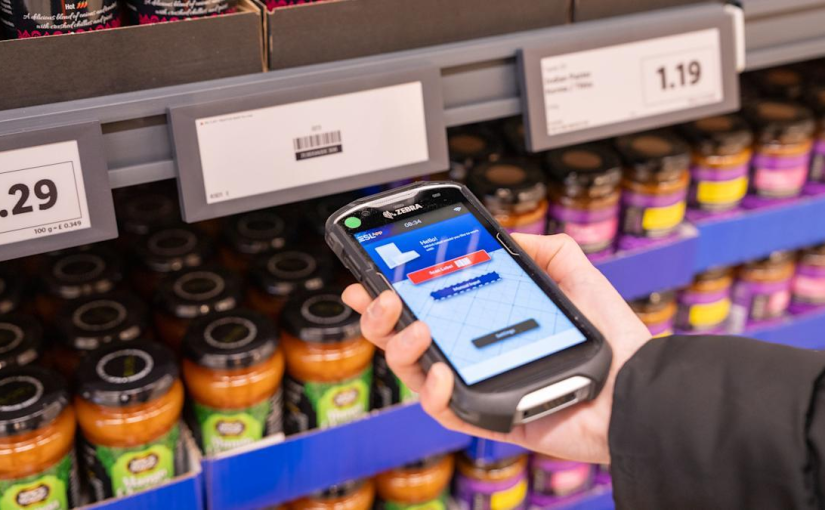
Digital labels can also display more than a price. Depending on the system, they may show product descriptions, promotional information, stock indicators or QR codes that direct customers to additional details.

For New Zealand retailers, the main attraction is not simply replacing paper. It is building a more consistent connection between pricing information, inventory data and everyday store operations.

How Digital Pricing Can Improve the Shopping Experience

Shoppers expect prices to be clear, accurate and easy to understand. This expectation becomes particularly important when stores run seasonal promotions, loyalty offers or short-term discounts.

Electronic shelf labels can help retailers keep shelf information aligned with their pricing systems. When updates are properly configured and verified, businesses can reduce the risk of outdated displays and confusing promotional messages.

The technology can also make shopping more convenient. A digital label may provide additional product information without requiring customers to search online or wait for an employee to become available.

New Zealand hardware retailer Mitre 10 has already demonstrated how electronic shelf labels can support a more interactive shopping experience. In May 2026, reporting on the retailer’s Tap to Flash feature described a system introduced in 20 stores equipped with electronic shelf labels. Customers could use their phones to make a product’s shelf label flash, helping them locate items more easily.

This example shows that digital labels can do more than communicate prices. They can become practical navigation tools, particularly in large stores where similar products may occupy multiple aisles.

For customers, the benefit is simple: less time searching and more time making informed purchasing decisions. For retailers, easier product discovery can improve service while reducing the number of routine questions employees must answer.

Barcode Scanning Remains Essential to Connected Retail

Although electronic shelf labels receive much of the attention, barcode scanning continues to play an important role in modern retail systems.

At checkout counters, warehouse receiving areas and stockrooms, scanners help employees identify products quickly and record transactions accurately. The information collected can feed into inventory systems, allowing retailers to monitor sales, track stock movements and identify products that need replenishment.

These processes are especially important for businesses operating both physical shops and online stores. A retailer must know whether an item is available before promising same-day collection or delivery. Inaccurate inventory records can lead to cancelled orders, disappointed customers and unnecessary work.

Mobile scanning devices allow employees to check product information while moving around the store. Rather than returning to a fixed computer, staff can scan items directly on the shop floor, confirm quantities and update records.

Reliable barcode scanners battery performance is an important consideration for retailers using handheld equipment throughout long shifts. A scanner that loses power during a busy trading period can interrupt stock checks, delay receiving tasks and create avoidable pressure on employees.

Battery selection, charging arrangements and spare-device planning therefore belong in a retailer’s wider technology strategy. The aim is not merely to keep individual devices running, but to maintain a dependable flow of information across the entire store.

From Shelf Labels to Smarter Inventory Management

The real potential of retail automation emerges when separate technologies work together.

Imagine a supermarket in Auckland preparing for a busy weekend. Its sales platform records a sudden increase in demand for a popular household product. Inventory software detects that the available quantity is falling, while the shelf-label system displays relevant product information and supports staff replenishment workflows.

Employees using mobile computers can check stock in the backroom, confirm product locations and update inventory records. Managers can then make decisions using more current information instead of relying entirely on manual counts or yesterday’s sales report.

This connected approach can help retailers identify stock shortages earlier and reduce the risk of shelves remaining empty while products sit unnoticed in storage areas.

It may also improve the handling of perishable goods. When retailers have reliable information about stock levels and expiry dates, they can make better decisions about replenishment and markdowns. Products approaching their best-before dates may be discounted at an appropriate time, helping businesses reduce avoidable waste.

However, electronic labels do not automatically guarantee accurate inventory. Their effectiveness depends on reliable product data, appropriate system integration and employees following consistent processes.

Retailers must ensure that stock movements, sales records and product identifiers remain synchronised. Without these foundations, even sophisticated displays can communicate information that no longer reflects conditions in the store.

New Zealand’s Digital Labelling Opportunity

Digital labelling is becoming relevant beyond the price tags attached to supermarket shelves.

In September 2026, GS1 New Zealand reported a government response to industry requests concerning digital product labelling. The initiative reflects growing interest in providing certain product information electronically, potentially complementing information printed on packaging.

The development matters because labels influence several parts of the retail process. They help consumers understand products, support supply-chain identification and provide information that retailers and regulators may need when investigating safety issues or product recalls.

Two-dimensional barcodes, including QR-style codes based on recognised standards, can carry or connect users to richer product information than a conventional retail barcode typically communicates on its own.

For consumers, scanning a suitable code could provide access to details such as product origin, ingredients or other relevant information, depending on the implementation. For businesses, standardised digital information could reduce duplication and make product data easier to manage across different systems.

New Zealand’s approach will need to balance innovation with accessibility and safety. Digital information should complement the needs of shoppers who may not have smartphones, reliable internet access or the confidence to navigate online product information.

Clear standards and accurate data will be essential if digital labelling is to deliver meaningful benefits across the retail sector.

The Importance of Reliable Devices and Power Management

As stores become more connected, employees increasingly depend on portable electronics to complete routine tasks. Handheld scanners, mobile computers, tablets and wireless communication devices may be used from the beginning of a shift until closing time.

This creates practical maintenance considerations. Devices need to be charged, inspected and managed so that employees can rely on them when demand rises.

A retailer using several types of handheld equipment should evaluate charging capacity, battery health, replacement availability and the time required to return devices to service. Equipment used in warehouses may face different demands from scanners used at checkout counters, so operating conditions also matter.

For barcode scanners battery planning, businesses should consider the manufacturer’s compatibility requirements, expected scanning workload and recommended charging procedures. Choosing a compatible replacement and maintaining a sensible charging routine can help reduce avoidable interruptions.

These decisions may appear less exciting than introducing AI-powered retail software, but operational reliability is fundamental to successful digital transformation. A connected system delivers little value if employees cannot access the devices required to use it.

Cost Pressures Make Practical Automation More Important

Retail technology investment must make commercial sense. New Zealand businesses cannot assume that every digital solution will produce immediate savings, particularly when installation, software integration, training and ongoing support are involved.

The business case for electronic shelf labels should therefore include more than the cost of purchasing the displays. Retailers should consider the time currently spent changing paper labels, the frequency of pricing updates, the consequences of pricing errors and the value of improving staff productivity.

Pilot programmes can help businesses evaluate these factors before expanding technology across an entire store network.

A retailer might begin with one department, measure how long price changes take before and after installation, and track the number of errors requiring correction. It could then compare the results with implementation and maintenance costs.

The same approach applies to barcode scanners and mobile inventory devices. Businesses should assess whether faster stock checks, fewer manual errors and improved fulfilment accuracy justify the investment.

The best technology strategy is not necessarily the one with the most advanced features. It is the one that solves clearly identified problems and produces measurable improvements.

Challenges Retailers Must Address

Despite their potential, connected retail systems introduce new responsibilities.

First, integration can be complicated. Pricing platforms, point-of-sale systems, warehouse software and electronic displays must exchange information reliably. Older systems may require upgrades or additional integration work before they can support more advanced features.

Second, cybersecurity deserves attention. Connected devices and central management platforms increase the importance of access controls, software updates and network protection. Retailers must ensure that only authorised staff can change prices or access sensitive operational information.

Third, employees need appropriate training. New technology should simplify everyday tasks rather than create confusion. Clear procedures for handling errors, replacing equipment and responding to system outages can help maintain service during unexpected disruptions.

Finally, retailers should communicate transparently with customers. Automated pricing must be implemented carefully, with clear promotional conditions and safeguards against confusing or misleading displays.

These issues are manageable, but they require planning. Successful automation depends on people, processes and technology working together.

What the Future Holds for New Zealand Stores

Over the coming years, electronic shelf labels could become part of a broader retail ecosystem that combines digital pricing, barcode scanning, mobile inventory management, analytics and automated fulfilment.

Artificial intelligence may help retailers forecast demand, identify unusual sales patterns and recommend replenishment decisions. Connected labels and sensors could provide more timely operational information, while mobile devices help employees act on that information directly.

New Zealand businesses are already exploring practical forms of retail automation, from digital shelf labels to more advanced warehouse systems. The next stage will likely focus on connecting these tools more effectively and demonstrating their value in everyday operations.

Reliable barcode scanners battery performance will remain one small but important element of this wider transformation, supporting the mobile devices that help products move accurately from deliveries to shelves and ultimately to customers.

For shoppers, the most successful innovations may be those they barely notice: a correct price, a product that is easy to find, an accurate stock update and a quicker checkout.

For retailers, those improvements can add up. Electronic shelf labels are not a complete solution to every operational challenge, but when integrated with reliable data, well-maintained devices and thoughtful processes, they offer a practical route towards smarter, more responsive stores across New Zealand.

Powerful Scanning Capability Supporting Accurate Inventory and Order Management

Sleek Design Meets Rugged Reality

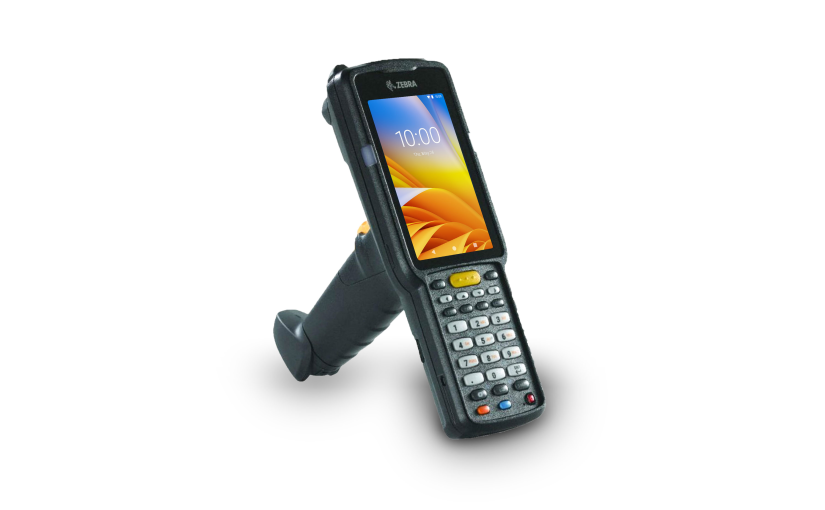
In today’s fast‑paced electronics landscape where devices must look good and perform under pressure, the Zebra MC33 strikes a compelling balance between form and function. At first glance, its compact yet sturdy build reflects a modern aesthetic that feels at home among trending handheld devices while promising durability that professionals crave. Its ergonomic grip and thoughtful button layout mean users spend less time fumbling and more time being productive. As more industries in New Zealand are adopting rugged computing tools for frontline operations, the MC33’s design stands out not just for comfort but for everyday resilience.

Performance That Keeps Up With Real‑World Demands

Under the hood, the MC33 delivers responsiveness that matches the expectations set by mainstream mobile performance news. Powered to handle data‑intensive tasks, it navigates demanding applications with ease, supporting quick barcode scanning, real‑time data capture, and seamless network connectivity. Whether workers are fulfilling orders, tracking inventory, or collaborating across sites, the performance translates into measurable efficiency gains. And because battery life is an ongoing conversation in tech circles, the MC33 supports a battery replacement program that ensures devices stay active even through the longest shifts, a topic increasingly highlighted in local industry discussions.

Smart Features for Smarter Workflows

Beyond raw power, the MC33 boasts a suite of intelligent features that tech enthusiasts and business leaders alike are buzzing about. From advanced scanning capabilities to secure wireless communication, these tools help organizations streamline workflows and reduce errors. Integration with leading business systems is smoother than ever, enabling real‑time insights and faster decision making. Meanwhile, the availability of hot swap battery solutions means that teams can maintain momentum without extended downtime—an advantage frequently cited in conversations about maximizing device uptime in field operations.

What Makes the MC33 a Standout Today

What makes the Zebra MC33 particularly compelling in the current tech climate is not just its capabilities, but how it aligns with broader trends. As conversations around workplace mobility, digital transformation, and on‑demand services rise in popularity, devices like the MC33 are at the intersection of these narratives. Its ruggedness suits frontline environments, while its smart functionalities mirror the sophistication of mainstream consumer electronics. For those who demand longevity from their hardware, pairing the MC33 with extended battery life accessories offers peace of mind, keeping devices running through peak usage hours without sacrificing performance.

In a market where technological adaptability can set organizations apart, the MC33 exemplifies how purpose‑built mobile computing can fuel better outcomes. Whether read in the context of industry news on efficient workflows or trending discussions about device endurance, it’s easy to see why this handheld solution is gaining attention—and why the right battery strategies remain part of that conversation.