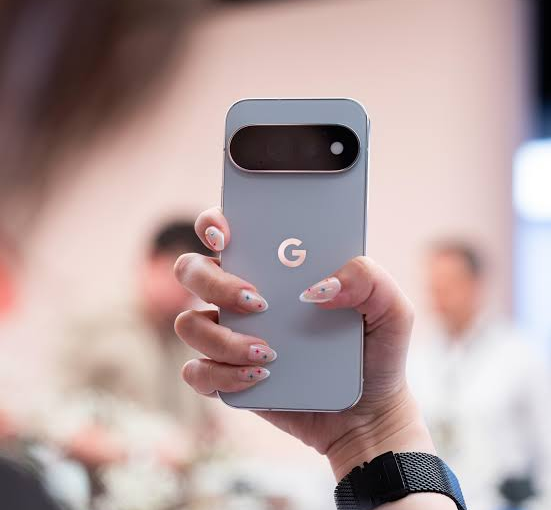
A New Pixel Chapter Arrives in New Zealand
Google’s latest Pixel launch has arrived at an interesting moment for New Zealand’s technology market. On August 12, 2026, Google unveiled the Pixel 11, Pixel 11 Pro, and Pixel 11 Pro XL, bringing together a new Tensor G6 processor, upgraded cameras, more proactive Gemini features, stronger security, and faster charging. Google has also confirmed New Zealand as one of the markets covered by its latest Pixel announcement.
For Kiwi consumers, however, the biggest question is not simply whether the Pixel 11 is faster or whether its cameras are better. The more interesting question is what this generation tells us about the future of smartphones.
The smartphone industry is moving away from the idea that every new model must simply have a brighter screen, more megapixels, or a larger processor. Instead, artificial intelligence is becoming part of the basic experience. Google is positioning the Pixel 11 around what it calls Gemini Intelligence, with AI designed to help users manage everyday tasks, capture photos, communicate, and interact with their phones more naturally.
That shift could be particularly important in New Zealand, where consumers often expect expensive technology to remain useful for years rather than becoming outdated after a short upgrade cycle.
AI Is Becoming the Real Smartphone Upgrade
For years, smartphone launches followed a familiar formula. A manufacturer introduced a faster chip, a sharper camera, a slightly thinner design, and perhaps a larger battery. The improvements were real, but they were often incremental.
The Pixel 11 takes a different approach.
Its new Tensor G6 chip is designed to run the latest Gemini Nano model, putting more emphasis on AI-powered experiences directly on the device. Google says the new Pixel generation can provide more proactive personal assistance, helping users complete everyday tasks rather than simply responding to traditional commands.
This matters because AI is quickly becoming one of the main reasons consumers consider upgrading their phones.
Imagine taking a photograph while travelling around New Zealand and having the phone intelligently improve the image without requiring complicated editing. Imagine asking your phone to help organise information from a conversation, summarise something important, or assist with a task while you are moving between work, family commitments, and daily errands.
The goal is no longer simply to make the smartphone a better camera or communication device. It is to make the phone a more capable personal assistant.
For Kiwi buyers, that could make the Pixel 11 particularly appealing to people who already rely heavily on Google services and want AI integrated into their everyday routines.
What Does This Mean for Battery Life?
There is an obvious tension in this AI-first smartphone strategy.
More AI processing can mean more computing activity. More computing activity can potentially mean greater energy consumption. At the same time, consumers still expect smartphones to last through a full day of calls, navigation, photography, streaming, social media, and work.
That makes the pixel phone battery an increasingly important part of the conversation.
A smartphone can have an impressive processor and advanced AI features, but those features are much less useful if users constantly have to search for a charger. Battery performance is therefore becoming a critical part of the overall smartphone experience rather than a specification that buyers check once before making a purchase.
Google has clearly recognised this issue. The Pixel 11 generation introduces faster charging, including built-in Pixelsnap support and Qi2.2 25W compatibility on Pixel 11 and Pixel 11 Pro. Google also says the Pixel 11 Pro XL can gain up to 15 hours of battery life with 15 minutes of wired charging.
For people living busy lives across Auckland, Wellington, Christchurch, Hamilton, or smaller regional communities, fast charging can be just as valuable as maximum battery capacity. A short charging session before leaving home can make the difference between confidently using navigation and arriving at a destination with a nearly empty phone.
Why Fast Charging Matters to Kiwi Users
New Zealand’s geography creates interesting challenges for smartphone users.
A weekend trip might involve long drives, outdoor activities, photography, navigation, music streaming, and limited access to power outlets. A phone can quickly become more than a communication device in these situations. It becomes a map, camera, entertainment system, emergency contact, and source of information.
That makes battery reliability especially important.
A strong pixel phone battery is therefore not simply about how many hours a phone can remain switched on under laboratory conditions. Real-world battery performance depends on how people use their devices.
Navigation can consume significant power. High-brightness displays can drain energy quickly. Camera use, mobile data, gaming, video calls, and AI processing can all place additional demands on a smartphone.
This is why smarter power management could become one of the most important areas of smartphone development.
Instead of simply increasing battery capacity, manufacturers can use AI to understand which applications need power, which tasks can be processed more efficiently, and when certain functions should run. The result could eventually be a phone that feels more intelligent not only because of Gemini, but because it understands how to manage its own resources.
The Camera Battle Is Getting More Interesting
The Pixel brand has built much of its reputation around computational photography, and the Pixel 11 continues that strategy.
The standard Pixel 11 introduces a larger 48-megapixel main sensor with improved light sensitivity, while the Tensor G6 processor supports new camera capabilities. Google says the phone can also deliver 30x Super Zoom through its 5x telephoto system.
For New Zealand consumers, this could make the phone especially attractive to people who use their smartphones for outdoor photography.
New Zealand offers an unusually wide variety of photographic environments. Beaches, mountains, lakes, city skylines, forests, wildlife, and dramatic weather can all create opportunities for smartphone photography.
But better cameras create another battery challenge.
Taking photographs is relatively manageable, but recording long videos, processing high-resolution images, using computational photography, and uploading content over mobile networks can consume considerably more power.
That brings the discussion back to battery technology. As cameras and AI become more powerful, the smartphone battery needs to support an increasingly demanding collection of hardware and software features.
A More Durable Phone Could Change Upgrade Habits
Another interesting aspect of the Pixel 11 generation is durability.
Google says the Pixel 11 has a redesigned camera bar that is 40% thinner, while the Pro models feature a brighter display, improved scratch resistance, and a drop-resistant design.
Durability matters because a phone that physically survives longer is more likely to remain in use for longer.
This is particularly relevant at a time when consumers are becoming more conscious about the cost and environmental impact of constantly replacing electronics.
Google is also offering seven years of operating-system, security, and Pixel Drop updates for the Pixel 11 family.
That creates an interesting contrast with the traditional smartphone upgrade cycle. Instead of convincing customers that they need a completely new phone every couple of years, manufacturers increasingly have an incentive to make devices useful for much longer.
But long-term ownership also puts pressure on components such as batteries.
A phone may continue receiving software updates for years, but battery performance naturally changes over time. This means battery longevity, charging behaviour, and replacement options could become increasingly important considerations for consumers planning to keep their phones for the long term.
Security Is Becoming a Bigger Part of the Smartphone Story
AI is not the only major change happening inside the Pixel 11.
Google has also highlighted security, including its new Titan M3 security chip and post-quantum cryptography for secure boot. The company says the Pixel 11 family has been designed to protect sensitive information against advanced attacks, including future risks associated with quantum computing.
For everyday consumers, quantum computing may sound like something from a distant future. But the underlying message is much simpler: smartphones now contain enormous amounts of personal information.
Photos, banking information, passwords, work documents, messages, location information, and private conversations may all be stored or accessed through one device.
As phones become more capable AI assistants, they may also gain access to even more personal information.
That makes security an essential part of the next smartphone generation. The smarter a device becomes, the more important it is to ensure that its intelligence does not come at the expense of privacy.
What Should New Zealand Buyers Look For?
For Kiwi consumers considering a Pixel 11, the most useful approach may be to look beyond the headline specifications.
The first question should be whether the phone’s AI features will genuinely improve everyday life. Someone who rarely uses AI tools may not notice the difference immediately. Someone who frequently relies on voice commands, photography, productivity tools, or Google’s ecosystem could find the new features much more valuable.
The second question is battery performance.
Consumers should think about how they actually use their phones. Someone who spends weekends hiking or travelling may prioritise endurance differently from someone who spends most of the day near a desk and can easily recharge.
The third consideration is longevity.
With seven years of software, security, and Pixel Drop updates, the Pixel 11 is positioned as a device designed for extended ownership. That makes the long-term condition of the pixel phone battery especially relevant when deciding whether the phone represents good value.
Finally, buyers should consider the wider ecosystem. Pixel phones are increasingly connected to watches, earbuds, cloud services, AI tools, and other Google products. The value of the phone may therefore depend not only on the handset itself but also on how well it fits into the user’s existing digital life.
Is Pixel 11 the Start of a New Smartphone Era?
The Pixel 11 arrives at a time when smartphones are undergoing a fundamental change.
The industry is no longer competing solely on screen size, camera megapixels, or processor speed. AI is becoming the central battlefield, and Google is clearly betting that the next generation of smartphones will be more proactive, more personalised, and more capable of completing tasks for users.
For New Zealand consumers, that could make the Pixel 11 one of the more interesting smartphone launches of 2026.
Its new Tensor G6 processor, Gemini integration, camera upgrades, security architecture, durability improvements, and faster charging all point toward a future in which the smartphone becomes less like a passive tool and more like an intelligent companion.
But there is an important lesson underneath all the AI excitement.
The smartest smartphone in the world is still limited by the fundamentals of mobile hardware. It needs a reliable connection, a strong display, durable components, efficient processing, and, above all, dependable energy.
As AI makes phones more powerful, battery technology will have to keep pace.
That is why the Pixel 11 launch is not simply another smartphone announcement. It is a glimpse into a larger transformation in consumer electronics. The future phone may understand more, photograph better, respond faster, and anticipate what users need next—but it will still need enough energy to do all of those things.
For Kiwi buyers deciding whether the latest Pixel is worth the upgrade, that may be the most important question of all: not just how smart the phone is, but how intelligently it uses every hour of battery life.