Gaming Peripherals Evolve as New Zealand’s PC Gaming Community Demands More Customisation

New Zealand’s Gaming Community Wants More Than Powerful PCs

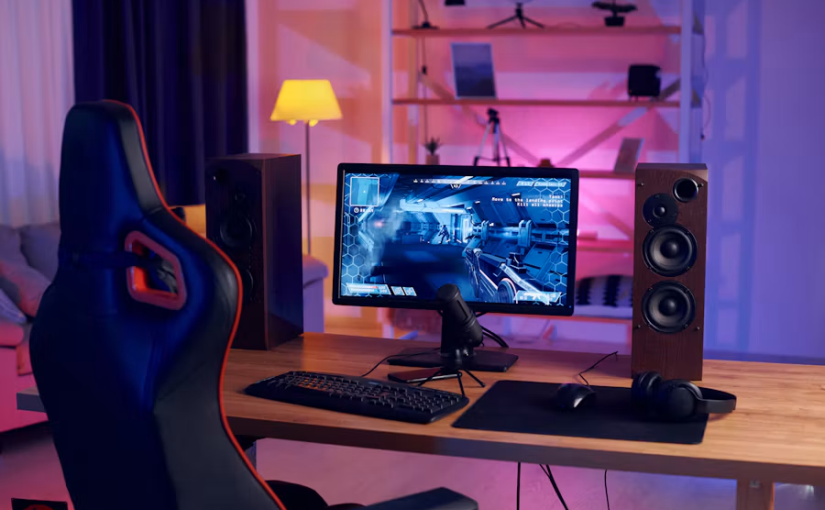
Gaming in New Zealand is evolving beyond the traditional pursuit of faster processors and more powerful graphics cards. Across Auckland, Wellington, Christchurch and smaller regional centres, PC gamers are paying closer attention to the equipment they use every day. Keyboards, mice, headsets and controllers are becoming important parts of the gaming experience, with personalisation, comfort and responsiveness increasingly influencing purchasing decisions.

This shift reflects a wider change in the consumer technology market. A gaming computer may provide the processing power needed for demanding titles, but the peripherals determine how players interact with the game. A responsive keyboard can improve control in competitive matches, while a comfortable mouse and a well-positioned headset can make long sessions more enjoyable.

For New Zealand’s gaming community, customisation is particularly appealing because players have different needs. Competitive gamers may prioritise rapid key response and precise inputs, while strategy enthusiasts often prefer programmable keys and carefully arranged shortcuts. Streamers and content creators may want dedicated controls for recording, audio management and switching between applications.

Gaming peripherals are consequently becoming more than accessories. They are personal tools that connect performance, comfort and individual identity. As manufacturers introduce new technologies, New Zealand consumers have more opportunities to build gaming setups that reflect their playing styles rather than relying on standard equipment.

Mechanical Keyboards Remain a Favourite Among PC Gamers

Mechanical keyboards continue to attract attention because of their distinctive feel, durability and customisation options. Unlike conventional membrane keyboards, many mechanical models use individual switches beneath their keys. Different switch designs can provide lighter actuation, stronger tactile feedback or a more pronounced clicking sound.

These differences matter in games where precise timing and repeated inputs are important. A competitive player may prefer a lightweight linear switch that allows rapid movement commands, while someone who spends hours writing, programming or playing strategy games might choose a tactile switch that provides clearer feedback.

Another attraction is the ability to customise the keyboard’s appearance. Replaceable keycaps, alternative switch types, compact layouts and adjustable lighting let users create a setup that feels personal. Some enthusiasts even build keyboards from individual components, selecting the case, switches, stabilisers and circuit board themselves.

New Zealand’s relatively small consumer market does not prevent these interests from developing. Online retailers and international specialist stores give local enthusiasts access to a broad selection of products, although shipping costs, delivery times and warranty arrangements can influence the final purchasing decision.

The result is a market in which a keyboard is increasingly viewed as a long-term investment rather than a disposable accessory. Buyers want equipment that feels good, performs reliably and can adapt as their needs change.

Hall-Effect Switches and Rapid Trigger Technology

One of the most interesting developments in gaming keyboards is the growing use of magnetic Hall-effect switches. Instead of relying exclusively on conventional mechanical contacts, these switches detect changes in a magnetic field to determine how far a key has moved.

This approach can enable highly adjustable actuation points. Players may be able to configure a key to register after only a small movement, reducing the distance required to activate certain commands. Some keyboards also offer rapid-trigger functionality, allowing a key to reset as soon as it moves back past a configured threshold.

For competitive players, these features can be valuable in games that reward precise movement and fast directional changes. A keyboard that responds consistently can help players execute their intended actions without unnecessary delay.

However, specialised hardware does not automatically make someone a better gamer. Practice, decision-making, network conditions and familiarity with a game remain important. Rapid-trigger features can also require adjustment, and overly sensitive settings may lead to accidental inputs.

New Zealand buyers should therefore look beyond promotional claims. Reviews that examine typing comfort, software reliability, switch consistency and real-world gaming performance can provide a more useful picture than specifications alone.

Wireless Freedom Is Reshaping Gaming Setups

Wireless peripherals have become increasingly attractive as manufacturers improve connectivity and power efficiency. A wireless keyboard can reduce desk clutter, simplify a portable gaming setup and make it easier to move equipment between a gaming computer and another compatible device.

Modern products may support a combination of Bluetooth and proprietary low-latency wireless connections, while some also retain a wired USB mode. These options can be useful for gamers who switch between a desktop PC, laptop and other devices.

The main consideration is responsiveness. Competitive players often prefer connections designed to minimise input delay, while casual gamers may place greater emphasis on convenience and compatibility. Wireless performance can vary according to the connection method, nearby interference and the quality of the implementation.

Battery performance is another important factor. RGB lighting, high polling rates and wireless connectivity can increase energy consumption, meaning that the advertised operating time may depend heavily on the selected settings. A keyboard battery must supply consistent power while fitting into a compact design that does not make the keyboard unnecessarily heavy.

For people who regularly travel to gaming events or use their keyboards in shared workspaces, charging convenience can be just as important as wireless range. A model that supports wired use while charging may provide greater flexibility when power runs low during a long session.

Customisation Goes Beyond Colour and Lighting

RGB lighting remains one of the most recognisable features of gaming peripherals, but customisation now extends well beyond visual effects. Many keyboards include software that allows users to remap keys, create macros, adjust actuation settings and assign different profiles to individual games.

A player might configure one profile for a first-person shooter, another for a multiplayer online battle arena and a third for everyday productivity. Dedicated media controls can simplify audio adjustments, while programmable keys can help streamers manage recording and broadcasting tasks.

Compact keyboards are also popular among users who want more room for mouse movement. Tenkeyless designs remove the number pad, while smaller layouts may eliminate additional keys to save even more desk space. These options can be especially appealing to players who use low mouse sensitivity and need a wide area for movement.

The trade-off is that smaller keyboards may require combinations of keys to access functions that would otherwise be available directly. Buyers should consider their typing habits and work requirements before choosing a layout.

Software quality also deserves attention. Some customisation applications are straightforward and reliable, while others may require background processes, accounts or frequent updates. A well-designed keyboard should remain practical even when its advanced features are not being used.

Gaming Mice and Headsets Complete the Experience

Keyboards receive considerable attention, but the rest of a gaming setup matters just as much. Gaming mice have evolved through improvements in sensor accuracy, weight reduction, wireless connectivity and programmable controls.

Some competitive players prefer lightweight mice that are easy to move quickly, while others favour heavier models that provide a more substantial feel. Shape is equally important because hand size, grip style and playing habits influence comfort.

Headsets have also become more sophisticated. Virtual surround features, clearer microphones and adjustable sound profiles can help players communicate with teammates and distinguish important audio cues. For people who stream games or participate in online communities, microphone quality can be as important as sound reproduction.

New Zealand gamers should consider the complete system rather than purchasing every component from the same product range. A comfortable mouse, reliable headset and well-chosen keyboard may provide a better experience than a collection of expensive accessories that do not suit the user’s habits.

Cable management, monitor placement, chair height and desk space can also make a meaningful difference. Small adjustments to ergonomics may reduce discomfort during long sessions and help players maintain a more consistent setup.

Power Management Matters for Wireless Peripherals

As more gaming equipment moves away from cables, manufacturers must balance performance with energy consumption. Wireless keyboards need enough power to maintain their connection, process inputs and operate any additional features without frequent charging.

Lighting is often one of the most visible contributors to power consumption. Bright effects across every key can create an impressive appearance, but reducing brightness or switching off unnecessary animations may extend operating time. Some models also provide automatic sleep modes that reduce power use when the keyboard is idle.

Polling rate and wireless technology can influence battery demand as well. Higher reporting frequencies may be attractive to enthusiasts seeking responsive inputs, but users should decide whether the practical benefit justifies the additional energy consumption.

The design of a keyboard battery therefore involves several competing priorities. Manufacturers must consider available capacity, physical dimensions, weight, charging speed and expected operating time. The keyboard must remain comfortable to use while providing enough energy for its intended features.

For buyers, advertised battery life should be treated as an estimate rather than a guarantee. Actual results can vary according to lighting, connection settings, usage intensity and battery condition. Independent testing can help identify which products deliver reliable performance outside controlled laboratory conditions.

Sustainability and Longer Product Lifespans

Environmental considerations are becoming increasingly relevant across the electronics industry, including gaming accessories. Keyboards may last for years, but their useful lifespan can be shortened by damaged switches, worn keycaps, failing batteries or discontinued software support.

Products that allow individual switches or keycaps to be replaced can be easier to maintain than models built around components that cannot be serviced. Some enthusiast keyboards also offer replaceable circuit boards, giving owners more options when a particular component fails.

Wireless products introduce an additional question: what happens when the internal battery gradually loses capacity? If the battery cannot be replaced economically, a keyboard that otherwise works perfectly may eventually become inconvenient to use.

Repairability is not identical across all products. Some models use standard screws and accessible components, while others require specialised tools or involve permanently attached parts. Buyers should check manufacturer documentation before assuming a product can be repaired at home.

For New Zealand consumers, the availability of spare parts and local repair support may affect the real cost of ownership. International products can offer excellent features, but obtaining replacement components may take time and involve additional shipping expenses.

Choosing a durable keyboard with a suitable warranty, dependable software and accessible support can reduce the likelihood of premature replacement. It can also help buyers avoid paying for features they rarely use.

Finding the Right Gaming Keyboard in New Zealand

The best keyboard depends on how a person plays, works and uses their computer. Competitive gamers may prioritise rapid actuation, consistent performance and a layout that provides plenty of room for mouse movement. People who play a wide variety of games may prefer programmable controls and a more traditional arrangement.

For users who work and game on the same computer, typing comfort and noise levels can be particularly important. A loud mechanical keyboard might be enjoyable in a dedicated gaming room but less suitable for a shared home office.

Wireless buyers should compare connection options, charging methods and realistic operating time. Those who dislike charging accessories may prefer a wired model, which avoids the need to monitor an internal battery and can offer a straightforward setup.

Price is another consideration. Premium keyboards may include magnetic switches, advanced software and specialised materials, but a less expensive model can still provide excellent everyday performance. The most valuable features are those that make a noticeable difference to the individual user.

Before purchasing, New Zealand shoppers should compare local prices, warranty coverage, delivery fees and return policies. They should also verify whether a keyboard’s software supports their operating system and whether all advertised features work without additional subscriptions.

What Comes Next for Gaming Peripherals?

The future of gaming accessories will likely be shaped by the combination of customisation, intelligent software, wireless convenience and more efficient hardware. Manufacturers are exploring ways to make peripherals more responsive while giving users greater control over how they behave.

For keyboards, this may mean more adjustable switches, improved wireless connections, better profile management and designs that are easier to maintain. Gaming mice and headsets are likely to follow similar trends as companies compete to make their products more comfortable and versatile.

There is also room for software to become simpler. Customisation tools can offer extensive control, but new users should not need to spend hours configuring a keyboard before they can enjoy it. Clear interfaces, sensible defaults and reliable updates can make advanced hardware accessible to a wider audience.

New Zealand’s PC gaming community is well positioned to benefit from these developments through local retailers, online communities and international product launches. As gaming becomes more integrated with streaming, creative work and social interaction, peripherals will continue to serve multiple purposes.

Ultimately, the best gaming setup is not necessarily the most expensive or technologically advanced. It is the one that responds reliably, feels comfortable and supports the way its owner wants to play.

As wireless technology becomes more common, manufacturers will also need to maintain dependable power performance. A carefully designed keyboard battery, combined with efficient software and sensible charging options, can help ensure that customisation and convenience do not come at the expense of everyday reliability.

For New Zealand gamers, the evolution of gaming peripherals offers more choice than ever. From mechanical switches and magnetic actuation to lightweight mice and wireless headsets, today’s accessories allow players to build setups around their own preferences. The next wave of innovation will be most meaningful when it combines impressive technology with practical design, durability and a better overall gaming experience.

Magnetic Gaming Keyboards Are Changing PC Gaming What Kiwi Players Should Know

A New Era for PC Gaming in New Zealand

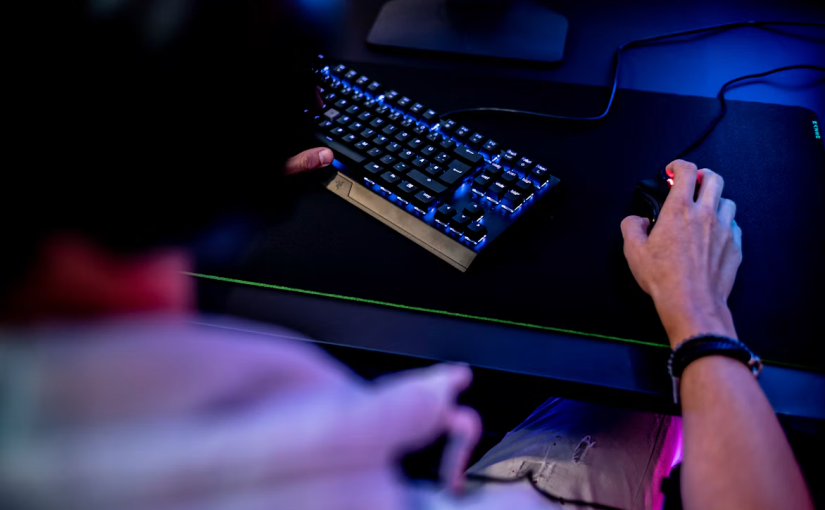
Gaming keyboards are no longer just accessories designed to make a desk look impressive. For many PC gamers in New Zealand, they have become essential tools that influence reaction speed, comfort, precision, and the overall enjoyment of competitive play. As gaming communities grow, esports events attract attention, and more players invest in powerful home setups, one category of peripheral is generating particular interest: magnetic gaming keyboards.

Unlike traditional mechanical keyboards, which generally rely on physical electrical contacts to register a keypress, magnetic models use magnetic sensors to detect how far a key moves. This approach introduces features such as adjustable actuation, rapid triggering, and highly customisable input behaviour. For players who compete in fast-paced shooters or enjoy demanding rhythm games, these features can make a noticeable difference to how a keyboard feels and responds.

New Zealand gamers face many of the same decisions as players elsewhere, but local considerations matter too. Import costs, availability, warranty support, shipping times, desk space, and the value of a purchase in New Zealand dollars can all influence which keyboard makes sense. Understanding the technology is therefore more useful than simply choosing whichever model has the most impressive specifications.

What Makes a Magnetic Gaming Keyboard Different?

Most conventional mechanical keyboards use a switch mechanism that registers a keypress at a particular point in its travel. The precise design varies by switch type, but the general principle is straightforward: pressing a key activates a mechanism, and releasing it allows the key to return.

Magnetic keyboards work differently. Many use Hall-effect sensors to measure changes in a magnetic field as a magnet attached to the moving key stem travels closer to or farther from the sensor. The keyboard’s controller interprets this movement and translates it into an input.

Because the sensor can measure movement across a range rather than merely detect a single contact point, compatible keyboards can offer adjustable actuation. Players may be able to decide how far a key must travel before the computer recognises a press.

That flexibility is appealing to gamers who want a very short actuation point for quick inputs or a deeper press to reduce accidental commands. Some models also allow individual keys to have different settings, making it possible to create a layout tailored to a particular game.

However, magnetic technology does not automatically make every keyboard faster or better. Sensor quality, firmware, software implementation, stabilisation, build quality, and personal preference all influence the final experience.

Why Rapid Trigger Has Captured Gamers’ Attention

One of the most talked-about features in magnetic keyboards is rapid trigger. On compatible devices, a key can reset based on its upward movement rather than requiring it to return to one fixed reset position.

This can help players repeatedly activate movement keys with less physical travel. In competitive games where tiny timing differences affect positioning, the ability to press and release a key quickly can feel particularly useful.

Consider a player moving between directions in a tactical shooter. Releasing one movement key and pressing another at the right moment can help control movement and improve precision. A rapid-trigger keyboard can make these repeated actions more responsive, although practice, network conditions, and game mechanics remain important.

Rhythm games offer another example. Players often need to deliver repeated inputs in quick succession, and adjustable actuation can help them find a comfortable balance between responsiveness and control.

Still, rapid trigger is not a shortcut to becoming a better player. A keyboard cannot replace game knowledge, consistent practice, or good decision-making. The most useful setting is the one that supports reliable inputs without causing accidental presses.

Which Kiwi Gamers Are Most Likely to Benefit?

Not every player needs a specialist magnetic keyboard. The strongest case for upgrading usually comes from people who play games where repeated movement, timing, or precise input control is central to performance.

Competitive first-person shooter players may value adjustable actuation and rapid trigger because movement commands can be repeated frequently. Rhythm-game enthusiasts may appreciate the ability to customise how keys respond. Some players who enjoy experimenting with hardware settings may also find magnetic keyboards appealing.

For casual gaming, strategy titles, role-playing adventures, and everyday typing, the difference may be less significant. A good conventional mechanical keyboard can already provide satisfying feedback, dependable performance, and a wide choice of switch types.

New Zealand buyers should also consider how much time they spend at the computer. Someone who plays competitive games every evening may benefit more from specialised features than a person who games occasionally after work or study.

A practical approach is to identify a real problem before spending money. If repeated keypresses feel sluggish, accidental inputs happen frequently, or the current keyboard lacks the desired customisation, magnetic technology may be worth exploring. If the existing setup works well, upgrading simply because a feature is fashionable may not deliver much value.

Choosing the Right Keyboard for Your Budget

Price is one of the biggest factors in a keyboard upgrade. Specialist gaming peripherals can cost considerably more than basic office keyboards, and premium models may add features that many users will rarely touch.

Before buying, compare the features that directly affect your gaming habits. Adjustable actuation and rapid trigger may matter more to competitive players than elaborate lighting effects. Others may prioritise a compact layout, a comfortable wrist position, quieter switches, or dedicated media controls.

Layout is particularly important. A tenkeyless keyboard removes the number pad to create more room for mouse movement, while a smaller 60% or 65% model saves even more desk space. These compact designs can suit players with limited desk space, including students or people working from shared rooms.

Yet smaller is not always better. Anyone who regularly uses spreadsheets, enters numbers, or switches between gaming and office work may prefer a full-size keyboard. Buyers should check the location of arrow keys, function controls, and other frequently used commands before committing.

It is also worth checking whether a keyboard’s advanced features work across the operating systems and games the buyer uses. Software support, firmware updates, and the ability to save settings can matter more over time than a headline specification.

Wired or Wireless: What Matters in New Zealand?

Wireless gaming keyboards offer a cleaner desk and greater flexibility, but they introduce additional considerations. Battery life, charging methods, connection stability, and wireless performance should all be evaluated before purchasing.

For players who prefer a wireless setup, the manufacturer’s advertised battery life is a useful starting point, not a guarantee. Lighting brightness, polling settings, wireless mode, and daily use can change how often a keyboard needs charging.

A keyboard battery becomes particularly relevant when comparing wireless models because battery capacity and power management influence how convenient the device is to use. A keyboard with impressive gaming features may be less attractive if it needs frequent charging or if the battery performance falls short of the buyer’s expectations.

Wired models avoid battery maintenance and can offer a simple, consistent connection. They are often a sensible option for players who keep their keyboard in one place and want to focus on performance rather than charging routines.

New Zealand households should also think about their physical setup. A shared study and gaming desk, a compact apartment, or a multi-device workstation can make cable management and portability more important than they first appear.

Battery Life and Everyday Convenience

Wireless keyboards are designed to balance performance with power consumption. Features such as bright RGB lighting, high polling rates, wireless connectivity, and additional onboard functions can all affect energy use.

Some models offer software controls that reduce lighting when the keyboard is idle or allow users to select lower-power settings. Others provide different connection modes, giving buyers a choice between convenience and performance.

When comparing products, look for battery-life estimates that explain the testing conditions. A manufacturer’s figure based on minimal lighting may differ substantially from the experience of someone using maximum brightness every evening.

It is also sensible to investigate whether the battery is rechargeable, how charging works, and whether the device can be used while connected to power. These details influence the long-term ownership experience.

For buyers who want to avoid charging altogether, a wired keyboard remains a straightforward alternative. The right choice depends on whether the freedom of wireless use is worth the additional maintenance.

Build Quality, Comfort, and Long-Term Value

A gaming keyboard is something users may interact with for thousands of hours, so durability deserves attention. The quality of the keycaps, case, stabilisers, switches, and USB connection can shape how the device feels after months of regular use.

Magnetic keyboards also depend on reliable sensing and software. Adjustable actuation is useful only when the settings behave consistently, while rapid-trigger features should remain predictable during extended sessions.

Buyers should check warranty conditions, return policies, and repair options before purchasing. For New Zealand consumers, an overseas listing may look cheaper at first but could become less attractive if returns are expensive or support is difficult to access.

The same principle applies to replacement parts and maintenance. A well-supported product may offer better long-term value than a cheaper model with limited documentation or uncertain software updates.

Comfort should not be overlooked either. Keyboard height, wrist position, desk ergonomics, and typing style all affect daily use. Even the fastest keyboard will not make a setup enjoyable if it encourages an uncomfortable posture.

What to Check Before Buying Locally

Shopping for gaming hardware in New Zealand involves more than comparing international reviews. A model available overseas may have different delivery times, regional pricing, or warranty arrangements when purchased locally.

Start by comparing the total cost, including shipping and any applicable charges. Check whether the seller is based in New Zealand, whether the advertised model is actually in stock, and how returns are handled if the product arrives damaged or does not meet expectations.

It is also worth reading reviews that describe real-world use rather than repeating specification sheets. Pay attention to reports about software stability, typing noise, key wobble, wireless reliability, and whether rapid-trigger settings work as expected.

If possible, try a similar keyboard in person. Switch feel is subjective, and a short hands-on test can reveal whether a design suits your hands and typing habits.

A keyboard battery is another specification worth checking when evaluating wireless products. Buyers should look beyond a single capacity figure and consider the manufacturer’s estimated runtime, charging options, replacement arrangements, and how lighting or performance settings influence power consumption.

These details are especially useful when deciding whether a premium wireless keyboard offers enough convenience to justify its price over a simpler wired alternative.

Are Magnetic Keyboards Worth the Upgrade?

For competitive players who regularly rely on precise movement and rapid repeated inputs, magnetic keyboards offer genuine features worth investigating. Adjustable actuation allows users to personalise key response, while rapid trigger can support quicker repeated actions on compatible models.

For everyone else, the decision is more nuanced. A conventional mechanical keyboard may already provide excellent responsiveness, satisfying tactile feedback, and strong value. Spending more on magnetic technology makes sense only if its particular advantages improve the user’s experience.

It is also important to compare complete products rather than buying based on one feature. A well-built keyboard with reliable software and a sensible layout may be a better purchase than a technically advanced model that feels uncomfortable or difficult to configure.

New Zealand buyers should weigh performance against price, availability, warranty support, and intended use. The best choice is not necessarily the most expensive model or the one with the longest list of features. It is the keyboard that suits the games being played and the person using it.

The Future of Gaming Keyboards

Magnetic sensing demonstrates how a familiar computer accessory can evolve through improvements in sensors, firmware, and customisation. As manufacturers refine these systems, buyers may see more accessible pricing, better software, and greater flexibility across different gaming styles.

The broader trend is also a reminder that performance upgrades should solve real problems. A faster input system can help a player execute an action more consistently, but it cannot guarantee better results. Skill, practice, a stable computer, and a comfortable environment still matter.

For Kiwi gamers building or refreshing a PC setup in 2026, magnetic keyboards deserve a place on the shortlist, particularly when competitive play is a priority. The smartest purchase starts with understanding the technology, testing the features that matter, and comparing the full cost of ownership.

Wireless users should pay particular attention to charging convenience and long-term power performance. A keyboard battery may seem like a minor specification beside sensor speed and actuation settings, but it can make a real difference to everyday satisfaction.

Ultimately, the best gaming keyboard is the one that feels natural, performs consistently, and supports the way its owner plays. Magnetic models offer new possibilities, but thoughtful comparison remains the surest route to a worthwhile upgrade.

What Is the Fn Key on Keyboard? Complete Guide for Beginners

What Is the Fn Key on the Keyboard?

The fn key on keyboard is a special function key found on many laptops, compact keyboards, and some external keyboards. The name “Fn” stands for “Function,” and this key allows users to access additional features without adding extra buttons to the keyboard.

The Fn key usually works together with other keys to control settings such as screen brightness, volume, media playback, wireless connections, and keyboard lighting. For example, pressing Fn with a key that has a speaker icon may adjust the sound level, while another combination may change display settings.

For users in New Zealand who use computers for work, study, gaming, or everyday tasks, understanding how the Fn key works can make keyboard operation faster and more convenient.

How Does the Fn Key Work on a Keyboard?

Most keyboards with an Fn key have two functions assigned to certain keys, especially the F1 to F12 keys at the top of the keyboard. These keys can work as standard function keys or as shortcut keys for controlling computer settings.

For example, the F5 key may refresh a webpage when used normally, but pressing Fn + F5 may activate another function depending on the keyboard design. Some keyboards make multimedia controls the default setting, while others require users to press the Fn key to access those features.

The exact behaviour depends on the keyboard model, operating system, and manufacturer settings. Learning these shortcuts can help users work more efficiently, especially when switching between different applications.

How Do I Turn Off Fn on My Keyboard?

Many users search for how do i turn off fn on my keyboard? because their function keys are not behaving as expected. Turning off Fn mode usually means switching the keyboard back to standard F1–F12 functions.

On many laptops and keyboards, you can disable or change Fn mode by pressing Fn + Esc. This activates or deactivates Fn Lock, allowing users to choose whether they need to hold the Fn key when using special functions.

Some devices also allow users to change Fn settings through BIOS or UEFI settings. Certain keyboards may include dedicated software that lets users customize function keys and shortcut behaviour.

If your Fn key settings suddenly change, restarting the computer, checking keyboard settings, or reviewing the keyboard configuration can often solve the issue.

How Do I Lock and Unlock the Fn Key?

A common question among keyboard users is how do i lock and unlock the fn key? Fn Lock is designed to make keyboard shortcuts easier by switching between two modes.

When Fn Lock is enabled, you may be able to use the F1–F12 keys directly without holding the Fn key. This can be useful for people who frequently use function keys in programs, games, or productivity software.

In many cases, pressing Fn + Esc will lock or unlock the Fn key. However, not all keyboards use the same shortcut. Some models may require different key combinations or settings changes through keyboard software.

If your keyboard does not respond to the usual shortcut, checking the keyboard model information can help you find the correct method.

What If There Is No Fn Key on My Keyboard?

Some people look for solutions because they have a no fn key on keyboard situation. This is common with smaller keyboards, mechanical keyboards, and some wireless keyboard designs.

If you are wondering what do i press if i don’t have an fn key?, the answer depends on the keyboard layout and features. Some keyboards use another shortcut key instead of Fn, while others automatically provide secondary functions through different key combinations.

For compact keyboards, certain functions may be accessed through software settings or alternative modifier keys. If you connect an external keyboard to a laptop, tablet, or desktop computer, checking the keyboard layout and system settings can help identify available shortcuts.

Common Fn Key Problems and Solutions

Sometimes the Fn key may stop working because of changed settings, software updates, driver issues, or accidental activation of Fn Lock.

If your keyboard shortcuts are not working, try pressing Fn + Esc, restarting your device, checking keyboard settings, or updating keyboard drivers. For Windows users, keyboard-related settings may also affect how function keys operate.

For wireless keyboards, connection problems or low battery levels can affect shortcut performance. Replacing the batteries or reconnecting the keyboard may restore normal operation.

How to Use the Fn Key More Effectively

The Fn key can improve daily computer use by providing quick access to important controls. Instead of opening system menus, users can adjust volume, brightness, and other settings directly from the keyboard.

For people working remotely, attending online classes, or using computers for entertainment, learning keyboard shortcuts can save time. Whether you use a laptop in Auckland, Wellington, Christchurch, or other areas of New Zealand, understanding your keyboard features can make everyday tasks easier.

Final Thoughts About Fn Key Functions

The Fn key is a practical keyboard feature that adds extra controls without requiring more physical buttons. Whether you want to learn what is the fn key on the keyboard?, find out how do i turn off fn on my keyboard?, or solve a no fn key on keyboard problem, understanding your keyboard settings is the first step.

By learning how Fn Lock works, how to switch function modes, and how to access shortcuts without an Fn key, you can use your keyboard more comfortably and efficiently in daily life.

Unlock Your Productivity: Discover the Logitech K800 MX Keys YR0073

Sleek Design Meets Everyday Elegance

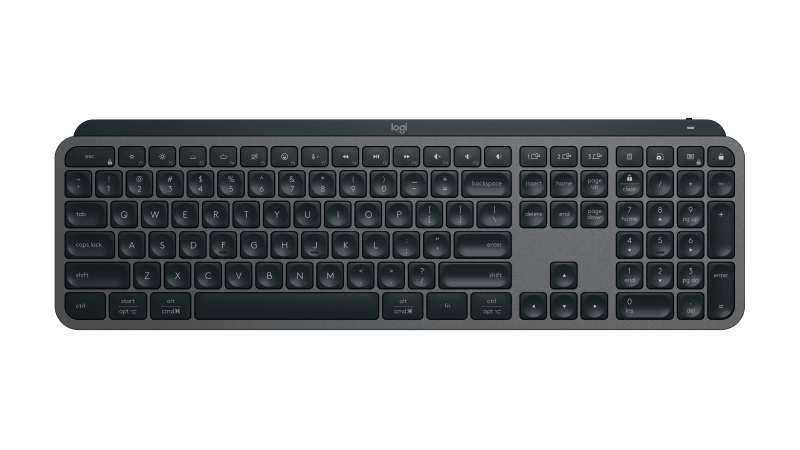
The Logitech K800 MX Keys YR0073 brings a sleek, minimalist aesthetic that fits perfectly into modern New Zealand workspaces. With its low-profile graphite finish and elegantly shaped keys, it delivers both comfort and sophistication. Each key is slightly concave to cradle your fingertips, ensuring a smooth and accurate typing experience that appeals to professionals and creators alike.

In the context of New Zealand’s growing hybrid work culture, this keyboard feels right at home. Its rechargeable design reflects the country’s trend toward sustainable technology — especially as more users search for battery replacement wireless keyboard New Zealand solutions that reduce waste and hassle.

Core Features and Reliable Performance

Beyond looks, the K800 MX Keys YR0073 excels in performance. It connects wirelessly across multiple devices, letting you switch easily between your laptop, tablet, and desktop. This flexibility makes it ideal for multitasking environments, whether you’re editing videos, coding, or managing spreadsheets.

The backlighting is smartly adaptive, automatically adjusting brightness based on ambient light. Combined with energy-efficient engineering, it ensures visibility and extended battery life. Users looking for replaceable keyboard battery NZ will appreciate the K800’s built-in rechargeable battery, which lasts for weeks on a single charge and eliminates the need for constant replacements.

Smart Connectivity and Market Relevance

The K800 MX Keys YR0073 reflects New Zealand’s current tech trend toward intelligent, sustainable peripherals. It supports multi-device pairing and personalisation through Logitech software, aligning with the needs of professionals who rely on multiple screens and systems daily.

Its rechargeable system also reduces long-term maintenance — a strong appeal for users who once searched wireless keyboard battery service Auckland but now prefer durable, low-maintenance devices. As local demand rises for ergonomic, eco-friendly keyboards, the MX Keys YR0073 stands out as both a functional tool and a design statement.

Final Thoughts and Recommendation

If you value design, reliability, and convenience, the Logitech K800 MX Keys YR0073 is a top choice in New Zealand’s evolving tech scene. Its elegant build, intelligent lighting, and rechargeable power system make it ideal for anyone seeking efficiency without compromise.

Whether you’re a creative professional, student, or remote worker, this keyboard delivers a smooth, quiet, and smart typing experience — a perfect fit for New Zealanders ready to upgrade their workspace for the future.