A New Era of Farming Is Taking Shape in New Zealand
New Zealand’s dairy industry has always depended on hard work, early mornings and a close understanding of animals. Across Waikato, Taranaki, Canterbury and the South Island, dairy farmers have traditionally organised their days around milking schedules, pasture management and the daily demands of large herds. But a new generation of agricultural technology is beginning to change that familiar routine. Robotic milking machines are increasingly attracting attention as farmers look for ways to make their businesses more efficient without sacrificing animal welfare or the country’s distinctive pasture-based farming system.
Imagine walking into a dairy shed at sunrise and finding no worker attaching milking cups to cows. Instead, robotic arms identify individual animals, prepare their udders, attach milking equipment and monitor milk production automatically. The farmer can check the entire operation through a digital dashboard rather than spending every morning and evening beside a traditional milking platform.
This is no longer simply a futuristic vision. Robotic milking technology is already operating on New Zealand farms, and its potential is attracting growing interest. The question is whether these machines could eventually become some of the hardest-working members of the country’s dairy workforce.
Why New Zealand Farmers Are Looking at Robotic Milking
Labour availability has become an important consideration for dairy businesses. Running a farm requires more than producing milk. Farmers must manage animal health, maintain equipment, monitor pasture growth, organise staff and respond to changing weather conditions.
Traditional milking schedules can make these responsibilities particularly demanding. Cows generally need to be brought into the dairy shed at regular intervals, meaning workers must organise much of their day around the milking process.
For smaller family-operated farms, the workload can be especially challenging. Finding experienced employees, arranging replacement staff and maintaining a sustainable work-life balance are all important considerations.
Robotic milking offers a different approach. Instead of relying entirely on people to perform the physical milking process, automated systems allow cows to enter a milking station and receive individual attention from machines.
According to DairyNZ, automatic milking systems can provide more flexible working arrangements, although farmers still need to manage feeding, cleaning, animal health and equipment maintenance. The technology changes the nature of farm work rather than eliminating it.
For many New Zealand farmers, that distinction could make all the difference.
How Do Robotic Milking Machines Actually Work?
Modern robotic milking systems combine several technologies, including electronic identification, cameras, sensors, robotic arms and computer-controlled equipment.
When a cow approaches the milking station, an identification system recognises the animal. The computer then checks whether she is due for milking and whether any relevant health or production information requires attention.
If the cow is eligible, she enters the station and receives a small feed reward. This encourages her to remain comfortably positioned while the equipment begins its work.
Cameras and sensors locate the udder, while the robotic arm carefully attaches the milking cups. Once the process begins, the system monitors milk flow and collects information about production and milk quality.
After milking, the equipment automatically removes the cups and performs the necessary cleaning procedures before another cow enters.
Some systems can also identify unusual production patterns and alert farmers when an animal may require closer attention.
The important difference is that the machine does not simply perform a repetitive mechanical task. It collects information about individual cows, helping farmers make more informed management decisions.
A Real New Zealand Example: The Coubrough Family Goes Robotic
One particularly interesting development is happening in Tīrau, in the South Waikato region.
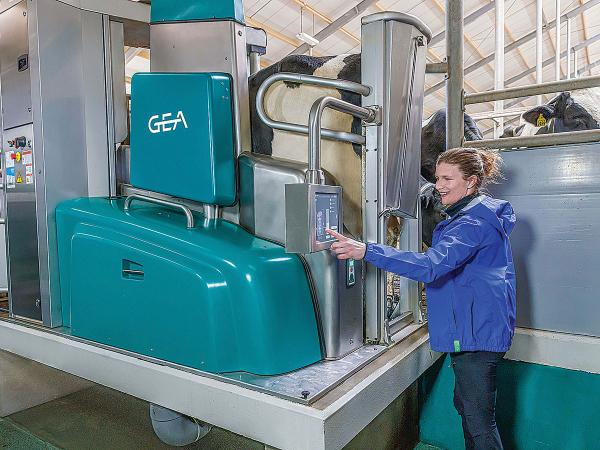
The fifth-generation Coubrough family farm has moved towards automated milking by installing two GEA DairyRobot R9500 machines. The farm previously operated a conventional 19-a-side herringbone dairy and now uses robotic technology to milk a herd of approximately 150 cows.
The decision was driven partly by lifestyle and labour considerations. Rather than bringing additional employees onto the farm, the family wanted a system that could be managed more comfortably by its existing members.
The conversion was also supported by years of preparation, including improvements to infrastructure, cow movement systems and other farm equipment.
One interesting feature is that cows can enter the robotic milking system voluntarily. Some animals may prefer being milked more frequently, while others follow a different routine.
This approach gives cows greater flexibility while allowing the family to spend more time on other responsibilities, including pasture management, calf rearing and general farm maintenance.
The example demonstrates that robotic milking is not necessarily limited to enormous commercial operations. With appropriate planning, smaller family farms may also find opportunities to adopt automation.
It also shows why New Zealand’s agricultural technology market is attracting attention from international equipment manufacturers.
Why Programmable Controllers Matter Behind the Scenes
Although robotic arms and cameras receive most of the attention, much of the technology depends on less visible electronic components.
A programmable logic controller, commonly known as a PLC, plays an important role in many industrial automation environments. It processes information from sensors, manages programmed sequences and coordinates equipment according to specific operating conditions.
In an automated dairy shed, control systems may coordinate gates, pumps, valves, cleaning cycles, motors and other machinery. The exact configuration varies depending on the manufacturer and the design of the milking installation.
Reliability is particularly important because dairy operations do not always follow convenient office hours. An unexpected control-system interruption during a busy milking period could disrupt the entire workflow.
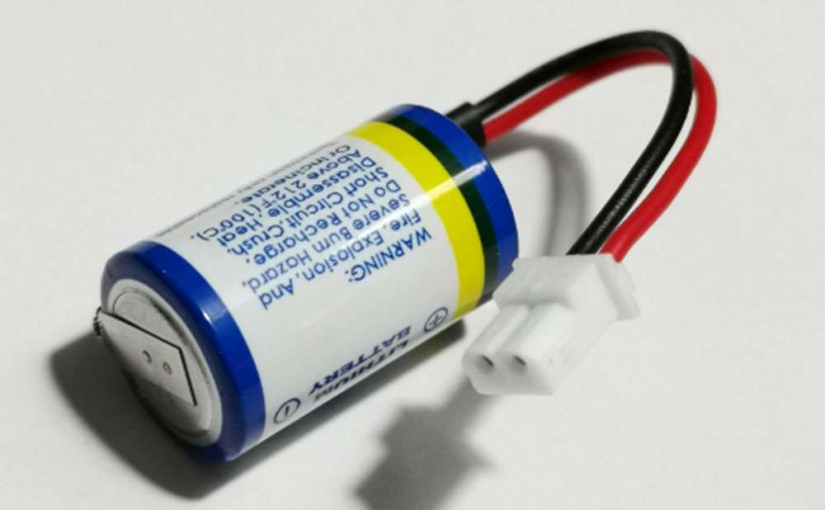
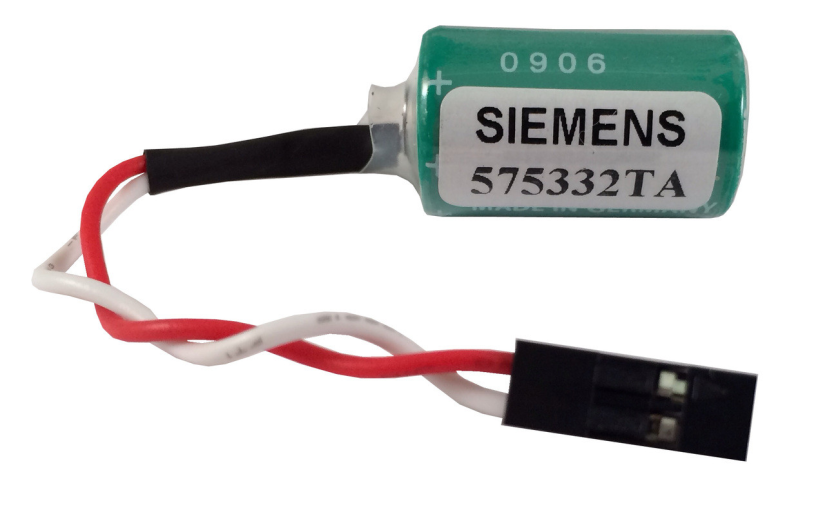
This is where supporting electronic components deserve attention. Certain PLC models use a PLC battery to maintain important memory information, such as stored programs or configuration data, when the main power supply is disconnected. The precise function depends on the controller model.
For farmers, understanding these components is part of maintaining a reliable automated environment. A robotic milking station might look like one integrated machine, but its performance depends on numerous interconnected electrical and electronic systems.
The PLC battery is therefore a small but relevant part of the wider automation ecosystem, particularly when maintenance teams need to preserve controller settings during servicing or power interruptions.
It is important to remember that this battery does not normally power the entire robotic milking machine. Its role is associated with specific controller functions, and the replacement requirements depend on the manufacturer’s specifications.
Can Robots Work With New Zealand’s Pasture-Based Farming System?
This is perhaps the biggest question surrounding robotic milking in New Zealand.
Unlike some overseas dairy operations, New Zealand farms have traditionally placed considerable emphasis on grazing. Cows spend much of their time outdoors, moving between paddocks and feeding on pasture.
That creates a different set of challenges for automation.
Some robotic milking systems are designed around voluntary cow traffic. Animals move between grazing areas and milking stations according to their own schedules. However, the location of the dairy shed, paddock layout and distance between grazing areas can influence how efficiently this arrangement works.
For a large herd, managing cow movement can become complicated.
One alternative is batch robotic milking. Instead of relying entirely on cows to visit the robots individually throughout the day, farmers can bring groups of animals into the dairy as they traditionally would, while robotic equipment performs the milking process.
This approach is particularly interesting for farmers who want to introduce automation without completely redesigning their grazing systems.
A 2025 launch of GEA’s DairyRobot R9500 in New Zealand highlighted this approach, with the technology designed to work more closely with traditional pastoral farming practices.
It suggests that the future of New Zealand dairy automation may not involve copying overseas farming models. Instead, manufacturers will need to develop equipment that works with local conditions.
Better Animal Monitoring Could Be Another Major Advantage
Labour savings are only one part of the story. Robotic milking may also provide farmers with more detailed information about individual animals.
In a traditional dairy shed, workers rely heavily on observation and experience to identify changes in behaviour, milk production and general health.
Automated systems can add another layer of information.
Depending on the equipment installed, sensors may measure milk flow, temperature, electrical conductivity and other indicators. Some systems also integrate with cow identification devices and wearable monitoring technology.
This can help farmers identify unusual patterns that might otherwise go unnoticed.
For example, if a cow produces noticeably less milk than usual, the system may generate an alert. A farmer can then investigate whether the animal has a health issue, feeding problem or another condition affecting production.
Robotic technology does not replace veterinary knowledge or direct animal observation. However, it can provide additional information that supports earlier decision-making.
A particularly interesting example can be found in Southland, where a robotic dairy operation near Invercargill combines pasture grazing with six Lely Astronaut robots and other automated equipment.
The farm also uses monitoring technology to assess individual cow health and production. This demonstrates how several agricultural technologies can work together rather than operating as isolated machines.
For an industry where animal welfare and milk quality are essential, these capabilities could become increasingly valuable.
The Hidden Costs of Becoming a Robotic Farm
Despite the exciting possibilities, robotic milking is not an automatic solution for every dairy business.
The initial investment can be substantial. Farmers may need to purchase robotic stations, upgrade buildings, modify cow pathways, install additional equipment and improve electrical infrastructure.
There are also ongoing costs associated with maintenance, servicing, software and replacement components.
A farm that already has an efficient conventional milking system may struggle to justify replacing it simply because robotic technology is available.
Economic research published in September 2026 in the Journal of Dairy Science examined the trade-offs involved in automating batch milking in pasture-based dairy systems. Its findings highlighted that combining automation with batch milking can be economically challenging for some herd sizes, particularly when equipment and labour costs are considered together.
This is an important reminder that technological innovation must make financial sense.
Farmers also need to consider the reliability of their internet connections, access to technical support and the availability of replacement parts. If a machine stops working during an important period, delays could quickly affect daily operations.
Automation therefore requires careful planning rather than simply purchasing the newest equipment.
What Happens When the Electronics Stop Working?
A robotic milking station depends on multiple electronic and mechanical systems working together.
Sensors need to communicate with controllers, robotic arms must follow accurate movements, and pumps and valves must operate in the correct sequence.
Even a relatively small electrical problem can interrupt the wider process.
For this reason, preventive maintenance is essential. Farmers and technicians need to inspect equipment, check electrical connections, monitor system alerts and follow manufacturer servicing recommendations.
Controller maintenance deserves particular attention. Depending on the PLC design, a PLC battery may need periodic inspection and replacement to prevent the loss of retained information when power is removed.
This is especially relevant when equipment has been operating for several years and maintenance schedules become part of normal farm management.
Good record-keeping can help farmers track component replacement dates, identify recurring faults and arrange servicing before problems become serious.
In a modern dairy shed, maintaining the electronics can be just as important as maintaining the physical milking equipment.
Will Robotic Milking Replace Dairy Farm Workers?
Probably not completely.
The more realistic future is a shift in the skills and responsibilities required on dairy farms.
Instead of spending hours performing repetitive milking tasks, workers may spend more time monitoring animal health, managing grazing systems, analysing production reports and maintaining automated equipment.
This could create opportunities for people with backgrounds in electrical engineering, mechanical maintenance, software and agricultural technology.
It may also make dairy farming more attractive to younger people who are interested in combining agriculture with modern technology.
However, practical farming knowledge will remain essential. Machines can collect information and follow programmed instructions, but they cannot independently understand every problem affecting an individual animal or make all the complex decisions involved in running a farm.
Human judgement will continue to matter.
The Future of New Zealand Dairy Farming Could Be More Automated
New Zealand’s dairy industry is entering an interesting period of technological change.
Robotic milking systems, electronic identification, smart sensors and automated farm equipment are creating new possibilities for farmers who want to improve productivity and manage their time more effectively.
The experiences of farms in Waikato and Southland show that automation can be adapted to different operating models, including systems that combine robotics with traditional pasture grazing.
Nevertheless, adoption will depend on financial returns, farm size, animal behaviour, infrastructure and access to technical support.
The next generation of dairy farms may look very different from the traditional sheds many New Zealanders grew up seeing. Robots could handle routine milking, sensors could provide continuous information about cow health, and digital control systems could coordinate much of the daily operation.
But the real achievement will not be replacing farmers with machines. It will be giving farmers better tools to run healthier, more efficient and more sustainable businesses.
If robotic milking can deliver that balance, these machines may become some of the hardest-working employees on New Zealand dairy farms — even if they never need a coffee break.