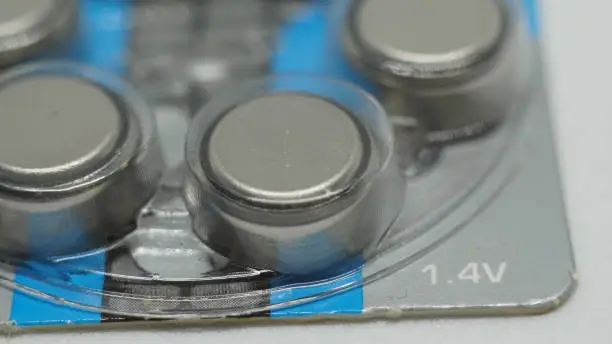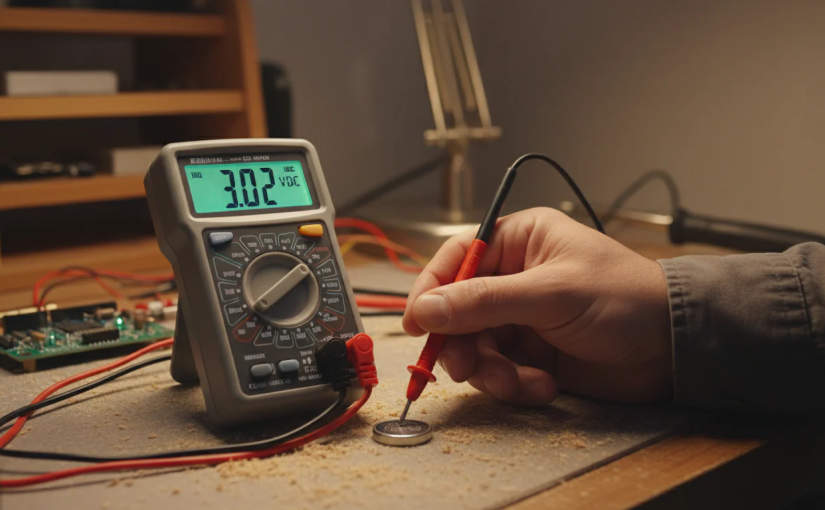
Button batteries are small but powerful energy sources used in many everyday devices, including watches, calculators, remote controls, hearing aids, toys, and electronic accessories. Because of their compact size and different installation designs, many people have questions about the correct battery direction, safety precautions, and recycling methods. Understanding which way does a button battery go in, following a button battery warning, and learning about disposing of batteries can help protect your devices and your family.
Understanding Which Way Does a Button Battery Go In
When replacing a button battery, the first question many users ask is which way does a button battery go in. In most electronic devices, the positive (+) side of the battery should face the marked positive contact, while the negative (-) side connects with the negative terminal inside the battery compartment.
The positive side is usually the flat surface with printed information such as the battery model number, while the negative side is generally the smoother metal surface without markings. Before installing a new battery, it is always helpful to check the symbols inside the device because different products may have different battery layouts.
Which Way Do Button Cell Batteries Go and How to Identify Battery Direction
Many people search for which way do button cell batteries go because coin-shaped batteries can look almost identical on both sides. Correct identification of the positive and negative terminals is essential for proper operation.
The side with the battery label, model number, and plus (+) marking is normally the positive side. The opposite side works as the negative terminal. If the battery is placed incorrectly, the device may not turn on or may fail to make a proper electrical connection.
Which Way Up Do CR2032 Batteries Go in Electronic Devices
CR2032 batteries are one of the most commonly used button batteries in household electronics. They can be found in watches, car key remotes, calculators, sensors, and small electronic products. Many users wonder which way up do cr2032 batteries go when replacing an old battery.
In most cases, the CR2032 battery should be installed with the side showing the CR2032 marking facing upward. This side is usually the positive (+) terminal. The smooth back side normally faces the negative contact. Correct placement ensures that the device receives power properly.
Which Is Positive and Negative on a Button Battery
Knowing which is positive and negative on a button battery makes replacement easier and avoids installation problems. The positive terminal is normally the larger flat surface with printed details and a plus (+) symbol. The negative terminal is the opposite metal surface.
If a device does not work after installing a new battery, checking the battery direction is one of the first troubleshooting steps. A battery installed upside down may appear faulty even when it still has enough power.
Which Side of the Button Battery Goes on Spring
Another common question is which side of the button battery goes on spring. In many devices, the spring contact connects to the negative side of the battery. The spring is designed to maintain pressure and keep the battery connected inside the compartment.
However, battery designs can vary between devices, so users should always follow the symbols or instructions inside the battery compartment. Avoid forcing the battery into place because incorrect installation may damage the contacts.
Button Battery Warning and Safety Information
A button battery warning is important because these small batteries can create serious safety concerns, especially in homes with young children. Their small size makes them easy to swallow accidentally, and immediate action may be required if a battery is swallowed.
Unused and used button batteries should be stored safely away from children and pets. Do not leave loose batteries on tables, near toys, or inside easily accessible drawers. Battery compartments on children’s products should also be checked regularly to make sure they remain secure.
Safe Methods for Disposing of Batteries
Proper disposing of batteries helps reduce environmental impact and prevents potential safety problems. Batteries should not usually be placed in general household rubbish because they contain materials that need special handling.
Before throwing away or recycling a battery, separate it from other waste items and store used batteries in a safe location. Keeping batteries away from metal objects can help prevent accidental short circuits.
Battery Disposal NZ Guide for Households
For people searching for battery disposal nz information, understanding local recycling options is becoming increasingly important. New Zealand households use a large number of batteries in electronic devices, making responsible disposal an important part of reducing waste.
Different battery types may require different recycling methods. Small button batteries, rechargeable batteries, and larger batteries should be handled according to local recycling requirements. Using suitable collection points can help ensure batteries are processed safely.
Lithium Battery Disposal NZ and Recycling Awareness
As more people use smartphones, laptops, tablets, cameras, and power tools, lithium battery disposal nz has become a popular topic. Lithium batteries require careful handling because damaged or incorrectly stored lithium cells may create overheating or fire risks.
Used lithium batteries should be kept away from heat, water, and metal objects before recycling. If a lithium battery appears swollen, damaged, or leaking, it should be handled with extra care and not placed in normal household rubbish.
Button Batteries NZ and Common Uses
The popularity of button batteries nz continues to increase because these small batteries are used in many everyday products. Common button battery types include CR2032, CR2025, and other coin cell batteries used in watches, remotes, calculators, and electronic accessories.
Choosing the correct battery model is important for device performance. Checking the number printed on the old battery is usually the easiest way to identify a suitable replacement.
How to Make Button Batteries Last Longer
Proper usage and storage can help extend battery life and reduce unnecessary waste. Keep unused batteries in a cool and dry place, avoid mixing old and new batteries in the same device, and remove batteries from products that will not be used for a long time.
Regularly checking battery-powered devices can also help prevent leakage and unexpected failures. Good battery habits improve device reliability and make battery management safer.
Creating Safer Battery Habits in New Zealand Homes
Knowing which way does a button battery go in, understanding a button battery warning, and following responsible disposing of batteries practices are important skills for everyday electronic use. Whether replacing a CR2032 battery, handling button batteries nz, or learning about lithium battery disposal nz, correct battery management helps protect people, devices, and the environment.
With more electronic products becoming part of daily life in New Zealand, safe installation and responsible recycling habits are essential. Small actions, such as checking battery direction and choosing proper disposal methods, can make battery use safer and more sustainable.