From Farms to AI — New Zealand Agritech Is Entering a New Era

A New Kind of Farming Revolution

New Zealand has always had a strong connection with agriculture. From sheep stations across the South Island to dairy farms in Waikato and orchards in the Bay of Plenty, farming is deeply connected to the country’s economy, landscape and identity. But the image of a farmer standing in a field and making every decision by looking at the sky, soil and plants is increasingly becoming outdated.

A new agricultural revolution is taking place above those fields.

Drones, artificial intelligence, satellite imagery, connected sensors and automated machinery are changing how New Zealand farmers understand their land. Instead of waiting for a problem to become visible, farmers can increasingly identify crop stress, pests, moisture problems and nutrient deficiencies through digital tools.

The change is particularly interesting because it is not simply about replacing people with machines. In many cases, technology is giving farmers better information so they can make faster and more precise decisions.

And drones are becoming one of the most visible parts of that transformation.

Recent developments have made agricultural drones an especially interesting topic in New Zealand. In August 2026, the government announced proposed reforms intended to make routine, lower-risk agricultural drone operations easier for farmers, growers and foresters. The proposed approach would simplify the process for activities such as spraying and distributing fertiliser, lime, seeds and manure.

That could help accelerate the next stage of New Zealand’s agritech story.

Why New Zealand Is Well Suited to Smart Farming

New Zealand has a unique agricultural environment.

The country has large rural areas, varied terrain and a farming sector that serves both domestic and international markets. Some farms are enormous, while others involve specialised horticulture where precision can make a significant difference.

This creates an obvious opportunity for technology.

A farmer cannot physically inspect every plant, every paddock and every corner of an orchard every day. Even experienced farmers have limited time and resources. Weather can change quickly, terrain can be difficult and labour availability can be challenging.

Digital agriculture offers another way to see the farm.

A drone can fly over a paddock and collect high-resolution images within a relatively short period. Sensors can collect information about environmental conditions. AI systems can then analyse the resulting data and highlight areas that deserve attention.

Instead of asking, “What is happening across the whole farm?”, a farmer can ask a much more useful question:

“Where exactly is the problem?”

That shift from general observation to targeted action is at the heart of precision agriculture.

Drones Are Becoming More Than Flying Cameras

When many people hear the word “drone”, they still imagine a small aircraft carrying a camera.

Agricultural drones are much more interesting.

Modern systems can be designed for mapping, crop monitoring, spraying and other agricultural applications. High-resolution cameras can provide detailed images of fields and orchards, while specialised sensors can reveal information that may not be obvious to the human eye.

For example, a farmer might discover that one section of an orchard is developing differently from the rest. Instead of treating the entire orchard in exactly the same way, the farmer could investigate that particular area.

This approach can potentially reduce unnecessary inputs while improving the efficiency of farm operations.

New Zealand already has experience with agricultural drone applications ranging from crop monitoring to precision spraying. Industry sources describe applications across vineyards, orchards, sheep farms and other agricultural environments.

The technology is also becoming increasingly connected to software.

A drone flight can generate a large amount of information. That information can then be transferred to a computer or mobile device, where software turns aerial images into maps, measurements and alerts.

The real value is therefore not simply the aircraft.

It is the combination of the aircraft, sensors, software and human decision-making.

AI Gives the Drone a Brain

The biggest change may come when drones are combined with artificial intelligence.

A drone can collect images, but a person still needs to interpret those images. That becomes difficult when a farm produces thousands of photographs.

AI can help process this information much faster.

Imagine a drone flying across a large orchard. It captures images of thousands of trees. An AI system analyses those images and identifies unusual patterns. Some trees may show signs of stress, while others may appear healthy.

The farmer does not necessarily need to examine every image manually.

Instead, the system can highlight areas that require attention.

This is where agritech begins to look less like traditional farming equipment and more like an advanced information system.

AI can potentially assist with identifying weeds, monitoring crop health, estimating yields and detecting changes over time. Research published in 2026 is also exploring connected precision-agriculture systems that combine AI, UAVs, IoT sensors and cloud or edge computing for real-time crop monitoring.

The result could be a farm that is constantly generating useful information.

And that information can become more valuable as historical data accumulates.

The Battery Problem Behind the Drone Revolution

There is, however, a less glamorous part of agricultural drone technology that is absolutely critical: energy.

A sophisticated agricultural drone may carry cameras, sensors, communication equipment and, in some cases, a significant payload. All of these components consume power.

That means battery performance can directly affect agricultural productivity.

A drone that can remain airborne longer can potentially cover more ground during a single operation. A system that can be recharged quickly may reduce downtime between flights. Reliable power management can also become important when farmers are working around changing weather conditions and demanding schedules.

This is why the drone battery is not simply an accessory. It is a core part of the agricultural technology system.

For professional users, battery management can become almost as important as flight planning. Farmers and drone operators may need to monitor charging cycles, battery condition, operating temperatures and remaining capacity.

In large-scale agricultural operations, multiple batteries may be required to keep equipment working throughout the day.

That creates another opportunity for smarter technology.

Future agricultural drone systems could use software to estimate battery health, predict remaining flight time and recommend when a battery should be replaced. Instead of discovering a power problem in the middle of a field, operators could receive a warning before the drone takes off.

A More Precise Approach to Spraying

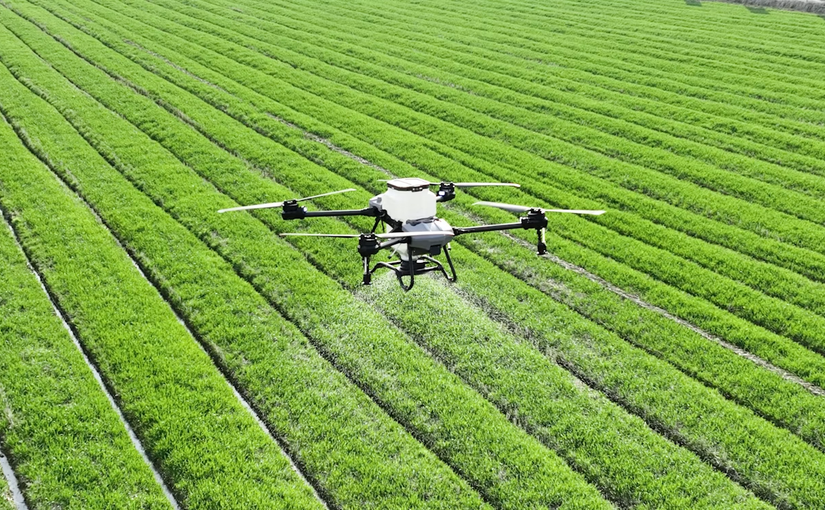
One of the most important agricultural applications for drones is precision spraying.

Traditional spraying methods can cover large areas quickly, but applying the same amount of material everywhere may not always be necessary.

Agricultural drones can potentially approach the problem differently.

By combining mapping, sensors and software, operators can identify areas requiring treatment and apply products more precisely. This can be particularly relevant in horticulture, where crops may be arranged in rows and conditions can vary considerably from one section to another.

New Zealand’s proposed regulatory reforms are especially relevant here. The government says lower-risk routine agricultural drone activities could move toward a simpler notification process rather than the previous certification-based approach, reducing administrative costs while maintaining safety and environmental protections.

The change matters because regulation can influence how quickly useful technology reaches ordinary farms.

If farmers can adopt practical drone solutions without excessive administrative barriers, the technology could become more accessible.

But easier access does not mean that every farm suddenly needs a fleet of drones.

The most successful applications will probably be those that solve specific problems.

From Drones to Entire Digital Farms

The future of New Zealand agritech is unlikely to be about one spectacular machine.

Instead, different technologies will increasingly communicate with one another.

A drone could collect aerial imagery.

Soil sensors could measure moisture.

Weather stations could provide local environmental information.

Satellite systems could provide broader geographic data.

A farm management platform could combine all of these sources.

AI could then analyse the information and identify patterns.

This creates a digital version of the farm.

A farmer might look at a dashboard and see which paddocks need attention, which areas are experiencing unusual conditions and which parts of an orchard are developing differently.

The farmer remains responsible for the final decisions, but the technology provides a much more detailed picture.

This is an important distinction.

Smart farming is not necessarily about removing farmers from agriculture. It is about giving them more information with which to work.

Livestock Farming Is Joining the AI Race

Agritech in New Zealand is also moving beyond crops.

Livestock management is another area where digital technology is becoming increasingly important.

AI-enabled systems can help farmers monitor animals, manage virtual fencing and understand livestock behaviour. New Zealand agritech company Halter, for example, has attracted major international attention for its AI-enabled livestock technology and virtual fencing system, with a major funding round announced in 2026 as the company prepared for further international expansion.

This demonstrates something important about New Zealand’s technology ecosystem.

The country does not need to build the world’s biggest technology industry to become influential in agritech.

It can focus on solving difficult problems that are especially relevant to agriculture.

Virtual fencing, remote monitoring, aerial surveying and precision application all address practical challenges faced by farmers.

Those solutions can then potentially be exported to other agricultural markets.

The Human Side of Agricultural AI

Despite all the excitement surrounding AI, technology alone cannot solve every agricultural problem.

Farmers still need experience.

A computer can identify a pattern, but a farmer may understand why that pattern exists. Local knowledge can be difficult to replicate with software.

For example, a farmer may know that a particular area of land behaves differently after heavy rain. An AI system may detect the change, but human experience can provide the context.

This suggests that the future of farming may involve a partnership between people and machines.

AI handles enormous amounts of data.

Farmers provide experience, judgement and practical knowledge.

Drones collect information from above.

Sensors collect information from the ground.

Together, these technologies can create a much more complete picture of agricultural conditions.

That combination could become one of New Zealand’s biggest competitive advantages.

What Happens Next?

The next few years could be particularly important for New Zealand agritech.

Agricultural drones are becoming more capable. AI systems are becoming easier to use. Sensors are becoming smaller and more affordable. Regulations are beginning to adapt to new agricultural applications.

At the same time, farmers are under pressure to improve productivity while managing costs and environmental expectations.

That creates a strong reason to experiment with precision technology.

The global agricultural drone market is also expanding rapidly. One 2026 market estimate puts the global agriculture-drone market at about US$3.45 billion in 2026, with strong growth projected through 2031.

New Zealand does not have to follow every global technology trend.

Instead, it can focus on technologies that make sense for its own geography and agricultural strengths.

That could mean drones flying over vineyards in Marlborough, monitoring orchards in Hawke’s Bay, surveying farms in Canterbury or supporting livestock operations across the South Island.

The applications may look different, but the underlying idea is the same.

Use better information to make better decisions.

The Next Farm May Look Surprisingly Different

Walk onto a New Zealand farm in the future and the landscape may still look familiar.

There may still be sheep on green hills.

There may still be tractors moving across fields.

There may still be farmers checking crops and animals in person.

But above them, something else may be happening.

Drones could be scanning fields.

AI could be analysing plant health.

Sensors could be measuring soil conditions.

Satellites could be tracking weather and vegetation.

Software could be predicting where attention is needed next.

Even the humble drone battery could become part of a sophisticated digital management system, with software monitoring its condition and predicting the best time for charging or replacement.

And as drone operations become more practical, another drone battery might power the next flight over an orchard, vineyard or pasture, turning hours of manual inspection into minutes of aerial data collection.

The real revolution, however, will not happen because farmers suddenly stop using traditional methods.

It will happen when technology becomes so useful that it naturally becomes part of everyday farming.

New Zealand has a long history of adapting agriculture to challenging conditions. The next chapter could be about adapting agriculture to an age of artificial intelligence.

The farm of tomorrow may not look like a science-fiction laboratory.

It may simply look like a normal New Zealand farm — with a drone quietly taking off in the background.

And inside that machine, another drone battery may be powering a small but important part of a much bigger transformation.
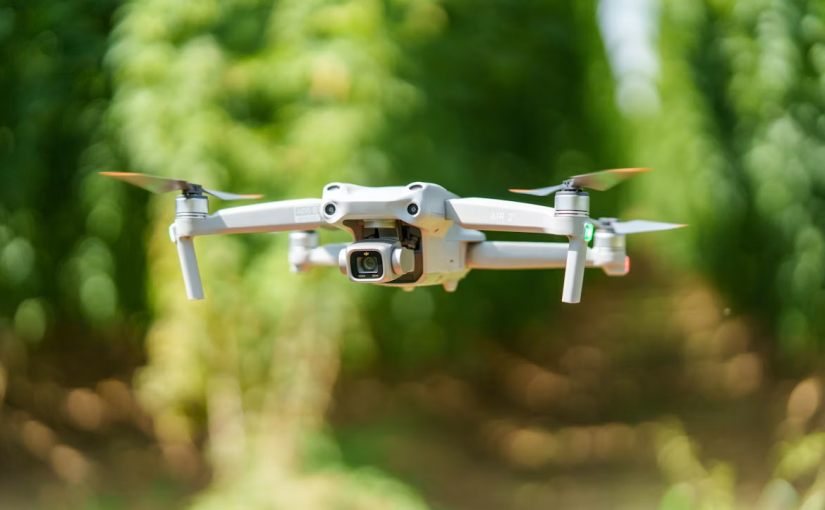
Why Is New Zealand Starting to Pay Attention to Low-Altitude Digital Infrastructure?

The Sky Is Becoming the Next Digital Frontier

When people think about digital infrastructure in New Zealand, they usually imagine fibre networks, mobile towers, cloud computing centres and data cables connecting cities and communities. Yet another layer of infrastructure is beginning to attract attention: the airspace just above our heads.

The rapid development of drones, automated aircraft and other uncrewed systems is creating demand for a more sophisticated digital environment in low-altitude airspace. New Zealand is particularly interesting because its geography creates both challenges and opportunities. Large rural areas, isolated communities, mountains, coastlines and rapidly changing weather conditions make reliable aerial technology potentially valuable for transport, monitoring, agriculture, emergency response and infrastructure inspection.

The Civil Aviation Authority’s 2026 planning documents recognise that aviation is entering an increasingly automated age, with different types of drones operating at different altitudes and in different environments. The authority has also scheduled work to align New Zealand’s drone rules with international standards during the third quarter of 2026. The goal is to enable safer integration of drones into the country’s aviation system.

This is more than a question of buying better aircraft. As drones become more capable, New Zealand will need the digital infrastructure that allows them to communicate, navigate, identify obstacles and operate safely.

What Does Low-Altitude Digital Infrastructure Actually Mean?

Low-altitude digital infrastructure can sound complicated, but the basic idea is surprisingly simple.

Imagine a future in which thousands of drones are moving through the sky for different purposes. Some might inspect power lines. Others could monitor farmland, survey construction sites, assist emergency services or deliver equipment. A drone may need to know where it is, where other aircraft are located, which areas are restricted and whether its communications link is reliable.

That requires much more than a GPS signal.

The emerging infrastructure could combine telecommunications networks, positioning systems, digital maps, aviation databases, sensors, weather information, traffic-management systems and cloud or edge computing. Together, these technologies could create a digital layer for the lower airspace.

For New Zealand, the concept is particularly relevant because the country cannot simply rely on dense urban infrastructure. A system designed for Auckland may not work equally well across rural Canterbury, the West Coast, Northland or remote islands.

The challenge is therefore not just making drones fly. It is making them operate safely and predictably in a geographically diverse country.

Why New Zealand Is Taking the Issue Seriously

New Zealand’s aviation regulator is already preparing for a more automated aviation environment. Its current work programme includes an initiative to align Parts 101 and 102 of the aviation rules with international drone standards. The project specifically mentions areas such as airworthiness and communication between remote pilots and remotely piloted aircraft.

That matters because regulations and infrastructure have to develop together.

If drones become more common while the digital systems supporting them remain fragmented, operators could face difficulties coordinating flights. Conversely, building infrastructure without clear safety standards could introduce new risks.

New Zealand also has practical reasons to explore the technology. The country has a large agricultural sector, extensive infrastructure networks and communities separated by difficult terrain. Aerial systems can sometimes reach places faster and more efficiently than conventional vehicles.

This makes low-altitude technology particularly attractive for applications where time, distance and accessibility matter.

From Individual Drones to Connected Fleets

One of the biggest changes could be the move from individual drone operations to connected fleets.

Today, many drone flights are relatively simple. An operator launches a drone, controls it, completes a task and brings it home. Future operations could involve multiple aircraft communicating with digital systems and with one another.

Consider infrastructure inspection. A utility company could potentially deploy several drones to examine kilometres of power lines. Instead of treating every flight as an isolated operation, the company could integrate flight planning, mapping, weather data, aircraft status and inspection results into a single digital platform.

The same principle could apply to emergency response.

After a major storm, drones could help inspect roads, bridges and damaged infrastructure. A connected system could prioritise areas, distribute missions among aircraft and transmit images back to operators. In remote areas, this could reduce the time needed to understand what has happened on the ground.

The aircraft themselves may become only one part of a much larger technological ecosystem.

The Hidden Importance of Battery Technology

There is one component that could determine how useful this future becomes: energy storage.

A drone may have sophisticated cameras, navigation technology and communication equipment, but none of these systems matter if the aircraft cannot stay airborne long enough to complete its mission.

For commercial and industrial operators, battery performance is therefore closely connected to operational efficiency. Flight duration, charging time, weight, temperature performance and battery health can all affect how frequently a drone can be deployed.

This is particularly important in New Zealand, where weather and terrain can make aerial operations demanding. A drone used for inspection in a remote location may need sufficient energy not only for its planned flight but also for unexpected delays, stronger winds or route changes.

As drone networks become more professional, operators are likely to pay closer attention to energy management. A reliable drone battery can become an important part of the wider low-altitude infrastructure rather than simply an accessory attached to an aircraft.

Rural New Zealand Could Become an Important Testing Ground

The country’s geography could turn out to be an advantage.

Urban environments are crowded and complicated, but rural New Zealand offers different opportunities for testing aerial technology. Farms, forests, coastlines and infrastructure corridors provide real-world environments in which drones can perform useful tasks.

Agriculture is an obvious example. Drones can collect aerial images, monitor crops, inspect livestock areas and help identify problems that might otherwise require extensive ground work.

Forestry is another potential application. Large areas can be difficult to inspect manually, while drones can collect visual information over broad regions.

Infrastructure operators could also use aerial systems to inspect bridges, transmission lines, roads and other assets.

The key development is that these applications may eventually require more than standalone aircraft. They could depend on reliable communications, digital mapping, remote monitoring and automated data processing.

That is where low-altitude digital infrastructure becomes important.

The Regulatory Challenge Cannot Be Ignored

Technology may move quickly, but aviation safety cannot.

New Zealand already has specific requirements for drone operations. For example, flying within four kilometres of an aerodrome can require agreement from the aerodrome operator, an appropriately qualified pilot or supervision, an observer and compliance with altitude restrictions.

These requirements illustrate why a future low-altitude network needs clear rules.

Imagine a delivery drone flying above a town while an inspection drone approaches from another direction. Add helicopters, recreational aircraft and emergency aviation activity, and the airspace becomes considerably more complicated.

Digital infrastructure could help solve some of these problems by providing better information about aircraft positions, restricted zones and flight conditions. However, technology cannot replace regulation.

New Zealand’s challenge will be finding the right balance between encouraging innovation and protecting public safety.

Defence Is Adding Another Dimension

The country’s growing interest in uncrewed systems is not limited to commercial technology.

In February 2026, the New Zealand Defence Force announced trials of several locally developed uncrewed systems, including an ISR drone, as part of efforts to strengthen defence capability and support domestic industry.

In March, the Ministry of Defence also released a strategic industrial base statement focused on uncrewed systems and counter-uncrewed systems. The strategy aims to strengthen domestic capability and supply-chain resilience, with indicative investment of NZ$200 million to NZ$450 million over four years signalled in the 2025 Defence Capability Plan.

Then, in July 2026, the government announced plans to seek information from industry about long-range one-way strike drones, while also expressing interest in locally developed solutions.

These developments show that drone technology is becoming strategically important as well as commercially interesting.

They also highlight why domestic expertise in communications, electronics, navigation and energy storage could become increasingly valuable.

Why Energy Management Could Become a Major Issue

As drone missions become longer and more sophisticated, energy management will become harder to ignore.

A drone carrying advanced cameras, sensors and communications equipment has to balance payload against flight time. Adding more electronics can increase the energy required during operation, while larger batteries can increase weight.

This creates a difficult engineering equation.

Manufacturers need to improve energy density without compromising safety. Operators need systems that can monitor battery condition accurately. Charging infrastructure may also become more important if fleets of drones are deployed from the same location.

For commercial operators, battery management could eventually become part of mission planning. Instead of asking only whether a drone is available, an operator may need to know its remaining capacity, battery health, expected weather conditions and estimated energy consumption for a particular route.

A high-quality drone battery could therefore influence everything from flight scheduling to maintenance costs.

The Next Step Could Be Beyond Visual Line of Sight

One of the most interesting developments in drone technology is the possibility of operations beyond the pilot’s direct visual line of sight.

This could dramatically expand what drones are capable of doing. A drone that can safely travel beyond the operator’s immediate view could cover much larger areas and potentially support applications such as infrastructure inspection, environmental monitoring and remote logistics.

But beyond-visual-line-of-sight operations require much stronger systems for communication, navigation, identification and risk management.

This is exactly why low-altitude digital infrastructure matters.

The future will not simply involve drones flying farther. It will involve creating a reliable digital environment in which operators and automated systems can understand what is happening in the airspace.

For New Zealand, that could be particularly valuable because long distances and isolated communities are recurring features of the country’s geography.

Could New Zealand Build a Local Drone Technology Industry?

There is another reason to watch this trend: economic opportunity.

New Zealand does not need to compete with the world’s largest electronics manufacturers on every level. Instead, local companies could focus on specialised areas such as software, sensors, autonomous systems, simulation, communications, aircraft design and maintenance.

The government’s recent emphasis on locally supported uncrewed systems suggests that domestic capability is becoming a strategic consideration.

A mature drone ecosystem could involve much more than aircraft manufacturers.

It could include battery developers, electronics suppliers, software engineers, mapping companies, telecommunications providers, maintenance specialists and training organisations.

That ecosystem could create opportunities for highly specialised businesses while also supporting New Zealand’s broader technology sector.

What Will the Kiwi Sky Look Like in the Future?

The most interesting question is not whether drones will become more common. They almost certainly will.

The bigger question is what the sky will look like when drones become a normal part of digital infrastructure.

A future New Zealand could have drones monitoring infrastructure after storms, surveying farmland, inspecting difficult terrain, supporting emergency teams and collecting environmental data. These aircraft could be connected to telecommunications networks and digital aviation systems, with software helping operators understand traffic, weather and mission conditions.

At the same time, regulators will need to ensure that innovation does not compromise safety, privacy or public confidence.

Energy will remain another critical factor. A drone that cannot remain airborne long enough to complete its mission has limited practical value, regardless of how advanced its software may be. This makes battery development an essential part of the wider technology story.

As drone fleets become larger, reliable drone battery technology could become just as important to operators as cameras, sensors and communications equipment.

A New Digital Layer Above New Zealand

The idea of low-altitude digital infrastructure may sound futuristic, but the foundations are already emerging.

New Zealand’s aviation authorities are preparing regulatory changes for a more automated aviation environment. Local companies are developing uncrewed systems. Defence organisations are increasing their interest in drone technology. At the same time, businesses are exploring how aerial systems could solve practical problems across agriculture, infrastructure and remote operations.

The next phase will require these pieces to work together.

The future of drones will not be determined by aircraft alone. It will depend on networks, sensors, software, regulations, energy systems and people working as one connected ecosystem.

For a country like New Zealand, that could create an unusual opportunity. Its geographic challenges have historically made connectivity difficult, but those same challenges could make it a valuable environment for testing new ways of connecting the ground and the sky.

The low-altitude economy may still be in its early stages, but the direction is becoming clearer. Above New Zealand’s roads, farms and cities, a new digital layer is beginning to take shape. And as that layer grows, the technologies that keep drones connected, controlled and powered will become increasingly important.

Drone Technology Advances New Applications in New Zealand Agriculture and Outdoor Activities

The Growing Role of Drone Technology in New Zealand

New Zealand has always been known for its beautiful landscapes, advanced agricultural systems, and strong connection with outdoor activities. In recent years, drone technology has become one of the most exciting developments in the country’s technology sector. From monitoring large farms to capturing stunning natural scenery, drones are changing the way people work, explore, and manage resources.

The expansion of drone applications in New Zealand is closely connected with the country’s need for efficient solutions in agriculture, environmental protection, tourism, and emergency response. With thousands of farms spread across remote regions, traditional methods of inspection and management can often require significant time and manpower. Drones provide a faster and more accurate way to collect information, helping farmers and businesses make better decisions.

Modern drones are no longer only used by photography enthusiasts. Advanced models now include high-resolution cameras, artificial intelligence features, GPS navigation, obstacle avoidance systems, and automated flight functions. These improvements allow drones to perform complex tasks in challenging environments, making them valuable tools for both professional users and everyday consumers.

As drone adoption continues to increase across New Zealand, the demand for reliable accessories and improved performance solutions is also growing. Among these accessories, drone battery technology has become an important factor influencing flight time, efficiency, and user experience.

How Drones Are Transforming New Zealand Agriculture

Agriculture remains one of New Zealand’s most important industries, and drone technology is creating new opportunities for farmers. Large farms often cover extensive areas, making it difficult to monitor livestock, check crops, and identify potential problems quickly. Drones can help solve these challenges by providing aerial views and real-time information.

For example, farmers can use drones to inspect pasture conditions, monitor animal locations, and evaluate crop health. Equipped with advanced sensors, drones can detect changes that may not be visible from the ground. This allows farmers to respond earlier to issues such as water shortages, plant diseases, or uneven growth.

Precision agriculture is becoming increasingly important as farmers look for ways to improve productivity while reducing resource waste. Drones can support more accurate use of water, fertilisers, and pesticides by identifying specific areas that need attention instead of treating entire fields unnecessarily.

In remote areas of New Zealand, drones also reduce the physical demands placed on farmers. Instead of spending hours driving across large properties, farmers can quickly survey their land from the air. This combination of efficiency and accuracy makes drones an attractive investment for modern agricultural operations.

However, agricultural drones often require long working periods and stable performance. A high-quality drone battery plays a key role in ensuring that these devices can complete important tasks without frequent interruptions. Longer-lasting batteries allow farmers to cover larger areas and improve daily workflow.

Drones Bringing New Possibilities to Outdoor Adventures

Beyond agriculture, New Zealand’s outdoor culture has created a strong market for drone technology. The country’s mountains, coastlines, forests, and national parks attract photographers, travellers, and adventure enthusiasts from around the world. Drones provide a unique way to capture these landscapes from perspectives that were previously impossible.

Outdoor creators are increasingly using drones to produce travel videos, promotional content, and social media materials. Aerial footage of New Zealand’s natural scenery has become popular among filmmakers and tourism businesses because it creates immersive experiences for viewers.

Drones are also useful for outdoor safety and exploration. Search and rescue teams can use drones to quickly scan difficult terrain, helping locate missing people in remote environments. In areas where access is challenging, drones can provide valuable information without putting rescue workers at unnecessary risk.

The popularity of outdoor drone use has encouraged manufacturers to develop lighter, more portable, and more durable models. Travellers often look for drones that can be easily carried during hiking trips or camping adventures. Battery performance becomes especially important in these situations because users may spend long periods away from charging facilities.

A dependable drone battery allows outdoor users to extend their flying sessions and capture more footage during their journeys. Whether exploring mountains, beaches, or forests, longer flight time creates more opportunities for creative and practical applications.

Environmental Monitoring and Conservation Applications

New Zealand is globally recognised for its unique ecosystems and commitment to environmental protection. Drone technology is becoming an increasingly useful tool for conservation projects and scientific research.

Researchers can use drones to monitor wildlife populations, study changes in natural habitats, and collect data from areas that are difficult to access. For example, drones can assist with observing coastal environments, tracking environmental changes, and supporting conservation efforts for native species.

Because drones can collect information without causing major disturbance, they are becoming an important alternative to traditional monitoring methods. Scientists can observe ecosystems from above while reducing human impact on sensitive areas.

Government organisations and environmental groups are also exploring drone applications for disaster management. After floods, storms, or other natural events, drones can help assess damage and provide aerial information quickly. This capability is particularly valuable in regions where roads or infrastructure may be temporarily unavailable.

As environmental missions often require extended operation time, battery reliability remains a critical consideration. A powerful drone battery can help support longer flights, allowing researchers and emergency teams to collect more information during each mission.

The Future of Drone Innovation in New Zealand

The future of drone technology in New Zealand looks promising as innovation continues to improve performance and accessibility. Artificial intelligence, automated navigation, and advanced sensors are expected to make drones even smarter and easier to operate.

AI-powered drones may soon be able to analyse images automatically, identify changes in agricultural conditions, and make recommendations without requiring constant human control. This could further improve efficiency across farming, conservation, and commercial industries.

Another important trend is the development of more environmentally friendly drone solutions. As New Zealand continues to focus on sustainability, manufacturers are exploring ways to create more energy-efficient devices with longer operating capabilities.

Battery technology will remain a central part of this evolution. Improvements in energy density, charging speed, and durability will directly influence how drones are used in professional and personal environments. Better battery solutions can help reduce downtime and make drone technology more practical for everyday applications.

For consumers, this means future drones may offer longer flight times, improved reliability, and greater flexibility. For businesses, it means drones can become even more valuable tools for improving productivity and reducing operational costs.

Why Drone Technology Is Becoming a New Zealand Technology Trend

The growth of drone technology reflects a broader shift toward smarter digital solutions in New Zealand. Whether helping farmers manage land, assisting rescue teams, supporting environmental research, or enhancing outdoor experiences, drones are becoming part of many different industries.

The combination of New Zealand’s unique geography and technology-driven mindset creates an ideal environment for drone innovation. Large rural areas, beautiful natural landscapes, and strong demand for efficient solutions all contribute to the increasing popularity of drones.

For users, choosing the right equipment is essential. Factors such as camera quality, flight stability, durability, and energy efficiency all influence the overall experience. Among these factors, battery performance remains one of the most important considerations because it determines how long and effectively a drone can operate.

As drone technology continues to expand across New Zealand, improvements in battery solutions, smart features, and automation will continue to shape the future of aerial technology. Drones are no longer just entertainment devices; they are becoming powerful tools that support industries, protect the environment, and create new possibilities for exploration.

Drone technology is entering a new stage of development in New Zealand, bringing innovation to agriculture, outdoor activities, conservation, and emergency services. With advanced features and increasing accessibility, drones are helping people solve real-world challenges in smarter ways.

As demand continues to grow, supporting technologies such as drone battery solutions will play an essential role in improving flight performance and expanding drone applications. From farms and forests to mountains and coastlines, drones are opening a new chapter in New Zealand’s technology landscape and changing how people interact with the world around them.

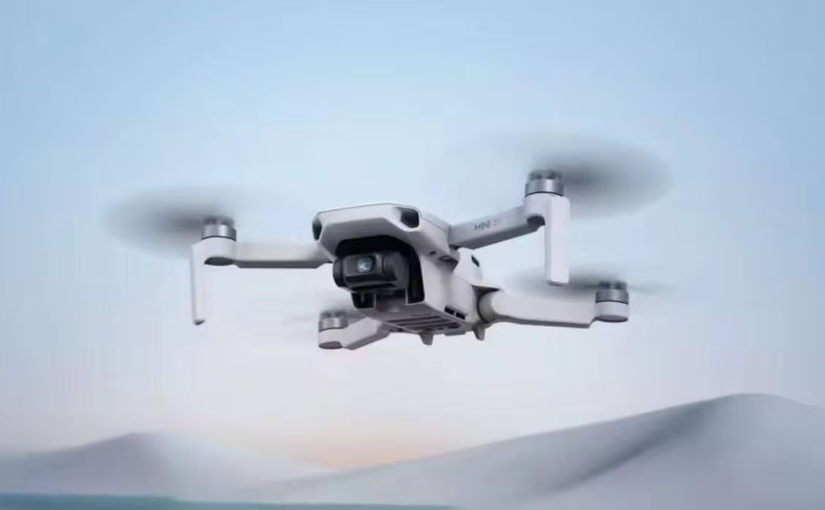
Is the dji mini 4k worth buying? full beginner decision guide explained

Understanding DJI Mini 4K and Its Different Versions

The DJI ecosystem can feel a bit confusing at first, especially when people search for dji mini 4k, dji mini 4k combo, dji mini 4k fly more combo, and dji mini 4k battery. In reality, these names mostly describe the same drone with different accessory bundles rather than completely different aircraft models.

The DJI Mini 4K is the base drone designed for lightweight aerial photography and travel filming. The combo versions simply change what is included in the package, especially batteries, charging hubs, and spare propellers. For many users in New Zealand, understanding these differences is more important than the drone itself because flight time and convenience depend heavily on the accessories you choose.

DJI Mini 4K Combo vs Fly More Combo Explained

When comparing dji mini 4k combo and dji mini 4k fly more combo, the main difference is the number of batteries and extra accessories included in the box. The Fly More Combo is designed for users who plan longer sessions and need more continuous flying time.

The dji mini 4k fly more combo price is usually higher, but it often provides better value over time because you get more batteries and a charging hub, which reduces downtime during outdoor shoots. For travel in New Zealand, where landscapes are wide and charging access may be limited, the Fly More option is often more practical.

DJI Mini 4K Phone Compatibility and Ease of Use

A key concern for new users is dji mini 4k phone compatibility. The drone connects through a controller that links with most modern smartphones, including both iOS and Android devices. This allows real-time video transmission and full flight control through a mobile app.

In everyday use, performance is generally smooth as long as the phone is not outdated. For users in New Zealand who often film beaches, mountains, or forests, a stable phone connection is important for maintaining clear video feedback during flight.

How Far Will a DJI Mini 4K Go in Real Conditions

Many people ask how far will a dji mini 4k go. Technically, the drone has a strong transmission system that allows long-distance control and video streaming in ideal environments. However, real-world range depends on interference, weather, and terrain.

In open areas like rural parts of New Zealand, you may get stronger signal performance than in cities. Still, most responsible users fly within visual line of sight to ensure safety and compliance with local drone regulations.

Can DJI Mini 4K Fly at Night Safely

The question can dji mini 4k fly at night is common among users interested in cinematic shots. The drone is capable of flying in low-light conditions, but night flying requires extra caution because visibility is reduced and obstacles are harder to detect.

In practice, many users prefer flying during sunset or twilight rather than full darkness. This gives better lighting for video while still maintaining safer visibility conditions, especially in natural environments across New Zealand.

DJI Mini 4K vs Mini 3 Differences

When comparing what is the difference between mini 3 and mini 4k and dji mini 4k vs mini 3, the main differences are in imaging capability and feature set.

The DJI Mini 3 generally offers more advanced photography features and more flexible shooting options, while the DJI Mini 4K focuses on delivering solid 4K video performance in a simpler and more affordable package. The term dịji mini 3 is often used in search queries but refers to the same Mini 3 lineup from DJI.

For casual users in New Zealand who want travel footage and simple aerial shots, the Mini 4K is usually enough. For more advanced creators, the Mini 3 may provide additional creative control.

DJI Mini 4K Battery Performance and Flight Time

The dji mini 4k battery is designed for short to medium flight sessions depending on wind conditions, camera settings, and flying style. Strong winds or continuous high-speed flying can reduce total flight time.

This is why many users prefer the Fly More Combo, since having multiple batteries allows longer shooting sessions without interruptions. For outdoor filming in New Zealand, extra batteries are especially useful when traveling to remote areas.

Is DJI Mini 4K Worth Buying

The question is the dji mini 4k worth buying depends on user needs. For beginners, travelers, and casual content creators, it offers a balanced combination of simplicity, portability, and decent video quality.

In New Zealand, it is especially suitable for capturing landscapes, coastal views, and outdoor adventures. It is lightweight, easy to carry, and does not require advanced drone experience, making it a strong entry-level option.

However, users who want more advanced camera control or professional-level features may eventually consider higher-end models.

DJI Mini 4K Fly More Combo Review and Final Thoughts

In real-world use, the dji mini 4k fly more combo review feedback is generally positive, especially regarding convenience and extended flight time. The additional batteries and charging accessories make a noticeable difference during travel or outdoor shooting sessions.

While the dji mini 4k fly more combo price is higher than the base version, it often provides better long-term value for active users who fly frequently. Combined with stable phone compatibility, reliable range, and easy controls, the DJI Mini 4K system remains a strong choice for beginners and travel creators in New Zealand looking for simple but capable aerial filming.

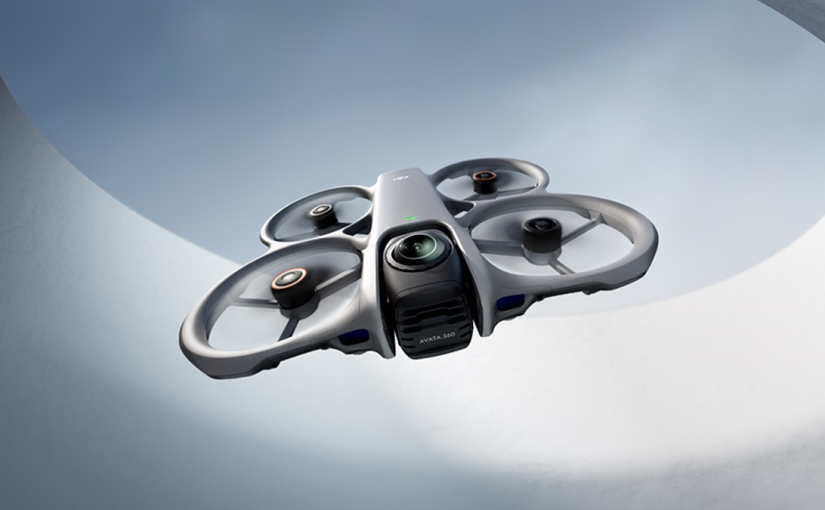
Is DJI Avata 360 Worth Buying? Full Analysis of Performance and Control Experience

A New Era of Compact FPV Innovation

As consumer interest in drones, wearable technology, and immersive content creation continues to grow, DJI Avata 360 has quickly become a device attracting attention among tech enthusiasts and content creators alike. With the rising popularity of travel vlogging, outdoor adventures, and social media video production, users are increasingly searching for compact yet powerful flying cameras that can capture unique perspectives.

DJI Avata 360 combines the thrill of first-person-view flying with an aerodynamic and durable design. Unlike traditional camera drones that focus primarily on aerial photography, this model is built to deliver a highly immersive flying experience while remaining approachable for a wide range of users. Its compact frame, integrated propeller guards, and rugged construction make it suitable for both indoor and outdoor environments.

Modern Design Built for Adventure

One of the most appealing aspects of DJI Avata 360 is its distinctive appearance. The streamlined body is engineered for agility and protection, allowing pilots to navigate tight spaces with confidence. The enclosed propeller design not only enhances safety but also improves durability during challenging flights.

This design philosophy aligns well with current consumer electronics trends, where portability and durability have become major purchasing factors. Whether documenting coastal landscapes, mountain trails, or urban architecture, users increasingly value devices that can be carried easily without sacrificing performance.

As long-term ownership becomes more important, many users also research DJI Avata flight battery replacement guide for extended flying time to ensure the drone remains reliable after months or years of regular use.

Powerful Performance for Creative Content

The demand for high-quality video production continues to increase as short-form video platforms dominate online engagement. DJI Avata 360 addresses this demand with advanced imaging capabilities and responsive flight performance.

The drone is designed to capture smooth footage even during dynamic movements, making it ideal for action sports, travel documentaries, and cinematic storytelling. Its flight system enables stable operation while maintaining the agility needed for immersive FPV-style recordings.

Recent technology discussions have highlighted how creators are seeking alternatives to bulky camera setups. Devices like DJI Avata 360 fit perfectly into this trend by offering professional-looking results from a compact platform. This balance between portability and performance has become a defining factor in modern consumer electronics purchasing decisions.

Smart Features That Simplify Flying

Beyond raw performance, DJI Avata 360 incorporates intelligent features that help users focus on creativity rather than technical complexity. Advanced stabilization technologies, intuitive controls, and automated flight assistance functions contribute to a more accessible experience for beginners while still satisfying experienced pilots.

Artificial intelligence and automation remain major talking points across the technology sector. Consumers increasingly expect smart assistance features in everything from smartphones and wearables to drones and cameras. DJI Avata 360 reflects this broader trend by integrating technologies that reduce learning curves and improve operational confidence.

As ownership periods extend, searches for best replacement battery for DJI Avata long flight sessions continue to rise among users who want to maximize their flying opportunities during travel and outdoor activities.

Why Battery Longevity Matters to Drone Enthusiasts

Battery performance remains one of the most discussed topics in the drone community. Flight duration directly influences shooting flexibility, especially when filming large landscapes or extended outdoor adventures.

For content creators who spend entire days capturing footage, maintaining strong battery health becomes an important part of the overall ownership experience. Many users therefore look for reliable battery upgrade information and compatibility resources when planning future purchases.

This explains the growing popularity of searches such as high capacity drone battery replacement compatible with DJI Avata series, particularly among enthusiasts seeking longer recording sessions and greater operational convenience.

A Standout Device in Today’s Technology Landscape

The broader consumer electronics market is increasingly centered around immersive experiences. Virtual reality, augmented reality, wearable cameras, and FPV drones are all benefiting from this shift in user preferences. Consumers no longer want to simply watch content; they want to experience it.

DJI Avata 360 stands out because it successfully bridges multiple technology trends at once. It delivers immersive flight, cinematic video capture, intelligent automation, and compact portability within a single platform. These qualities make it appealing not only to drone enthusiasts but also to travelers, outdoor explorers, and digital creators looking for fresh ways to tell stories.

As interest in experiential technology continues to expand, DJI Avata 360 is well positioned to remain a compelling choice for users who want to explore the future of aerial content creation while enjoying a more engaging and interactive flying experience.

How to Combine Modular Drone Aerial Shots with Handheld Videos

Sleek Design Meets Portability

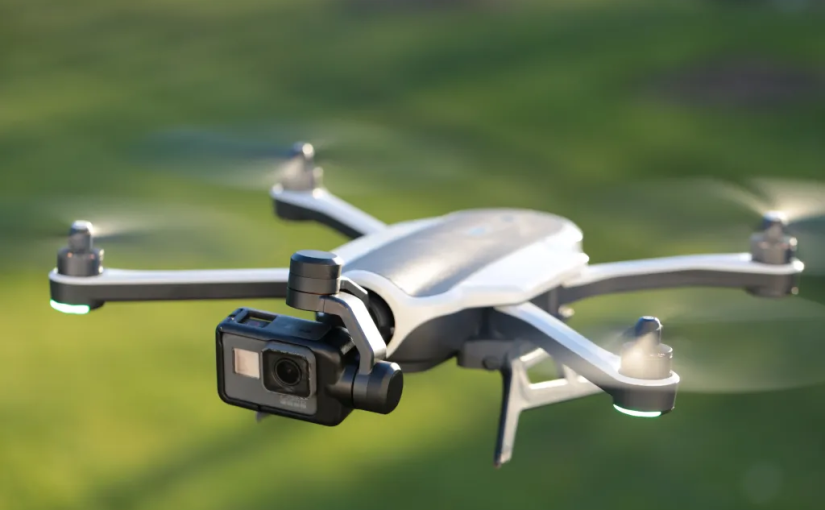
The GoPro Karma immediately stands out with its lightweight, foldable design that balances portability with durability. Its matte black finish and ergonomic grip make it comfortable to handle, whether you are hiking through rugged terrain or capturing a beachside surf session. The compact body doesn’t just look good—it’s engineered for convenience, allowing users to pack it alongside other travel gear without adding unnecessary bulk. This thoughtful design reflects the current trend in New Zealand toward versatile gadgets that combine style with functional mobility, especially as outdoor and adventure sports continue to gain popularity.

Powerful Performance for Stunning Footage

Performance is where the GoPro Karma truly shines. Equipped with a high-resolution camera, it captures smooth 4K video and detailed 12MP photos even in challenging lighting conditions. The drone’s stability is enhanced by its 3-axis gimbal, ensuring that footage remains steady during high-speed movement or in windy environments. For tech enthusiasts keeping up with the latest trends, this level of performance is comparable to what’s being highlighted in recent New Zealand tech expos and media reviews, where the emphasis is on devices that blend professional-quality output with ease of use. Incorporating high-capacity drone batteries for extended flight times ensures adventurers can spend more time in the air capturing breathtaking scenes without frequent interruptions.

Smart Features That Simplify Filming

The GoPro Karma comes with intelligent features that make filming more intuitive and creative. Its GPS-assisted flight paths, follow-me mode, and automated return-to-home function allow users to focus on their shots rather than complex controls. These smart capabilities are especially appealing as New Zealand’s content creators increasingly explore cinematic drone footage for social media trends and travel vlogs. Additionally, the Karma’s compatibility with wearable mounts and smartphones enhances its versatility, supporting a growing demand for devices that seamlessly integrate into a broader ecosystem of tech gadgets. The integration of portable drone charging solutions means that on-the-go users can recharge efficiently while exploring remote locations.

Highlights That Set It Apart

One of the standout features of the Karma is its modular design, allowing the camera to be detached from the drone and used handheld. This flexibility is perfect for users who want to switch between aerial and ground-level filming without carrying multiple devices. The Karma also supports live streaming, opening up opportunities for real-time sharing of extreme sports, nature hikes, or city adventures, which aligns with the high-interest topics trending on New Zealand tech blogs. For those concerned about uninterrupted shooting, investing in extended drone flight batteries for seamless aerial recording enhances the experience, ensuring users capture every critical moment without downtime.

A Device That Resonates With Modern Lifestyles

The GoPro Karma is more than just a drone—it’s a lifestyle accessory for adventurers, creators, and tech-savvy enthusiasts. Its design, performance, and smart features make it an appealing choice for those looking to document their experiences in a high-quality and innovative way. With trends in New Zealand focusing on outdoor content creation, sustainability, and versatile tech, the Karma fits perfectly into this evolving narrative, offering both fun and professional utility.

The GoPro Karma demonstrates how modern drones can merge portability, intelligent features, and reliable performance into one compelling package, appealing to those who want to explore, create, and share with confidence.

An Entry-Level Professional Aerial Filming Solution for Achieving Cinematic Footage

A Striking Presence in the Skies

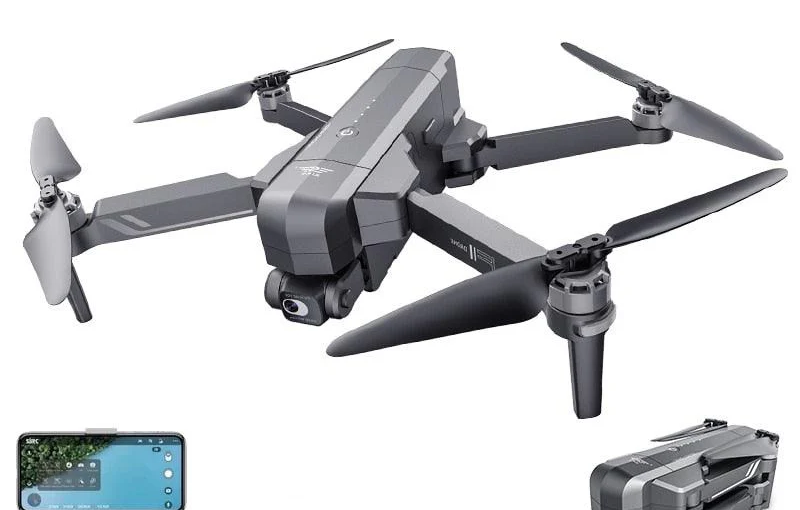
The SJRC F11 Drone immediately catches the eye with its sleek, aerodynamic design that seems as ready for adventure as the modern tech enthusiast. Its clean, minimalist lines and compact folding arms make it easy to carry from Auckland’s urban edges to the wild expanses of the Southern Alps. Unlike many bulky drones, the F11 blends portability with a confident look that screams performance. The color scheme of graphite and white gives it a professional edge, while thoughtfully designed LEDs help with orientation and visibility — a subtle but practical feature for sunset flights along the coast.

Performance That Matches Passion

At its core, the SJRC F11 is built for people who love capturing life from new angles. Powered by efficient motors and a stable flight controller, it handles crosswinds and sudden gusts better than you’d expect at this price point. Whether you’re filming a weekend hike or live-streaming an event, its intelligent flight modes — from orbit shots to waypoint navigation — elevate your creativity without demanding pro-level piloting skills. The 4K-capable camera stabilized on a three-axis gimbal delivers crisp footage, making your visual storytelling sharper and more immersive.

In recent months, New Zealand’s outdoor lifestyle tech trend has leaned into drones not just as toys, but as tools for creators, farmers, and even real estate pros. The F11 fits right into this narrative, balancing ease of use with features serious users appreciate.

Staying in the Air: Power and Practicality

One of the hottest conversations around drones here revolves around how long you can stay airborne and how quickly you can get back up there once the battery runs low. That’s where awareness of high-capacity flight packs for consumer aerial gear becomes crucial — Kiwi pilots are increasingly searching for ways to extend their sessions without lugging bulky chargers on every trek. With the F11’s efficient power management, you’ll get solid flight times, and pairing it with quality accessories makes those longer shoots more reliable.

Beyond that, another trending topic among local drone communities is the search for safe battery swapping strategies for recreational flyers, especially as more people use drones for weekend adventures and travel blogging. While reliability always starts with good handling and flying practices, knowing how to manage your power sources smartly can make the difference between a five-minute clip and a full scenic exploration.

Smart Features That Feel Ahead of the Curve

What sets the SJRC F11 apart isn’t just its hardware — it’s the smooth integration of intelligent features that feel ahead of their time. Automatic return-to-home ensures your gear comes back safely if signal weakens or battery dips, while follow-me modes let you capture dynamic action shots without fussing with controls. For those exploring local hotspots — maybe filming paddleboarding at Lake Taupō or scenic drives through Coromandel — these intelligent modes turn complex shots into simple button presses.

Connectivity with mobile apps adds another layer of convenience, letting you preview shots in real-time and adjust settings on the fly. These digital features resonate with the growing trend in New Zealand toward interconnected personal tech that’s both powerful and intuitive.

Why the F11 Is More Than Just “Another Drone”

In a tech landscape where gadgets come and go, the SJRC F11 earns attention by balancing design, capability, and smart usability. It’s not just a fun toy — it’s a tool that matches the adventurous, creative spirit of today’s tech-savvy users. As discussions around affordable extended flight solutions for hobbyist pilots grow, drones like the F11 are positioned right at the heart of what enthusiasts care about: performance that inspires, technology that’s accessible, and experiences that help you see the world anew.

Whether soaring above beach trails or capturing time-lapse sunsets over volcanic lakes, the SJRC F11 brings a fresh perspective to your storytelling — and it’s no wonder people are talking about it across social feeds and forums alike.

Explore Stable Drone Flights in Mountainous and Coastal Environments

Sleek Design Meets Portability

The DJI Mavic Pro Intelligent Flight immediately catches attention with its compact, foldable design. Its sleek, metallic body not only provides durability but also ensures portability, making it ideal for outdoor adventures. In a time when New Zealand consumers are increasingly exploring tech gadgets that combine performance with convenience, the Mavic Pro stands out as a device that can effortlessly travel from urban settings to remote landscapes without compromising on stability or aesthetics.

Advanced Flight Capabilities

Equipped with intelligent flight modes, the DJI Mavic Pro allows users to capture cinematic shots with ease. Features like ActiveTrack, TapFly, and Gesture Mode give pilots unparalleled control over their aerial photography. Enthusiasts in New Zealand, especially those participating in travel vlogs or documenting local events, appreciate the ability to film smoothly without requiring extensive technical expertise. Additionally, the drone’s compact yet powerful motors provide impressive stability even in breezy coastal areas, which is increasingly relevant given the rising interest in outdoor content creation.

Smart Features Enhancing User Experience

Beyond basic flight, the DJI Mavic Pro integrates several smart features designed to enhance safety and convenience. Obstacle avoidance sensors ensure a collision-free flight path, while the Return-to-Home function provides peace of mind in case of signal loss. Tech enthusiasts often search for high-capacity drone battery replacement options to maximize flight time, ensuring longer sessions without interruptions. These features align perfectly with the growing trend in New Zealand toward smarter, more autonomous consumer electronics that simplify user interaction.

Capturing Stunning Visuals

The Mavic Pro’s camera system, featuring a stabilized gimbal and high-resolution sensor, allows users to shoot ultra-clear photos and 4K video. Whether capturing the rugged Southern Alps or vibrant cityscapes in Auckland, the drone delivers professional-level imagery. Many local creators are increasingly exploring ways to extend their drone operation, leading to searches for fast-charging flight batteries for extended aerial photography, reflecting the desire to maintain creative momentum without downtime.

Why It Stands Out

What truly sets the DJI Mavic Pro apart is its combination of portability, intelligent automation, and high-quality imaging. New Zealand’s tech-savvy audience is particularly drawn to gadgets that combine fun with utility, and the Mavic Pro does just that. Additionally, with the rising popularity of drone-based tourism content, there’s a growing interest in replacement battery packs compatible with intelligent drones, allowing enthusiasts to stay airborne longer and capture more moments without interruption.

The DJI Mavic Pro Intelligent Flight is more than just a drone; it’s a versatile creative tool. Its compact design, intelligent flight modes, and top-tier camera capabilities cater perfectly to New Zealand users seeking a blend of performance, convenience, and innovation. For those looking to expand their aerial photography potential, exploring compatible high-capacity batteries and efficient charging solutions ensures the Mavic Pro continues to deliver outstanding results, wherever the journey takes them.

Maximizing Your DJI Spark Experience: Battery Insights and Solutions

Understanding the DJI Spark Battery

The DJI Spark battery is a compact yet powerful energy source designed to keep your drone flying smoothly. Its lightweight construction and reliable power output make it suitable for aerial photography, videography, and recreational flying. Knowing how to care for your DJI Spark battery is essential for maintaining consistent performance and ensuring safety during each flight.

Common Issues: DJI Spark Battery Not Charging

One of the most frequent problems users encounter is when the DJI Spark battery not charging properly. This can result from several factors, including a worn-out charger, damaged connectors, or extreme temperature conditions. Before panicking, check the battery contacts for debris, ensure the charging port is clean, and verify that the power source is functioning correctly. Sometimes, a simple reset by disconnecting and reconnecting the battery can resolve minor charging issues.

When to Consider DJI Spark Battery Replacement

Over time, even the most reliable batteries degrade, leading to shorter flight times or charging difficulties. In such cases, a DJI Spark battery replacement might be necessary. Replacing the battery ensures optimal performance and safety, especially for users who rely on extended flight sessions. It’s recommended to monitor battery health regularly and follow proper storage practices to prolong its lifespan.

Tips for Extending Battery Life

To maximize the lifespan of your DJI Spark battery, avoid fully depleting the battery during use and never leave it connected to the charger for extended periods. Store the battery in a cool, dry environment and perform regular balance charging if possible. By adopting these practices, you can maintain stable performance and reduce the likelihood of encountering a DJI Spark battery not charging issue.

Enhancing Your Flight Experience

Beyond battery maintenance, integrating other accessories such as propeller guards, landing pads, or spare batteries can greatly enhance your overall DJI Spark experience. Having a well-maintained DJI Spark battery and knowing when a DJI Spark battery replacement is needed allows you to focus on capturing stunning aerial footage without interruptions.

Unlocking Flight Time: Everything You Need to Know About Drone Battery and Which DJI Drone Has the Longest Battery Life

When it comes to drones, one of the most critical factors determining user experience is the drone battery. A drone’s battery life directly impacts how long you can fly, capture footage, or explore before needing to recharge. Understanding drone battery technology and identifying which model offers the best endurance can greatly enhance your flying adventures. In this article, we will delve into the essentials of drone battery and which DJI drone has the longest battery life, along with tips on maximizing flight time.

Understanding Drone Battery Technology

The core component powering all drones is the drone battery, typically a lithium-polymer (LiPo) battery known for its lightweight and high energy density. These batteries allow drones to achieve longer flights without being too heavy to hinder performance. However, flight duration depends on several factors including battery capacity (measured in milliamp hours, mAh), drone weight, motor efficiency, and weather conditions.

A higher capacity battery usually means more flight time, but it can also add extra weight, which might reduce efficiency. Modern drones balance these elements carefully to deliver optimal performance. Additionally, smart battery management systems in drones help monitor and protect the battery from overcharging or overheating, extending battery lifespan and ensuring safety.

Which DJI Drone Has the Longest Battery Life?

For enthusiasts curious about which DJI drone has the longest battery life, the answer lies with DJI’s flagship models designed for extended flight time. Among DJI’s lineup, the DJI Mavic 3 series stands out for its exceptional battery endurance. This drone can achieve up to approximately 46 minutes of flight on a single charge, surpassing many other consumer models.

This extended battery life allows users to spend more time capturing high-quality aerial footage without frequent interruptions to swap or recharge batteries. Such performance is made possible by advanced battery technology and efficient drone design that optimizes power consumption during flight.

Factors Affecting Real-World Battery Performance

While manufacturers provide estimated flight times, real-world battery life may vary due to various conditions. Wind, temperature, payload weight (such as cameras or accessories), and flying style (aggressive maneuvers vs. steady cruising) all influence how long a drone battery will last during use.

Cold weather can reduce battery efficiency and shorten flight time, while carrying extra equipment can increase energy consumption. Pilots should always account for these factors and plan flights conservatively to avoid mid-air power loss.

Tips to Maximize Drone Battery Life

To get the most out of your drone battery, certain practices can help extend flight time and preserve battery health. First, fully charging the battery before use ensures maximum capacity. Avoid completely draining the battery, as this can harm its longevity.

Storing batteries in a cool, dry place and using smart chargers designed for drone batteries helps maintain their condition. Also, flying in optimal weather conditions and avoiding unnecessary aggressive flying can conserve battery power during operation.

Conclusion

In summary, the drone battery is a pivotal element determining how long and effectively your drone can operate. Among DJI’s impressive range of drones, identifying which DJI drone has the longest battery life points to the Mavic 3 series, with its nearly 46 minutes of flight time. Being mindful of external factors and proper battery care can help pilots enjoy longer, safer flights. Whether you’re capturing stunning landscapes or exploring new heights, understanding drone battery basics ensures you stay airborne longer and get the most from your flying experience.