Samsung Galaxy Z Fold 8 Faces a New Challenge From Apple’s Foldable iPhone

A New Chapter for Foldable Phones in New Zealand

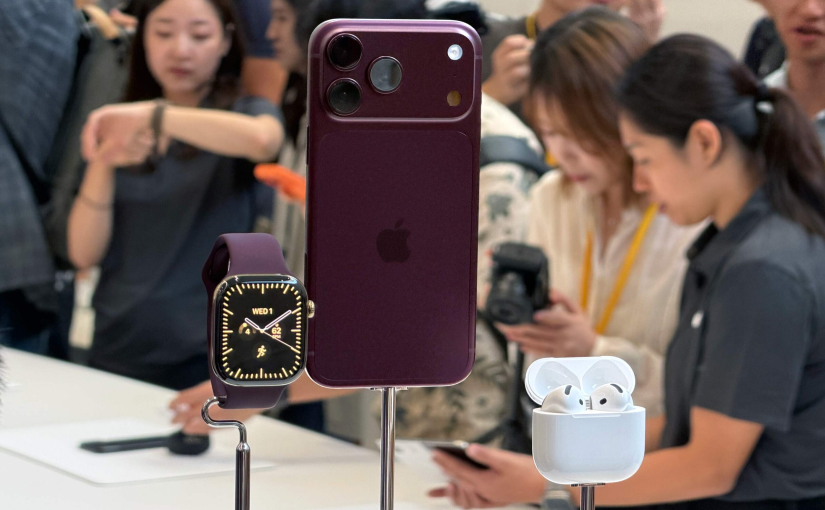
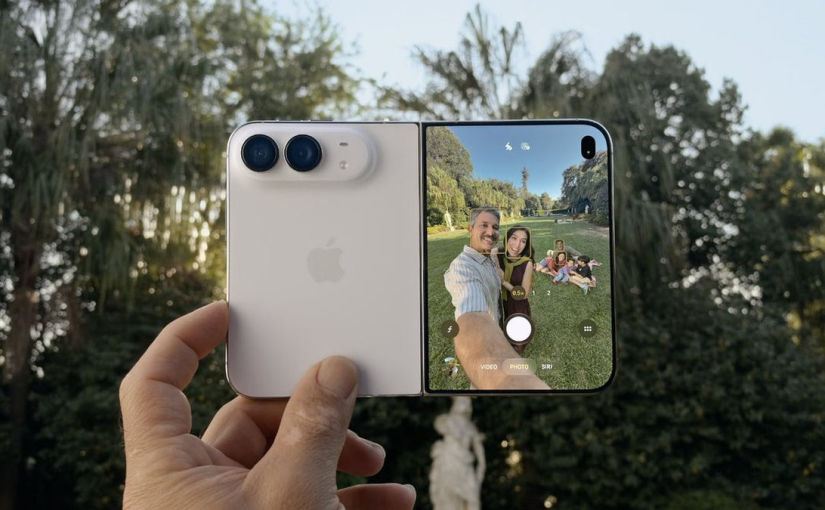
Foldable smartphones have been evolving for years, but September 2026 has brought a major change to the conversation. Apple has now entered the foldable smartphone market with the iPhone Duo, putting one of the world’s most recognisable smartphone brands directly into a category where Samsung has already built a strong presence.

For New Zealand consumers, the timing is particularly interesting. The local technology market is relatively small compared with the United States, China or larger Asian markets, but New Zealanders are enthusiastic users of smartphones, mobile photography, streaming services, social media and connected devices. A new generation of foldable phones could therefore influence how people think about premium smartphones, productivity and mobile entertainment.

Apple’s iPhone Duo has attracted international attention with its foldable design, while Samsung is continuing to promote the Galaxy Z Fold8 as an established option in the category. Apple’s New Zealand pricing has also become part of the discussion, with the iPhone Duo starting at NZ$4,199 according to 1News.

The competition is no longer simply about specifications. It is becoming a battle over how consumers imagine the future of the smartphone.

Apple Finally Enters Samsung’s Territory

Samsung has spent years developing foldable smartphones, giving the company considerable experience with flexible displays, hinges, multitasking and large-screen mobile designs.

Apple’s arrival changes the market dynamic. The iPhone Duo combines a conventional smartphone form when closed with a much larger internal display when opened. Apple describes it as its largest iPhone display in a foldable design, with a 48MP dual-camera system and A20 Pro chip.

For consumers who have never owned a foldable phone, Apple’s approach could make the category more familiar. Many iPhone users already understand the company’s software ecosystem, accessories and services. Moving to a foldable iPhone could therefore feel less like switching to a completely different type of device and more like upgrading within an existing ecosystem.

That could matter in New Zealand, where consumers often use their phones for banking, navigation, communication, photography, entertainment and work throughout the day.

Samsung Has a Head Start

Samsung’s advantage is experience.

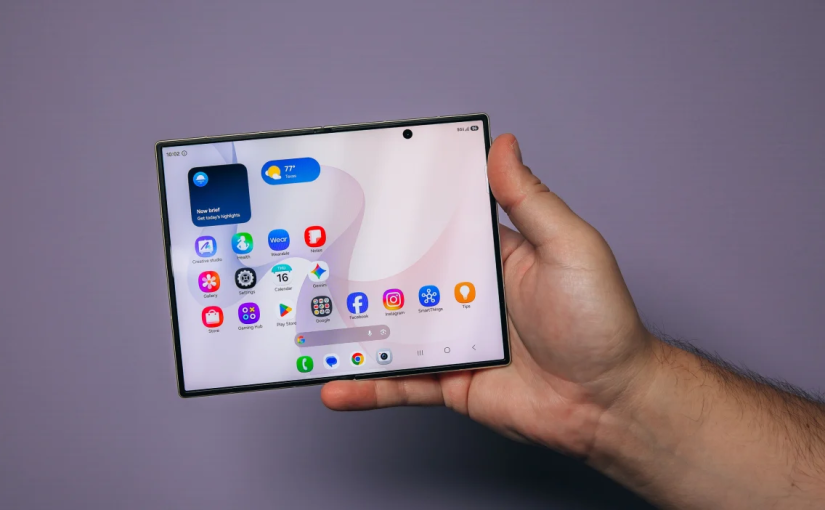
The Galaxy Z Fold series has been developing since the early years of modern foldable smartphones. The Galaxy Z Fold8 continues that product line with a large 7.6-inch foldable display and Snapdragon 8 Elite Gen 5 processor, alongside Galaxy AI features.

That history gives Samsung an important position in the market. It has already had years to refine the hardware concept and demonstrate how a large folding phone can function as both a communication device and a compact productivity machine.

For New Zealand professionals, this is one of the most interesting aspects of the Galaxy Z Fold8. A larger screen can make it easier to review documents, manage email, browse websites, edit photos or work with multiple applications without carrying a tablet.

Apple is now asking consumers whether it can offer a similar experience while maintaining the simplicity associated with the iPhone.

The Real Difference May Be the Software

Hardware specifications are easy to compare. The more complicated question is how each phone feels after several months of everyday use.

Foldable phones are not simply larger smartphones. Their software needs to adapt to different screen sizes and orientations. A user may begin reading an email on the outside screen, open the phone and continue on the larger display, then switch to another application.

Samsung has had considerable time to develop this style of multitasking. Apple is entering the category with its own approach to foldable software and the broader iOS ecosystem.

For New Zealand users, practical software features could become more important than raw processing power. Someone working between Auckland and Wellington, for example, might use a foldable phone to manage messages, maps, documents and video calls while travelling. A university student could use the larger screen for research, notes and entertainment.

The winning experience will ultimately depend on how naturally those activities fit into everyday life.

Battery Life Becomes More Important

Foldable displays create an interesting battery challenge. A larger internal screen can consume more energy, while the compact body places limits on how much battery capacity manufacturers can physically include.

That means battery efficiency is becoming an increasingly important part of the premium smartphone conversation.

The iPhone Duo is designed around all-day battery performance, while Apple is also using its latest-generation silicon and power-management technologies to balance performance with energy consumption.

For people researching replacement components or long-term device ownership, an iPhone battery can also become an important consideration. Battery health naturally declines over time, and high-performance smartphones can place significant demands on their power systems.

The same principle applies to Samsung’s foldable devices. A samsung smartphone battery has to support demanding displays, mobile processors, cameras, wireless connectivity and intensive multitasking.

For New Zealand consumers who regularly spend long days outdoors, travel between cities or use navigation and mobile data heavily, battery reliability can be just as important as screen size.

Photography Could Be Another Battleground

New Zealand is an unusually attractive environment for smartphone photography.

From the beaches of Northland to the Southern Alps, Milford Sound and the volcanic landscapes around Rotorua, there are countless situations where people want to capture high-quality photographs without carrying a dedicated camera.

Apple has positioned the iPhone Duo with a 48MP dual-camera system, while the Galaxy Z Fold8 continues Samsung’s focus on advanced mobile photography.

The foldable form factor itself could also create new possibilities. A partially folded phone can potentially act as its own stand, making hands-free photography and video recording more convenient.

That could be useful for travellers, families and content creators across New Zealand.

However, cameras also place significant demands on battery power. Extended video recording, high-resolution photography and bright displays can quickly consume energy. This makes efficient hardware design increasingly important.

When users eventually need to consider an iPhone battery for a device that has been heavily used for photography and video, battery condition may be just as relevant as camera specifications.

A More Interesting Competition for New Zealand Buyers

The competition between Apple and Samsung is particularly interesting because the two companies approach smartphones differently.

Apple emphasises integration between hardware, software and its wider ecosystem. Samsung offers a broader range of Android devices and has spent years experimenting with foldable designs.

For consumers, that means the decision is not simply about choosing between two screens.

An iPhone user may already own an Apple Watch, AirPods, MacBook or iPad. A Samsung user may use Galaxy Buds, Galaxy Watch, Galaxy tablets and other Android-compatible products.

The smartphone can therefore become the centre of a much larger technology ecosystem.

This is important in New Zealand because premium smartphones are significant purchases. Consumers may keep their devices for several years, making compatibility with existing technology and long-term software support meaningful considerations.

Samsung’s New Zealand Marketing Adds a Local Twist

Samsung’s response to Apple’s foldable launch has even included a distinctly New Zealand element.

Samsung Mobile New Zealand promoted the Galaxy Z Fold8 using a local man named Tim Cook, who happens to share the same name as Apple’s CEO. The playful campaign attracted international attention after Apple entered the foldable category.

The campaign illustrates how smartphone competition is increasingly becoming a cultural conversation rather than a purely technical one.

Instead of simply comparing processor speeds and camera specifications, brands are competing for attention through humour, social media and localised advertising.

For New Zealand consumers, seeing an international technology rivalry adapted to a local audience makes the launch feel much closer to home.

What Happens to Traditional Smartphones?

The arrival of another major foldable manufacturer does not mean traditional smartphones are disappearing overnight.

Many consumers still prefer a conventional design because it is familiar, generally lighter and often less expensive. A standard smartphone also has fewer moving parts and does not require users to adjust to a different screen format.

Foldables instead appeal to people who want more screen space without carrying a tablet.

This distinction could become increasingly important as prices, durability and battery efficiency improve.

If foldable phones become easier to manufacture and more accessible, they could eventually move beyond the premium market. But for now, the price of devices such as the iPhone Duo means they remain a significant investment for many shoppers.

What Should New Zealand Consumers Watch Next?

The most interesting development may not be which company sells more foldable phones. It may be how quickly consumers discover new reasons to use them.

A foldable phone could become a mobile office, entertainment screen, camera, navigation device and communication hub in one package.

At the same time, manufacturers will need to keep improving durability, battery longevity, charging speeds, hinge technology and software optimisation.

Battery technology will remain a particularly important part of this process. As screens become larger and smartphones become more powerful, consumers will continue to expect devices to last through long working days, travel, gaming, photography and streaming.

A samsung smartphone battery therefore represents more than a replacement component. It is part of the broader conversation about how long a premium smartphone can remain useful.

The Foldable Future Is Getting Real

Apple’s arrival has made foldable smartphones much harder to dismiss as a niche experiment.

Samsung already has years of experience in the category, while Apple’s entry brings enormous attention to the format. In New Zealand, the competition gives consumers more choice at the premium end of the smartphone market and creates new questions about what a phone should actually be.

The Galaxy Z Fold8 and iPhone Duo represent two different approaches to the same basic idea: a smartphone does not necessarily have to remain the size of a traditional smartphone.

For New Zealand technology enthusiasts, the next few years could be particularly interesting. As foldable displays become more refined, software becomes more adaptable and batteries become more efficient, the line between smartphone and tablet may continue to disappear.

The real test will happen outside launch events and advertising campaigns — in cafés in Auckland, offices in Wellington, university campuses in Christchurch, airports, hiking trails and homes across the country.

That is where consumers will decide whether foldable smartphones are simply an exciting premium category or the next major stage of mobile technology.

Could Real-Time Translation Make AirPods More Useful for New Zealanders?

A New Kind of Conversation

For years, wireless earbuds have been mainly about music, podcasts and phone calls. In 2026, that familiar picture is changing. Apple has positioned its latest AirPods as a more active part of everyday communication, with Live Translation becoming one of the headline features of the new AirPods 5.

For New Zealanders, the timing is particularly interesting. New Zealand is a highly connected country with strong international tourism, a diverse population and close links with Asia, Australia, Europe and North America. People regularly encounter different languages through travel, study, business, hospitality and family connections. A pair of earbuds that can help bridge language gaps could therefore have a much broader role than simply providing wireless audio.

Apple announced AirPods 5 in September 2026, with Live Translation, improved Active Noise Cancellation and hands-free Siri capabilities. In New Zealand, the new AirPods 5 start at NZ$249, while AirPods 5 with a Wireless Charging Case are priced at NZ$299. Availability is scheduled for 18 September.

The question is no longer whether earbuds can translate. The more interesting question is whether real-time translation can become useful enough to change how New Zealanders communicate.

How Live Translation Works

Apple’s Live Translation is designed to work through a combination of compatible AirPods, an Apple Intelligence-enabled iPhone and Apple’s Translate technology. Users can start a translation through the Translate app, an iPhone Action button or by using Siri. Once activated, translated speech can be heard through the AirPods.

The system is intended to make conversations feel more natural rather than forcing both people to constantly look at a phone screen. Apple says Live Translation can be used for conversations in which users hear another language translated into their preferred language.

That distinction matters.

Traditional translation apps often require users to take out their phone, open an application, select languages and pass the device back and forth. That can work well when someone needs a single sentence translated, but it can become awkward during a longer conversation.

Earbuds change the interaction. The phone becomes the processing and display device while the earbuds become the personal audio interface.

For someone in Auckland speaking with an overseas visitor, for example, translation could happen while both people continue to focus on the conversation instead of the screen.

Why This Could Matter in New Zealand

New Zealand’s geography makes international connections particularly important. Auckland is a major international gateway, while Queenstown, Rotorua, Wellington and Christchurch attract visitors from many countries.

Tourism is one obvious area where translation technology could become useful.

Imagine a hotel employee helping a visitor who speaks limited English. Instead of repeatedly typing sentences into a translation application, the employee could potentially use a compatible Apple setup to support a spoken conversation.

The same principle could apply in restaurants, shops, airports and tourist attractions.

There are also everyday situations that have nothing to do with tourism. New Zealanders may communicate with friends, relatives, colleagues or classmates who speak another language at home. Students may encounter international classmates, while businesses increasingly communicate with overseas customers and suppliers.

In these situations, translation does not necessarily need to be perfect to be useful. Even reducing the friction of a conversation could make a difference.

Travel Could Be One of the Biggest Use Cases

New Zealanders are well known for travelling internationally, partly because the country’s location makes overseas trips a significant part of many people’s travel plans.

For travellers, translation earbuds could become another item alongside passports, phones, chargers and travel adapters.

Consider a trip through Japan, France, Spain or another country where English is not always the dominant language. Ordering food, asking for directions, checking into accommodation or dealing with an unexpected problem can become stressful when communication breaks down.

A smartphone translation app already solves some of these problems. AirPods could make the process feel less disruptive.

Instead of holding a phone between two people, travellers could potentially listen to translated speech while maintaining eye contact with the person speaking.

That could be particularly useful in situations where communication needs to remain relatively natural.

However, travellers should not assume that translation technology will replace basic preparation. Language availability, internet access, device compatibility and regional restrictions can affect how features work. Apple also notes that some features may not be available in every region or language.

The Importance of Battery Life

As earbuds become more capable, battery life becomes increasingly important.

Music playback is relatively simple. A user might listen for an hour during a flight or commute and put the earbuds back in the case. Translation is potentially different because it can involve continuous audio processing, communication between the earbuds and iPhone, and other computational tasks.

That makes an AirPods battery an important part of the overall experience.

A translation feature is only useful when the earbuds have enough power to remain available throughout a conversation. Someone travelling across New Zealand or spending an entire day exploring a city may not want to discover that their earbuds are nearly empty just when they need translation.

Apple says the AirPods 5 with Wireless Charging Case offer longer battery life than the standard model, while the new generation also introduces other power-related improvements.

For consumers, this creates an interesting shift. Battery capacity may become less of a technical specification hidden in the background and more of a factor in deciding whether smart earbuds are suitable for travel, work or communication.

AirPods Are Becoming More Than Audio Devices

The bigger story is not simply translation.

Apple’s latest AirPods combine audio, voice interaction, noise cancellation, Siri and translation. That means earbuds are gradually becoming an interface between people and their digital services.

The development follows a wider technology trend. Smartphones once replaced separate cameras, MP3 players, GPS devices and digital organisers. Smart earbuds could similarly absorb functions that previously required separate applications.

For New Zealand users, this could make earbuds particularly attractive because they are small, lightweight and easy to carry.

A traveller does not need to add another dedicated translation device to a luggage bag. A student does not need to carry a separate language gadget. A business traveller may already have an iPhone and wireless earbuds.

The technology is therefore building on something consumers already own.

Noise Cancellation Could Make Translation More Practical

Translation accuracy is only one part of the equation. Hearing the translated speech clearly is equally important.

New AirPods 5 introduce Active Noise Cancellation in an open-ear design, with Apple claiming up to 50 per cent more external noise reduction than AirPods 4 with ANC under its testing conditions.

This could matter in busy New Zealand environments.

A conversation at a crowded Auckland café, a railway station, an airport terminal or a busy tourist attraction presents an obvious challenge for any voice-based translation system. Background noise can make it harder to understand what another person is saying and harder for the user to hear the translated response.

Better noise management could therefore make translation feel more practical in real-world environments.

At the same time, open-ear earbuds still allow users to remain aware of their surroundings. That can be valuable when walking through cities, travelling or moving around busy public spaces.

Privacy Will Remain an Important Question

Real-time translation also introduces questions about privacy.

A conversation can contain names, addresses, financial information, business details or other sensitive information. Users may reasonably want to know what happens to spoken conversations when translation technology is involved.

Apple has highlighted privacy and on-device processing as important parts of its broader Apple Intelligence approach, but the exact technology used can vary depending on the feature and device. Users should therefore check the specific requirements and privacy information associated with Live Translation before relying on it for sensitive conversations.

This is especially relevant for businesses.

A tourist asking where the nearest train station is presents little privacy concern. A lawyer, doctor, financial professional or company executive discussing confidential information faces a very different situation.

The convenience of translation should not automatically override the need for appropriate privacy practices.

What About New Zealand’s Language Landscape?

Another interesting question is which languages will matter most locally.

English is overwhelmingly important in New Zealand, but the country is also home to Māori and New Zealand Sign Language as official languages, alongside communities speaking many other languages.

Apple’s current Live Translation language support is not the same thing as comprehensive support for every language used in New Zealand. Apple’s announcement lists supported languages and notes that availability can vary by region and feature.

That means New Zealand consumers should distinguish between the idea of translation technology and the languages a particular product actually supports.

The technology may become increasingly powerful, but usefulness depends on whether it supports the conversations users actually want to have.

Could This Change Everyday Earbud Buying Decisions?

For years, consumers often chose wireless earbuds based on sound quality, comfort, battery life and price.

Translation introduces another category: communication features.

A New Zealander who rarely encounters another language may see Live Translation as an interesting extra. Someone who travels frequently or works in an international environment could consider it much more important.

That could gradually change how people compare earbuds.

Instead of asking only whether a model sounds better, shoppers may ask whether it works with their phone, which languages it supports, how long it lasts, whether the charging case is convenient and whether translation works in the places they visit.

Battery performance will remain part of that equation. A capable AirPods battery supports the basic promise that smart features should be available when users need them, rather than becoming another function that has to be carefully managed throughout the day.

A Glimpse at the Future of Communication

Live Translation on AirPods is still an emerging technology rather than a perfect replacement for human interpreters.

Accents, background noise, slang, technical terminology and fast conversations can all create challenges. Translation systems can also misunderstand context, and users should be cautious when accuracy has serious consequences.

But the direction is significant.

The most interesting part of Apple’s latest AirPods may not be the earbuds themselves. It may be the idea that translation can disappear into the background.

Instead of thinking about translation as an application that users deliberately operate, technology could eventually make it feel like an ordinary part of conversation.

That could be particularly meaningful in a country like New Zealand, where tourism, international education, migration, business and overseas travel create countless opportunities for people speaking different languages to meet.

What New Zealand Consumers Should Watch

For shoppers considering the new AirPods 5, several questions are worth asking before making a decision.

First, check whether the user’s iPhone supports the necessary Apple Intelligence features. Second, confirm that the desired translation languages are supported. Third, consider whether the earbuds will mainly be used at home, while commuting, during travel or in professional situations.

Battery expectations should also be realistic. Heavy use of smart features can make power management more important than it was with traditional wireless earbuds. The charging case can therefore be just as important as the earbuds themselves.

The new AirPods battery story is ultimately about more than hours of music playback. It is about how much intelligence and connectivity a tiny wearable device can deliver before it needs to return to its case.

The Next Step for Smart Earbuds

AirPods began as a convenient way to listen without wires. They have since evolved into devices capable of interacting with phones, assistants and increasingly sophisticated software.

With Live Translation, that evolution takes another step.

For New Zealanders, the feature has obvious potential in tourism, travel, education and international communication. It will not eliminate language barriers overnight, and it will not replace professional interpreters in situations where precision is essential.

But it could make many everyday conversations easier.

As Apple prepares to bring AirPods 5 to New Zealand stores on 18 September, the conversation around wireless earbuds is moving beyond sound quality. The real question is becoming what people want their earbuds to help them do.

If translation becomes reliable, fast and simple enough, the answer may be much bigger than listening to music.

It could be communication itself.

GoPro’s Latest Action Cameras Target New Zealand’s Outdoor Technology Crowd

New Zealand has never been short of spectacular places to explore. From the surf breaks of Raglan and the mountain trails of Queenstown to the volcanic landscapes around Rotorua and the dramatic coastlines of the South Island, outdoor life is deeply connected to the country’s technology culture. For many Kiwi travellers, creators and weekend adventurers, a smartphone is no longer enough to capture those experiences.

That is helping action cameras remain relevant in 2026.

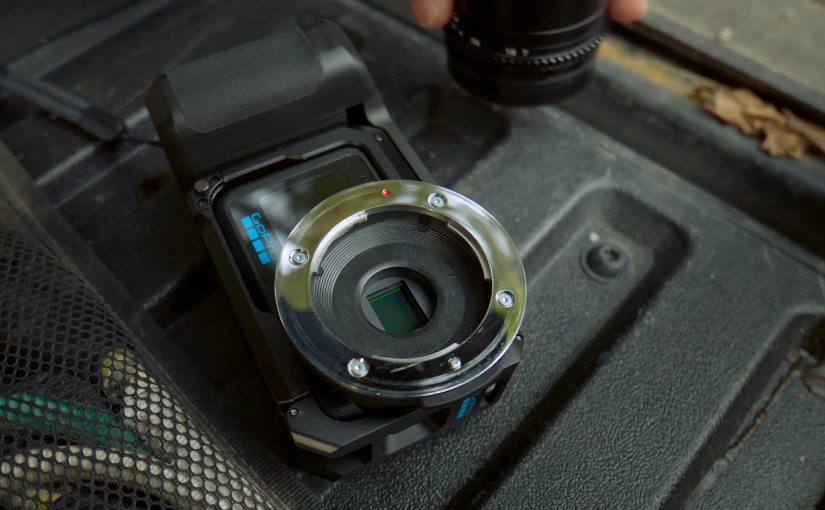
GoPro is entering a particularly interesting period. The company has expanded beyond its traditional Hero action-camera identity with the Mission 1 series, including the Mission 1 Pro and the Mission 1 Pro ILS. GoPro describes the new generation as a move toward compact cinema cameras, with higher resolutions, larger sensors and more professional capabilities.

For New Zealand consumers, the timing is notable. Outdoor recreation, travel content and short-form video continue to create demand for cameras that are small enough to carry anywhere but powerful enough to handle demanding environments.

Why Action Cameras Still Matter in New Zealand

Smartphones have transformed everyday photography, but they are not always the ideal tool for adventure.

A phone can capture beautiful images during a walk through Wellington or a weekend trip to Queenstown. However, mounting a large smartphone to a mountain bike, surfboard or helmet is inconvenient. Water, dust, sudden movement and accidental drops also create obvious risks.

That is where compact action cameras have an advantage.

GoPro has built its reputation around cameras that can be carried into situations where conventional cameras may be impractical. The company’s current range includes compact HERO models, MAX 360 cameras and the newer Mission 1 family, giving consumers more choices depending on whether they want casual adventure footage or more professional filmmaking capabilities.

This flexibility fits New Zealand particularly well. A single weekend could involve cycling, hiking, kayaking, skiing or simply exploring a remote beach. Consumers increasingly want one camera that can adapt to all of those activities.

Mission 1 Changes the Conversation

The most interesting development is not simply another incremental action-camera upgrade.

GoPro’s Mission 1 series represents a more ambitious attempt to bridge the gap between rugged action cameras and professional video equipment. The Mission 1 Pro uses a larger sensor and is designed to deliver higher-end image quality while retaining a compact form factor. GoPro also introduced the Mission 1 Pro ILS with an interchangeable Micro Four Thirds lens mount, pushing the product further toward traditional cinema and mirrorless-camera territory.

That could attract a different group of New Zealand users.

A professional filmmaker working on a tourism project may want cinematic footage without carrying a full-sized camera rig. A YouTube creator may want a smaller secondary camera for difficult shooting positions. A mountain-bike filmmaker could benefit from a lightweight camera mounted directly to equipment.

The appeal is not necessarily about replacing every traditional camera. Instead, it is about giving creators another tool that combines portability with serious video capability.

The Kiwi Adventure Test

New Zealand provides an unusually demanding environment for outdoor cameras.

A camera might move from bright sunshine to heavy cloud within minutes. Coastal shoots can involve salt spray, while alpine locations can expose electronics to cold temperatures and rapid changes in weather.

For adventure users, durability therefore matters almost as much as image quality.

A camera that produces impressive footage in a studio but struggles when conditions become unpredictable has limited value for outdoor creators. This is one reason GoPro’s established reputation for rugged products remains important.

The company’s current lineup is designed around different activities, including surfing, diving, mountain biking, hiking, camping, snow sports and travel.

For Kiwi consumers, that broad activity focus makes sense. Outdoor photography is not restricted to professional athletes. Families, students, travellers and casual weekend explorers can all find reasons to use an action camera.

Battery Life Becomes Part of the Adventure

There is one part of an action camera that is easy to overlook until the moment it becomes critical: battery life.

Recording high-resolution video, stabilising footage and operating screens or wireless connections can consume considerable energy. A creator might begin a morning hike with a fully charged camera, only to discover that the battery has become the limiting factor before reaching the best viewpoint.

That is why carrying a spare GoPro camera battery can be just as important as carrying an extra memory card. For a full day outdoors, the ability to replace a depleted battery can mean the difference between recording an unforgettable moment and watching it disappear.

This is especially relevant for New Zealand adventures because many popular outdoor locations are far from convenient charging points. A photographer exploring a remote trail cannot simply stop at a café and recharge the camera.

Battery planning should therefore become part of the shooting plan.

High-Resolution Video Creates New Demands

The push toward higher-resolution video is another reason battery management deserves attention.

GoPro’s 2026 professional camera push is focused heavily on image quality, resolution, frame rates, low-light performance and processing power. The company has highlighted its new GP3 processor as a major part of this generation, with improvements aimed at professional creators.

Higher-performance recording can be exciting, but it also changes how people use cameras.

A creator recording occasional short clips may have very different battery requirements from someone filming continuously for a travel documentary. Someone capturing slow-motion mountain-bike footage may also put more pressure on the camera than a person recording a few landscape shots.

For that reason, a spare GoPro camera battery can provide useful flexibility when shooting conditions are unpredictable.

The practical lesson is simple: the more ambitious the video project, the more important it becomes to think about power before leaving home.

360-Degree Cameras Add Another Dimension

GoPro’s technology story is not limited to conventional action cameras.

The MAX2 360 has also become part of the company’s broader strategy. GoPro introduced the camera with True 8K 360-degree video, replaceable lens covers and features designed for creators who want greater freedom when deciding how to frame footage.

For New Zealand tourism content, 360-degree video has obvious potential.

Imagine standing at a viewpoint overlooking Milford Sound. Instead of deciding where to point the camera before recording, a 360-degree camera can capture the surrounding environment and allow the creator to determine the framing later.

The same concept works for mountain biking, skiing, road trips and water sports.

It also suits social media because creators can turn a single recording into multiple perspectives. A single adventure can therefore generate more content without requiring the camera operator to repeat the experience.

From Tourists to Content Creators

One of the biggest changes in consumer electronics is the growing overlap between ordinary users and content creators.

A decade ago, professional-looking video often required expensive cameras, lenses, tripods and editing equipment. Today, compact cameras allow ordinary travellers to produce footage that looks far more polished.

New Zealand is particularly suitable for this trend because tourism and outdoor recreation naturally generate visual stories.

A visitor hiking near Mount Cook may want to create a short travel video. A local surfer may record sessions for social media. A mountain biker may create a weekly channel documenting new trails.

The camera becomes less of a specialist product and more of an everyday creative tool.

GoPro’s move into compact cinema products reflects that broader shift. The company is no longer relying entirely on the idea that its customers are extreme athletes. It is increasingly targeting filmmakers, creators and enthusiasts who want professional capabilities in compact equipment.

The Importance of Accessories

The camera itself is only part of the equation.

Mounts, microphones, memory cards, protective accessories and spare batteries can dramatically change the experience of using an action camera.

A cyclist may need a secure handlebar mount. A surfer may prioritise waterproof accessories. A travel creator may care more about compact storage and fast battery changes.

Audio is also becoming increasingly important. High-quality video can lose much of its impact when wind noise or poor voice recording ruins the soundtrack.

GoPro’s 2026 product ecosystem includes wireless microphone options, gimbals and other accessories designed to expand the capabilities of its cameras.

For serious creators, building the right accessory kit may therefore be more valuable than simply buying the most expensive camera.

A More Competitive Action-Camera Market

GoPro is not operating alone.

Consumers now have access to increasingly capable products from brands such as DJI and Insta360. Smaller wearable cameras and 360-degree products have expanded the definition of what an action camera can be.

Recent 2026 camera comparisons show how compact POV cameras are becoming increasingly important for hands-free filming, while 360-degree cameras are also competing for the attention of creators.

That competition is good news for New Zealand consumers.

It means manufacturers have stronger reasons to improve stabilisation, battery performance, image quality, software and accessories. Consumers can choose equipment based on how they actually create content rather than simply buying the most recognisable brand.

GoPro’s challenge is to prove that its newest generation offers enough value to stand out in this increasingly crowded market.

GoPro’s Bigger Business Story

There is another reason GoPro has attracted attention in 2026: the company itself is going through a significant period of change.

GoPro announced a planned merger with Starman Optical, while founder and CEO Nick Woodman has sought to reassure customers that the company remains committed to developing cameras.

That makes the Mission 1 generation particularly important.

The company has invested heavily in expanding beyond its traditional action-camera category, and the response to these products could influence how consumers view GoPro in the years ahead.

For New Zealand users, however, the immediate question is simpler: does the technology make it easier to capture better memories?

If the answer is yes, the cameras have a compelling role to play regardless of the wider corporate story.

What Kiwi Buyers Should Look For

For anyone considering an action camera in New Zealand, specifications should be evaluated according to the intended activity.

Outdoor enthusiasts should pay attention to durability and weather resistance. Travellers should consider weight and battery life. Creators may prioritise resolution, frame rates, stabilisation and audio. People interested in 360-degree video should look at lens design, editing tools and how easily footage can be reframed.

Battery strategy should also be part of the purchase decision.

For long trips, carrying a spare GoPro camera battery can provide much more freedom than relying on a single charge. It is also worth considering how quickly batteries can be changed and whether the user will have access to charging during the day.

These details may sound less exciting than an 8K specification, but they often determine whether a camera is genuinely useful outside the home.

A New Chapter for Outdoor Filming

New Zealand’s outdoor culture gives action cameras a natural home.

The technology is evolving from simple rugged cameras into sophisticated creative systems capable of producing high-resolution footage, immersive 360-degree video and increasingly cinematic results. GoPro’s Mission 1 family demonstrates just how far the category is moving, while the company’s continued development of HERO and MAX products keeps the traditional action-camera experience alive.

For Kiwi adventurers, the most exciting part may not be a particular specification. It is the freedom to record experiences that would once have been difficult to film.

A camera attached to a bike can capture a downhill run. A compact waterproof camera can follow a snorkelling trip. A 360-degree model can preserve an entire landscape. A professional compact camera can turn a remote New Zealand location into the setting for a cinematic production.

That is why GoPro’s latest direction deserves attention.

The action camera is no longer simply a gadget for extreme sports. In New Zealand, it is becoming a flexible storytelling tool for travellers, creators, families and outdoor enthusiasts—and the next generation of cameras could make it easier than ever to turn an ordinary weekend adventure into something worth watching again.

The iPhone 18 Pro Is Here and New Zealand Users Are Looking Beyond Camera Upgrades

A New iPhone Moment for New Zealand

Apple’s latest iPhone launch has once again put smartphones at the centre of New Zealand’s technology conversation. But this year, there is a noticeable difference in what people are talking about.

The iPhone 18 Pro and iPhone 18 Pro Max have arrived with a more advanced camera system, a new A20 Pro chip, improved cooling and a major focus on battery performance. For New Zealand consumers, however, the biggest question may not simply be whether the new phone takes better photos. It is whether the overall experience is meaningfully better for everyday life.

Apple began pre-orders for the iPhone 18 Pro and iPhone 18 Pro Max in New Zealand on September 13, with availability scheduled to follow shortly afterwards. Local retailers and telecommunications providers have also begun promoting the new models, putting the devices firmly in the spotlight as the country’s spring shopping season gets underway.

For many Kiwi consumers, that creates a familiar dilemma: should they upgrade immediately, wait for future models, or simply keep their current iPhone for another year?

More Than a Camera Upgrade

The camera remains one of the headline features of the iPhone 18 Pro generation. Apple has introduced a 48MP Fusion Main camera with variable aperture, giving users more control over exposure, depth of field and low-light photography.

That could be particularly appealing in New Zealand, where people often use their phones in a wide variety of environments. From bright coastal landscapes to cloudy hiking trails, evening events and indoor family gatherings, smartphone cameras are expected to handle almost everything without requiring additional equipment.

The new variable aperture system is important because it changes the conversation from simply counting megapixels to controlling how the camera behaves. Instead of relying entirely on computational processing, the hardware itself can offer more flexibility when capturing different scenes.

For photography enthusiasts, this could make the iPhone 18 Pro feel like a more serious creative tool. For ordinary users, however, the difference may only become obvious when they compare photos side by side.

That is why the camera is unlikely to be the only reason many New Zealanders upgrade.

Battery Life Becomes a Bigger Selling Point

One of the most practical improvements in the new generation is battery performance.

Apple says the iPhone 18 Pro and iPhone 18 Pro Max deliver a major increase in battery life, with the larger Pro Max model offering up to 45 hours of video playback under Apple’s testing conditions. The improvement comes from a combination of battery capacity, processor efficiency, thermal design and broader hardware optimisation.

For everyday users, this matters far more than a specification sheet might suggest.

A smartphone in New Zealand can easily become an all-day travel companion. Someone heading from Auckland to Rotorua, travelling through the South Island, spending a day at a sports event or exploring a national park may depend on their phone for maps, photos, messages, payments, weather information and emergency communication.

That makes the iphone battery an important part of the overall ownership experience.

A phone can have an excellent camera and powerful processor, but those features become less useful when the battery percentage drops rapidly during a long day away from a charger.

Why Battery Efficiency Matters for Kiwi Users

New Zealand’s geography creates some interesting challenges for smartphone users.

In large cities, charging is relatively easy. People can top up their phones at home, at work, in cafés or in their cars. But the situation can be very different during road trips, outdoor adventures and long-distance travel.

New Zealanders also spend considerable time using navigation and mobile connectivity while travelling. GPS, 5G connectivity, photography and high-brightness displays can all consume significant amounts of power.

The iPhone 18 Pro’s improvements therefore have practical implications beyond simply achieving a longer number on a laboratory test.

The new A20 Pro chip is designed to provide higher performance while improving efficiency. Apple has also introduced improved thermal management, helping the phone maintain performance without unnecessarily wasting energy through excessive heat.

For consumers who regularly use demanding apps, record high-resolution video or play mobile games, these improvements could be more noticeable than a small change in camera quality.

The A20 Pro Changes the Performance Conversation

Performance is another major part of the iPhone 18 Pro story.

The new A20 Pro chip is designed for demanding workloads, including photography, video processing, gaming and on-device intelligent features. Apple has also positioned the processor as a key part of its next generation of mobile computing strategy.

For many users, however, raw processor speed is not the most important factor.

What matters is how quickly the phone opens applications, how smoothly it edits photos, how long it maintains performance during gaming and how efficiently it completes tasks without draining the battery.

This is where Apple’s approach becomes interesting. Instead of treating performance and efficiency as separate features, the company is increasingly presenting them as two sides of the same smartphone experience.

A faster processor that consumes less energy can potentially make a device feel better without requiring users to think about technical specifications.

The New Zealand Upgrade Question

The biggest challenge for Apple may be convincing existing iPhone owners that the new model is worth the money.

Someone using an iPhone 17 Pro may already have an excellent camera, strong performance and dependable battery life. For that person, the decision to upgrade is not obvious.

The difference becomes more interesting for owners of older devices.

An iPhone user who has been holding onto an iPhone 13, iPhone 14 or another earlier generation may notice a much larger improvement when moving to the latest Pro model.

This creates two very different groups of buyers in New Zealand.

The first group consists of technology enthusiasts who want the latest hardware as soon as possible. These users are likely to be attracted to the new camera controls, processor, display improvements and battery performance.

The second group is more practical. They may only upgrade when their existing phone begins to feel slow, the camera no longer meets their expectations or battery endurance becomes frustrating.

For this second group, the iPhone 18 Pro could be more attractive because several improvements arrive together rather than as a single headline feature.

Price Will Still Matter

There is another factor that cannot be ignored: price.

Apple has positioned the iPhone 18 Pro range firmly at the premium end of the market. With higher prices and increasing competition from Samsung, Google and other smartphone manufacturers, New Zealand consumers are likely to compare the entire ownership experience rather than focusing on one specification.

This could make trade-in offers particularly important.

A consumer who can receive a reasonable value for an older iPhone may find the upgrade easier to justify. Retail promotions, interest-free payment options and telecommunications plans could also influence purchasing decisions.

For buyers, the real question is therefore not simply “Is the iPhone 18 Pro better?”

It is “Is the improvement worth the additional cost compared with keeping my current phone?”

That is a much harder question for Apple to answer.

The Everyday Camera Could Be the Real Winner

Despite the focus on battery and performance, photography remains one of the strongest reasons people choose a Pro iPhone.

New Zealand offers an unusually diverse photographic environment. Beaches, mountains, forests, urban architecture and changing weather conditions provide plenty of opportunities to test a smartphone camera.

The new variable-aperture system could be especially interesting for users who enjoy taking portraits, landscapes and night-time photographs.

Instead of making every photo look heavily processed, the additional control could give experienced users more influence over the final image.

At the same time, automatic computational photography remains important for people who simply point and shoot.

That balance is arguably one of the strongest aspects of the iPhone 18 Pro. It can remain simple for casual users while giving enthusiasts more control when they want it.

A Phone Designed for Long Days

The broader trend behind the iPhone 18 Pro may ultimately be more important than any individual specification.

Modern smartphones are expected to do almost everything.

They are cameras, navigation devices, payment tools, entertainment systems, communication platforms and work computers. People increasingly rely on them throughout the entire day.

That means endurance has become a defining part of the smartphone experience.

The iphone battery is no longer just a technical component hidden inside the phone. It directly affects how confidently people can use every other feature.

If a traveller avoids taking photos because the battery is running low, the camera specification suddenly becomes irrelevant. If a student cannot rely on their phone for a full day of classes, a powerful processor matters less. If a driver needs navigation for several hours, battery efficiency becomes a practical safety consideration.

This is why battery improvements can sometimes matter more than dramatic-looking design changes.

What New Zealand Buyers Should Consider

Before buying the iPhone 18 Pro, consumers should think about how they actually use their phones.

Heavy photographers may benefit from the upgraded camera system. Gamers and creators may appreciate the A20 Pro chip and improved thermal performance. Frequent travellers may value longer battery life.

Meanwhile, casual users who mainly send messages, browse social media and take occasional photographs may find that their existing iPhone still performs perfectly well.

It is also worth considering storage requirements. High-resolution photographs and video can consume storage quickly, particularly for users who record a lot of content while travelling around New Zealand.

Buyers should also think about charging habits. A powerful smartphone can still become inconvenient if the user regularly forgets to charge it overnight or spends long periods away from a power source.

The Bigger Picture for Apple in New Zealand

The iPhone 18 Pro arrives at an interesting moment for Apple’s smartphone business.

Apple has introduced its first foldable iPhone, the iPhone Duo, alongside the new Pro models, while the traditional iPhone launch strategy has changed significantly this year. That means the Pro series is competing not only against Android flagships but also against a completely new category within Apple’s own ecosystem.

For New Zealand consumers, this could make the premium smartphone market more interesting than ever.

Some buyers will want the familiar Pro experience with a powerful camera and long battery life. Others may be tempted by the novelty of a foldable device. Still others may decide that their existing smartphone is good enough and wait.

That variety could make the next few months particularly important for Apple’s position in the New Zealand market.

Is the iPhone 18 Pro Worth Considering?

The iPhone 18 Pro is not simply a camera upgrade.

Its appeal comes from the combination of photography, processing power, thermal management, software and battery improvements. For people who use their smartphones heavily throughout the day, that combination could make a meaningful difference.

The most interesting change may actually be the shift in priorities. Smartphone buyers are becoming less impressed by isolated specifications and more interested in how everything works together.

A better camera is useful.

A faster processor is useful.

A brighter display is useful.

But when all of these features can work together while maintaining longer endurance, the phone becomes more dependable as an everyday device.

For New Zealand consumers, that may be the real story behind the latest iPhone generation.

The iphone battery improvement may not be the most visually exciting feature, but it could become one of the reasons users appreciate the phone most after the excitement of launch day has passed.

As the iPhone 18 Pro begins reaching Kiwi customers, the real test will not happen on Apple’s presentation stage. It will happen on busy weekdays, long road trips, weekend adventures, university campuses, beaches and city streets across New Zealand.

And that is where the latest iPhone will have to prove whether its upgrades are more than numbers on a specification sheet.

Apple’s New Foldable iPhone Arrives as Kiwi Shoppers Rethink Premium Phones

A New Chapter for the iPhone in New Zealand

For years, buying a new iPhone in New Zealand has usually meant choosing between screen size, camera performance, storage, colour and price. The basic shape of the smartphone has remained familiar. That has now changed.

Apple has officially entered the foldable smartphone market with the new iPhone Duo, its first foldable iPhone. The device was unveiled during Apple’s September 2026 launch event and has immediately become one of the biggest stories in consumer technology. For New Zealand shoppers, however, the excitement comes with a major question: is a radically different iPhone worth paying a radically higher price for?

The iPhone Duo opens from a compact smartphone into a much larger display, creating a device that sits somewhere between a traditional phone and a small tablet. Apple says the product is designed to combine portability with a larger workspace, while retaining the familiar iPhone experience.

New Zealand is officially part of the launch story. Apple lists the iPhone Duo with a recommended retail price starting at NZ$4,199 including GST, with storage options ranging from 256GB to 2TB. The device is scheduled to become available in October.

That price places the Duo firmly in premium territory. It is not simply another upgrade for consumers who replace their phones every two or three years. Instead, it is a test of whether New Zealand shoppers are ready to spend laptop-level money on a phone that can transform into something much closer to a tablet.

Why Foldable Phones Are Suddenly More Interesting

Foldable phones are not new. Samsung, Google and several other manufacturers have already spent years experimenting with flexible displays, hinge mechanisms and new software interfaces.

Apple’s arrival is different because of the company’s influence over consumer behaviour.

When Apple adopts a product category, people who previously ignored that category often start paying attention. The same thing happened with wireless earbuds, smartwatches and other connected devices. The iPhone Duo could therefore bring foldable phones into the mainstream conversation in New Zealand.

For many consumers, the biggest attraction is obvious. A conventional smartphone is excellent for messaging, navigation, photography and social media, but its relatively small display can become limiting when users want to multitask.

A larger internal screen changes that experience.

Someone travelling around New Zealand could use the outer display while walking through Wellington or Auckland, then open the phone to study a map, compare accommodation options or manage several apps at once. A university student could read documents while taking notes. A business traveller could respond to emails without carrying a tablet.

The appeal is not necessarily about having more power. It is about making one device useful in more situations.

The Price Question Will Be Difficult to Ignore

The biggest obstacle for the iPhone Duo may not be its technology. It may be its price.

At NZ$4,199, the Duo is dramatically more expensive than a conventional premium smartphone. That puts it in a category where consumers will naturally begin comparing it with laptops, tablets, cameras and other major purchases.

For New Zealand households dealing with the cost of living, that comparison matters.

A buyer may love the idea of a foldable iPhone but still decide that a regular iPhone paired with an iPad or MacBook offers better overall value. Others may see the Duo as a replacement for several devices and therefore consider the premium easier to justify.

This creates an interesting psychological shift. Traditional smartphone upgrades are often about getting a better version of something people already own. A foldable phone asks consumers to reconsider what the phone itself should be.

That makes the purchasing decision much more personal.

Battery Life Becomes Even More Important

A larger display, more demanding multitasking and a sophisticated folding mechanism naturally make battery performance an important consideration.

For everyday users, battery life can matter more than processor benchmarks. New Zealanders who spend weekends hiking, travelling between cities or exploring outdoor destinations may not always have convenient access to a power outlet.

That is why the conversation around an iphone battery is likely to remain important even as manufacturers focus on flexible screens and advanced processors.

Consumers increasingly expect smartphones to survive a full day of navigation, photography, streaming, messaging and social media without constantly searching for a charger. A premium phone costing thousands of dollars is expected to deliver not only impressive specifications but also dependable everyday endurance.

Battery health is another consideration. A smartphone can remain fast and attractive for years, but declining battery capacity can eventually change the ownership experience. Buyers considering an expensive device may therefore think more carefully about long-term battery performance than they would with a cheaper phone.

For the iPhone Duo, this becomes particularly relevant because consumers are not simply purchasing a new screen design. They are investing in a completely new form factor.

A Foldable iPhone Could Change Mobile Photography

Photography is another major reason New Zealand consumers may be interested in the new generation of iPhones.

New Zealand offers an unusually wide range of photographic environments, from Auckland’s urban skyline to the beaches of Northland, the mountains of the South Island and the landscapes around Queenstown.

A phone that can function as both a compact camera and a larger viewing device could appeal to travellers and content creators.

The larger internal display could also make editing photographs and videos more comfortable. Instead of immediately transferring content to a laptop or tablet, users may be able to complete more creative work directly on their phone.

That matters because modern smartphone ownership is increasingly about creation rather than consumption.

People are no longer using their phones only to scroll through social media. They record short videos, edit photographs, manage online businesses, create travel content, attend meetings and communicate with customers.

A flexible screen could therefore have practical advantages beyond simply looking futuristic.

New Zealand Consumers Are Becoming More Selective

The premium smartphone market is becoming more complicated.

Consumers have more choices than ever, while the differences between flagship devices can sometimes appear surprisingly small. A camera may be slightly better, a processor slightly faster or a display slightly brighter, but none of those improvements necessarily creates a completely different user experience.

Foldable technology changes that equation.

The form factor itself becomes the selling point.

Instead of asking whether a phone is 10 percent faster, buyers can ask whether they want a phone that opens into a larger screen. That is a much easier difference to understand.

At the same time, New Zealand shoppers are known for looking carefully at value. A product may attract huge attention online but still struggle to achieve mass-market adoption if the price is too high.

The iPhone Duo therefore faces an unusual challenge: it needs to be exciting enough to justify its premium while being practical enough to become part of everyday life.

The Repair and Longevity Conversation

Premium electronics increasingly raise questions about longevity.

When someone spends more than NZ$4,000 on a smartphone, they are unlikely to think of it as a disposable gadget. They will want to keep it functioning for as long as possible.

That makes durability, software support, battery health and repair options increasingly important.

Foldable devices introduce additional complexity because they contain moving parts and flexible display technology. Consumers may naturally wonder how the hinge will perform after years of opening and closing, how the internal screen will age and how expensive repairs could become.

For New Zealand buyers, those concerns can influence the real cost of ownership.

The same principle applies to the iphone battery. A device can have excellent specifications on launch day, but long-term value depends on how well its key components perform after hundreds or thousands of charging cycles.

A premium smartphone should therefore be judged over several years rather than several weeks.

The iPhone Duo Versus the Conventional iPhone

The most important question is not whether the Duo is technically impressive. It clearly represents a major change in Apple’s smartphone design.

The real question is whether ordinary users actually need that change.

For someone who mainly uses a phone for messaging, banking, navigation, calls and social media, a conventional iPhone may remain the more sensible choice.

For power users, however, the calculation is different.

People who regularly multitask, edit video, read documents, work remotely or travel extensively may appreciate the larger screen. The ability to carry one device instead of a phone and tablet could make the premium easier to understand.

This could create two very different audiences in New Zealand: practical buyers who prefer established designs and technology enthusiasts who want the newest possible experience.

Both groups can be right.

Apple’s Ecosystem May Be the Biggest Advantage

Apple’s greatest advantage may not be the folding display at all.

It is the ecosystem surrounding the iPhone.

Many New Zealand consumers already use Apple Watches, AirPods, Macs and iPads. The iPhone Duo can therefore enter an environment where other devices already communicate with one another.

That makes the decision less about buying one smartphone and more about extending an existing digital lifestyle.

A user could start a task on the Duo, continue it on a MacBook and receive notifications through an Apple Watch. AirPods could remain connected while moving between devices.

For people already invested in Apple’s ecosystem, this convenience can be difficult for competitors to replicate.

It also explains why Apple’s foldable phone launch matters beyond the device itself. The company is not simply selling a new screen. It is attempting to redefine how its entire ecosystem fits into consumers’ daily routines.

What This Means for the Future of Smartphones

The iPhone Duo may eventually prove to be either a revolutionary turning point or an expensive experiment.

Both outcomes would still be significant.

If New Zealand consumers embrace the device, competitors will have even more reason to develop thinner, lighter and more durable foldable phones. Prices could eventually fall as the technology becomes more common.

If adoption remains limited, manufacturers may reconsider how much consumers are actually willing to pay for radically different smartphone designs.

Either way, the competition will benefit consumers.

More competition usually encourages better displays, improved hinges, stronger batteries, better software and more flexible designs. It can also accelerate innovation in accessories such as cases, chargers and portable power solutions.

That means the impact of the Duo could extend far beyond Apple’s own sales figures.

A New Kind of Smartphone Buyer

The arrival of the iPhone Duo is ultimately about more than a foldable screen.

It reflects a broader change in the way people think about personal technology. Smartphones are becoming increasingly powerful, versatile and expensive. Consumers now expect them to replace cameras, entertainment devices, navigation tools, payment cards, communication platforms and sometimes even computers.

That makes reliability more important than ever.

A premium smartphone needs to perform consistently whether someone is commuting through Auckland, working from a café in Wellington, travelling through the South Island or spending a weekend away from the city.

For that reason, details such as battery health cannot be ignored. The future of smartphones will not be determined only by how impressive a device looks when it is opened. It will also depend on how well it performs after months and years of real-world use.

The iphone battery may sound like a small component compared with a revolutionary folding display, but for everyday users, it can determine whether an expensive phone feels genuinely useful or frustratingly inconvenient.

Will Kiwis Buy Into the Foldable Future?

The iPhone Duo has arrived at a fascinating moment for New Zealand’s technology market.

Consumers are surrounded by smarter devices, faster networks and increasingly sophisticated digital services. At the same time, shoppers are becoming more conscious of price, longevity and practical value.

Apple’s first foldable iPhone sits directly in the middle of that tension.

It offers a dramatic new design, a much larger internal display and the familiarity of the iPhone ecosystem. But its premium price means buyers will need a compelling reason to choose it over a conventional smartphone.

For technology enthusiasts, that reason may simply be the excitement of owning something genuinely different.

For professionals, travellers and creators, the larger screen could provide practical benefits that justify the investment.

For everyone else, the conventional iPhone may continue to make more financial sense.

What is certain is that Apple’s move has changed the conversation. Foldable phones are no longer simply an experimental category dominated by other manufacturers. Apple has now entered the field, and New Zealand consumers have a new option to consider.

The next few months will reveal whether the iPhone Duo becomes a niche luxury, a serious productivity tool or the beginning of a much larger transformation in the smartphone market.

One thing is already clear: the future of the smartphone in New Zealand just became considerably more interesting.

The Next Tech Battle Could Be Happening Inside Your Home

For years, the biggest battles in consumer technology were fought on smartphone screens. Apple, Samsung, Google and other major technology companies competed to deliver brighter displays, better cameras, faster processors and longer-lasting devices. But in 2026, the centre of the technology race is beginning to move somewhere much closer to home.

The next major technology battle could be happening inside the living room, kitchen, garage and even the backyard.

Smart homes are no longer simply collections of internet-connected light bulbs, speakers and security cameras. Artificial intelligence is beginning to connect these products, allowing them to understand routines, communicate with one another and make decisions without requiring constant instructions from their owners.

This shift is particularly interesting for New Zealand. As the country considers how to balance growing electricity demand, new technology and household energy costs, smarter homes could become more than a lifestyle upgrade. They could become part of the country’s wider energy and technology conversation.

From Connected Homes to Intelligent Homes

The first generation of smart-home technology was relatively simple. A homeowner could use a smartphone to turn on a light, check a security camera or adjust a thermostat remotely. The technology was useful, but the human still had to tell the devices what to do.

Artificial intelligence is changing that relationship.

Instead of asking a smart speaker to switch off the lights every night, an AI-powered home system could learn when the household normally goes to bed. It could recognise that certain lights are usually switched off at a particular time and gradually automate the process.

The difference may sound small, but it represents a fundamental change.

The home is moving from being a collection of connected gadgets to becoming a system that can understand patterns.

Recent technology launches show how quickly this idea is developing. At IFA 2026, companies showcased AI-powered home hubs, intelligent lighting, robot vacuums, connected security products and other devices designed to work together. Some systems are also putting more AI processing directly inside the home rather than depending entirely on remote cloud services.

For consumers, that could mean faster responses, greater privacy and fewer separate apps.

Why New Zealand Could Be an Interesting Test Market

New Zealand has a particular reason to pay attention to smarter homes: energy.

Electricity use is becoming a bigger technology issue around the world. AI data centres, electric vehicles, heating systems and other forms of electrification are increasing demand for power.

New Zealand is not isolated from this trend. Recent discussion around proposed AI data centres in Taranaki and Southland has highlighted questions about how much electricity large-scale AI infrastructure could consume. One analysis suggested that the two proposed projects could potentially account for a substantial share of the country’s annual electricity supply.

That makes household energy management increasingly relevant.

A smart home that simply turns lights on and off is convenient. A smart home that can understand when electricity is being consumed, identify unnecessary usage and coordinate appliances could be considerably more valuable.

Imagine a New Zealand household with solar panels, a home battery, an electric vehicle and several smart appliances. Instead of treating each product separately, an AI home system could potentially coordinate them.

It might charge a vehicle when electricity is more attractive, delay certain appliances and use stored energy when appropriate.

The home would effectively become a small energy-management system.

The Rise of the AI Home Hub

One of the most important developments in smart-home technology is the emergence of the AI home hub.

Traditionally, a smart speaker or home hub acted as a simple command centre. It connected devices and responded to voice commands. New AI-powered hubs are aiming to become something much more sophisticated.

Recent launches have included home hubs designed to connect compatible smart-home devices while running AI functions locally. Anker, for example, introduced its MindBase concept at IFA 2026, positioning it as an AI-powered centre for connected home products and local data processing.

The appeal is obvious.

Instead of opening five different apps to control five different devices, users could potentially interact with one intelligent system.

“Make the house ready for movie night” could eventually become a meaningful command rather than a marketing demonstration. The system could lower the blinds, adjust the lighting, activate the television and modify the room environment.

The goal is not necessarily to make homes more complicated.

It is to make the technology disappear into the background.

Energy Efficiency Could Become a Killer Feature

For New Zealand consumers, energy efficiency could be one of the most important reasons to adopt smarter home technology.

A growing number of household devices now require electricity, from televisions and computers to heat pumps, refrigerators, chargers and smart appliances. Electric vehicles add another significant load.

An intelligent home could potentially analyse these demands and help households use energy more efficiently.

This is where the humble electronic device battery becomes part of the bigger picture.

Batteries are no longer limited to phones and laptops. They are increasingly found in smart cameras, wireless speakers, robotic cleaners, security sensors and other connected products. As more devices become cordless and intelligent, the performance of an electronic device battery can influence how convenient the entire smart-home experience feels.

A security camera with a battery that needs frequent charging is less convenient than one that can operate for months. A robot vacuum with better energy management can spend less time connected to a charger. A wireless sensor can become almost invisible when its battery lasts for a long period.

In other words, battery technology quietly supports the smart-home revolution.

Privacy Is Becoming Just as Important as Convenience

There is, however, another side to the AI-powered home.

The smarter a home becomes, the more information it can potentially collect.

A smart speaker may know when people are home. A security camera can see who enters the property. A connected television can understand viewing habits. Smart appliances can reveal patterns about daily routines.

That creates an important question for consumers: who controls the data?

This issue is becoming more significant as companies develop AI systems that can interact with multiple applications and services. Recent AI assistant developments have shown both the convenience and security challenges of allowing AI to perform actions across different digital services.

For New Zealand households, privacy may therefore become a major factor when choosing smart-home products.

Consumers may increasingly ask whether AI processing happens locally or in the cloud, how long information is stored, and whether different devices can communicate without sending every piece of household data to a remote server.

The smartest home may not necessarily be the one with the most devices.

It could be the one that gives its owner the greatest amount of control.

The Battery Problem Nobody Talks About

As homes become filled with wireless devices, another challenge is easy to overlook: charging.

One smart camera might not seem like a problem. Neither does a wireless doorbell, smart speaker, robot vacuum or collection of environmental sensors.

But put dozens of connected devices into one home and charging can quickly become annoying.

This is why battery development will remain important even as AI attracts most of the headlines.

A better electronic device battery can improve the user experience without changing the appearance of a product. Higher energy density, improved charging technology and better power management can allow manufacturers to make devices smaller while extending operating time.

For consumers, the result is simple: fewer charging interruptions.

That could become particularly valuable in larger homes, rural properties and locations where smart security systems need to operate continuously.

The future of smart homes may therefore depend as much on invisible battery improvements as on flashy AI features.

Smart Appliances Are Becoming More Proactive

Another major change is happening in household appliances.

Robot vacuums are a good example. Earlier models largely followed predefined routes. Newer generations are becoming more intelligent, using sensors, cameras and AI to understand their surroundings and adapt their behaviour.

The same principle can be applied to lighting, heating, air purification and home security.

At IFA 2026, new smart-home products demonstrated a strong focus on AI, automation, health and local processing.

Instead of asking whether an appliance is “smart,” consumers may soon ask how well it can cooperate with the rest of the home.

That distinction matters.

A smart washing machine that connects to Wi-Fi is useful. A washing machine that understands household energy patterns and coordinates with an AI home system could be much more valuable.

The Home Could Become Its Own Energy Network

The most exciting possibility is that smart homes could eventually become active participants in the energy system.

Solar panels can generate electricity. Home batteries can store it. Electric vehicles can consume large amounts of power. Smart appliances can adjust their schedules.

AI could potentially coordinate all of these elements.

During periods of strong solar generation, a home might prioritise charging batteries or an electric vehicle. When demand increases, the system could reduce non-essential consumption.

The concept fits into a broader global trend toward distributed energy and home storage. As electricity demand rises because of data centres and electrification, home solar and battery systems are increasingly being discussed as ways to reduce pressure on traditional power infrastructure.

For New Zealand, with its strong renewable-energy resources and growing interest in electrification, this could become particularly relevant.

The smart home of the future may not simply consume electricity.

It could help manage it.

What Consumers Should Look For

For New Zealanders considering smart-home technology, buying the newest gadget is not necessarily the best strategy.

Compatibility should come first.

A device that works with multiple platforms and common smart-home standards is likely to remain more useful as the ecosystem develops.

Privacy should also be considered. Local AI processing can be attractive because some information may remain inside the home instead of being constantly uploaded to external servers.

Energy consumption matters too. A device that claims to be smart but consumes large amounts of electricity may not make much sense for an energy-conscious household.

Finally, consumers should pay attention to battery life and charging requirements.

A product with impressive AI features becomes much less impressive if it constantly needs to be recharged. For portable and wireless products, a reliable electronic device battery can be just as important as the processor inside the device.

The New Zealand Smart Home Is Only Beginning

The biggest change in consumer technology may not arrive as one spectacular product.

It may happen gradually.

A smarter thermostat here. An AI security camera there. A robot vacuum that learns the layout of the house. A home energy system that automatically manages electricity. A voice assistant that understands context instead of responding only to commands.

Eventually, these technologies could begin working together.

That is when the smart home becomes something fundamentally different.

New Zealand’s technology landscape is already being shaped by major questions around AI, electricity, data centres, electrification and household costs. At the same time, global technology companies are racing to bring AI into everyday consumer products.

The result could be a new generation of homes that are not only more connected, but also more aware, more efficient and more autonomous.

The next technology battle, therefore, may not be fought on a smartphone screen.

It could happen quietly behind the walls of our homes, inside our appliances, cameras, speakers, chargers and batteries.

And for New Zealand consumers, the winner may not be the home with the most technology.

It may be the home that uses technology most intelligently.

AI Wearables Are Moving Beyond Smartwatches in 2026

For years, the smartwatch has been the symbol of wearable technology. It counted steps, displayed notifications, measured heart rate and gave people a convenient way to stay connected without constantly reaching for a phone. In New Zealand, where outdoor activities, fitness and digital connectivity are all part of everyday life, smartwatches have found a natural place on many wrists.

But in 2026, something interesting is happening.

The wearable technology market is beginning to move beyond the traditional smartwatch. Artificial intelligence is changing what people expect from devices they wear on their bodies, while smart glasses, AI earbuds, smart rings and increasingly sophisticated health trackers are creating new ways to interact with technology.

Instead of simply showing information, the newest generation of wearables is increasingly designed to understand users, interpret data and provide useful assistance at the right moment.

For New Zealand consumers, this could represent the next major shift in personal technology.

From Fitness Tracker to Personal AI Assistant

The first generation of smartwatches was largely about measurement. Users wanted to know how many steps they had taken, how far they had walked and how quickly their heart was beating.

Modern wearables are attempting to do much more.

Artificial intelligence can analyse patterns across sleep, activity, heart rate, stress and exercise data. Rather than simply presenting a collection of numbers, an AI-powered wearable can potentially turn those numbers into recommendations and personalised insights.

This changes the relationship between people and their devices.

Imagine finishing a long day of work in Auckland and receiving a suggestion that your activity level has been unusually low. Instead of simply displaying a step count, an intelligent wearable might encourage a short walk before dinner. After several nights of poor sleep, it could identify a pattern and suggest adjusting your bedtime routine.

The goal is no longer simply to collect data.

The goal is to make that data useful.

This trend is particularly relevant in New Zealand, where outdoor recreation is deeply embedded in everyday culture. Running, hiking, cycling, swimming and other activities can all generate large amounts of health and fitness information.

Wearables are becoming tools that help users understand that information rather than merely record it.

Smartwatches Are Becoming More Intelligent

This does not mean the smartwatch is disappearing.

Quite the opposite.

The smartwatch remains one of the most practical wearable formats because people already understand how to use it. A watch is easy to wear throughout the day, and its display makes notifications, health information and navigation immediately accessible.

What is changing is the technology inside the watch.

Newer smartwatches are increasingly incorporating AI-powered features, better sensors and more sophisticated health analysis. Recent launches such as the Motorola Watch Ultra demonstrate how manufacturers are combining Wear OS, AI assistants, GPS, health tracking and fitness features into a single wrist-worn device.

At the same time, battery life remains one of the biggest limitations.

A smartwatch may have an impressive screen, GPS, advanced sensors and AI functions, but none of those features matter when the device runs out of power halfway through a hike.

That is why the development of the smart watch battery remains just as important as the development of processors and sensors.

Consumers increasingly want watches that can monitor sleep overnight, track a long outdoor activity during the day and still have enough power for notifications and calls in the evening.

The more intelligent the watch becomes, the more important efficient power management becomes.

Smart Glasses Enter the Conversation

The biggest challenge to smartwatch dominance may come from somewhere unexpected: glasses.

Smart glasses are becoming one of the most closely watched categories in wearable technology. Instead of placing information on a wrist, they bring cameras, microphones, speakers and AI assistants closer to the user’s natural field of view.

Recent developments from companies working on AI glasses demonstrate how quickly this category is evolving. Features such as voice-controlled assistance, navigation, audio and camera-based interaction are turning ordinary-looking glasses into connected computing devices.

For New Zealand, the potential applications are particularly interesting.

Consider someone walking through Wellington while exploring the city. Instead of pulling out a smartphone to check directions, they could potentially receive navigation assistance through an audio interface.

A tourist visiting Queenstown could use AI-powered glasses to interact with information while keeping their phone in their pocket.

A cyclist could potentially receive hands-free information without constantly looking down at a screen.

This is the fundamental attraction of wearable AI.

Technology becomes less visible.

Instead of asking people to stop what they are doing and interact with a screen, wearable devices can provide information while users continue with their activities.

But Privacy Is Becoming a Bigger Issue

The growth of smart glasses also creates a difficult question: just because technology can record something, should it?

Smart glasses equipped with cameras can potentially capture images and video without requiring the user to hold a phone. This can be convenient, but it also creates concerns about privacy.

Those concerns are already appearing internationally. Law enforcement agencies in the United States have raised concerns about camera-equipped smart glasses being used for discreet recording, while privacy advocates are questioning how people can know when they are being recorded.

These discussions matter in New Zealand too.

A wearable camera is fundamentally different from a smartphone camera. When someone holds up a phone and points it toward another person, the intention to record is relatively obvious.

Smart glasses can make that interaction less visible.

As wearable AI becomes more common, manufacturers will need to think carefully about indicators, privacy controls and social expectations. New Zealand consumers are unlikely to judge a wearable purely by its technical specifications. They will also want to know whether it can be used respectfully in workplaces, public spaces and social situations.

The future of wearable technology will therefore depend on trust as much as innovation.

Smart Rings Show That Smaller Can Be Better

While smart glasses are becoming larger parts of the conversation, another trend is moving in the opposite direction.

Smart rings are becoming increasingly interesting because they provide health tracking without putting a noticeable screen on the user’s body.

A ring can monitor selected health and activity metrics while remaining discreet. There is no large display, no stream of notifications and no need to interact with the device constantly.

For people who dislike wearing a smartwatch overnight, a smart ring could offer an alternative.

This creates an interesting competition between wearable categories.

The future may not belong to one single device.

Instead, consumers could eventually wear several connected devices, each designed for a different purpose. A smart ring might focus on passive health monitoring. Smart glasses could provide AI assistance and navigation. Earbuds could handle communication and audio. A smartwatch could remain the central control point.

Together, these devices could create a personal technology ecosystem.

Battery Life Could Decide the Winners

There is, however, one problem connecting almost every wearable category: energy.

AI processing, brighter displays, GPS, cellular connectivity, cameras, microphones and continuous health monitoring all require power.

Consumers may love a wearable’s features, but they will quickly become frustrated if they have to charge it every few hours.

This is especially important for people who use wearables to monitor sleep.

Charging a watch every night means losing overnight health data unless the device can recharge extremely quickly. For runners and hikers, battery limitations can become even more significant because GPS tracking can consume substantial energy.

The next generation of wearable technology therefore needs more than powerful processors.

It needs smarter power management.

Advances in chips are already helping. New wearable processors are being designed with improved efficiency and dedicated AI capabilities, allowing some workloads to be processed more efficiently on the device. Qualcomm’s newer wearable platform, for example, is aimed at bringing more capable AI processing to wrist-worn devices while improving efficiency.

But hardware efficiency alone will not solve everything.

Manufacturers will need to improve batteries, charging systems and software optimisation at the same time.

For consumers considering a replacement or repair, the condition of a smart watch battery may eventually become as important as the processor or display.

New Zealand Is Well Positioned for Wearable Technology

New Zealand provides an interesting environment for the growth of wearable technology.

The country’s outdoor lifestyle creates countless situations where wearable devices can be useful. A smartwatch can track a trail run. A fitness tracker can monitor a cycling session. Smart glasses could eventually provide navigation while travelling through unfamiliar environments.

At the same time, New Zealand consumers are increasingly familiar with connected devices.

Smartphones, wireless earbuds, smart TVs, fitness trackers and home automation products are no longer unusual pieces of technology. They are becoming part of a broader connected ecosystem.

The next step is making those devices work together.

Imagine waking up in Christchurch and checking your sleep information through a smart ring. Your smartwatch then provides a personalised activity recommendation. During a morning run, your earbuds deliver coaching information. Later, smart glasses help with navigation while you are travelling across the city.

None of these devices needs to replace the smartphone completely.

Instead, they reduce the number of situations in which you need to take your phone out.

That could become one of the defining characteristics of wearable technology in the late 2020s.

AI Will Make Wearables More Personal

Another important change is the move toward personalisation.

Traditional software gives users the same basic functions. AI can potentially make a device respond differently to different people.

For example, two people may both complete a five-kilometre run. One may be training for a marathon, while the other is simply trying to improve general fitness.

The useful advice for each person will be different.

AI-powered wearables can potentially combine historical information with current conditions to provide more personalised recommendations. Over time, the device may learn patterns in activity, sleep and behaviour.

This creates a much more interesting experience than simply watching numbers increase on a screen.

The wearable becomes a kind of digital companion.

However, greater personalisation also means more data.

Health information is highly personal, so consumers will increasingly want transparency about where their information is stored, how it is processed and who can access it.

The companies that succeed may be those that can combine useful AI with strong privacy protections.

The End of the Smartphone Is Not Here Yet

It is tempting to say that smart glasses, smart rings and AI wearables will replace smartphones.

That probably will not happen immediately.

Smartphones remain extremely versatile. Their large screens, powerful processors, cameras, app ecosystems and connectivity make them difficult to replace with a single wearable.

Instead, wearable devices are likely to become complementary technologies.

The smartphone may remain the central computing device while wearables become the interfaces people use throughout the day.

This could actually make smartphones less visible.

Rather than constantly looking at a screen, users may increasingly rely on voice commands, subtle notifications, audio feedback and contextual AI.

The smartphone could remain in a pocket while wearable devices handle many small interactions.

What Consumers Should Look For

For New Zealand buyers considering a new wearable, the most exciting specification is not necessarily the newest AI feature.

Battery life should remain high on the list.

A wearable that lasts several days can be more practical than one with impressive features that requires daily charging. Users should also consider GPS performance, water resistance, health sensors, smartphone compatibility and software support.

Privacy should be another major consideration, particularly for devices equipped with cameras and microphones.

Consumers should also think about whether they actually need every available feature.

A runner may benefit greatly from GPS and fitness analysis. Someone primarily interested in sleep tracking may prefer a lightweight ring. A frequent traveller might value smart glasses or AI earbuds.

The best wearable is not necessarily the most advanced one.

It is the device that fits naturally into everyday life.

The Next Wearable Revolution Is Already Starting

The wearable market is entering an exciting period.

Smartwatches are becoming more intelligent. Smart glasses are becoming more capable. Smart rings are becoming more sophisticated. AI is connecting these products in ways that would have seemed futuristic only a few years ago.

For New Zealand consumers, the implications are significant.

Wearable technology could become more useful for outdoor recreation, fitness, travel, communication and everyday productivity. Instead of forcing people to interact with technology through a screen, the next generation of devices could make technology feel more natural and less intrusive.

But innovation comes with new challenges.

Privacy must be protected. AI needs to be reliable. Health information must be handled responsibly. And perhaps most importantly, devices need enough power to last through real life.

That is why the humble smart watch battery deserves more attention than it usually receives. Behind every AI assistant, health sensor, GPS system and bright display is a simple question: can the device stay powered when the user needs it?

In 2026, wearable technology is moving beyond the smartwatch.

But the smartwatch itself is far from finished.

Instead, it is becoming one part of a much larger ecosystem—one where watches, rings, glasses, earbuds and AI assistants work together to create a more personal form of computing.

The next technology revolution may not sit on a desk or inside a pocket.

It may be something we wear.

Why Rising AI Demand Could Make Smartphones More Expensive in New Zealand

The Smartphone Price Revolution Is Starting to Look Different

For years, buying a new smartphone often felt like getting more technology for roughly the same amount of money. Screens became sharper, cameras became more capable, processors became faster, and storage increased. Even when flagship phones became expensive, competition between Apple, Samsung, Google, Xiaomi, and other manufacturers gave consumers plenty of choices across different price ranges.

That familiar pattern is now facing a new challenge.

Artificial intelligence is changing not only what smartphones can do, but also how much it costs to build them. Across the global technology industry, enormous demand for AI data centres is putting pressure on semiconductor supplies, particularly memory chips. Recent reports have described the situation as “RAMageddon”, with memory costs rising sharply as manufacturers redirect production towards higher-value AI hardware.

For New Zealand consumers, this global shift matters. A phone sold in Auckland, Wellington, Christchurch, or Hamilton may have been designed in California, manufactured in Asia, and assembled using components sourced from several countries. When one part of that international supply chain becomes significantly more expensive, the effect can eventually reach the retail shelf.

The question is no longer simply whether the next smartphone will be smarter.

It is whether consumers will have to pay considerably more for that intelligence.

AI Is Hungry for Memory

Artificial intelligence may sound like a software story, but the AI boom is also a massive hardware story.

Large AI systems require enormous amounts of computing power and high-performance memory. Data centres operated by major technology companies are purchasing advanced processors and high-bandwidth memory in huge quantities. That demand is changing the economics of the semiconductor industry.

The problem is that memory manufacturers cannot instantly create new production capacity. Building advanced semiconductor facilities takes years and requires billions of dollars in investment. At the same time, AI companies are willing to pay premium prices for specialised memory products.

This creates an uncomfortable situation for consumer electronics manufacturers.

Smartphones, laptops, gaming consoles, and other devices compete for resources within the same broader semiconductor ecosystem. If suppliers can earn more from components destined for AI infrastructure, consumer electronics companies may face higher costs or tighter availability.

Recent reporting suggests that smartphone DRAM prices have risen dramatically over the past year, while the overall memory shortage could continue for several years.

That creates a direct connection between an AI data centre somewhere overseas and the price of a smartphone in New Zealand.

Why New Zealand Could Feel the Pressure

New Zealand is geographically distant from many of the world’s largest electronics manufacturing centres. That does not isolate the country from global technology trends; instead, it can make international supply-chain movements particularly important.

The New Zealand smartphone market is heavily influenced by global brands. Apple has held a particularly strong position, while Samsung is another major player. Current market data shows Apple accounting for more than half of mobile vendor share in the country, with Samsung also representing a substantial portion.

That means developments surrounding premium smartphones can have a noticeable effect on local consumers.

If manufacturers increase prices internationally, New Zealand retailers and consumers may eventually feel the impact through higher recommended prices, exchange-rate movements, or reduced promotional discounts.

The effect does not necessarily mean every smartphone will suddenly become unaffordable. Instead, the change may appear gradually.

A flagship phone that once seemed expensive could become significantly more expensive. A mid-range device could retain its price while offering less storage or memory. Entry-level models could become less attractive as manufacturers try to protect their margins.

In other words, consumers may pay more money for the same specifications—or pay the same money for fewer specifications.

The Next iPhone Is Part of the Bigger Story

Apple is currently at the centre of attention as the company prepares to unveil its latest iPhone lineup. The upcoming generation is expected to face higher component costs, while Apple is also entering a particularly competitive period for AI-powered smartphones and potentially foldable devices.

A potential foldable iPhone is especially interesting because foldable hardware already tends to be more expensive than conventional smartphones.

Foldable displays require sophisticated hinges, flexible panels, specialised components, and complex engineering. Add more memory, more powerful processors, and advanced AI capabilities, and the cost equation becomes even more complicated.

For New Zealand buyers, the premium could be particularly noticeable.

A high-end smartphone priced above NZ$2,000 is no longer an abstract possibility. Consumers are already seeing premium devices move further into luxury territory, particularly when manufacturers combine cutting-edge hardware with advanced AI features.

The interesting question is whether customers will continue upgrading at the same pace if flagship prices climb significantly.

AI Could Make Phones More Useful—and More Expensive

There is an obvious reason manufacturers want to put more AI into smartphones.

AI can make a phone genuinely more useful.

Instead of simply opening applications, users can increasingly ask their phones to summarise information, edit photographs, translate conversations, generate text, organise schedules, search through personal content, and perform increasingly complex tasks.

Some of these functions can happen directly on the device rather than entirely in the cloud. That requires powerful processors and sufficient memory.

It also creates a new hardware arms race.

A smartphone designed for basic messaging and web browsing does not need the same resources as a device expected to run sophisticated AI models locally. As manufacturers add more AI capabilities, they may need larger memory configurations, faster processors, more efficient cooling, and improved power management.

That has consequences for the entire device.

Even the smartphone battery becomes increasingly important when a phone is expected to perform demanding AI tasks throughout the day.

Battery Life Could Become the Next Battleground

AI features may be impressive, but consumers still expect one basic thing from a smartphone: it should last through the day.

This becomes more difficult when processors perform more intensive calculations.

Manufacturers can respond by improving chip efficiency, increasing battery capacity, optimising software, or combining all three approaches. The challenge is balancing performance, weight, thickness, heat, and battery life.

This is particularly important for compact and thin smartphones.

Consumers increasingly want powerful cameras, bright displays, fast processors, AI capabilities, and long battery life without carrying a heavy device. Those requirements compete with each other.

A larger smartphone battery can improve endurance, but it can also increase weight and thickness. A more efficient processor can reduce power consumption, but advanced AI workloads may still require significant energy.

This is why the AI smartphone race is not simply about adding more features.

It is about making those features practical.

More Memory Could Change the Smartphone Shopping Experience

For consumers, one of the most interesting consequences of the memory shortage could be changes to product configurations.

Manufacturers have several options when component costs increase.

They can raise prices. They can reduce specifications. They can offer fewer storage or memory configurations. They can redesign products around cheaper components. Or they can absorb some of the additional cost and accept lower margins.

Some companies may choose a combination of these strategies.

For New Zealand shoppers, this could make product comparisons more important than ever.

A phone advertised as a new generation model might not necessarily represent a dramatic improvement over its predecessor. Consumers may need to look more carefully at RAM, storage, processor performance, camera hardware, charging speeds, and long-term software support.

The cheapest model may no longer provide the best value.

At the same time, the most expensive model may not deliver enough additional benefits to justify its price.

That could create an opportunity for carefully chosen mid-range smartphones.

Could This Change How Long Kiwis Keep Their Phones?

Higher prices could also change consumer behaviour.

If replacing a smartphone becomes more expensive, people may simply keep their existing devices for longer.

That is not necessarily bad news.

Modern smartphones are already powerful enough for many everyday tasks. A three-year-old phone can still handle messaging, social media, navigation, photography, streaming, banking, and productivity applications.

The real issue is battery ageing.

Even when the processor and display remain perfectly usable, declining battery capacity can make an older phone feel frustrating. Users may notice faster battery drain, unexpected shutdowns, or the need to recharge several times a day.

In that situation, replacing the entire phone may seem unnecessary.

A replacement smartphone battery can potentially extend the useful life of a device and postpone the cost of purchasing a new flagship.

This becomes particularly relevant if smartphone prices continue rising because of semiconductor shortages.

The Rise of AI Phones Could Benefit Consumers Too

Despite the concerns about price, the AI revolution is not entirely negative for consumers.

Competition is intense.

Apple is developing its own AI strategy, Samsung continues to expand AI features across Galaxy devices, and Chinese manufacturers such as Huawei and Xiaomi are aggressively developing AI-powered smartphones and new form factors. Recent launches from Huawei and Xiaomi demonstrate just how quickly the high-end smartphone market is evolving.

Competition could ultimately force manufacturers to deliver better technology rather than simply higher prices.

AI could also make smartphones more accessible.

Better translation tools could help travellers communicate. Improved accessibility features could assist people with disabilities. Smarter photography could allow ordinary users to create better images. On-device assistants could simplify everyday tasks.

The value of a smartphone may therefore increasingly depend on what it can accomplish rather than simply how fast its processor is.

New Zealand Consumers May Need a Different Upgrade Strategy

The smartphone market is entering an unusual period.

On one side, technology is advancing rapidly. AI is bringing new capabilities to everyday devices, foldable phones are becoming more sophisticated, and manufacturers are experimenting with entirely new ways of interacting with screens.

On the other side, the components required to build these devices are becoming more expensive.

For New Zealand consumers, that combination makes timing more important.

If a current phone still performs well, there may be little reason to upgrade immediately. If a battery is the main problem, replacing it could be more economical than buying a new device. If an upgrade is genuinely necessary, comparing specifications and prices across several models could become increasingly valuable.

Consumers should also pay attention to software support.

A smartphone that receives years of security and operating-system updates can remain useful for much longer than a device with similar hardware but limited support.

That matters even more when new phones become more expensive.

The Smartphone Is Becoming a Mini AI Computer

The biggest change may be conceptual.

The smartphone is no longer simply a communication device. It is becoming a portable AI computer.

That transformation explains why manufacturers are investing so heavily in processors, memory, cameras, sensors, connectivity, and power efficiency. It also explains why the global AI boom can influence something as ordinary as the price of a phone.

The irony is that AI is simultaneously making smartphones more capable and potentially more expensive.

For New Zealand consumers, the next few years could therefore bring a very different smartphone market. Instead of expecting every new generation to deliver more features for roughly the same price, buyers may increasingly have to decide which improvements are genuinely worth paying for.

The days of effortless annual upgrades may be fading.

The Real Question Is What You Get for Your Money

AI is not going away. Demand for AI infrastructure is continuing to reshape the semiconductor industry, while companies are racing to put increasingly sophisticated AI capabilities into consumer devices. Qualcomm, for example, is expanding aggressively into AI data-centre chips as the industry moves beyond traditional smartphone hardware.

That means the pressure on components is unlikely to disappear overnight.

For New Zealand shoppers, the future may therefore be less about finding the cheapest smartphone and more about finding the smartest long-term purchase.

A phone that costs slightly more but receives years of software support may provide better value. A device with a replaceable or serviceable smartphone battery may remain useful for longer. And a phone with practical AI features could eventually justify a premium if those capabilities genuinely save users time every day.

The smartphone industry has entered another major transition.

This time, the driving force is not simply a faster processor or a better camera.

It is artificial intelligence—and the enormous hardware ecosystem behind it.

As AI continues to consume more computing resources, the question facing New Zealand consumers is becoming increasingly simple:

How much more are we willing to pay for a phone that thinks?

Could Cordless Chainsaws Become a New Favourite for Kiwi Gardeners?

The Garden Tool Revolution Is Getting Quieter

For many New Zealand homeowners, gardening is more than a weekend chore. It is part of the Kiwi lifestyle. From suburban backyards and lifestyle blocks to larger rural properties, outdoor spaces often require regular trimming, pruning, clearing and maintenance.

For decades, petrol-powered tools have been the traditional choice for demanding garden jobs. A petrol chainsaw can cut through branches quickly, but it also comes with noise, fuel, engine maintenance and a certain level of inconvenience.

Now, cordless chainsaws are changing the conversation.

Battery-powered garden tools have become increasingly attractive because they are easy to start, relatively quiet and convenient to move around the property. Modern cordless chainsaws can handle many of the pruning and cutting jobs that ordinary homeowners actually encounter, without requiring a fuel can or extension cable.

That raises an interesting question for New Zealand gardeners: could the cordless chainsaw become one of the next essential tools in the Kiwi garden shed?

Why New Zealand Gardens Are a Perfect Test

New Zealand’s gardening environment is unusually varied. A small Auckland backyard can have completely different requirements from a lifestyle property outside Christchurch or a coastal garden in Northland.

Trees, hedges, shrubs and fast-growing vegetation can all create regular maintenance work. Storms can also leave homeowners dealing with broken branches and fallen limbs.

For smaller jobs, carrying a large petrol chainsaw into the garden can feel like overkill. Homeowners may only need to remove a few branches, clear storm damage or cut back an overgrown tree.

This is where cordless equipment becomes particularly interesting.

A compact cordless chainsaw can be stored in a garage or shed and brought outside when needed. There is no need to prepare petrol before a small job, and there is no long power cable stretching across the garden.

For people who value convenience, that difference can be surprisingly significant.

The Appeal of Cordless Cutting

The biggest attraction of a cordless chainsaw is not necessarily raw power. It is the combination of accessibility and convenience.

Press a button, pick up the tool and get started.

That simple experience can make a difference for occasional users. Someone who only trims branches several times a year may not want to deal with fuel mixing, engine starting procedures or regular petrol-tool maintenance.

Battery-powered equipment also makes it easier to move around gardens with complicated layouts. A backyard might contain fences, garden beds, trees and outdoor furniture, making an extension cable awkward and potentially hazardous.

Cordless operation removes that particular limitation.

Modern garden tools are also increasingly designed around interchangeable battery platforms. A homeowner might use the same battery system for a chainsaw, hedge trimmer, leaf blower or grass trimmer. This approach can reduce the number of chargers and batteries stored in the shed.

That ecosystem is one of the strongest reasons cordless tools are gaining attention.

One Battery, Several Garden Jobs

Imagine a Saturday morning after a windy night.

There are small branches on the lawn, a hedge needs trimming and several shrubs have grown beyond their usual shape. Instead of taking out several unrelated machines, a homeowner could potentially use a shared battery platform for different jobs.

This is where choosing a suitable power tool battery becomes more important than simply choosing the cheapest tool.

Battery capacity affects how long a tool can operate between charges. Higher-capacity batteries can be useful for longer gardening sessions, while smaller packs may be more comfortable for quick pruning jobs.

However, bigger is not always better.

A large battery adds weight, and weight matters when holding a chainsaw away from the body or working at awkward angles. For occasional pruning, a lighter setup may actually provide a better experience.

The ideal combination depends on the size of the garden, the type of vegetation and how frequently the tool will be used.

Are Cordless Chainsaws Powerful Enough?

This is probably the biggest concern for anyone considering the switch.

Petrol chainsaws have a reputation for serious cutting power, and professional forestry work demands equipment designed for heavy workloads. A homeowner should not assume that a compact cordless model can replace every petrol chainsaw.

But that is also missing the point.

Most household gardeners do not spend their weekends processing large logs. Their typical jobs are much smaller: pruning branches, removing dead wood, cutting fallen limbs and managing overgrown vegetation.

For these tasks, a suitable cordless chainsaw can provide plenty of practical performance.

The key is matching the tool to the job.

A compact pruning saw may be perfect for smaller branches but unsuitable for major tree work. A larger cordless chainsaw can offer more cutting capacity, but it will also be heavier and may require a larger battery.

The best choice is therefore not the most powerful model available. It is the model that comfortably matches the work a homeowner actually expects to do.

Battery Life Could Become the Real Buying Decision

As cordless tools become more capable, shoppers are paying increasing attention to battery performance.

A chainsaw that has impressive cutting power is not particularly useful if the battery runs out halfway through an important job.

This makes battery capacity, charging speed and compatibility increasingly important factors.

For example, someone maintaining a large lifestyle property may want a higher-capacity battery and a spare pack. Someone living in a compact urban home might prefer a smaller setup that can be quickly recharged after occasional use.

The idea of a shared battery platform is particularly appealing. Instead of purchasing a separate battery and charger for every garden tool, users can build a collection around one system.

That can make expanding a tool collection much easier.

However, buyers should always check compatibility rather than assuming that batteries from different systems can be mixed. Voltage, connection design and manufacturer specifications matter.

Less Noise Could Make a Big Difference

Noise is another major advantage of cordless garden equipment.

Anyone who has heard a petrol chainsaw operating in a quiet suburban neighbourhood knows how noticeable it can be. The sound can travel well beyond the property where the work is taking place.

Cordless electric tools are generally quieter than petrol-powered alternatives. That does not mean they are silent, and appropriate hearing protection is still important, but the overall experience can be more comfortable for both the user and nearby neighbours.

This could be particularly valuable in densely populated New Zealand suburbs.

A homeowner might want to complete a quick pruning job without creating the same level of disturbance associated with a petrol engine.

The reduction in noise also changes the feeling of the job itself. Gardening can become less about operating a noisy machine and more about completing a specific maintenance task.

The Environmental Conversation

New Zealand consumers are also increasingly interested in how everyday equipment affects the environment.

Battery-powered garden tools do not produce exhaust emissions at the point of use, unlike petrol-powered equipment. They can therefore be an attractive option for homeowners who want to reduce their reliance on fuel-powered machinery.

This does not mean cordless tools have zero environmental impact. Batteries require materials and energy to manufacture, electricity is needed for charging, and old batteries need to be handled responsibly.

Nevertheless, eliminating petrol storage and combustion from routine household gardening can be an appealing step for people looking for cleaner alternatives.

For many homeowners, the decision may ultimately come down to a combination of environmental considerations and convenience rather than one factor alone.

The Hidden Importance of Battery Storage

There is another part of cordless gardening that is easy to overlook: how batteries are stored.

A battery is not simply an accessory that can be thrown into a shed and forgotten. Proper storage, charging and handling are important for maintaining performance and extending service life.

Gardeners should follow the manufacturer’s instructions, keep batteries away from excessive heat and moisture, and inspect them regularly for signs of damage.

This becomes especially important in New Zealand, where gardens can be exposed to changing weather conditions and damp environments.

A well-maintained power tool battery can become one of the most valuable components in a homeowner’s cordless tool collection.

Instead of thinking about the battery as something that comes with a chainsaw, it can be more useful to think of the battery platform as the foundation of an entire garden toolkit.

From Chainsaw to Complete Garden System

The most interesting development may not actually be the cordless chainsaw itself.

It could be the rise of complete cordless garden ecosystems.

Once a homeowner owns a compatible battery and charger, buying another tool from the same platform becomes much easier to justify. A hedge trimmer can be added for the garden boundary. A leaf blower can handle autumn cleanup. A grass trimmer can take care of areas a mower cannot reach.

Some systems even offer pole saws and other specialised equipment.

This approach saves storage space and can make tool ownership simpler. One battery family can potentially support multiple jobs throughout the year.

For New Zealand homeowners with limited garage or shed space, that flexibility can be particularly attractive.

What About Safety?

Convenience should never replace caution.

Chainsaws are powerful cutting machines, even when they are small and battery-powered. Users should read the operating instructions carefully and wear appropriate protective equipment, including eye protection, gloves and suitable footwear.

The work area should be cleared before cutting begins. Users should also avoid unstable positions, overhead cutting when inappropriate and situations where falling branches could cause injury.

For larger trees or difficult cuts, professional assistance may be the safer option.

A cordless chainsaw is easier to start than a petrol model, but that does not make it a casual household gadget. Respect for the cutting equipment remains essential.

Could Spring and Summer Accelerate Adoption?

As New Zealand moves into the warmer gardening months, outdoor maintenance naturally becomes more visible.

Trees grow, hedges need trimming and gardens become active spaces again. This creates an ideal environment for homeowners to reconsider the tools sitting in their sheds.

The timing is particularly interesting because cordless technology is no longer limited to lightweight equipment. Manufacturers are developing increasingly capable battery-powered tools, while consumers are becoming more familiar with shared battery platforms.

That combination could encourage more people to make the switch.

For someone replacing an old petrol chainsaw, the question may no longer be simply, “Which chainsaw should I buy?”

Instead, it could become, “Which cordless tool system makes the most sense for my entire garden?”

Choosing the Right Setup for a Kiwi Garden

There is no universal answer.

A small suburban garden may only require a compact pruning saw. A property with mature trees may need a larger chainsaw and higher-capacity battery. Someone who already owns cordless tools may naturally prefer to stay within the same battery platform.

Before buying, homeowners should consider the size of their garden, the diameter of branches they normally cut, expected frequency of use, tool weight and charging requirements.

It is also worth considering future purchases.

If a homeowner expects to add a hedge trimmer, blower or other garden tools later, a battery ecosystem with a broad range of compatible products may offer better long-term value.

In that situation, the power tool battery is not just powering one chainsaw. It becomes part of a larger investment in the garden.

The Future of the Kiwi Garden Shed

The traditional New Zealand garden shed is changing.

Petrol cans, extension leads and several single-purpose tools are gradually being joined by compact cordless equipment, shared battery platforms and increasingly sophisticated electric motors.

That does not mean petrol tools will disappear overnight. Professionals and owners of large properties may continue to need the power and endurance offered by petrol equipment for demanding work.

But for ordinary household gardening, the balance is shifting.

Cordless chainsaws offer a compelling combination of portability, easier starting, reduced noise and low day-to-day hassle. As battery technology continues to improve, the gap between convenience and capability is becoming smaller.

For Kiwi gardeners, that could make cordless chainsaws much more than a technological novelty.

A New Essential for Kiwi Gardeners?

So, could cordless chainsaws become a new favourite for New Zealand gardeners?

For many homeowners, the answer may be yes.

They are not suitable for every cutting job, and they should never be treated as risk-free equipment. But for pruning, garden maintenance and dealing with smaller fallen branches, cordless chainsaws offer a practical alternative to traditional petrol machines.

The biggest change may ultimately be psychological.

Once homeowners become comfortable with the idea of one battery powering several tools, cordless equipment stops looking like a compromise. It starts looking like the simpler way to manage a garden.

And that is where the real appeal lies.

The future Kiwi garden shed may not be filled with more machines. It may contain fewer tools, fewer cables, less fuel and a smarter battery system that quietly powers everything from hedge trimming to branch cutting.

For a country where gardens are such an important part of everyday life, that could be a surprisingly big change.

Why Wireless Earbuds Are Getting Smarter Instead of Simply Louder

For years, wireless earbuds were mainly judged by a few familiar questions: How good do they sound? How comfortable are they? How long can they play music before needing a charge?

That checklist is changing quickly.

In 2026, wireless audio is moving into a much more interesting phase. Earbuds and headphones are becoming miniature computing devices, combining artificial intelligence, adaptive noise cancellation, better microphones, health-related features and increasingly sophisticated controls. Industry developments showcased at CES 2026 highlighted a broader move toward high-fidelity sound, immersive listening, open-ear designs and smarter wearable audio.

For New Zealand consumers, this evolution is particularly relevant. Wireless headphones are no longer limited to music on the bus or a podcast during a walk. They can become tools for commuting, remote work, study, gaming, travel and everyday communication.

The interesting question is no longer whether wireless earbuds can sound louder. It is whether they can become genuinely more useful.

From Music Players to Personal Technology

The biggest change happening in wireless audio is the shift from passive listening to intelligent assistance.

Modern earbuds can already do far more than reproduce sound. Features such as adaptive noise cancellation can respond to changing surroundings, while voice-processing technology can improve call clarity in noisy environments. AI is also increasingly being used for personalised audio tuning and more responsive voice experiences.

Imagine walking through a busy Auckland street while listening to a podcast. Instead of manually changing the volume or noise-control setting, your earbuds could recognise that your surroundings have become louder and adjust accordingly.

The same principle could work in a café, on a train or during a video meeting.

This makes wireless audio increasingly similar to other smart consumer electronics. The device is no longer simply waiting for instructions. It is trying to understand what the user is doing and respond automatically.

AI Is Changing What Headphones Can Do

Artificial intelligence is becoming one of the most talked-about technologies in personal audio.

One reason is simple: headphones sit close to the user’s ears and face, making them an ideal platform for microphones, voice assistants and contextual computing. A pair of earbuds can potentially hear commands, analyse environmental sounds and communicate with a smartphone without requiring the user to reach for a screen.

The result could be a more natural relationship between people and their devices.

For example, a user might ask for a quick summary of a conversation, translate a phrase while travelling or receive assistance during a phone call. Some emerging audio products are already moving toward AI-powered transcription and other intelligent functions.

For New Zealanders who travel between cities, work remotely or communicate with international clients, these capabilities could become more useful than another small improvement in maximum volume.

Noise Cancellation Is Becoming More Intelligent

Active noise cancellation, or ANC, has already transformed premium headphones. However, the next stage is not simply making outside sounds quieter.

The goal is making noise control more adaptive.

A commuter may want strong noise cancellation while sitting on public transport but still need awareness of nearby announcements. Someone working from a busy café may want to reduce background conversations without completely isolating themselves from their surroundings.

This is where intelligent audio processing becomes important.

Instead of choosing between “noise cancellation on” and “noise cancellation off”, future headphones can increasingly adjust the listening experience according to the environment. Industry forecasts also point toward AI-driven headphones that optimise audio based on surroundings and listening situations.

That approach fits the way people actually use headphones. New Zealand consumers do not live in a single acoustic environment. A quiet home office, a windy coastal walk and a crowded airport all demand different listening settings.

Open-Ear Audio Offers a Different Idea

Not everyone wants to block the outside world.

That is helping open-ear headphones and earbuds attract more attention. Rather than sealing the ear canal, these products allow users to remain more aware of their surroundings while listening to audio.

This can be appealing for people who walk, cycle, work outdoors or simply prefer hearing what is happening around them.

At CES 2026, open-ear designs were among the technologies attracting attention, with manufacturers exploring ways to combine environmental awareness with better sound quality.

For a country with a strong outdoor lifestyle, this concept has obvious appeal. A person heading out for a walk may want music or a podcast without feeling completely disconnected from traffic, other pedestrians or the natural environment.

The challenge is finding the right balance between awareness and audio quality.

Battery Life Still Matters

Despite all these futuristic features, one basic issue has not disappeared: headphones still need power.

In fact, smarter headphones may make battery performance even more important. Advanced ANC, multiple microphones, wireless connectivity, voice processing and AI functions can all increase the demands placed on a small battery.

That means consumers are likely to pay closer attention to charging time and long-term battery performance when choosing their next device.

A pair of headphones might have outstanding sound quality and impressive AI features, but those benefits become less useful if the device constantly needs to be recharged.

This is why the quality and condition of a headphones battery can have a major influence on the everyday experience. Battery capacity, charging behaviour and battery health can determine whether a device remains convenient after months or years of regular use.

What Happens When the Battery Gets Older?

Rechargeable batteries naturally lose capacity over time. A pair of wireless headphones that once lasted through an entire workday may eventually need charging much sooner.

For users, this can create a frustrating situation. The headphones themselves may still sound excellent, connect reliably and have perfectly usable controls, yet reduced battery performance can make the entire product feel outdated.

That raises an important question about the future of consumer electronics: Should people replace an otherwise functional device simply because its battery has aged?

The answer may increasingly depend on repairability.

Some newer headphones are beginning to put greater emphasis on replaceable batteries and easier repair. For example, the Sennheiser Momentum 5 Wireless has been highlighted for its user-replaceable battery, reflecting growing interest in repair-friendly product design.

For consumers concerned about electronic waste, this could become an important selling point.

Better Batteries Could Make Smarter Headphones More Practical

Battery technology may therefore become one of the less visible but most important areas of innovation in wireless audio.

Manufacturers want longer listening times without making headphones heavier. They also want faster charging without creating excessive heat or reducing long-term battery life.

That is a difficult engineering problem because consumers increasingly expect everything at once: high-quality audio, powerful ANC, multiple microphones, Bluetooth connectivity, smart features and all-day comfort.

A premium wireless headphone that lasts dozens of hours between charges can be much more practical than one that requires daily charging.

For consumers comparing products, advertised battery life should therefore be considered alongside real-world usage. ANC, volume level, Bluetooth behaviour and other functions can affect actual runtime.

When an older device begins struggling to hold a charge, replacing the headphones battery may also become an option worth investigating before replacing the entire product.

Wireless Audio Is Becoming a Productivity Tool

The rise of remote and flexible work has also changed how people use headphones.

A headset is no longer just entertainment equipment. It can be a work tool.

For someone working from home in Wellington, Auckland or Christchurch, a good pair of wireless headphones can handle video meetings, music, phone calls and focused work throughout the day.

Microphone quality is therefore becoming just as important as speaker quality.

Recent audio products are putting greater emphasis on voice isolation and microphone processing, with some new models using multiple microphones and dedicated processing chips to improve call clarity in noisy surroundings.

This is an important shift. Consumers may increasingly ask not only “How does this sound?” but also “How do I sound to other people?”

The New Zealand Lifestyle Creates Interesting Demands

New Zealand’s geography and lifestyle make versatility particularly valuable.

Someone might use the same headphones while commuting in Auckland, working from home, travelling between cities, exercising outdoors and relaxing with a film at night.

That means a single pair of headphones may need to perform across very different environments.

Comfort becomes crucial during long listening sessions. Noise cancellation matters in busy places. Awareness matters outdoors. Battery life matters when travelling. Microphone quality matters during work calls.

The best products are therefore not necessarily the ones with the longest specification sheet. They are the ones that solve the most everyday problems without becoming complicated.

Premium Features Are Moving Down the Price Range

Another interesting development is the gradual spread of once-premium technologies.

ANC, transparency modes, multipoint connectivity and increasingly sophisticated audio processing are no longer restricted to the most expensive headphones.

As competition increases, consumers can expect manufacturers to compete on combinations of features rather than basic wireless connectivity alone. The broader wireless audio market continues to be driven by improvements in Bluetooth, noise cancellation, spatial audio and battery efficiency.

This could be good news for New Zealand shoppers.

Rather than spending heavily on a flagship model simply to obtain one advanced feature, consumers may increasingly find mid-range products offering a surprisingly complete package.

That also means shoppers need to look beyond marketing language and consider which features they will actually use.

The Importance of Repair and Longevity

There is another trend that could become increasingly important: keeping electronics in use for longer.

A headphone purchase may seem relatively small compared with a smartphone or laptop, but replacing wireless audio devices repeatedly can still contribute to electronic waste.

If a product has good sound quality, comfortable construction and reliable connectivity, a worn battery should not necessarily mean the end of its useful life.

A replaceable headphones battery could extend the working life of a device and make repair a more attractive alternative to replacement.

This idea fits into a wider consumer electronics conversation around durability, repairability and sustainability.

For New Zealand consumers, it could eventually become another factor in purchasing decisions alongside sound quality and price.

What Will the Next Generation Look Like?

The most exciting possibility is that headphones could become a genuine interface between people and artificial intelligence.

Instead of constantly looking at a phone, users could interact with digital assistants through their headphones.

A pair of earbuds might recognise commands, provide directions, summarise information, translate speech or adjust audio automatically. At the same time, improved microphones and environmental processing could make conversations clearer.

The technology is moving in that direction, but there is still a long way to go.

Consumers will expect these features to work reliably without draining the battery, creating privacy concerns or making headphones uncomfortable.

The winners will likely be products that make advanced technology feel almost invisible.

The Real Upgrade Is Intelligence

Wireless headphones are entering an interesting new era.

The biggest improvement may not be louder speakers or more dramatic bass. Instead, it may be the ability to understand context.

A smart pair of headphones should know when the user needs quiet, when they need awareness, when they are speaking to someone and when they simply want to enjoy music.

For New Zealand consumers, that could make wireless audio more useful across work, travel, study, entertainment and outdoor activities.

Battery performance will remain part of that equation. The smartest headphones in the world are not particularly helpful when they run out of power at the wrong moment.

As wireless audio continues to evolve, consumers should therefore look at the complete experience: sound quality, comfort, connectivity, intelligent features, repairability and long-term battery performance.

The future of headphones is not simply about hearing more.

It is about making personal audio smarter, more adaptable and more useful in everyday life.