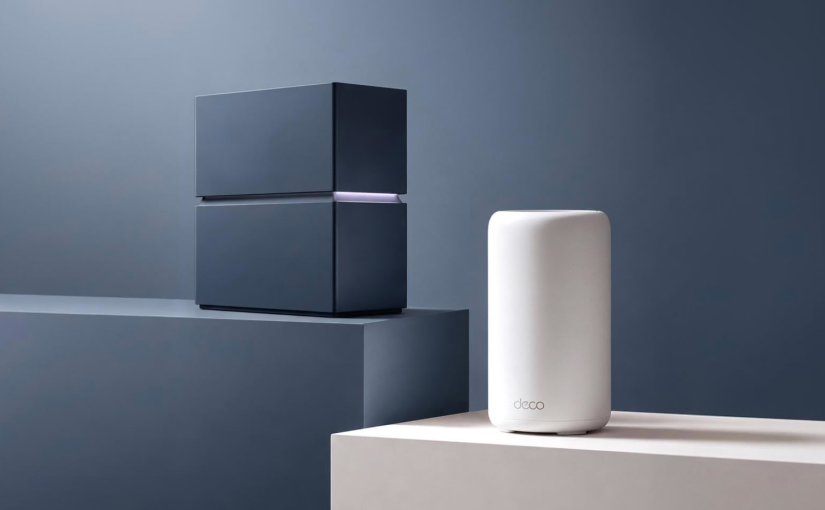
New Zealand is entering an interesting new phase of home connectivity. As households add more smartphones, laptops, smart TVs, gaming consoles, security cameras, smart appliances and connected sensors, the challenge is no longer simply getting a faster internet connection. The bigger question is whether a home network can remain stable when dozens of devices are competing for bandwidth at the same time.
That is where Wi-Fi 8 is beginning to attract attention.
TP-Link has opened pre-orders for the Archer 8 Ultra in New Zealand, positioning it as one of the country’s earliest opportunities to experience the next generation of wireless networking. The router is built around Wi-Fi 8 technology and is designed to focus heavily on consistency, interference management and performance across large numbers of connected devices. New Zealand was identified by TP-Link as one of the first markets to receive the product.
The development is significant because it reflects a broader shift in consumer technology. Modern homes are becoming miniature data centres, with entertainment, work, communication, security and smart-home services all relying on the same wireless network.
Why Wi-Fi 8 Is Different
Every new generation of Wi-Fi tends to create expectations of dramatically higher speeds. Wi-Fi 8 takes a somewhat different approach.
Instead of concentrating only on peak theoretical throughput, the technology is designed to make connections more reliable when networks become crowded. This matters in real homes, where a single household can have dozens of devices online simultaneously.
TP-Link’s Archer 8 Ultra uses the company’s Wi-Fi 8 StabilityEngine, combining technologies designed to manage interference and maintain more consistent throughput. According to TP-Link, the router can deliver up to 33% more consistent throughput at mid-to-long ranges and up to 24% more consistent throughput than Wi-Fi 7 under interference-heavy conditions.
That approach makes sense for New Zealand households. A modern home may have multiple people streaming video, attending online meetings, playing games, uploading photographs and using smart-home equipment at exactly the same time.
The fastest possible connection means little if performance collapses whenever the network becomes busy.
The Connected New Zealand Home Is Getting More Complicated
The average home network has changed considerably over the past decade.
A family might now connect several phones, tablets, computers, televisions, speakers, watches, cameras, gaming systems and appliances. Add smart lighting, robot vacuums, security equipment and connected sensors, and the number of network clients can grow surprisingly quickly.
This creates a different problem from the one consumers faced when Wi-Fi was primarily used for browsing the web.
Gaming can require low latency. Video conferencing requires consistent upstream and downstream performance. 4K streaming consumes substantial bandwidth. Cloud backups can suddenly create large bursts of traffic. Smart cameras may continuously send data to cloud services.
The router therefore has to make decisions about which traffic matters most.
The Archer 8 Ultra is designed for up to 200 connected devices and incorporates 18 high-performance antennas. It also offers a Multi-Floor Mode intended to adapt wireless coverage depending on whether devices are spread across multiple floors or concentrated on one level.
For larger New Zealand homes, particularly multi-level properties, that could be more meaningful than a simple increase in advertised maximum speed.
A 19Gbps Network Built for Heavy Traffic
The Archer 8 Ultra is a tri-band Wi-Fi 8 router with a combined advertised wireless capacity of 19Gbps.
It also includes two 10Gbps auto-sensing WAN/LAN ports and four 2.5Gbps LAN ports. That combination gives users options for connecting demanding wired equipment, including desktop PCs, gaming systems and other high-performance devices.
This is particularly relevant as multi-gigabit broadband becomes more attractive to consumers.
A powerful internet plan can expose weaknesses in an outdated home network. If the router cannot distribute bandwidth effectively, upgrading the broadband connection may not produce the experience a household expects.
Wi-Fi 8 is therefore arriving at a time when the home network itself is becoming a more important piece of consumer technology.
AI Moves Inside the Router
Another interesting part of the Archer 8 Ultra is its use of AI-assisted network management.
TP-Link’s Aireal AI Assistant is integrated into the Tether app. It allows users to interact with their network using more accessible language instead of requiring them to understand technical networking terminology.
Behind the scenes, the system can also assist with network optimisation. TP-Link says its Wi-Fi Optimizer can adjust channels, while Self-Healing can address common network problems and Quality of Service can prioritise important traffic. An ECO Mode is also designed to reduce power consumption during off-peak periods.
This represents an important trend in consumer electronics.
AI is gradually moving away from being something consumers experience only through chatbots or smartphone applications. It is increasingly being embedded into everyday hardware.
A router that can automatically identify congestion and adjust network behaviour could eventually make home networking considerably less frustrating for people who have no interest in manually configuring channels, traffic priorities or advanced settings.
Why Power Reliability Still Matters
There is another part of the networking experience that can easily be overlooked: the router needs continuous power.
Unlike a laptop or smartphone, a traditional home router usually remains plugged into the wall. When electricity is interrupted, the Wi-Fi network can disappear even if the broadband service itself is still operational.
That can become inconvenient during remote work, online classes, cloud backups or gaming sessions. For households that depend heavily on connected devices, maintaining network availability can therefore be just as important as improving wireless performance.
A properly designed wireless router battery solution can provide backup power for compatible networking equipment during short interruptions, helping keep essential connectivity available when mains power is temporarily lost.
This becomes particularly interesting as the number of connected devices increases. A household may have a smart security camera, wireless doorbell, medical monitoring equipment or other internet-dependent devices that people expect to remain online.
Security Becomes More Important as Networks Grow
More connected devices also mean more potential security concerns.
The Archer 8 Ultra includes an integrated hardware-level VPN, isolated guest and IoT networks, WPA3 authentication and optional HomeShield security features. These tools are intended to separate different types of traffic and provide additional protection for connected devices.
IoT isolation is particularly useful because smart-home devices can have very different security requirements from personal computers and smartphones.
Imagine a home containing a television, smart light bulbs, a robot vacuum, several cameras, a laptop containing sensitive work documents and a gaming PC. Putting every device into the same network environment may not be ideal.
Separating IoT equipment from computers and personal devices can create an additional layer of protection.
As New Zealand households continue adopting smart-home technology, network security is likely to become an increasingly visible part of the consumer electronics conversation.
Wi-Fi 8 Could Be Especially Interesting for Gamers
Gaming is another area where wireless stability matters.
A game download can consume a huge amount of bandwidth, but download speed is not necessarily the most important factor once the game is running. Latency, packet loss and consistency can have a much greater impact on the experience.
This is particularly noticeable in competitive online games.
A household could have one person playing an online game while another streams a high-resolution movie and someone else uploads a large collection of photographs. If the router handles those traffic patterns poorly, the gaming experience can suffer even when the broadband connection itself is fast.
The Archer 8 Ultra’s focus on consistent throughput and congestion management therefore fits naturally with the growing demands of gaming households.
Its multiple 2.5Gbps LAN ports also provide a straightforward option for gamers who prefer a wired connection for their primary gaming machine.
Is It Time for New Zealand Homes to Upgrade?
The arrival of Wi-Fi 8 does not automatically mean every New Zealand household needs a new router.
In fact, the technology is still at an early stage. Current Wi-Fi 8 hardware is arriving before a broad range of consumer devices with native Wi-Fi 8 support. Early adopters are therefore buying into a developing ecosystem rather than immediately transforming every device in the home.
For someone with an older router experiencing dead zones, congestion or frequent connection problems, however, a major network upgrade could make sense.
For households already satisfied with modern Wi-Fi 6 or Wi-Fi 7 equipment, waiting may be more practical.
The decision ultimately depends on the network’s current problems rather than the number printed after “Wi-Fi.”
What New Zealand Buyers Need to Consider
Price is another major consideration.
The Archer 8 Ultra has a New Zealand recommended retail price of NZ$1,699, with pre-orders available through retailers including JB Hi-Fi, Harvey Norman, Noel Leeming and PB Tech. New Zealand customers buying during the October promotional period can also qualify for a Tapo RV30 Max Plus Gen 2 robot vacuum and mop.
That puts the router firmly into the premium category.
For technology enthusiasts building a high-performance connected home, the combination of Wi-Fi 8, multi-gigabit Ethernet, AI-assisted management and extensive device capacity may justify the investment.
For ordinary households with relatively modest networking requirements, the price could be harder to justify.
Buyers should also consider the complete network rather than focusing on the router alone. Broadband speed, device compatibility, home construction, router placement and interference can all influence real-world performance.
And because wireless equipment remains dependent on electricity, a wireless router battery can be another consideration for people who want their network to remain operational during short power interruptions.
The Bigger Picture for New Zealand Technology
The significance of Wi-Fi 8 goes beyond one TP-Link product.
New Zealand’s consumer technology environment is moving toward a world where almost every important digital experience depends on connectivity. Work, entertainment, education, gaming, smart-home automation and security are increasingly tied together through the home network.
That means routers are gradually becoming more important than they were in the past.
The Archer 8 Ultra arrives at an interesting moment because it does not simply promise another increase in headline speed. Instead, it reflects a broader philosophy: make wireless connections more stable, manage crowded networks more intelligently and prepare homes for an expanding number of connected devices.
As Wi-Fi 8-compatible phones, laptops, tablets and other hardware eventually become more common, the advantages of upgrading should become easier to see.
For now, New Zealand is among the early markets where consumers can start experimenting with this next generation of wireless technology.
And as homes become more connected, reliable power will matter alongside reliable networking. For users who depend on uninterrupted connectivity, choosing suitable backup equipment — including a compatible wireless router battery — could become part of building a truly resilient home network.
The future of home Wi-Fi is therefore not simply about making the signal faster. It is about making the entire connected home more stable, intelligent and dependable.
With Wi-Fi 8 now arriving in New Zealand, that future has moved one step closer.