A New Era of Digital Retail in New Zealand
New Zealand’s retail industry is entering a period of technological change as businesses look for practical ways to improve efficiency, manage costs and deliver better customer experiences. From supermarkets and pharmacies to hardware stores and electronics retailers, digital tools are changing how products are priced, tracked and sold.
One technology attracting growing attention is the electronic shelf label (ESL). These small digital displays replace traditional paper price tags and allow retailers to update product information through a central management system. Instead of printing thousands of new labels whenever prices change, staff can update information electronically across participating stores.
The shift is particularly relevant in New Zealand, where retailers are navigating competitive pressures, changing shopping habits and rising operating costs. In February 2026, Ricoh New Zealand announced a partnership with electronic shelf label provider Solum to bring digital shelf-label solutions to the local retail market. The initiative highlights how established technology providers are helping New Zealand businesses modernise their operations.
Electronic labels are only one part of a much wider transformation. When connected with barcode scanners, inventory platforms, mobile computers and online ordering systems, they can help create a more responsive retail environment.
Why Electronic Shelf Labels Are Gaining Attention
Traditional paper labels may appear inexpensive and straightforward, but maintaining them across a large store requires considerable effort. When a promotion begins, a price changes or a product moves to another shelf, employees may need to print replacement labels and manually update the displays.
The process creates opportunities for mistakes. A product might show one price on the shelf and another at the checkout. Promotional labels can remain in place after an offer expires, while busy employees may struggle to complete every change before the store opens.
Electronic shelf labels address many of these challenges by connecting displays to a central pricing platform. Once an authorised change is made, the system can distribute the updated information to compatible labels.
For supermarkets managing thousands of products, the time saved can be significant. Staff can devote more attention to replenishment, customer assistance and other tasks that directly influence the shopping experience.
Digital labels can also display more than a price. Depending on the system, they may show product descriptions, promotional information, stock indicators or QR codes that direct customers to additional details.
For New Zealand retailers, the main attraction is not simply replacing paper. It is building a more consistent connection between pricing information, inventory data and everyday store operations.
How Digital Pricing Can Improve the Shopping Experience
Shoppers expect prices to be clear, accurate and easy to understand. This expectation becomes particularly important when stores run seasonal promotions, loyalty offers or short-term discounts.
Electronic shelf labels can help retailers keep shelf information aligned with their pricing systems. When updates are properly configured and verified, businesses can reduce the risk of outdated displays and confusing promotional messages.
The technology can also make shopping more convenient. A digital label may provide additional product information without requiring customers to search online or wait for an employee to become available.
New Zealand hardware retailer Mitre 10 has already demonstrated how electronic shelf labels can support a more interactive shopping experience. In May 2026, reporting on the retailer’s Tap to Flash feature described a system introduced in 20 stores equipped with electronic shelf labels. Customers could use their phones to make a product’s shelf label flash, helping them locate items more easily.
This example shows that digital labels can do more than communicate prices. They can become practical navigation tools, particularly in large stores where similar products may occupy multiple aisles.
For customers, the benefit is simple: less time searching and more time making informed purchasing decisions. For retailers, easier product discovery can improve service while reducing the number of routine questions employees must answer.
Barcode Scanning Remains Essential to Connected Retail
Although electronic shelf labels receive much of the attention, barcode scanning continues to play an important role in modern retail systems.
At checkout counters, warehouse receiving areas and stockrooms, scanners help employees identify products quickly and record transactions accurately. The information collected can feed into inventory systems, allowing retailers to monitor sales, track stock movements and identify products that need replenishment.
These processes are especially important for businesses operating both physical shops and online stores. A retailer must know whether an item is available before promising same-day collection or delivery. Inaccurate inventory records can lead to cancelled orders, disappointed customers and unnecessary work.
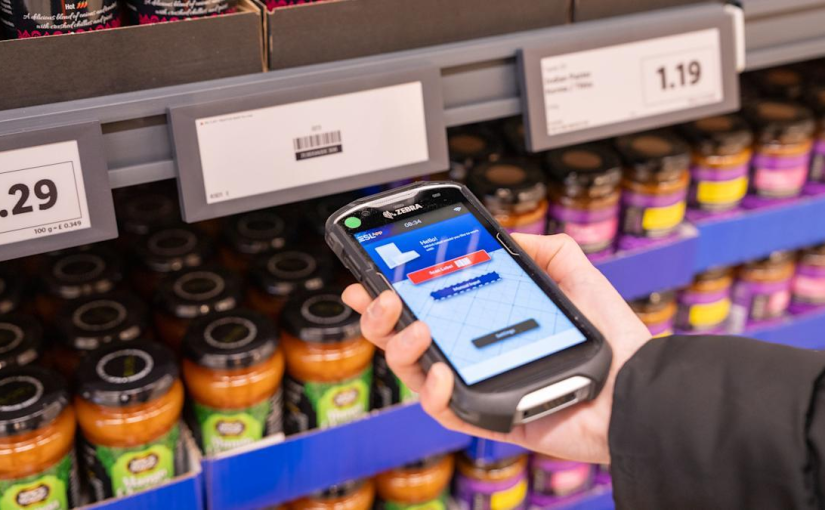
Mobile scanning devices allow employees to check product information while moving around the store. Rather than returning to a fixed computer, staff can scan items directly on the shop floor, confirm quantities and update records.
Reliable barcode scanners battery performance is an important consideration for retailers using handheld equipment throughout long shifts. A scanner that loses power during a busy trading period can interrupt stock checks, delay receiving tasks and create avoidable pressure on employees.
Battery selection, charging arrangements and spare-device planning therefore belong in a retailer’s wider technology strategy. The aim is not merely to keep individual devices running, but to maintain a dependable flow of information across the entire store.
From Shelf Labels to Smarter Inventory Management
The real potential of retail automation emerges when separate technologies work together.
Imagine a supermarket in Auckland preparing for a busy weekend. Its sales platform records a sudden increase in demand for a popular household product. Inventory software detects that the available quantity is falling, while the shelf-label system displays relevant product information and supports staff replenishment workflows.
Employees using mobile computers can check stock in the backroom, confirm product locations and update inventory records. Managers can then make decisions using more current information instead of relying entirely on manual counts or yesterday’s sales report.
This connected approach can help retailers identify stock shortages earlier and reduce the risk of shelves remaining empty while products sit unnoticed in storage areas.
It may also improve the handling of perishable goods. When retailers have reliable information about stock levels and expiry dates, they can make better decisions about replenishment and markdowns. Products approaching their best-before dates may be discounted at an appropriate time, helping businesses reduce avoidable waste.
However, electronic labels do not automatically guarantee accurate inventory. Their effectiveness depends on reliable product data, appropriate system integration and employees following consistent processes.
Retailers must ensure that stock movements, sales records and product identifiers remain synchronised. Without these foundations, even sophisticated displays can communicate information that no longer reflects conditions in the store.
New Zealand’s Digital Labelling Opportunity
Digital labelling is becoming relevant beyond the price tags attached to supermarket shelves.
In September 2026, GS1 New Zealand reported a government response to industry requests concerning digital product labelling. The initiative reflects growing interest in providing certain product information electronically, potentially complementing information printed on packaging.
The development matters because labels influence several parts of the retail process. They help consumers understand products, support supply-chain identification and provide information that retailers and regulators may need when investigating safety issues or product recalls.
Two-dimensional barcodes, including QR-style codes based on recognised standards, can carry or connect users to richer product information than a conventional retail barcode typically communicates on its own.
For consumers, scanning a suitable code could provide access to details such as product origin, ingredients or other relevant information, depending on the implementation. For businesses, standardised digital information could reduce duplication and make product data easier to manage across different systems.
New Zealand’s approach will need to balance innovation with accessibility and safety. Digital information should complement the needs of shoppers who may not have smartphones, reliable internet access or the confidence to navigate online product information.
Clear standards and accurate data will be essential if digital labelling is to deliver meaningful benefits across the retail sector.
The Importance of Reliable Devices and Power Management
As stores become more connected, employees increasingly depend on portable electronics to complete routine tasks. Handheld scanners, mobile computers, tablets and wireless communication devices may be used from the beginning of a shift until closing time.
This creates practical maintenance considerations. Devices need to be charged, inspected and managed so that employees can rely on them when demand rises.
A retailer using several types of handheld equipment should evaluate charging capacity, battery health, replacement availability and the time required to return devices to service. Equipment used in warehouses may face different demands from scanners used at checkout counters, so operating conditions also matter.
For barcode scanners battery planning, businesses should consider the manufacturer’s compatibility requirements, expected scanning workload and recommended charging procedures. Choosing a compatible replacement and maintaining a sensible charging routine can help reduce avoidable interruptions.
These decisions may appear less exciting than introducing AI-powered retail software, but operational reliability is fundamental to successful digital transformation. A connected system delivers little value if employees cannot access the devices required to use it.
Cost Pressures Make Practical Automation More Important
Retail technology investment must make commercial sense. New Zealand businesses cannot assume that every digital solution will produce immediate savings, particularly when installation, software integration, training and ongoing support are involved.
The business case for electronic shelf labels should therefore include more than the cost of purchasing the displays. Retailers should consider the time currently spent changing paper labels, the frequency of pricing updates, the consequences of pricing errors and the value of improving staff productivity.
Pilot programmes can help businesses evaluate these factors before expanding technology across an entire store network.
A retailer might begin with one department, measure how long price changes take before and after installation, and track the number of errors requiring correction. It could then compare the results with implementation and maintenance costs.
The same approach applies to barcode scanners and mobile inventory devices. Businesses should assess whether faster stock checks, fewer manual errors and improved fulfilment accuracy justify the investment.
The best technology strategy is not necessarily the one with the most advanced features. It is the one that solves clearly identified problems and produces measurable improvements.
Challenges Retailers Must Address
Despite their potential, connected retail systems introduce new responsibilities.
First, integration can be complicated. Pricing platforms, point-of-sale systems, warehouse software and electronic displays must exchange information reliably. Older systems may require upgrades or additional integration work before they can support more advanced features.
Second, cybersecurity deserves attention. Connected devices and central management platforms increase the importance of access controls, software updates and network protection. Retailers must ensure that only authorised staff can change prices or access sensitive operational information.
Third, employees need appropriate training. New technology should simplify everyday tasks rather than create confusion. Clear procedures for handling errors, replacing equipment and responding to system outages can help maintain service during unexpected disruptions.
Finally, retailers should communicate transparently with customers. Automated pricing must be implemented carefully, with clear promotional conditions and safeguards against confusing or misleading displays.
These issues are manageable, but they require planning. Successful automation depends on people, processes and technology working together.
What the Future Holds for New Zealand Stores
Over the coming years, electronic shelf labels could become part of a broader retail ecosystem that combines digital pricing, barcode scanning, mobile inventory management, analytics and automated fulfilment.
Artificial intelligence may help retailers forecast demand, identify unusual sales patterns and recommend replenishment decisions. Connected labels and sensors could provide more timely operational information, while mobile devices help employees act on that information directly.
New Zealand businesses are already exploring practical forms of retail automation, from digital shelf labels to more advanced warehouse systems. The next stage will likely focus on connecting these tools more effectively and demonstrating their value in everyday operations.
Reliable barcode scanners battery performance will remain one small but important element of this wider transformation, supporting the mobile devices that help products move accurately from deliveries to shelves and ultimately to customers.
For shoppers, the most successful innovations may be those they barely notice: a correct price, a product that is easy to find, an accurate stock update and a quicker checkout.
For retailers, those improvements can add up. Electronic shelf labels are not a complete solution to every operational challenge, but when integrated with reliable data, well-maintained devices and thoughtful processes, they offer a practical route towards smarter, more responsive stores across New Zealand.