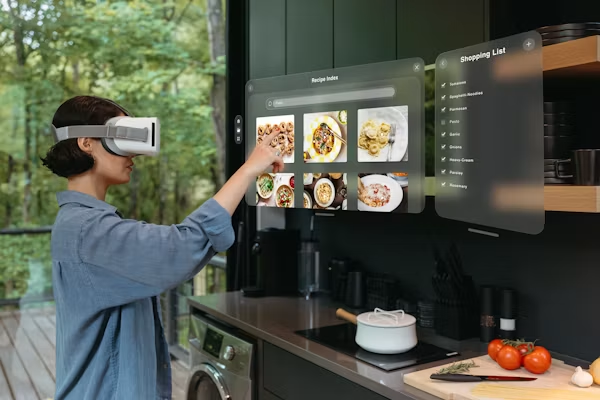
The Rise of AI-Powered Gadgets in Kiwi Homes
Artificial intelligence is no longer limited to research labs, large companies, or science fiction movies. Across New Zealand, AI technology is gradually becoming part of everyday life through smart consumer devices that help people work, communicate, stay safe, and manage their homes more efficiently. From intelligent speakers and AI-powered cameras to smart appliances and wearable devices, a new generation of gadgets is changing how New Zealanders interact with technology.
The growth of AI gadgets reflects a broader global shift from traditional electronics toward smarter, more connected products. Instead of simply performing one function, modern devices are designed to understand users, learn habits, and provide personalised assistance. In New Zealand, where many households value convenience, energy efficiency, and practical technology, AI-powered gadgets are becoming increasingly attractive.
Smart home technology is one of the fastest-growing areas. AI assistants can now control lighting, manage entertainment systems, monitor security, and even help households reduce unnecessary energy consumption. New Zealand’s interest in sustainable living has also encouraged consumers to explore smart devices that improve efficiency while maintaining comfort.
The question many technology observers are asking is simple: after smart speakers, AI cameras, and connected appliances, what AI gadgets will become the next must-have devices in New Zealand homes?
AI Smart Assistants Are Becoming Everyday Companions
One of the most visible examples of AI entering homes is the evolution of smart assistants. Earlier voice assistants mainly responded to simple commands, such as playing music, checking the weather, or setting reminders. Today’s AI assistants are becoming more conversational and capable of understanding context.
New AI-powered home speakers are designed to provide more natural interactions. Instead of memorising specific commands, users can communicate with devices more casually, making technology feel more like a personal assistant rather than a simple machine. Google’s latest home speaker technology, for example, focuses on more natural conversations and deeper integration with daily routines.
For New Zealand families, these improvements could make smart homes easier to use. Parents may use AI assistants to organise schedules, professionals may rely on them for productivity support, and older users may benefit from easier access to information and reminders.
As these devices become more advanced, battery performance will also become an important factor. Portable AI speakers, smart displays, and mobile assistants require reliable energy solutions to support longer usage. This is where consumer electronics battery technology plays an increasingly important role in improving convenience and device reliability.
AI Security Devices Are Changing Home Protection
Home security is another area where AI gadgets are creating new possibilities in New Zealand. Traditional security cameras usually recorded footage that users had to review later. Modern AI security systems can analyse activity in real time, identify unusual behaviour, and send intelligent alerts.
AI cameras are becoming more popular because they offer features such as person recognition, motion analysis, and automated notifications. Instead of receiving dozens of unnecessary alerts, homeowners can receive more meaningful information about important events around their properties.
This development is particularly relevant in New Zealand, where many households are interested in improving security while maintaining privacy. Modern AI security devices increasingly process information locally through edge computing, reducing dependence on cloud services and helping users maintain greater control over their data.
Wireless security cameras also create new demand for efficient power solutions. Outdoor cameras, smart doorbells, and remote monitoring devices often require long-lasting energy performance because they may operate in locations without easy access to power outlets. Advanced consumer electronics battery solutions help these devices remain active for longer periods while supporting modern smart home expectations.
AI Wearables Could Become the Next Big Personal Technology
Wearable technology is another area expected to experience major growth. Smartwatches have already become popular among New Zealand consumers, but the next generation of wearable devices may offer much deeper AI integration.
AI smart rings, intelligent fitness trackers, and health-focused wearables are moving beyond basic activity tracking. Future devices could analyse sleep patterns, monitor health indicators, provide personalised recommendations, and assist users throughout the day.
For New Zealand consumers who enjoy outdoor activities such as hiking, cycling, and sports, lightweight AI wearables could provide valuable support. A compact device that can track performance, monitor health, and provide real-time suggestions could become an essential companion for many active users.
However, wearable devices face one major challenge: size limitations. Manufacturers must create smaller batteries that deliver longer performance without making devices uncomfortable. Improvements in consumer electronics battery technology will therefore directly influence how quickly AI wearables become mainstream.
AI Gadgets Are Transforming Entertainment Experiences
Entertainment is also being reshaped by artificial intelligence. Smart televisions, AI audio systems, gaming devices, and connected entertainment platforms are becoming more personalised.
Modern smart TVs can recommend content based on viewing habits, improve picture quality automatically, and connect with other smart home devices. AI-powered audio systems can adjust sound based on room conditions and user preferences.
For New Zealand households, where streaming services and digital entertainment have become central parts of daily life, AI-enhanced entertainment devices offer a more convenient experience.
Gaming is another sector where AI gadgets are gaining attention. Future gaming accessories may use AI to personalise gameplay, improve communication between players, and create more immersive experiences. Portable gaming devices with AI features will also increase demand for efficient battery technology, allowing users to enjoy longer entertainment sessions without frequent charging.
AI Robots Could Move From Novelty to Everyday Tools
Robotics is another exciting area where AI gadgets are developing rapidly. In the past, household robots were often considered expensive or experimental products. Today, AI-powered robot vacuums, lawn devices, and home assistants are becoming more practical.
Modern robot cleaners can recognise obstacles, map rooms, and adjust cleaning strategies based on household conditions. Some advanced systems are beginning to combine AI vision, voice control, and smart home integration.
For New Zealand homeowners, especially those with busy lifestyles, AI robots could provide valuable assistance by reducing repetitive tasks. As technology improves, future household robots may take on more responsibilities, including monitoring homes, assisting elderly residents, or managing daily routines.
The success of these devices will depend heavily on reliable energy systems. Robots require powerful yet efficient batteries to support movement, sensors, and artificial intelligence processing. Battery innovation will remain one of the most important factors shaping the future of AI consumer devices.
Smart Homes Will Become More Connected and Intelligent
The future of AI gadgets in New Zealand is likely to involve greater integration between different devices. Instead of owning separate smart products that operate independently, households will increasingly use connected ecosystems where devices communicate with each other.
For example, an AI home system could automatically adjust heating based on occupancy, optimise electricity usage, monitor security conditions, and provide personalised recommendations. Smart home technology is moving toward a future where devices work together quietly in the background.
Energy efficiency will also remain a major priority. New Zealand consumers are increasingly interested in technology that helps reduce costs and support sustainable lifestyles. Smart devices that monitor energy consumption and automatically optimise performance could become increasingly common.
What AI Gadget Will Become the Next Household Essential?
The next major AI gadget trend in New Zealand may not come from one single product category. Instead, the future is likely to be shaped by a combination of devices working together.
AI glasses could change how people access information. Smart rings could transform personal health tracking. AI robots could simplify household tasks. Intelligent security systems could improve safety. Connected entertainment devices could create more personalised experiences.
The most successful AI gadgets will be those that solve real problems rather than simply offering new technology. New Zealand consumers are likely to embrace devices that save time, improve convenience, protect privacy, and provide genuine value.
As AI continues moving from the cloud into everyday hardware, consumer electronics will become smarter, more personalised, and more connected than ever before. The next generation of gadgets entering New Zealand homes will not just be tools people use — they will become intelligent partners that understand, assist, and adapt to modern lifestyles.