
How Advanced Wearable Technology Is Supporting New Zealand Athletes

The Rise of Smart Wearables in New Zealand’s Active Lifestyle

New Zealand has always been a country where outdoor activities, sports, and personal wellbeing play an important role in everyday life. From running along Auckland’s coastal paths to hiking through the Southern Alps, Kiwis have a strong connection with fitness and nature. In recent years, advanced wearable technology has become an increasingly important part of this lifestyle, helping athletes and everyday users better understand their health, performance, and recovery.

Smartwatches and fitness trackers are no longer simple step counters. Modern wearable devices can monitor heart rate, sleep quality, stress levels, exercise performance, blood oxygen levels, and other health indicators. They are becoming personal digital assistants that help users make smarter decisions about training and wellbeing.

For New Zealand athletes, from professional competitors to weekend runners, wearable technology is changing the way they prepare, train, and recover. These devices provide real-time feedback that allows users to adjust their routines and avoid unnecessary injuries. As the popularity of smart fitness equipment continues to grow, the demand for reliable components that keep these devices running efficiently is also increasing, including the need for high-quality smart watch battery solutions.

How Wearable Technology Is Changing Athletic Training

Traditional training methods often relied on experience, observation, and basic performance records. Today, athletes can access detailed information within seconds. A smartwatch can track how quickly a person’s heart rate returns to normal after exercise, how much sleep they receive each night, and whether their body is ready for another intense workout.

For New Zealand runners preparing for events such as marathons and trail races, this technology provides valuable insights. Instead of following a fixed training schedule, athletes can use data-driven recommendations to create personalised plans. A runner who experiences poor sleep or elevated stress levels may decide to reduce training intensity, while someone with strong recovery indicators may safely increase their workload.

This personalised approach is especially valuable in a country where outdoor sports are deeply integrated into daily life. Whether it is cycling, swimming, mountain climbing, rugby training, or endurance racing, wearable technology allows athletes to understand their bodies in greater detail.

The development of AI-powered health analysis is making these devices even smarter. Instead of simply recording information, modern wearables are increasingly able to interpret data and provide useful suggestions. For example, AI health platforms can analyse activity patterns and offer recommendations related to fitness goals, sleep improvement, and lifestyle choices.

Smartwatches Become More Than Fitness Accessories

A few years ago, many consumers viewed smartwatches as luxury technology products. Today, they are becoming practical health and fitness tools used by people of different ages and lifestyles. The growing popularity of wearable devices in New Zealand reflects a broader global movement toward preventive healthcare and personal wellness.

Smartwatches can now support users beyond exercise tracking. Features such as emergency alerts, fall detection, sleep monitoring, and health reminders are becoming increasingly common. These functions make smartwatches useful not only for athletes but also for older adults and people who want to maintain better awareness of their health.

The connection between wearable technology and healthcare is becoming stronger. Digital health tools are being explored as ways to improve access to health information, especially in areas where traditional healthcare services may be harder to reach. This is particularly relevant for New Zealand, where many communities are located far from major urban centres.

As smartwatches become more advanced, their internal technology must also improve. More sensors, brighter displays, faster processors, and continuous health monitoring features all require efficient energy management. A dependable smart watch battery plays a critical role in ensuring that users can rely on their devices throughout long training sessions, outdoor adventures, and everyday activities.

The Challenge of Battery Life in Modern Wearables

Battery performance has become one of the most important considerations when choosing wearable technology. While consumers want more advanced features, they also expect their devices to last longer between charges.

Athletes often use smartwatches during long-distance activities such as hiking, cycling, and endurance races. A device that loses power during an important training session can interrupt data collection and reduce the value of the technology. For this reason, battery efficiency is becoming a major focus for wearable manufacturers.

Modern smartwatch users expect longer operating times while still enjoying advanced features such as GPS tracking, high-resolution displays, and continuous health monitoring. This creates a challenge for engineers who must balance performance, size, and energy consumption.

Battery replacement and maintenance are also becoming important topics as more people keep their smart devices for longer periods. Like smartphones and laptops, smartwatch batteries naturally lose capacity over time. When battery performance decreases, users may experience shorter usage periods, unexpected shutdowns, or reduced reliability.

A quality smart watch battery can help restore device performance and extend the usable life of wearable technology. This is becoming increasingly relevant as consumers look for more sustainable alternatives instead of replacing entire devices.

New Zealand Athletes Embrace Data-Driven Performance

New Zealand has a strong sporting culture, and technology is becoming a key advantage for athletes who want to improve performance. Professional teams, fitness coaches, and individual athletes are increasingly using digital tools to understand training results.

For example, endurance athletes can analyse their pace, heart rate zones, and recovery patterns. Rugby players can monitor physical workload during training sessions. Outdoor enthusiasts can track navigation information and environmental conditions during adventures.

This trend is not limited to professional sports. Everyday New Zealanders are also adopting wearable technology as part of their health routines. Many people use smartwatches to stay motivated, track exercise goals, and create healthier habits.

The popularity of home fitness, outdoor activities, and personalised health management has created a strong market for wearable devices. As more people rely on smartwatches every day, the importance of long-lasting and dependable components will continue to increase.

The Future of Wearable Technology in New Zealand

The future of wearable technology is expected to move beyond simple fitness tracking. The next generation of devices may include more advanced artificial intelligence, improved health sensors, and deeper integration with healthcare services.

Smart rings, smart clothing, AI-powered wearables, and other connected devices are expanding the definition of wearable technology. Instead of only measuring activity, future devices may provide more comprehensive insights into physical and mental wellbeing.

For New Zealand, this development could create new opportunities in sports science, healthcare, and consumer technology. Wearable devices may help people take greater control of their health while supporting professionals with better information.

However, energy efficiency will remain a major challenge. More advanced features require stronger power solutions, meaning battery technology will continue to influence the future of wearable innovation.

Companies developing wearable technology will need to focus not only on smarter software and better sensors but also on improving battery durability. A reliable smart watch battery will remain an essential part of creating devices that users can depend on every day.

Advanced wearable technology is transforming the way New Zealand athletes train, recover, and manage their health. Smartwatches have evolved from simple electronic accessories into powerful personal health tools that provide valuable insights for both professional athletes and everyday users.

As AI, health monitoring, and connected devices continue to develop, wearable technology will become an even bigger part of New Zealand’s digital lifestyle. The success of these devices will depend not only on innovative features but also on reliable energy solutions that support long-term use.

From mountain trails to city gyms, smartwatches are helping Kiwis achieve better performance and healthier lifestyles. Behind every successful wearable experience is dependable technology — including the essential power provided by a high-quality smart watch battery.
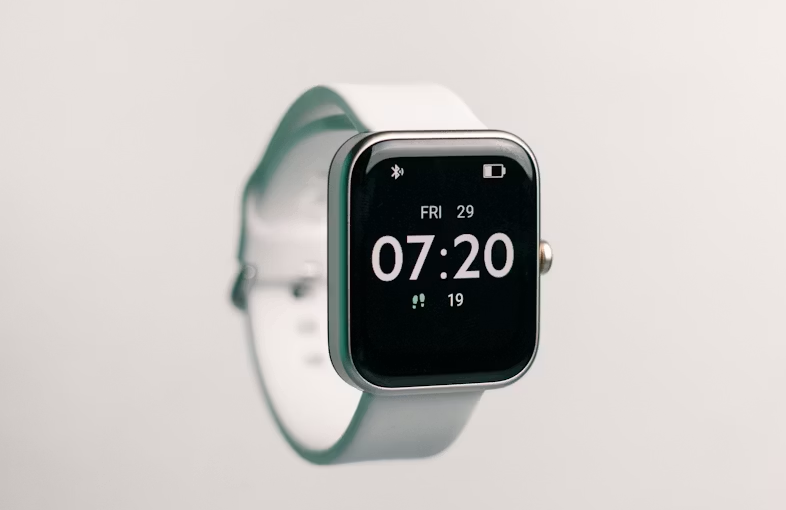
The Future of Smartwatches: How Wearable Technology Is Evolving in New Zealand

Smartwatches Are Becoming an Essential Part of Modern Life in New Zealand

In recent years, smartwatches have transformed from simple digital accessories into powerful personal technology devices. In New Zealand, more people are embracing wearable technology as they look for smarter ways to manage health, fitness, communication, and everyday tasks. From busy professionals in Auckland to outdoor enthusiasts exploring the country’s mountains and coastlines, smartwatches are becoming valuable companions that fit different lifestyles.

The popularity of wearable technology is closely connected to New Zealand’s growing interest in health awareness and digital innovation. Many users now expect a smartwatch to do much more than display notifications. Modern devices can monitor heart rate, track sleep patterns, measure exercise performance, provide navigation support, and even help users build healthier habits.

For many New Zealand consumers, choosing a smartwatch is no longer only about design or brand reputation. Battery performance, durability, smart features, and long-term reliability have become important factors. As technology continues to improve, smartwatch manufacturers are focusing on creating devices that are more powerful while maintaining comfortable designs and longer usage times.

The evolution of smartwatches reflects a wider change in consumer electronics. People are increasingly searching for technology that can seamlessly connect with their daily routines. Whether it is checking messages during a busy workday, monitoring fitness goals during outdoor activities, or tracking wellness information at home, wearable devices are becoming an important part of connected living.

Health and Fitness Features Are Driving Smartwatch Growth

One of the biggest reasons for the increasing popularity of smartwatches in New Zealand is the growing demand for health-focused technology. Many users want convenient tools that help them understand their bodies and improve their lifestyles.

Fitness tracking has become one of the most attractive smartwatch features. Users can record running distances, cycling routes, swimming sessions, and daily activity levels. For people who enjoy New Zealand’s outdoor lifestyle, including hiking, walking, and adventure sports, smartwatches provide useful information without requiring additional equipment.

Health monitoring has also become more advanced. Many modern smartwatches offer features such as heart rate monitoring, blood oxygen measurement, stress tracking, and sleep analysis. These functions allow users to gain more insights into their daily habits and make adjustments to improve overall wellness.

The demand for health-related features is also influencing smartwatch design. Consumers want devices that are lightweight, comfortable, and reliable enough to wear throughout the day and night. This has encouraged companies to develop better sensors, improved software, and more efficient hardware.

However, advanced health features require consistent energy consumption. A smartwatch that offers many functions must have a dependable power system to support continuous monitoring. This is why the development of the smart watch battery has become a key area of innovation in wearable technology.

A stronger battery allows users to enjoy more features without constantly worrying about charging. For people who use smartwatches during long outdoor activities in New Zealand, reliable battery performance can make the difference between a useful device and an inconvenient one.

Outdoor Lifestyle Creates New Opportunities for Wearable Technology

New Zealand is known for its beautiful landscapes and active outdoor culture. From hiking trails and national parks to cycling paths and beaches, many residents enjoy activities that require practical and reliable technology.

Smartwatches are becoming increasingly popular among outdoor users because they provide useful tools in a compact format. GPS tracking, weather updates, route guidance, and activity recording make them suitable for adventures where carrying larger electronic devices may not be convenient.

For hikers and travelers, battery life is especially important. A smartwatch used during a long trip needs to continue working when users are far away from charging options. This has encouraged manufacturers to develop more efficient processors and improved energy management systems.

The development of the smart watch battery has helped modern wearable devices achieve longer operating times while supporting advanced functions. Better battery technology allows users to track activities, receive important notifications, and access navigation features for extended periods.

In New Zealand’s outdoor environment, durability is another important consideration. Consumers often look for smartwatches that can handle different weather conditions, including rain, cold temperatures, and outdoor impacts. As a result, wearable technology is becoming stronger, more practical, and better suited for real-world use.

Artificial Intelligence Is Bringing New Possibilities to Smartwatches

Artificial intelligence is becoming one of the most exciting trends in the smartwatch industry. AI technology is helping wearable devices become more personalized and intelligent.

Instead of simply collecting information, future smartwatches will be able to analyze data and provide more meaningful suggestions. For example, AI-powered systems may help users understand their sleep quality, recommend exercise adjustments, or identify patterns in daily health information.

This development is particularly interesting for consumers who want technology that can support healthier lifestyles. A smartwatch with intelligent analysis capabilities can become a personal assistant that learns from user behavior and provides customized experiences.

AI is also improving communication features. Smartwatches are becoming better at recognizing voice commands, managing notifications, and connecting with other smart devices. As smart ecosystems continue to expand, wearable devices will play a larger role in connected homes and digital lifestyles.

However, more advanced AI functions require more processing power, which creates new challenges for battery efficiency. Manufacturers must balance performance with energy consumption to ensure that smartwatches remain practical for everyday use.

Future improvements in the smart watch battery will likely focus on higher energy density, faster charging, and improved durability. These developments will allow smartwatches to support more intelligent features while maintaining convenient usage.

Battery Life Remains a Key Factor for Smartwatch Users

Although smartwatches offer many innovative functions, battery life remains one of the most important concerns for consumers. A device with excellent features may become frustrating if users need to charge it too frequently.

Battery expectations have increased as smartwatches become more advanced. Users now want devices that can support health tracking, GPS activities, notifications, and smart functions throughout the day without interruptions.

Manufacturers are responding by improving power management technology. New processors are designed to use less energy, while software updates help optimize battery consumption. Some smartwatches also introduce different operating modes that allow users to extend battery life when necessary.

For New Zealand consumers, battery performance can be especially important because many people use smartwatches for outdoor activities, travel, and fitness tracking. A reliable device needs to provide consistent performance in different situations.

The future of wearable technology will depend heavily on battery innovation. Improvements in battery materials and charging technology could allow smartwatches to operate for longer periods while becoming thinner and lighter.

The Role of Smartwatches in New Zealand’s Digital Future

As digital technology continues to develop, smartwatches are expected to become even more integrated into everyday life in New Zealand. They are moving beyond fitness accessories and becoming important tools for communication, health management, and personal productivity.

The next generation of wearable devices may include more advanced health monitoring, improved AI assistance, stronger connections with smart homes, and enhanced environmental awareness. These changes will create new opportunities for consumers who want technology that adapts to their needs.

New Zealand’s interest in innovative and practical technology makes it an important market for wearable devices. Consumers are not only looking for the newest features but also for products that provide real value in daily life.

From tracking outdoor adventures to supporting personal wellness goals, smartwatches are becoming more useful and versatile. As battery technology, artificial intelligence, and hardware design continue to improve, wearable technology will continue to influence how people interact with digital devices.

Smartwatches Are Entering a New Era

The future of smartwatches in New Zealand looks promising. With improvements in health monitoring, AI technology, outdoor functionality, and battery performance, wearable devices are becoming smarter and more practical than ever before.

For modern consumers, a smartwatch is no longer just a device worn on the wrist. It is a personal technology partner that helps manage health, stay connected, and explore the world more efficiently.

As innovation continues, better energy solutions, including advanced smart watch battery technology, will remain essential to supporting the next generation of wearable devices. Smartwatches are entering a new era where convenience, intelligence, and reliability come together to create a more connected lifestyle.