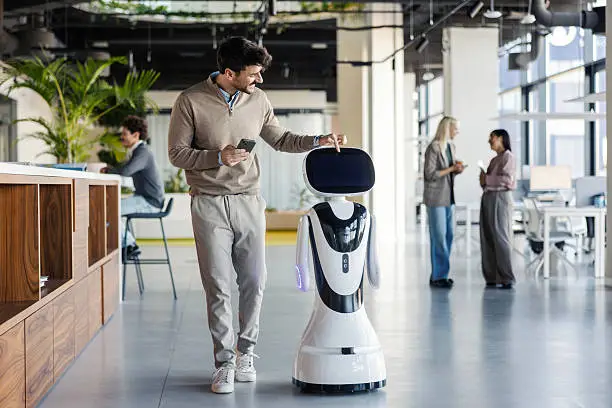
The Rise of Physical AI Is Bringing Intelligence Into the Real World
Artificial intelligence has already changed the way people search, communicate, work, and create content. However, the next major technology shift may not happen only on computer screens. Instead, AI is beginning to enter the physical world through robots, smart machines, autonomous devices, and intelligent systems that can understand their surroundings and take action. This emerging field, known as Physical AI, is becoming one of the most discussed technology trends globally and is attracting attention in New Zealand as businesses look for smarter solutions to workforce challenges and productivity demands.
Unlike traditional AI software that mainly processes information, Physical AI combines artificial intelligence with hardware, sensors, cameras, robotics, and real-time decision-making systems. These technologies allow machines to see, learn, move, and interact with the environment. From agricultural robots working on farms to intelligent healthcare devices assisting professionals, Physical AI could reshape many industries across New Zealand.
For a country known for agriculture, logistics, manufacturing, and environmental innovation, the development of intelligent machines creates new opportunities. New Zealand businesses are increasingly exploring technologies that can improve efficiency while reducing pressure caused by labour shortages. Robotics and AI adoption are becoming important parts of discussions about the future of work and economic growth.
How Physical AI Could Transform New Zealand’s Agricultural Industry
Agriculture remains one of New Zealand’s most important industries, but farmers face challenges including labour shortages, unpredictable weather, and increasing demand for sustainable production. Physical AI could provide a new generation of farming tools that operate independently while helping farmers make better decisions.
Traditional agricultural machines usually follow programmed instructions, but Physical AI-powered equipment can analyse information and adapt to changing conditions. For example, smart farming robots could identify plant health issues, monitor soil conditions, remove weeds, or optimise resource usage without requiring constant human control.
Future farms may include autonomous vehicles, intelligent harvesting machines, and AI-powered monitoring systems. These technologies could help farmers reduce waste, improve productivity, and protect natural resources.
Small electronic devices will also play an important role in these systems. Sensors, controllers, and portable monitoring equipment need reliable energy solutions to operate in remote rural environments. A high-quality electronic device battery can help smart agricultural equipment maintain stable performance when operating far away from traditional power sources.
This connection between AI software and dependable hardware shows why Physical AI is not only about advanced algorithms. The future of intelligent machines depends on every component working together, including sensors, processors, communication modules, and energy systems.
Smart Robots Could Become Everyday Tools in New Zealand
When many people hear the word “robot,” they imagine futuristic machines from science fiction movies. However, modern robotics is becoming much more practical. Today’s intelligent robots are designed to solve real-world problems in workplaces, hospitals, warehouses, and homes.
Physical AI enables robots to move beyond simple repetitive tasks. With advanced sensors and AI models, robots can recognise objects, understand instructions, and adjust their actions based on changing environments. Global technology trends show increasing interest in robotics systems that combine AI reasoning with physical movement.
In New Zealand, robots could support industries where efficiency and safety are important. In warehouses, intelligent robots may help organise products and manage inventory. In manufacturing, collaborative robots could work alongside employees to improve production speed. In healthcare, robotic assistants could support routine tasks and allow medical professionals to focus on patient care.
However, every intelligent robot requires powerful and reliable hardware. Mobile robots depend on compact energy systems that can provide long operating times without increasing weight. This is where a suitable electronic device battery becomes an essential part of modern robotics development.
Battery technology directly affects how useful intelligent machines can become. Longer-lasting power means robots can operate for extended periods, reduce downtime, and perform more tasks in real-world environments.
The Growth of AI-Powered Consumer Devices
Physical AI is not limited to factories and farms. Consumers may soon experience intelligent technology through everyday electronic products.
Smart home devices, AI assistants, wearable technology, and personal robots are becoming more advanced. Instead of simply responding to commands, future devices may understand user behaviour and automatically adapt to individual needs.
For example, an AI-powered home assistant could monitor energy usage, manage household devices, and provide personalised recommendations. Smart wearable devices could track health information more accurately and provide real-time feedback. Intelligent cameras and security systems could recognise unusual activity and respond automatically.
As these devices become smarter, consumers will expect better mobility and longer usage time. Portable products need batteries that can support advanced processors, sensors, and wireless connectivity while maintaining a compact design.
A reliable electronic device battery allows next-generation consumer technology to deliver a smoother user experience. Without efficient power solutions, even the most advanced AI features may be limited by short operating times.
This demonstrates an important reality: the future of technology is not only about smarter software. Hardware innovation, especially energy management, will determine how quickly intelligent devices become part of everyday life.
Why New Zealand Could Benefit From Physical AI Innovation
New Zealand has several characteristics that make it an interesting market for Physical AI development. The country has a strong technology sector, a large rural economy, and many industries that operate across challenging environments.
Remote locations create unique demands for technology. Intelligent machines used in agriculture, environmental monitoring, or infrastructure management must often work independently with limited human support.
Physical AI could help address these challenges by creating systems that can operate autonomously while collecting and analysing information. For example, environmental monitoring robots could track ecosystems, smart machines could inspect infrastructure, and autonomous systems could support emergency response efforts.
New Zealand’s focus on innovation and sustainability also creates opportunities for technologies that improve efficiency while reducing environmental impact. Energy-efficient robots and intelligent devices could help organisations achieve productivity goals while using fewer resources.
The success of Physical AI will depend on collaboration between software developers, hardware manufacturers, researchers, and businesses. Building a complete ecosystem requires not only advanced AI models but also reliable components such as sensors, processors, communication systems, and power solutions.
Challenges Before Physical AI Becomes Mainstream
Although Physical AI has significant potential, several challenges remain before intelligent machines become common in New Zealand.
One major challenge is cost. Advanced robots and AI-powered devices require expensive hardware, development resources, and maintenance. For small businesses, investment decisions must be carefully considered.
Security is another important concern. Connected intelligent machines collect large amounts of data and communicate through networks. Protecting these systems from cyber threats will become increasingly important as more devices become autonomous.
There are also questions about workforce adaptation. While robots may reduce the need for some repetitive tasks, they may also create demand for new skills in technology management, programming, and maintenance.
Education and training will play a key role in helping workers adapt to a future where humans and intelligent machines work together.
The Future of Physical AI in New Zealand
Physical AI represents a major shift from digital intelligence toward intelligent machines that can interact with the real world. For New Zealand, this technology could create opportunities across agriculture, healthcare, manufacturing, consumer electronics, and environmental management.
The future will not simply belong to machines replacing humans. Instead, the most successful applications will likely involve humans and AI-powered systems working together. Robots can handle dangerous or repetitive tasks, while people focus on creativity, decision-making, and innovation.
As Physical AI continues to develop, the demand for reliable electronic components will grow. Devices need stronger processors, better sensors, improved connectivity, and efficient energy solutions. The role of the electronic device battery will become increasingly important as more intelligent products move from research laboratories into everyday environments.
New Zealand’s technology future may be shaped by machines that do more than calculate information. They may see, understand, and act. Physical AI could become the next technology wave transforming how people live, work, and interact with the world around them.