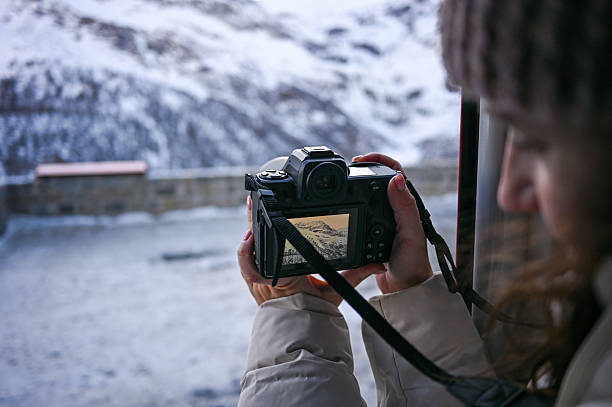
New Zealand’s Landscapes Are Raising the Bar for Photography
New Zealand offers photographers an extraordinary range of subjects, from the snow-covered peaks of the Southern Alps to the dramatic coastlines of the North Island. Its changing weather, vast open spaces, native wildlife and vibrant cities create endless opportunities for photographers, travel bloggers and video creators. In 2026, as imaging technology continues to evolve, many local creators are reconsidering what they really need from a modern mirrorless camera.
The latest camera buying discussions are increasingly focused on practical performance rather than headline specifications alone. Image quality, autofocus reliability, video recording capabilities, portability and battery endurance all influence whether a camera is suitable for everyday use. Recent photography coverage has also highlighted the diversity of cameras available to creators, from compact vlogging models to advanced full-frame systems. For New Zealand photographers, choosing the right equipment means matching technology to the environment in which they actually shoot.
A camera that performs brilliantly in a studio may not be the best choice for a multi-day hiking trip. Likewise, a lightweight camera designed for travel may be more useful to a social media creator than a large professional body with features they rarely use. Understanding these differences is the first step towards making a worthwhile upgrade.
Why Mirrorless Cameras Remain Attractive in 2026
Mirrorless cameras have become popular because they combine interchangeable lenses with increasingly sophisticated digital imaging systems. By removing the traditional mirror mechanism found in DSLR cameras, manufacturers can develop compact bodies while incorporating electronic viewfinders, advanced autofocus systems and extensive video features.
For photographers moving beyond smartphone photography, a mirrorless system offers greater creative control. Interchangeable lenses make it possible to capture expansive landscapes, distant wildlife, detailed close-ups and portraits with different perspectives. Larger sensors can also provide greater flexibility in challenging lighting conditions, depending on the camera and lens combination.
However, newer does not automatically mean better for every photographer. An older camera with dependable autofocus, good image quality and a familiar control layout may still produce excellent results. Before upgrading, New Zealand buyers should identify the limitations of their existing equipment and determine whether a new model would genuinely solve them.
Autofocus Can Make or Break an Important Shot
One of the most valuable improvements in modern mirrorless cameras is subject recognition and tracking. Depending on the model, cameras can identify and follow people, eyes, animals, birds, vehicles and other moving subjects. This can reduce the amount of time photographers spend manually adjusting focus.
For wildlife photographers visiting Zealandia in Wellington or exploring the forests around Rotorua, dependable animal detection can be particularly useful. Birds can move unpredictably, and even a brief delay may mean missing a decisive moment. A camera that maintains focus on a moving subject can help capture sharper images without requiring constant manual intervention.
Sports photographers face similar challenges. Whether photographing mountain biking, rugby or local community events, fast autofocus and responsive burst shooting can make a noticeable difference.
Nevertheless, autofocus specifications should not be considered in isolation. Lens performance, subject distance, lighting, camera settings and the photographer’s technique all influence the final image. Buyers should look for independent testing that reflects their intended subjects instead of relying exclusively on manufacturers’ demonstrations.
Sensor Size, Resolution and Real-World Image Quality
Resolution remains an important consideration, especially for landscape photographers who want to print large images or crop photographs after capturing them. Higher-resolution sensors can preserve more fine detail when paired with suitable lenses and careful technique.
New Zealand’s dramatic landscapes make dynamic range particularly relevant. A scene might include a bright sky, dark mountain slopes and reflective water. A camera with strong dynamic range can provide more flexibility when recovering shadow and highlight details during editing.
Full-frame cameras often appeal to professionals and enthusiasts who regularly photograph in low light or want greater control over depth of field. However, APS-C cameras can offer an attractive balance of image quality, cost and portability. For many beginners and travel creators, this combination is more practical than purchasing an expensive full-frame body.
Resolution is only one part of the equation. Lens sharpness, exposure, stabilisation, image processing and editing skills can be equally important. Before spending more on megapixels, photographers should consider whether better glass, improved technique or a more suitable focal length would produce a greater improvement.
Video Features Matter More Than Ever for Content Creators
Photography and video are increasingly interconnected. Travel bloggers may capture still photographs for websites while recording footage for YouTube, TikTok and Instagram Reels. Small businesses may need product photographs, promotional clips and interviews from a single shoot.
This demand has encouraged manufacturers to develop hybrid cameras that combine high-quality still photography with sophisticated video recording. Depending on the model, useful features may include 4K recording, high frame rates, in-body stabilisation, microphone inputs, headphone monitoring and advanced colour profiles.
For creators filming New Zealand’s outdoor attractions, stabilisation is particularly useful when walking, travelling or recording handheld footage. Reliable autofocus can keep a presenter sharp while the background changes, while a fully articulating screen makes it easier to frame self-recorded content.
Audio should not be overlooked. Viewers may tolerate minor visual imperfections, but wind noise and unclear speech can quickly undermine a video. An external microphone, wind protection and suitable recording settings may improve the final result more than an expensive camera upgrade.
Before purchasing a hybrid camera, creators should also check recording limits, overheating behaviour, file sizes and editing requirements. High-quality footage can consume substantial storage space, so fast memory cards, reliable backups and sufficient computer performance belong in the overall budget.
Battery Life Is Essential for Outdoor Adventures
Battery performance deserves special attention in New Zealand, where photographers often travel long distances to reach a location. A sunrise shoot may begin before public transport operates, while a remote walking track may offer few opportunities to recharge equipment.
Electronic viewfinders, rear displays, continuous autofocus, wireless connectivity and video recording can all affect power consumption. Actual performance varies considerably between camera models and shooting conditions, so laboratory figures should be treated as guidance rather than a guarantee.
Photographers planning a full day outdoors should check their camera’s expected endurance and carry a practical charging plan. A compatible spare camera battery can help prevent a promising photography session from ending early, particularly when the nearest charging point is several hours away.
Cold weather introduces another consideration. Lithium-ion batteries may deliver less usable power in low temperatures, although the effect depends on the battery, its condition and the environment. During winter trips to alpine areas, keeping spare batteries in a protected inner pocket can help maintain their performance. Photographers should always follow the manufacturer’s guidance for safe charging and temperature limits.
Power management also matters. Reducing unnecessary screen brightness, disabling unused wireless connections and reviewing images less frequently can help conserve energy without sacrificing essential shooting functions.
Weather Protection and Portability for New Zealand Conditions
New Zealand’s weather can change quickly. A sunny morning may give way to rain, wind or mist, particularly in mountainous regions and along exposed coastlines. Photographers should therefore consider how well a camera system suits unpredictable conditions.
Weather sealing can provide additional protection against dust and moisture, but it does not make every camera waterproof. Protection varies by model, lens and accessory, and manufacturers’ instructions should always be followed. A rain cover and a properly designed camera bag can offer additional reassurance during outdoor shoots.
Weight is another important factor. Carrying a large camera body, several lenses, a tripod and accessories becomes tiring during long hikes. A compact APS-C system may be a better choice for travellers who value mobility, while professional wildlife photographers may accept heavier equipment in exchange for greater reach and specialised performance.
The most effective setup is one that photographers are comfortable carrying consistently. A theoretically superior camera left at home cannot capture the moment.
Lenses and Accessories Can Be Better Investments Than a New Body
When planning an upgrade, photographers often focus on the camera body because it is the most visible part of the system. Yet lenses frequently have a substantial influence on image quality and creative possibilities.
A wide-angle lens can capture sweeping landscapes, while a telephoto lens helps photograph distant birds and wildlife without approaching them too closely. A fast prime lens can be useful for portraits, street photography and dimly lit environments. The best choice depends on the photographer’s subjects rather than current online trends.
Compatibility deserves careful attention. Before changing systems, buyers should compare available lenses, adapter options and the long-term cost of building a complete kit. An inexpensive body can become a costly purchase if the lenses required for everyday work are prohibitively expensive.
Accessories should also be selected according to actual needs. A sturdy tripod supports long exposures, while a comfortable strap reduces fatigue. Fast memory cards can help with high-resolution bursts and demanding video formats.
For extended assignments, a second camera battery is often a more practical purchase than an unnecessary body upgrade. Extra storage cards, a suitable protective bag and a dependable backup workflow can also make a photography setup more reliable.
Connectivity and Editing Workflows Are Part of the Upgrade
Modern cameras increasingly support wireless image transfers, smartphone connections and remote control. These features can help creators share photographs quickly, check compositions and manage selected shooting tasks without connecting a cable.
For New Zealand freelancers working with tourism businesses, accommodation providers or local retailers, efficient delivery can be commercially important. A photographer who can select, edit and send images promptly may be better equipped to meet tight deadlines.
However, wireless transfer performance depends on the camera, phone, application and connection environment. Large RAW files may still be easier to transfer through a card reader or cable. Buyers should test the workflow they intend to use rather than assuming every advertised feature will operate equally well across their devices.
Editing software is another part of the decision. High-resolution photographs and advanced video formats can demand substantial processing power and storage. Before upgrading to a more demanding camera, creators should consider whether their computer can handle the resulting files comfortably.
A balanced workflow combines suitable capture equipment, efficient editing, organised storage and regular backups. These practical details can save more time than a minor improvement in camera specifications.
How to Choose the Right Camera on a Realistic Budget
New Zealand buyers should compare the total cost of ownership rather than the advertised body price alone. Exchange rates, shipping, local retailer pricing, warranties and accessory costs can all influence the final amount paid.
Beginners may find that an entry-level mirrorless camera with a versatile kit lens offers everything they need to develop their skills. Enthusiasts might benefit more from improved autofocus, stabilisation or a broader lens selection. Professionals should prioritise features that directly support paid work, such as dependable operation, specialised lenses, robust video capabilities and efficient file handling.
Buying a previous-generation model can also be sensible when it meets the photographer’s requirements. Camera technology continues to develop, but improvements between generations are not always significant enough to justify replacing a working system.
Before making a purchase, compare independent reviews, inspect sample photographs and, where possible, handle the camera in person. Buttons, menus, grip comfort and viewfinder visibility are difficult to judge from specification sheets alone.
It is also worth considering repair support, warranty conditions and the availability of compatible accessories in New Zealand. A camera is a long-term tool, and dependable local support can be valuable when equipment is used regularly.
A Smarter Photography Kit for 2026
The strongest mirrorless camera upgrade is not necessarily the newest or most expensive model. It is the system that helps a photographer capture better images, work more efficiently and enjoy the process.
For New Zealand landscape photographers, weather protection, dynamic range and portability may be the priorities. Wildlife specialists may value tracking autofocus and telephoto lens options, while social media creators may place greater emphasis on stabilised video, clear audio and fast file transfers.
Power planning should remain part of every serious outdoor photography kit. A well-maintained camera battery, a suitable charging solution and sensible power-management habits can help photographers make better use of the equipment they already own.
Ultimately, technology should support creativity rather than distract from it. New Zealand’s extraordinary scenery will continue to reward patience, observation and thoughtful composition. By choosing equipment that suits their subjects, budget and working style, photographers can spend less time worrying about their gear and more time capturing the moments that make every journey worthwhile.