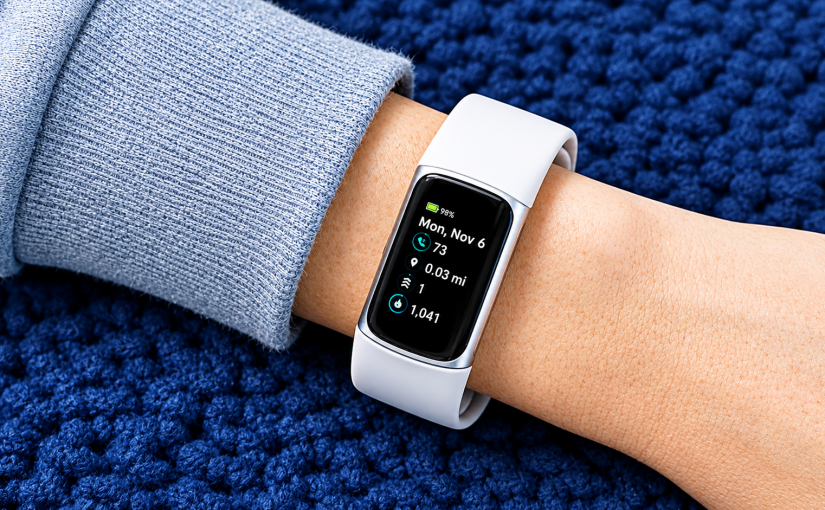
Understanding Fitbit Battery Lifespan
Many people buying a fitness tracker eventually ask how many years does a fitbit battery last before performance starts to decline. In most cases, a Fitbit device can last between two and five years depending on the model, charging habits, and daily usage. Devices with GPS, always-on displays, and continuous heart monitoring usually consume more power and may show battery wear earlier than simpler models.
Another common question is how long does a fitbit battery last during normal day-to-day use. Most newer Fitbit models can run anywhere from five to ten days on a single charge. Devices such as the Fitbit Charge series often last close to a week, while advanced smartwatches with larger displays may need charging more frequently. New Zealand users who spend a lot of time outdoors using GPS tracking for hiking, running, or cycling may notice shorter battery performance over time.
What Happens as a Fitbit Ages?
People also wonder how long does a fitbit last before it dies completely. A Fitbit rarely stops working suddenly without warning. Instead, battery capacity slowly decreases over the years. At first, users may notice the battery draining faster than usual. Later, charging may become inconsistent, or the device may shut down unexpectedly even with battery percentage remaining.
Environmental conditions can also affect lifespan. In New Zealand, colder winter temperatures in some regions may temporarily reduce battery performance, especially during outdoor exercise. Frequent charging cycles and exposure to moisture can also contribute to long-term wear.
When Should You Replace Your Fitbit?
A very popular search is how long does a fitbit last before replacement because users want to know whether repair or replacement makes more sense. Many Fitbit devices continue functioning well for several years, but replacement is often considered when the battery no longer lasts through a full day, syncing becomes unreliable, or software support starts to fade.
Some users continue using older Fitbit models for basic step counting even after battery efficiency declines. However, those relying on sleep tracking, workout monitoring, and notifications may prefer upgrading once the device no longer provides dependable daily performance.
How Long Does 10% Fitbit Battery Last?
Battery percentage estimates can vary widely depending on settings and usage. A common concern is how long does 10% fitbit battery last when users are away from a charger. In many cases, 10% battery may provide anywhere from one to several hours of operation. If GPS, screen brightness, and constant notifications are active, the remaining battery may drain much faster.
Users can extend remaining battery life by lowering screen brightness, disabling unnecessary notifications, and turning off continuous GPS tracking. This can be especially useful during travel, long workdays, or outdoor activities where charging access is limited.
What’s the Life Expectancy of a Fitbit Battery?
Many shoppers ask what’s the life expectancy of a fitbit battery because they want to know whether the device is a good long-term investment. Lithium-ion batteries inside Fitbit devices naturally degrade with time. Even with excellent care, battery capacity slowly reduces after hundreds of charging cycles.
For most users, the battery remains acceptable for at least two to three years before noticeable decline occurs. Careful charging habits can help extend lifespan. Avoiding excessive heat, preventing full battery drain too often, and using compatible charging cables can all help maintain healthier battery performance over time.
Will My Fitbit Still Work After February 2026?
Some users are concerned about long-term compatibility and ask will my fitbit still work after february 2026. In general, most Fitbit devices should continue functioning after that date for basic fitness tracking and syncing, provided the hardware remains operational and the device still supports the Fitbit app ecosystem.
However, software updates, mobile operating systems, and cloud services may eventually affect older models. Certain features could become limited over time if a device no longer receives updates. Users planning to keep an older Fitbit for many years should periodically check compatibility with newer phones and operating systems.
Can a Battery Be Replaced in a Fitbit?
Another frequently searched question is can a battery be replaced in a fitbit. Technically, some Fitbit batteries can be replaced, but the process is often difficult because many devices are sealed for water resistance and compact design. Professional repair services may offer battery replacement for selected models, although the cost sometimes approaches the price of a newer device.
Some users attempt DIY battery replacement, but opening the device can damage seals, screens, or internal components. Before replacing a battery, it is important to consider the overall age of the device, charging reliability, and future software support.
Does a Fitbit Measure Atrial Fibrillation?
Health tracking features have become increasingly important, leading many people to ask does a fitbit measure atrial fibrillation. Certain Fitbit models include irregular heart rhythm notifications and ECG-related functions designed to help detect signs associated with atrial fibrillation, often referred to as AFib.
These features can provide useful health insights, especially for users monitoring heart rhythm trends. However, Fitbit devices are not substitutes for professional medical diagnosis. If irregular heart rhythms or symptoms appear, users should consult a healthcare professional for proper evaluation and testing.
Tips to Make Your Fitbit Last Longer
Proper care can significantly improve both battery life and overall device lifespan. Keeping software updated, avoiding overcharging, cleaning charging contacts regularly, and reducing unnecessary background features can all help maintain stable performance.
For active users in New Zealand who rely on Fitbit devices during travel, hiking, cycling, or gym sessions, using battery-saving settings during long activities can make a noticeable difference. Small adjustments often help extend daily battery duration and delay long-term battery degradation.
Final Thoughts on Fitbit Lifespan and Battery Performance
Fitbit devices are designed for long-term daily use, but battery performance naturally changes with age. Questions such as how many years does a fitbit battery last and how long does a fitbit battery last remain important because battery health directly affects the overall user experience.
Whether you are wondering can a battery be replaced in a fitbit or asking will my fitbit still work after february 2026, understanding how Fitbit batteries age can help you make better decisions about maintenance, charging habits, and future upgrades. With proper care, many Fitbit devices continue providing reliable fitness tracking and health insights for years.