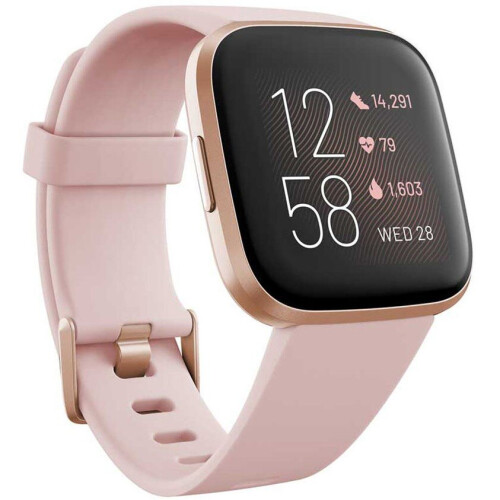
Understanding How Long Do Fitbits Last in Everyday Use
Many people buying a fitness tracker eventually ask how long do fitbits last when used every day for workouts, sleep tracking, and notifications. In New Zealand, where outdoor activities like hiking, cycling, and running are popular, Fitbit devices are often used heavily throughout the year. Most Fitbit models can last between two and five years depending on the model, charging habits, and environmental conditions. Devices with more advanced features such as GPS, continuous heart-rate monitoring, and bright displays may experience faster battery wear over time.
People also search for how long does a smart watch last because smartwatch lifespan is not only about battery performance. Screen durability, software updates, water resistance, and charging frequency all affect how long the device remains reliable. A Fitbit used carefully and charged properly may continue functioning well even after several years of daily wear.
How Long Does a Smartwatch Battery Last During Daily Use
One of the most common questions is how long does a smartwatch battery last on a single charge. Fitbit battery life varies widely depending on the model. Basic trackers may last five to ten days, while more advanced smartwatches with GPS and always-on displays may only last one to three days before charging is needed again.
Battery life also changes depending on usage habits. Frequent exercise tracking, notifications, music controls, and screen brightness can shorten runtime considerably. New Zealand users who spend long hours outdoors may use GPS more frequently for trail running or cycling, which drains the battery faster than standard activity tracking.
Weather conditions can also affect battery performance. Cold winter mornings in some parts of New Zealand may reduce temporary battery efficiency, making devices appear to drain faster than normal.
How Long Does Fitbit Battery Last Before Replacement
Another important question people ask is how long does fitbit battery last before replacement. In most cases, Fitbit batteries maintain acceptable performance for around two to three years before noticeable degradation begins. Over time, lithium-ion batteries naturally lose capacity, meaning the device may require charging more often.
Heavy charging cycles can speed up battery aging. If the tracker is charged from near-empty to full every single day, the battery may wear faster compared with moderate charging habits. Some users notice reduced performance after a couple of years when the device no longer lasts through an entire week.
Because most Fitbit models have sealed batteries, replacing them is not always simple. Some people choose repair services, while others decide upgrading to a newer model is more practical once battery life becomes too short for daily use.
Fitbit Battery Drained Overnight and What Causes It
A frustrating issue many users experience is fitbit battery drained overnight. Sudden battery drain can happen for several reasons, and it does not always mean the battery is permanently damaged. Software updates running in the background may increase power consumption temporarily. Continuous syncing with a smartphone, excessive notifications, or GPS functions left active can also rapidly reduce battery life.
Sometimes restarting the device or updating the Fitbit app can solve overnight battery drain problems. In other cases, an aging battery may simply struggle to hold a charge properly anymore. If the device loses most of its power overnight repeatedly, the battery health may already be declining significantly.
New Zealand users who frequently travel or switch between different mobile networks may also notice syncing-related battery issues when the device constantly reconnects to Bluetooth services.
How Long Does a Fitbit Battery Last Compared With Other Smartwatches
When consumers compare wearable devices, they often wonder how long does a fitbit battery last relative to other smartwatch brands. Fitbit trackers are generally known for longer battery endurance than many full-featured smartwatches because they focus heavily on fitness tracking efficiency.
Some advanced smartwatches require charging every day, especially those with large displays and powerful apps. Fitbit devices often balance features with energy-saving performance, allowing users to go several days between charges. This can be especially convenient for travellers, hikers, or busy professionals who do not want to carry chargers everywhere.
Still, battery lifespan decreases gradually no matter the brand. Even if the device originally lasts a week on one charge, older batteries may eventually need charging every few days after years of use.
What Is the Average Life of a Fitbit?
Consumers regularly ask what is the average life of a fitbit because they want to know whether the device is a long-term investment. On average, a Fitbit can remain functional for roughly three to five years with proper care. Simpler fitness bands may sometimes last longer because they contain fewer power-hungry features.
Physical wear also plays a role in overall lifespan. Exposure to sweat, water, dust, and accidental impacts can affect charging ports, buttons, and sensors over time. People who wear their devices during swimming, gym sessions, and outdoor adventures every day may experience faster wear compared with casual users.
Software support is another factor. Even if the hardware still works, older models may stop receiving updates eventually, which can limit compatibility with newer smartphones and apps.
Why Do Fitbits Stop Working After Several Years?
Another common concern is why do fitbits stop working. There are several possible reasons. Battery degradation is one of the most common causes, but software issues, charging failures, damaged sensors, or water exposure may also contribute.
Sometimes the screen stops responding due to internal hardware fatigue. In other cases, charging pins become worn after years of daily charging. Moisture buildup can also create long-term problems if the device is frequently exposed to sweat or water without proper cleaning.
Regular maintenance can help extend device life. Cleaning charging contacts, updating firmware, avoiding extreme temperatures, and not overcharging the device overnight every day can all improve long-term reliability.
How Often Do You Have to Replace a Fitbit?
People frequently ask how often do you have to replace a fitbit because replacement schedules vary significantly between users. Some replace their Fitbit every two years to access newer features and improved sensors, while others continue using the same device for five years or more.
Battery condition usually becomes the deciding factor. If the tracker no longer holds a practical charge or performance becomes unreliable, replacement may become necessary. Physical damage such as cracked screens or faulty charging systems can also push users toward upgrading.
For active New Zealand lifestyles involving hiking, surfing, cycling, and outdoor sports, wearables often experience more demanding conditions, so durability and battery health become especially important considerations.
Does a Fitbit Ever Need a New Battery?
Many users eventually wonder does a fitbit ever need a new battery. The answer is yes, but replacing the battery is not always straightforward. Fitbit devices use rechargeable lithium-ion batteries that gradually lose capacity over time, similar to smartphones and laptops.
Some repair specialists can replace Fitbit batteries, but repair costs may approach the value of an older device. For this reason, many consumers choose to upgrade instead of repairing. However, if the device is otherwise functioning well, battery replacement can sometimes extend its usable life significantly.
Taking care of battery health from the beginning can delay replacement needs. Avoiding extreme heat, not leaving the device fully discharged for long periods, and using moderate charging habits may help preserve long-term battery performance.
Choosing a Fitbit That Matches Your Lifestyle
Before purchasing a new tracker, it is worth considering how you plan to use it daily. Users focused mainly on step counting and sleep tracking may prefer models with longer battery endurance. Those needing GPS, music controls, and advanced health metrics may accept shorter battery life in exchange for extra functionality.
Understanding how long do fitbits last and how long does a smart watch last helps consumers set more realistic expectations before buying. With proper care and sensible charging habits, most Fitbit devices can provide several years of reliable performance for fitness tracking, health monitoring, and everyday convenience.