The Growing Role of Drone Technology in New Zealand
New Zealand has always been known for its beautiful landscapes, advanced agricultural systems, and strong connection with outdoor activities. In recent years, drone technology has become one of the most exciting developments in the country’s technology sector. From monitoring large farms to capturing stunning natural scenery, drones are changing the way people work, explore, and manage resources.
The expansion of drone applications in New Zealand is closely connected with the country’s need for efficient solutions in agriculture, environmental protection, tourism, and emergency response. With thousands of farms spread across remote regions, traditional methods of inspection and management can often require significant time and manpower. Drones provide a faster and more accurate way to collect information, helping farmers and businesses make better decisions.
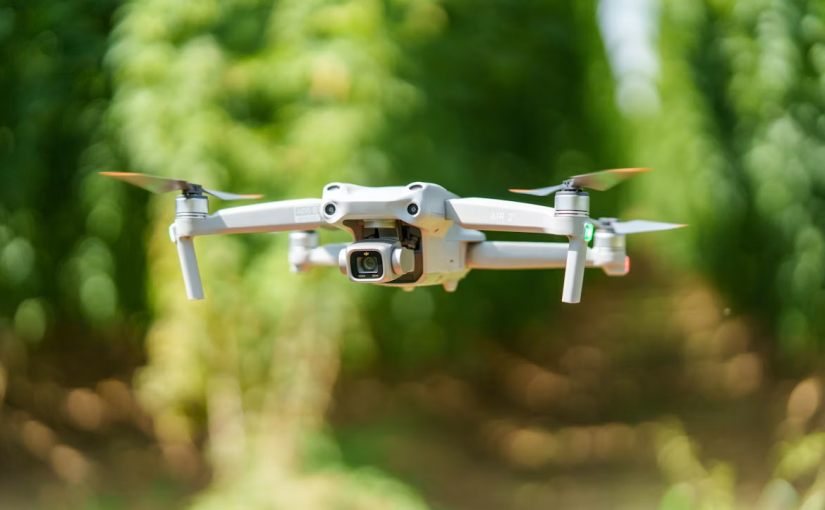
Modern drones are no longer only used by photography enthusiasts. Advanced models now include high-resolution cameras, artificial intelligence features, GPS navigation, obstacle avoidance systems, and automated flight functions. These improvements allow drones to perform complex tasks in challenging environments, making them valuable tools for both professional users and everyday consumers.
As drone adoption continues to increase across New Zealand, the demand for reliable accessories and improved performance solutions is also growing. Among these accessories, drone battery technology has become an important factor influencing flight time, efficiency, and user experience.
How Drones Are Transforming New Zealand Agriculture
Agriculture remains one of New Zealand’s most important industries, and drone technology is creating new opportunities for farmers. Large farms often cover extensive areas, making it difficult to monitor livestock, check crops, and identify potential problems quickly. Drones can help solve these challenges by providing aerial views and real-time information.
For example, farmers can use drones to inspect pasture conditions, monitor animal locations, and evaluate crop health. Equipped with advanced sensors, drones can detect changes that may not be visible from the ground. This allows farmers to respond earlier to issues such as water shortages, plant diseases, or uneven growth.
Precision agriculture is becoming increasingly important as farmers look for ways to improve productivity while reducing resource waste. Drones can support more accurate use of water, fertilisers, and pesticides by identifying specific areas that need attention instead of treating entire fields unnecessarily.
In remote areas of New Zealand, drones also reduce the physical demands placed on farmers. Instead of spending hours driving across large properties, farmers can quickly survey their land from the air. This combination of efficiency and accuracy makes drones an attractive investment for modern agricultural operations.
However, agricultural drones often require long working periods and stable performance. A high-quality drone battery plays a key role in ensuring that these devices can complete important tasks without frequent interruptions. Longer-lasting batteries allow farmers to cover larger areas and improve daily workflow.
Drones Bringing New Possibilities to Outdoor Adventures
Beyond agriculture, New Zealand’s outdoor culture has created a strong market for drone technology. The country’s mountains, coastlines, forests, and national parks attract photographers, travellers, and adventure enthusiasts from around the world. Drones provide a unique way to capture these landscapes from perspectives that were previously impossible.
Outdoor creators are increasingly using drones to produce travel videos, promotional content, and social media materials. Aerial footage of New Zealand’s natural scenery has become popular among filmmakers and tourism businesses because it creates immersive experiences for viewers.
Drones are also useful for outdoor safety and exploration. Search and rescue teams can use drones to quickly scan difficult terrain, helping locate missing people in remote environments. In areas where access is challenging, drones can provide valuable information without putting rescue workers at unnecessary risk.
The popularity of outdoor drone use has encouraged manufacturers to develop lighter, more portable, and more durable models. Travellers often look for drones that can be easily carried during hiking trips or camping adventures. Battery performance becomes especially important in these situations because users may spend long periods away from charging facilities.
A dependable drone battery allows outdoor users to extend their flying sessions and capture more footage during their journeys. Whether exploring mountains, beaches, or forests, longer flight time creates more opportunities for creative and practical applications.
Environmental Monitoring and Conservation Applications
New Zealand is globally recognised for its unique ecosystems and commitment to environmental protection. Drone technology is becoming an increasingly useful tool for conservation projects and scientific research.
Researchers can use drones to monitor wildlife populations, study changes in natural habitats, and collect data from areas that are difficult to access. For example, drones can assist with observing coastal environments, tracking environmental changes, and supporting conservation efforts for native species.
Because drones can collect information without causing major disturbance, they are becoming an important alternative to traditional monitoring methods. Scientists can observe ecosystems from above while reducing human impact on sensitive areas.
Government organisations and environmental groups are also exploring drone applications for disaster management. After floods, storms, or other natural events, drones can help assess damage and provide aerial information quickly. This capability is particularly valuable in regions where roads or infrastructure may be temporarily unavailable.
As environmental missions often require extended operation time, battery reliability remains a critical consideration. A powerful drone battery can help support longer flights, allowing researchers and emergency teams to collect more information during each mission.
The Future of Drone Innovation in New Zealand
The future of drone technology in New Zealand looks promising as innovation continues to improve performance and accessibility. Artificial intelligence, automated navigation, and advanced sensors are expected to make drones even smarter and easier to operate.
AI-powered drones may soon be able to analyse images automatically, identify changes in agricultural conditions, and make recommendations without requiring constant human control. This could further improve efficiency across farming, conservation, and commercial industries.
Another important trend is the development of more environmentally friendly drone solutions. As New Zealand continues to focus on sustainability, manufacturers are exploring ways to create more energy-efficient devices with longer operating capabilities.
Battery technology will remain a central part of this evolution. Improvements in energy density, charging speed, and durability will directly influence how drones are used in professional and personal environments. Better battery solutions can help reduce downtime and make drone technology more practical for everyday applications.
For consumers, this means future drones may offer longer flight times, improved reliability, and greater flexibility. For businesses, it means drones can become even more valuable tools for improving productivity and reducing operational costs.
Why Drone Technology Is Becoming a New Zealand Technology Trend
The growth of drone technology reflects a broader shift toward smarter digital solutions in New Zealand. Whether helping farmers manage land, assisting rescue teams, supporting environmental research, or enhancing outdoor experiences, drones are becoming part of many different industries.
The combination of New Zealand’s unique geography and technology-driven mindset creates an ideal environment for drone innovation. Large rural areas, beautiful natural landscapes, and strong demand for efficient solutions all contribute to the increasing popularity of drones.
For users, choosing the right equipment is essential. Factors such as camera quality, flight stability, durability, and energy efficiency all influence the overall experience. Among these factors, battery performance remains one of the most important considerations because it determines how long and effectively a drone can operate.
As drone technology continues to expand across New Zealand, improvements in battery solutions, smart features, and automation will continue to shape the future of aerial technology. Drones are no longer just entertainment devices; they are becoming powerful tools that support industries, protect the environment, and create new possibilities for exploration.
Drone technology is entering a new stage of development in New Zealand, bringing innovation to agriculture, outdoor activities, conservation, and emergency services. With advanced features and increasing accessibility, drones are helping people solve real-world challenges in smarter ways.
As demand continues to grow, supporting technologies such as drone battery solutions will play an essential role in improving flight performance and expanding drone applications. From farms and forests to mountains and coastlines, drones are opening a new chapter in New Zealand’s technology landscape and changing how people interact with the world around them.