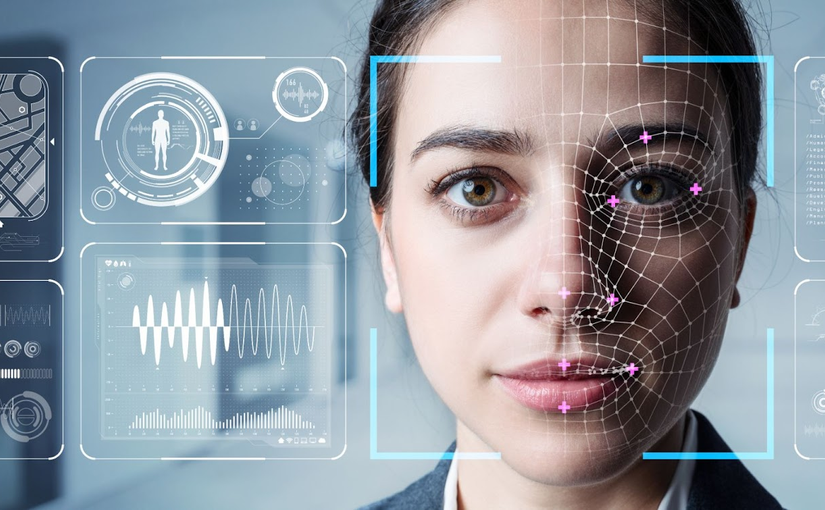
New Zealand’s Digital Identity Revolution Is Changing Everyday Transactions
New Zealand is entering a new era where digital identity is becoming an important part of how people interact with businesses, government services, and financial systems. From online banking to retail payments, identity verification is no longer limited to passwords, physical cards, or traditional documents. Instead, secure digital credentials, biometric verification, and connected payment technologies are creating a faster and safer digital environment.
The growth of digital identity solutions is closely linked with the transformation of New Zealand’s payment ecosystem. Government agencies and technology providers are exploring new ways to help people prove who they are while protecting personal information. The development of digital wallets and accredited digital credentials is expected to make online services more convenient while giving users greater control over their identity data.
For businesses, this shift means payment systems must become smarter and more reliable. Retail stores, cafes, hospitality providers, and service companies are increasingly depending on advanced payment equipment to support secure transactions. As contactless payments, digital wallets, and identity-based verification become more common, payment terminals are evolving from simple transaction machines into intelligent business tools.
The Connection Between Digital Identity and Secure Payments
Digital identity technology is becoming a key foundation for secure payments in New Zealand. When customers make purchases, businesses need confidence that the person completing the transaction is legitimate. Digital identity systems help reduce fraud risks by combining authentication methods such as biometrics, encrypted credentials, and device verification.
New Zealand’s digital identity framework is designed to improve trust between individuals, businesses, and service providers. Updated identification standards aim to help organisations manage identity information more securely, whether interactions happen online or in person.
This development is especially important for payment environments. A modern payment terminal is no longer just a machine that accepts bank cards. It may also connect with mobile wallets, loyalty systems, customer verification platforms, and cloud-based business software.
For small businesses across New Zealand, including local retailers and hospitality operators, reliable payment equipment has become essential. A café in Auckland, a tourism business in Queenstown, or a small store in Wellington all need payment solutions that can handle daily transactions while maintaining security and performance.
This growing dependence on digital payment infrastructure is also increasing demand for replacement components and long-lasting power solutions such as pos terminals & machines battery products. A stable power supply allows businesses to continue accepting payments during busy periods, especially for mobile payment devices used in restaurants, markets, and outdoor events.
Smart Payment Devices Are Becoming More Important for Kiwi Businesses
New Zealand has a strong small business community, and many companies are adopting digital tools to improve customer experiences. Payment devices are becoming more flexible, portable, and connected than previous generations.
Modern payment terminals can support multiple payment methods, including contactless cards, smartphones, digital wallets, and other electronic verification systems. These features make transactions faster while reducing friction for customers.
For example, a restaurant employee may use a handheld payment device to complete a transaction directly at a customer’s table. A market vendor may rely on a portable terminal to accept payments outdoors. A delivery business may use mobile payment equipment while serving customers in different locations.
However, these devices need dependable energy performance. Unlike traditional fixed checkout systems, portable payment machines often operate away from charging stations. This creates a growing need for durable pos terminals & machines battery solutions that help businesses maintain uninterrupted service.
Battery performance is becoming an important consideration when companies choose payment equipment. A device that loses power during peak business hours can create delays, reduce customer satisfaction, and affect daily operations.
As New Zealand moves toward a more connected economy, payment hardware must support both convenience and reliability. Digital identity may provide the security layer, but strong hardware performance ensures that these systems work smoothly in real-world situations.
Digital Identity Is Supporting a More Secure Online Economy
One of the biggest advantages of digital identity technology is improved protection against fraud. As more services move online, businesses face increasing challenges in confirming customer identities.
Traditional identification methods often require people to provide physical documents or manually enter information. Digital identity solutions can simplify this process by allowing users to verify themselves through secure digital credentials.
Biometric technology is also becoming an important part of identity verification. Facial recognition, fingerprint authentication, and other security methods can help ensure that only authorised users access sensitive services.
This trend is particularly relevant as artificial intelligence creates new challenges for cybersecurity. Businesses must improve identity checks to prevent fake accounts, fraudulent transactions, and unauthorised access. Digital identity systems provide an additional layer of protection by connecting users with verified credentials.
For payment providers, stronger identity verification can create safer shopping experiences. Customers want transactions to be convenient, but they also expect their personal and financial information to remain protected.
The combination of digital identity and smart payment devices creates a future where payments are not only faster but also more trustworthy.
The Role of Payment Terminals in New Zealand’s Digital Future
Payment terminals are becoming an important bridge between digital identity systems and everyday commerce. They are the physical devices that allow digital payment experiences to happen in stores, restaurants, transport services, and many other environments.
As payment technology develops, terminals are expected to become more intelligent. Future devices may include stronger security features, improved connectivity, and better integration with identity verification platforms.
For businesses, this means choosing reliable equipment will become increasingly important. A payment terminal must handle frequent transactions, connect with modern software, and operate efficiently throughout the day.
Portable payment machines are especially valuable in New Zealand because many industries depend on mobility. Tourism operators, outdoor businesses, food trucks, and event organisers often need flexible payment solutions.
In these situations, dependable pos terminals & machines battery technology helps ensure that payment devices remain operational wherever customers need them. Whether processing transactions at a busy festival or supporting a small business in a rural area, battery reliability plays a major role in maintaining service quality.
How Digital Identity Could Shape the Future of Retail and Services
The future of retail in New Zealand is likely to involve deeper connections between identity, payments, and customer experiences. Digital identity could allow customers to access services more easily while reducing unnecessary paperwork.
For example, customers may be able to verify their age, membership status, or eligibility through secure digital credentials instead of carrying multiple physical documents.
Retailers could also benefit from smoother customer interactions. Faster verification and payment processes can reduce waiting times and create more personalised experiences.
Hospitality businesses may also see major changes. Digital identity solutions could support secure bookings, customer verification, and streamlined payment experiences. These improvements could be particularly valuable for New Zealand’s tourism sector, where businesses serve visitors from around the world.
As these technologies continue to develop, payment devices will need to keep pace. Hardware reliability, connectivity, and energy efficiency will become even more important.
Building a Trusted Digital Economy in New Zealand
Digital identity is not only about technology; it is about creating trust. For digital services and payments to succeed, people need confidence that their information is protected and their transactions are secure.
New Zealand’s movement toward stronger digital identity systems reflects a wider global trend toward safer and more convenient digital experiences. Payment systems, identity platforms, and smart devices are becoming increasingly connected, creating new opportunities for businesses and consumers.
As this digital transformation continues, companies will need dependable technology solutions that support everyday operations. From identity verification platforms to payment terminals, every part of the ecosystem must work together.
Reliable hardware remains a critical part of this future. Whether businesses operate large retail networks or small independent stores, maintaining operational continuity will remain a priority. Advanced pos terminals & machines battery solutions will continue to support the growing demand for secure, mobile, and efficient payment experiences across New Zealand.
The future of payments is becoming more digital, more connected, and more secure. With digital identity technology leading the way, New Zealand is building a smarter financial environment where trust and convenience can exist together.