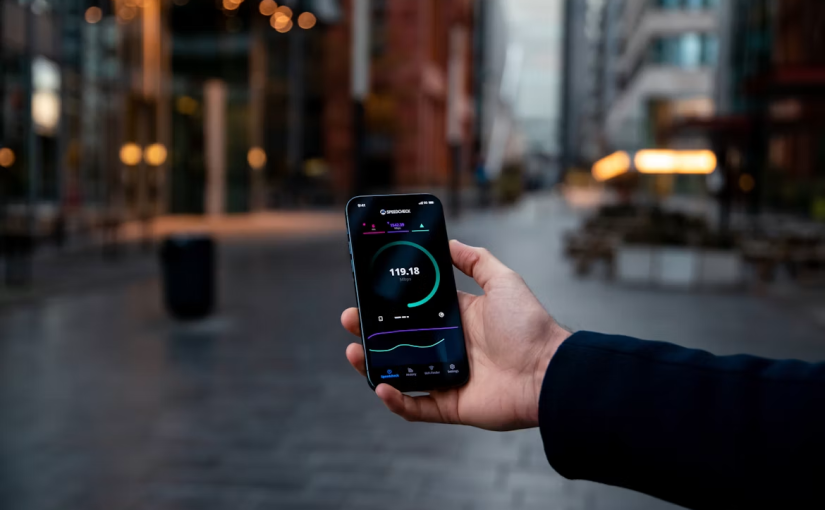
The Next Era of Connectivity Is Arriving in New Zealand
Over the past few years, digital technology has become an essential part of everyday life in New Zealand. From busy cities like Auckland and Wellington to smaller communities across the country, people are increasingly depending on connected devices for communication, entertainment, work, education, and daily services. The introduction of 5G has already improved mobile experiences by providing faster speeds and more stable connections, but the next generation of connectivity is expected to create even bigger changes.
Beyond 5G technology, new innovations such as advanced wireless networks, artificial intelligence, satellite communication, and the Internet of Things (IoT) are reshaping the future of electronic devices. These technologies will not only improve smartphones but also transform laptops, smart home equipment, wearable devices, electric vehicles, and industrial systems.
For New Zealand consumers, future connectivity is not just about downloading files faster or streaming videos without interruptions. It represents a smarter digital environment where devices can communicate instantly, analyze information efficiently, and provide more personalized experiences. As technology continues to develop, electronic products will become more intelligent, more connected, and more closely integrated into everyday life.
Beyond 5G: Faster Networks Will Create Smarter Devices
The future after 5G will focus on building communication networks that are faster, more reliable, and more intelligent. Next-generation connectivity will reduce delays between devices and networks, allowing electronic products to respond almost instantly. This improvement will be especially important for applications that require real-time data processing.
For example, future smartphones may use advanced cloud computing and artificial intelligence to complete complex tasks. Instead of depending only on internal hardware, devices will be able to connect with powerful systems remotely to improve performance. Features such as real-time language translation, AI photography, virtual reality experiences, and smart personal assistants will become smoother and more practical.
In New Zealand, improved connectivity could provide significant benefits for people living outside major cities. Many rural communities face challenges related to internet access and digital services. Future wireless technologies and satellite-based networks could help provide better connections for remote areas, supporting online learning, telemedicine, and modern agricultural solutions.
The development beyond 5G will also change how consumers evaluate electronic products. In the past, people mainly considered factors such as processor speed, camera quality, storage space, and design. In the future, connection capability will become equally important because devices will depend more heavily on constant communication with digital networks.
Smartphones Will Become the Center of Future Digital Life
Smartphones are expected to remain one of the most important electronic products in the connected world. However, future smartphones will become much more than tools for calling, messaging, and browsing. They will become personal digital assistants that connect users with their homes, vehicles, workplaces, and entertainment systems.
With advanced connectivity, smartphones could control smart home devices, manage personal health information, support augmented reality applications, and provide instant access to AI services. A phone may become the main control center for many aspects of daily life.
As smartphones gain more advanced functions, energy efficiency will become a major challenge. More powerful processors, brighter displays, AI features, and constant network connections all require better power management. Consumers will expect devices to deliver high performance while still lasting throughout a busy day.
A reliable smartphone battery will become increasingly important because future phones will need to support more demanding applications. Whether users are using AI assistants, watching high-quality videos, playing online games, or connecting with smart devices, battery performance will directly affect the overall user experience.
Technology companies are therefore focusing on improving battery materials, charging solutions, and software optimization. Future smartphones may use smarter energy systems that automatically adjust power consumption based on user behavior, helping extend battery life without reducing performance.
Smart Homes Will Become More Intelligent and Connected
Smart home technology is another area that will benefit significantly from future connectivity. In New Zealand, more households are adopting connected devices such as smart lighting, security cameras, smart speakers, and energy management systems.
Beyond 5G networks will allow these devices to communicate more effectively. Instead of working independently, smart products will cooperate to create a complete digital living environment. Homes of the future may automatically adjust lighting, temperature, and energy usage according to the habits and preferences of residents.
For example, smart sensors could detect when people enter or leave a room and automatically control household systems. Security devices could analyze unusual movements and provide instant notifications. Smart energy systems could monitor electricity usage and help families reduce unnecessary consumption.
This development is especially meaningful in New Zealand, where sustainability and energy efficiency are important concerns. Connected technology could help households make better use of renewable energy, reduce waste, and create greener lifestyles.
As smart homes become more common, consumers will also expect their electronic devices to work together smoothly. Future connectivity will provide the foundation for this ecosystem, allowing different brands and products to communicate more efficiently.
Wearable Devices and Healthcare Technology Will Experience Major Changes
Wearable technology is another field that will be transformed by next-generation connectivity. Smartwatches, fitness trackers, and health monitoring devices are already popular among many consumers, but future versions will provide more advanced functions.
With faster networks and improved AI capabilities, wearable devices could monitor health conditions more accurately and provide real-time information. They may track important health indicators, analyze activity patterns, and send data directly to healthcare providers when necessary.
For New Zealand’s aging population and communities in remote regions, connected healthcare devices could offer valuable support. Remote health monitoring may help patients receive medical attention without always needing to travel long distances.
Future wearable products will also become more comfortable, efficient, and powerful. Manufacturers will need to balance advanced features with compact designs and longer operating times. Improved energy management and efficient components will be essential for creating successful wearable devices.
The Impact of Connectivity on Laptops, Vehicles, and Other Electronics
The influence of future connectivity will extend beyond smartphones and smart homes. Laptops, tablets, electric vehicles, and industrial electronics will also benefit from more advanced networks.
Future laptops may become more dependent on cloud-based services and AI applications. Students and professionals in New Zealand could use smarter devices for online collaboration, creative work, and remote employment. Faster connections will allow users to access powerful computing resources without requiring extremely expensive hardware.
Electric vehicles will also become more connected. Cars of the future may communicate with charging stations, traffic systems, and other vehicles to improve safety and efficiency. Advanced connectivity could support better navigation, automated driving features, and smarter energy management.
In industries such as agriculture, which plays an important role in New Zealand’s economy, connected technology could create new opportunities. Smart farming equipment may collect real-time information about soil conditions, weather patterns, and crop health. Farmers could use this data to improve productivity and reduce resource consumption.
Battery Technology Will Support the Future of Connected Devices
As electronic products become smarter, battery technology will become one of the key factors influencing their development. More powerful connectivity features often require more energy, creating new challenges for manufacturers.
Future devices will need batteries that provide longer usage times, faster charging speeds, and improved durability. Consumers do not only want advanced features; they also want reliable devices that can support their daily activities without frequent charging.
A high-performance smartphone battery will continue to be an essential component as mobile devices become more powerful. The growth of AI applications, video communication, gaming, and connected services means smartphones must manage energy more efficiently than ever before.
Beyond smartphones, battery improvements will also benefit wireless headphones, smartwatches, laptops, and electric vehicles. Advances in battery technology could make electronic products more convenient and environmentally friendly.
What the Future of Electronics Looks Like in New Zealand
The future of electronic devices in New Zealand will be shaped by the combination of connectivity, artificial intelligence, and innovative hardware design. Beyond 5G technology will create a world where devices communicate faster and work together more naturally.
Consumers can expect smartphones that understand their needs, homes that automatically adapt to their lifestyles, and wearable devices that provide valuable health information. Businesses and industries will also benefit from smarter systems that improve efficiency and create new possibilities.
However, the success of future technology will depend on more than just faster networks. Companies will need to focus on security, privacy, sustainability, and user experience. As more devices become connected, protecting personal information and ensuring reliable performance will become increasingly important.
The evolution beyond 5G is not simply a technological upgrade. It represents a transformation in how people interact with electronic products. For New Zealand consumers, the future will bring a more connected, intelligent, and convenient digital lifestyle.
With continuous innovation in communication networks, AI technology, and energy solutions, the next generation of electronics is expected to become an important part of everyday life. From smartphones to smart homes, future devices will not only connect people but also create a smarter world built around their needs.