Why Apple Watch Is Back in the New Zealand Tech Conversation
Wearable technology has become a familiar part of everyday life in New Zealand. From tracking morning runs along Auckland’s waterfront to monitoring sleep after a busy workday, smartwatches are no longer simply digital accessories. They have become personal devices that sit quietly on the wrist and collect information throughout the day.
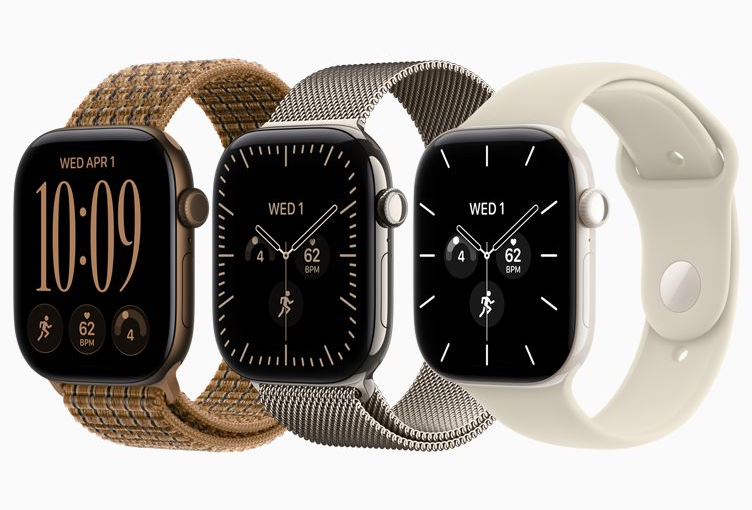
The arrival of the Apple Watch Series 12 has added fresh energy to that conversation. Apple introduced the new smartwatch in September 2026 with an updated Health Sensing System, a new S11 chip and a stronger focus on continuous health and fitness monitoring. Apple says the new system is designed to provide more frequent heart-rate and heart-rate-variability measurements, while the company is also expanding the ways users can interact with health and fitness information.
For New Zealand consumers, the timing is particularly interesting. Smartwatches fit naturally into a country where outdoor recreation, running, cycling, hiking and everyday fitness are popular. At the same time, people increasingly expect technology to provide useful information without requiring constant attention.
That makes the latest Apple Watch more than another annual hardware update. It represents the wider movement toward wearable technology that can become part of a person’s daily routine.
Health Tracking Moves Closer to the Centre
One of the biggest changes surrounding the Apple Watch Series 12 is the emphasis on health sensing.
Earlier generations already offered heart-rate monitoring, workout tracking, sleep-related information and other wellness features. The Series 12 takes that concept further by introducing a redesigned sensing system intended to provide higher-frequency measurements.
Apple says the new Health Sensing System uses updated optical and electrical heart sensors to support more continuous monitoring. The company has also highlighted improvements in heart-rate and HRV tracking.
For someone in New Zealand, this could be useful in a variety of everyday situations. A runner might want to examine heart-rate patterns during a training session. A cyclist could review workout information after a long ride. Someone simply trying to become more active could use the watch as a reminder to move throughout the day.
The important point is that wearable technology is gradually shifting from occasional measurement toward continuous personal data collection.
That shift also makes battery performance more important.
Battery Life Matters More When the Watch Does More
A smartwatch can have excellent sensors and sophisticated software, but none of those features are useful when the device is sitting on a charger.
The more frequently a watch records information, the more important its power management becomes. Continuous sensing, GPS workouts, notifications, wireless communication, screen activity and background processes all contribute to daily energy consumption.
This is why battery health deserves attention when consumers evaluate a smartwatch. People who wear their watch overnight for sleep tracking may have a different charging routine from someone who primarily uses it during workouts.
For owners of older Apple Watch models, battery condition can eventually become just as important as software support or new features. As a watch ages, users may notice that it needs to be charged more frequently or struggles to maintain the same level of daily endurance.
When an older watch begins showing reduced endurance, researching an appropriate apple watch battery can become part of the ownership experience. The correct battery depends on the exact Apple Watch generation and model, so identifying the device before considering any replacement component is essential.
New Zealand’s Outdoor Lifestyle Creates a Natural Fit
New Zealand offers a particularly interesting environment for wearable technology.
The country has a strong culture of outdoor recreation. Running tracks, beaches, cycling routes, hiking trails and parks provide countless opportunities for people to use fitness technology outside traditional gyms.
A smartwatch can accompany users through many of these activities while remaining relatively unobtrusive.
For runners, GPS tracking and heart-rate information can help document training sessions. For hikers, location and activity data can make the watch useful during longer outdoor adventures. For people who simply want to walk more, daily activity goals can turn an ordinary routine into something measurable.
The Apple Watch Ultra 4, introduced alongside the Series 12, takes the outdoor side of Apple’s wearable strategy even further, with Apple positioning it as a sports and adventure-focused device.
This creates an interesting distinction within the Apple Watch family. The standard Series 12 is positioned around everyday health, fitness and smart features, while the Ultra line is aimed more directly at demanding outdoor activities.
For New Zealand consumers, both approaches have relevance.
The Rise of Personal Health Data
Another reason wearable technology is attracting attention is the growing amount of information people can collect about themselves.
A smartphone may tell someone how many steps they took, but a smartwatch can remain on the wrist throughout the day. It can monitor activity during a walk, record a workout, provide notifications and collect sleep-related information at night.
This creates a more complete picture of daily habits.
The new Apple Watch health features are part of a broader industry trend toward turning wearable devices into personal information hubs. Apple has also introduced new health and wellness features through its latest software, making the relationship between hardware and software increasingly important.
For New Zealand users, this can make a smartwatch useful beyond exercise. Someone working in an office might use it to stay active during long periods of sitting. A university student might use it to keep track of activity and sleep routines. An outdoor enthusiast could use it to monitor workouts while exploring different parts of the country.
The watch becomes less about checking the time and more about understanding daily behaviour.
What the Battery Means for Everyday Use
The battery is one of the least visible parts of a smartwatch, but it has a major influence on the user experience.
Imagine a person preparing for a weekend hiking trip. They charge their Apple Watch before leaving home, use GPS throughout the day and rely on the watch for activity information. If the battery is already heavily degraded, the device may not provide the same confidence as it did when it was new.
The same issue can appear with sleep tracking.
Users who want overnight health and sleep information need to maintain enough charge before going to bed. This creates a daily charging routine that is different from using a conventional watch.
As Apple Watches become more capable, maintaining a healthy power system becomes increasingly relevant.
When researching an apple watch battery, consumers should therefore focus on compatibility rather than simply choosing a battery based on the Apple Watch name. Different generations and sizes can use different battery specifications, meaning model identification matters.
This is particularly relevant for people who have owned their Apple Watch for several years and are considering whether to keep using it rather than immediately moving to a new generation.
Software Is Making the Watch More Intelligent
Hardware is only one part of the latest Apple Watch story.
Apple has also released watchOS 27, bringing new software features and deeper integration with Apple’s broader software ecosystem. The latest software generation includes health and fitness improvements, updated interactions and new intelligent capabilities.
This highlights an important change in the smartwatch market.
Consumers are no longer buying a device that remains unchanged for years. Instead, modern wearables increasingly receive software updates that can add functions, redesign interfaces and improve the way information is presented.
For Apple Watch owners, this means the useful life of a device can depend on several factors at once. Hardware condition, battery endurance, software compatibility and personal requirements all influence how long a watch remains practical.
This also explains why battery condition can become an important consideration for older models.
Smartwatches Are Becoming Everyday Companions
The most interesting development may be how ordinary smartwatches have become.
A decade ago, wearing a computer on your wrist could feel unusual. Today, seeing someone checking a notification, recording a run or reviewing a workout on a smartwatch is completely normal.
In New Zealand, that transition is especially visible in active environments. A smartwatch can move from an office desk to a running track, then accompany its owner on a weekend trip without needing to change devices.
The Apple Watch Series 12 is designed around this idea.
Its health sensors, fitness features and software capabilities are not necessarily intended for occasional use. They are designed to operate throughout the user’s routine, creating a continuous relationship between the person and the device.
That makes reliability more important than ever.
When Should Owners Think About Battery Condition?
Battery performance naturally changes over time. Owners of older Apple Watches may eventually notice shorter operating periods, more frequent charging or unexpected drops in battery percentage.
Those signs do not automatically mean that the entire watch is obsolete.
For some users, the watch may still perform everything they need. If the screen, sensors, software compatibility and other hardware remain suitable, maintaining the device can be worth considering.
Before looking for an apple watch battery, however, users should identify their exact Apple Watch model, case size and generation. Compatibility is critical because smartwatch batteries are not universal components.
It is also important to distinguish between general battery information and professional service. A battery is an internal component, and working on a compact wearable device requires appropriate tools and technical knowledge.
For consumers who are not comfortable working with small electronics, professional servicing may be the safer route.
A Bigger Trend Beyond Apple
Apple’s latest smartwatch launch also reflects a much bigger trend in consumer electronics.
Samsung, Garmin, Google and other companies continue to develop watches and fitness devices with increasingly sophisticated sensors. Competition is pushing wearable technology toward better health tracking, improved fitness analysis, smarter software and longer practical use.
This competition benefits consumers because it expands the range of devices available for different lifestyles.
Some people want a lightweight smartwatch for notifications and everyday activity. Others need advanced fitness tools. Outdoor users may prioritise durability and longer endurance. People interested in health and wellness may care most about sensors and data analysis.
The result is a smartwatch market that is becoming more diverse.
New Zealand consumers are part of that global trend, but local lifestyle factors give wearable technology a particularly practical role. A device that can track a city walk in Wellington, a run in Christchurch or a weekend adventure in the Southern Alps illustrates how closely technology can connect with everyday activities.
The Next Stage of Wearable Technology
The Apple Watch Series 12 arrives at a moment when consumers are asking more from small devices.
A smartwatch is no longer simply expected to show notifications and count steps. Users increasingly want accurate sensing, useful health information, intelligent software, reliable connectivity and enough battery endurance to support their routines.
That raises the importance of every component inside the device.
Sensors determine what the watch can measure. Software determines how that information is interpreted and displayed. The processor determines how efficiently the device performs. And the battery determines how long all of those features can remain active.
For people continuing to use older Apple Watches, battery condition will therefore remain an important part of the conversation. A suitable apple watch battery can be relevant when evaluating the continued use of an older device, provided the exact model and compatibility are confirmed.
The latest Apple Watch launch shows where wearable technology is heading: more personal, more connected and increasingly focused on continuous health and fitness information.
For New Zealand consumers, the appeal is easy to understand. Whether the goal is tracking a morning run, monitoring daily activity, exploring the outdoors or simply staying connected without constantly reaching for a phone, the smartwatch is becoming a natural part of modern life.
And as these devices become more capable, the conversation around battery endurance, battery health and long-term ownership will become just as important as the newest sensors and software features.