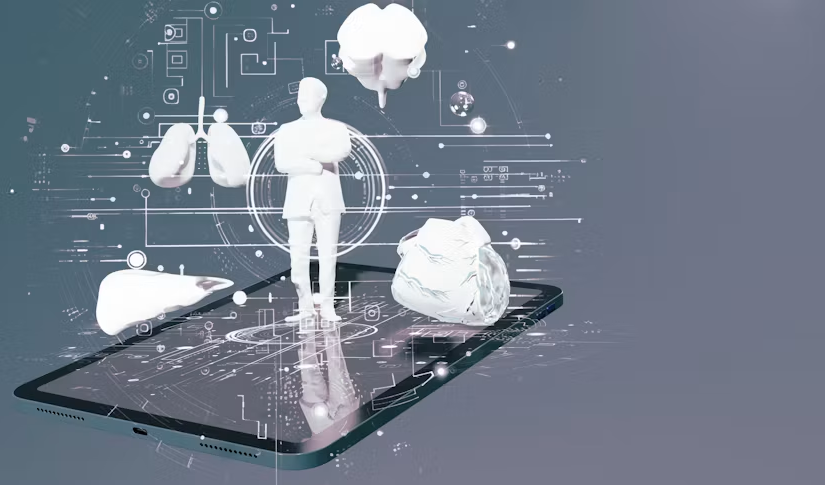
New Zealand Healthcare Enters a New Technology Revolution
New Zealand’s healthcare system is entering a new stage of development as artificial intelligence (AI), genomics, and digital medical technologies continue to reshape the way diseases are prevented, diagnosed, and treated. Traditional healthcare has often focused on responding to symptoms after they appear, but precision healthcare aims to understand each person’s unique biological characteristics and provide more personalised solutions.
The combination of AI and genomics is becoming one of the most exciting areas in modern medicine. AI can process huge amounts of medical information, identify patterns, and support healthcare professionals in making faster decisions. Genomics can reveal information hidden within a person’s DNA, helping doctors understand disease risks and select treatments that may work better for specific patients.
In New Zealand, these technologies are attracting increasing attention because they could help address some of the country’s healthcare challenges. With an ageing population, growing demand for medical services, and the need to improve healthcare access in rural communities, technology offers new ways to deliver better patient outcomes.
Modern healthcare innovation is not only about software and artificial intelligence. Behind every advanced medical system are reliable electronic devices and components that keep equipment running. From portable diagnostic tools to monitoring systems, many healthcare technologies depend on stable power solutions. This is why the role of medical battery technology is becoming increasingly important in supporting the future of digital healthcare.
How Artificial Intelligence Is Supporting New Zealand Medical Care
Artificial intelligence is changing healthcare by helping doctors analyse information more efficiently. Instead of replacing medical professionals, AI works as a powerful support tool that can improve accuracy and reduce workloads.
One major application of AI is medical image analysis. Hospitals and clinics are increasingly exploring AI systems that can examine medical scans and highlight possible health concerns. These technologies can assist doctors by identifying unusual patterns and providing additional information during diagnosis.
AI is also being used to improve patient management. Healthcare providers can use intelligent systems to analyse patient records, predict potential health risks, and recommend preventative actions. This approach shifts healthcare from simply treating illness toward preventing problems before they become serious.
For New Zealand, AI technology has particular value because it can help improve healthcare access. People living in remote regions may face challenges when travelling long distances to see specialists. AI-powered healthcare platforms and remote monitoring systems can help connect patients with medical professionals more easily.
Many of these technologies depend on electronic medical equipment that must operate reliably. Portable monitoring devices, emergency equipment, and remote healthcare tools require efficient energy solutions. A dependable medical battery allows these devices to function in different environments, including hospitals, clinics, ambulances, and community healthcare settings.
Genomics Is Changing the Future of Personalised Medicine
Genomics represents another major development in New Zealand’s healthcare transformation. Unlike traditional medical approaches that treat patients based mainly on symptoms, genomics examines genetic information to understand why certain health conditions develop and how individuals may respond differently to treatments.
Personalised medicine uses genomic information to create more targeted healthcare strategies. For example, two patients with the same condition may not respond equally to the same medication. By analysing genetic differences, doctors may be able to choose treatments that are more suitable for each person.
Cancer treatment is one area where genomics has shown significant potential. Genetic testing can help identify specific characteristics of tumours, allowing healthcare professionals to develop more precise treatment plans. Rare disease research can also benefit from genomic technology by helping patients receive faster and more accurate diagnoses.
As genomic healthcare develops, laboratories require increasingly advanced equipment to analyse biological samples. These systems often need continuous operation and precise performance. Reliable power sources are essential to ensure that testing procedures remain accurate.
The growing use of advanced medical laboratories and diagnostic equipment creates new opportunities for technologies such as medical battery solutions. These batteries help support medical electronics by providing stable energy for devices used in research, testing, and patient care.
Smart Medical Devices Bring Healthcare Into Everyday Life
Healthcare technology is no longer limited to hospitals. Smart medical devices are becoming part of everyday life, allowing people to monitor their health from home.
Wearable devices, smart sensors, and connected medical equipment are changing how people manage their wellbeing. Patients can track information such as heart rate, activity levels, blood pressure, and other health indicators through digital tools.
For many New Zealand residents, especially those living outside major cities, these technologies can provide valuable support. Remote healthcare solutions reduce the need for frequent hospital visits and allow doctors to monitor patients from a distance.
Home healthcare is also becoming more important as the population ages. Elderly people may benefit from smart monitoring systems that help families and healthcare providers understand their health conditions. These devices can provide alerts when unusual changes occur, allowing faster responses.
Portable healthcare equipment must be lightweight, reliable, and easy to use. Whether it is a home monitoring device or a mobile medical tool, battery performance directly affects user experience. A high-quality medical battery can help ensure longer operation time and improve the reliability of healthcare devices.
Challenges of AI and Genomic Healthcare Development in New Zealand
Although AI and genomics offer many opportunities, New Zealand must also consider several challenges during this transformation.
Data security is one of the most important concerns. Healthcare systems collect highly sensitive personal information, including medical records and genetic data. Protecting this information requires strong cybersecurity systems and responsible data management.
Another challenge is ensuring equal access to new technologies. Advanced healthcare solutions should benefit people across the country, including rural communities and groups that may face barriers to accessing medical services.
Healthcare professionals also need appropriate training to use new technologies effectively. AI systems and genomic tools can provide valuable information, but doctors and medical staff must understand how to interpret results and apply them correctly.
Infrastructure is another key factor. Modern healthcare depends on reliable electronic equipment, communication networks, and energy systems. Without strong technical support, advanced medical technologies may not achieve their full potential.
Battery innovation will continue to be an important part of this development. Medical equipment often needs to work in critical situations where power failure is not an option. Improvements in battery lifespan, safety, and efficiency will support the continued growth of digital healthcare.
The Future of Healthcare Technology in New Zealand
The future of New Zealand healthcare is likely to become more intelligent, connected, and personalised. AI will continue helping healthcare professionals analyse information, while genomics will provide deeper understanding of individual health conditions.
The goal of precision healthcare is not simply to introduce more technology but to create a healthcare system that focuses on prevention, early detection, and personalised treatment.
As technology continues to develop, patients will become more involved in managing their own health. Smart devices and digital platforms will allow people to access health information more easily and make better decisions about their lifestyles.
Hospitals and healthcare organisations will also continue adopting advanced medical equipment. From AI-assisted diagnosis systems to portable monitoring devices, electronic technology will remain central to healthcare innovation.
Behind these developments are many essential technologies that often receive less attention. Reliable power solutions allow medical devices to operate effectively and safely. As healthcare becomes increasingly digital, the demand for advanced medical battery technology will continue to grow.
AI and genomics are opening a new era for healthcare in New Zealand. These technologies are changing how diseases are detected, understood, and treated, creating opportunities for more personalised and effective medical care.
While challenges remain, the combination of artificial intelligence, genetic research, and smart medical devices provides a promising future. New Zealand’s healthcare transformation will depend not only on advanced algorithms and scientific discoveries but also on the reliable electronic systems that support them.
As precision healthcare continues to expand, technologies such as medical battery systems will play an important supporting role. By powering medical equipment, portable devices, and digital healthcare solutions, these technologies will help bring smarter healthcare closer to communities across New Zealand.