What If You Never Had to Worry About Forgetting Something Again?
Imagine leaving home in the morning, rushing to catch a bus, stopping at a café for coffee, attending three meetings, and picking up groceries on your way back. By the time you get home, you might have forgotten where you left your keys, the name of someone you met, or an important detail from a conversation.
Now imagine wearing a small device that remembers these details for you.
AI-powered memory wearables are creating an interesting new conversation about how people interact with technology. Instead of constantly checking a smartphone or writing notes, users could potentially rely on a wearable assistant to capture information, organise memories and retrieve useful details when needed.
For New Zealanders, where busy working days, outdoor activities and long commutes are part of everyday life, this idea has plenty of appeal. But could a tiny wearable really become a reliable second memory?
The Rise of Wearable AI Is Changing Everyday Technology
For years, wearable technology mainly focused on counting steps, measuring heart rates and displaying smartphone notifications. Smartwatches and fitness trackers became popular because they made information available without requiring people to reach for their phones.
The next generation of wearable technology is exploring something more ambitious: understanding what happens around the user.
AI memory devices may combine microphones, voice recognition, wireless connectivity and artificial intelligence to help people record important moments. Depending on the product, users might be able to activate a recording, save a voice note, summarise a conversation or search previously stored information.
This development reflects a broader shift from technology that simply displays information towards technology that helps organise it.
New Zealand has already seen growing discussion around AI-enabled wearable devices, particularly smart glasses. In October 2026, the Institute of Directors New Zealand highlighted how ambient AI could move into everyday environments through glasses, watches, hearing devices and meeting rooms.
That shift makes memory-focused wearables an interesting next step. Rather than opening an application whenever they need assistance, people could eventually interact with AI through devices they already wear.
Could an AI Pendant Become Your Personal Memory Assistant?
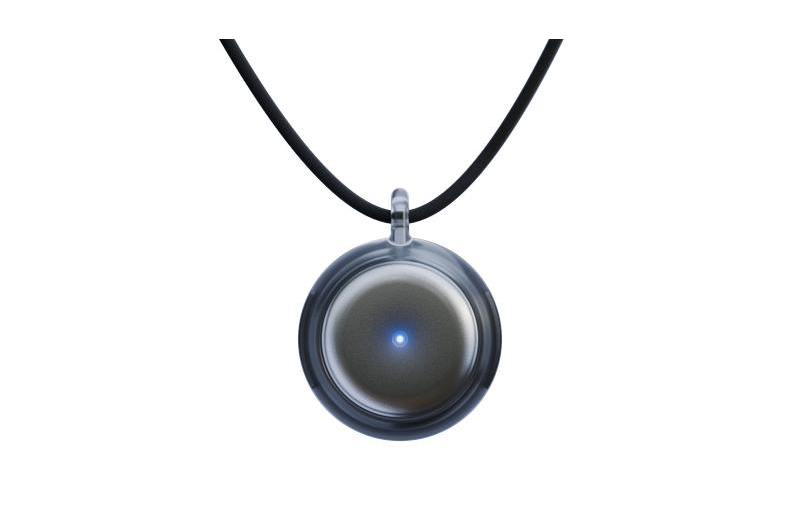
One of the most interesting possibilities is a small AI pendant worn around the neck.
Unlike a traditional smartwatch, which relies heavily on a screen, a memory pendant could focus on voice interaction and background assistance. A user might activate it before an important conversation, ask it to remember a shopping list or request a summary of a meeting afterwards.
Consider a typical working day in Auckland.
You arrive at the office and speak with a colleague about a project deadline. Later, you visit a supplier and discuss several product specifications. In the afternoon, someone gives you a useful recommendation during a casual conversation.
Normally, you would need to remember everything or manually write it down.
An AI memory assistant could potentially organise these details into searchable notes. You might later ask, “What was the delivery date we discussed this morning?” and receive an answer based on information you previously saved.
For small business owners, freelancers and people who manage several projects, this could be particularly useful.
However, there is an important distinction between remembering everything and remembering what matters. A device that collects hundreds of hours of conversations without organising them would create another information problem rather than solve one.
The most useful products will probably be those that can identify relevant details, produce clear summaries and allow users to correct mistakes.
Why Smartwatches Could Become Part of the Memory Revolution
AI pendants might attract attention, but smartwatches already have an advantage: millions of people are familiar with wearing them.
A smartwatch can display reminders, record voice notes, manage notifications and connect with other digital services. These features make it a natural starting point for more advanced personal assistants.
Imagine receiving a reminder about an appointment just before leaving home. Your watch could also display a short summary of a previous conversation or remind you about something you promised to do.
Future AI integrations could make these interactions more conversational. Instead of navigating several menus, users might simply ask their watches to retrieve a saved detail.
Of course, these features depend on software, microphones, connectivity and hardware performance. Battery life will also matter. A device that constantly processes voice commands and synchronises information may consume more energy than a traditional fitness tracker.
That makes a dependable smartwatch battery an important part of the overall experience. Users want their wearable assistant to remain available throughout a busy day rather than running out of power just when they need an important reminder.
For New Zealand consumers who spend time travelling between work, home and outdoor activities, dependable everyday battery performance could influence which wearable devices they choose.
New Zealand’s Privacy Debate Makes AI Wearables More Interesting
There is another reason AI memory technology deserves attention in Aotearoa: privacy.
A device that remembers conversations must collect information somehow. That raises questions about who is being recorded, where information is stored and whether other people know that a recording is taking place.
These concerns are particularly relevant in New Zealand.
In August 2026, the Office of the Privacy Commissioner outlined expectations for the responsible use of smart glasses. The Commissioner highlighted concerns about covert recording, consent and the handling of information collected by wearable devices.
Netsafe has also published guidance explaining how smart glasses can create privacy and online-harm concerns when recordings are shared in inappropriate ways.
Although a memory pendant is not necessarily the same as a camera-equipped pair of glasses, both technologies raise similar questions when they capture information about other people.
Imagine attending a family gathering in Wellington. You might appreciate having an AI device remember funny stories and important dates. However, other family members might not want their conversations recorded or uploaded to an online service.
The same issue applies to workplaces, cafés, classrooms and public transport.
Manufacturers will need to make recording controls obvious. Clear indicators, easy activation and deletion options, and understandable privacy settings should become essential features rather than optional extras.
People should also be able to choose when their devices listen, what information gets saved and how long that information remains available.
Could AI Help People With Busy Jobs Remember More?
The potential benefits extend well beyond personal organisation.
New Zealand has a wide range of occupations where remembering small details can make a meaningful difference. Tradespeople, hospitality workers, real estate agents, teachers and small business owners frequently manage multiple tasks throughout the day.
For example, a tradesperson visiting several properties might need to remember measurements, customer preferences and materials discussed at each location.
An AI assistant could potentially turn approved voice notes into organised project records.
A real estate agent might use a wearable assistant to remember property features and client preferences, while a hospitality manager could use it to keep track of operational reminders.
Teachers might find voice-based note-taking useful when preparing lessons or organising ideas after class.
However, these applications would require careful consideration of workplace privacy and confidentiality. Recording customer conversations or handling sensitive information without appropriate permission could create serious problems.
AI should support professional judgement, not replace it.
The best workplace applications will be those that save time while allowing people to remain responsible for decisions and communication.
What About People Who Simply Forget Everyday Things?
Not every memory problem involves complicated business tasks.
Sometimes people forget where they put their car keys, whether they added milk to the shopping list or which café a friend recommended.
These everyday situations could make AI memory wearables appealing to ordinary households.
Imagine walking through a supermarket in Christchurch and asking your assistant what you planned to buy. Instead of searching through messages or opening a notes application, you could retrieve a saved shopping list with a simple voice command.
Or perhaps you are exploring Queenstown and discover a restaurant you would like to visit later. You could save the recommendation and ask your assistant to remind you about it when planning your next evening out.
For parents, wearable assistants could potentially help organise school reminders, family appointments and shopping tasks.
For people who enjoy travelling around New Zealand, they might also provide a convenient way to save interesting places, travel notes and useful recommendations.
These features would not eliminate forgetfulness entirely, but they could reduce the effort involved in managing everyday information.
Battery Life Could Decide Whether People Actually Use These Devices
A clever AI assistant is not particularly useful if it cannot stay powered throughout the day.
Unlike a simple digital accessory, an AI wearable may need to support microphones, wireless communication, sensors and frequent interaction with connected applications.
All these functions can affect energy consumption.
Manufacturers therefore face an important design challenge: making wearable devices powerful enough to provide useful AI features without making them uncomfortable or inconvenient to charge.
A larger battery might offer longer operating time, but it could also increase the weight and size of a pendant or wrist-worn device. Smaller batteries help create lightweight designs, although they may require more frequent charging.
Smartwatch manufacturers already face similar challenges when balancing screen brightness, health monitoring, connectivity and battery endurance.
For consumers comparing different models, the quality and expected lifespan of a smartwatch battery can therefore be just as important as the advertised AI features.
Charging convenience matters too. Magnetic charging docks, wireless charging and efficient power management could make everyday use easier.
Ideally, wearable devices should fit naturally into people’s routines. Nobody wants another gadget that needs constant attention.
Will AI Remember Things Correctly?
There is one major question that technology companies cannot ignore: what happens when AI remembers something incorrectly?
Voice recognition is not perfect. Background noise, regional accents, overlapping conversations and unfamiliar names can all affect transcription accuracy.
New Zealand also has its own language characteristics. Māori place names, local expressions and different accents may create additional challenges for speech-recognition systems that have not been properly trained on local language patterns.
An AI assistant might misunderstand a street name, confuse two people’s names or incorrectly summarise an important instruction.
This becomes particularly problematic when users rely on the device for appointments, business agreements or important personal information.
A trustworthy memory assistant should allow users to review original recordings or transcripts, edit incorrect information and distinguish confirmed facts from AI-generated summaries.
It should also make clear when information is missing rather than inventing an answer.
The technology should help people remember more accurately, not encourage them to trust every response without checking it.
Could Smartwatches and AI Pendants Work Together?
Rather than replacing existing wearable devices, AI memory assistants may eventually become part of a larger connected ecosystem.
A pendant could capture an approved voice note, a smartphone could organise the information, and a smartwatch could display a reminder at the right moment.
For example, someone could save a reminder while walking around a weekend market in Auckland. Later, their watch might display the reminder when they arrive home.
Another possibility is using a smartwatch to control an AI assistant without reaching for a phone. Users could review notifications, request a short summary or activate a voice recording directly from their wrist.
This combination could make wearable technology feel less like a collection of separate gadgets and more like a coordinated personal assistant.
However, manufacturers will need to ensure that different devices communicate reliably and do not require users to manage too many applications or subscriptions.
Power efficiency will remain important as more features become connected. A well-designed smartwatch battery will help support the convenience people expect from a device they wear throughout the day.
The Future of Personal Memory Technology in New Zealand
AI memory wearables are still developing, but the idea behind them is easy to understand: people want technology that makes everyday life simpler.
For New Zealanders, the possibilities range from remembering shopping lists and travel recommendations to organising work conversations and managing personal schedules.
Yet the technology will need to overcome several challenges before it becomes an everyday essential. Privacy, recording consent, battery performance, accuracy and affordability will all influence consumer acceptance.
There is also a more personal question. If a device remembers every detail of our lives, will we become more organised, or will we gradually depend on technology for things we once remembered ourselves?
Perhaps the ideal AI assistant is not one that records everything. It is one that helps people focus on the moments that matter while quietly taking care of the small details.
A future where wearable technology can remember useful information, retrieve it instantly and respect everyone’s privacy sounds appealing.
The real test will be whether these devices can deliver that convenience without creating new problems.
For now, AI pendants, smartwatches and other connected wearables offer a fascinating glimpse of how personal technology could evolve. And if manufacturers get the balance right, the next big wearable innovation might not be a device that shows us more information, but one that helps us forget less.