The Smart Home Is Becoming More Conversational
For years, smart speakers in New Zealand have been useful but relatively predictable. People ask them for the weather, set kitchen timers, play music, check the news or turn off connected lights. The commands work, but the experience often feels closer to operating a remote control than talking to an intelligent assistant.
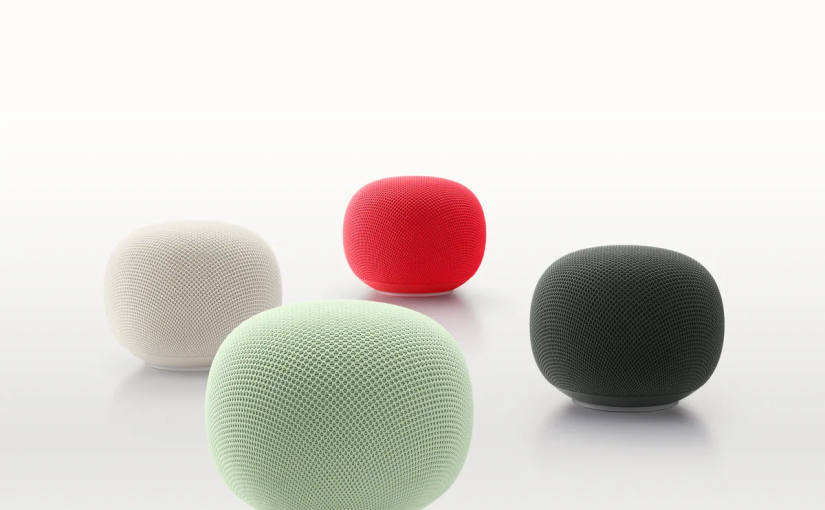
That is beginning to change with the arrival of the new Google Home Speaker with Gemini.
Google has positioned the device as its first speaker built around Gemini for Home, bringing more conversational interaction to everyday household tasks. In New Zealand, the speaker launched at NZ$219 and has become available through local retailers, giving Kiwi households another opportunity to bring generative AI into the centre of the home.
The significance of the device is not simply that it can answer questions. The bigger change is how people communicate with it. Instead of remembering specific commands, users can speak more naturally, ask follow-up questions and combine multiple requests in one conversation.
For a market where smart speakers are already familiar household products, this could make AI feel considerably less like an experimental technology and more like an everyday appliance.
Gemini Changes the Way People Talk to a Speaker
The most noticeable difference is Gemini’s conversational approach.
Traditional voice assistants generally expect relatively simple commands. A user might say, “Turn on the kitchen lights,” followed by another command to start music. Gemini for Home is designed to understand more complicated requests and conversational corrections.
For example, a user could ask the speaker to dim the lights, play relaxing music and set a timer in a single request. If the user changes their mind halfway through a sentence, the system can also understand the correction instead of requiring the entire command to be repeated.
Google says Gemini for Home can maintain short-term conversational context, allowing users to ask follow-up questions without constantly repeating the original request. Continued Conversation also allows a person to continue interacting after the initial response without repeatedly saying the wake phrase.
That matters in a busy New Zealand household.
Imagine preparing dinner while listening to music. Instead of stopping what you are doing to reach for a phone, you could ask for a cooking timer, change the playlist and ask a follow-up question about a recipe. The speaker becomes part of the activity rather than another device that demands attention.
A Speaker Designed Around 360-Degree Audio
Artificial intelligence may be the headline feature, but the Google Home Speaker is still fundamentally an audio product.
Google has equipped it with a 58mm full-range driver designed to deliver omnidirectional 360-degree sound. The approach means users do not necessarily need to position the speaker toward a particular seating area.
That design makes sense for rooms where people move around frequently.
A speaker on a kitchen bench, for example, might be heard by someone cooking, another person sitting at the dining table and someone walking through the room. Instead of creating a narrow listening zone, 360-degree sound aims to provide a more consistent experience around the speaker.
The device can also be paired with another Google Home Speaker for stereo playback. It can work with Nest speakers, Nest displays and Google Cast-enabled devices, allowing users to create a broader multiroom audio setup.
For New Zealand consumers who already use Google-connected products, this could make the speaker more attractive than an isolated Bluetooth audio device.
Battery considerations also remain relevant to the wider smart-speaker market. Although the Google Home Speaker itself is designed as a mains-powered product rather than a portable speaker, consumers comparing it with wireless audio products may still pay attention to bluetooth speakers battery performance when choosing between a fixed smart speaker and a portable alternative.
The Smart Speaker Becomes a Smart Home Hub
The Google Home Speaker is also more ambitious than a conventional voice-controlled music player.
According to its New Zealand retail specifications, the device supports Wi-Fi 6, Bluetooth 5.4 and Thread 1.3. It also works with Google Home and Matter and can function as a Matter hub.
This is important because the future of smart homes is increasingly about interoperability.
A household might have smart lights from one company, sensors from another, connected locks from a third and a Google-powered speaker in the living room. Matter is intended to make communication between compatible smart-home products easier, reducing some of the fragmentation that has historically made connected homes complicated.
For someone starting a smart home from scratch, having a speaker that also functions as part of the home’s connectivity infrastructure can reduce the number of separate devices required.
That could be particularly useful in New Zealand homes where consumers may prefer a relatively simple setup rather than filling every room with dedicated hubs and controllers.
From Voice Commands to Household Routines
The real potential of Gemini for Home may appear when multiple smart devices begin working together.
Consider a typical evening. A resident arrives home, asks the speaker to turn on selected lights, starts a playlist and checks tomorrow’s weather. Later, they ask for a reminder before leaving for work. None of these tasks is particularly revolutionary by itself.
The difference is that conversational AI can connect them into a more natural interaction.
Google says Gemini can support multi-step actions and more flexible smart-home requests, allowing several actions to happen through a single spoken instruction.
This could make smart-home automation less intimidating.
Instead of opening an app and manually creating a complicated routine, users may increasingly describe what they want in ordinary language. The technology then becomes responsible for interpreting the request.
That shift is significant because ease of use has always been one of the biggest barriers to mainstream smart-home adoption.
Audio Still Matters in the Age of AI
There is a temptation to view the Google Home Speaker primarily as an AI device, but audio quality remains central to its appeal.
The speaker is designed for music, podcasts, film audio and general entertainment, with Google describing its sound as balanced and suitable for a variety of content.
This creates an interesting direction for the smart-speaker market.
Consumers do not necessarily want separate products for every task. They want one device that can play music, answer questions, control lights, manage reminders and fit naturally into the home.
That is also why portable Bluetooth speakers remain popular. People who spend time outdoors, move between rooms or want music away from a power outlet have different requirements from users building a permanent smart-home system.
For those consumers, bluetooth speakers battery life can become a major consideration. A smart speaker designed for the kitchen or lounge offers convenience through its permanent power connection, while a portable speaker provides freedom to move around.
The two categories are therefore becoming more distinct rather than simply competing for the same audience.
Privacy Is Still Part of the Conversation
A smarter voice assistant inevitably raises questions about privacy.
The Google Home Speaker includes three far-field microphones and a physical two-stage microphone mute switch. That hardware control provides a straightforward way to prevent the microphones from listening.
This matters because the more capable a smart speaker becomes, the more important user confidence becomes.
A speaker that can understand natural conversation, remember short-term context and control connected devices has access to more aspects of household life than an old-fashioned voice assistant.
Physical controls therefore remain important. Users should be able to understand when a device is listening and have a simple method of disabling the microphones when they want greater privacy.
The speaker’s light system is also designed to communicate when it is listening, thinking or responding, providing a visual signal during interaction.
For families, that kind of feedback can make AI-powered technology feel more transparent.
The Subscription Question
There is another part of the Google Home Speaker experience that New Zealand buyers need to consider: some of the more advanced Gemini features require Google Home Premium.
The New Zealand retail listing says the speaker includes a six-month Google Home Premium Standard trial for qualifying purchases made before September 30, 2026. After the trial, the Standard plan is listed at NZ$15 per month or NZ$150 per year.
The basic speaker experience does not disappear without the subscription. However, some of the more advanced conversational capabilities are tied to Google Home Premium.
This creates an important distinction between buying a speaker and buying into an evolving smart-home ecosystem.
Consumers who simply want music, basic voice controls and connected-home functions may not need every premium feature. Users who specifically want deeper Gemini interaction may see the subscription as a more important part of the overall product experience.
A More Connected Future for Kiwi Homes
The Google Home Speaker arrives at an interesting moment for consumer technology in New Zealand.
Smartphones, smartwatches, wireless earbuds, connected televisions and smart appliances have already changed how people interact with technology. The next stage is increasingly about making those devices communicate with one another.
Instead of thinking about individual gadgets, consumers are beginning to build connected ecosystems.
The speaker sits naturally at the centre of that idea. It can provide audio, respond to questions, control compatible devices and connect with other Google Home products. Its Matter support also gives it a role beyond Google’s own hardware ecosystem.
That makes the device more interesting than a simple replacement for an older smart speaker.
It represents a broader transition from command-based smart homes toward conversational smart homes.
What This Means for New Zealand Consumers
The most important question is not whether Gemini can answer a question. It is whether conversational AI can become useful enough that people naturally include it in their daily routines.
The early signs point toward a different kind of smart speaker experience.
A parent could ask for a reminder while preparing school lunches. A student could ask Gemini to explain a difficult concept. Someone cooking dinner could control music and lighting without touching a phone. A household could ask about the weather before planning an outdoor activity.
Meanwhile, people who prioritise portability will continue to look toward wireless audio products where bluetooth speakers battery life determines how long they can listen away from a wall outlet.
This distinction highlights an important point: the future of home audio will not be defined by one type of speaker.
Some devices will prioritise intelligence. Others will prioritise portability, sound quality, durability or battery endurance. Increasingly, consumers will choose based on how well each product fits a specific part of their lifestyle.
The Next Step for the Smart Home
The arrival of the Google Home Speaker gives New Zealand’s smart-home market another glimpse of where consumer technology is heading.
The hardware is compact, the audio is designed for whole-room listening, and connectivity includes Wi-Fi 6, Bluetooth 5.4 and Thread. More importantly, Gemini changes the interaction model from rigid commands toward natural conversation.
That could prove to be the most meaningful change.
Smart-home technology has spent years adding more devices, more sensors and more features. The next challenge is making all of that technology easier to use.
If conversational AI can successfully bridge the gap between complicated technology and ordinary language, the smart speaker could become much more than a gadget sitting on a shelf.
It could become the voice of the connected home.
For New Zealand consumers, that makes the Google Home Speaker one of the more interesting developments in home technology this year — not because it simply plays music, but because it points toward a future where talking to the home may become as natural as using a smartphone.
And as that future develops, the market around home audio will continue to diversify, from permanently connected AI speakers to portable devices where bluetooth speakers battery performance remains central to the listening experience.