A New Chapter for New Zealand’s Biotechnology Industry
New Zealand is increasingly becoming an interesting place to watch in the global biotechnology industry. While the country has traditionally been associated with agriculture, food production, and environmental research, a different kind of innovation is attracting attention: advanced cancer treatments developed through biotechnology.
One particularly promising area is CAR T-cell therapy, an advanced form of immunotherapy that uses a patient’s own immune cells to recognise and attack cancer. For people living with certain blood cancers, this technology offers possibilities that were difficult to imagine only a few decades ago.
However, groundbreaking treatments are not automatically accessible treatments. Research needs funding, manufacturing facilities, clinical trials, specialist medical teams, and reliable healthcare infrastructure. This is where New Zealand biotechnology startups could make a significant difference.
Wellington-based BioOra is an important example. Working alongside the Malaghan Institute of Medical Research, the company is helping develop the manufacturing capabilities needed to bring advanced cellular therapies closer to New Zealand patients.
The question is no longer simply whether New Zealand can participate in cutting-edge cancer research. It is whether local biotechnology companies can help turn scientific discoveries into treatments that more people can realistically access.
Why CAR T-Cell Therapy Is Attracting Attention
Traditional cancer treatments often involve surgery, chemotherapy, radiation therapy, or combinations of these approaches. Although these treatments have helped countless patients, some cancers return or become resistant to existing therapies.
CAR T-cell therapy introduces a different strategy.
The process begins by collecting T-cells, a type of white blood cell involved in the body’s immune response, from a patient. Scientists then modify these cells in a specialised laboratory so they can recognise particular targets associated with cancer cells.
After the modified cells have been manufactured and carefully tested, they are returned to the patient’s bloodstream. Their purpose is to identify and attack cancer cells carrying the relevant target.
Unlike conventional medicines that may require repeated administration, CAR T-cell therapy is designed as a personalised treatment delivered through a carefully managed clinical process.
It is already an established treatment option for certain blood cancers in several countries, although availability depends on the specific therapy, regulatory approval, and patient eligibility.
For New Zealand, developing this capability locally could help reduce reliance on overseas treatment pathways. Patients and their families may benefit from having more treatment options developed and delivered closer to home.
Nevertheless, CAR T-cell therapy is not suitable for every cancer or every patient. It can also cause serious complications, including cytokine release syndrome and neurological side effects. Specialist monitoring and experienced clinical teams remain essential.
BioOra: Bringing Advanced Cell Manufacturing to New Zealand
One company attracting attention in this field is BioOra, a New Zealand biotechnology business established through a partnership involving the Malaghan Institute and Bridgewest Ventures NZ.
Its focus is not simply discovering new treatments. It is also developing the manufacturing systems required to produce complex cellular therapies consistently and at a larger scale.
This distinction is important.
A promising laboratory discovery may work under carefully controlled research conditions, but producing personalised cell therapies for multiple patients introduces much greater challenges. Every treatment involves specialised processes, quality controls, documentation, and coordination between laboratories and hospitals.
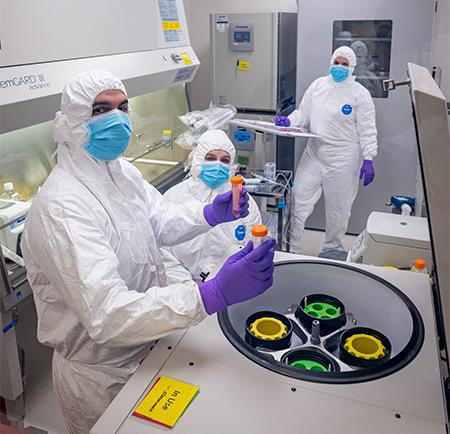
BioOra is addressing these challenges through automated manufacturing technology, including the Cocoon cell therapy manufacturing platform developed by Lonza.
Automation can help reduce manual handling, improve consistency, and make the production process more manageable. These improvements could become particularly valuable as clinical trials expand and demand for advanced therapies grows.
The company has also made significant commercial progress. In October 2026, BioOra announced a NZ$30 million first close of its Series A2 funding round and secured definitive licensing rights for its lead CAR T-cell programme, WZTL-002.
These developments strengthen its position as a biotechnology company with ambitions beyond early-stage laboratory research.
They also highlight a broader opportunity for New Zealand: building a local industry capable of translating scientific innovation into commercially sustainable healthcare solutions.
The Malaghan Institute’s Role in Cancer Research
BioOra’s development cannot be understood without looking at the Malaghan Institute of Medical Research in Wellington.
The institute has been conducting research into immune-based cancer treatments and has played a central role in developing New Zealand’s CAR T-cell programme.
Its collaboration with BioOra demonstrates how research organisations and commercial biotechnology companies can work together.
Research institutes contribute scientific knowledge, clinical expertise, and an understanding of patient needs. Biotechnology businesses bring manufacturing capabilities, commercial planning, investment opportunities, and the infrastructure needed to deliver treatments beyond the laboratory.
This relationship is particularly important for advanced therapies because they are more complicated to manufacture than conventional pharmaceutical products.
New Zealand’s ENABLE-2 Phase II clinical trial is a major part of this work. The study is investigating a CAR T-cell treatment for adults with relapsed or refractory large B-cell lymphoma.
The trial aims to assess the treatment’s safety and effectiveness in a larger patient group following earlier clinical research.
For participating patients, the study represents an opportunity to receive an investigational treatment under specialist medical supervision. For researchers, it provides important evidence about whether the therapy could eventually become an approved treatment option.
The distinction matters: clinical trial progress is not the same as regulatory approval, and promising early observations do not guarantee successful outcomes.
Could Local Manufacturing Improve Patient Access?
One of the biggest challenges facing advanced cancer treatments is accessibility.
Some personalised therapies are extremely expensive and require specialised manufacturing facilities. When patients need treatment from overseas providers, additional travel, coordination, and waiting time can create further difficulties.
Local manufacturing could help address some of these barriers.
If New Zealand develops reliable domestic production capabilities, hospitals and clinical research teams may be able to coordinate treatment pathways more efficiently. Manufacturing expertise could also support future therapies developed by other researchers and biotechnology companies.
However, producing a treatment locally does not automatically make it affordable.
Companies must still cover research expenses, specialist staff, laboratory facilities, quality assurance, equipment, and regulatory requirements. Funding decisions and public healthcare arrangements will also influence whether patients can access approved treatments.
BioOra’s ambitions therefore extend beyond developing a single cancer therapy. Its longer-term opportunity lies in establishing manufacturing infrastructure that can support multiple advanced cellular treatments.
For a relatively small country, this could represent an important strategic advantage.
The Hidden Technology Behind Advanced Medical Treatments
When people hear about biotechnology, they often imagine scientists working with microscopes, biological samples, and complex laboratory experiments.
Yet modern cell therapy depends on a much wider technology ecosystem.
Specialised freezers, laboratory monitoring equipment, electronic measurement instruments, temperature-control systems, and clinical devices all contribute to the process. Even small equipment failures can interrupt carefully organised laboratory or healthcare operations.
Reliable backup power is especially important in environments where sensitive samples, medical instruments, and monitoring systems must operate under controlled conditions.
This is where a dependable medical battery can become relevant. Depending on the equipment design, battery-supported power systems can help maintain essential monitoring functions or provide temporary power during an electrical interruption.
In a clinical environment, the requirements are demanding. Equipment manufacturers must consider operating time, charging behaviour, electrical compatibility, safety protections, and maintenance schedules.
A medical battery used in a portable diagnostic instrument, for example, may need different specifications from one supporting a larger medical device. Capacity alone is not enough; reliability, operating temperature, discharge characteristics, and certification requirements also matter.
As New Zealand expands its biotechnology capabilities, the supporting equipment market could become increasingly important. Laboratories and healthcare providers will need dependable components and specialist servicing to keep their operations running smoothly.
The growth of advanced therapies is therefore not just a story about biotechnology companies. It also creates opportunities for manufacturers and suppliers across the wider medical technology industry.
Funding and Government Support Will Shape the Future
Developing advanced cancer treatments requires substantial investment over many years.
Laboratory research is only the beginning. Companies must finance clinical development, manufacturing facilities, specialist recruitment, regulatory preparation, and commercial operations.
New Zealand’s October 2026 biotechnology developments suggest that investors and policymakers are paying closer attention to this opportunity.
BioOra announced its NZ$30 million first close in its Series A2 funding round on 1 October. A further development followed on 6 October, when the National Party announced a commitment to co-invest NZ$25 million towards expanding BioOra’s research, manufacturing, and clinical facilities in Christchurch.
The proposed investment is a political commitment rather than money that should be treated as already fully delivered. Its implementation and any associated funding conditions will matter.
Nevertheless, the announcement highlights growing recognition that biotechnology could contribute to New Zealand’s future economic and healthcare capabilities.
Government support can help companies attract private investment, develop specialist facilities, and retain highly skilled workers.
At the same time, policymakers must consider how public funding can generate long-term benefits for patients rather than simply supporting commercial growth.
Building a Skilled Biotechnology Workforce
Another important question is whether New Zealand has enough people with the specialist skills required to expand this industry.
Advanced cell therapy involves far more than biology and medicine. It requires engineers, laboratory technicians, quality assurance specialists, data analysts, manufacturing professionals, and regulatory experts.
Automation also creates demand for people who understand industrial systems, software, process validation, and precision equipment.
This creates opportunities for graduates from different educational backgrounds.
A student studying electrical engineering, for example, might contribute to laboratory equipment development or automated manufacturing systems. Someone with experience in software engineering could work on production monitoring, data management, or digital quality-control processes.
The demand for reliable medical battery systems and other specialised components also demonstrates how engineering knowledge supports modern healthcare.
For New Zealand, developing this workforce could deliver benefits beyond cancer research. Skills gained through biotechnology manufacturing may also be valuable in diagnostics, pharmaceutical production, medical devices, and other high-value industries.
Partnerships between universities, research institutes, businesses, and hospitals will be essential if the country wants to build a sustainable talent pipeline.
International Collaboration Could Open Bigger Opportunities
New Zealand’s relatively small population presents both advantages and challenges.
Its research community can be well connected, and collaboration between institutes, businesses, and hospitals can help promising projects move forward. However, a limited domestic market means biotechnology companies often need international partnerships to grow.
BioOra has already demonstrated ambitions beyond New Zealand and Australia through its international licensing arrangements and investment relationships.
The company’s work also reflects an important commercial reality: advanced therapies developed locally may eventually serve patients in multiple markets, provided they satisfy the relevant regulatory requirements.
International expansion is not straightforward. Different countries have different approval processes, manufacturing standards, reimbursement systems, and healthcare priorities.
Companies must demonstrate that their treatments are safe, effective, consistently manufactured, and economically viable.
Still, international partnerships could help New Zealand attract investment, exchange specialist knowledge, and develop a stronger reputation in advanced medical technology.
The country does not need to compete with every major pharmaceutical market. It can instead focus on areas where its research expertise and collaborative approach provide a meaningful advantage.
What Could Stop This Progress?
Despite the excitement surrounding biotechnology, several obstacles remain.
First, clinical success is never guaranteed. A therapy that produces encouraging results in earlier studies may not demonstrate sufficient effectiveness in larger trials.
Second, manufacturing capacity must grow without compromising quality. Cellular therapies are highly specialised products, and every stage of production requires careful oversight.
Third, regulatory approval and public funding decisions can take considerable time. Even when a treatment becomes available through a clinical trial, routine access through the public health system requires additional assessment.
There is also the challenge of affordability. New Zealand must consider how to balance investment in innovative medicines with the need to provide sustainable healthcare services for the wider population.
Finally, companies must retain skilled employees and maintain reliable supply chains. Advanced medical manufacturing depends on specialised equipment, consumables, laboratory infrastructure, and technical support.
These issues cannot be solved by one startup alone. They require cooperation between researchers, businesses, healthcare providers, regulators, investors, and government agencies.
Can New Zealand Become a Regional Biotechnology Leader?
The development of CAR T-cell therapy offers New Zealand an opportunity to rethink its role in global healthcare innovation.
Rather than simply importing advanced treatments developed elsewhere, the country is building capabilities that could allow it to research, manufacture, test, and eventually deliver sophisticated cellular therapies locally.
BioOra and the Malaghan Institute provide an interesting example of how that ambition can take shape.
Their partnership connects scientific research with commercial manufacturing, while the ENABLE-2 clinical trial provides an important pathway for evaluating a potential new treatment.
The outcome is not yet certain. Atla-cel remains investigational, and regulatory approval will depend on clinical evidence and the relevant independent assessment processes.
However, the broader direction is significant.
If New Zealand can establish sustainable manufacturing facilities, attract investment, train specialist workers, and develop effective international partnerships, its biotechnology sector could become an increasingly valuable part of the national economy.
More importantly, these capabilities could help bring advanced treatment options closer to people who need them.
The next major breakthrough may not come from a single laboratory discovery. It could emerge from the combination of research, engineering, investment, manufacturing, and healthcare collaboration.
For New Zealand, that combination may be the key to turning ambitious cancer research into meaningful patient access.