Why Smartwatches Are Becoming Everyday Essentials in New Zealand
From early-morning walks along Auckland’s waterfront to weekend hikes in Fiordland, New Zealanders have plenty of reasons to keep an eye on their health and activity levels. Smartwatches have evolved from simple step counters into sophisticated wearable devices that can track exercise, monitor sleep, display smartphone notifications and help users understand their daily routines.
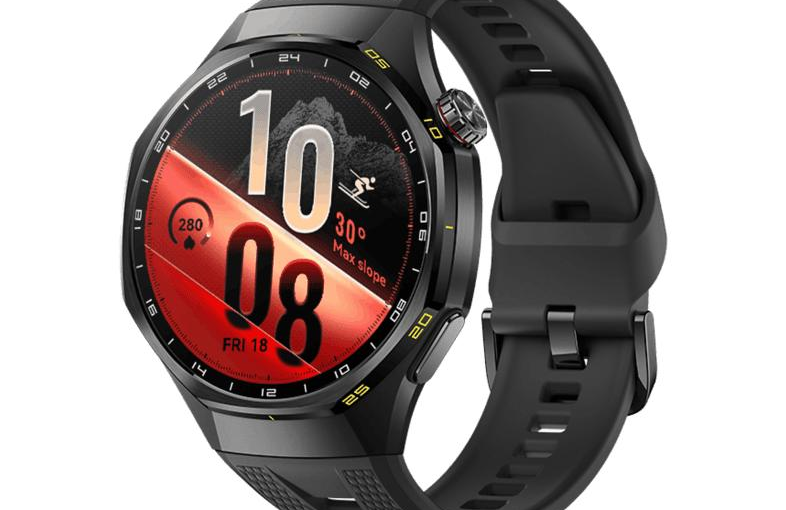
The latest Huawei Watch GT 7 series has brought renewed attention to this category. Covered by New Zealand technology retailer PB Tech on 12 October 2026, the Watch GT 7 and GT 7 Pro focus on extended battery life, improved tracking capabilities and features designed for people who want useful information without constantly reaching for their phones.
The appeal is straightforward. A smartwatch should make everyday life easier, not create another device that needs charging every evening. For busy professionals, fitness enthusiasts and outdoor adventurers, the combination of health insights and longer operating time is becoming an important consideration when choosing wearable technology.
As more consumers compare smartwatch features, the discussion is shifting beyond screen size and appearance. Battery endurance, GPS accuracy, comfort and the usefulness of health information are increasingly important parts of the purchasing decision.
Huawei Watch GT 7 Series Brings Battery Life Into Focus
One of the most notable features of the Huawei Watch GT 7 series is its emphasis on endurance. According to Huawei’s New Zealand specifications, the 46 mm Watch GT 7 can deliver up to 21 days of battery life under light-use conditions, up to 12 days under typical-use conditions and up to seven days with the always-on display enabled.
These figures provide a useful starting point for understanding the product, although real-world results depend on how the watch is used. Frequent GPS workouts, Bluetooth calls, additional health measurements and a permanently illuminated screen can all increase energy consumption.
The 41 mm version has a different endurance profile, with Huawei listing up to 14 days under light-use conditions and up to seven days under typical-use conditions. Buyers should therefore compare the exact model rather than assume every watch in the range offers identical performance.
For New Zealand consumers, longer endurance can be particularly convenient during holidays, road trips and outdoor activities. Instead of packing a charging cable for every short excursion, users may be able to leave the charger at home for several days.
This convenience also changes how people interact with their devices. When charging becomes less frequent, it is easier to maintain consistent sleep tracking and activity records without regularly removing the watch overnight.
Health Tracking Goes Beyond Counting Steps
Modern smartwatches are increasingly designed to provide a broader picture of everyday wellbeing. The Huawei Watch GT 7 combines activity tracking with measurements related to heart rate, sleep, stress and heart-rate variability.
These features can help users recognise patterns in their routines. Someone who regularly feels tired after work might compare sleep duration with activity levels, while a runner could use recovery-related information to decide whether to schedule a demanding workout or take a lighter day.
Sleep monitoring is especially useful because healthy routines are built over time rather than through a single workout. Reviewing sleep patterns over several weeks can help users notice whether late nights, irregular schedules or changes in exercise coincide with differences in how rested they feel.
However, wearable measurements should be interpreted carefully. A smartwatch is not a substitute for professional medical advice, and individual readings may be affected by fit, movement and sensor limitations. People experiencing concerning symptoms should consult an appropriate healthcare professional instead of relying on a wrist-worn device for diagnosis.
The real value of health tracking lies in making information easier to understand. When measurements are presented clearly and consistently, users have more opportunities to reflect on their habits and make practical changes.
A Useful Companion for New Zealand’s Outdoor Lifestyle
New Zealand’s varied landscape creates a compelling use case for advanced wearable technology. Urban residents may use a smartwatch for daily walking and cycling, while outdoor enthusiasts may depend on it to record longer activities and review their progress.
From coastal paths around Wellington to the trails of the Waitākere Ranges, GPS tracking can help runners understand distance, pace and route progress. Cyclists can also benefit from recording rides and comparing performance across familiar routes.
The Watch GT 7 offers dual-band positioning and support for multiple satellite navigation systems. These capabilities are intended to improve positioning accuracy, although actual results can vary with terrain, vegetation, buildings and satellite visibility.
Battery endurance becomes particularly relevant during longer activities. GPS recording and frequent screen use can consume substantially more power than ordinary smartwatch operation. Huawei lists up to 51 hours in trail-running mode for the 46 mm model under its specified test conditions, illustrating the difference between general-use endurance and dedicated activity tracking.
Even so, a long-lasting watch should not replace sensible outdoor preparation. Hikers should carry appropriate navigation tools, check weather forecasts, tell someone about their plans and bring sufficient supplies. Electronic devices can fail, and mobile coverage is not guaranteed in remote locations.
For people who regularly explore beyond city streets, the best wearable is one that supports preparation and awareness without encouraging overconfidence.
What the Watch GT 7 Pro Adds to the Experience
The Huawei Watch GT 7 Pro targets buyers looking for a more premium wearable. Its titanium construction and sapphire glass distinguish it from the standard model, while its additional sensor capabilities expand the range of features available to users.
Materials matter because a watch is worn throughout the day and may be exposed to perspiration, rain, accidental knocks and frequent movement. A durable construction can make a device more appealing to people who want one watch for work, exercise and leisure.
Design is also important. Some buyers prefer a sporty appearance that looks appropriate on a hiking trail, while others want a watch that fits comfortably into a professional wardrobe. Case size, weight, strap material and wrist fit can influence daily comfort just as much as technical specifications.
The Pro model may appeal to users who value premium materials and additional health-related functions. However, those who primarily want reliable notifications, everyday activity tracking and long battery life may find that the standard model already meets their needs.
Rather than automatically choosing the most expensive version, consumers should identify the features they will actually use. Paying more for capabilities that rarely leave the settings menu may offer less value than choosing a comfortable watch that fits everyday habits.
How Battery Performance Shapes the Smartwatch Experience
A smartwatch can have an impressive display and an extensive list of features, but its usefulness declines when it repeatedly runs out of power at inconvenient moments.
That is why smart watch battery performance deserves attention when comparing wearable devices. Endurance affects how consistently users can record sleep, track exercise and receive notifications throughout the day.
There is no single battery-life figure that accurately describes every user’s experience. Someone who checks notifications occasionally may achieve much longer runtime than a person who records several GPS workouts, takes frequent calls and keeps the screen illuminated continuously.
Consumers should therefore examine manufacturer estimates alongside their own habits. If sleep tracking is important, consider how often the watch must be removed for charging. If outdoor exercise is a priority, pay attention to dedicated GPS-mode endurance rather than relying exclusively on the headline figure for normal use.
Charging convenience matters, too. A watch that charges easily and fits naturally into a morning or evening routine can be more practical than one that offers impressive specifications but is inconvenient to maintain.
Before purchasing, buyers should also check local warranty terms, replacement-part availability and the service options offered by the retailer. These details become increasingly important when a wearable is expected to remain part of everyday life for several years.
Simple Ways to Extend Everyday Battery Life
Even a watch designed for extended endurance can benefit from sensible settings. A few adjustments may help users achieve a better balance between functionality and runtime.
Manage the always-on display. Keeping the screen permanently illuminated is convenient, but it can reduce operating time. Disabling the feature or using raise-to-wake controls may help extend endurance.
Review notification settings. Receiving alerts from every application can lead to frequent screen activations and unnecessary distractions. Keeping notifications for calls, messages and essential services can make the watch more useful while reducing interruptions.
Use workout tracking deliberately. GPS and other sensors are valuable during exercise, but intensive recording can consume more power than ordinary daily use. Choose the tracking features appropriate for each activity.
Adjust health-monitoring preferences. Continuous measurements and additional monitoring functions may affect runtime. Review available settings and select a configuration that meets personal needs without sacrificing important information.
Install software updates thoughtfully. Updates may introduce improvements, security fixes or new features. Follow the manufacturer’s instructions, keep the device adequately charged during installation and check whether settings change after an update.
These measures do not guarantee a particular number of additional days. They simply help users manage the trade-off between convenience, monitoring and endurance.
What to Know When a Watch Starts Losing Power Quickly
Battery performance can change over time, and an unexpected drop in runtime does not automatically mean the battery has failed.
New software, recently enabled features, frequent notifications and increased GPS use can all change power consumption. After an update, it may be worth reviewing settings and observing performance over several normal days before drawing conclusions.
Users should also consider environmental conditions. Very hot or cold temperatures can affect rechargeable batteries and device performance. Following the manufacturer’s temperature and charging guidance can help avoid unnecessary stress on the hardware.
If the watch repeatedly shuts down, becomes unusually hot during charging or shows visible damage, stop using it when appropriate and seek advice from an authorised service provider. A swollen or physically damaged battery should not be punctured, compressed or handled as a routine maintenance issue.
For anyone considering a replacement device, checking service support before purchasing can help prevent an avoidable problem later. A longer-lasting watch is useful, but reliable support and safe maintenance remain important parts of ownership.
Choosing the Right Smartwatch for Your Lifestyle
The best smartwatch is not necessarily the one with the most features. It is the one that supports the activities, routines and priorities that matter most to its owner.
For commuters, useful notifications and comfortable all-day wear may be the main priorities. For runners, accurate activity records, GPS performance and recovery insights may matter more. For people who travel frequently or enjoy multi-day outdoor trips, long operating time can make a noticeable difference.
When evaluating a smart watch battery, buyers should compare several factors together: advertised endurance, typical-use estimates, GPS runtime, screen settings and charging convenience. Looking at these details provides a more realistic picture than relying on a single maximum figure.
It is also worth considering smartphone compatibility. The Huawei Watch GT 7 supports Android 9.0 or later and iOS 13 or later according to Huawei’s published specifications, but buyers should confirm that the specific functions they want work with their phone and regional software configuration.
Price and availability are equally important. New Zealand retailers may offer different launch promotions, bundles and warranty arrangements. Comparing the complete package can reveal better value than focusing solely on the advertised watch price.
The Future of Wearables in New Zealand
The smartwatch market is moving towards a more integrated experience in which fitness tracking, health insights, navigation and communication work together in a compact device.
The Huawei Watch GT 7 series reflects this direction by combining endurance-focused design with a wide selection of tracking features. Its appeal is not limited to serious athletes. People who want to walk more, understand their sleep habits or reduce their dependence on smartphone screens may also benefit from a well-designed wearable.
At the same time, consumers should remain realistic about what these products can deliver. Health measurements are estimates, GPS accuracy varies by environment and advertised battery life depends on specific test conditions. Understanding these limitations helps buyers make better decisions and use their devices responsibly.
For New Zealanders balancing work, family, exercise and outdoor adventures, the most valuable technology is often the technology that quietly fits into daily life. A watch that lasts longer between charges, records activities consistently and presents useful information without overwhelming its owner can offer genuine practical value.
As wearable devices continue to evolve, smart watch battery endurance will remain an important part of the conversation. The Huawei Watch GT 7 and GT 7 Pro demonstrate why runtime, tracking capability and everyday comfort increasingly belong in the same purchasing decision.
Ultimately, the goal is not to spend more time managing technology. It is to have a reliable companion that helps people stay connected, understand their routines and make more of their time, whether they are navigating a busy working week or heading outdoors for the weekend.