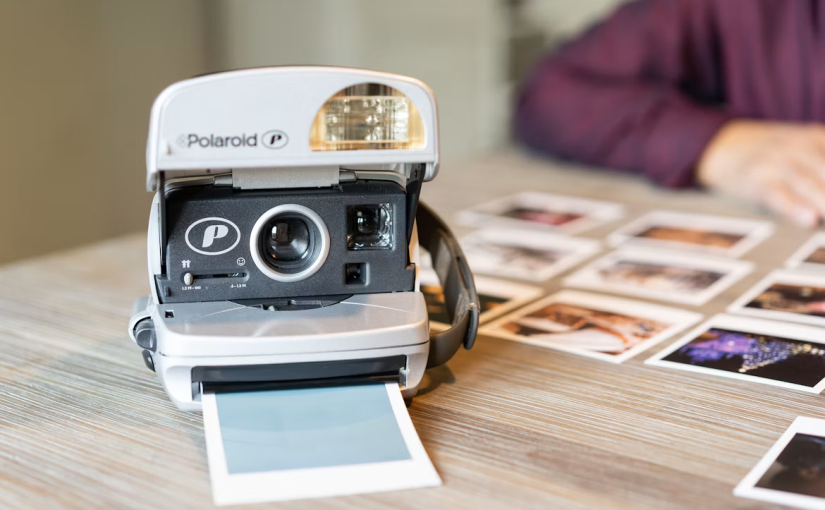
A New Appreciation for Printed Memories
In a world where almost every moment is captured on a smartphone, printed photographs are finding a fresh place in everyday life. Across New Zealand, portable photo printers offer a simple way to turn digital images into physical keepsakes, whether someone is exploring the South Island, enjoying a family barbecue, attending a birthday party, or documenting an ordinary weekend in Auckland.
The appeal is easy to understand. Smartphones can store thousands of pictures, but scrolling through a gallery is different from holding a photograph in your hand. A small printed image can become a travel souvenir, a gift for a friend, a decoration for a bedroom, or a lasting reminder of a special occasion.
Portable photo printers make this experience more convenient than ever. Many models connect wirelessly to a smartphone, allowing users to select a picture, adjust its appearance, and print it within minutes. There is no need to visit a photography shop or wait for an online printing order to arrive.
For New Zealand consumers who value experiences, outdoor adventures, and personal creativity, this combination of portability and instant results gives compact printing devices a compelling role in modern life.
Why Portable Photo Printing Fits the New Zealand Lifestyle
New Zealand offers countless opportunities to take memorable photographs. From coastal walks and lakeside holidays to weekend markets and road trips, people regularly capture moments they want to remember beyond a phone screen.
Portable printers are particularly useful when travelling. Someone visiting Queenstown, for example, might photograph a mountain sunrise, print the best image later that morning, and add it to a travel journal. Families camping near a lake could print pictures of their children enjoying the outdoors, creating a small collection of memories before the trip ends.
These printers also suit social occasions. At a birthday gathering, guests can take pictures and print their favourites to share immediately. At a wedding or engagement celebration, a compact printer can support a simple guestbook activity, allowing attendees to leave photographs alongside handwritten messages.
For students, portable printing can make creative projects more personal. Pictures can be added to school presentations, scrapbooks, art assignments, and visual diaries. Small businesses can also use printed photographs for mood boards, product displays, or informal promotional activities.
The appeal is not limited to major events. A photograph of a favourite café, a beloved pet, or a beautiful afternoon in the garden can be worth printing simply because it makes an everyday moment feel special.
How Portable Photo Printers Work
Most portable photo printers are designed around a straightforward workflow. Users install a companion application, connect a compatible smartphone through Bluetooth or Wi-Fi, select an image, and choose the print settings.
Depending on the model, the application may provide cropping tools, colour adjustments, decorative borders, stickers, templates, or collage layouts. Some printers produce small adhesive-backed photographs, while others create conventional borderless prints.
There are several printing technologies to consider. ZINK printers use specially coated paper that develops colour through controlled heat, eliminating the need for conventional ink cartridges. Dye-sublimation models transfer colour onto specialised media and may apply a protective finishing layer. Other compact printers use different ink-based or thermal processes.
Each technology involves trade-offs. Paper prices, print dimensions, colour reproduction, image durability, and printing speed can differ considerably. Consumers should therefore compare the complete printing experience rather than judging a device solely by its purchase price.
Compatibility matters, too. Buyers should confirm that the printer supports their smartphone, operating system, preferred image formats, and desired connection method. A printer that is simple to operate is more likely to become part of someone’s routine instead of remaining forgotten in a drawer.
Choosing the Right Printer for Travel and Everyday Use
Portability means more than having a small body. A useful travel printer should fit comfortably in a backpack, handbag, or camera bag without creating unnecessary bulk.
Weight and dimensions are important for people who travel frequently or prefer to carry minimal luggage. A compact device can be particularly appealing during a weekend away, when travellers may already be carrying a phone charger, camera equipment, water bottle, and other essentials.
Print size deserves equal attention. Smaller prints work well for journals, wallets, photo walls, and personal gifts. People who want larger pictures for scrapbooking or home decoration may prefer a model with a bigger output format, even if it is less convenient to carry.
The cost of consumables is another important consideration. Some printers require specialised paper packs, while others use media that includes integrated colour technology. A seemingly affordable printer may become expensive if replacement supplies cost more than expected.
Battery performance should also be part of the buying decision. A printer intended for day trips needs enough charge for the number of photographs its owner expects to produce. Checking the manufacturer’s stated print capacity, charging method, and charging time can help prevent disappointment when travelling away from a power outlet.
New Zealand buyers should also consider warranty support, local availability of compatible paper, and the ease of obtaining replacement accessories. A printer that performs well but relies on difficult-to-source consumables may be less practical over time.
The Battery Question Behind Instant Printing
Although the photograph receives most of the attention, portable printing depends on a compact power system. The battery must provide enough energy for the device to process an image, heat or operate its printing mechanism, and complete the print cycle reliably.
The exact requirements depend on the printer’s technology. Thermal printing systems can draw significant power during heating, while motors and electronic controls add to the overall demand. This makes battery capacity, power management, and charging design important factors in the user experience.
When comparing replacement printers battery options, consumers should never assume that physical size alone determines compatibility. Voltage, connector design, battery chemistry, dimensions, and the manufacturer’s specifications all need to match the particular device.
It is also worth distinguishing between printers with integrated rechargeable batteries and models that use replaceable power sources. Many portable photo printers have built-in rechargeable batteries, meaning the battery may not be designed for routine user replacement. In such cases, authorised servicing or manufacturer guidance is the safer route when battery performance deteriorates.
Charging habits can influence long-term convenience. Following the manufacturer’s instructions, avoiding excessive heat, and storing the printer under suitable conditions can help users care for its rechargeable power system. Owners should not open sealed battery compartments or attempt improvised repairs, particularly when lithium-ion cells are involved.
Making Better Prints From Smartphone Photos
A portable printer cannot automatically rescue every photograph. Image quality still depends on the original picture, the printer’s capabilities, and the chosen paper.
Before printing, users should check composition and brightness. A picture that looks attractive on a bright smartphone screen may appear darker on paper, so a small adjustment to exposure can sometimes improve the result. Cropping away distractions and choosing an appropriate aspect ratio can also make a photograph feel more polished.
Lighting is especially important for outdoor photography. New Zealand’s changeable weather can produce dramatic landscapes, but strong backlighting, cloudy conditions, or deep shadows may affect how a scene appears in print. Taking a few extra photographs from different angles gives users more options when selecting the final image.
People printing pictures for albums should consider storage as well. Following the paper manufacturer’s recommendations for handling and preservation can reduce avoidable fading or damage. Keeping prints away from excessive moisture, direct sunlight, and rough surfaces is a sensible starting point.
The best approach is to treat printing as part of the creative process. Instead of printing every picture, users can select images that tell a story, represent a journey, or capture a meaningful detail.
Portable Printers and New Zealand’s Small Businesses
Portable photo printers may also offer practical benefits beyond personal photography. Small businesses often need affordable ways to create visual materials without investing in large office equipment.
A market stall selling handmade jewellery, for example, might use printed photographs to show product variations or display examples of previous custom orders. A photographer could produce small keepsakes for clients at an event. A tourism operator might incorporate printed images into a welcome pack or customer experience.
However, photo printers are not substitutes for every business printer. Their small output size, specialised paper, and ongoing media costs make them better suited to specific creative tasks than high-volume document production.
Before using one commercially, businesses should calculate the cost per print, estimate how many prints they need each week, and consider whether the device can handle the expected workload. They should also obtain permission before printing or sharing other people’s photographs, especially when children or private events are involved.
For small creative businesses, the greatest value may lie in the experience rather than the technology itself. Giving a customer a photograph immediately can make a transaction feel more personal and memorable.
Sustainability and the Cost of Printed Memories
The convenience of instant printing raises an important question: how can consumers enjoy physical photographs without creating unnecessary waste?
Specialised photo paper and packaging can add to the environmental footprint of a printing habit. Consumers can reduce waste by previewing pictures before printing, avoiding duplicate copies, and buying supplies in quantities that match realistic demand.
It is sensible to investigate whether paper packaging can be recycled through local collection systems, since coatings and integrated materials may affect recyclability. Buyers should not assume that all specialised photo paper belongs in household recycling bins.
Battery disposal deserves similar care. Rechargeable batteries and devices containing lithium-ion cells should not be placed in ordinary rubbish when dedicated collection or approved recycling options are available. New Zealand consumers can check local council guidance and relevant battery or electronic-waste collection services for current instructions.
Repairability is another consideration. A device that can be serviced appropriately and supported with available consumables may offer better long-term value than one that becomes unusable when its battery or another component fails.
Making deliberate choices does not mean giving up the pleasure of printing. It means producing photographs that people genuinely want to keep, while considering the materials and energy required to create them.
What to Look for Before Buying in New Zealand
The most suitable portable photo printer depends on how it will be used. A traveller may prioritise low weight and a rechargeable battery, while a scrapbook enthusiast may care more about adhesive-backed paper and creative editing tools.
Before purchasing, compare the following factors:
- Print quality: Look at sample photographs and check whether colours, skin tones, and fine details meet your expectations.
- Running costs: Compare the price of compatible paper or other consumables, not just the initial device cost.
- Battery life: Check the manufacturer’s estimated number of prints per charge and the recommended charging method.
- Connectivity: Confirm smartphone compatibility and whether Bluetooth or Wi-Fi suits your needs.
- Portability: Consider weight, dimensions, and whether the printer fits your usual travel bag.
- Local support: Check warranty terms, availability of supplies, and access to appropriate servicing.
Online reviews can help, but real-world print samples are particularly useful because different models may handle the same image differently. Consumers should also distinguish manufacturer claims from independent testing.
A thoughtful comparison helps prevent an impulse purchase and makes it easier to choose a printer that will actually be used.
A Small Device With a Lasting Emotional Appeal
Portable photo printers bring something distinctive to a digital world: the ability to turn a fleeting moment into a physical object almost immediately. For New Zealand travellers, families, students, and creative entrepreneurs, that experience can make photography feel more personal.
The technology is not without compromises. Printing supplies cost money, print dimensions are limited, and rechargeable power systems require care. Nevertheless, a well-chosen printer can transform an ordinary collection of smartphone pictures into a travel journal, a gift, a family album, or a display of everyday memories.
For consumers comparing replacement printers battery options, understanding the specific device’s power requirements is just as important as evaluating print quality and media costs. Compatibility and safe servicing should always come before price alone.
Ultimately, the appeal of portable photo printing is not simply that it produces pictures quickly. It gives people a reason to pause, choose their favourite moments, and share them in a form that can be held, displayed, and revisited long after the phone screen has gone dark.