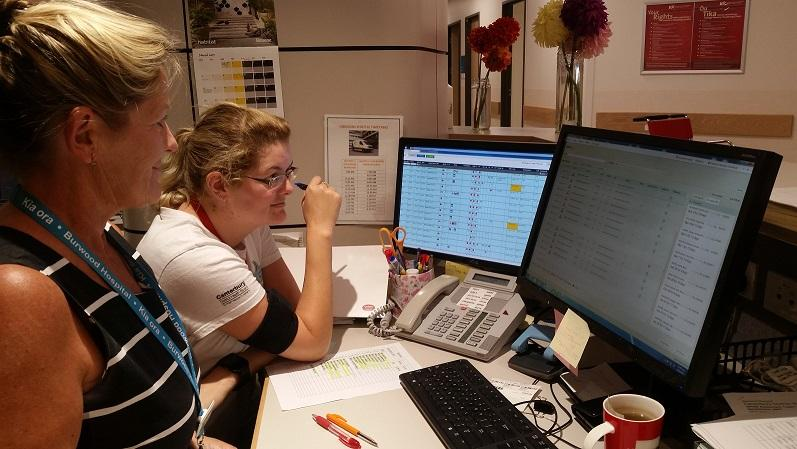
When Hospital Computers Stop Working, Patients Feel the Consequences
Imagine arriving at a New Zealand hospital for an important appointment, only to discover that staff cannot access your medical records, scan results or treatment information. Instead of moving smoothly through the healthcare system, you are asked to wait while nurses and doctors try to work out what has gone wrong.
For many patients, this might sound like an unusual emergency. However, hospital computer system failures have become an increasingly serious concern for New Zealand’s healthcare sector in 2026.
Hospitals now depend on digital technology for almost every part of daily operations. Electronic patient records, laboratory results, medical imaging, appointment scheduling and medication management all rely on computer systems working properly. When one important service becomes unavailable, the effects can spread across multiple departments.
Recent incidents have made the problem particularly difficult to ignore. In July 2026, a major network failure at Waikato Hospital affected clinical systems for more than 11 hours. Medical staff across several facilities had to return to pen-and-paper processes, while some non-urgent appointments and procedures were postponed.
The incident raised an important question for ordinary New Zealanders: if hospitals are becoming more technologically advanced, why do basic computer failures still create so much disruption?
Waikato Hospital’s 11-Hour Outage Raises Serious Questions
One of the most significant technology disruptions in New Zealand’s public healthcare system occurred on 22 July 2026.
A network connectivity failure at Waikato Hospital prevented staff from accessing clinical systems for more than 11 hours. The disruption also affected other facilities across the former Waikato district, including hospitals in Thames, Te Kūiti, Tokoroa and Taumarunui.
What made the incident particularly concerning was that both the primary network equipment and its backup failover system failed simultaneously.
Backup technology is supposed to protect essential services when the main system stops working. In this case, however, the alternative system did not activate as expected.
Healthcare workers had to use paper records and manual procedures while technical teams worked to restore connectivity. Emergency departments and urgent care services remained open, but non-urgent appointments and procedures were deferred.
The incident demonstrated that having backup equipment is not enough. Hospitals also need properly tested recovery procedures, reliable infrastructure and staff who understand how to respond when technology fails.
For patients, the consequences can be frustrating. A postponed appointment might mean another journey, additional time away from work or a longer wait for an important diagnosis.
For someone travelling from a rural community, rescheduling a hospital visit can be particularly inconvenient.
A Growing Pattern of IT Disruptions Across New Zealand
The Waikato incident was not an isolated event.
In January 2026, hospitals across Auckland and Northland experienced another major IT outage lasting approximately 12 hours. Important clinical and operational systems became unavailable, forcing healthcare workers to rely on manual processes.
A further disruption in February affected medical imaging systems used to store and manage X-ray, CT and MRI scans. These technologies are essential for doctors who need to examine images before making treatment decisions.
The problems have continued to attract attention throughout the year.
In November 2026, reporting on two surveys involving Health New Zealand staff highlighted concerns about the effect of recurring technology problems on patient care. Among respondents to the Public Service Association survey, 77% said IT problems were affecting patient care, while 64% reported experiencing more IT problems than during the previous year.
Information released to the union under the Official Information Act also indicated that Health NZ facilities averaged more than one highest-priority IT outage per day over the previous year.
These figures have intensified public discussion about the reliability of the country’s hospital technology infrastructure.
It is important to recognise that survey response rates were relatively low, and the results do not necessarily represent every healthcare worker’s experience. Health NZ has also emphasised its efforts to improve the stability and reliability of digital services.
Nevertheless, repeated disruptions across different regions suggest that maintaining dependable hospital technology deserves much greater attention.
Why Modern Hospitals Depend So Heavily on Computer Systems
Hospitals are no longer places where doctors rely primarily on handwritten notes and printed documents.
A modern healthcare facility operates through a complicated network of connected digital services.
When a patient arrives at an emergency department, staff may need to access previous diagnoses, medication lists, allergies, laboratory results and imaging records. These details help clinicians make informed decisions without unnecessarily repeating tests or delaying treatment.
Electronic prescribing systems also allow doctors and pharmacists to communicate more efficiently. Digital appointment platforms help coordinate consultations, while laboratory software manages thousands of test results.
Even equipment used directly in patient care may depend on digital networks to transfer information.
For example, monitoring devices can collect information about heart rate, blood pressure and oxygen levels. Imaging equipment generates large files that must be stored and made accessible to authorised medical professionals.
Some portable medical devices also rely on dependable power solutions. A suitable medical battery can help keep compatible equipment operating when it is disconnected from a fixed power supply or needs to be moved between hospital departments.
However, reliable power is only one part of the wider picture. Even a fully charged device may become less useful if the network required to access patient information is unavailable.
This is why hospital technology should be viewed as an interconnected system rather than a collection of individual computers and machines.
The Hidden Problem of Ageing Healthcare Technology
One reason hospital IT failures are difficult to solve is that many healthcare organisations operate a mixture of old and modern systems.
Over time, hospitals have introduced different software platforms, databases and medical devices to meet local requirements. Some technologies were developed many years ago, while newer applications have been introduced to improve efficiency.
Combining these systems into one coordinated digital environment is a complicated task.
Health New Zealand has been working to consolidate services following the country’s transition from district health boards to a national healthcare organisation. However, bringing together systems that were previously operated independently requires considerable technical planning.
Compatibility problems can emerge when older applications cannot communicate easily with newer platforms. A seemingly small software update may also affect other services that depend on the same infrastructure.
The challenge is not simply replacing old computers. Healthcare organisations must ensure that new systems can communicate with existing medical equipment, protect sensitive information and remain available around the clock.
Maintenance is equally important.
Hospitals cannot always schedule technology upgrades during convenient office hours. Emergency departments, intensive care units and other essential services operate continuously.
This means technical teams need carefully planned maintenance schedules, effective monitoring and reliable support arrangements.
Without these foundations, even expensive new technology may fail to deliver the improvements patients expect.
Cybersecurity and Patient Privacy Add Another Layer of Concern
Computer reliability is only one part of New Zealand’s digital healthcare challenge. Protecting patient information is equally important.
In December 2025, the Manage My Health patient portal experienced a significant cybersecurity breach. The incident affected sensitive health information, bringing renewed attention to the security of digital medical records.
The Privacy Commissioner’s subsequent investigation highlighted concerns about cybersecurity practices, governance and the pace of digital transformation in healthcare.
For patients, the issue is straightforward: medical information is among the most private information they possess.
People expect hospitals and healthcare providers to protect details about their diagnoses, prescriptions, treatment histories and personal circumstances.
A technology failure does not automatically mean information has been stolen. However, weak infrastructure, poorly managed software and inadequate security arrangements can create additional risks.
Hospitals therefore need more than reliable internet connections and functioning computers. They also require strong access controls, regular security testing, effective backup procedures and clear plans for responding to cyber incidents.
As artificial intelligence and connected healthcare applications become more common, these responsibilities will become even more important.
Portable Medical Equipment Needs Dependable Power
While major hospital computer systems attract most of the headlines, another important part of healthcare technology receives less public attention: portable medical equipment.
Many devices need to operate outside traditional fixed workstations. Healthcare professionals may move monitoring equipment between wards, transport diagnostic devices or use portable systems during emergency treatment.
These situations make dependable power particularly important.
A suitable medical battery supports the operation of compatible equipment when access to a wall outlet is limited. Depending on the device, battery-powered operation can make equipment easier to transport and provide additional flexibility during patient care.
However, hospitals must carefully manage equipment specifications, charging arrangements and replacement schedules. Different medical devices have different electrical requirements, and battery compatibility should never be assumed.
A power interruption can also create difficulties even when the central computer network remains operational.
For this reason, healthcare technology planning needs to consider both digital infrastructure and the physical equipment used by medical professionals.
Rural Communities Could Face Greater Disruption
Technology problems do not affect every New Zealand patient in the same way.
For people living in Auckland or other major urban centres, another appointment might be available at a nearby hospital or medical facility.
The situation can be considerably more complicated for residents of rural communities.
Patients in smaller towns may travel long distances for specialist consultations, diagnostic imaging or planned procedures. When an appointment is cancelled because hospital systems are unavailable, the additional journey can create financial and practical difficulties.
Some patients may need to arrange time away from work, organise childcare or find transport before attending an appointment.
Older people and those with ongoing health conditions may face even greater challenges.
Reliable digital infrastructure is therefore not simply an administrative convenience. It is part of ensuring that people across New Zealand can access healthcare fairly, regardless of where they live.
Better regional connectivity, dependable backup systems and effective communication with patients could help reduce the disruption caused by future incidents.
Can Artificial Intelligence Help Prevent Hospital Disruptions?
Artificial intelligence is increasingly being explored as a way to improve healthcare administration and clinical operations.
In New Zealand, doctors have been testing AI tools in controlled digital environments to investigate whether they can help reduce surgery cancellations and manage imaging backlogs.
AI could potentially identify scheduling problems, predict equipment maintenance requirements and help hospital administrators allocate resources more efficiently.
For example, predictive monitoring software might recognise unusual patterns in network performance before a major disruption occurs.
Similarly, automated systems could help identify applications that are becoming unstable or consuming excessive computing resources.
However, AI cannot solve every infrastructure problem.
If a hospital’s network connection fails completely, an intelligent scheduling tool may also become inaccessible. If information is incomplete or outdated, automated recommendations may be less reliable.
The most useful approach is likely to combine carefully tested AI applications with dependable underlying systems.
Hospitals should also ensure that new technology is introduced with appropriate privacy protections and clinical oversight.
What Should New Zealand Hospitals Prioritise Next?
The recent disruptions provide an opportunity to reconsider how healthcare technology is funded, maintained and managed.
First, hospitals need stronger infrastructure monitoring. Technical teams should be able to identify problems quickly and understand which services could be affected before a failure spreads.
Second, backup arrangements must be tested regularly. Having a secondary network or alternative data system is not enough if it cannot take over when needed.
Third, healthcare organisations need experienced digital specialists who understand the systems used by doctors, nurses and other frontline workers.
Training is also essential. Staff should know how to follow safe manual procedures during an outage without creating unnecessary administrative pressure.
Hospitals should additionally review their portable equipment and power requirements. Appropriate medical battery solutions, regular equipment checks and clear replacement policies can contribute to dependable medical device operation.
Finally, patients deserve clearer communication. When appointments are delayed or systems become unavailable, hospitals should explain what has happened, whether treatment plans have changed and when patients can expect further information.
These measures will not eliminate every technical problem, but they can make healthcare services more resilient.
The Future of New Zealand Healthcare Depends on Reliable Technology
New Zealand’s hospitals are becoming increasingly digital, and that transformation offers significant opportunities.
Electronic records can improve access to patient information. Connected medical devices can support more efficient monitoring. AI may help healthcare professionals manage workloads and identify potential problems earlier.
Yet technological progress also creates new responsibilities.
The IT disruptions experienced across Auckland, Northland and Waikato during 2026 demonstrate that modern healthcare cannot depend on technology that is unreliable or poorly maintained.
Patients do not necessarily notice the servers, networks and applications operating behind the scenes. They simply expect their appointments to happen, their medical information to be available and their treatment to proceed safely.
That expectation is reasonable.
The next stage of New Zealand’s healthcare transformation should not be measured only by how many new digital tools hospitals introduce. It should also be measured by whether those tools remain dependable when patients and medical professionals need them most.
After all, the most impressive hospital technology is not necessarily the newest system or the most advanced machine. It is the technology that works reliably when someone’s health depends on it.