A New Era of Smart Farming in New Zealand
New Zealand’s agricultural industry has always depended on practical knowledge, reliable equipment, and the ability to manage livestock across large and often challenging landscapes. From the rolling dairy pastures of Waikato to the steep sheep and beef stations of Otago and Canterbury, farmers face a constant challenge: keeping track of animals while making the best possible use of available land.
Today, technology is changing how that challenge is approached. Wearable livestock trackers, GPS-enabled collars, wireless sensors, and cloud-connected farm management platforms are becoming increasingly important tools in modern agriculture. Instead of relying entirely on physical inspections and traditional fencing, farmers can increasingly monitor animal locations, observe behaviour, and make management decisions using information collected throughout the day.
This development is particularly relevant to New Zealand, where farming operations often cover extensive areas and animals may graze across remote paddocks. Smart livestock tracking is no longer simply an experimental idea. It is developing into a practical part of the country’s agricultural technology landscape.
The growing adoption of these systems also demonstrates how wearable electronics can move beyond consumer products and become essential equipment in industries that contribute significantly to the national economy.
How Wearable Livestock Trackers Actually Work
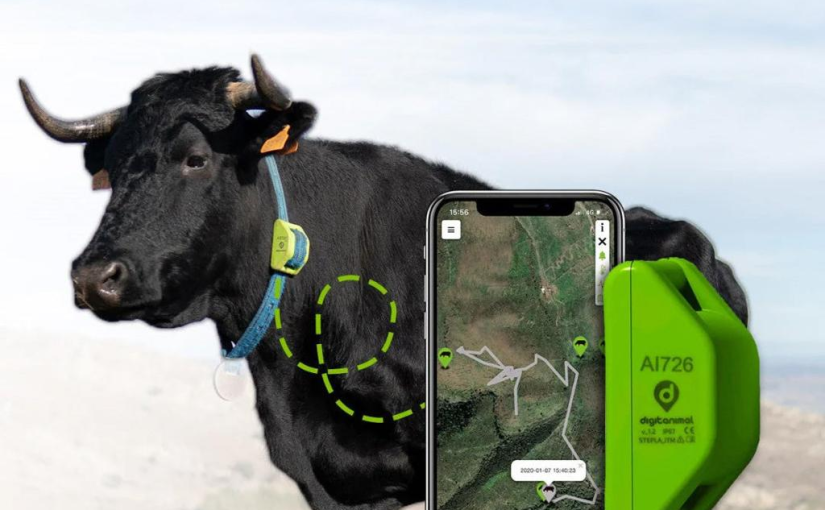
Modern livestock tracking systems combine several technologies into a relatively compact wearable device. A collar fitted around an animal’s neck can contain positioning technology, communication components, motion sensors, and electronic control features.
GPS technology is particularly important because it allows farmers to identify where individual animals or groups of animals are located. Depending on the system, location information can be transmitted to a central platform through cellular networks, farm-based radio infrastructure, or satellite connections.
Farmers can then access this information through a smartphone, tablet, or computer.
For example, a farmer managing several hundred cattle across multiple paddocks can check animal locations without physically travelling around the entire property. If an animal moves beyond an expected grazing area, the system may generate an alert. This can help farmers identify unusual movement patterns and investigate potential problems sooner.
Some advanced platforms also combine location information with behavioural monitoring. Changes in movement, grazing activity, and other patterns can provide useful information about animal health and daily routines.
The real advantage is not simply knowing where livestock are. It is turning continuous information into practical decisions that improve farm management.
New Zealand’s Virtual Fencing Technology Is Gaining Momentum
One of the most interesting developments in New Zealand agriculture is the expansion of virtual fencing.
Traditionally, farmers have needed physical fences to divide grazing areas, control livestock movement, and protect environmentally sensitive land. Building and maintaining these structures can involve substantial costs, particularly on steep or difficult terrain.
Virtual fencing offers another approach.
New Zealand agritech company Halter has developed solar-powered, GPS-enabled smart collars that allow farmers to establish virtual boundaries through a digital platform. When cattle approach a designated boundary, the system uses audio cues and, where necessary, a mild electrical pulse to guide them back.
This technology can make rotational grazing more flexible because farmers can adjust virtual boundaries without physically rebuilding fences.
The development has attracted attention beyond New Zealand. In April 2026, Halter announced a direct-to-satellite virtual fencing solution developed in partnership with One NZ Satellite, powered by Starlink. The technology is designed to help beef farmers manage cattle in remote locations where conventional mobile coverage and farm-based communication infrastructure may be limited.
For a country with extensive high-country farms and geographically challenging agricultural regions, this represents a meaningful technological development.
It also illustrates how wearable electronics, positioning systems, and telecommunications infrastructure are becoming increasingly interconnected.
Why Remote Farms Need Better Tracking Technology
Connectivity remains one of the biggest challenges for agricultural technology.
New Zealand has many farms located outside major urban centres. Some properties include mountainous terrain, isolated valleys, large grazing blocks, and areas where mobile signals are unreliable.
For farmers in these locations, conventional tracking equipment may not provide consistent coverage across the entire property.
A livestock tracker needs more than accurate positioning technology. It also needs a dependable way to communicate information, sufficient operating time, and hardware capable of handling demanding outdoor conditions.
This is where satellite connectivity is becoming increasingly valuable.
Direct-to-satellite communication can extend the reach of connected livestock equipment without requiring extensive local telecommunications infrastructure. It potentially makes advanced tracking systems more accessible to farms that previously faced connectivity limitations.
However, the benefits depend on the service being used, network availability, equipment compatibility, and operating costs.
For farmers considering an investment, these practical details are just as important as the technology itself.
The Importance of Reliable Power in Livestock Tracking Devices
Although GPS positioning and wireless communication receive much of the attention, power management is another essential part of wearable livestock technology.
A tracking collar may need to operate for extended periods while exposed to rain, dust, mud, temperature changes, and continuous animal movement. If its power system is unreliable, even the most advanced software becomes less useful.
Different manufacturers use different power configurations. Some livestock collars incorporate solar-assisted charging, while other tracking devices rely on rechargeable or replaceable battery systems.
The choice depends on the product’s design, communication requirements, sensor activity, and expected operating environment.
For equipment that depends on rechargeable power, the GPS battery is an important component to consider. Its capacity, charging characteristics, durability, and compatibility with the device can all influence how reliably a tracker performs during everyday farm operations.
Farmers should also consider how easily equipment can be inspected and maintained. A device that requires frequent servicing may create additional work, especially when animals are spread across a large property.
As wearable technology becomes more sophisticated, manufacturers will need to balance functionality with efficient energy consumption.
How GPS Tracking Can Improve Animal Health Monitoring
Livestock management is not only about controlling where animals graze. Animal health is equally important.
Traditional livestock inspections remain essential, but farmers cannot observe every animal continuously. When cattle are distributed across large paddocks, identifying subtle behavioural changes can be difficult.
Wearable monitoring technology offers an additional source of information.
Depending on the sensors available, a livestock tracking platform may help identify changes in activity, movement, or grazing behaviour. Unusual patterns could encourage farmers to inspect an animal that might otherwise have gone unnoticed.
For example, reduced movement may indicate an injury, illness, or other condition requiring attention. Changes in daily activity can also provide useful context when assessing animal behaviour.
These systems should not be treated as automatic veterinary diagnostic tools. Data needs to be interpreted alongside direct observation and professional advice.
Nevertheless, the ability to identify potential problems earlier could make farm management more responsive.
For New Zealand livestock businesses, where animal health and productivity are closely connected, this is an important opportunity.
Smarter Grazing and Better Pasture Management
Pasture is one of New Zealand’s most valuable agricultural resources. Efficient grazing management can influence animal growth, production costs, land condition, and the overall performance of a farming business.
Wearable trackers can contribute to more precise grazing decisions by helping farmers understand where animals spend their time and how they move between grazing areas.
When location data is combined with digital paddock maps and pasture information, farmers can make more informed decisions about livestock movement.
Instead of relying entirely on fixed grazing schedules, they can adjust grazing areas according to pasture availability, weather conditions, and the needs of different groups of animals.
This flexibility may be particularly useful during periods of rapid grass growth or changing seasonal conditions.
Gallagher’s eShepherd Moving Fence technology, announced in October 2026, provides another example of how digital livestock management is evolving. The system is designed to move a virtual grazing boundary progressively, allowing farmers to control the pace at which cattle gain access to fresh pasture.
These developments show that livestock wearables are becoming part of a broader digital farming ecosystem rather than remaining isolated tracking devices.
The Growing Role of Agricultural Data
As more farms adopt connected equipment, the amount of information available to farmers is increasing.
Livestock tracking platforms can potentially collect location histories, movement patterns, grazing records, and other operational information. When combined with farm management software, this information can support more detailed analysis.
Farmers may use digital records to compare grazing performance between paddocks, assess animal movement, and identify operational inefficiencies.
The long-term opportunity is to connect different information sources into one practical management environment.
For instance, livestock location data could be considered alongside weather forecasts, pasture measurements, water availability, and production records.
This would allow farmers to make decisions using a more complete picture of farm conditions.
However, collecting more data does not automatically lead to better outcomes. Information needs to be accurate, understandable, and relevant to the decisions farmers actually make.
Technology companies will therefore need to focus on useful software design rather than simply adding more features.
Animal Welfare Must Remain a Priority
Despite the potential benefits, wearable livestock technology also raises important questions about animal welfare.
Virtual fencing systems can use audio signals and electrical stimulation to influence animal movement. This means appropriate training, careful implementation, and responsible monitoring are essential.
Animals need time to become familiar with the system, and farmers must understand how to configure and operate the equipment correctly.
New Zealand’s discussion around virtual fencing reflects these concerns. Farmers, veterinarians, researchers, and animal welfare organisations have considered how the technology should be used and what safeguards may be necessary.
A June 2026 virtual fencing trial on Banks Peninsula, involving Environment Canterbury and Gallagher, examined how GPS collars could help manage cattle on difficult terrain while protecting sensitive wetlands.
The trial demonstrated why local research matters. A system that works well in one farming environment may require adjustments when used in another.
Animal welfare should therefore remain central to product development, farmer education, and the evaluation of new livestock monitoring systems.
What Farmers Should Consider Before Investing
Although smart livestock trackers offer attractive possibilities, adopting them requires careful planning.
First, farmers should assess whether the equipment is suitable for their livestock and property. A system designed for dairy cattle may not necessarily provide the same functionality for extensive sheep and beef operations.
Second, connectivity needs to be evaluated. Farms with reliable mobile coverage may have different requirements from remote properties that need satellite-based communication.
Third, farmers should examine hardware durability. Collars and sensors must withstand regular exposure to moisture, dust, impacts, and outdoor conditions.
Power performance is another important consideration. The GPS battery or integrated power system should match the device’s intended operating requirements, while charging arrangements and replacement options should be clearly understood.
Farmers should also examine software subscriptions, installation expenses, technical support, and data ownership arrangements.
Finally, staff training is essential. Even a sophisticated system may deliver disappointing results if users do not understand how to interpret its information or integrate it into everyday farm routines.
The best investment is not necessarily the device with the largest feature list. It is the system that delivers measurable value under actual farm conditions.
Opportunities for New Zealand’s Agritech Industry
The expansion of wearable livestock tracking creates opportunities for more than farmers.
New Zealand has a strong agricultural knowledge base, and the development of connected livestock technology demonstrates how that expertise can support international technology businesses.
Opportunities exist across hardware engineering, sensor development, positioning systems, telecommunications, cloud software, data analysis, and equipment servicing.
Local suppliers may also contribute through specialised components, rugged electronic enclosures, charging systems, and replacement power solutions.
As connected agricultural equipment becomes more widely used, demand for dependable electronic components will become increasingly important.
In particular, the GPS battery market has opportunities to support tracking devices used in agriculture, livestock management, and other outdoor monitoring applications.
Manufacturers that understand the operating requirements of these devices can help equipment providers improve reliability and extend product life.
New Zealand’s experience may also provide useful lessons for international markets with similar challenges, including Australia, parts of South America, and other regions where livestock are managed across extensive rural landscapes.
The Future of Livestock Management Is Connected
Wearable livestock trackers are changing the relationship between farmers, animals, and agricultural technology.
GPS-enabled collars, virtual fencing, satellite communications, and digital farm management platforms are making it possible to monitor livestock in ways that were difficult or impractical only a few years ago.
For New Zealand, these developments are particularly significant because they address real challenges associated with remote farming, pasture management, labour efficiency, and animal monitoring.
However, successful adoption will depend on more than technological innovation. Reliable hardware, efficient power systems, accessible connectivity, appropriate training, and strong animal welfare practices will all influence the long-term value of these solutions.
The next stage of agricultural development will likely involve closer integration between livestock wearables, farm analytics, environmental monitoring, and automated management systems.
Rather than replacing farmers’ experience, these technologies can provide additional information to support better decisions.
New Zealand has an opportunity to remain an important contributor to this transformation. As smart livestock equipment continues to evolve, the country’s combination of agricultural expertise and technology innovation could help shape how farms operate both locally and internationally.