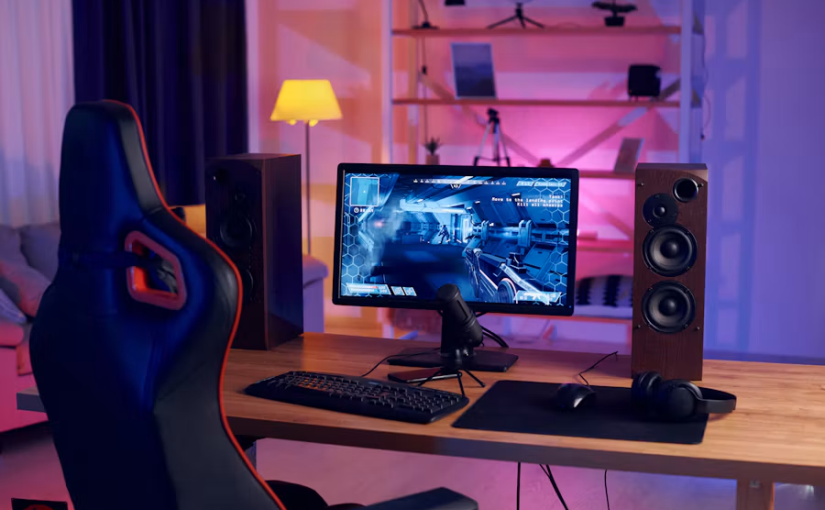
New Zealand’s Gaming Community Wants More Than Powerful PCs
Gaming in New Zealand is evolving beyond the traditional pursuit of faster processors and more powerful graphics cards. Across Auckland, Wellington, Christchurch and smaller regional centres, PC gamers are paying closer attention to the equipment they use every day. Keyboards, mice, headsets and controllers are becoming important parts of the gaming experience, with personalisation, comfort and responsiveness increasingly influencing purchasing decisions.
This shift reflects a wider change in the consumer technology market. A gaming computer may provide the processing power needed for demanding titles, but the peripherals determine how players interact with the game. A responsive keyboard can improve control in competitive matches, while a comfortable mouse and a well-positioned headset can make long sessions more enjoyable.
For New Zealand’s gaming community, customisation is particularly appealing because players have different needs. Competitive gamers may prioritise rapid key response and precise inputs, while strategy enthusiasts often prefer programmable keys and carefully arranged shortcuts. Streamers and content creators may want dedicated controls for recording, audio management and switching between applications.
Gaming peripherals are consequently becoming more than accessories. They are personal tools that connect performance, comfort and individual identity. As manufacturers introduce new technologies, New Zealand consumers have more opportunities to build gaming setups that reflect their playing styles rather than relying on standard equipment.
Mechanical Keyboards Remain a Favourite Among PC Gamers
Mechanical keyboards continue to attract attention because of their distinctive feel, durability and customisation options. Unlike conventional membrane keyboards, many mechanical models use individual switches beneath their keys. Different switch designs can provide lighter actuation, stronger tactile feedback or a more pronounced clicking sound.
These differences matter in games where precise timing and repeated inputs are important. A competitive player may prefer a lightweight linear switch that allows rapid movement commands, while someone who spends hours writing, programming or playing strategy games might choose a tactile switch that provides clearer feedback.
Another attraction is the ability to customise the keyboard’s appearance. Replaceable keycaps, alternative switch types, compact layouts and adjustable lighting let users create a setup that feels personal. Some enthusiasts even build keyboards from individual components, selecting the case, switches, stabilisers and circuit board themselves.
New Zealand’s relatively small consumer market does not prevent these interests from developing. Online retailers and international specialist stores give local enthusiasts access to a broad selection of products, although shipping costs, delivery times and warranty arrangements can influence the final purchasing decision.
The result is a market in which a keyboard is increasingly viewed as a long-term investment rather than a disposable accessory. Buyers want equipment that feels good, performs reliably and can adapt as their needs change.
Hall-Effect Switches and Rapid Trigger Technology
One of the most interesting developments in gaming keyboards is the growing use of magnetic Hall-effect switches. Instead of relying exclusively on conventional mechanical contacts, these switches detect changes in a magnetic field to determine how far a key has moved.
This approach can enable highly adjustable actuation points. Players may be able to configure a key to register after only a small movement, reducing the distance required to activate certain commands. Some keyboards also offer rapid-trigger functionality, allowing a key to reset as soon as it moves back past a configured threshold.
For competitive players, these features can be valuable in games that reward precise movement and fast directional changes. A keyboard that responds consistently can help players execute their intended actions without unnecessary delay.
However, specialised hardware does not automatically make someone a better gamer. Practice, decision-making, network conditions and familiarity with a game remain important. Rapid-trigger features can also require adjustment, and overly sensitive settings may lead to accidental inputs.
New Zealand buyers should therefore look beyond promotional claims. Reviews that examine typing comfort, software reliability, switch consistency and real-world gaming performance can provide a more useful picture than specifications alone.
Wireless Freedom Is Reshaping Gaming Setups
Wireless peripherals have become increasingly attractive as manufacturers improve connectivity and power efficiency. A wireless keyboard can reduce desk clutter, simplify a portable gaming setup and make it easier to move equipment between a gaming computer and another compatible device.
Modern products may support a combination of Bluetooth and proprietary low-latency wireless connections, while some also retain a wired USB mode. These options can be useful for gamers who switch between a desktop PC, laptop and other devices.
The main consideration is responsiveness. Competitive players often prefer connections designed to minimise input delay, while casual gamers may place greater emphasis on convenience and compatibility. Wireless performance can vary according to the connection method, nearby interference and the quality of the implementation.
Battery performance is another important factor. RGB lighting, high polling rates and wireless connectivity can increase energy consumption, meaning that the advertised operating time may depend heavily on the selected settings. A keyboard battery must supply consistent power while fitting into a compact design that does not make the keyboard unnecessarily heavy.
For people who regularly travel to gaming events or use their keyboards in shared workspaces, charging convenience can be just as important as wireless range. A model that supports wired use while charging may provide greater flexibility when power runs low during a long session.
Customisation Goes Beyond Colour and Lighting
RGB lighting remains one of the most recognisable features of gaming peripherals, but customisation now extends well beyond visual effects. Many keyboards include software that allows users to remap keys, create macros, adjust actuation settings and assign different profiles to individual games.
A player might configure one profile for a first-person shooter, another for a multiplayer online battle arena and a third for everyday productivity. Dedicated media controls can simplify audio adjustments, while programmable keys can help streamers manage recording and broadcasting tasks.
Compact keyboards are also popular among users who want more room for mouse movement. Tenkeyless designs remove the number pad, while smaller layouts may eliminate additional keys to save even more desk space. These options can be especially appealing to players who use low mouse sensitivity and need a wide area for movement.
The trade-off is that smaller keyboards may require combinations of keys to access functions that would otherwise be available directly. Buyers should consider their typing habits and work requirements before choosing a layout.
Software quality also deserves attention. Some customisation applications are straightforward and reliable, while others may require background processes, accounts or frequent updates. A well-designed keyboard should remain practical even when its advanced features are not being used.
Gaming Mice and Headsets Complete the Experience
Keyboards receive considerable attention, but the rest of a gaming setup matters just as much. Gaming mice have evolved through improvements in sensor accuracy, weight reduction, wireless connectivity and programmable controls.
Some competitive players prefer lightweight mice that are easy to move quickly, while others favour heavier models that provide a more substantial feel. Shape is equally important because hand size, grip style and playing habits influence comfort.
Headsets have also become more sophisticated. Virtual surround features, clearer microphones and adjustable sound profiles can help players communicate with teammates and distinguish important audio cues. For people who stream games or participate in online communities, microphone quality can be as important as sound reproduction.
New Zealand gamers should consider the complete system rather than purchasing every component from the same product range. A comfortable mouse, reliable headset and well-chosen keyboard may provide a better experience than a collection of expensive accessories that do not suit the user’s habits.
Cable management, monitor placement, chair height and desk space can also make a meaningful difference. Small adjustments to ergonomics may reduce discomfort during long sessions and help players maintain a more consistent setup.
Power Management Matters for Wireless Peripherals
As more gaming equipment moves away from cables, manufacturers must balance performance with energy consumption. Wireless keyboards need enough power to maintain their connection, process inputs and operate any additional features without frequent charging.
Lighting is often one of the most visible contributors to power consumption. Bright effects across every key can create an impressive appearance, but reducing brightness or switching off unnecessary animations may extend operating time. Some models also provide automatic sleep modes that reduce power use when the keyboard is idle.
Polling rate and wireless technology can influence battery demand as well. Higher reporting frequencies may be attractive to enthusiasts seeking responsive inputs, but users should decide whether the practical benefit justifies the additional energy consumption.
The design of a keyboard battery therefore involves several competing priorities. Manufacturers must consider available capacity, physical dimensions, weight, charging speed and expected operating time. The keyboard must remain comfortable to use while providing enough energy for its intended features.
For buyers, advertised battery life should be treated as an estimate rather than a guarantee. Actual results can vary according to lighting, connection settings, usage intensity and battery condition. Independent testing can help identify which products deliver reliable performance outside controlled laboratory conditions.
Sustainability and Longer Product Lifespans
Environmental considerations are becoming increasingly relevant across the electronics industry, including gaming accessories. Keyboards may last for years, but their useful lifespan can be shortened by damaged switches, worn keycaps, failing batteries or discontinued software support.
Products that allow individual switches or keycaps to be replaced can be easier to maintain than models built around components that cannot be serviced. Some enthusiast keyboards also offer replaceable circuit boards, giving owners more options when a particular component fails.
Wireless products introduce an additional question: what happens when the internal battery gradually loses capacity? If the battery cannot be replaced economically, a keyboard that otherwise works perfectly may eventually become inconvenient to use.
Repairability is not identical across all products. Some models use standard screws and accessible components, while others require specialised tools or involve permanently attached parts. Buyers should check manufacturer documentation before assuming a product can be repaired at home.
For New Zealand consumers, the availability of spare parts and local repair support may affect the real cost of ownership. International products can offer excellent features, but obtaining replacement components may take time and involve additional shipping expenses.
Choosing a durable keyboard with a suitable warranty, dependable software and accessible support can reduce the likelihood of premature replacement. It can also help buyers avoid paying for features they rarely use.
Finding the Right Gaming Keyboard in New Zealand
The best keyboard depends on how a person plays, works and uses their computer. Competitive gamers may prioritise rapid actuation, consistent performance and a layout that provides plenty of room for mouse movement. People who play a wide variety of games may prefer programmable controls and a more traditional arrangement.
For users who work and game on the same computer, typing comfort and noise levels can be particularly important. A loud mechanical keyboard might be enjoyable in a dedicated gaming room but less suitable for a shared home office.
Wireless buyers should compare connection options, charging methods and realistic operating time. Those who dislike charging accessories may prefer a wired model, which avoids the need to monitor an internal battery and can offer a straightforward setup.
Price is another consideration. Premium keyboards may include magnetic switches, advanced software and specialised materials, but a less expensive model can still provide excellent everyday performance. The most valuable features are those that make a noticeable difference to the individual user.
Before purchasing, New Zealand shoppers should compare local prices, warranty coverage, delivery fees and return policies. They should also verify whether a keyboard’s software supports their operating system and whether all advertised features work without additional subscriptions.
What Comes Next for Gaming Peripherals?
The future of gaming accessories will likely be shaped by the combination of customisation, intelligent software, wireless convenience and more efficient hardware. Manufacturers are exploring ways to make peripherals more responsive while giving users greater control over how they behave.
For keyboards, this may mean more adjustable switches, improved wireless connections, better profile management and designs that are easier to maintain. Gaming mice and headsets are likely to follow similar trends as companies compete to make their products more comfortable and versatile.
There is also room for software to become simpler. Customisation tools can offer extensive control, but new users should not need to spend hours configuring a keyboard before they can enjoy it. Clear interfaces, sensible defaults and reliable updates can make advanced hardware accessible to a wider audience.
New Zealand’s PC gaming community is well positioned to benefit from these developments through local retailers, online communities and international product launches. As gaming becomes more integrated with streaming, creative work and social interaction, peripherals will continue to serve multiple purposes.
Ultimately, the best gaming setup is not necessarily the most expensive or technologically advanced. It is the one that responds reliably, feels comfortable and supports the way its owner wants to play.
As wireless technology becomes more common, manufacturers will also need to maintain dependable power performance. A carefully designed keyboard battery, combined with efficient software and sensible charging options, can help ensure that customisation and convenience do not come at the expense of everyday reliability.
For New Zealand gamers, the evolution of gaming peripherals offers more choice than ever. From mechanical switches and magnetic actuation to lightweight mice and wireless headsets, today’s accessories allow players to build setups around their own preferences. The next wave of innovation will be most meaningful when it combines impressive technology with practical design, durability and a better overall gaming experience.