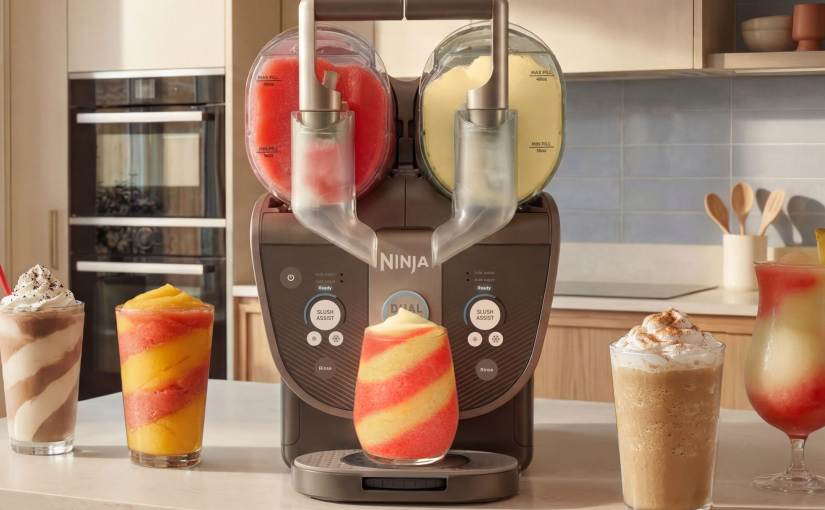
As warmer days approach across New Zealand, a new generation of kitchen appliances is giving households more ways to enjoy summer without relying on takeaway drinks or expensive café visits. One product attracting attention is the Ninja SLUSHi Twist, a frozen drink maker designed to prepare two different flavours simultaneously and combine them into a customised creation.
For Kiwi families preparing for summer barbecues, birthday parties, backyard gatherings and relaxed evenings at home, the appliance offers an alternative to traditional blenders and ice-based slushie makers. Its appeal is not simply about making cold drinks. It reflects a wider consumer interest in convenient home appliances, personalised food experiences and products that can serve several purposes.
With dual preparation chambers, automatic temperature adjustment and a built-in rinsing function, the SLUSHi Twist illustrates how kitchen technology continues to evolve. However, potential buyers should also consider the purchase price, electricity consumption, available kitchen space and the types of drinks they actually enjoy.
A New Take on Summer Drinks in New Zealand
Summer in New Zealand brings plenty of opportunities to enjoy outdoor living. Families gather for barbecues, friends meet for afternoon catch-ups, and children look for refreshing treats during warm weather. Frozen drinks can fit naturally into these occasions, especially when entertaining several people at once.
Traditionally, preparing slushies at home has required ice, a blender and some experimentation with liquid ratios. The result can vary considerably, and melting ice may dilute the flavour. Making several drinks for a group can also involve repeated preparation and extra washing.
The Ninja SLUSHi Twist takes a different approach. Rather than depending on crushed ice, it chills liquid ingredients until they develop a frozen, slushy texture. Its two separate vessels allow users to prepare different flavours at the same time.
This creates practical possibilities for households with different preferences. One side could contain a fruity mango drink, while the other prepares a classic cola slushie. At a family gathering, adults might prefer a coffee-based frozen drink while children choose a fruit-flavoured alternative.
The concept suits a market where consumers increasingly expect household appliances to deliver convenience without sacrificing personal choice. Instead of purchasing separate equipment for different recipes, buyers can explore several drink styles using one machine.
Two Flavours Open Up More Creative Possibilities
The most distinctive feature of the SLUSHi Twist is its ability to prepare two frozen drinks independently before combining them into a single customised creation.
This dual-chamber design goes beyond the basic function of a conventional slushie machine. Users can serve each flavour separately or experiment with combinations that produce contrasting colours, tastes and textures.
For example, pineapple and strawberry could create a tropical summer drink, while lemon and berry might offer a sharper, fruitier combination. Coffee and chocolate flavours could appeal to people who enjoy café-style refreshments at home.
The possibilities are particularly attractive for social occasions. Hosts can prepare different drinks for guests without having to stop and clean the machine between every flavour change.
According to product information available from New Zealand retailers, the machine has two 2.1-litre vessels, with a maximum liquid fill of 1.4 litres per vessel. The combined maximum liquid capacity is therefore 2.8 litres, and the manufacturer indicates that a batch can provide more than ten servings, depending on serving size.
That capacity may be useful for a family celebration or an afternoon gathering. Nevertheless, the stated serving count should be understood as a guide rather than a guarantee. The number of drinks produced depends on how much liquid is added and how generously each glass is filled.
The dual-vessel system also makes the appliance more interesting for people who enjoy experimenting with recipes. Rather than simply reproducing a supermarket drink, users can adjust ingredients and discover combinations that suit their household.
Smart Temperature Control Reduces Guesswork
One challenge with frozen drink preparation is achieving a consistent texture. Different ingredients behave differently during cooling, and a mixture that contains too much water or too little sugar may not produce the expected result.
The SLUSHi Twist addresses this challenge with Dual SlushAssist technology. The system senses the ingredients and adjusts operating conditions to help each chamber achieve a suitable frozen consistency. The machine can also notify users when additional water or sugar may be needed.
For beginners, this guided approach could make experimenting with frozen drinks less intimidating. Instead of repeatedly guessing how long a mixture needs to chill, users can rely on the machine’s automatic controls and adjust recipes as they learn.
The appliance also provides 14 temperature-control settings, allowing users to customise the texture of their drinks. A thicker frozen mixture may suit a traditional slushie, while a different consistency could work better for a frappe-style beverage.
These features reflect a broader shift in consumer electronics and home appliances. Modern products increasingly combine sensors, automated adjustments and simplified controls to reduce the amount of manual work required.
The same philosophy appears in smart ovens, automatic coffee machines and robotic cleaning devices. Rather than asking consumers to understand every technical detail, manufacturers aim to make complicated processes more accessible.
However, automatic technology cannot eliminate every limitation. Ingredient proportions, preparation time and recipe selection still matter. Users should follow the product instructions and avoid assuming that every liquid will freeze into the same texture.
Beyond Slushies: One Appliance, Several Uses
Although the product’s name immediately suggests frozen soft drinks, its potential applications extend further. Depending on the recipe, it can prepare frozen fruit drinks, frappes, milkshakes and certain frozen cocktails.
This versatility may appeal to New Zealand households trying to make better use of their kitchen appliances. A machine used only once or twice each summer may struggle to justify a premium price. A product that also supports weekend brunches, birthday celebrations and occasional entertaining could offer greater everyday value.
Coffee lovers might experiment with chilled coffee recipes, while families could try fruit-based refreshments during warm afternoons. People hosting a summer barbecue could prepare separate options for guests who prefer different flavours.
There is also an opportunity to make recipes more personal. Fresh fruit, carefully selected flavour combinations and different levels of sweetness can help households develop drinks that match their preferences.
Nevertheless, versatility should not be confused with universal compatibility. Some recipes may require adjustments to achieve the correct consistency, and users should check the manufacturer’s guidance before trying unusual ingredients.
Alcoholic recipes deserve particular attention. The manufacturer advertises compatibility with certain frozen cocktails, but users should follow the stated limits and recipe instructions. Alcohol content can affect freezing behaviour, so adding extra spirits without considering the recipe may prevent the desired texture from forming.
For family use, keeping separate recipes for adults and children is another practical advantage of the two-vessel design.
What New Zealand Buyers Should Know About Price and Power
Convenience comes at a cost. New Zealand retailers have listed the Ninja SLUSHi Twist at approximately NZ$949 to NZ$950, although prices, promotions and availability may change.
That places it firmly in the premium small-appliance category. Before buying, consumers should consider how frequently they expect to use it and whether its dual-flavour capability offers enough value compared with a standard blender or a less expensive frozen drink maker.
Electricity consumption is another factor. Retail specifications list a power rating of approximately 500 watts. Actual energy use depends on operating conditions and how long the machine runs during preparation.
For illustration, running a 500-watt appliance continuously for one hour would consume 0.5 kilowatt-hours of electricity. The actual cost can be estimated by multiplying that figure by the household’s electricity rate. This is a simple calculation, not a claim that every batch takes one hour or consumes the same amount of energy.
Households can make more informed decisions by considering their typical preparation habits. Preparing drinks for a group in one batch may be more convenient than repeatedly running a smaller appliance, but the financial benefit will depend on usage.
The machine’s physical size is equally important. Its two vessels and cooling system require more counter space than a compact blender. Buyers living in apartments, smaller rental homes or properties with limited kitchen storage should measure their available space before purchasing.
A premium appliance is most useful when it fits comfortably into the household’s routines rather than becoming another bulky item stored away after one summer party.
Why Batteries Still Matter in the Wider Kitchen Technology Market
The Ninja SLUSHi Twist is a corded appliance, so it does not rely on a rechargeable battery for normal operation. Its cooling system and motor require a suitable mains power connection.
Nevertheless, battery technology remains relevant to the wider consumer electronics market. Many households now use wireless headphones, tablets, smartwatches, portable speakers and other rechargeable devices alongside their kitchen appliances.
The growing number of connected and portable products has increased consumer interest in consumer electronics battery performance, charging convenience and long-term reliability. For these devices, dependable power can make the difference between a product that fits naturally into daily life and one that constantly needs attention.
The same consideration applies when consumers compare products across different categories. A cordless appliance may provide greater freedom of movement, while a corded model can avoid the need to recharge a battery between uses. Neither design is automatically better; the right choice depends on how and where the product will be used.
For a kitchen drink maker, mains power makes sense because cooling drinks requires sustained energy. For portable speakers used during a beach trip or backyard gathering, rechargeable power may be much more practical.
This distinction highlights an important lesson for consumers: convenience depends on matching the technology to the job.
Cleaning and Maintenance Can Make or Break the Experience
Even an impressive kitchen appliance can become frustrating if cleaning takes too much time. Sticky fruit mixtures and sugary drinks can leave residue around dispensing components, making maintenance especially important.
The SLUSHi Twist includes a built-in rinse cycle designed to help rinse the vessels after use. Removable components also make it easier to access parts that need cleaning, subject to the manufacturer’s care instructions.
For busy households, this feature could reduce the temptation to leave cleaning until later. Prompt rinsing is particularly helpful after using sweetened drinks, fruit mixtures or other ingredients that may leave deposits.
However, a rinse cycle should not be treated as a substitute for proper cleaning. Users should follow the manual’s instructions for removing and washing components, drying parts and caring for the machine.
Good maintenance also contributes to a more satisfying ownership experience. Regular cleaning helps keep the equipment ready for the next gathering and reduces the likelihood that leftover ingredients will affect subsequent recipes.
Consumers should also check the warranty terms, spare-parts availability and customer-support arrangements before committing to a premium appliance. These details may be less exciting than new features, but they become important if a component needs replacing or the machine develops a fault.
Making Summer Drinks More Affordable at Home
Buying frozen drinks from cafés or takeaway outlets can become expensive when several family members want one. Preparing drinks at home offers greater control over portion sizes, flavours and ingredients.
That does not automatically mean a dedicated machine will save money. The initial purchase price is substantial, and the total cost includes electricity, ingredients, cleaning supplies and any future maintenance.
A sensible comparison begins with actual household habits. Someone who regularly entertains guests or prepares frozen drinks every weekend may find greater value than a person who wants an occasional treat.
Home preparation can also make it easier to manage sweetness. Consumers can experiment with fruit-based recipes and choose ingredients according to their preferences, while remembering that homemade drinks are not automatically healthier simply because they are prepared at home.
Another useful approach is to plan recipes around ingredients already in the kitchen. Seasonal fruit, suitable juices and coffee can inspire different combinations without requiring a large collection of specialised syrups.
For environmentally conscious households, reusable serving glasses and sensible portion planning can also help reduce disposable packaging. These small decisions are not unique to the machine, but they can improve the overall experience of entertaining at home.
Choosing the Right Appliance for Your Household
The Ninja SLUSHi Twist is not necessarily the best option for every buyer. Consumers who rarely make frozen drinks may be better served by a standard blender, which can handle a broader range of everyday food-preparation tasks.
On the other hand, people who frequently host gatherings may appreciate the ability to prepare two flavours at once. Its larger capacity, automatic temperature adjustments and customisable texture settings provide a more specialised experience than basic ice-crushing equipment.
Shoppers should compare the purchase price with the features they will genuinely use. They should also consider storage space, cleaning requirements, operating noise, warranty coverage and the availability of local support.
For anyone researching rechargeable kitchen gadgets or portable drink accessories, consumer electronics battery life, charging time and replacement options are worth checking before purchase. For this particular frozen drink maker, however, the mains-powered design means these battery considerations are less relevant than cooling performance and electricity consumption.
Consumers should also be cautious about buying accessories or replacement components that are not confirmed as compatible with their exact model. Checking model numbers and the manufacturer’s documentation can help prevent unnecessary spending.
Ultimately, the best kitchen appliance is not always the one with the most features. It is the one that provides meaningful benefits often enough to justify its price.
The Verdict for Kiwi Summer Entertaining
The Ninja SLUSHi Twist brings an interesting combination of dual-flavour preparation, automatic temperature control and convenient cleaning to New Zealand kitchens. Its appeal is easy to understand: it allows households to prepare different frozen drinks simultaneously and experiment with personalised combinations without relying on a blender and crushed ice.
For families who regularly entertain, the capacity and flexibility could make it a useful addition to a summer kitchen. For occasional users, its premium price and substantial countertop footprint deserve careful consideration.
The wider trend is clear. Consumers are increasingly interested in appliances that make everyday activities easier while offering more choice and personalisation. Whether that means a smart kitchen machine, a portable speaker or a connected wearable, technology is most valuable when it solves a real problem.
As New Zealand heads into warmer weather, the SLUSHi Twist offers one way to bring a little more creativity to home entertaining. The smartest purchase, however, is one based on realistic expectations, regular use and a clear understanding of the costs involved.
For shoppers comparing products across the wider electronics market, consumer electronics battery reliability remains an important consideration for portable devices, while corded kitchen appliances are better judged by their performance, efficiency, capacity and ease of maintenance. Choosing according to the needs of the household will always matter more than simply following the latest product trend.