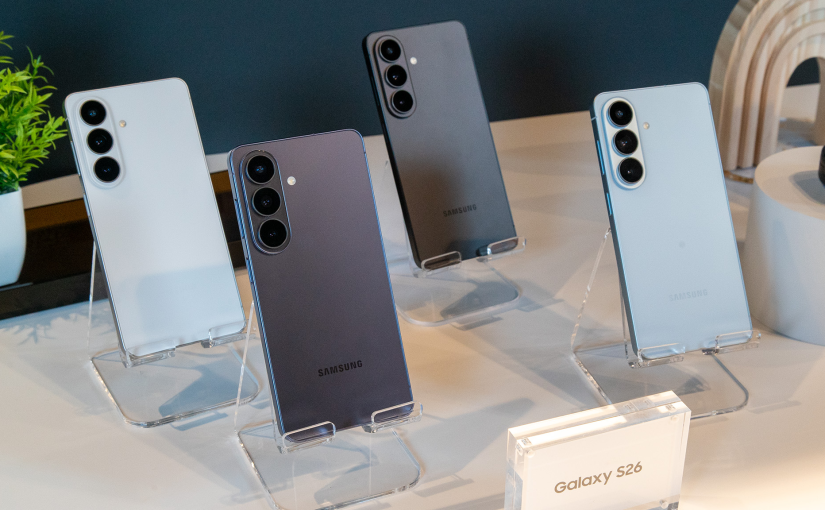
Samsung’s Galaxy S26 Momentum Reaches a New Stage in New Zealand
The smartphone market in New Zealand is entering another interesting phase as artificial intelligence becomes less of a headline feature and more of an everyday tool. Samsung’s Galaxy S26 family is at the centre of that transition, with the company continuing to develop Galaxy AI while expanding its latest software experience across compatible devices.
Samsung officially introduced the Galaxy S26, Galaxy S26+ and Galaxy S26 Ultra in New Zealand in February 2026. The company positioned the series around a combination of advanced hardware, cameras and more proactive AI experiences designed to reduce the number of steps users need to complete everyday tasks.
By September, the story had moved beyond the original hardware launch. Samsung began rolling out One UI 9 in New Zealand on September 17, starting with the Galaxy S26 series. The update brings additional AI functions, new personalisation tools and changes designed to make Galaxy devices feel more integrated into daily routines.
For New Zealand consumers, that makes the Galaxy S26 story particularly relevant. The question is no longer simply how powerful a smartphone can be. It is increasingly about how naturally that power can fit into work, communication, travel, entertainment and everyday life.
Galaxy AI Moves From Features to Everyday Assistance
Earlier generations of smartphones often treated AI as a collection of individual features. A camera might use AI to improve an image, while a voice assistant could answer a question. Samsung is pushing the idea further with the Galaxy S26 generation.
The company describes the latest Galaxy AI experience as more intuitive, proactive and adaptive. Instead of requiring users to open a particular application for every task, the phone is designed to understand context and help users move between activities more efficiently.
That approach could have particular appeal in New Zealand, where consumers frequently use smartphones for a broad mix of activities. A single device can be a navigation tool on a road trip, a camera during a weekend hike, a work computer during the week and an entertainment screen at night.
One UI 9 continues this direction. Samsung says its latest software can provide context-aware suggestions, improve translation and scanning, and make recording and other everyday functions easier to manage. The company’s new Now Nudge feature, for example, is designed to surface useful suggestions at relevant moments rather than forcing users to search through menus.
One UI 9 Gives the Galaxy S26 a Fresh Identity
Software updates can sometimes feel invisible. One UI 9 takes a different approach by adding functions that users can notice during ordinary smartphone use.
Samsung’s September rollout includes My FanCam, which can automatically track a selected person in recorded video and keep them centred as the scene changes. For people recording sports, performances, family events or social occasions, this could reduce the amount of manual editing required after recording.
The update also introduces more customisable cards within Now Brief. Users can choose information related to areas such as health, weather and video, allowing the daily summary to become more personalised.
For New Zealand consumers who regularly move between work and outdoor activities, these features can be particularly practical. A smartphone is often expected to handle very different environments, from a meeting in Auckland to a weekend trip through the South Island.
Samsung is also putting more device-care information directly into Settings. Warranty and Care allows users to check coverage, perform self-diagnostics, view repair estimates and manage support options from compatible devices.
Battery Life Still Matters in an AI Smartphone
There is an important reality behind the AI conversation: advanced smartphone features still depend on physical hardware.
The Galaxy S26 family combines high-resolution displays, powerful processors, advanced cameras, 5G connectivity and AI functions. All of these can influence energy consumption, especially when users spend long periods recording video, using navigation, playing games or relying on mobile data.
Samsung lists battery capacities of 4,300mAh for the Galaxy S26, 4,900mAh for the Galaxy S26+, and 5,000mAh for the Galaxy S26 Ultra in its New Zealand specifications. Actual battery life varies according to network conditions, apps, features and usage patterns.
That makes battery management an increasingly important part of the premium smartphone experience. As phones become more capable, consumers also expect them to remain useful throughout a busy day.
For owners thinking about long-term device care, the quality and condition of a samsung smartphone battery can become an important consideration as a phone ages. Heavy users may notice changes sooner because demanding applications, high screen brightness, 5G connectivity and camera use can place greater demands on the battery.
New Zealand’s Mobile Environment Makes Connectivity Important
Smartphone performance cannot be separated from network connectivity. The Galaxy S26 family supports 5G, LTE and Wi-Fi 7, although actual network availability depends on the local network environment and service provider.
For New Zealand users, connectivity can vary considerably depending on where they live and travel. Major urban areas offer a different mobile environment from rural communities, coastal roads and remote outdoor destinations.
This makes the combination of connectivity and battery efficiency particularly important. A phone constantly searching for or switching between network connections can behave differently from one operating in a strong, stable signal environment.
For consumers comparing smartphones, battery capacity alone therefore does not tell the whole story. Network conditions, display settings, camera usage, gaming, background applications and AI features all contribute to real-world endurance.
Galaxy S26 FE Expands the New Zealand Conversation
Samsung’s smartphone strategy in New Zealand is also expanding beyond the flagship models.
On August 28, Samsung New Zealand announced the Galaxy S26 FE, describing it as the newest member of the Galaxy S26 family. It is also the first device in the S26 lineup to launch with One UI 9, bringing Galaxy AI and updated camera capabilities to another segment of the market.
This matters because AI smartphones are no longer limited to the most expensive devices. As manufacturers bring more advanced software to a wider range of phones, AI increasingly becomes part of the baseline smartphone experience.
For consumers, that can change how phones are compared. Specifications such as processor speed and camera megapixels remain important, but software support, AI capabilities, display quality, connectivity and battery endurance can all influence the overall experience.
The Galaxy S26 FE therefore adds another layer to Samsung’s New Zealand strategy, giving the brand a broader way to bring its latest software ecosystem to consumers.
Cameras Become More Intelligent
Photography remains one of the strongest reasons people upgrade smartphones, and Samsung is using AI to push mobile photography beyond simple image processing.
The Galaxy S26 family combines its camera hardware with Galaxy AI features intended to help users capture and refine content more easily. The One UI 9 update takes this further with My FanCam, while Creative Studio can provide image-generation suggestions based on upcoming events.
For New Zealand users, this could be particularly useful for travel and outdoor photography. From beaches and hiking trails to concerts and sporting events, smartphone cameras are increasingly expected to capture moving subjects in challenging conditions.
The challenge is that more sophisticated cameras and video tools can also encourage longer sessions. Recording high-resolution video, editing footage and uploading content can consume significant power.
That brings the conversation back to the samsung smartphone battery. A powerful camera system is most useful when the phone has enough energy to support the entire experience rather than forcing users to stop midway through a day of shooting.
Translation and Communication Get More Practical
New Zealand’s increasingly connected economy also creates opportunities for smartphone translation tools. Samsung’s One UI 9 includes improvements to Interpreter, including a Thread View designed to help users follow translated conversations by referencing earlier exchanges.
The update also improves Conversation Mode and works with compatible Galaxy Buds to make translated conversations feel more continuous.
This illustrates an important change in smartphone AI. Instead of being something users activate simply to experiment with, AI is becoming embedded in communication itself.
For travellers, international students, businesses and people communicating across languages, such features could become part of normal smartphone usage.
Privacy Remains Part of the AI Conversation
As smartphones become more aware of their users and surroundings, privacy naturally becomes more important.
Samsung says One UI 9 adds security and privacy functions designed to help users understand potential risks. Security Brief can surface information about malware, apps from unknown sources and unnecessary permissions, while enhanced Privacy Alerts can identify certain potential privacy risks involving background access.
This is significant because consumers are increasingly asking not only what AI can do, but also what information it needs to do it.
The move toward more personalised AI therefore creates a balance between convenience and user control. Smartphone manufacturers will need to make advanced functions easy to use while giving consumers enough information to understand how those functions operate.
What Galaxy S26 Means for New Zealand’s Smartphone Market
Samsung’s latest strategy shows how the smartphone industry is changing. The hardware race is still important, but software is becoming an increasingly visible part of the product.
The Galaxy S26 series combines high-end displays, cameras, connectivity and processing power with an expanding AI ecosystem. The arrival of One UI 9 adds another layer, making the phone more proactive and personal in everyday use.
At the same time, the Galaxy S26 FE shows Samsung’s intention to bring the newest Galaxy experience to a broader group of consumers.
For New Zealand buyers, this means the smartphone upgrade decision is becoming more complicated. A new phone is no longer simply about getting a faster processor or a better camera. Users are also considering software longevity, AI features, connectivity, privacy, durability and battery performance.
The Battery Question Will Follow Every AI Upgrade
As smartphones become more intelligent, battery technology will remain one of the industry’s practical limits.
AI functions, high-refresh-rate displays, 5G connectivity, advanced cameras and demanding applications all depend on energy. Even with increasingly efficient processors and software optimisation, consumers will continue to care about how long their devices can remain useful away from a charger.
For people keeping a Galaxy phone for several years, understanding battery condition becomes particularly relevant. If a device is otherwise working well but its endurance has declined significantly, battery replacement can be an important part of extending its useful life.
A compatible samsung smartphone battery can therefore be viewed as part of the wider device-maintenance conversation rather than simply a technical component. The key considerations include compatibility, capacity, installation quality and appropriate handling.
Samsung’s Next Chapter in New Zealand
The Galaxy S26 series represents more than another annual smartphone update. It reflects the industry’s broader movement toward phones that understand context, automate routine actions and integrate AI into everyday activities.
For New Zealand consumers, the timing is notable. Samsung has expanded the S26 family with the Galaxy S26 FE, while One UI 9 is now moving across compatible Galaxy devices.
The next stage of competition will likely involve more than cameras, processors or screen specifications. Smartphone makers are increasingly competing over how naturally their devices fit into people’s daily lives.
That makes battery performance an important part of the equation. The smarter a smartphone becomes, the more users expect it to remain ready throughout the day. For Galaxy owners considering long-term use, monitoring battery health and choosing a suitable samsung smartphone battery when replacement eventually becomes necessary can help keep capable hardware useful for longer.
In New Zealand’s fast-moving consumer technology market, the Galaxy S26 story is therefore not just about a new smartphone. It is about the changing relationship between AI, hardware, connectivity and everyday digital life.