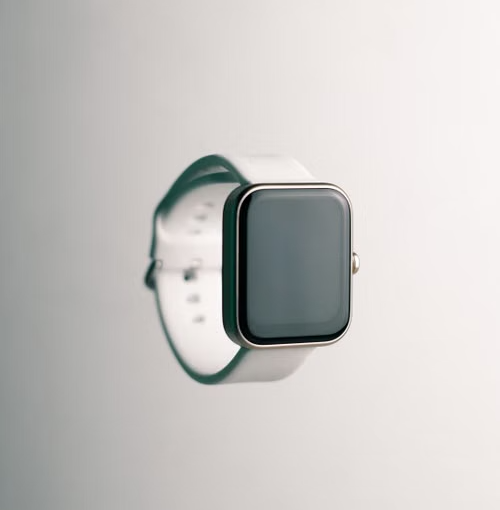
The Growing Popularity of Smart Wearable Technology in New Zealand
Over the past few years, wearable technology has become one of the fastest-growing segments in New Zealand’s consumer electronics market. From busy professionals in Auckland to outdoor enthusiasts exploring the South Island, more people are turning to smart watches to monitor their health, improve fitness routines, and stay connected in everyday life. The combination of advanced sensors, artificial intelligence features, and improved battery performance has made smart watches more attractive than ever.
New Zealand consumers have shown increasing interest in technology that supports healthier lifestyles. With a strong outdoor culture, including hiking, cycling, running, and water sports, many people are looking for devices that can track physical activity while offering reliable performance in different environments. Smart watches are no longer viewed as simple accessories for checking notifications. They have become personal health assistants that provide information about heart rate, sleep quality, stress levels, and exercise performance.
As smart wearable adoption continues to grow, battery efficiency has become a major factor influencing purchasing decisions. Users want devices that can support long outdoor adventures, busy workdays, and regular fitness tracking without frequent charging. This has increased demand for reliable smart watch battery solutions that help extend device lifespan and maintain consistent performance.
Why New Zealand Consumers Are Choosing Smart Watches
One of the main reasons behind the popularity of smart watches in New Zealand is the increasing awareness of personal health management. Many consumers are becoming more proactive about understanding their bodies and making healthier lifestyle choices. Instead of waiting for health problems to appear, users are relying on wearable technology to monitor daily habits and identify areas for improvement.
Fitness tracking is especially important in New Zealand, where outdoor activities are deeply connected to local culture. Whether people are running along coastal paths, cycling through countryside roads, or hiking through national parks, smart watches provide valuable data about distance, calories burned, heart rate changes, and training progress.
For many users, convenience is another major advantage. Smart watches allow people to receive messages, answer calls, control music, and access navigation features without constantly checking their smartphones. This is particularly useful for commuters and professionals who need quick access to information while staying productive.
The growing popularity of remote work and flexible lifestyles has also contributed to demand for wearable devices. Many New Zealand workers are using smart watches to create better daily routines, including reminders for movement, relaxation, hydration, and scheduled breaks. These features support a healthier balance between digital technology and personal wellbeing.
Health Monitoring Features Drive the Next Wave of Wearable Growth
Health-related technology is becoming one of the most important trends in the smart watch industry. Modern devices are equipped with advanced sensors that can measure various health indicators, helping users better understand their physical condition.
Heart rate monitoring has become a standard feature, allowing users to track their activity intensity during exercise and observe changes throughout the day. Sleep tracking has also gained popularity, as more people recognize the connection between quality rest and overall health. Smart watches can analyze sleeping patterns and provide insights that encourage better habits.
In New Zealand, where many people enjoy active lifestyles, sports performance features are becoming increasingly valuable. Advanced smart watches can measure running pace, cycling performance, recovery levels, and training progress. These functions appeal not only to professional athletes but also to everyday users who want to improve their fitness.
However, all these advanced features require efficient power management. Continuous health monitoring, GPS tracking, and wireless connectivity can consume significant energy. As a result, consumers are paying more attention to the quality and durability of their device’s power source. A dependable smart watch battery plays an important role in ensuring that health tracking functions remain available throughout the day.
Outdoor Lifestyle and Smart Watch Demand in New Zealand
New Zealand’s unique natural environment creates strong opportunities for wearable technology. From the mountains of Queenstown to the walking trails around Wellington and Auckland, outdoor activities are a major part of local life. Smart watches have become popular tools for people who want to explore nature while keeping track of their safety and performance.
For hikers and travelers, GPS functionality is one of the most valuable features. A smart watch can provide route information, track distance, and monitor environmental conditions. These capabilities make wearable devices useful companions during outdoor adventures where carrying a smartphone may not always be convenient.
Battery life becomes especially important in these situations. Outdoor users often spend many hours away from charging sources, making energy efficiency a critical consideration. A high-quality smart watch battery can help users enjoy longer tracking sessions during hiking trips, camping experiences, and extended outdoor activities.
The demand for durable wearable technology is also increasing because New Zealand consumers often expect products to handle different weather conditions. Water resistance, strong materials, and reliable performance are becoming important factors when selecting smart watches.
Smart Watches Become Part of Everyday Digital Life
Beyond health and fitness, smart watches are becoming increasingly integrated into daily digital experiences. Contactless payments, transportation information, smart notifications, and voice assistants are changing the way people interact with technology.
In urban areas such as Auckland and Christchurch, consumers are becoming more comfortable using wearable devices as part of their connected lifestyle. Instead of relying only on smartphones, users are building an ecosystem of connected products, including smart watches, wireless earbuds, smart home devices, and other digital tools.
This trend reflects a broader shift toward smaller and more convenient technology. Consumers are looking for devices that provide useful information without creating distractions. Smart watches offer a balance between staying connected and reducing dependence on large screens.
As these devices become more powerful, manufacturers are focusing on improving energy efficiency. Longer-lasting components and improved charging technologies are becoming essential for future wearable products. A durable smart watch battery is expected to remain a key factor in helping users enjoy advanced features without worrying about frequent charging.
The Future of Smart Wearables in New Zealand
The future of smart watch technology in New Zealand looks promising as consumers continue to embrace connected lifestyles. Artificial intelligence, improved health sensors, and personalized digital services are expected to make wearable devices even more useful in the coming years.
AI-powered features may allow smart watches to provide more personalized recommendations based on activity patterns, sleep data, and lifestyle habits. Instead of simply recording information, future devices could help users make better decisions about exercise, recovery, and daily routines.
Environmental sustainability is another important consideration for New Zealand consumers. As awareness of electronic waste increases, many users are looking for products that last longer and can be maintained rather than replaced frequently. Improving battery quality and extending device lifespan will become increasingly important for the wearable technology industry.
Manufacturers that focus on reliable performance, efficient energy use, and user-friendly features will likely gain more attention from New Zealand buyers. Smart watches are evolving from optional gadgets into essential digital companions that support communication, health, and everyday convenience.
Smart wearable technology is becoming an important part of New Zealand’s modern electronics landscape. Driven by health awareness, outdoor lifestyles, and the demand for convenient digital solutions, smart watches are attracting users across different age groups and interests.
As consumers expect longer usage times and more advanced functions, battery performance will continue to influence buying decisions. Whether for fitness tracking, outdoor exploration, or everyday communication, a reliable smart watch battery helps ensure that wearable devices can keep up with the demands of modern life.
With continued innovation in health monitoring, artificial intelligence, and sustainable technology, smart watches are set to remain one of the most exciting areas of consumer electronics in New Zealand.