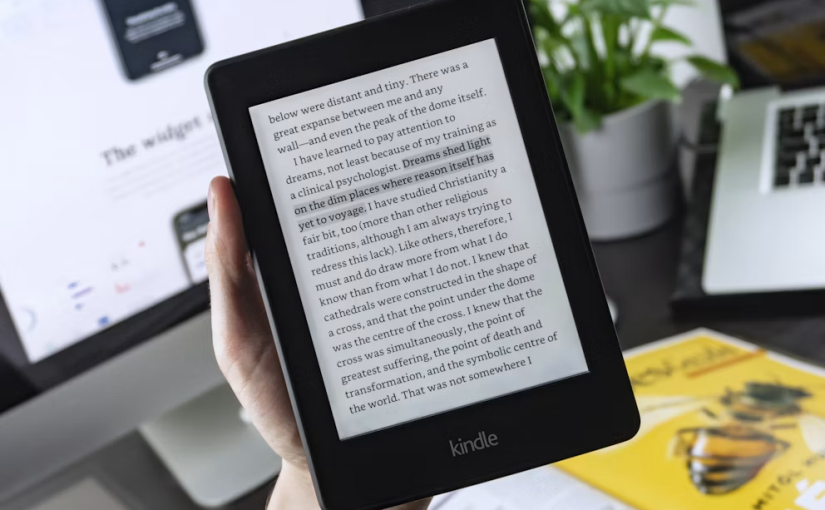
The Revival of Digital Reading in New Zealand
For many years, printed books have remained a strong part of New Zealand’s reading culture. Libraries, independent bookstores, and community reading events continue to attract people who enjoy the traditional experience of turning physical pages. However, alongside this classic reading habit, a new trend is quietly growing: digital reading through e-readers.
The popularity of e-readers is increasing as more New Zealand consumers look for convenient, lightweight, and environmentally friendly ways to enjoy books. From students carrying multiple textbooks to travellers exploring remote areas with an entire digital library, e-readers are becoming an attractive choice for modern lifestyles.
New Zealand’s strong connection with outdoor activities has also contributed to this trend. Many people enjoy hiking, camping, and travelling across the country, where carrying dozens of physical books is not practical. A compact e-reader allows readers to take thousands of titles anywhere, whether they are relaxing near a beach in Northland or spending a weekend in the Southern Alps.
As technology continues to improve, e-readers are no longer viewed as simple electronic versions of books. They now offer advanced displays, adjustable lighting, waterproof designs, and longer usage times. Behind these improvements is one essential component that determines the overall experience: battery performance.
Why E-Readers Are Becoming Popular Among New Zealand Readers
One of the biggest reasons for the growth of e-readers in New Zealand is convenience. Modern consumers are increasingly using digital devices in their everyday lives, from smartphones and tablets to smart home products. Reading habits are naturally changing as people become more comfortable with electronic technology.
Unlike tablets or laptops, e-readers are designed specifically for reading. Their screens are easier on the eyes, especially during long reading sessions, and many models use electronic paper technology that closely resembles the appearance of real paper. This makes them suitable for people who spend hours reading novels, research materials, or educational content.
Another important advantage is portability. A traditional bookshelf requires physical space, while an e-reader can store a huge collection of books inside a small device. For New Zealand students, professionals, and travellers, this provides greater flexibility. A person preparing for exams can carry academic resources everywhere, while a holiday traveller can bring multiple novels without adding extra weight to their luggage.
Battery efficiency is also a major factor influencing purchasing decisions. Readers want devices that can last for days or even weeks without constant charging. A reliable e-reader battery allows users to focus on their reading experience instead of worrying about finding a power outlet during daily activities or outdoor adventures.
Digital Reading and New Zealand’s Sustainable Technology Movement
Sustainability is an important topic in New Zealand, and many consumers are becoming more aware of how their technology choices affect the environment. While printed books remain valuable, digital reading provides another option for reducing paper consumption and supporting more sustainable habits.
Producing physical books requires paper, printing materials, transportation, and storage resources. Although the environmental impact of books depends on many factors, digital alternatives can help reduce repeated production when readers frequently purchase new titles.
E-readers also match the growing interest in energy-efficient electronics. Consumers are increasingly choosing devices that offer longer lifespans and lower energy consumption. Manufacturers are responding by improving screen technology, optimizing software, and developing more durable battery systems.
The development of advanced e-reader battery technology has become an important part of this transformation. Better battery designs allow devices to operate longer while maintaining compact sizes. This means readers can enjoy digital books during long journeys, outdoor trips, or daily commutes without carrying additional charging equipment.
For environmentally conscious New Zealand consumers, the combination of sustainable reading habits and efficient electronic devices represents a practical balance between technology and responsible consumption.
How E-Readers Support Education and Remote Learning
Education is another area where e-readers are attracting attention in New Zealand. Digital learning resources have become increasingly common, and students are looking for tools that make studying more flexible.
Traditional textbooks can be expensive and heavy, especially for students who need multiple subjects at the same time. E-readers provide an alternative by allowing learners to access digital materials in a lightweight format. They can highlight important information, search for keywords, and organize reading materials more efficiently.
For students living in rural areas, digital access can be especially valuable. New Zealand has many communities located far from major urban centres, and digital devices can help connect learners with educational resources that may not always be available locally.
Teachers and educational institutions are also exploring ways to combine traditional teaching methods with digital tools. Reading platforms, online libraries, and electronic learning materials are becoming part of a broader digital education environment.
A strong and dependable e-reader battery plays a crucial role in this situation. Students need devices that can support long study sessions without frequent interruptions. Whether they are reading assignments at school, studying at home, or accessing materials during travel, battery reliability directly affects productivity.
The Role of E-Readers in New Zealand’s Travel and Outdoor Lifestyle
New Zealand is famous for its natural landscapes, and outdoor activities are deeply connected with everyday life. Many residents and visitors spend time exploring beaches, forests, mountains, and national parks. This lifestyle creates unique demands for electronic devices.
For travellers, weight and durability are important considerations. Carrying heavy equipment is inconvenient during long-distance journeys, so compact technology becomes increasingly attractive. An e-reader can replace an entire backpack full of books while providing access to entertainment during quiet moments.
Modern e-readers are also designed with travel-friendly features. Some models include waterproof protection, allowing users to read beside pools, beaches, or during rainy weather. Adjustable screens make reading comfortable in different lighting conditions, from bright outdoor environments to dark rooms.
Battery life is particularly important for outdoor enthusiasts. Unlike urban users who can easily charge devices every day, travellers may spend extended periods away from electricity sources. A high-quality e-reader battery ensures that digital reading remains available during camping trips, road journeys, and outdoor adventures across New Zealand.
This combination of technology and lifestyle convenience explains why e-readers continue to attract attention among people who value both exploration and digital convenience.
Future Innovations That Could Change Digital Reading
The future of e-readers in New Zealand is likely to involve even smarter features. As artificial intelligence and connected technologies continue to develop, digital reading devices may become more personalized and interactive.
Future e-readers could provide smarter recommendations based on reading habits, improve language learning experiences, and offer advanced tools for research and productivity. AI-powered features may help users summarize information, translate content, or organize digital libraries more effectively.
Hardware improvements will also remain important. Manufacturers are expected to focus on lighter designs, stronger materials, improved displays, and more efficient energy management systems. Battery technology will continue to influence how comfortable and practical these devices become.
Longer-lasting batteries could allow future e-readers to operate for extended periods with fewer charging cycles. This would be especially valuable for users who depend on digital reading during travel, education, and professional activities.
As technology becomes more integrated into everyday life, e-readers may evolve from simple reading devices into complete digital knowledge platforms.
Why Digital Reading Has a Bright Future in New Zealand
The return of e-readers shows that digital technology does not always replace traditional experiences; instead, it can enhance them. Many New Zealand readers continue to appreciate physical books while also embracing the flexibility offered by electronic devices.
The popularity of e-readers reflects broader changes in consumer behaviour. People increasingly want products that are portable, sustainable, efficient, and suitable for modern lifestyles. Whether used for entertainment, education, or travel, e-readers provide a practical solution for today’s readers.
With improvements in screen quality, software features, and battery performance, digital reading is expected to remain an important part of New Zealand’s technology landscape. As more people discover the advantages of carrying an entire library in a small device, e-readers will continue to influence how New Zealanders access and enjoy information.
The future of reading is not about choosing between paper and digital formats. Instead, it is about creating more possibilities. Through innovative technology and improved e-reader battery solutions, digital reading is becoming more convenient, reliable, and connected than ever before.