Understanding CAD and Its Meaning in Everyday Use
When people first encounter technical design tools, one of the most common questions is what does cad stand for. CAD stands for Computer-Aided Design, which refers to the use of computer software to create, modify, analyze, and optimize designs. Instead of drawing by hand, engineers, architects, and designers use digital tools that make the process faster, more precise, and easier to update.
In practical terms, CAD is not just one single program or method. It is a broad technology that supports everything from simple 2D drawings to highly complex 3D modelling used in industries across New Zealand and worldwide.
CAD in Construction and the Built Environment
In the building industry, accuracy and planning are essential, which is why what does cad stand for in construction is a key question for builders, architects, and project managers. In construction, CAD is used to design buildings, plan infrastructure, and visualize projects before any physical work begins.
Architectural drawings, structural layouts, plumbing systems, and electrical plans are all commonly created using CAD tools. In New Zealand’s construction sector, CAD helps teams meet building regulations, reduce material waste, and avoid costly on-site mistakes. It also allows clients to see realistic digital models of homes, offices, and public spaces before construction starts, improving communication between designers and stakeholders.
CAD in Engineering and Technical Design Fields
Engineering is another major area where CAD plays a central role, and many students and professionals often ask what does cad stand for in engineering. In engineering, CAD is used to design machines, components, mechanical systems, and industrial products with high precision.
Mechanical engineers use CAD to test how parts fit together, how forces act on structures, and how materials will behave under stress. Civil engineers rely on CAD to design roads, bridges, and infrastructure systems. Electrical engineers use it for circuit layouts and system planning. The ability to detect design flaws early makes CAD an essential tool in reducing risk and improving product reliability.
CAD in Computing and Digital Systems
In the digital world, people sometimes wonder what does cad stand for in computer and how it relates to software systems. In computing, CAD refers to software applications that run on computers to assist with design tasks. These programs are built on advanced algorithms that allow users to create precise geometric models and technical drawings.
CAD software relies on computing power to process large amounts of design data quickly. Modern systems often use cloud computing, GPU acceleration, and collaborative platforms so multiple users can work on the same design in real time. This makes CAD not just a design tool, but also a digital collaboration system used across industries.
What CAD Is Used For in Real Life Applications
A common follow-up question is what is cad used for, especially for people exploring careers or studying design-related subjects. CAD is used in a wide range of industries beyond construction and engineering.
It plays a major role in product design, where companies develop everything from smartphones to household appliances. In the automotive industry, CAD is used to design vehicles, test aerodynamics, and improve safety systems. In architecture, it helps create detailed building plans. Even in entertainment, CAD-style tools are used for animation, game design, and visual effects.
In New Zealand, CAD is especially important in architecture, urban development, and infrastructure projects, where precision and environmental planning are critical.
How CAD Works Behind the Scenes
To understand the technology better, it helps to explore how does cad work in practice. CAD systems function by allowing users to create digital geometry using coordinates, vectors, and mathematical models. Instead of drawing freehand, users build objects using exact measurements and shapes.
Most CAD software includes two-dimensional (2D) drafting tools and three-dimensional (3D) modelling features. Users start with basic shapes, then refine them into detailed designs by adding dimensions, materials, textures, and structural properties. Many systems also include simulation tools that test how a design behaves under real-world conditions, such as stress, heat, or motion.
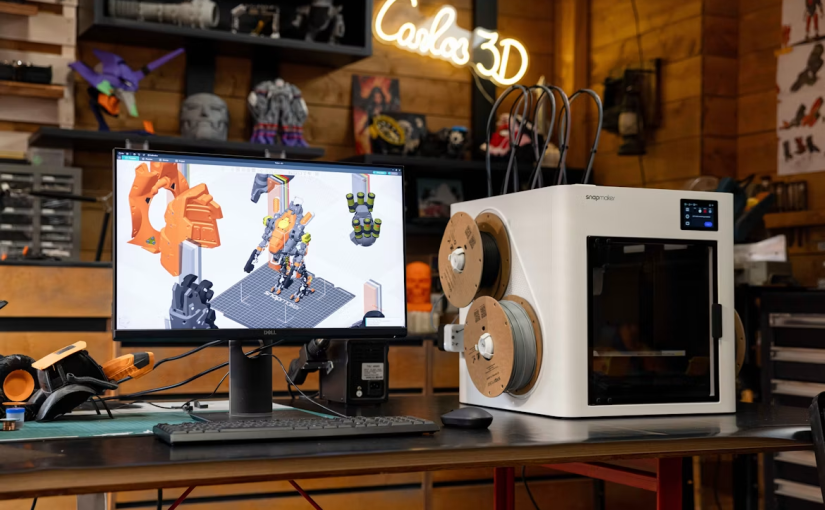
Modern CAD platforms often integrate with manufacturing technologies like CNC machines and 3D printers, allowing digital designs to be turned directly into physical products.
Examples of CAD Software Used Today
When looking at examples of cad software, it is clear that the industry offers a wide variety of tools depending on the user’s needs and skill level. Some of the most widely used programs include AutoCAD, which is popular for architectural and engineering drawings, and SolidWorks, which is widely used in mechanical and product design.
Other commonly used tools include Fusion 360, which combines modelling, simulation, and manufacturing in one platform, and SketchUp, which is often used for architectural visualization and interior design. Revit is another powerful tool used in building information modelling (BIM), especially for large construction projects.
These programs vary in complexity, but they all serve the same core purpose: turning ideas into accurate digital models that can be tested, refined, and built in the real world.
The Growing Importance of CAD in Modern Industries
As technology continues to evolve, CAD is becoming even more advanced and accessible. Artificial intelligence is being integrated into design tools to suggest improvements and automate repetitive tasks. Cloud-based CAD systems now allow teams in different locations to collaborate instantly, which is especially useful for global and remote projects.
For students, engineers, and designers in New Zealand, learning CAD skills has become increasingly valuable. Whether working in construction, engineering, or product development, CAD knowledge opens up opportunities in many technical and creative industries.
Ultimately, CAD is more than just software. It is a fundamental part of how modern design and engineering work, shaping the buildings, machines, and products used every day.