We are specialists in quality batteries. We have batteries, chargers and accessories for everything you can think of. Low prices, big inventory, expert advice. Find your battery here!
The OnePlus 12 has only recently received Android 15 via its first stable OxygenOS 15 update. However, OnePlus has now started issuing a fresh OxygenOS 15 update that adds new AI features and other changes.
(The OnePlus 12 will soon gain new AI features globally.)
Hardly any time has passed since OnePlusbrought Android 15to theOnePlus 12, which arrived as OxygenOS 15.0.0.204, 15.0.0.205 and 15.0.0.206 for OnePlus’ European, North American and Indian software development channels, respectively. For context, the OnePlus 12 remains its most recent flagship outside of China. The company treats fans in its home market to the newer OnePlus 13 though, which contains various upgrades over its predecessor.
Typically, OnePlus would not follow up on a major software release for a while, particularly when it comes to a device like the OnePlus 12, a last-generation flagship. However, a second OxygenOS 15 build has now arrived with a whole heap of changes not present in those that OnePlus distributed at the start of the month.
Please note that OxygenOS 15.0.0.305 is only being offered across OnePlus’ Indian software branch for the moment. With that being said, the company hopes to offer equivalent updates next week in other markets. On top of that, one must have already updated their OnePlus 12 to Oxygen OS 15.0.0.206 before being offered OxygenOS 15.0.0.305.
At any rate, the latter introduces in-house AI Notes and AI Retouch software, which OnePlus has described in the changelog below. Moreover, the new update adds the option of sharing live photos with nearby iOS devices, a version of which Oppo recently showcased for itsFind X8 series global launch. Furthermore, OnePlus has fixed an issue that caused some apps to crash unexpectedly. Please see the full changelog below for more details.
Introduces the Enhance clarity feature to enhance the clarity of cropped, distant, or low-quality photos.
Introduces the Unblur feature to restore details, colors, and lighting in blurry photos, making it easier to capture those precious moments of your pets, children, and more.
Introduces the Remove reflections feature to effortlessly remove glass reflections for clearer, more authentic photos through windows.
AI Notes
Introduces the new AI writing suite which includes the continue writing, polish, and optimize style AI writing features to assist you in drafting and enhancing content, unleashing your creativity in an instant.
Introduces the Format feature to organize scattered information into well-organized content to make it more visually appealing and easier to read.
Introduces the Clean up feature to remove filler words from voice notes to make sentences more coherent while retaining the original audio.
Communication & interconnection
Now you can easily share live photos with iOS devices nearby.
Improves the stability and expands the compatibility of Bluetooth connections.
System
Contacts can now be switched to a floating window.
Photos can now recognize boarding passes and add them to Google Wallet.
Apps in large folders can now be displayed in 3 × 3 grids.
Fixes an issue that might cause some apps to crash.
Fixes a display issue where some app icons might overlap with other elements when pulling down the Quick Settings in the Photos app after restarting the phone.
Integrates the November 2024 Android security patch to enhance system security.
If you were among those who purchased a new iPhone in 2022, your device might now feel a little less helpful, at least in emergency situations.
That’s because the two-year free trial of Apple’s Emergency SOS Satellite feature, a groundbreaking technology introduced with theiPhone 14 series, has officially expired.
While Apple has granted users an additional year of free access, the clock is ticking, and the long-term cost of the service remains a mystery.
Apple’s Emergency SOS Satellite feature debuted in November 2022, positioning the company as a leader in integrating satellite telecommunications into flagship phones.
Powered by a partnership with Globalstar, the technology enables users to connect with emergency services or share their location via theFind My appin areas without cellular or WiFi coverage.
When theiPhone 14,iPhone 14 Plus,iPhone 14 ProandiPhone 14 Pro Maxlaunched, Apple promised a free two-year trial of the Emergency SOS Satellite feature. That period has now come to an end.
We don’t expect this device to actually see the light of day.
What you need to know
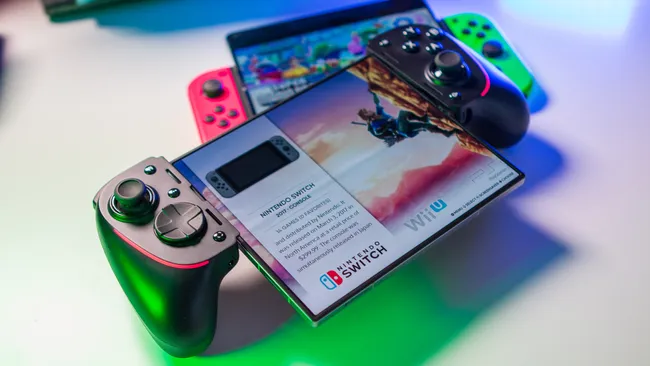
Samsung has filed a patent for a foldable gaming handheld console.
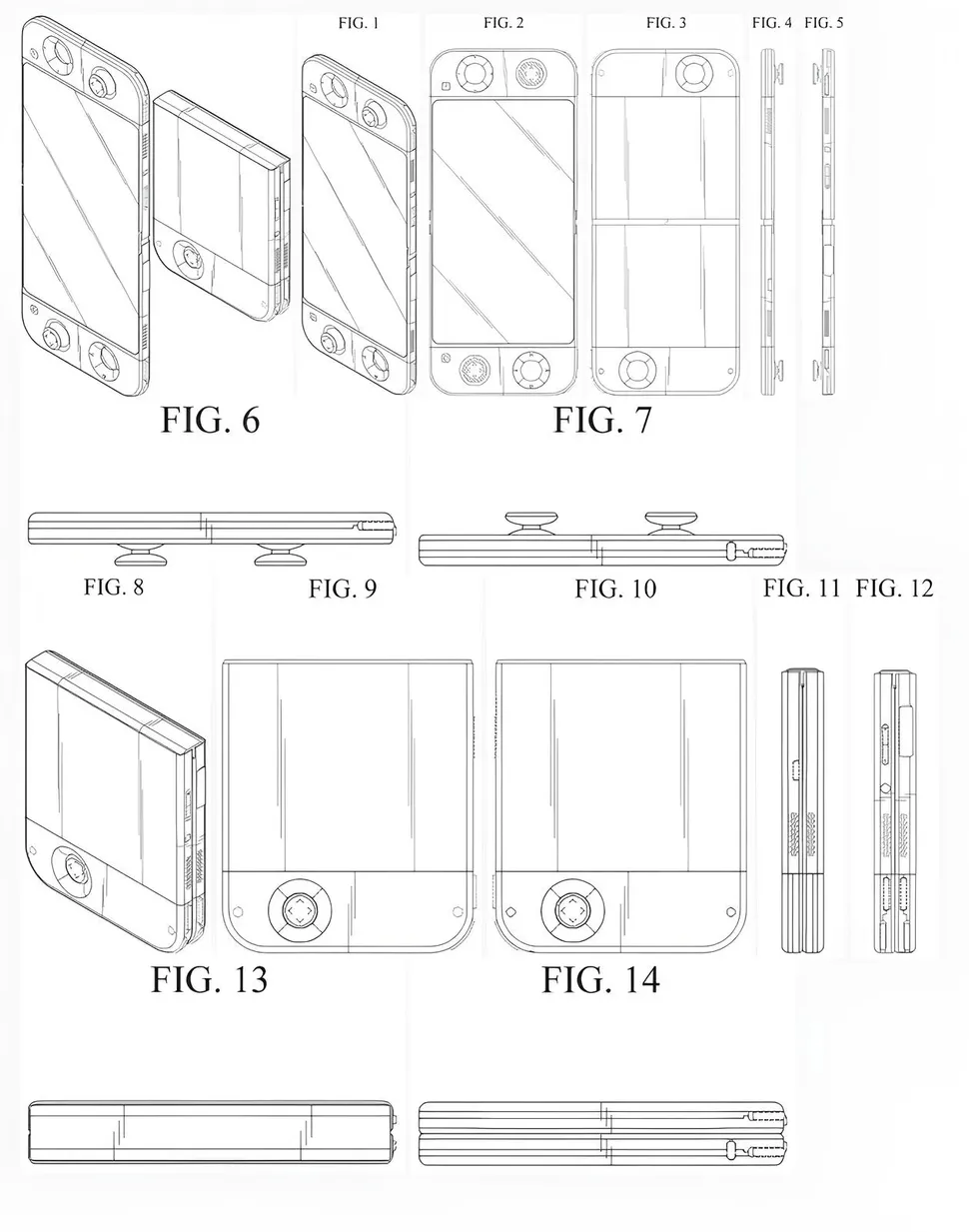
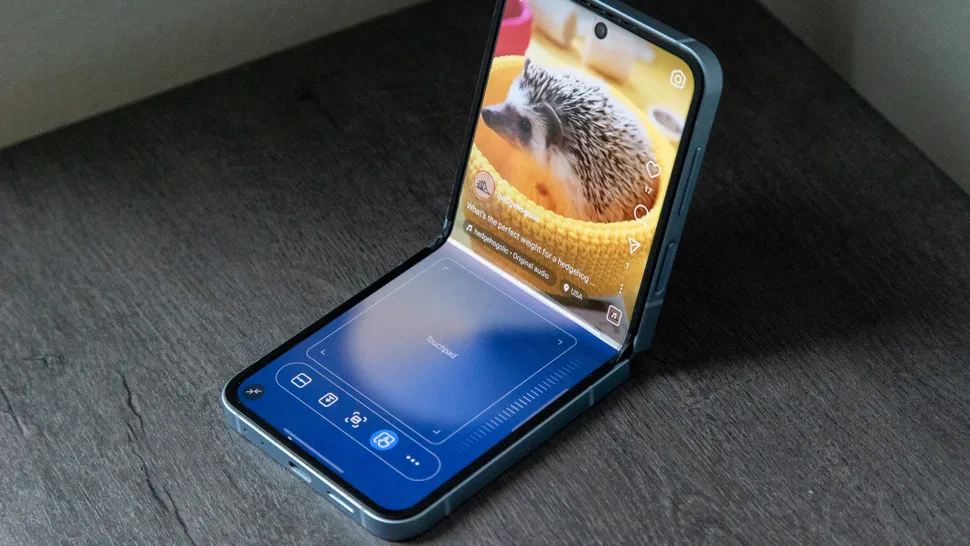
Based on the included patent drawings, the handheld would be somewhat similar to the Galaxy Z Flip 6, but includes space for gaming controls.
The patent was originally filed in 2022 but was just granted on November 11.
It’s not all that often that we cover patents, but Samsung might be cooking up something rather exciting. As of November 11, Samsung was granted a patent for an “electronic games console,” as the91mobilesspotted a listing that appeared on the World Intellectual Property Organization (WIPO) website.
According to thelisting, Samsung Display Co., Ltd. filed for the patent in September 2022, and it was registered as of November 12. Unsurprisingly, there aren’t any other specifics about the internals of this handheld.
However, there are a variety of patent drawings that were published, giving us an idea of how it might work. At first glance, this handheld looks pretty similar to theGalaxy Z Flip 6, with a couple of major differences.
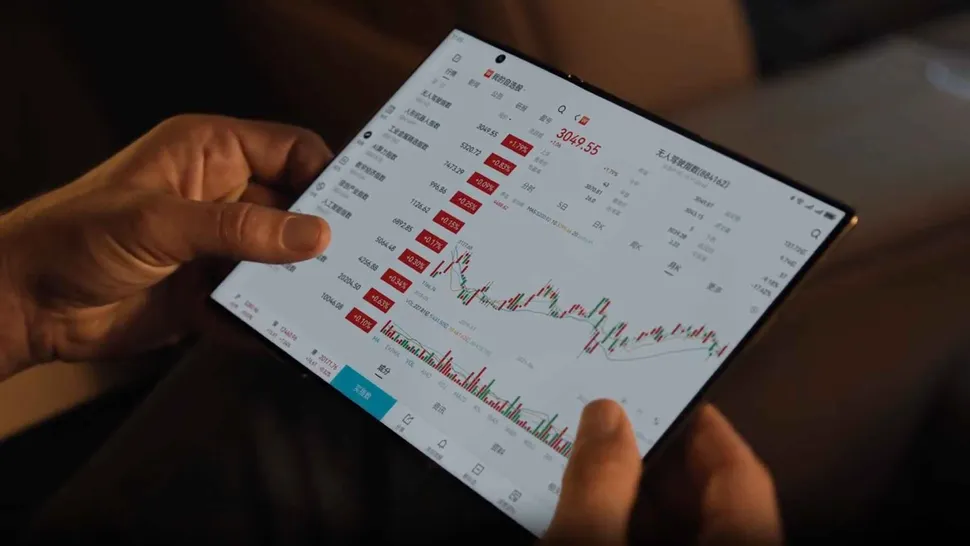
The first of which is that the screen faces outward, a concept that we have yet to see Samsung implement outside of some concept designs to showcase at various trade shows. In fact, the only companies to really venture down that path have been Huawei and Honor, as theHonor V Pursewas released in 2023, whileHuawei’s Mate XTtri-foldable phone was revealed in September.
Durability concerns likely play a big part in why we haven’t seen outward-folding phones, making this potential gaming handheld even more intriguing. Adding to the intrigue is how you interpret the patent drawings. On one hand, it looks like it features one screen, but a couple of the drawings indicate that there might actually be two different screens that join together when unfolded.
Then again, we could be looking at two differentgaming handhelds, with one that folds, and another one that doesn’t. If it is indeed two different handhelds, it would help explain the differences in controls when looking at Figure 2 and Figure 3.
While it’s easy to get excited about Samsung potentially releasing a gaming handheld, we have to take this with a massive grain of salt. For one, it’s only a patent, and we know that companies file patents for devices that never see the light of day.
Then, there’s the whole concern about what the future holds for Samsung’s current crop of foldable phones.Rumors suggestthat Samsung sold less than 300,000Galaxy Z Fold 6devices in the first two weeks, falling far short of the Galaxy Z Fold 5.
In October, the Galaxy Z Fold Special Edition was released in South Korea,reportedly selling throughall three batches of pre-orders. While that might be the case, there’s no way of knowing how many devices Samsung actually manufactured for release, especially since it was limited to certain regions.
On top of that, rumors continue to swirl around Samsung potentially releasing a tri-foldable competitor to the Mate XT. However, if sales are as bad as reports make it seem, it wouldn’t come as a surprise if Samsung decided to cut its losses and dropfoldable phonesfor good.
Let’s hope that’s not the case, and that this newly-discovered foldable gaming handheld actually comes to fruition.
(Image credit: Google) Google likes to experiment with artificial intelligence. We’ve had live DJ tools, podcast creators and a way to create custom lettering. Now its engineers have turned their sights to the world of chess with GenChess, a new experiment that lets you design custom pieces using the Imagen model.
GenChess is built on top of the Imagen 3 artificial intelligence image generation model from Google DeepMind. This also powers the ImageFX experiment and image creation in the Gemini chatbot. It is a very impressive model that can create everything from photorealism to design.
You can create either a classical chess set that adheres more to the original shapes, or a creative one that is a little more experimental in design. After you create your own the AI will come up with a suitable competitor set and you can play a timed game.
GenChess uses AI to personalize the 1,500-year-old game by giving you a simple way to create custom sets. You can then play against the computer.
It uses the Imagen 3 AI image generation model and some clever prompting techniques to customize the set. The initial prompt is fairly restrictive. Google provides the bulk of the prompt but you can switch between classic and creative, and add a descriptor at the end.
(Image credit: Google GenChess/Future AI)
My favorite part is that it also tries to create a matching opponent. When I gave it Mars as a prompt, it generated an opponent set that reflected Venus. When I gave it dogs on the beach, it gave me cats on a catwalk as the opponent.
As both a millennial and someone in the chess club at school, I couldn’t resist creating a set made to look like avocado toast. Google gave me bacon and eggs as an opponent. I lost the game.
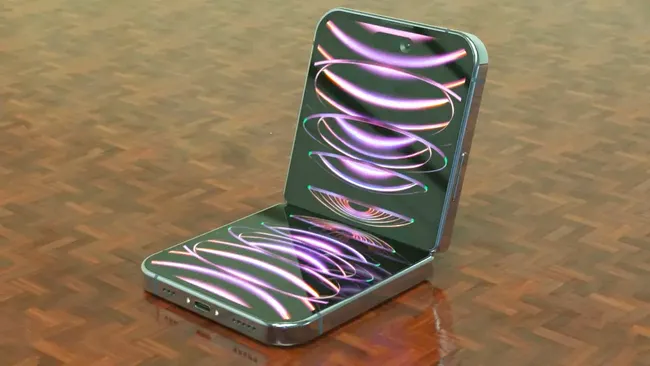
Despite the nearly seven-year delay between the release of the first commercial foldable phone and now, Apple is expected to release its own folding iPhone eventually.
We’ve seen rumors about a supposed iPhone Flip for years now, but the latest rumor suggests that the phone is actually getting closer to becoming a tangible product.
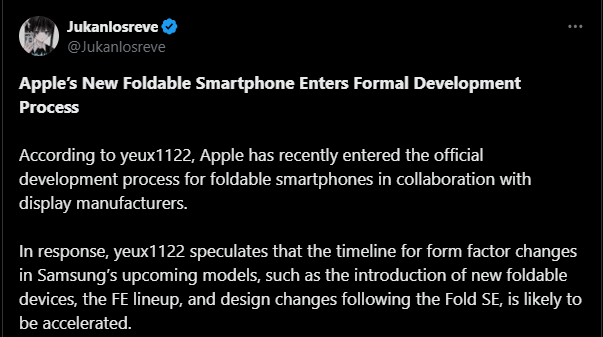
According to Korean tipster Yeux1122 (via Jukanlosreve on X), the iPhone Flip is entering the “formal development process” with display manufacturers like LG Display or Samsung Display. The leaker alleges this information came from a “supply chain source.”
We understand that that means that Apple is working with display makers to turn a conceptual product into a real one. It means that prototypes will be created, testing and refinement will take place and towards the latter half of the phase, prepping the device for release on the production line and marketing.
Simply, Apple wants to make a folding phone with the leaker saying (machine translated) that Apple was “previously responding piecemeal to technology and key requirements.”
If Apple is only just entering a developmental phase for the foldable iPhone, the earliest we expect to see a new device is two to three years. This aligns with previous leaks suggesting that we might see aniPhone Flip in 2026 or 2027.
Interestingly, Yeux1122 claims that this development will make Samsung respond by fast-tracking the development of its own future foldables, including introducing a “heterogeneous fold, the FE lineup and design changes after the Fold SE.”
This hints at previously leaked Samsung foldables like theSamsung tri-fold phone, which is expected to launch next year. It may debut alongside a cheaperSamsung Galaxy Z Fold 6 FE,finally bringing an entry-level (read: cheaper) foldable to the market — somethingthe world needs.
Samsung would perhaps have more insight into when Apple will release a foldable phone via its Display subdivision. So, it’s plausible that the company would push development forward on the mentioned devices to get ahead of Apple’s future handset.
While the Apple Watch Series 10 has many eye-catching features, older models still have one clear advantage.
Some new features make the new Apple Watch Series 10 an attractive prospect, but my old Apple Watch Series 7 has one notable thing that Apple’s new smartwatches lack: blood oxygen tracking. This is enough to keep me happy with my older model.
The blood oxygen monitoring feature is only available in the Apple Watch Series 6, 7, 8, and the Ultra released in 2022. Notably, Apple is now releasing the Apple Watch Series 10 without the feature in the US.
Apple removed the blood oxygen capability in the US in January 2024, just a few months after the release of the Watch Series 9 and Watch Ultra 2 a year ago.
My old Apple Watch Series 7 still tracks my oxygen.
A patent lawsuit with Masimo brought about the removal. The highly publicized dispute resulted in the US International Trade Commission (ITC) ruling in October 2023 that the Apple Watch Series 9 and Ultra 2 infringe Masimo’s patents for pulse oximeters. The ITC banned the sale of new models with this feature in the US — the rest of the world still has access to it.
Apple disabled the blood oxygen monitor in the new smartwatch models, which allowed the tech giant to continue selling the Series 9 and Ultra 2 without pulse oximetry.
Blood oxygen tracking measures oxygen saturation in the wearer’s blood by using light sensors and shining red and infrared lights, then assessing how light is absorbed through the blood. The oximeter analyzes light absorption to estimate the amount of oxygen in the blood, as oxygen-rich blood absorbs more infrared light and reflects more red light. Masimo alleges that Apple used its patented methods for measuring oxygen levels through light-based sensors and algorithms to analyze light absorption in the blood. Masimo had designed and patented this technology for medical-grade blood oxygen sensors but claimed Apple used them in its consumer products without proper licensing.
When it came time to announce a new lineup of Apple Watch models during the “It’s Glowtime” event, Apple focused on other health-tracking features in the new Apple Watch Series 10, now available for pre-order, avoiding the blood oxygen subject altogether.
Instead, Apple touted its new sleep apnea monitoring feature, which uses sleep data captured by the watch and combines it with a new measure that employs the accelerometer to detect breathing disruptions, a telltale sign of sleep apnea.
The Apple Watch Series 10 offers Sleep Apnea Detection.
The blood oxygen feature was very popular on the Apple Watch. While the pulse oximetry in the Apple Watch isn’t as accurate as that of medical-grade devices, some medical studies have found it tends to be within acceptable limits, considering it’s not meant as a diagnostic tool.
As an Apple Watch Series 7 user, I am lucky to still have access to the pulse oximetry feature. I like checking my blood oxygen and seeing how it trends over time and with different life changes, like adopting a new exercise regimen. Plus, since I am at high risk for lung disease due to an autoimmune illness, the SpO2 measurements serve a double purpose in my life. To be clear, the Apple Watch Series 9 and Ultra 2 still ship with the oximetry sensor as will the Apple Watch Series 10. The feature is only banned for Apple Watches sold in the US, so the rest of the world can still access blood oxygen monitoring on the Series 9, 10, and Ultra 2. Apple is expected to continue working towards bringing back the pulse oximetry feature, which is partly why it was only half surprising not to see it reintroduced during the latest iPhone event.
Apple is also reportedly working on adding blood pressure monitoring to its smartwatches, though that’ll likely come in the Apple Watch Series 11 or later. Blood pressure tracking works differently on a smartwatch than oxygen tracking, though both use similar photoplethysmography (PPG) sensor technology. Blood pressure requires PPG and ECG to measure pulse transit time or heart activity.
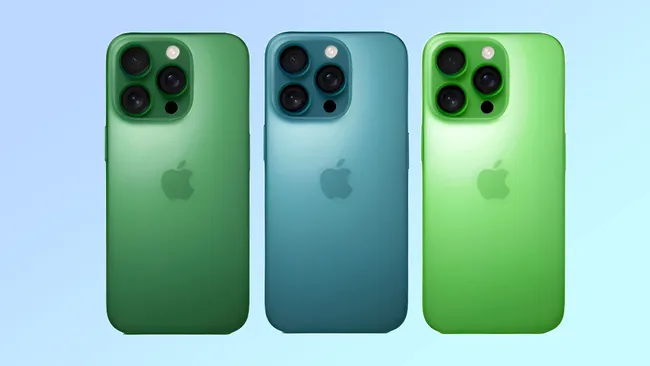
(Image credit: Majin Bu) A recent report indicated that Apple could change the materials for the iPhone 17 Pro and iPhone 17 Pro Max frames.
There has been a fair amount of rumors regarding the iPhone 17 series in the last few weeks, including leaked specs and a general idea of what the phone will include. However, a recent leak has indicated a new design change for the Pro models of the phone, including a Pixel 9 Pro-like change. In a recent article, The Information stated that Apple will construct new phone frames from aluminum.
This change would be the first time in a while that the Pro models use the same materials as the base iPhone since the iPhone X in 2017, which used a stainless steel frame. That frame was then dropped for the iPhone 15 Pro and iPhone 15 Pro Max in favor of titanium.
There are some advantages to using aluminum for the frame, though, primarily that it is much lighter than the other options and more eco-friendly.
(Image credit: Front Page Tech) The report also states that Apple plans to drop the rear glass camera housing, instead opting for a larger rectangle constructed out of aluminum. If that sounda familiar, it’s because its a similar design to the Pixel 9 Pro.
As such, it is reported that the back panel will be split, with half being made of metal and half glass. If accurate this would likely be for wireless charging, which isn’t possible through fully metal back panels.
As stated, we have heard a lot of different rumors and leaks regarding the iPhone 17. For instance, a recent tip indicated that the iPhone 17 Pro models could feature upgraded telephoto and selfie cameras. Not only that, it appears the devices will feature an upgraded 3nm chipset that promises to offer a big performance boost over the prior models.
Apple using the same aluminum frame across models is an interesting idea, but we won’t know for certain until the official reveal. If Apple follows its trends we’d expect the iPhone 17 series to be revealed around September 2025.
The best Android tablets to go with your Galaxy and OnePlus phone
(Image credit: Samsung)
Android tablets are perfect for getting work done, playing games, unleashing your inner artist, or just zoning out and scrolling your feeds.
Android tablets are multitasking and gaming beasts, with stunning visuals and more customization options than Apple’s best. Plus, tablets like the Samsung Galaxy Tab S9 FE give you more screen real estate and longer battery life than a similarly-priced iPad.
We’ve got even more tablets in Future Labs right now, including the Samsung Galaxy Tab S10 Ultra and the OnePlus Pad 2, but don’t wait if you find a great deal on an older version of both of those tablets. Check back soon to see if some new Android contenders make it onto our list of the best.
The best premium Android tablet
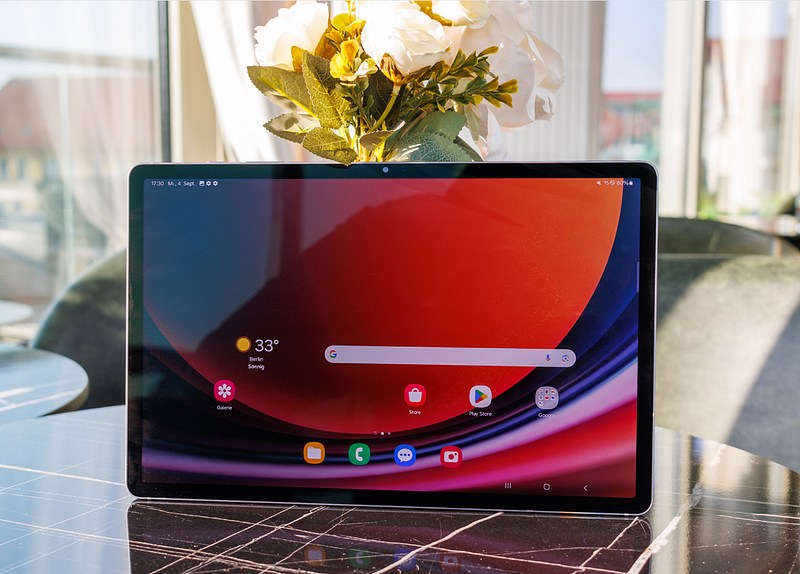
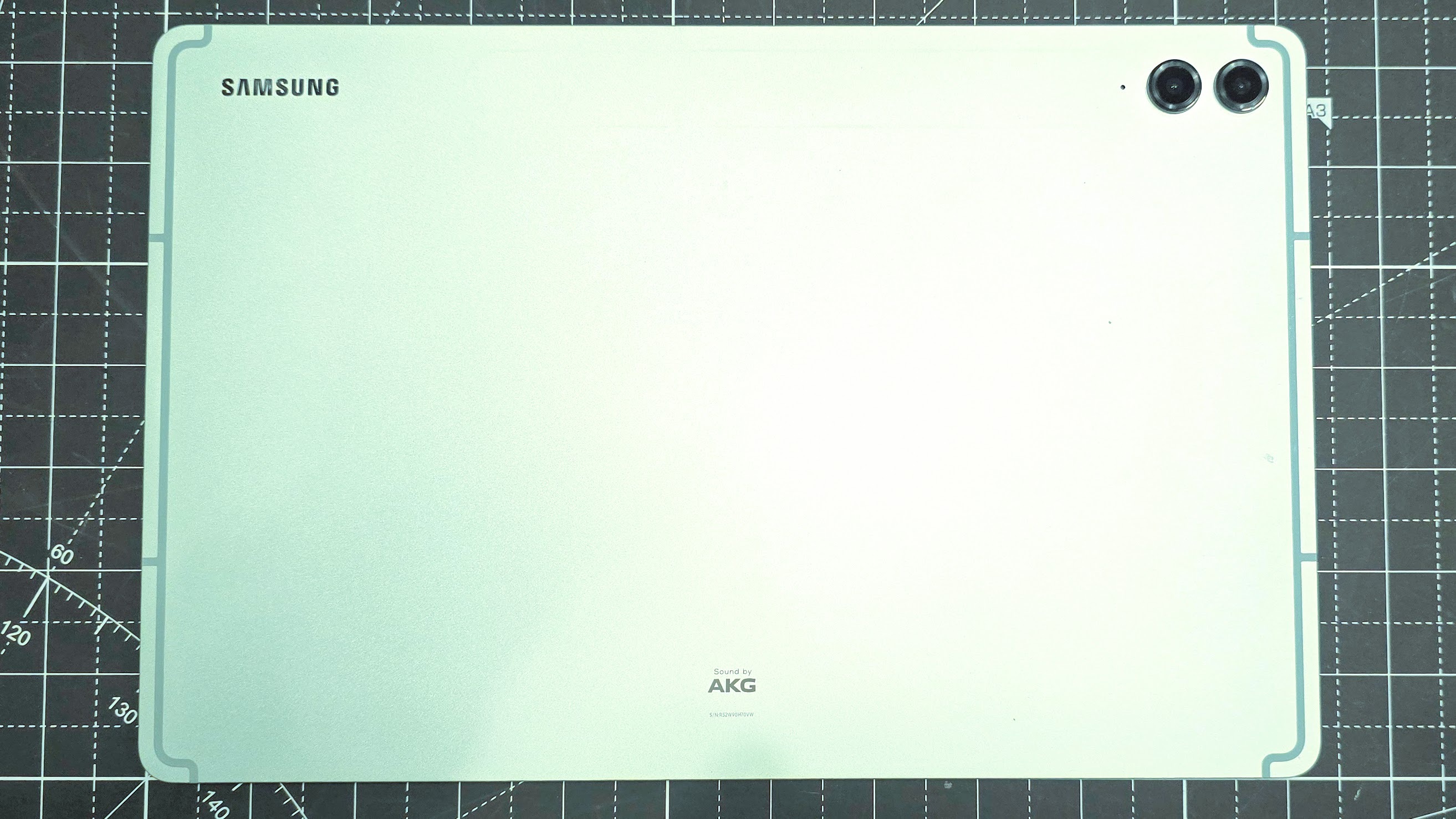
1. Samsung Galaxy Tab S10 Plus Best premium Android tablet Specifications Weight: 571g Dimensions: 285.4 x 185.4 x 5.6mm OS: Android 14, OneUI 6.1
Front camera: 12MP Reasons to buy +Water and dust resistant +Includes an S Pen in the box +Excellent multi-tasking features Reasons to avoid -Performance isn’t as good as best iPads -Software can be overcomplicated -No ‘magic keyboard’ competitor from Samsung
Samsung’s Galaxy Tab S10 Plus is a premium tablet that comes loaded with features, including many benefits you won’t find on any iPad or other Android tablets. It’s made for gaming, with a MediaTek Dimensity 9300+ processor that excels at graphics performance, but Samsung’s software and the included S Pen also make it perfect for multi-tasking and getting things done.
Samsung has wisely continued to build IP68 certified tablets that are water resistant and durable. You can take the Galaxy Tab S10 Plus into the bath or wash it in the sink if it gets dirty. It’s still a very attractive tablet, it doesn’t look like a tank, but that durability makes it more versatile than an iPad Pro, if you carry your tablet around in the world with you.
The Galaxy Tab S10 Plus costs the same as an iPad Pro 11-inch tablet, but you get a much larger display, which also means a bigger battery inside, and Samsung happily gives you an S Pen, it’s not an expensive accessory like the Apple Pencil.
Samsung also makes the best tablet software around. It’s very easy to open multiple apps side-by-side, and you can even connect the Galaxy Tab S10 Plus to a monitor and keyboard to create a desktop-like experience. This is the best Android tablet you can buy, and easily one of the best tablets all around.
The best budget tablet
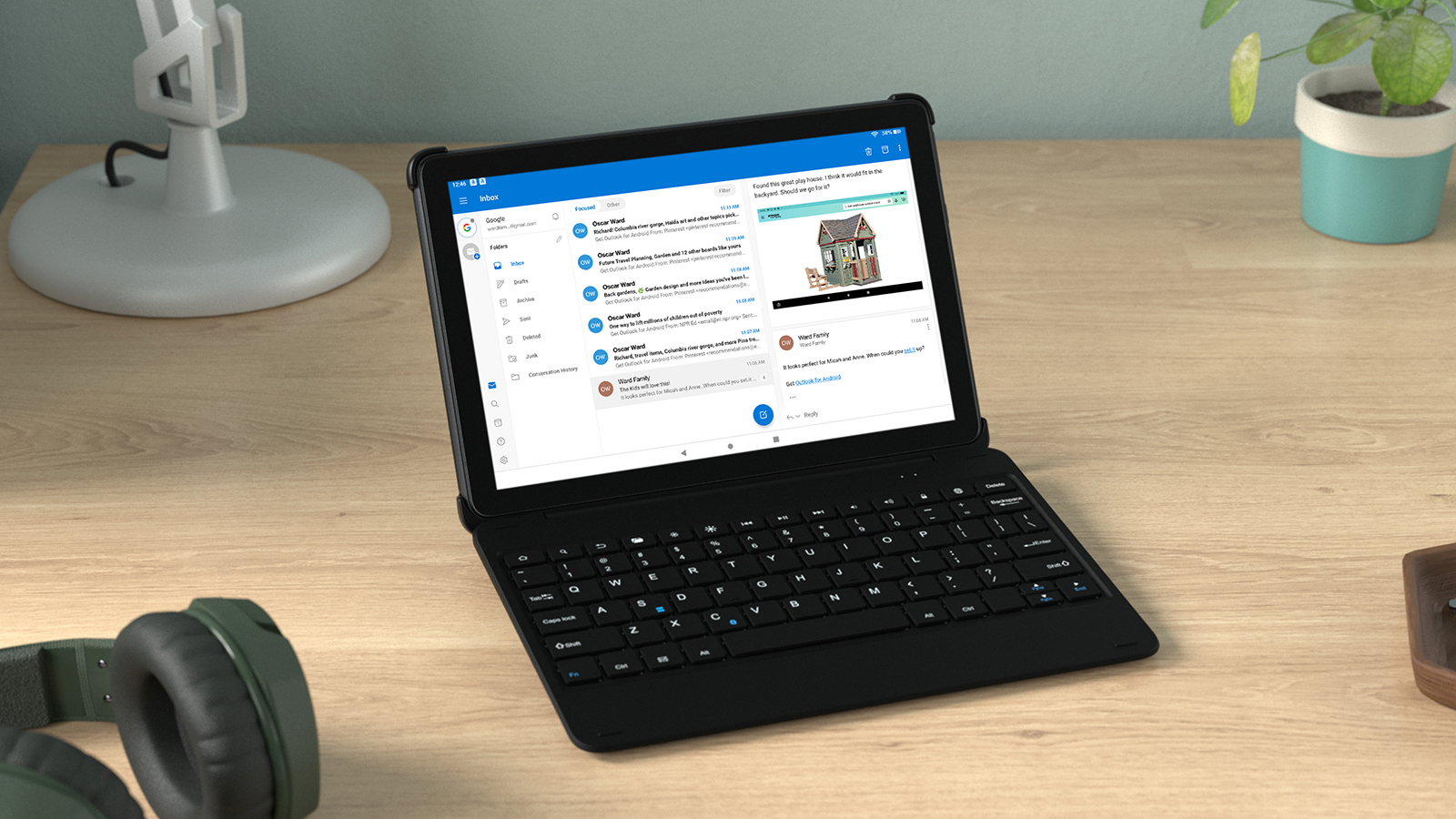
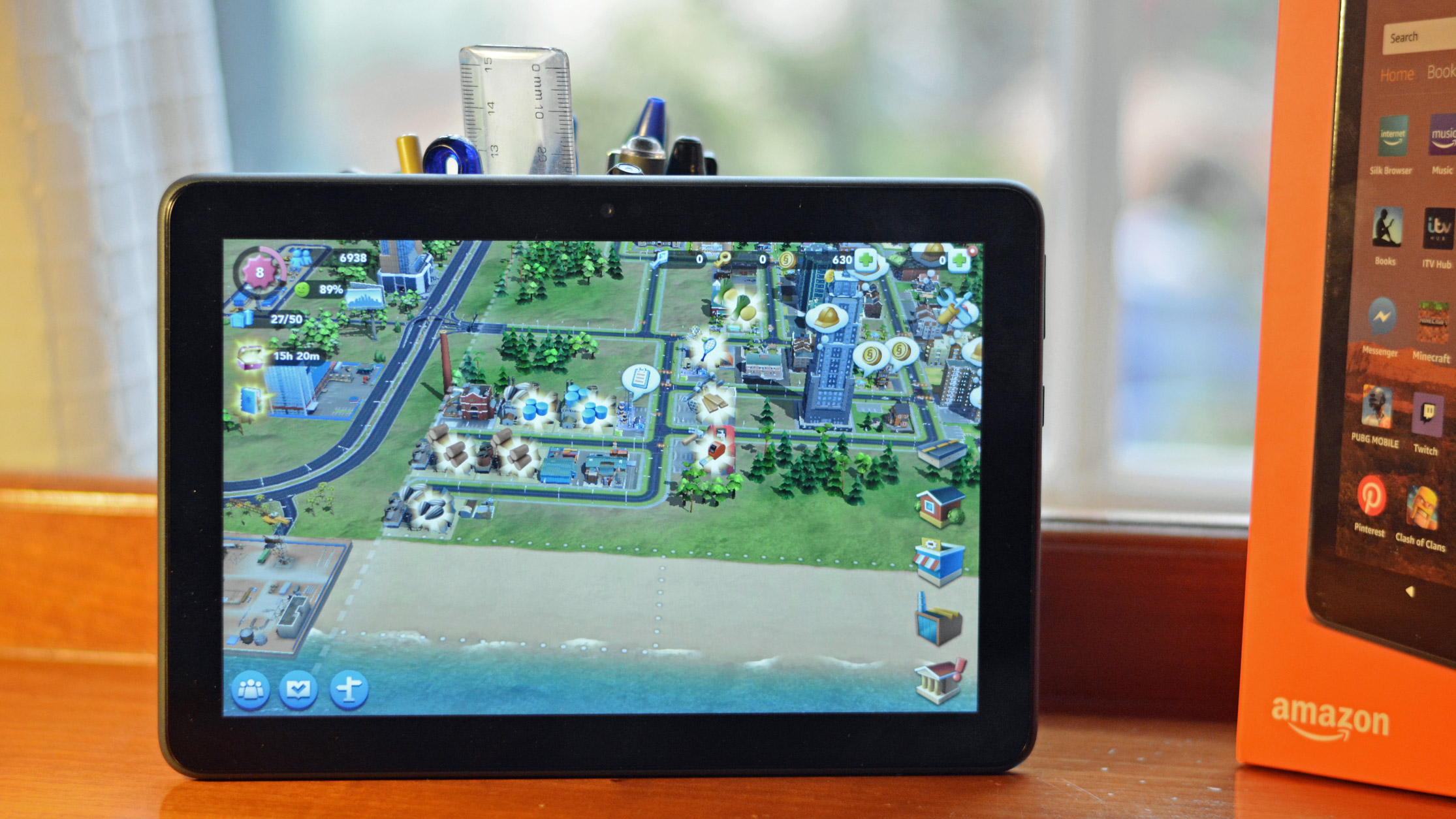
2. Amazon Fire HD 10 The best budget tablet Specifications Weight: 433g Dimensions: 246 x 164.8 x 8.6mm OS: Fire OS Screen size: 10.1-inch
Resolution: 1920 x 1200 pixels CPU: Octa-core 2.05 GHz Storage: 32GB/64GB Battery: up to 13 hours
Rear camera: 5MP, 1080p HD video Front camera: 5MP, 1080p HD video Reasons to buy +Very inexpensive for a 10-inch tablet +Seems quite durable and hardy Reasons to avoid -Only Amazon App Market, no Google Play -Tons of bloatware and extra services The Amazon Fire HD 10 (2023) is not a great tablet, but it is certainly a cheap tablet, and for the price it gives you plenty to like. While it starts at $139.99 for the 32GB version (with a microSD card slot, nice!).
The Fire HD 10 (2023) has a nice, big screen at 10.1-inches. It’s not as big as an iPad or Galaxy Tab, but it will be large enough to watch your favorite shows and streaming movies, or for browsing the web. You’ll be restricted to Amazon’s App Market instead of the Google Play Store, but all of your favorite streamers and most of the biggest productivity apps are there.
There are also plenty of accessories available, including a fancy Amazon Stylus Pen, a ton of cases, and more. If you need to step up to a keyboard, you might also check out the Amazon Fire Max 11, Amazon’s recent step into more-premium Android tablets.
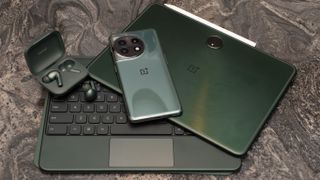
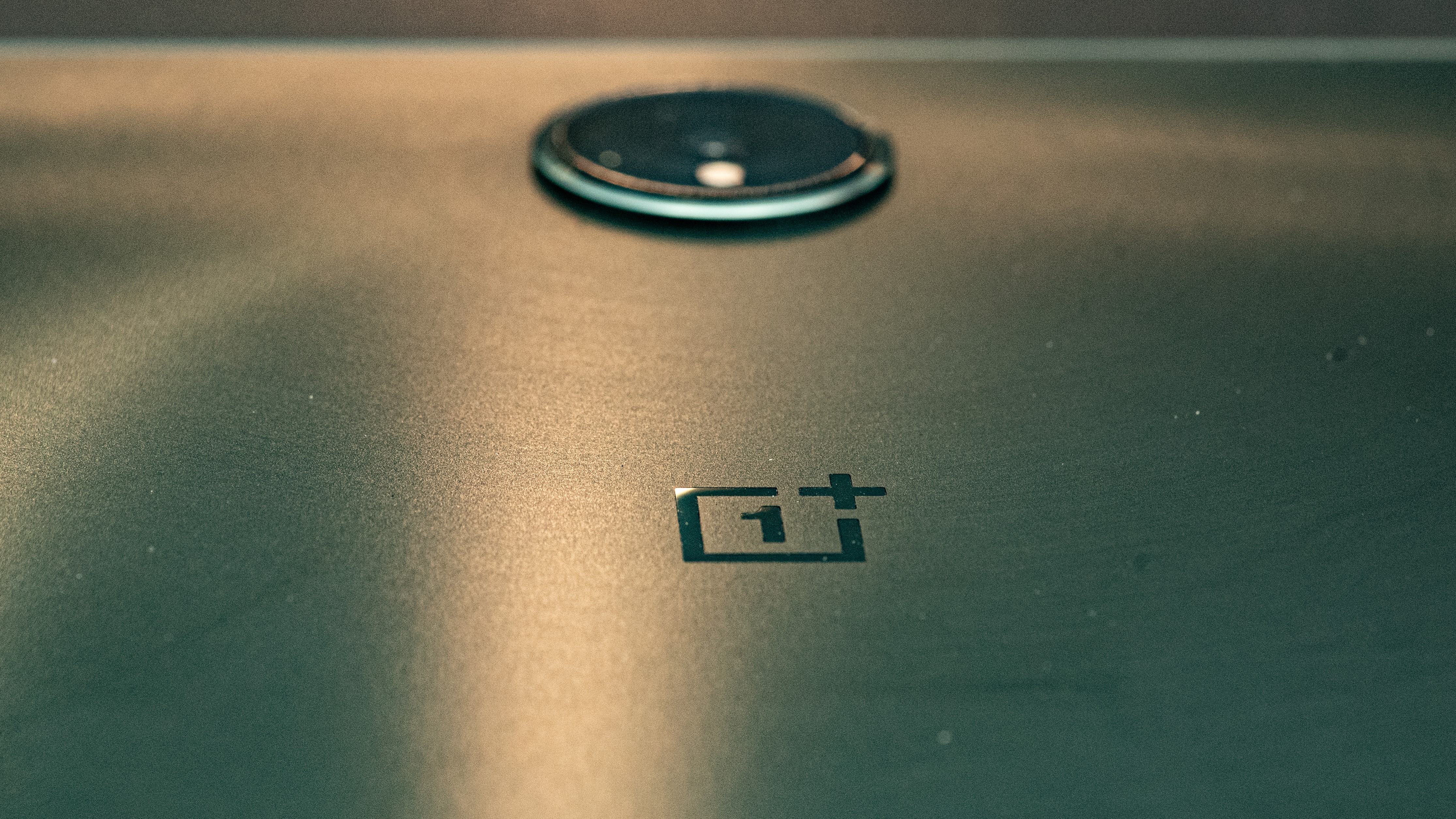
3. OnePlus Pad Best Android tablet for most people Specifications Weight: 552g Dimensions: 258 x 189.4 x 6.5 mm OS: Android 14 with Oxygen OS Screen size: 11.6-inch
Resolution: 2000 x 2800 pixels CPU: MediaTek Dimensity 9000 Storage: 128GB microSD slot: No
Battery: 9,510mAh Rear camera: 13MPFront camera: 8MP Reasons to buy +Display is sharper than iPad Pro +A flagship tablet priced like a cheaper model +Big battery and faster charging Reasons to avoid -Performance doesn’t match best phones -One option for storage, RAM, color -Stylo pen is pricey, needs charging From our testing and experience with the OnePlus Pad, we can confidently say it is the best Android tablet for pretty much everyone who wants a great tablet but does not want an iPad. And even better, it’s priced competitively, undercutting rival tablets from the likes of Samsung.
So what makes the OnePlus Pad special? Well first off it sports a very impressive display that’s even sharper than the screens you’ll find on an iPad Pro. But not only is the 2800 x 2000 resolution great on this 11.61-inch display, it also refreshes at a speedy 144Hz. So that makes the OnePlus Pad a great device for viewing everything from movies and games to web pages and documents on.
Class-leading charging speeds and a 9,510mAh battery sweetens the deal for the OnePlus Pad. The only minor let down is the MediaTek Dimensity 9000 chip can’t quite keep up with very demanding tasks like photo editing in Lightroom. So even though there’s the option to use the OnePlus Pad with a keyboard cover, it’s not likely to stand up to being a laptop replacement.
However, that’s by-the-by as at the sweet price of $479, the OnePlus Pad’s minor shortcomings can be overlooked as it serves up a great Android tablet that’s worth consideration by most people.
The best battery life
4. Samsung Galaxy Tab S9 FE Plus Best battery life Specifications Weight: 627g Dimensions: 285.4 x 185.4 x 6.5mm OS: Android 14, OneUI 6
Battery: 10,090 mAh Rear camera: 8MP (wide); 8MP (ultra wide) Front camera: 12MP Reasons to buy +Water and dust resistant +Great multi-tasking software +Includes an S Pen in the box Reasons to avoid -Bulky and heavy compared to iPad Air -Slower Exynos processor inside -Still expensive considering performance The Samsung Galaxy Tab S9 FE Plus arrived with the rest of the recent FE clan, including a Galaxy S23 FE phone and new FE buds. The ‘FE’ tag no longer stands for ‘Fan Edition,’ now it just means … nothing. That’s fine, because the Tab S9 FE Plus managed to impress in our full review no matter what it’s called. It costs the same as an Apple iPad Air, but it manages to beat Apple’s tablet in many ways, especially in battery life, making it our pick for longevity in a tablet.
Of course, the Tab S9 FE Plus lasts a long time because it’s processor is a bit underpowered, especially compared to Apple’s tablet. While the iPad Air gives you a full desktop processor inside, Samsung opts for a much more conservative Exynos 1380 processor, the same chipset found in its bargain Galaxy A54 phone from 2023.
So, it won’t be editing 8K video in real time, but you’ll have fun watching videos for up to 18 hours, almost twice as long as many other tablets on this list, which typically last between 9 to 11 hours with basic usage. The Tab S9 FE Plus lasts well over a day of use even with the screen on, so if you need a tablet that lasts, this is your first stop.
The best drawing tablet
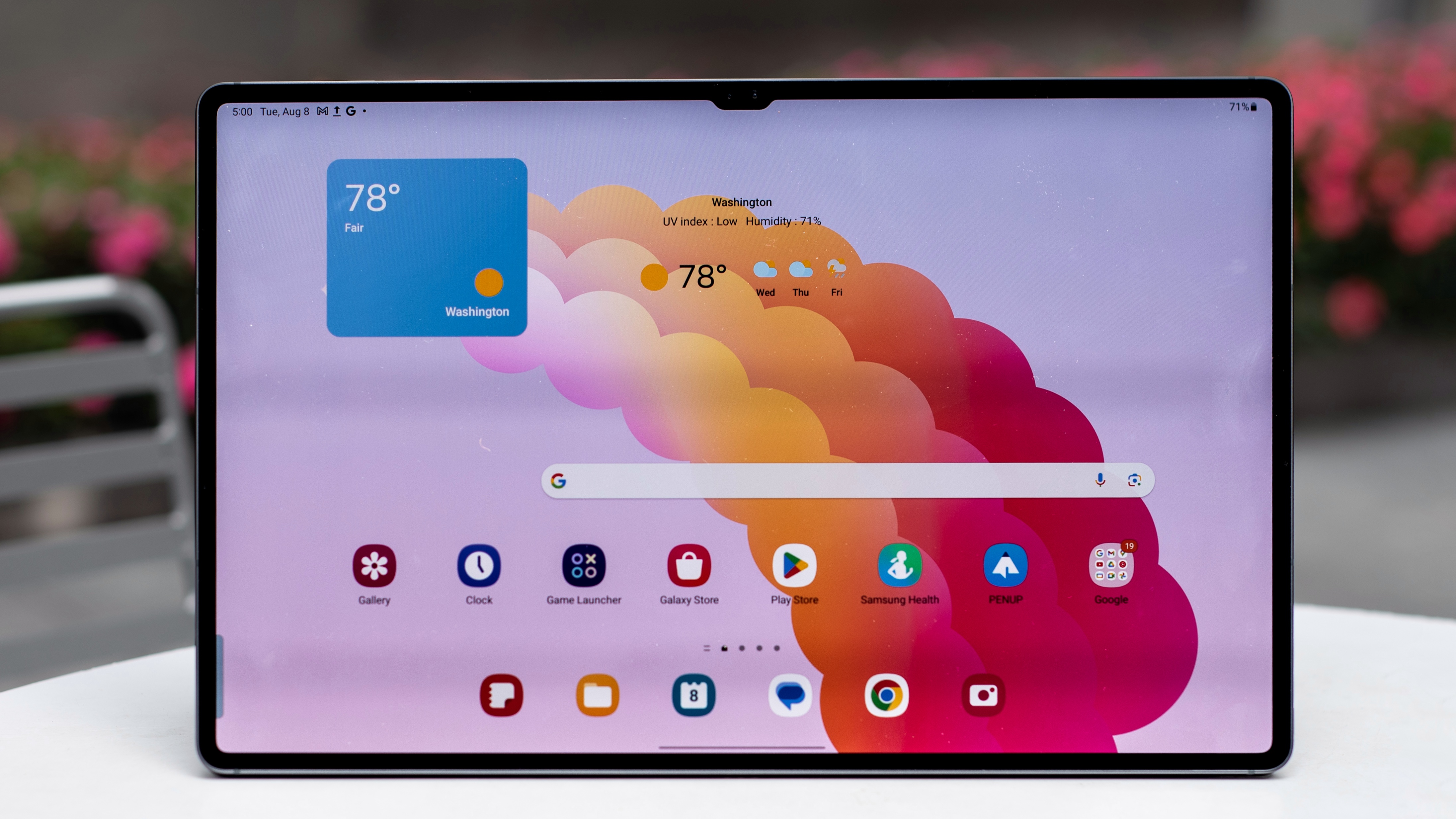
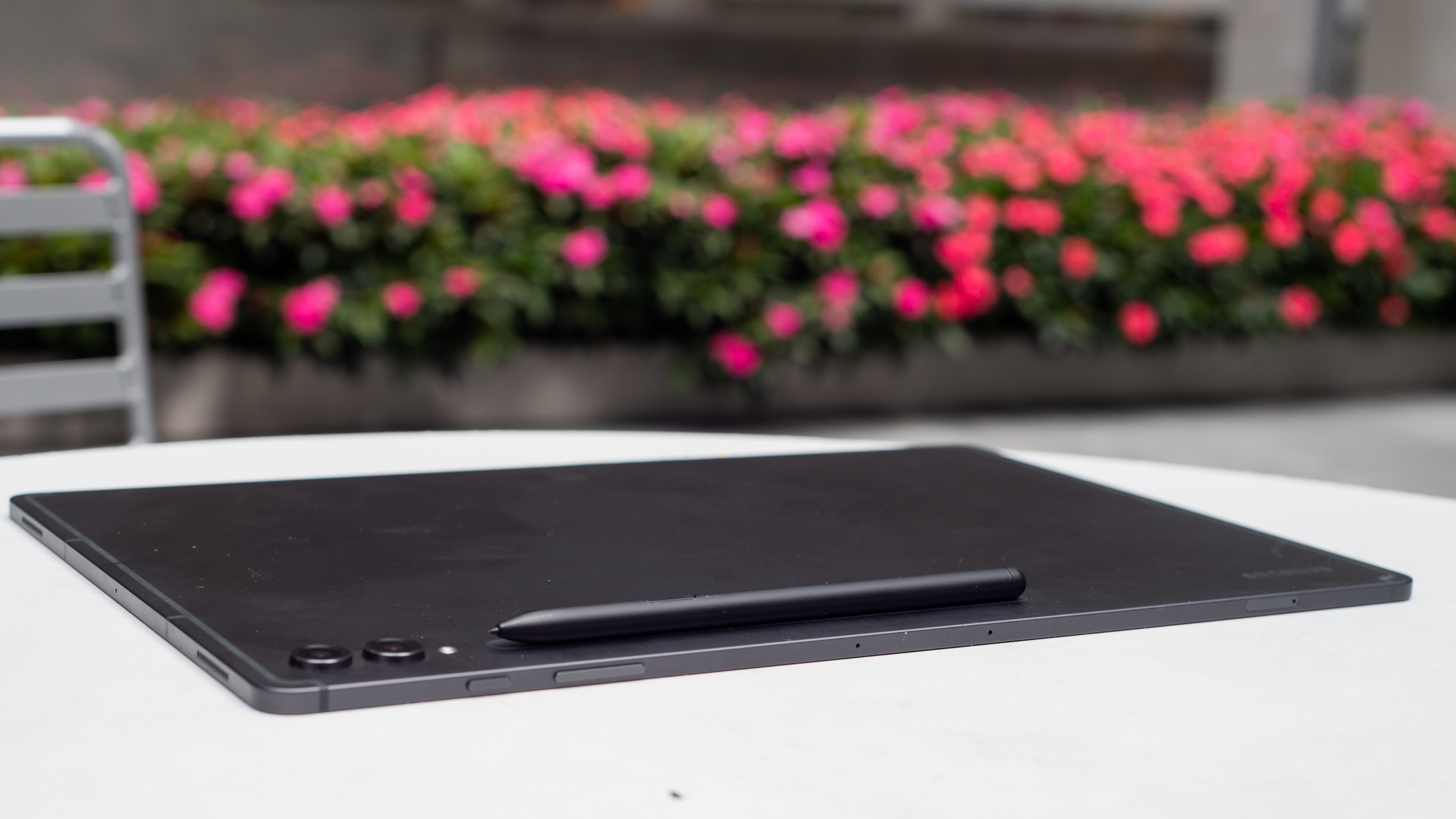
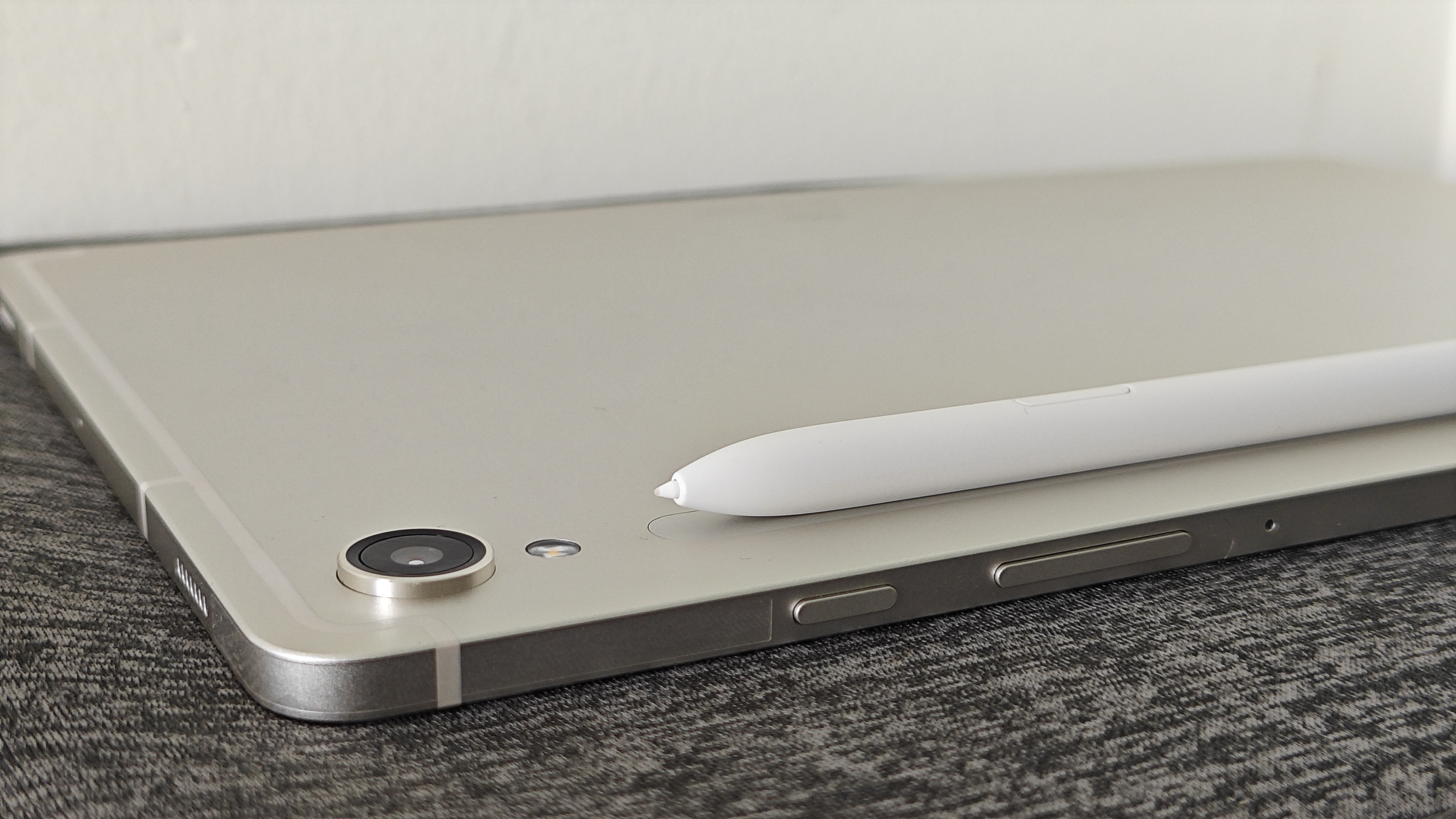
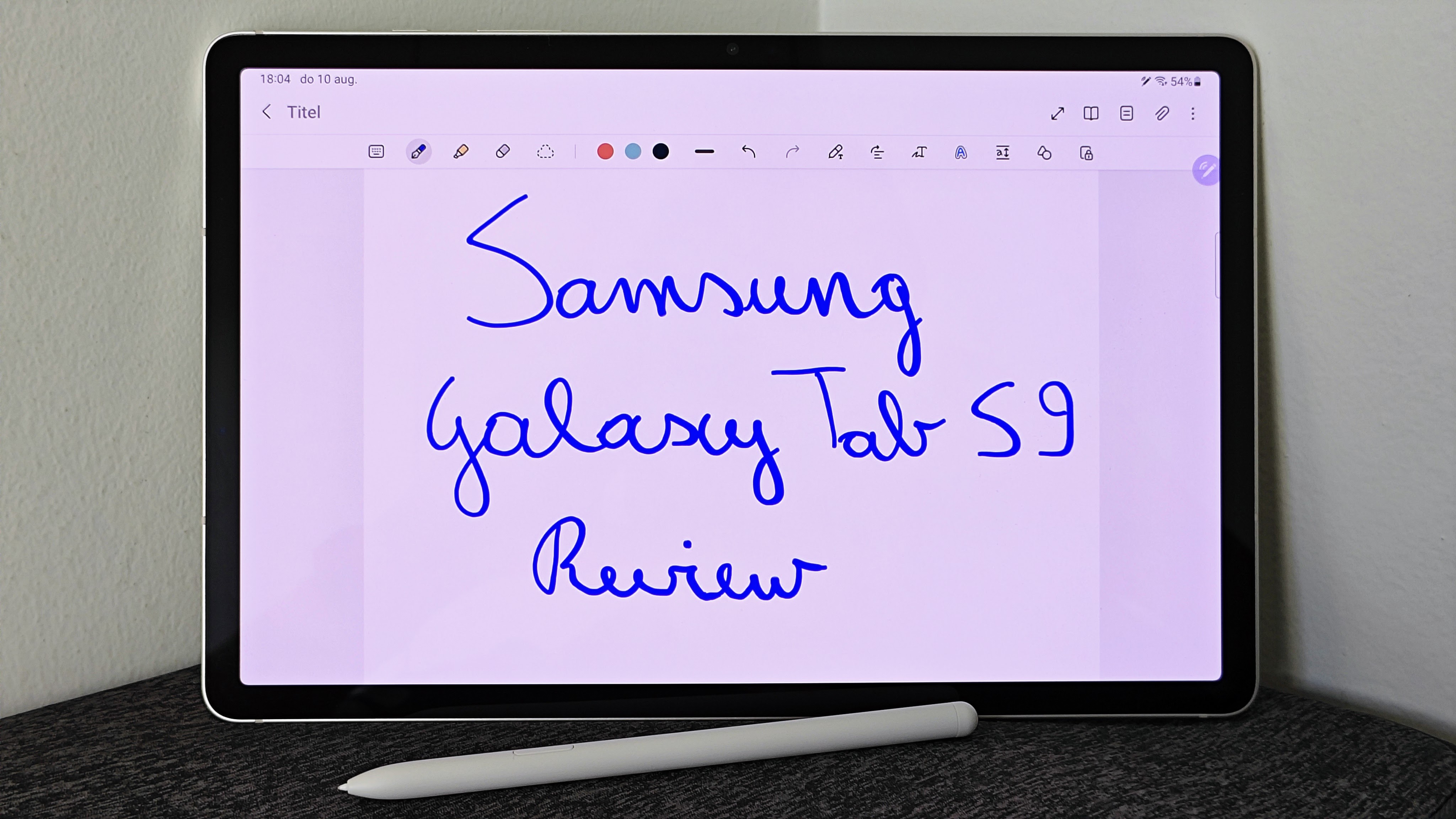
5. Samsung Galaxy Tab S9 Ultra The best drawing tablet Specifications Weight: 732g Dimensions: 326.4 x 208.6 x 5.5mm OS: Android 13 Screen size: 14.6-inch
Resolution: 1848 x 2960 pixels CPU: Snapdragon 8 Gen 2 for Galaxy Storage: 256GB/512GB/1TB
microSD slot: Yes Battery: 11,200mAh Rear camera: 13MP (wide) + 8MP (ultrawide) Front camera: 12MP + 12MP Reasons to buy +Samsung multitasking is better than iPad and Pixel Tablet +Gorgeous display and blazing performance +Value is surprisingly good compared to iPad Pro Reasons to avoid -Same price as a Macbook Air (M2) -Faster charging would have been nice -Flimsy keyboard and no easy S Pen storage
The Galaxy Tab S9 Ultra was our previous pick for the best overall Android tablet, and if you can afford this premium, 14.6-inch monster, you should absolutely buy it. You may need to find a larger bag, and it’s probably bigger than most people need, which is why the Tab S9 Plus is our new premium Android favorite. If you need a serious tablet, with a seriously huge display made for drawing and artwork, the Galaxy Tab S9 Ultra is the best you can buy.
The Galaxy Tab S9 Ultra probably gives you more than you need, but if you want to draw in the bathtub or by the pool, its water resistant frame will keep away moisture, even if it takes a dunk. The included S Pen uses the same Wacom technology you trust in professional graphic design tablets, so you can rely on its pressure and tilt sensitivity. You can even use your favorite Wacom pen with the Tab S9 Ultra, it will work the same.
We weren’t huge fans of the keyboard Samsung offers for the Tab S9 Ultra, and it’s really better as a massive canvas than a productivity took. This belongs on a huge drafting desk with great lighting, not stuffed onto a tray table on a plane. The Tab S9 Ultra is an ultimate tablet, but only if you have the space for it, and artists will appreciate what this huge display adds to the studio.
The best tablet for work
6. Samsung Galaxy Tab S9 The best tablet for work Specifications Weight: 732g Dimensions: 326.4 x 208.6 x 5.5mm OS: Android 14, OneUI 6.1 Screen size: 14.6-inch
Resolution: 1848 x 2960 pixels CPU: Snapdragon 8 Gen 2 for Galaxy Storage: 256GB/512GB/1TB
Reasons to buy +Samsung multitasking is better than iPad and Pixel Tablet +Gorgeous display and blazing performance +Value is surprisingly good compared to iPad Pro Reasons to avoid -Same price as a Macbook Air (M2) -Faster charging would have been nice -Flimsy keyboard and no easy S Pen storage
With the Samsung Galaxy Tab S9, you get the best productivity software on any tablet, especially if you want to do a lot at one time. Samsung’s software shines on the larger tablet display, with great multi-window support, and excellent tools that keep you up-to-date all the time.
Samsung goes even further with DeX, a feature that turns the Galaxy Tab S9 into a real desktop with a task bar and floating windows. Just connect a mouse and keyboard, and maybe even a second display, and you’re ready to get more done. It’s an incredibly useful tool that makes it easy to access your work email and business documents in a comfortable way on the go, using a larger tablet screen instead of a smaller phone.
The Galaxy Tab S9 is even water resistant, so you could work from the beach safely near the waves, we won’t tell. That durability, plus Samsung’s great service and support, makes the Galaxy Tab S9 our favorite tablet for getting work done.
The best compact Android tablet
7. Amazon Fire HD 8 Plus The best small Android tablet Specifications Weight: 355g Dimensions: 202 x 137 x 9.7mm OS: Fire OS Screen size: 8-inch
Resolution: 880 x 1280 CPU: quad-core Storage: 32GB/64GB
Battery: up to 12 hours Rear camera: 2MP (wide) Front camera: 2MP Reasons to buy +Wireless charging +Can be used like an Echo Show Reasons to avoid -Poor screen quality -Not swift, even with extra RAM The Amazon Fire HD 8 Plus is our favorite small Android tablet for a few reasons. First of all, it’s inexpensive and packed with apps for streaming your favorite movies and shows, connecting to your social networks, or getting some work done.
Second, most Android tablet makers have backed away from small tablets, so there isn’t a professional-strength Apple iPad mini competitor from Samsung or OnePlus, unless you buy an expensive foldable phone with a mini tablet inside. Instead, you can spend less than a hundred bucks on the Amazon Fire HD 8 Plus and get most of what you need from a simple, small tablet.
Don’t expect much power, because the Fire HD 8 Plus is made for media, not business. You’ll still find plenty of tools from Microsoft and your favorite productivity apps on Amazon’s App Market. You just won’t have access to Google Play or any Google services, since this is an Amazon-only affair.
This tablet goes on sale often, making it an even better deal if you’re shopping at the right time.
How to choose the best Android tablet for you
When you’re buying an Android tablet, the first thing to consider is not the tablet, but which phone you carry. Samsung tablets have features that only work with Samsung phones, and the OnePlus Pad also has features that work exclusively with OnePlus devices. Before other considerations, you might want to match your phone to your tablet to get the most out of both.
The next thing to consider is how much you want to spend. If you can spend on an Android tablet what you might spend on an iPad, you can get our favorite Android tablets from OnePlus and Samsung, with robust features, a great display, and plenty of extras like an included stylus.
If you only have a hundred bucks or so, you’ll be looking at Amazon Fire tablets, which don’t run Android with Google Play but instead rely on Amazon’s own App Market. You still get plenty of your favorite apps and streaming services, so hopefully, you won’t have to miss much to save money.
Is mobile data important?
No, if you buy an Android tablet that matches the brand of your phone, your tablet will probably be able to use your phone’s network connection without much trouble. Even if you buy a different brand, it isn’t hard to connect an Android tablet to your phone’s network signal.
Of course, buying a tablet from a mobile carrier often means you can get a discount or a deal that lets you buy a more expensive device, but this usually comes with a multi-year commitment to stay a customer until you’ve paid off the price of the tablet.
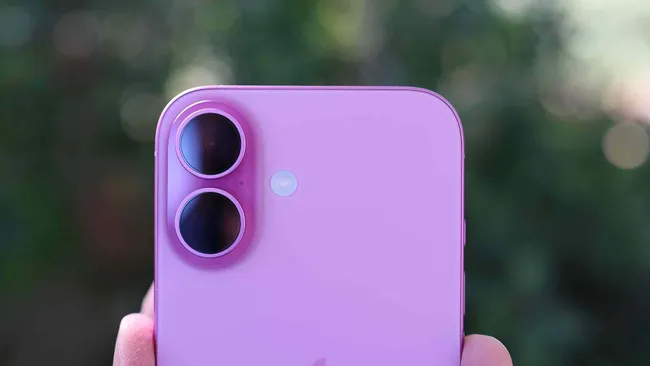
The iPhone 16 (Image credit: Future) Pick up any modern phone – be it one of the best iPhones or best Android phones – and you’re likely to find a rear panel adorned with two, three, or even four cameras. In most cases, at least one of these cameras will be an ultra-wide lens – commonly referred to as a 0.5x or 0.6x zoom, compared to the main snapper.
Apple, for example, markets the base-model iPhone 16 as having a 4x optical zoom range thanks to an inner crop on its main camera and the 0.5x “magnification” offered by the ultra-wide camera.
But beyond neat figures for marketing and pseudo-zoom trickery, can any of us actually remember if we even wanted an ultra-wide camera to begin with?
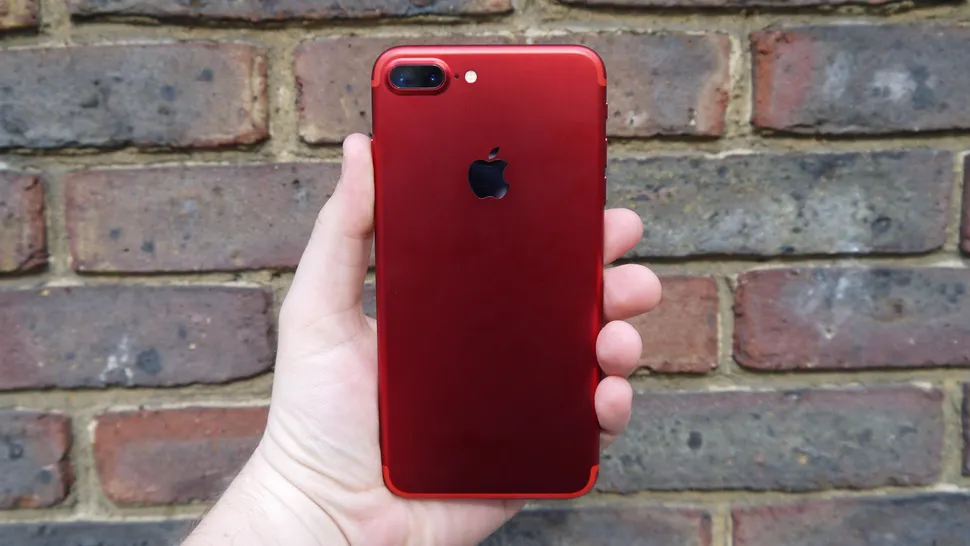
The first phone to really make an impact by having two cameras was the iPhone 7 Plus, which pushed the idea of the dual camera setup into the mainstream. It came equipped with a wide-angle main camera and a 2x telephoto camera, at a time when even decent digital zoom wasn’t a given on smartphones.
The iPhone 7 Plus launched in 2016 with a dual camera setup The revolutionary iPhone X, and its follow-up the iPhone XS, kept this momentum going, and the rivals of the day followed suit, with the Samsung Galaxy S9 Plus also sporting a telephoto camera.
Ever since the iPhone 11, though, it’s been seen as normal to fit premium, flagship handsets with ultra-wide secondary cameras, and the more useful telephoto lens has increasingly become a tertiary luxury. And in the budget world, telephoto lenses are a real rarity compared to the common – and presumably cheaper – ultra-wide option.
Ultra-wide cameras have their uses. The lesser focal distance of an ultra-wide camera means you can get up close to subjects, enabling macro photography. And sometimes you just need to fit more stuff in the frame.
However, for day-to-day photography – which is the majority of photography done with a smartphone – even a 2x telephoto zoom is so much more useful; it virtually extends the photographer’s reach to help them capture a wider variety of day-to-day happenings – not to mention better-looking portraits and detailed close-ups.
The ultra-wide cameras affixed to smartphones are also rarely meaningfully corrected by the phone’s image processing pipeline, meaning people and objects at the fringes of the image appear unnaturally stretched out.
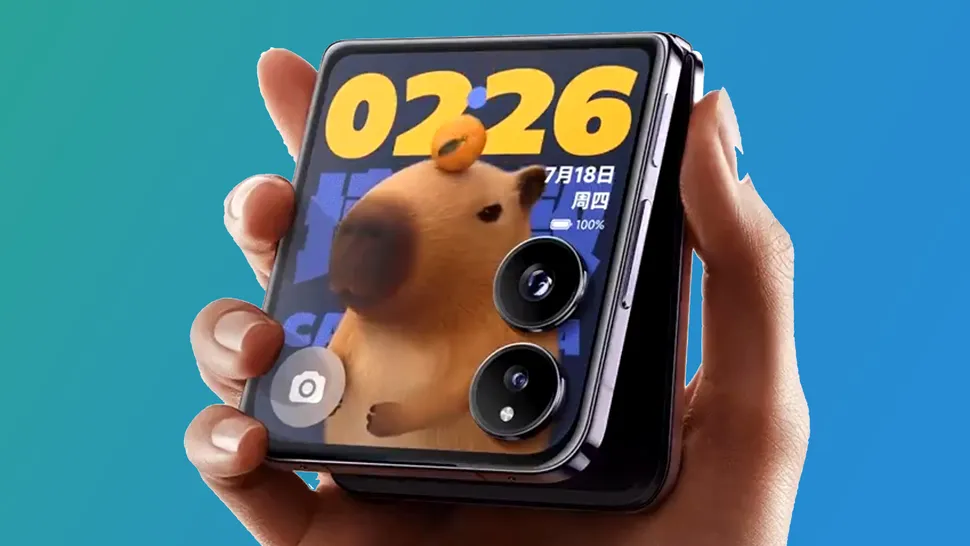
The Xiaomi Mix Flip doesn’t have an ultra-wide camera (Image credit: Xiaomi) Luckily, there does seem to be a course correction in motion. Xiaomi affixes telephoto cameras to several of its mid-range models, and even the new Xiaomi Mix Flip foldable has a 2x zoom as its sole backup. The Samsung Galaxy S24 family all carry an optical zoom camera of some description.
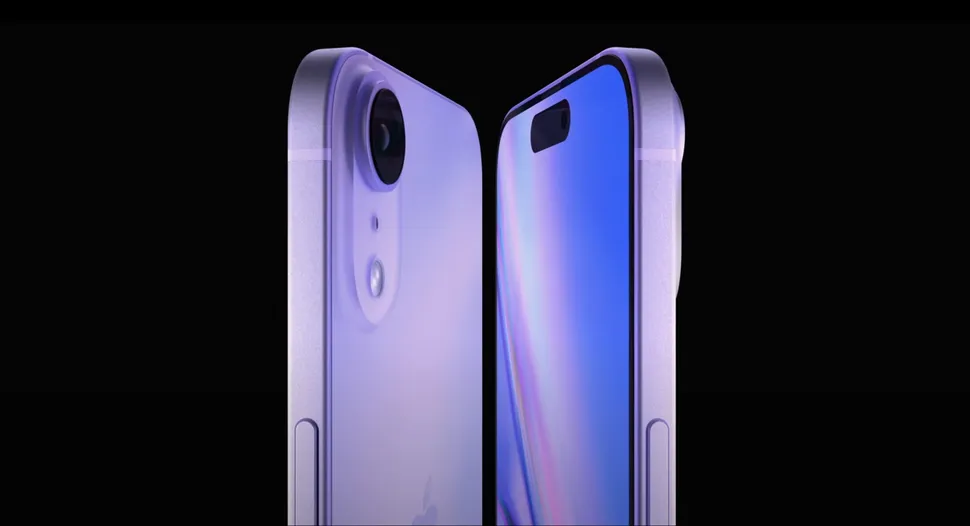
And I’m even glad of the rumors that suggest the next-generation iPhone SE will continue the single-camera tradition, as this means more investment and design resources can be allocated to things like performance and battery life instead of a camera with very limited use cases.
Hopefully, these choices begin to trickle down towards the best cheap phones over the coming years, but until then, it seems I’ll have to keep chasing the highest-performing phones for a secondary camera that I actually want to use.
The Samsung Galaxy Watch 6 series will be the first to get it.
What you need to know
Last week, Samsung announced plans to begin the rollout of One UI 6 Watch to older Galaxy Watch models.
The update began rolling out today for some Galaxy Watch 6 and Watch 6 Classic users in the U.S.
Following the Galaxy Watch 6 series, One UI 6 Watch will come to Galaxy Watch 5, Galaxy Watch 5 Pro, Galaxy Watch 4, Galaxy Watch 4 Classic and Galaxy Watch FE.
One UI 6 has some interesting features, including:
Sleep Apnea Tool: This could be a really helpful tool for people who suspect they might have sleep apnea.
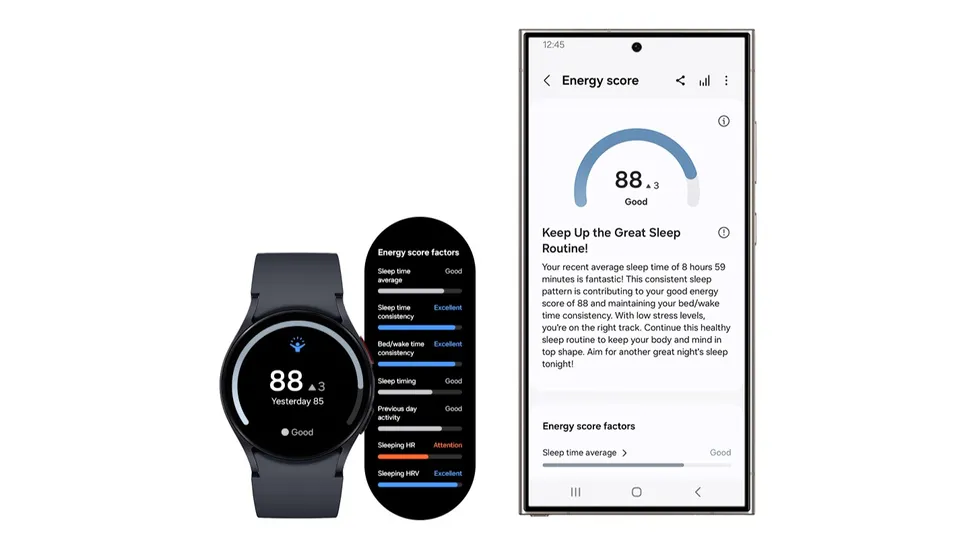
Better Health Tracking: The update includes an “Energy Score” that’s calculated based on your sleep, activity, and other data. This could be a good way to get a better overall picture of your health.
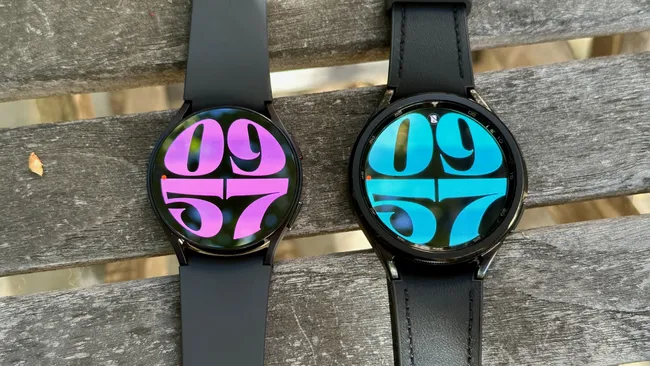
New Watch Faces: Samsung is adding some new watch faces to its collection, giving users even more ways to customize their watch.
Who’s getting the update? Right now, it seems like the update is mainly rolling out to Galaxy Watch 6 Classic users in the US. Hopefully, it won’t be long before other regions and models, like the base Galaxy Watch 6 and older Galaxy Watch 5 and 4 series, get the update too.
Thehighly-anticipated One UI 6 Watch updateis slowly making its way to older Samsung Galaxy Watch models. Users onRedditbegan reporting seeing updates for One UI 6 Watch become available for theirGalaxy Watch 6 and Galaxy Watch 6 Classicdevices today in the U.S. The rollout comes following Samsung’sannouncementof the One UI 6 Watch release schedule last week, which is based onWear OS 5.
One UI 6 Watch debuted on the Samsung Galaxy Watch 7 and Ultra earlier this year, packing a few Samsung Health features powered by Galaxy AI. They includeEnergy Score, which is similar to Garmin’s Body Battery metric, andSleep Analysis. On top of that,RaceandWorkout Routinewill help athletes train for their next big event — or simply hit their personal goals. Now, these features and more are set to come to a slew of older Galaxy Watch models.
The One UI 6 Watch update may arrive in a few different build numbers, including R965USQU1BXJ5 and R965UOYM1BXJ5. It’s nearly two gigabytes in size, and some users are reporting that the update takes hours to apply to their Galaxy Watch 6 or Galaxy Watch 6 Classic. The exact details and rollout timeline will depend on your device model, and whether you have the GPS or GPS + LTE versions of the Galaxy Watch.
(Image credit: Samsung)
Samsung warns that the included Galaxy AI features are only guaranteed for free until the end of 2025. After that, their future is up in the air. The idea of Samsung offering a subscription for Galaxy AI and/or Samsung Health features has been floated, but nothing is concrete at the moment.
For now, the One UI 6 Watch update is only available for the Samsung Galaxy Watch 6 and Galaxy Watch 6 Classic. Eventually, One UI 6 Watch will come to Galaxy Watch 5, Galaxy Watch 5 Pro, Galaxy Watch 4, Galaxy Watch 4 Classic and Galaxy Watch FE.