We are specialists in quality batteries. We have batteries, chargers and accessories for everything you can think of. Low prices, big inventory, expert advice. Find your battery here!
A mouse on a Nintendo console menu!GIF: Nintendo Today app
Summary
Nintendo Switch 2 supports USB mice at launch for precise controls in Nobunaga’s Ambition.
Joy-Con 2 has mouse-like input, but players can also use an external USB mouse in the Switch 2 for more control options in at least one game.
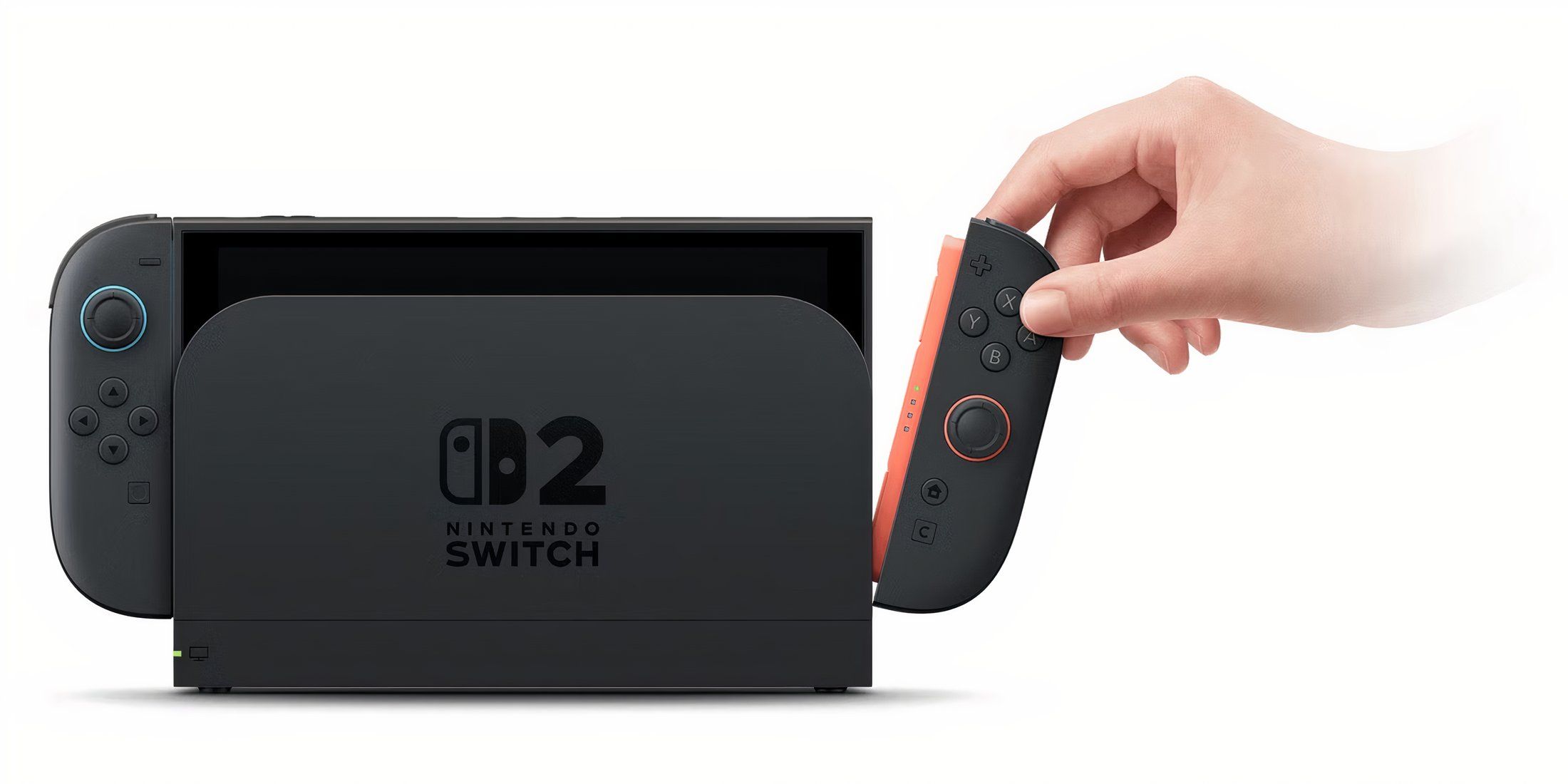
Nintendo Switch 2is confirmed to support USB mice at launch forNobunaga’s Ambition: Awakening Complete Edition, one of the games announced for the platform. This means thatNintendo Switch 2players will have the option to choose between the Joy-Con 2 and a USB peripheral for using mouse controls in at least one supported game.
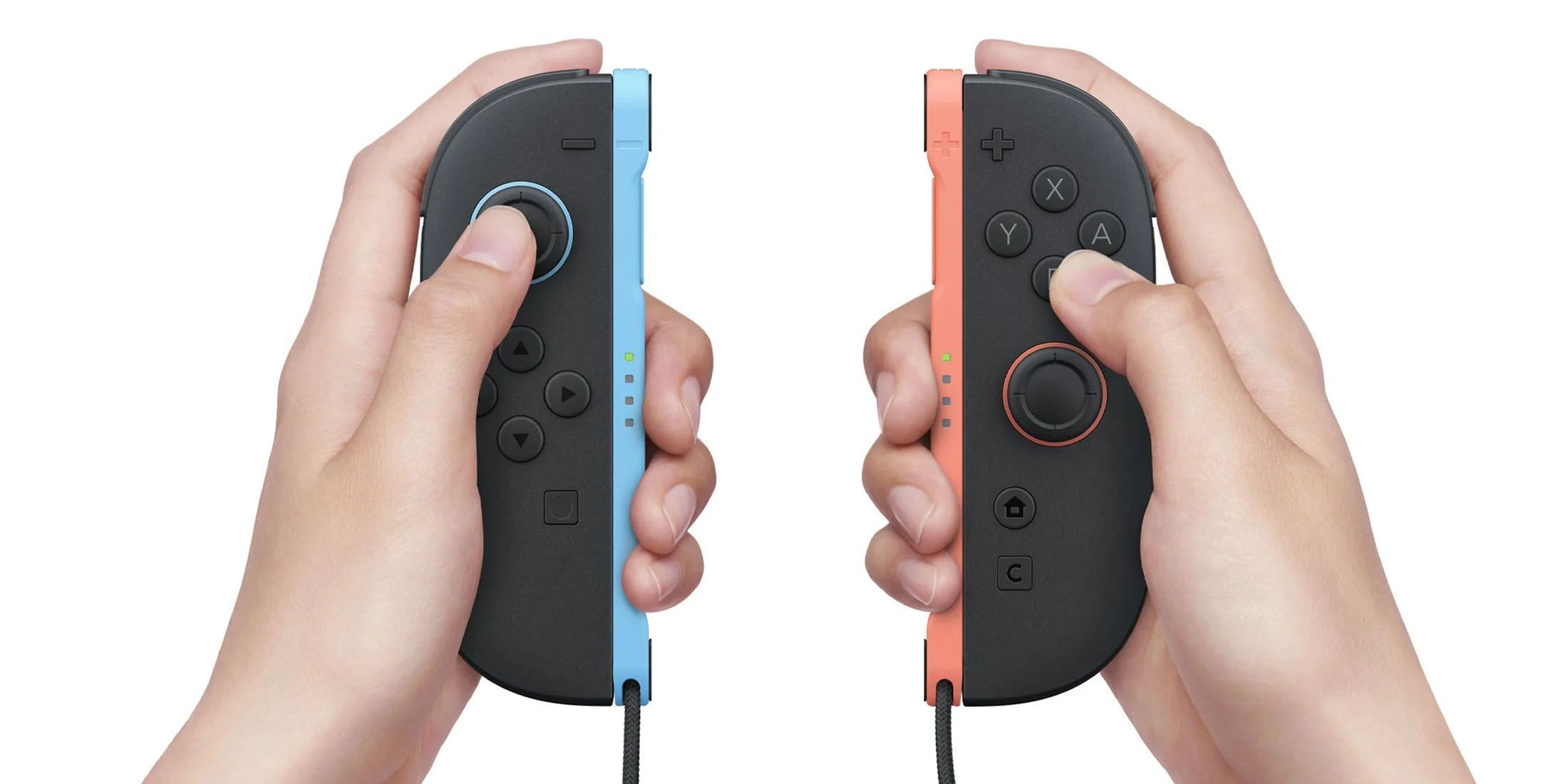
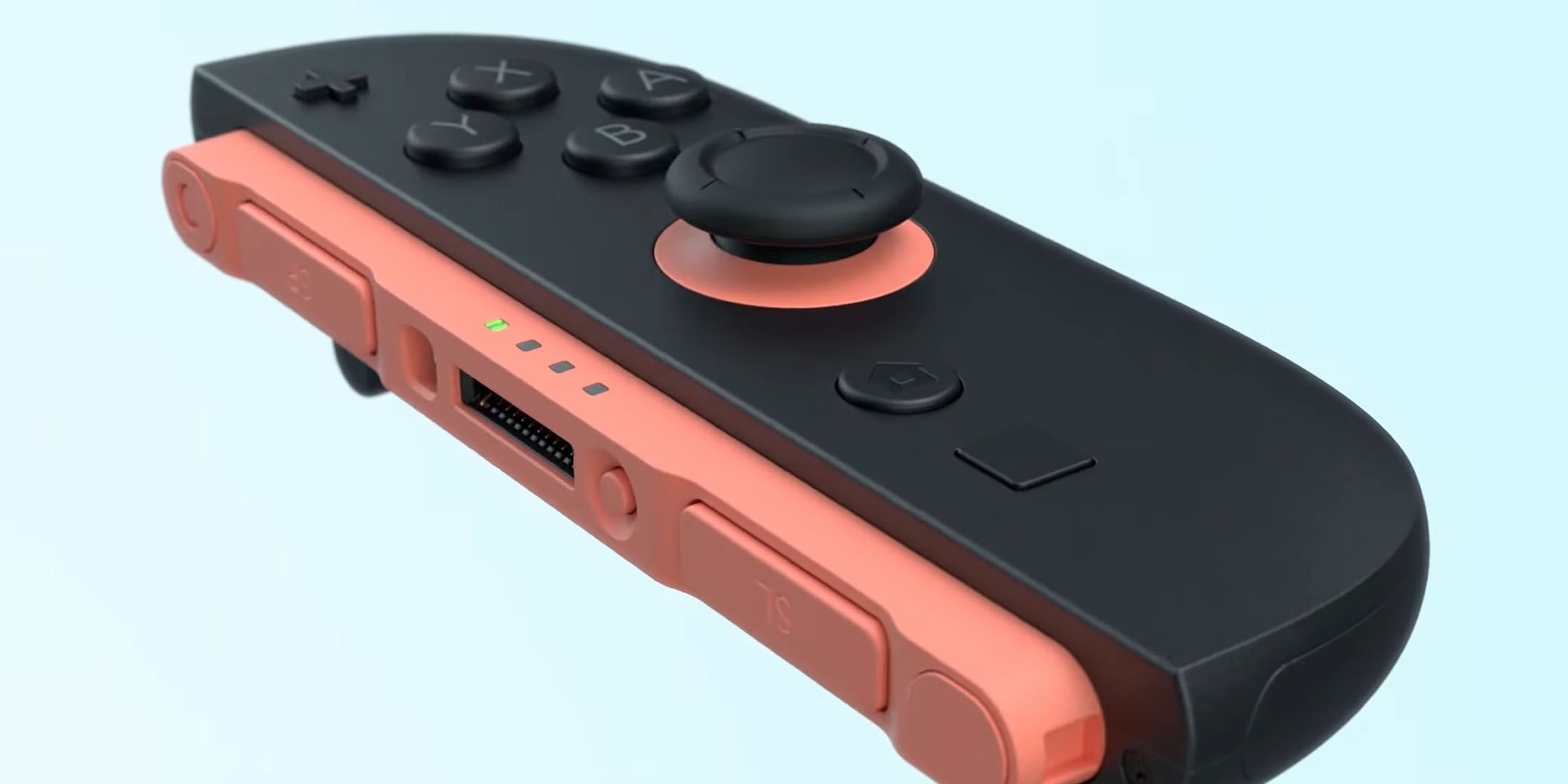
Controllers used in console gaming have been criticized for lacking the precision offered by a mouse for a long time, especially when playing genres such as first-person shooters. To address this shortcoming,Nintendo has incorporated mouse controlsinto the Joy-Con 2, the detachable controllers that come bundled with the highly-awaited Switch 2. It is one of the key highlights of the Japanese gaming giant’s next-gen system and lets players use either of the two Joy-Cons to mimic mouse-like input. Even though this particular functionality is now set to be available out-of-the-box with the Switch 2, it turns out that the console maker has still gone ahead and given players the option to use an external USB mouse if they wish to, at least for one launch title.
In a recentgameplay video forNobunaga’s Ambition: Awakening Complete Edition, a Koei Tecmo rep showed how to play the strategy game on the Switch 2 with a USB mouse. He stated that the mouse takes precedence in the game as soon as it is plugged in, with a prompt on the top-left of the screen confirming the connection. As shown in the demonstration, the players will be able to seamlessly swap between the USB peripheral and the Joy-Con 2, with the in-game cursor changing based on which of the two is used. On top of that, the clip also revealed the ability to simultaneously use the USB mouse and the Joy-Con 2 in the game, which could be useful in certain scenarios. In the case of this particularSwitch 2 game, players can opt for the USB mouse for precise navigation while still being able to quickly access on-screen UI elements using the Joy-Con 2’s buttons. However, it’s not clear at this time if a standard USB mouse will be usable in any other games.
Nintendo Switch 2 Works with USB Mice, Similar to its Predecessor
It’s worth mentioning that the support for USB mice isn’t something new for Nintendo as the original Switch also offered this feature, albeit only in select titles. A handful of Switch games, ranging from Quake to Factorio, are compatible with not only mouse but also keyboard peripherals through a USB connection. Given that the Switch 2 has now also been confirmed to support the mouse in the aforementioned game, it might be fair to think that the hybrid console could work with a USB keyboard as well, at least in some games.
The mouse-like features of Joy-Con 2 are one aspect that the devs have discussed interesting possibilities for. Recently, CD Projekt Red also shared how Switch 2’s unique controls would fit into Cyberpunk 2077‘s gameplay, revealing that the player could swing their katanas in the game using the Joy-Con 2’s motion controls.
From 8MB to 8TB: SD card’s insane 1,000,000x growth no one saw coming
(Image credit: SanDisk)
A modest beginning with massive growth over 25 years
Over 12 billion SD and microSD cards have been sold across consumer and industrial devices
SD Express cards now reach speeds of 4GB/s, up from just 12.5MB/s in 2000
When the first SD memory card hit the market in 2000, it offered a modest 8MB of storage. At the time, this was a practical solution for the relatively small demands of digital cameras and early portable media devices.
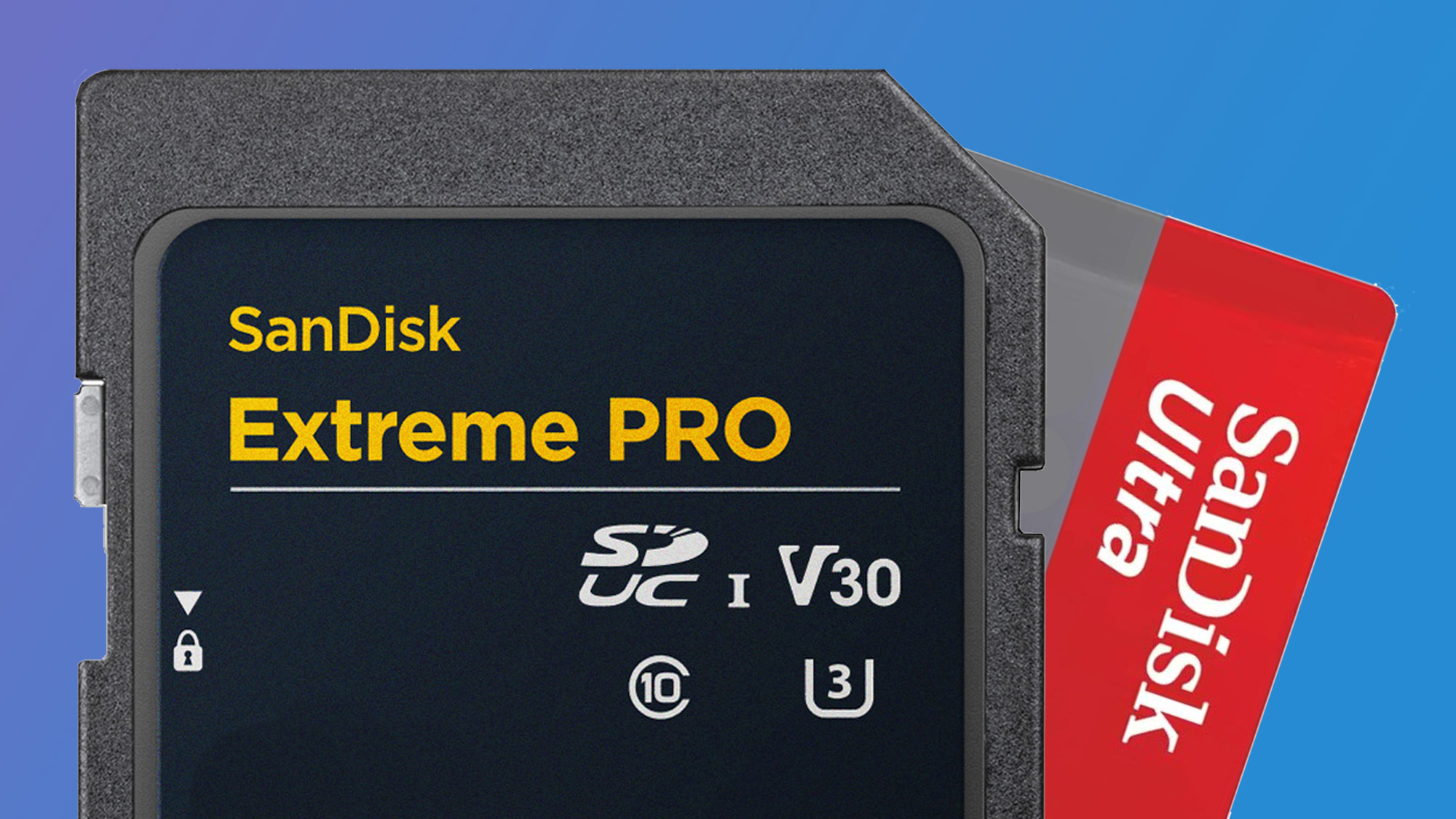
Twenty-five years later, SD and microSD cards have evolved into high-performance storage mediums, with capacities reaching up to 8TB following the launch of theSanDisk Extreme Proin 2024.
According to the SD Association (SDA), a consortium of nearly 800 technology companies, this represents a capacity increase of over one million times.
MicroSD, which marks its 20th anniversary in 2025, has been particularly credited with shaping mobile device capabilities.
“Selfies, mobile phone photography, enjoying music and videos on a mobile phone all became possible because of innovation driven by the SDA,” the association noted.
Today, thebest microSD cardsandSD cardsremain widely used in smartphones, cameras, drones, gaming consoles, and IoT devices.
Even with the rise ofUSB-C flash drivesand cloud syncing services, SD technology continues to hold its place.
“SD memory cards continue delivering portability and convenience, letting people upgrade the storage in their devices at any time thanks to the dedication and vision of our nearly 800 SDA members,” said Yosi Pinto, Chairman of the SDA.
The SDA reports that more than 12 billion SD and microSD cards have been sold globally. While volumes increase, performance is also improving.
In 2000, card speeds were around 12.5MB per second. Modern cards using the SD Express standard can reach nearly 4GB per second, a speed improvement of more than 300 times.
With these gains, SD technology is approaching SSD-level performance, a development especially important as gaming, VR, and AI workloads drive demand for faster, high-capacity storage.
That said, internal storage is becoming more affordable, and reliance on the cloud continues to grow. This raises the question of whether external cards will remain essential or shift into niche roles. However, the SDA remains confident.
“We expect SD memory cards to remain a critical, cost-effective storage option across a variety of applications and devices in the future, since 394 zettabytes of data is expected to be created by 2028,” said Hiroyuki Sakamoto, President of the SDA.
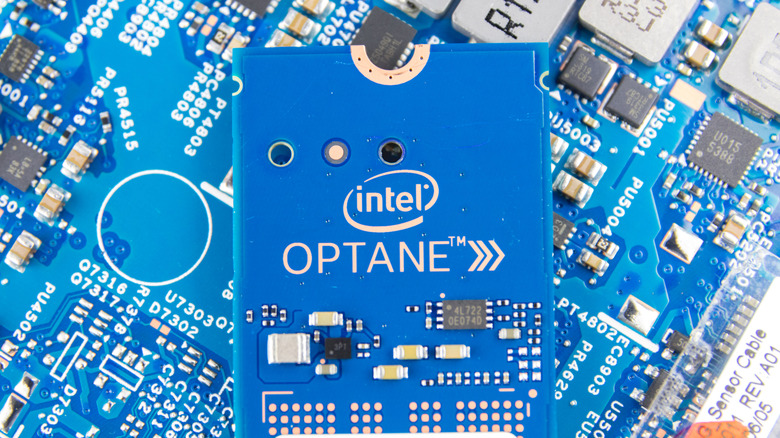
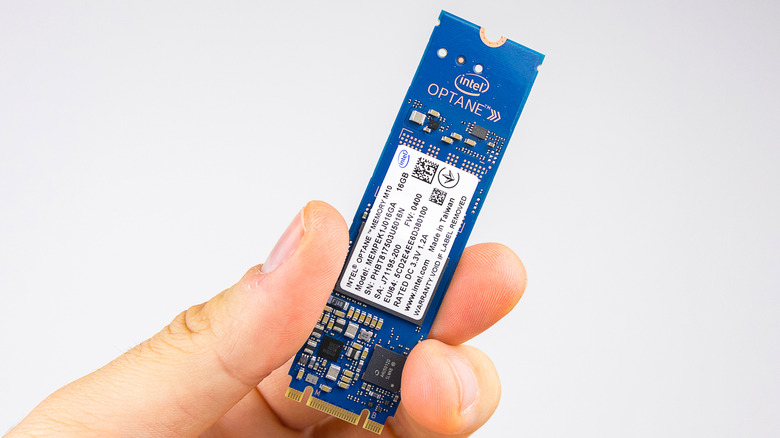
When Intel introduced its Optane memory solution, it was deemed the future of computing. “For the first time ever, we’ll be able to equip computers with memory that’s faster than NAND and more dense than DRAM, and nonvolatile,” the company said. Unfortunately, the product’s consumer market innings lasted merely half a decade before Intel pulled the plug on the whole endeavor. But, Intel is no stranger to killing products, both symbolic and strategic.
The cancellation of its highly ambitious AI chip project was also accompanied by the exit of company veteran and CEO, Pat Gelsinger, earlier this year. The same year, Intel put the NUC mini PC platform on cold ice. Intel even put an Atom chip inside an Android Wear smartwatch made by TAG Heuer, and then quietly abandoned those wearable ambitions. The list of dead and discontinued products at Intel is quite long, and nearly in the same league as the famed Google Graveyard.
With the Optane memory solution, the writing had been on the wall, at least from the market analysts’ perspective. To the last day, Intel was adamant that Optane was a tech stack ahead of its time, but it couldn’t evolve into a profitable business for the company. How much was the hit? Intel lost billions each year on the Optane business, and eventually had to write off assets worth over half a billion dollars when it announced its death.
Intel Optane was somewhat of a bridge between traditional RAM and storage modules, with the sole objective of speeding things up inside your computer. Intel officially referred to it as a system acceleration solution that would spped up data transfer between SSDs and the processing unit. The net result of those memory and storage innovations was faster boot time, quicker search and discovery of assets, quicker app launch, and overall enhanced responsiveness on Optane-powered machines.
At the heart of it was the non-volatile, dense 3D XPoint memory, which was achieved using sliced submicroscopic layers connected by perpendicular wires and stacked to enhance the memory density into a single, small package. Now, this tech was jointly developed by Intel and memory giant Micron. In 2021, Macron announced that it was shutting down development of 3D XPoint memory. The same year, Intel revealed that it was killing the Optane SSD platform built atop the PCIe 4.0 bus standard. By the end of 2021, Intel had sold its SSD and NND memory business to Korean memory chip giant, SK Hynix.
A few weeks later, Intel chief Gelsinger explained in an interview why he wanted the company to dump its memory business. “I never want to be in memory,” he told Stratechery. Months later, Intel announced in its Q2 2022 earnings that it was winding down its Optane business, which resulted in an inventory write-off worth $559 million. Intel didn’t outright reveal why, but in a statement shared with the press, the company hinted that it was not a “sufficiently profitable” venture.
If you are still rocking a computing machine, such as a laptop powered by 11th Gen Intel processors and the Intel Optane SSD solution, you are “temporarily” fine. On the operating system side of things, Intel says the Optane memory is compatible with the 64-bit version of Windows 11 and 10. However, if you haven’t made the jump to Windows 11 yet, prepare for the shift. On October 14, 2025, Microsoft will end official support for Windows 10.
If you invested in an Intel Optane-powered computing machine, the company will honor the standard 5-year warranty, calculated from the date of purchase. But do keep in mind that Intel is no longer offering services related to Optane products. For example, if you purchased a product with one of Intel’s Optane 8 and 9 series SSDs, they have already reached the End of Servicing (ESU), End of Life (EOL), and End of Interactive Support (EOIS) deadlines, as of 2024.
Similar is the status of Intel Optane H and M-series memory solutions. The sole exception is the Intel Optane Persistent Memory 100 Series, which is going to reach the EOIS status on June 30, 2025. Notably, Intel had already ceased to provide firmware updates and the necessary software tools for storage and memory tools in March this year. In a nutshell, your Optane machine will continue to work, but don’t expect a fix if something is broken, and of course, don’t buy any fresh Optane hardware.
WhenAppleopened its first retail stores in Tysons, Virginia, and Glendale, California, back in 2021, the goal was to let peopletouchthe tech and connect with it in a way that glossy print ads never could.
While your local Apple Store may still be a bustling place on the regular, the retail world has changed a lot over the past twenty-four years.
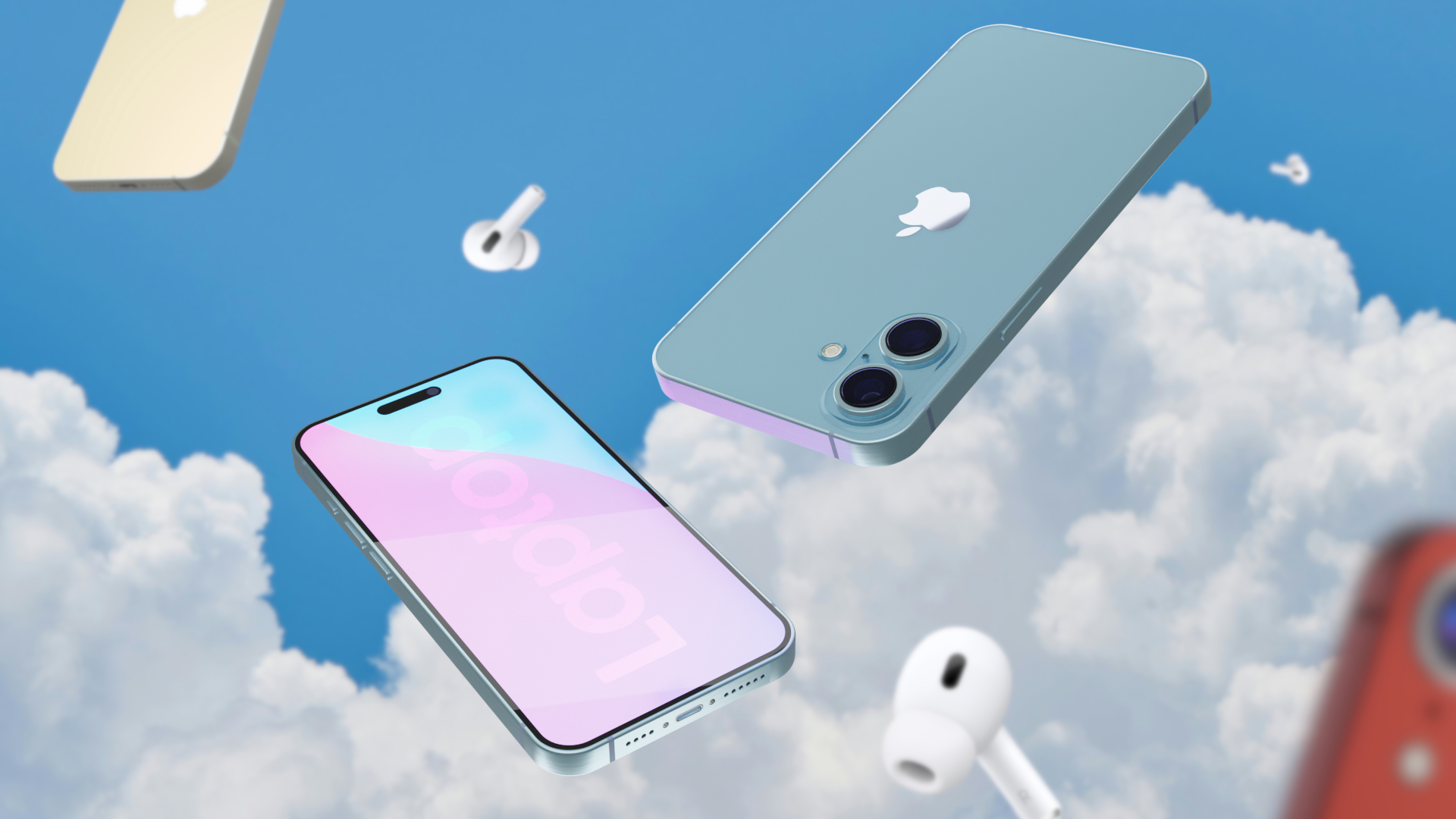
Online shopping dominates, and most of us have giddily traded the instant gratification of immediately leaving a store with product in hand for the one-click convenience of cashing out your virtual shopping cart in your PJs, only for your shiny newiPhoneor AirPods to show up on your doorstep a few days later.
But what if there was a third option? One with the benefits of both?
What if you could buy an iPhone, AirPods, or a new set of Apple AirTags in your PJs, step outside, and have them rain down from the sky into your eager arms within the hour?
You could call itthe most literal version of AirDrop to date.
And, in parts of the U.S., you can now call it a reality — thanks to Amazon.
If you’ve ever ordered an Apple product online, you’re probably well aware of the usual routine: confirmation email, obsessive tracking, and the anxiety loop of peering out of the window every five minutes while your parcel is “out for delivery” — lest you be plundered by porch pirates.
However, in a handful of U.S. cities, some Apple products are skipping the store, skipping the delivery truck, and skipping the porch entirely.
Instead, they’re arriving by air.
Skipping the Apple Store for Amazon is already something of a surreal experience. It’s a bit like finding your new-age vegan nutritionist slipping Big Macs into bags behind the counter at McDonald’s.
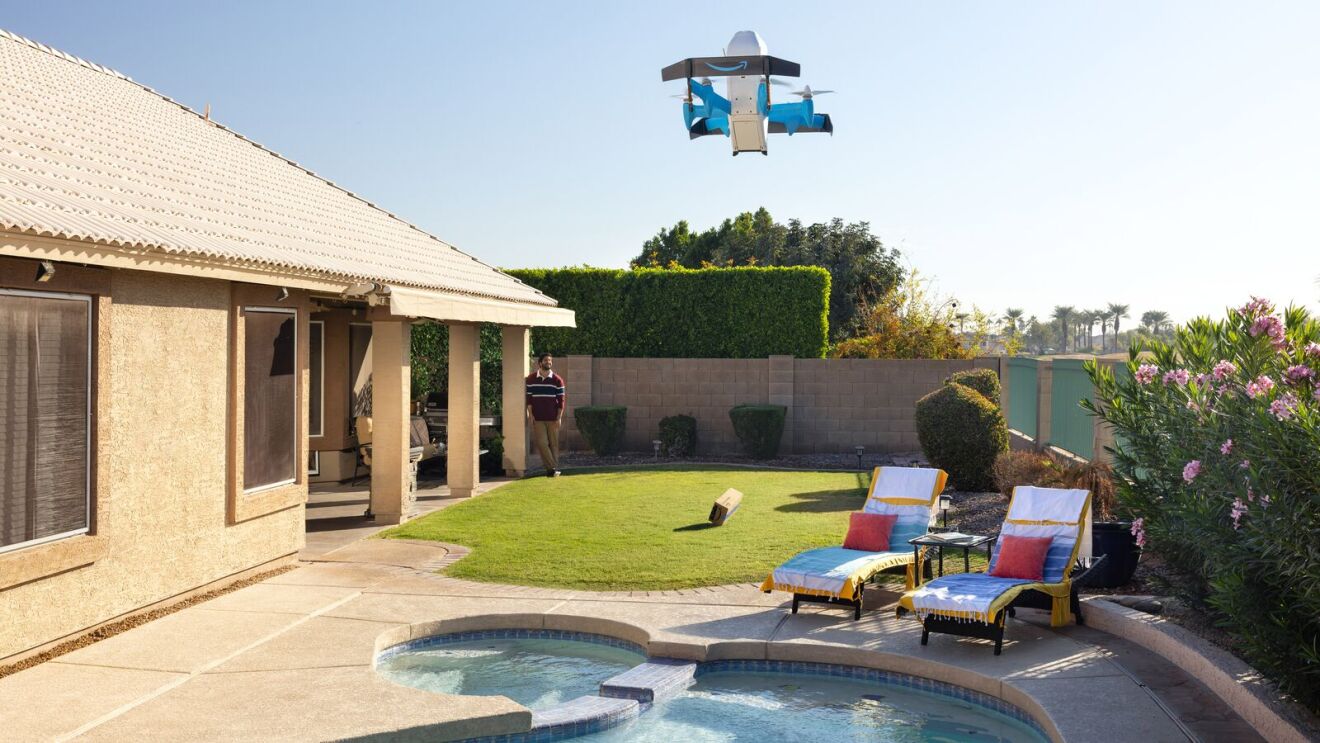
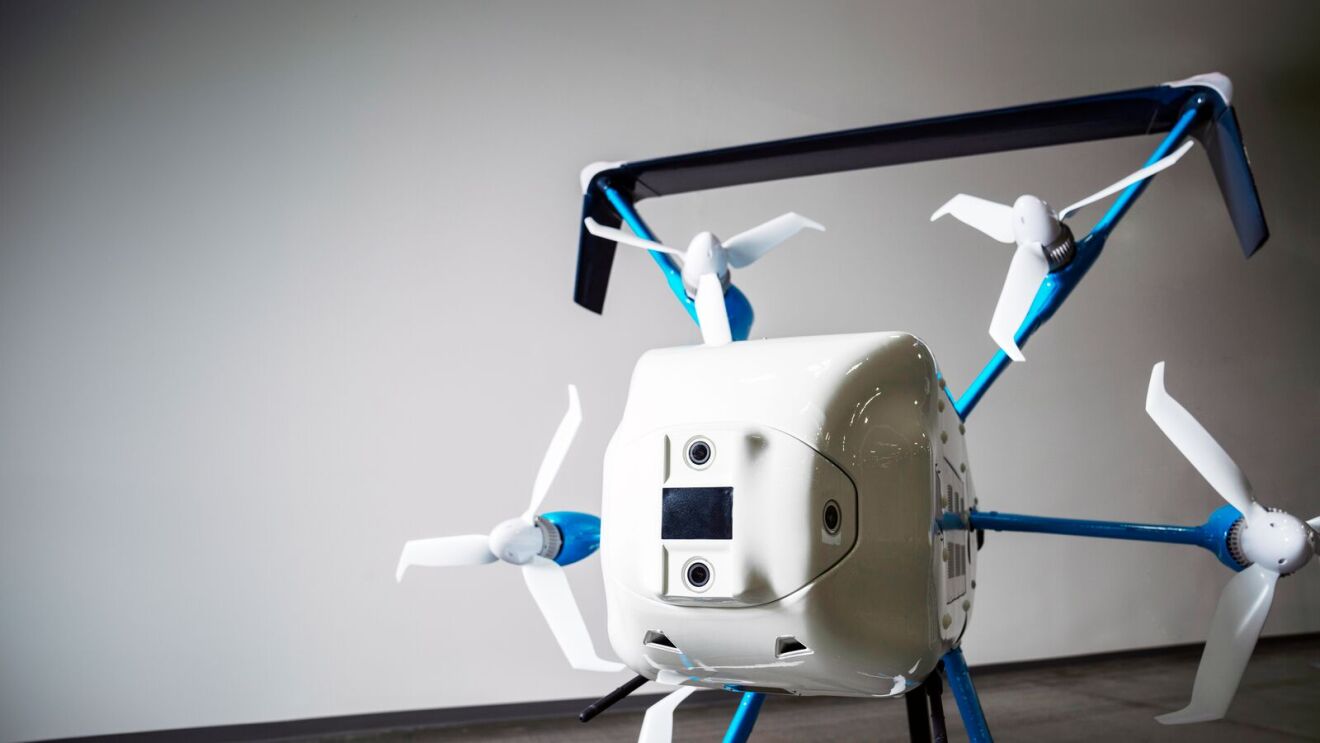
To protect your purchases from their 13-foot free-fall on delivery, Amazon has developed a new “Trampoline” box for drone deliveries. The packaging offers extra cushioning to prevent any damage from the fall.
The news in pictures: Cleared for landing, and rolling out nationwide
Right now, those in College Station, Texas, and the West Valley area of Phoenix, Arizona, can opt for drone delivery on their purchases through the Amazon Shopping app. However, the company is looking to expand its drone delivery program over the coming months and years.
However, that experience is set to get all the more unique following theFAA’s approval for Amazon to deliver several new categories of productsby drone, including iPhones, AirPods, and AirTags — joining more than 60,000 other eligible products ready to arrive by air.
According to Amazon, the entire delivery process takes just 60 minutes or less, with customers able to select the drone delivery option through the Amazon Shopping app.
At which point, one of Amazon’s MK30 drones will secure your package, take flight, and head towards your preferred delivery spot, which could be your driveway or yard. Once at the location, Amazon’s drone drops to a height of 13 feet, scanning for any obstacles (including cars or pets), before safely dropping your (cushioned) parcel for collection.
At present, Amazon’s drone delivery service is only available for a select catalog of items and in the following areas:
College Station, Texas
West Valley area of Phoenix, Arizona
However, Amazon is testing the program in other areas and looks to scale its drone delivery service to more states and cities across the U.S. over the coming months and years.
Given the MK30 drone’s 5 lbs weight limit, we may not be too far off from a day when your nextMacBook Airdoesn’t only earn its moniker from its lightweight build, but also its method of delivery.
The Samsung Galaxy S25 Edge and Samsung Galaxy S25 Ultra
TheSamsung Galaxy S25 Edgehas taken theSamsung Galaxy S25 Plus’s place as the company’s second most expensive non-foldable phone. So if you want a premiumSamsunghandset and don’t want a foldable, then you’re most likely considering either this or the even more expensiveSamsung Galaxy S25 Ultra.
Aside from price, these phones also have some other similarities, especially when it comes to their construction and camera systems. But they also have a whole lot of differences, and in many ways are aimed at very different people.
Below, you’ll find a comparison of every key aspect of these phones, from their prices to their screens, cameras, and beyond, so you can see which is a better fit for you.
Before we look closer at each element of these two phones, here’s a brief overview of all their key specs, so you can see how they stack up at a glance.
Samsung Galaxy S25 Edge vs Samsung Galaxy S25 Ultra: price and availability
The Samsung Galaxy S25 Edge was announced on May 13, 2025, and it ships on May 30. It starts at $1,099 / £1,099 / AU$1,849, for which you’ll get a model with 256GB of storage and 12GB of RAM. But there’s also a version that ups the storage to 512GB for $1,219 / £1,199 / AU$2,049.
As for the Samsung Galaxy S25 Ultra, that was unveiled back in January of 2025 and is available now. You can pick it up from $1,299 / £1,249 / AU$2,149, which gets you 256GB of storage. Or you can get 512GB of storage for $1,419 / £1,349 / AU$2,349, or 1TB for $1,659 / £1,549 / AU$2,749. In all cases that’s with 12GB of RAM.
So the starting price of the Samsung Galaxy S25 Ultra is $200 / £150 / AU$300 higher, with the same amount of storage and RAM as you’ll get in the base model of the Galaxy S25 Edge.
Samsung Galaxy S25 Edge vs Samsung Galaxy S25 Ultra: design and display
Samsung Galaxy S25 Edge
Samsung Galaxy S25 Ultra
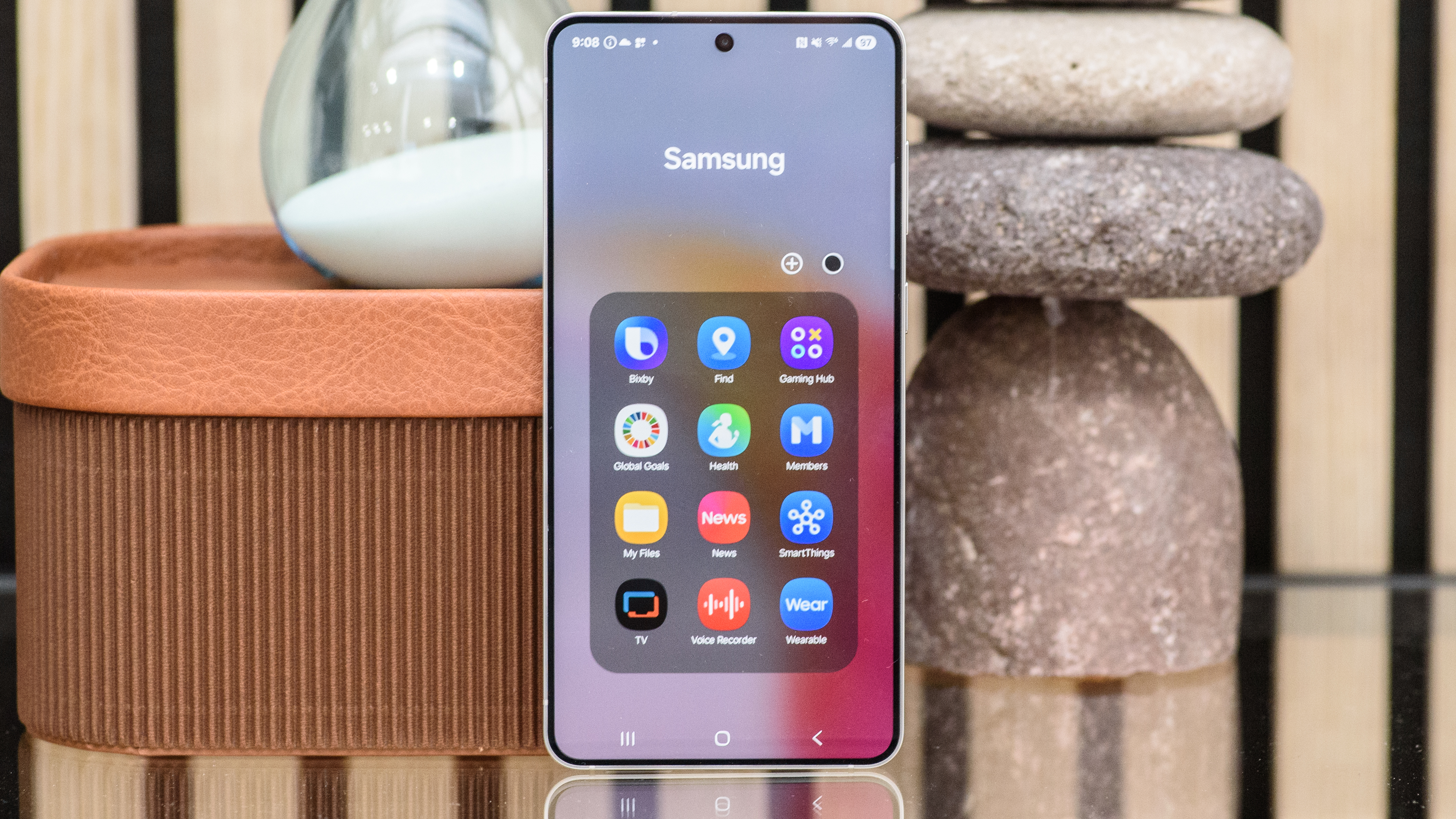
Viewed from the front, these two phones look quite similar, with expansive flat screens, and a punch-hole camera in the top-center.
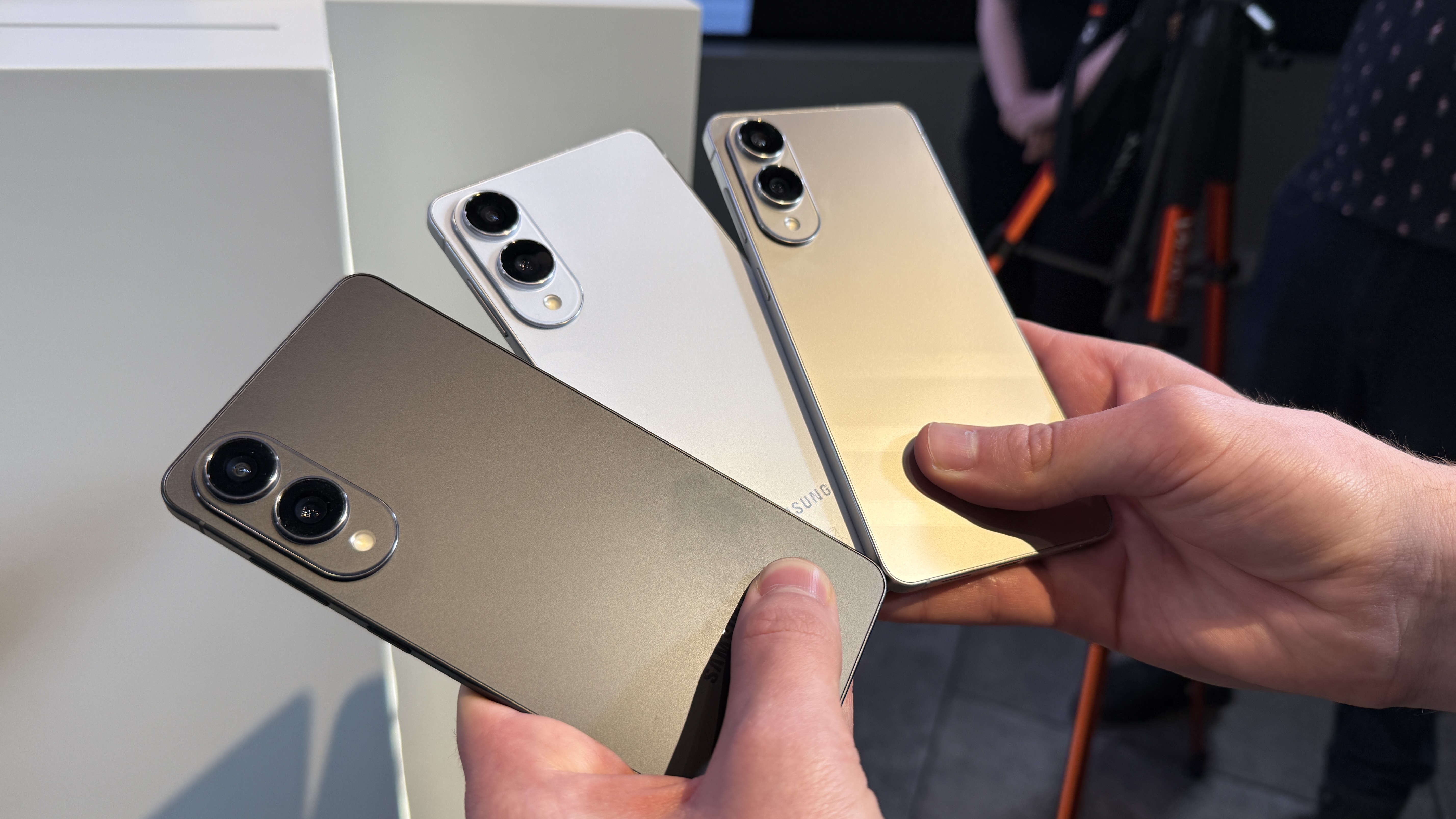
They also both have titanium frames and similarly muted color schemes, though the selection of shades differs – the Samsung Galaxy S25 Edge is available in Titanium Icyblue, Titanium Silver, and Titanium Jetblack, while theSamsung Galaxy S25 Ultra colorsinclude Titanium Silverblue, Titanium Black, Titanium Whitesilver, Titanium Gray, Titanium Jadegreen, Titanium Jetblack, and Titanium Pinkgold.
And both phones also have a glass back protected by Gorilla Glass Victus 2, along with an IP68 rating for water and dust resistance. However, that’s largely where the similarities end.
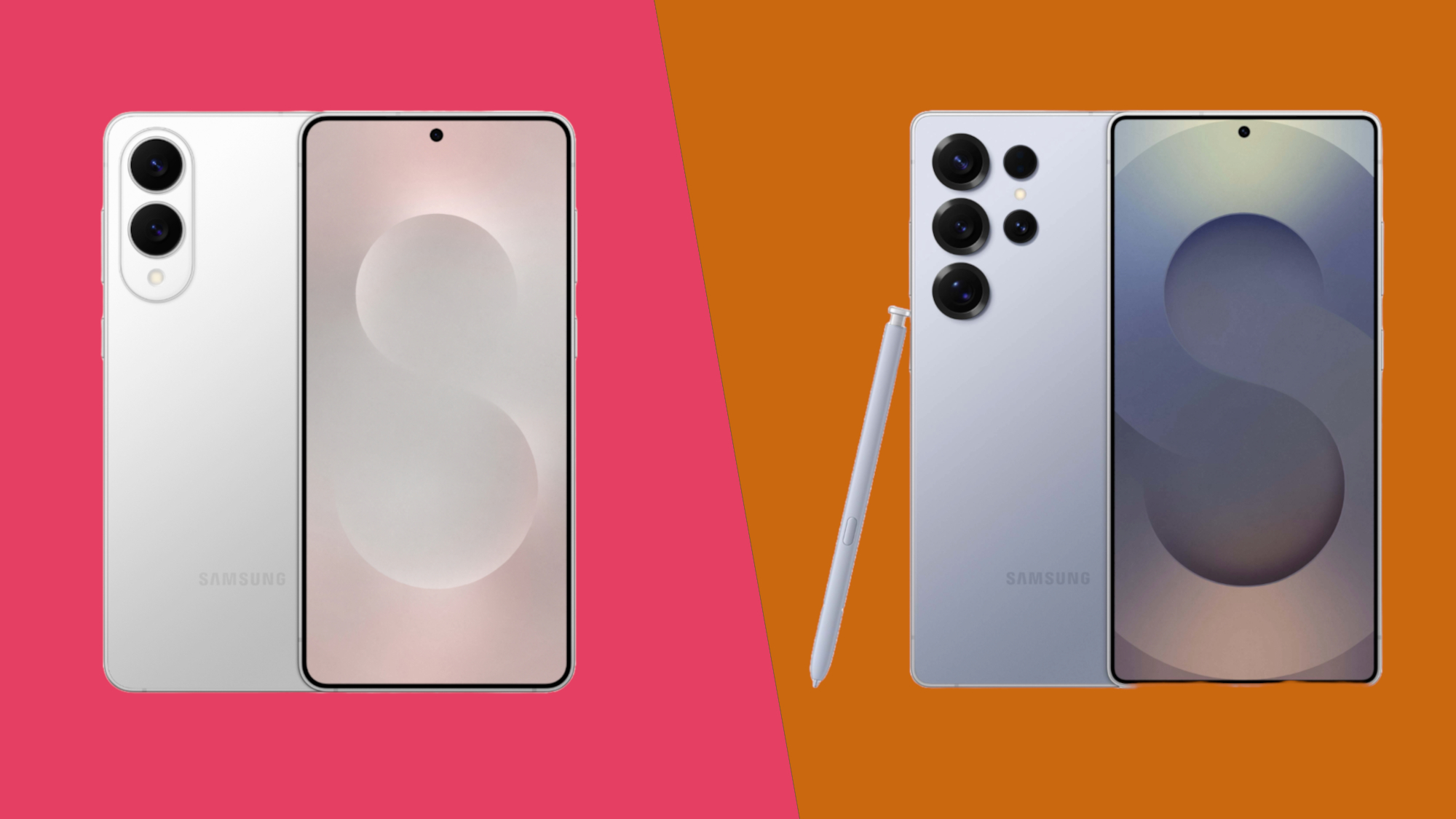
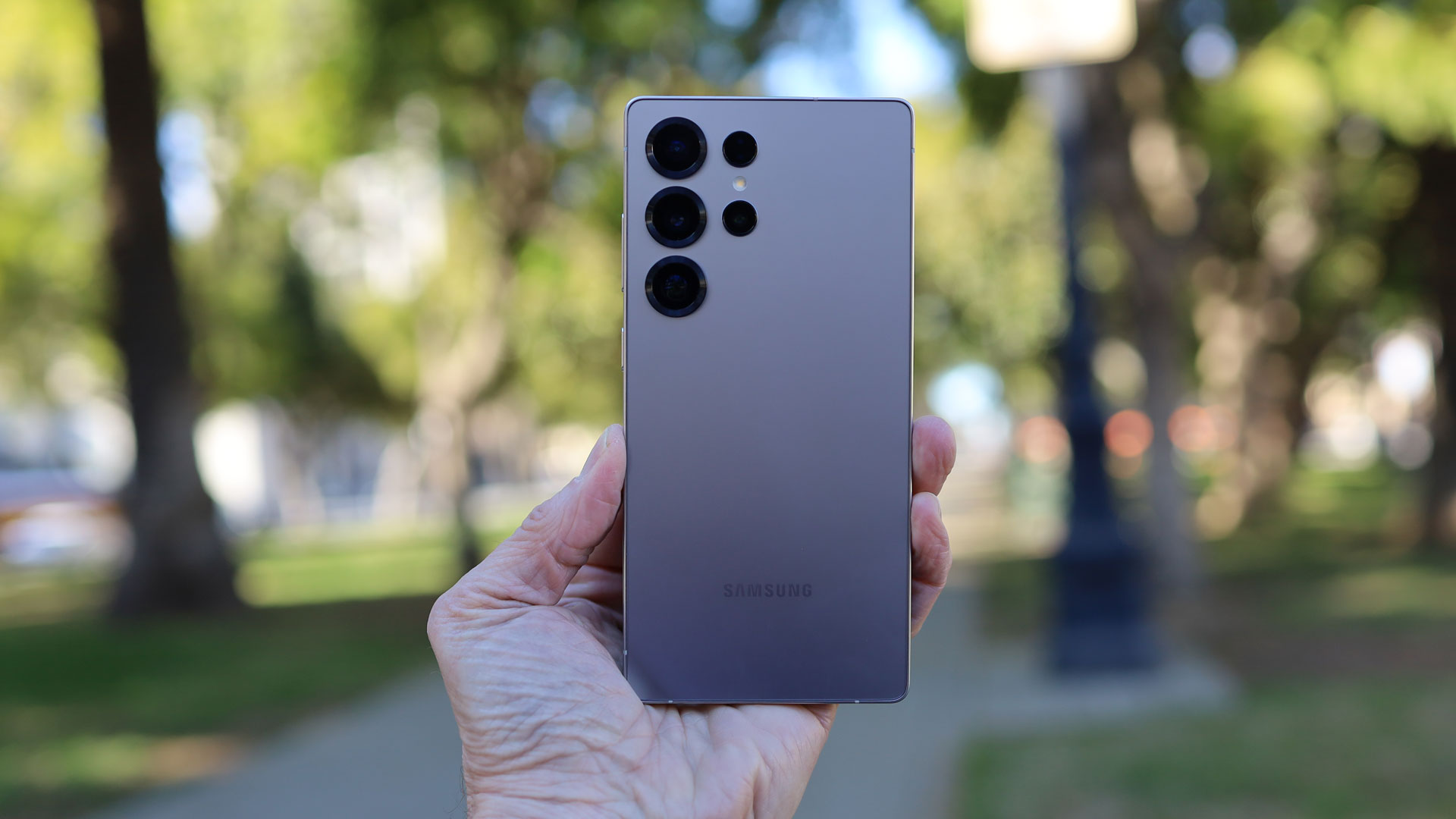
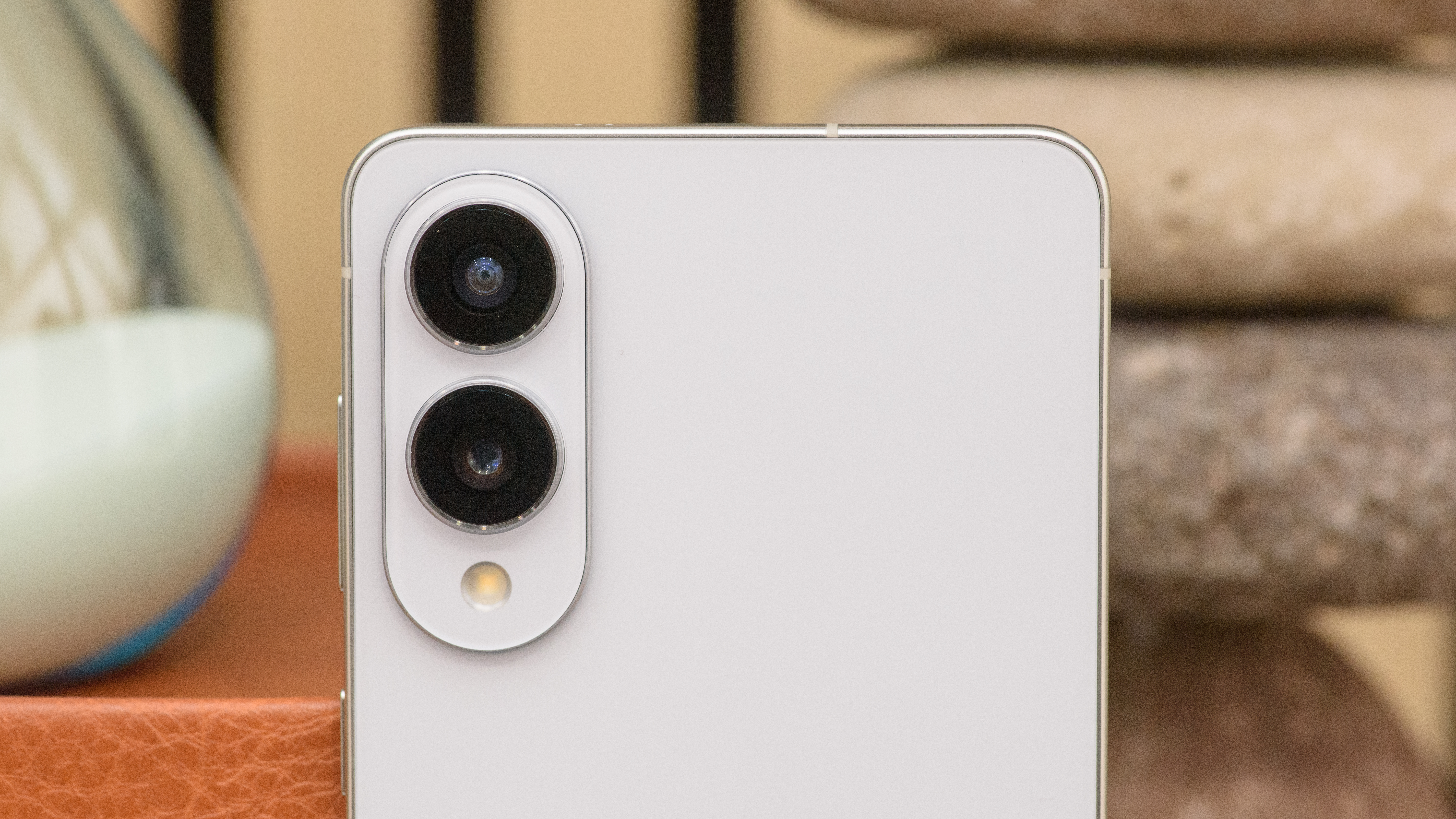
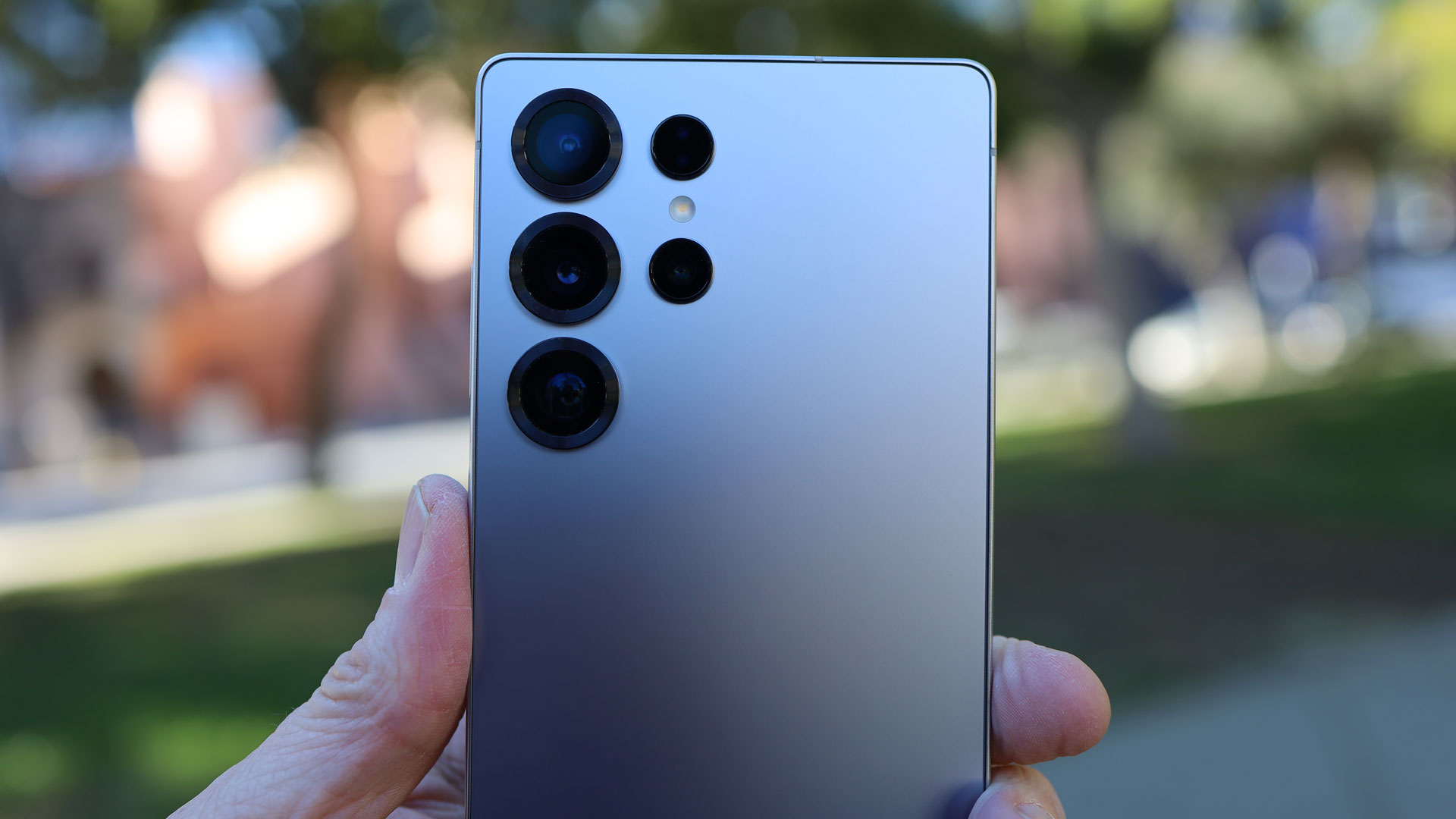
Their camera blocks look very different – partially because the S25 Edge only has two rear lenses while the S25 Ultra has four, but also the former’s cameras are housed in an oblong shape, while the latter’s are individual floating lenses.
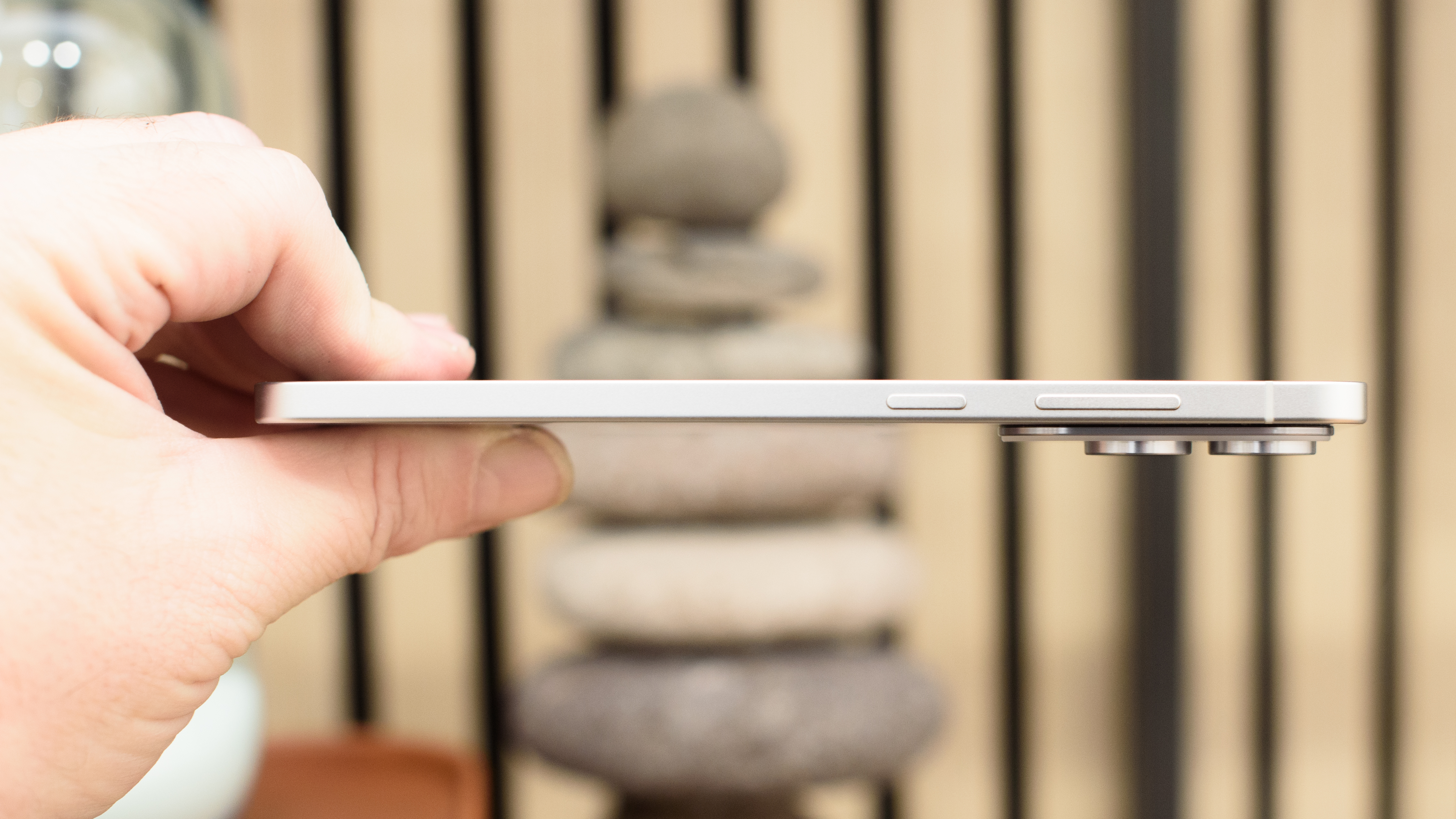
The Samsung Galaxy S25 Edge is also of course a lot slimmer, as well as being all-round smaller and lighter, at 158.2 x 75.6 x 5.8mm and 163g, to the Galaxy S25 Ultra’s 162.8 x 77.6 x 8.2mm and 218g. Of course, some of the extra size and weight on the S25 Ultra is to house an S Pen stylus, which you don’t get with the Samsung Galaxy S25 Edge.
Their screens also differ a bit. On the Samsung Galaxy S25 Edge, you get a 6.7-inch 120Hz display with a 1440 x 3120 resolution and around 513 pixels per inch. The Samsung Galaxy S25 Ultra though has a larger 6.9-inch screen but with the same resolution, for a slightly lower 498 pixels per inch. This again is with a 120Hz refresh rate.
At the time of writing, we haven’t yet completed a fullSamsung Galaxy S25 Edge review, but in ourSamsung Galaxy S25 Ultra reviewwe described the display as “an excellent screen for all kinds of content and uses,” and it’s likely that the Edge’s will be similarly impressive.
Samsung Galaxy S25 Edge vs Samsung Galaxy S25 Ultra: cameras
The Samsung Galaxy S25 Edge and the Samsung Galaxy S25 Ultra both have 200MP sensors, but not the same ones. Samsung has said as much, but hasn’t outlined how the Edge’s differs. Regardless though, both also have an aperture of f/1.7, so it’s possible that the size of the sensors differs.
Along with that 200MP main sensor, the Samsung Galaxy S25 Edge also has a 12MP f/2.2 ultra-wide and a 12MP f/2.2 selfie camera.
The Samsung Galaxy S25 Ultra though has quite a few more cameras, with a 50MP f/1.9 ultra-wide, a 50MP f/3.4 periscope (with 5x optical zoom), and a 10MP f/2.4 telephoto with 3x optical zoom, as well as a 12MP f/2.2 front-facing camera.
So the two phones have similar – but not identical – main cameras, and similar selfie snappers too. But the Samsung Galaxy S25 Ultra has more megapixels on its ultra-wide and has two dedicated telephoto snappers, while the only optical quality zoom you can get with the Samsung Galaxy S25 Edge is a 2x zoom achieved by cropping into the main sensor (something that you can also do with the S25 Ultra).
Samsung Galaxy S25 Edge vs Samsung Galaxy S25 Ultra: performance and software
If you want top-end smartphone performance then, well, you should be happy with either of these phones, as both of them have a top-tierSnapdragon 8 Elite chipsetand 12GB of RAM.
So this is one area where there shouldn’t really be anything to choose, and neither phone is likely to let you down, with our Galaxy S25 Ultra review finding its chipset was “a near-perfect mix of performance and efficiency.”
This means both phones should also be a strong choice for AI – the Galaxy S25 Ultra certainly is, and there’s no reason to think the Galaxy S25 Edge won’t be.
Speaking of AI, both phones have a whole lot of AI features baked into them, and they both use Samsung’s One UI 7 interface, which is a tweaked version ofAndroid 15.
Samsung Galaxy S25 Edge vs Samsung Galaxy S25 Ultra: battery
While the Samsung Galaxy S25 Ultra has a respectably large 5,000mAh battery, the Samsung Galaxy S25 Edge is stuck with a rather small 3,900mAh one. That was presumably necessary to keep the phone thin, but it does mean it won’t match the Ultra’s stamina.
According to Samsung, the Galaxy S25 Edge can manage up to 24 hours of video playback on a single charge, while the Samsung Galaxy S25 Ultra can manage up to 31 hours.
The Samsung Galaxy S25 Ultra also offers faster wired charging, at up to 45W compared to 25W on the Samsung Galaxy S25 Edge. So not only won’t the Edge’s battery last as long, it will also charge up slower. Though both phones are capable of 15W wireless charging.
Samsung Galaxy S25 Edge vs Samsung Galaxy S25 Ultra: verdict
Going purely by their specs, the Samsung Galaxy S25 Ultra should have the edge when it comes to battery life, charging speeds, and telephoto photography. It also has a slightly larger screen, an S Pen stylus, and can come with twice as much storage if you pay for the top 1TB model.
The Samsung Galaxy S25 Edge on the other hand is slimmer, lighter, and costs less, all while having the same amount of power, a similar primary camera, and similar screen specs.
So which you should buy might come down to which you can afford, and whether you prioritise a slim build over improved specs.
Those who want to use GameChat to interact with their friends while playing on their Switch 2 will need to register their phone numbers with Nintendo. Children under the age of 16 will need approval from their parent or guardian to use this feature.
Promotional image of GameChat feature coming with the Switch 2. (Image source: Nintendo)
Nintendo Switch 2 comes with several new features compared to the original Switch, one of which is GameChat for a more interactive and communal gaming experience. While it was stated in the official information for the feature, the fact that it requires phone number registration seems to have flown under the radar during all the chaos and hype around the Switch 2 itself. While this is a divisive move on Nintendo’s part, most fans believe it isanother positive stepin safeguarding children.
First noticed in ‘Ask The Developer Vol. 17, GameChat – Chapter 1’ feature, the small text on the page states that mobile phone registration will be required to use GameChat. Theofficial GameChat pageon Nintendo’s website explains that this should be the phone number registered to the user’s Nintendo Account. It is essentially a verification method for additional security. The page also adds that some online services may not be available in all countries suggesting that some regions may not be able to use GameChat.
Furthermore, children who want to use GameChat would need approval from a parent or guardian through the Nintendo Switch Parental Controls app. This includes children under the age of 16. “A parent or guardian needs to be involved in the set-up and use of GameChat by players younger than age 16. In addition, they must manage the account by using the Nintendo Switch Parental Controls app on their smart device,” theNintendo Switch Parental Control pagestates.
GameChat allows up to 12 people to chat or even share their screen while playing games. The options for GameChat can be accessed with the ‘C’ button on the right Joy-Con 2. If user’s have purchased the Nintendo Switch 2 Camera accessory, they can get on a video chat with their group.
The Switch 2 arrives June 5 and the hype around it has been incredible. The console isprojected to sell 20 million unitsin the fiscal year, making it the biggest console launch ever.
Set to debut on the first AMD chipset MPOWER motherboard from MSI, the B850MPOWER.
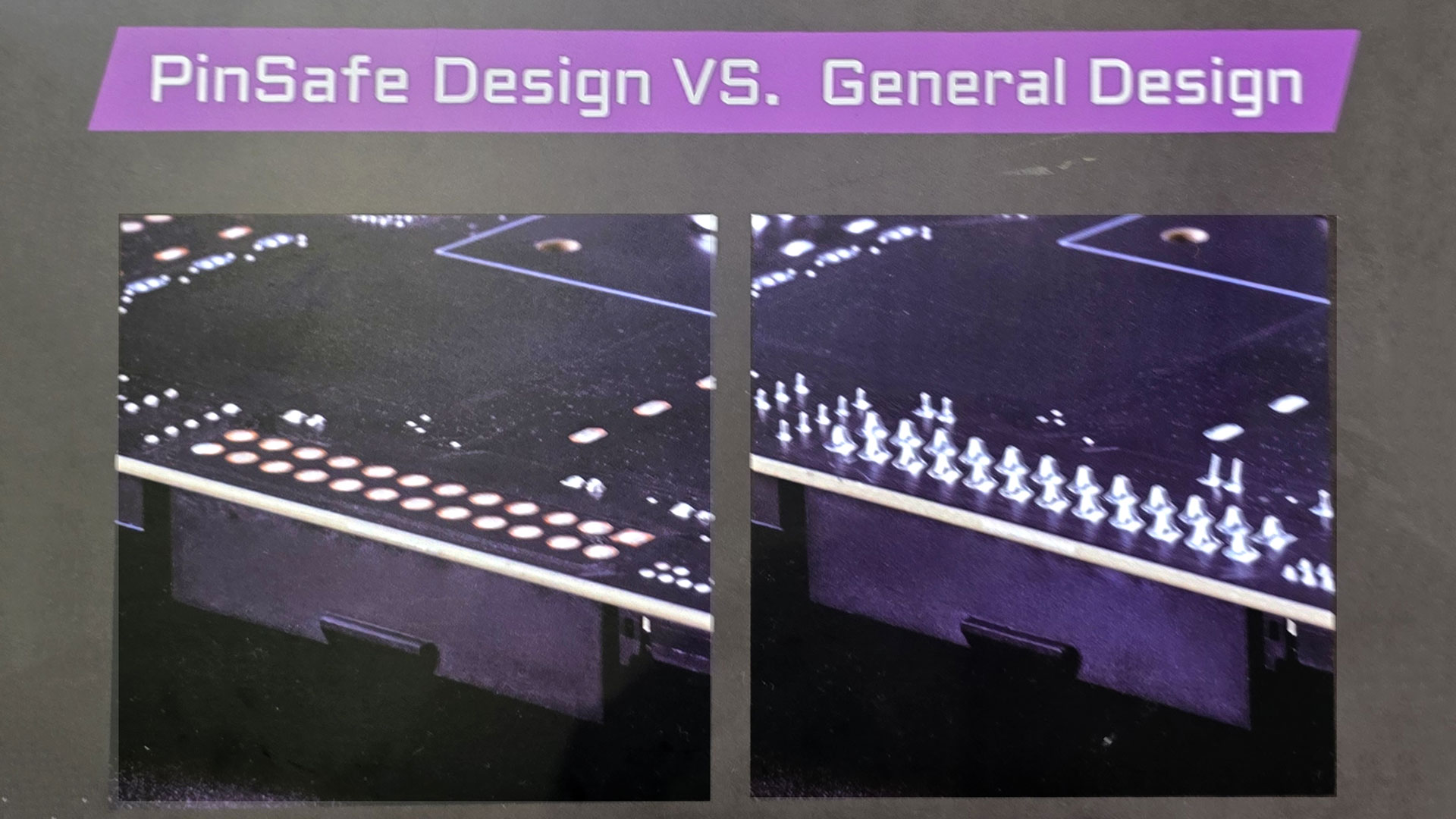
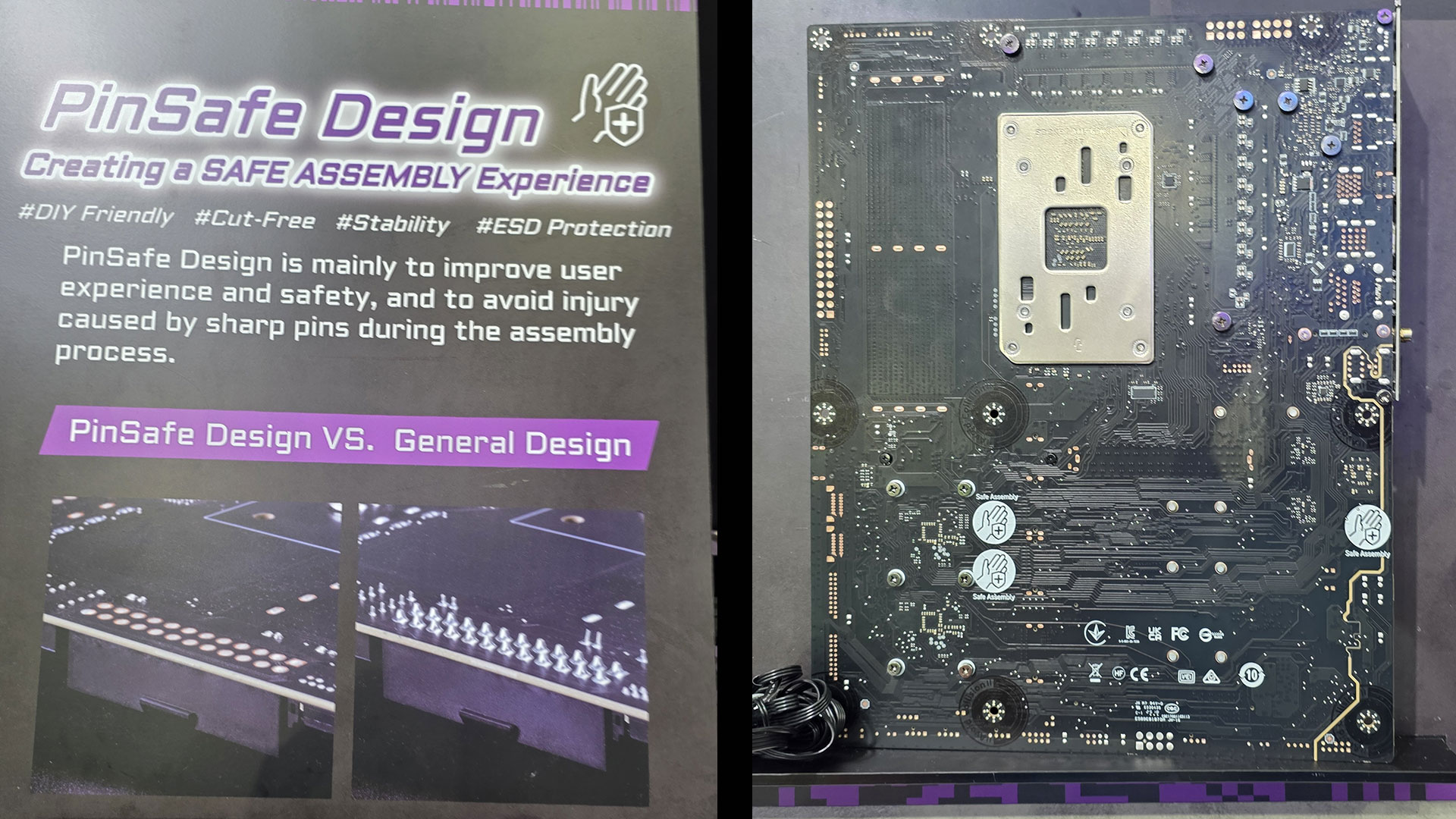
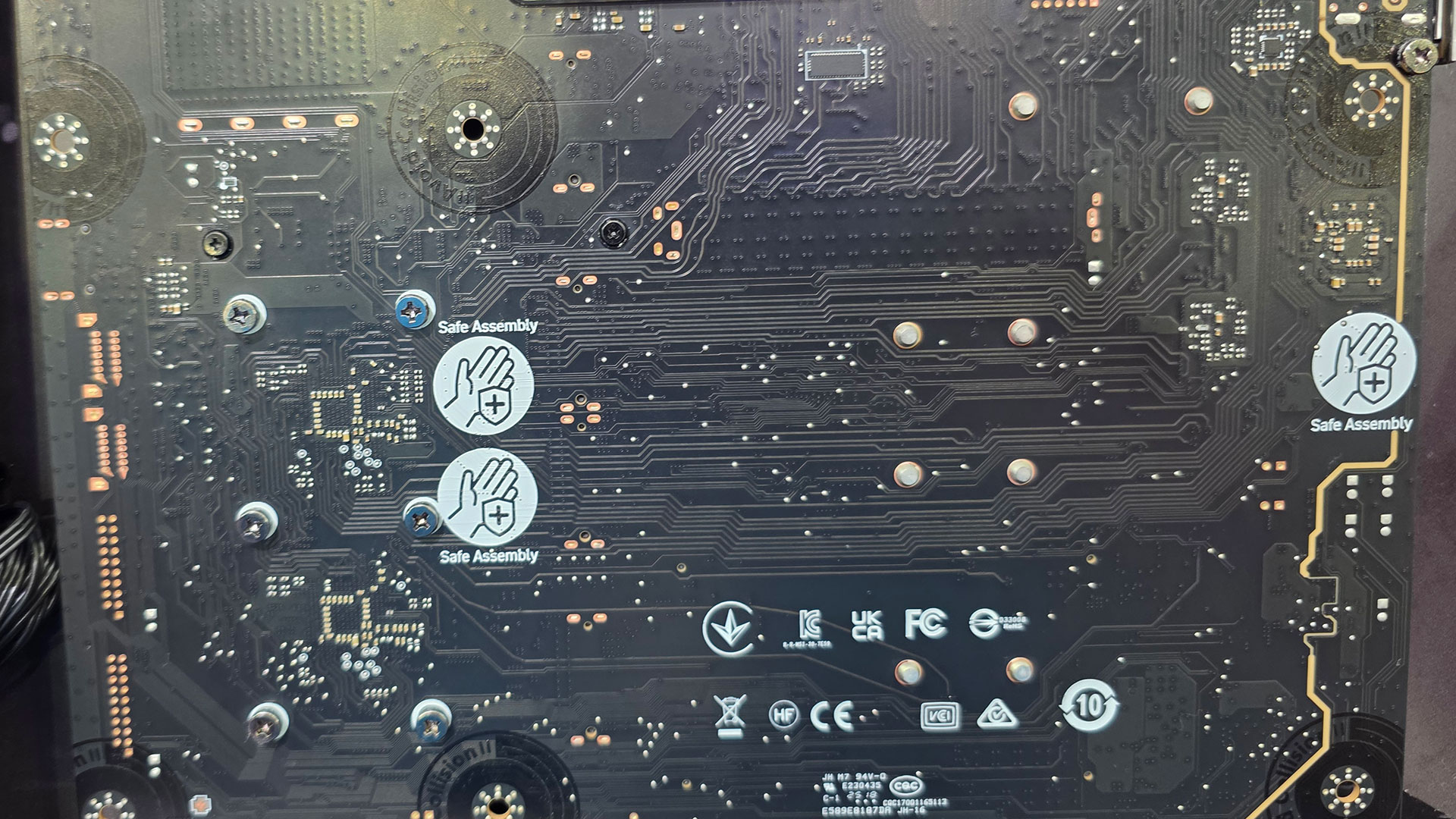
Seasoned PC DIYers have always had to wear dexterity-stifling gloves or put up with pricked fingers when upgrading a motherboard or putting together a new PC build – until now. MSI showcased a series of motherboard design tweaks at Computex 2025, including a feature dubbed ‘PinSafe Design’ which enables users to “avoid injury caused by sharp pins during the assembly process.”
The concept here isn’t difficult to grasp, unlike a traditional prickly motherboard. MSI’s mobo manufacturing arm appears to be adopting a far tidier component soldering technique, which results in elegantly flat pads on the reverse of the PCB, rather than forests of spikes.
Admittedly, this isn’t the greatest of technological achievements, Nevertheless, there might have been some component strength, reliability, or stability concerns preventing such a manufacturing change. So we have a baby step here, which should be welcomed as long as the finished product doesn’t suffer in any way compared to a traditional design.
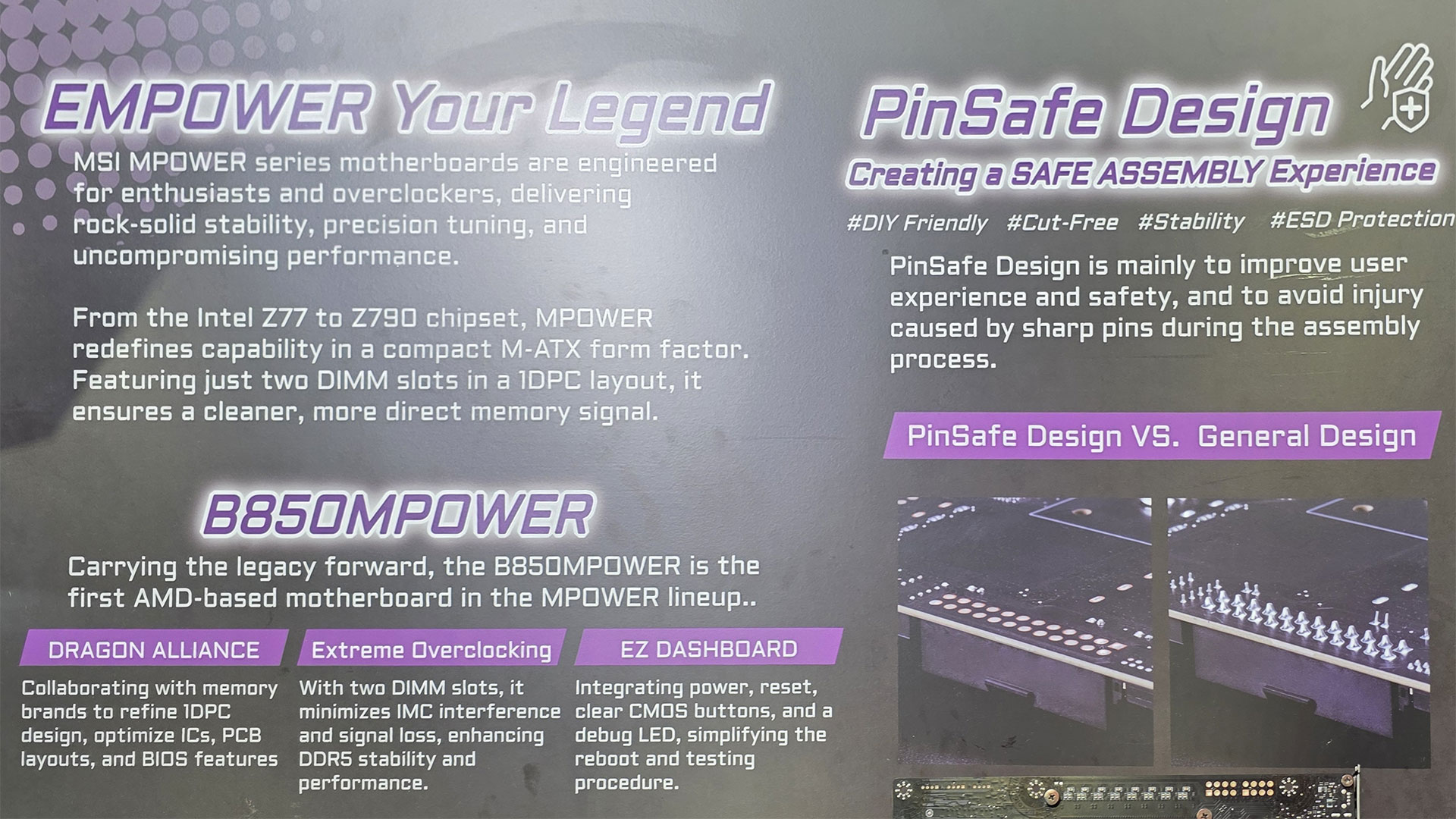
Saving your fingers from pricks and lacerations isn’t the only benefit of PinSafe Design, according to MSI. Likely the result of fevered brainstorming, threaded with some thin strands of truth, MSI says that the PinSafe Design boosts system stability and ESD protection. We think the lack of protruding pins might also give foreign objects less chance of getting caught or jammed between contacts, reducing the potential to create shorts.
MSI’s first MPOWER motherboard for AMD processors
The above PinSafe Design looks set to debut on MSI MPOWER series motherboards, designed for enthusiasts and overclockers. MSI is preparing new MPOWER boards, and the B850MPOWER sample we saw was actually the firstAMD-based motherboardfrom MSI to use this set of features.
Standard MPOWER features include; leveraging the Dragon Alliance collaboration with memory brands, using only 2x DIMM slots for reliable DDR5 overclocking, and the equipping of the EZ Dashboard which integrates power, reset, clear CMOS, and a debug LED on the board for simpler troubleshooting.
Apple has marked the iPhone 7 Plus and iPhone 8 as ‘vintage’
This means there are fewer repair options should you need them
The next step is to declare them ‘obsolete,’ but that’s not happened yet
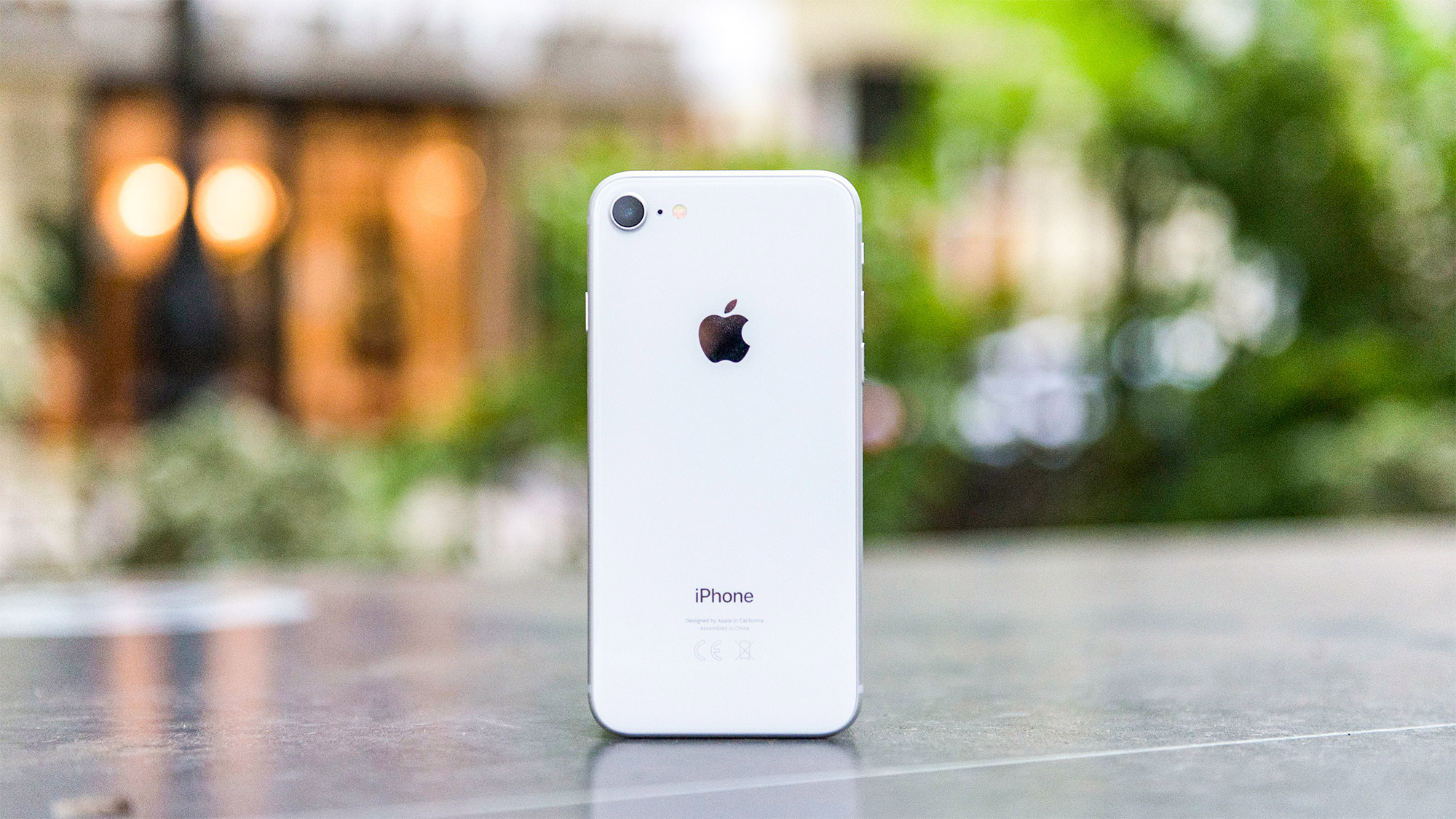
If you’re still rocking aniPhone 7 Plusor aniPhone 8, we’ve got some bad news:Applehas just added them to itslist of “vintage” products, meaning your repair options have just become a little more limited.
Apple declares a product to be vintage when the company stopped selling it more than five but less than seven years ago. Apple does this from time to time with older devices – after all, it can’t offer ongoing support for every device it’s ever produced on an indefinite basis. But the news will still come as a disappointment to anyone still using one of these phones.
iPhone products vintage worldwide
iPhone 4 (8GB)
iPhone 5
iPhone 6s (16GB, 64GB, 128GB)
iPhone 6s Plus
iPhone SE
iPhone 7 Plus
iPhone 8 (64GB, 256GB)
iPhone 8 (PRODUCT)RED™
iPhone 8 Plus (PRODUCT)RED™
iPhone X
iPhone XS Max
apple
What does this mean in practice? Well, when Apple classifies a product as ‘vintage’, it cuts back on the support it will offer to owners. In theory, you’ll still be able to get one of these productsrepaired by Appleor an Apple Authorized Service Provider (AASP), but it depends on whether the parts are still available. If they aren’t, you won’t be able to get genuine components when it’s time to repair your phone.
After a product has been classed as vintage, the next step is for Apple to label it ‘obsolete’, and this usually occurs when more than seven years have passed since Apple last offered the device for sale. The iPhone 7 Plus and iPhone 8 were discontinued in 2019 and 2020, respectively, which means you’ve still got another year or two until they’re classed as obsolete.
Launched in 2016, the iPhone 7 Plus was the larger version of theiPhone 7, and it came with water and dust resistance, a solid-state Home button, new color options, and revised antenna bands. It also controversially marked the removal of the3.5mm headphone jackonce and for all.
The iPhone 8, meanwhile, was released in 2017 and came withwireless charging,True Tone technology, a better chip, and improved cameras. It launched alongside theiPhone X, which was the first all-screen iPhone and consigned the Home button to history.
This is the second time in recent months that Apple has added devices to its vintage products list. In mid-April,the iPhone 6S was marked as vintage, alongside the 2018Mac mini. Don’t be surprised to see further products added to Apple’s list over the next year.
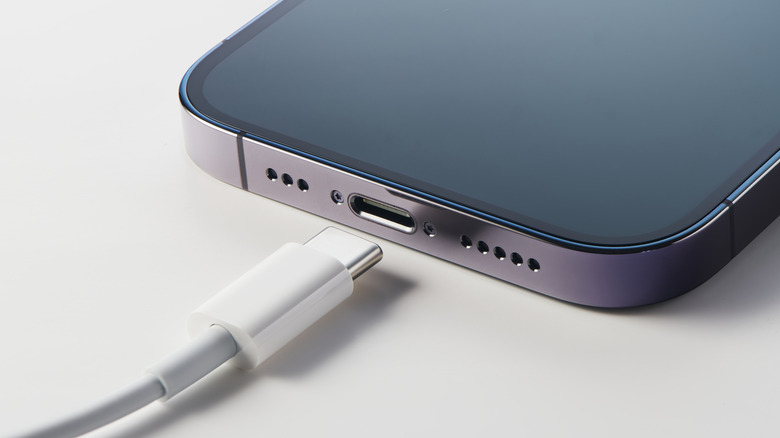
If you compare any modern laptop, like the Asus Zenbook Duo, and a smartphone, like the iPhone 16, you will find a lot of similarities in terms of what they can be used for. For instance, both devices can be used to access social media platforms, work on documents, join meetings, and more. Another thing that you will find common in laptops and smartphones these days is the use of USB-C technology. Interestingly, the technology has become a standard lately. As a result, it’s no longer limited to smartphones and laptops, but you’ll also find it on external hard drives, keyboards, mice, and more.
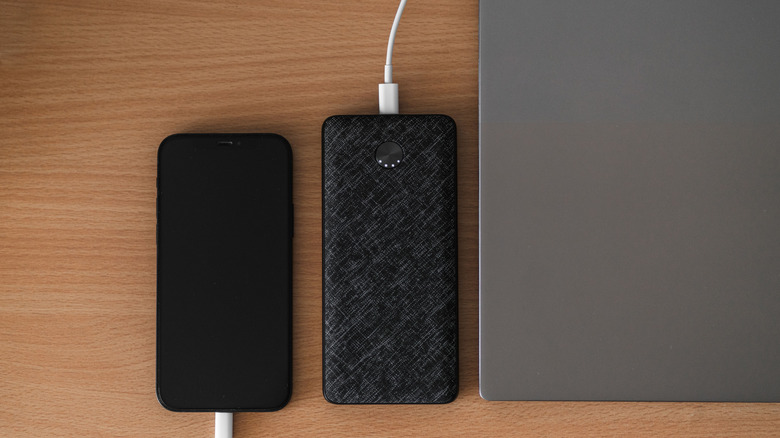
If both your smartphone and laptop support USB-C charging, you might wonder if you can use your USB-C laptop charger to charge your smartphone. You’ve probably had this thought when you have lost your smartphone’s USB-C charger and are now looking for something to charge it. The short answer is yes, you can charge your smartphone with a USB-C laptop charger, but before you do so, there’s an important thing that you need to take care of.
Is it safe to use a USB-C laptop charger for a phone?
You can use your USB-C laptop charger to charge your smartphone, but only if the charger supports USB-C PD charging. The availability of this technology allows the charger to talk with your smartphone about the maximum power it requires. It’s kind of like your smartphone saying to the charger, “Hey bro, I only need 20 W,” and the charger going along with it.
Unfortunately, not all the USB-C chargers come with PD technology. If you use a USB-C laptop charger that doesn’t feature PD technology to charge your smartphone, you might eventually end up damaging your device’s battery. Luckily, you can easily find out if your laptop charger supports PD technology.
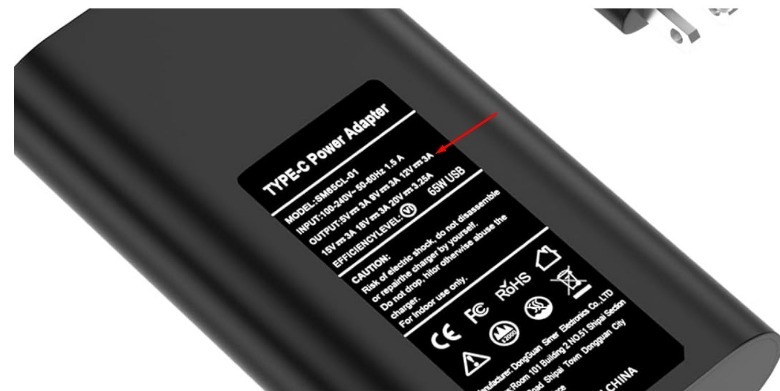
Usually, you’ll have a PD logo embedded on your laptop charger. If it’s not there, you can check the charger specification to confirm if it supports PD charging. Alternatively, you can check the output specification on the back of your charger. If you find multiple voltages embedded on your charger, like 5 V, 9 V, and 20 V, then it also means that your laptop charger supports PD charging.
There are two main advantages of charging your smartphone with a laptop USB-C charger. First, it ensures that you don’t have to purchase a separate charger for your smartphone. Second, and the most important, advantage is the high power rating of laptop chargers. Let’s say your smartphone is capable of charging at 65 W, but you have a mobile charger that’s capable of only charging at 45 W; then you won’t be able to charge your smartphone at its maximum capacity. A laptop charge, in this case, will provide the maximum power required by your smartphone, i.e., 65 W.
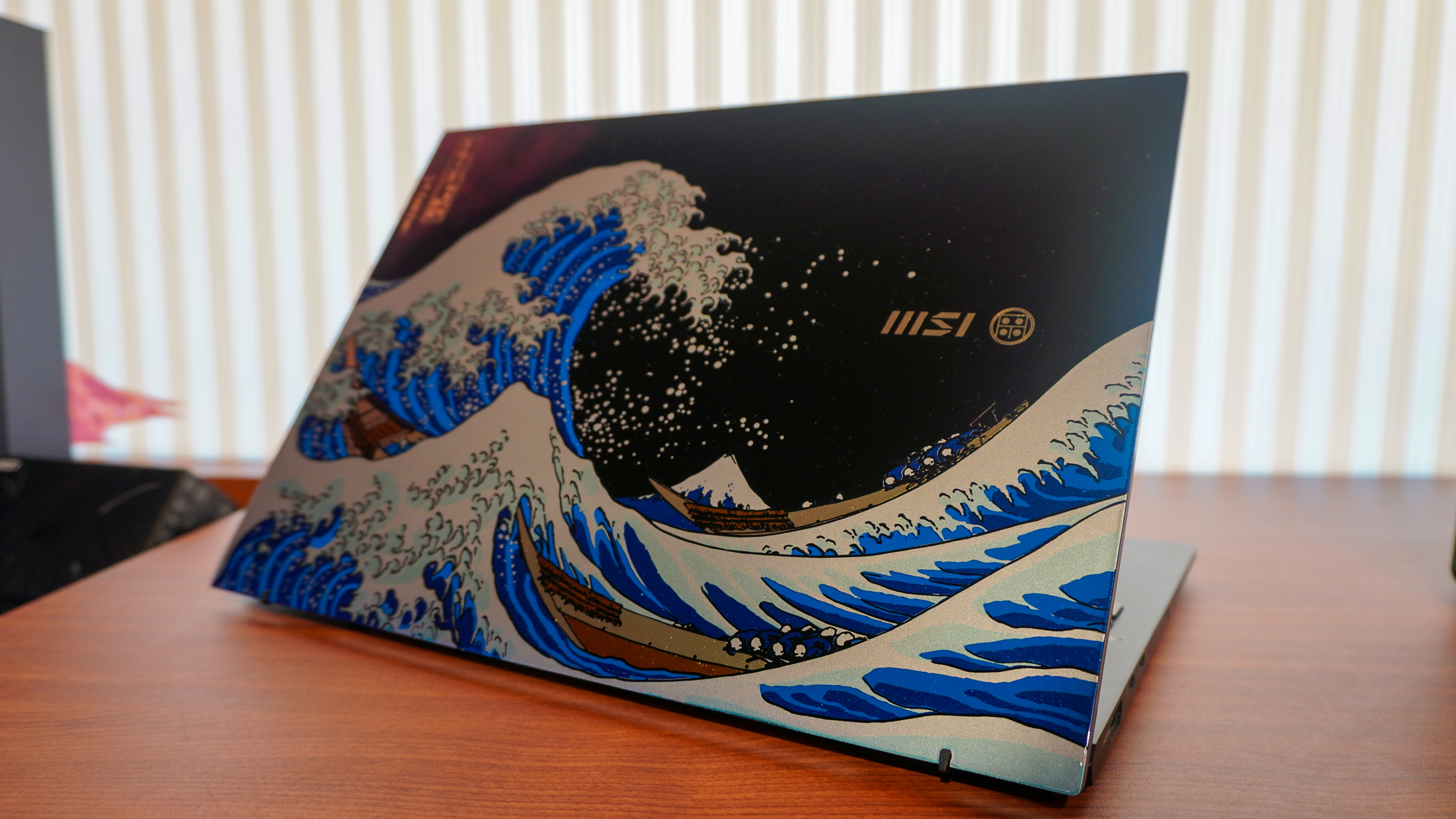
In partnership with a Japanese art studio, MSI has created a beautifully designed lacquered lid for its Prestige 13 AI+ Ukiyo-e Edition laptop. I checked it out in person on the Computex show floor.
TAIPEI—At MSI’sComputex 2025booth, one of the most head-turning products on the show floor caught my eye: a lacquered-finishedlaptoplid that looks like beautiful hand-painted art.
MSI has partnered with Japanese art studio Okadaya to create limited-edition lacquered print laptops in theukiyo-estyle, a recognizable genre of Japanese art, for its Artisan Collection.
The Prestige 13 AI+ Ukiyo-e Edition will be the flagship laptop for this endeavor. However, due to the extra steps required in manufacturing to apply the artwork, MSI can only produce a few hundred per month for the time being. The effect is beautiful in person; read on for photos, video, and more of my impressions.
While I saw a few different designs at the booth, the main piece of art (and that which will occupy this Prestige model’s lid) is Hokusai’s iconic wood block print, The Great Wave off Kanagawa. This highly recognizable piece is a natural pick for this collection’s debut.
While the art and clarity level are fantastic, the glossy finish inherent in this lacquer process sings in person. Hokusai’s art has a pleasant reflectiveness, particularly in its darker portions; the gloss black finish is lovely. The wave is vibrantly colored, too—perhaps more saturated than I’m used to seeing on this piece, but it’s effective.
The gloss also extends to the keyboard, as seen in the photo above, and the laptop package will include a mouse. If you can get your hands on one, this system will undoubtedly be a fingerprint magnet, but it sure is nice to look at.
MSI also showed off another design, but the matter of which of its laptops this artwork will appear on has not yet been settled.
MSI can only produce so many of these units to begin with, and I imagine the reception will determine how much longer MSI will continue to create them. Regardless, since this release also kicks off MSI’s Artisan Collection brand, it’s likely the laptop maker will continue down this path for the near future.
Measuring just 0.7 inches thick and weighing only 2.2 pounds, MSI’s first Ukiyo-e Edition laptop is anultraportable laptopthrough and through. MSI also outfitted this Prestige with an array of parts to live up to its beauty.
Having “AI” in the name, the laptop is naturally a Copilot+ PC, housing up to an Intel Core Ultra 9 288V processor backed by as much as 32GB of memory and an M.2 SSD with an unspecified capacity. This is all accessed through a 13.3-inch, 2,880-by-1,800-pixel OLED screen in 16:10 aspect ratio.
A Small Wave (of Laptops)
We sometimes hesitate to share limited-edition laptop designs, but the final effect here is too exciting to pass up. MSI wasn’t able to share too many details about the creation process. I imagine Okadaya also wants to keep its cards close to its chest, but the booth contained a walkthrough of the general method, seen below.
You can see the stages evolve through the series of in-progress lids, starting with applying silver-white ink to the lacquerware magnesium alloy lid. Then, the process applies blue ink, followed by dabs of gold powder to create the accents. Finally, the method applies black line ink to create definition.
This process presumably has a more frequent failure rate using this delicate method than regular laptop manufacturing, contributing to the slower and lighter production rate. If you love the idea (I certainly appreciate the end product), keep your eyes peeled for availability and prices, which MSI haven’t revealed yet.