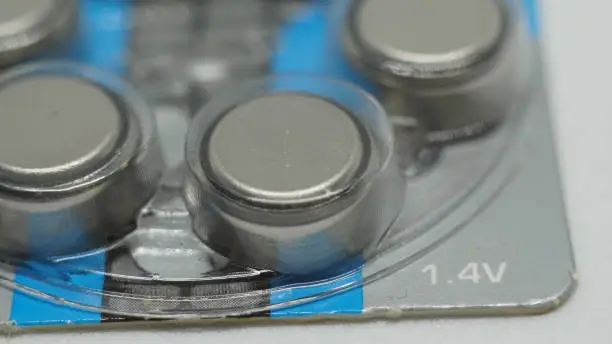
Why Button Batteries Are Still Essential in Daily Life
Button batteries may be small, but they power many of the devices people in New Zealand use every day. From watches and car keys to medical devices, calculators, toys, and kitchen scales, these compact batteries remain an important part of modern living. Many consumers search for reliable information about button batteries because choosing the wrong type or installing them incorrectly can quickly damage a device.
In recent years, interest in button batteries nz has grown as more households rely on small electronic accessories. New Zealand users often look for batteries that can handle changing temperatures, long storage periods, and dependable performance for everyday electronics. Since many homes use multiple battery-powered devices, understanding compatibility and battery safety has become more important than ever.
Understanding the Different Types of Button Batteries
Not all button batteries are the same. Some use lithium technology, while others are silver oxide or alkaline-based. Lithium coin cells are commonly found in car remotes and smart gadgets because they offer longer-lasting power. Silver oxide versions are popular in watches due to their stable voltage output.
For New Zealand consumers, checking the battery code is critical before replacement. Codes like CR2032, LR44, and SR626SW indicate different chemistries and sizes. Even if two batteries look identical, they may deliver different voltage levels or performance. Choosing the correct replacement helps avoid poor battery life and device malfunction.
Many users searching for button batteries nz also want to know where batteries perform best. Humid coastal areas, colder southern regions, and long-term storage conditions can all affect battery longevity. Keeping spare batteries in a cool, dry place is one of the easiest ways to extend their shelf life.
Which Way Do Button Batteries Go In
One of the most common questions people ask is which way do button batteries go in. Because button batteries are small and flat, it is easy to install them incorrectly, especially in devices without clear markings.
In most electronics, the positive side of the battery is marked with a “+” symbol and usually faces upward. However, this is not always the case. Some devices place the positive side downward depending on the battery compartment design. Before forcing the battery into place, users should carefully inspect the device markings or check the product manual.
Incorrect installation can prevent a device from turning on and may even damage sensitive electronics. Parents replacing batteries in toys or remote controls should also double-check installation because loose or incorrectly placed batteries can create connection issues. Understanding which way do button batteries go in helps reduce frustration and protects devices from unnecessary wear.
Safety Concerns Every Household Should Know
Although button batteries are convenient, they can be dangerous if not handled properly. Households with young children should be especially careful because swallowed button batteries can cause severe internal injuries within hours. Devices with loose battery covers should be repaired or replaced immediately.
New Zealand families are becoming more aware of battery safety, especially as more products use small coin-cell batteries. Keeping unused and used batteries out of reach of children is essential. Batteries should never be left on tables, inside open drawers, or mixed with loose household items.
Another important habit is checking older devices regularly. Leaking batteries can corrode electronic contacts and create disposal problems later. If a device will not be used for several months, removing the battery can help prevent long-term damage.
How to Dispose of Button Batteries Responsibly
Many people search online for how to dispose of button batteries because improper disposal can harm the environment. Button batteries contain materials that should not simply be thrown into standard household rubbish.
In New Zealand, battery recycling programmes are becoming easier to access through electronics stores, recycling centres, and community collection points. Before disposal, it is recommended to place tape over the battery terminals to reduce fire risks during transport and storage. Storing used batteries in a sealed container until recycling is also a safer option.
Understanding how to dispose of button batteries properly helps reduce landfill contamination and supports safer recycling systems. As sustainability becomes increasingly important in New Zealand, more consumers are choosing environmentally responsible disposal methods instead of discarding batteries with regular waste.
Choosing Reliable Button Batteries for Long-Term Use
Battery quality can make a major difference in device performance. Cheap or poorly matched batteries may drain faster, leak unexpectedly, or fail during important use. This is especially frustrating in medical devices, security remotes, or digital thermometers where stable power matters.
New Zealand consumers often prefer batteries with longer shelf life because spare batteries may remain unused for months before replacement is needed. Checking manufacturing dates and storage recommendations can help users avoid weak batteries before installation.
It is also useful to buy the correct battery type for the intended device instead of choosing based only on size. Some electronics require precise voltage stability, while others simply need basic power delivery. Understanding these differences helps users get better performance from their devices while reducing unnecessary replacements.
The Growing Demand for Button Batteries NZ
As wearable technology, compact electronics, and smart home accessories continue to expand, demand for button batteries nz is expected to keep rising. Consumers today want batteries that last longer, perform reliably, and are safer for home use.
At the same time, awareness about battery recycling and child safety is encouraging more responsible usage habits across New Zealand. People are no longer searching only for replacement batteries; they also want guidance about installation, maintenance, and disposal.
Whether someone is learning which way do button batteries go in for the first time or researching how to dispose of button batteries safely, understanding these small power sources can help improve device performance, household safety, and environmental responsibility.