Entry-Level Photography Favorite Pentax Optio 330 Multi-Mode Creative Shooting

In an era when ultra‑compact and highly capable gadgets are everywhere — from foldable phones to AI‑enhanced cameras — there’s a growing trend toward revisiting vintage tech with modern takes on sustainability, battery longevity and eco‑smart usage. Among these nostalgic gems sits the Pentax Optio 330, a landmark early 2000s digital compact that helped shape the way everyday users captured life. With eco‑friendly phone battery disposal gaining attention in tech communities, the Optio 330’s blend of design and functionality feels both historic and surprisingly relevant.

Sleek Design and Timeless Appeal

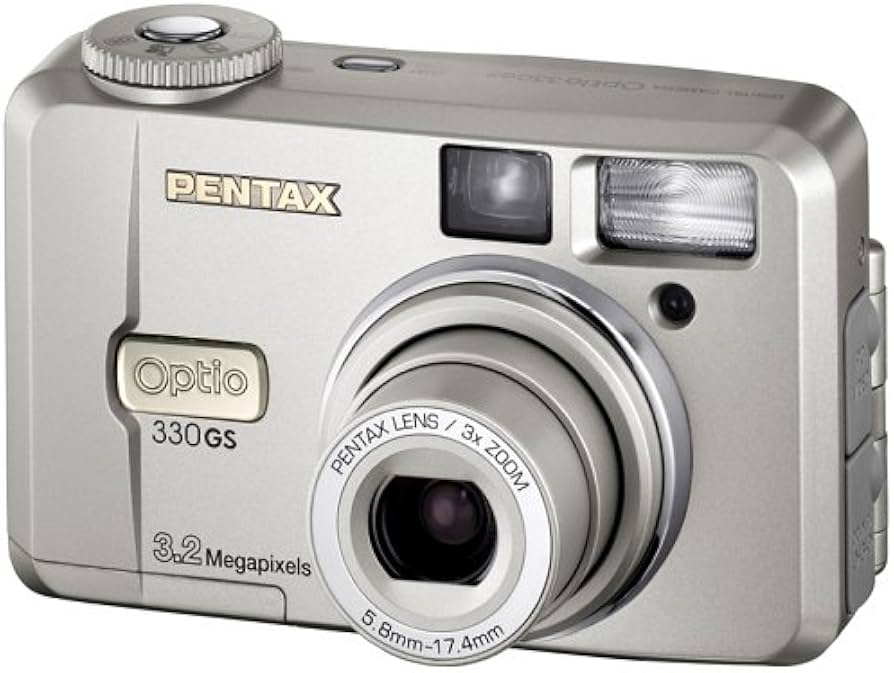
When Pentax launched the Optio 330 in 2001, it quickly stood out as one of the smallest digital cameras offering a 3‑megapixel sensor and 3× optical zoom — a real feat for its time. Its durable stainless‑steel body and pocket‑friendly dimensions made it a favorite among travellers and casual photographers, setting a standard for the compact camera boom that followed. Unlike today’s slab‑like smart devices, the Optio 330 invites a tactile experience: you hold it like a tool built for photography, not just a screen to swipe. That sensibility resonates with current gadget enthusiasts who are seeking alternatives to disposable tech and who appreciate devices crafted with longevity in mind.

What It Does Well

Under the hood, the Optio 330 marries simplicity and creative flexibility. Its CCD sensor captures images at a resolution up to 2048×1536, giving you crisp and vibrant shots appropriate for everyday memories or artistic experimentation. Manual and automatic focus options, alongside modes like Night Scene and multi‑exposure, encourage learning real photographic technique — an appealing contrast to the algorithm‑driven auto everything on today’s flagship phones. The built-in 3× optical zoom lens offers a versatile range for snapshots, portraits and street scenes alike, while the option to frame shots through a small optical viewfinder adds to the analog charm many digital minimalists now crave. Photography forums and online collectors often praise this thoughtful blend of features and physical design, noting that the Optio 330 remains a compelling gateway into vintage digital photography.

The Battery Conversation in Today’s Tech Climate

As tech culture increasingly discusses portable device battery health tips, the Optio 330’s use of a rechargeable lithium‑ion battery pack feels surprisingly modern. While classic by today’s standards, its battery demands prompt users to think about long-term power usage rather than quick charge cycles. This aligns with broader interests in energy consciousness, such as how to prolong device battery life in compact cameras, which resonates with current mainstream tech advice. Vintage camera owners often talk about sourcing compatible batteries or conserving power by adjusting LCD usage — habits that mirror contemporary discussions on efficient energy use in everyday gadgets.

More Than Just Nostalgia

What makes the Pentax Optio 330 more than a retro curiosity is its ability to connect with contemporary values in tech trends: thoughtful design, user-driven creativity, and mindful energy use. Its compact footprint and straightforward interface encourage users to slow down and engage with their environment — a refreshing change from today’s rapid-fire digital capture cycles. For many enthusiasts across online communities, the Optio 330 represents a tangible link to the roots of digital imaging and serves as an educational tool for photographers who want to understand exposure, framing and light without relying on automation alone. Combined with a growing interest in eco-conscious camera accessories and replacement batteries, this device offers insight — and inspiration — to anyone curious about the intersection of past tech and future-aware trends.

Underwater Photography Tips for Snorkeling and Surfing Enthusiasts

Sleek Design Built for the Outdoors

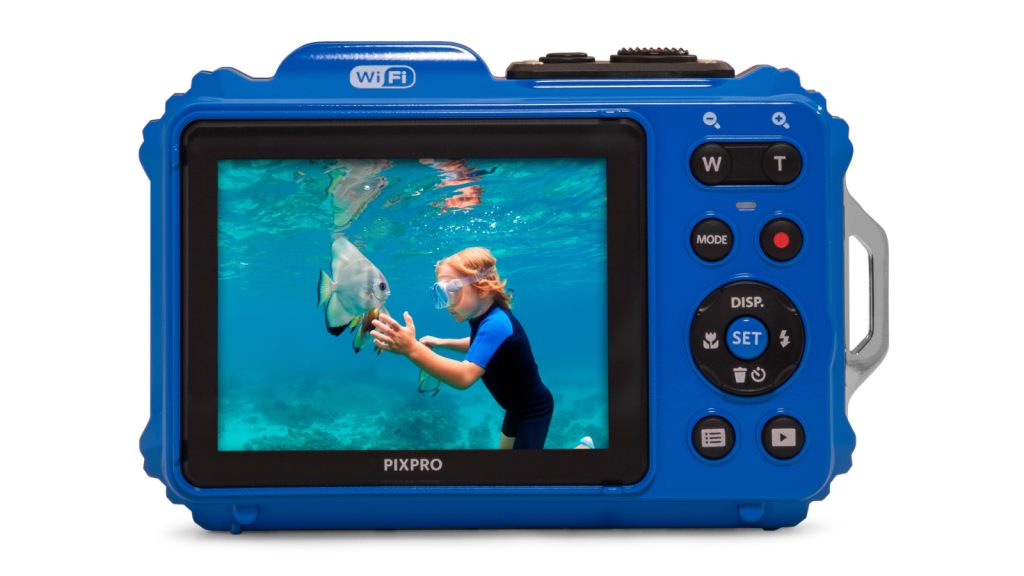
The KODAK PIXPRO WPZ2 stands out with its compact and rugged design, perfect for adventurers and casual photographers alike. Its durable exterior is waterproof, shockproof, and freezeproof, making it ideal for extreme outdoor conditions. The bright, high-resolution display ensures you can frame your shots clearly even under strong sunlight. With its lightweight body, it easily fits into any backpack, making it a favorite among those who love capturing nature and travel moments without carrying bulky equipment. In the current trend of wearable and portable devices, cameras like the WPZ2 are gaining attention as consumers increasingly prefer lightweight gear that doesn’t compromise on durability.

Advanced Imaging and Performance

Equipped with a high-quality sensor and powerful image processor, the WPZ2 delivers crisp, vibrant photos and smooth video capture. Its 16-megapixel resolution, combined with optical image stabilization, ensures every shot remains sharp even in dynamic or low-light conditions. Continuous shooting modes and time-lapse features allow photographers to explore creative angles, capturing both stills and motion seamlessly. With the growing interest in content creation in New Zealand’s tech landscape, compact cameras like this are becoming essential for influencers and social media enthusiasts looking for reliable gear beyond smartphones. Many users also search for long-lasting camera battery options for extended outdoor shooting, highlighting the importance of endurance in adventure photography.

Intelligent Features for Smart Photography

The PIXPRO WPZ2 includes smart shooting modes such as face detection, scene optimization, and automatic HDR processing. Its connectivity options allow quick sharing to compatible devices via Wi-Fi, keeping up with the increasing demand for instant photo sharing among tech-savvy users. The camera also supports underwater photography, giving users a creative edge in documenting activities like snorkeling and surfing. In the context of New Zealand’s active lifestyle trends, features like these cater perfectly to water sports enthusiasts and hikers. Additionally, many buyers consider easy battery replacement solutions to maintain uninterrupted shooting during long trips, emphasizing convenience alongside performance.

Highlights That Make It Stand Out

One of the main attractions of the WPZ2 is its all-weather versatility combined with smart functionality. Its robust build, user-friendly interface, and powerful imaging capabilities make it ideal for capturing adventures without worrying about environmental challenges. Another trending feature is its ability to integrate with smartphone apps, allowing for remote shooting and instant edits—a functionality that aligns with the rising popularity of hybrid photography workflows. Consumers frequently search for affordable high-capacity batteries for cameras, reflecting the growing interest in maximizing shooting time while maintaining portability.

In conclusion, the KODAK PIXPRO WPZ2 merges durability, advanced performance, and intelligent features into a single compact package. Whether you’re hiking in remote valleys, exploring beaches, or capturing cityscapes, it is a camera designed to keep up with modern lifestyle trends, offering both convenience and creative potential. For enthusiasts and casual photographers alike, investing in the WPZ2 means embracing both adventure and technology in a portable, reliable device.

How to Use Leica C-LUX1 Smart Features to Quickly Share Stunning Photos

Elegant Design Meets Practicality

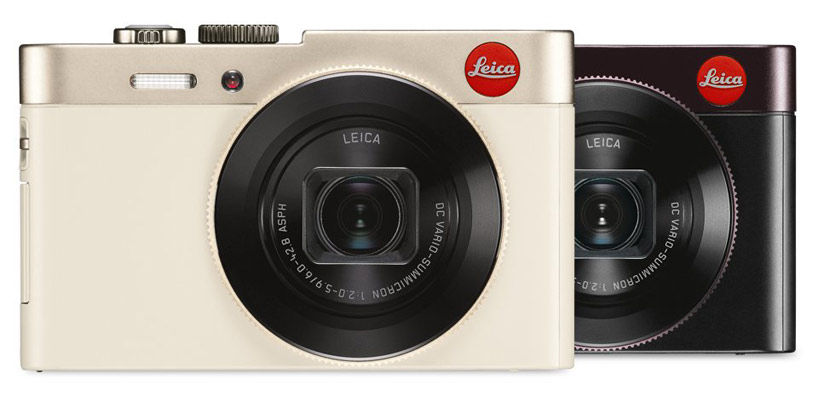
The Leica C-LUX1 immediately stands out with its compact yet stylish design, featuring a matte finish and ergonomic grip that makes it comfortable for extended use. Its sleek lines and lightweight body appeal to both casual users and photography enthusiasts who value portability without sacrificing premium feel. In today’s trend-driven market, where minimalism in tech gadgets is highly appreciated, the C-LUX1 perfectly aligns with the preference for devices that combine aesthetics with functionality.

Performance That Captures Every Moment

Equipped with a high-resolution sensor and versatile zoom lens, the C-LUX1 excels at capturing detailed images in a variety of lighting conditions. Its fast autofocus and image stabilization ensure sharp shots whether you’re photographing bustling city streets or scenic landscapes. Recent discussions in tech forums highlight how cameras like the C-LUX1 are increasingly favored by content creators who need a dependable tool for both still photography and quick social media-ready shots. Many users also appreciate that the camera allows them to extend camera usage time for travel photography, making it ideal for long outings without interruptions.

Intelligent Features for Modern Users

Beyond its physical design and optics, the Leica C-LUX1 integrates several intelligent features. Built-in Wi-Fi allows seamless image sharing, while intuitive touchscreen controls simplify navigation through menus and settings. Outdoor photographers find it particularly helpful that the camera is designed to maintain energy during extended shoots, allowing for longer sessions without the worry of running out of power. This makes the C-LUX1 an excellent companion for weekend adventures or urban explorations where access to charging might be limited.

Highlights That Make It Stand Out

One of the most appealing aspects of the C-LUX1 is its versatility. It handles low-light conditions impressively and supports 4K video recording, making it ideal for vlogging and multimedia projects. As more photographers explore remote locations or busy cityscapes, having a camera that supports long periods of use becomes crucial. Many enthusiasts are now seeking ways to improve camera battery longevity during extended travel, and the C-LUX1’s efficient power management naturally meets this need. Its compact form means it’s easily carried anywhere, whether exploring scenic landscapes or documenting daily life.

Adapting to the Latest Trends

In New Zealand, tech enthusiasts are showing increased interest in devices that combine traditional quality with smart features. The Leica C-LUX1 fits into this narrative, attracting attention for its ability to deliver professional-level photography in a device that doesn’t compromise on portability. Travelers and lifestyle photographers also appreciate that it supports maintaining camera energy for outdoor shoots, which is especially useful when capturing long daylight sessions or attending local photography events.

The Leica C-LUX1 is more than just a stylish camera; it represents a convergence of sleek design, powerful performance, and smart features tailored for modern photography trends. Whether capturing urban landscapes, documenting adventures, or creating multimedia content, the C-LUX1 ensures users can rely on a device that combines quality with convenience. With its ability to extend usage time for travel photography and maintain energy during long outdoor shoots, it stands out as an ideal choice for enthusiasts looking to stay ahead of photography trends.

Panasonic HM‑TA2: Pocket-Sized Camcorder for Creative Content on the Go

Sleek Design and Portability

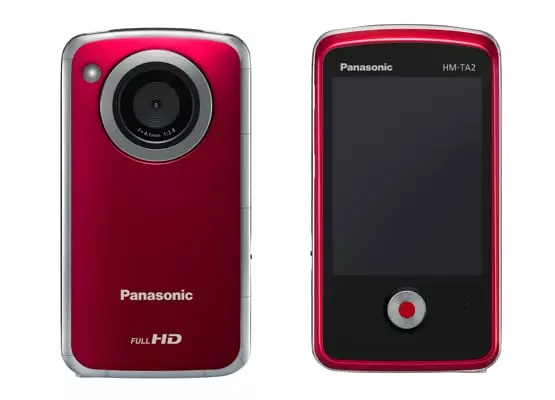
The Panasonic HM‑TA2 is a compact high-definition camcorder finished in clean white and weighing just 144 grams. Its slim profile makes it easy to slip into a pocket or small bag, perfect for travel, family gatherings, or spontaneous creative filming. The 3-inch LCD screen is clear and responsive, allowing precise framing and playback while keeping the device lightweight and convenient to carry. Its elegant and minimal design appeals to users who want functionality without bulk.

Core Performance and Features

Equipped with a 1/4.1-inch MOS sensor delivering around 5.33 megapixels, the HM‑TA2 records video at 1080p Full HD as well as 720p and 480p. Digital zoom allows users to get closer to distant subjects when needed. Still images reach up to 3,264 by 2,448 pixels, offering impressive clarity for casual photography. A key feature of this model is its Electronic Image Stabilization, which helps maintain steady video even when shooting handheld, enhancing overall footage quality for everyday use.

Smart Connectivity and Power

The camcorder supports SD, SDHC, and SDXC memory cards, providing flexible storage for extended shoots. Its rechargeable lithium-ion battery can be powered via USB, allowing users to charge it from a power bank or computer while on the go. Early Wi-Fi and NFC functionality let users control the camcorder remotely and transfer footage to their smartphones, integrating simple smart features into a straightforward device without complicating its portability.

Highlights and Practical Value

The HM‑TA2 shines in its balance of portability and usability. Its lightweight design makes it ideal for travelers, parents, or creators who need a secondary camera for everyday recording. The ability to use it as a webcam adds versatility for online content or remote work, while the low power consumption and efficient design make it suitable for New Zealand users who prioritize safety and convenience. The camcorder’s long-lasting form factor also aligns with growing awareness around e-waste and sustainable electronics, making it a responsible choice for environmentally conscious users.

Context in New Zealand’s Tech Scene

As New Zealanders pay more attention to device longevity and safety, products like the HM‑TA2 stand out. Concerns about safe lithium-ion battery use have made devices with modest battery requirements and safe USB charging particularly attractive. In addition, ongoing discussions around right-to-repair options in New Zealand make the HM‑TA2 appealing to those who want maintainable and durable technology. Its compact and efficient design demonstrates a thoughtful approach to meeting everyday needs while respecting sustainability trends.

The Panasonic HM‑TA2 offers a smart mix of portability, performance, and practicality. It is ideal for capturing everyday moments, travel memories, or supporting creative projects. With its low energy use, compact size, and versatile features, it suits the Kiwi lifestyle, blending efficiency, reliability, and environmental awareness. For users who value simplicity and functionality, the HM‑TA2 remains a standout choice in New Zealand’s camcorder market.

Unlocking the Secrets of Sony Camera Batteries: Longevity and Performance

Understanding the Sony Camera Battery NP-FW50

The Sony camera battery NP-FW50 has become a popular choice for many photography enthusiasts, powering a wide range of Sony mirrorless cameras. Known for its compact size and relatively reliable performance, this battery allows photographers to carry a lightweight power source without compromising on shooting time. However, understanding how to maximize its lifespan and manage its limitations is key to getting the most out of your equipment.

How Long Does a Sony Camera Battery Last?

Many users often wonder, “How long does a Sony camera, battery last?” The answer depends on multiple factors, including camera model, usage patterns, and the type of shooting you engage in. Under normal conditions, a fully charged NP-FW50 can provide anywhere from 300 to 400 shots per charge. Continuous use of LCD screens, video recording, or high-power features like Wi-Fi can reduce this number significantly. It’s also important to note that battery performance tends to decrease over time due to natural chemical wear.

Compatibility: Do All Sony Cameras Use the Same Battery?

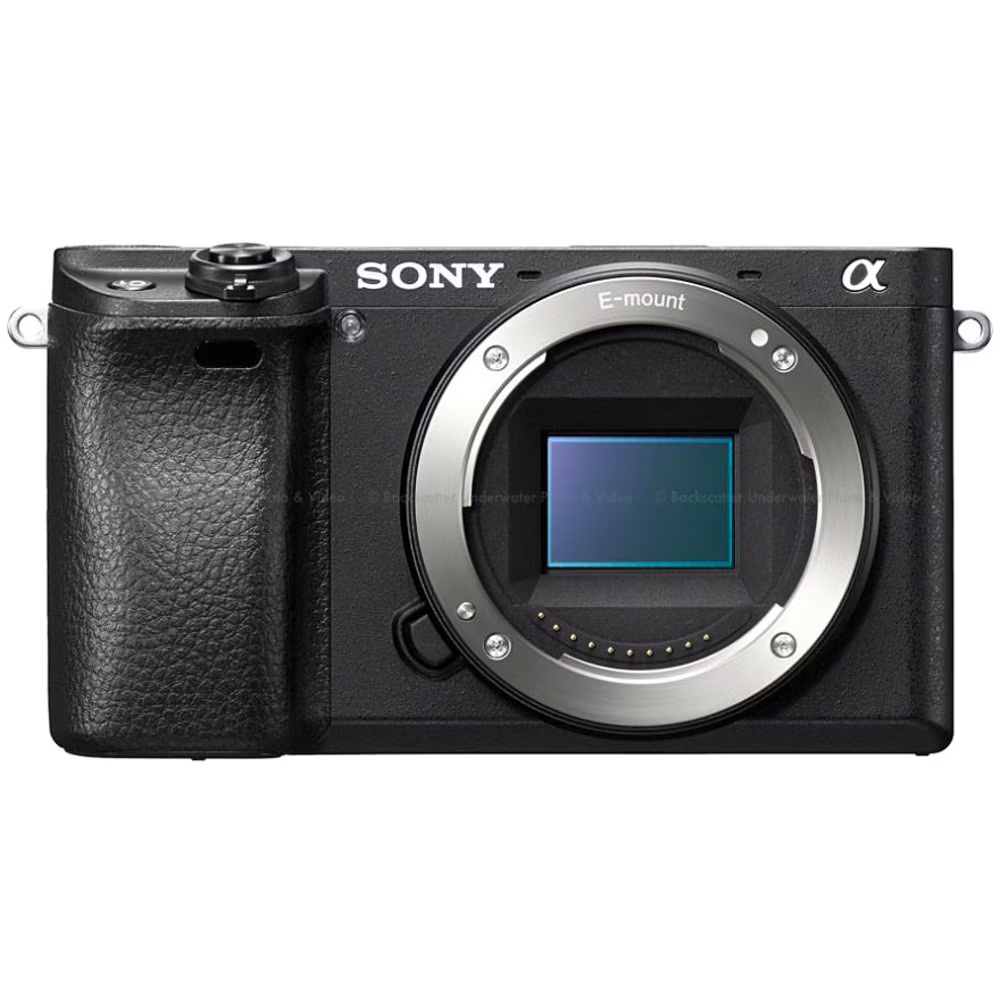
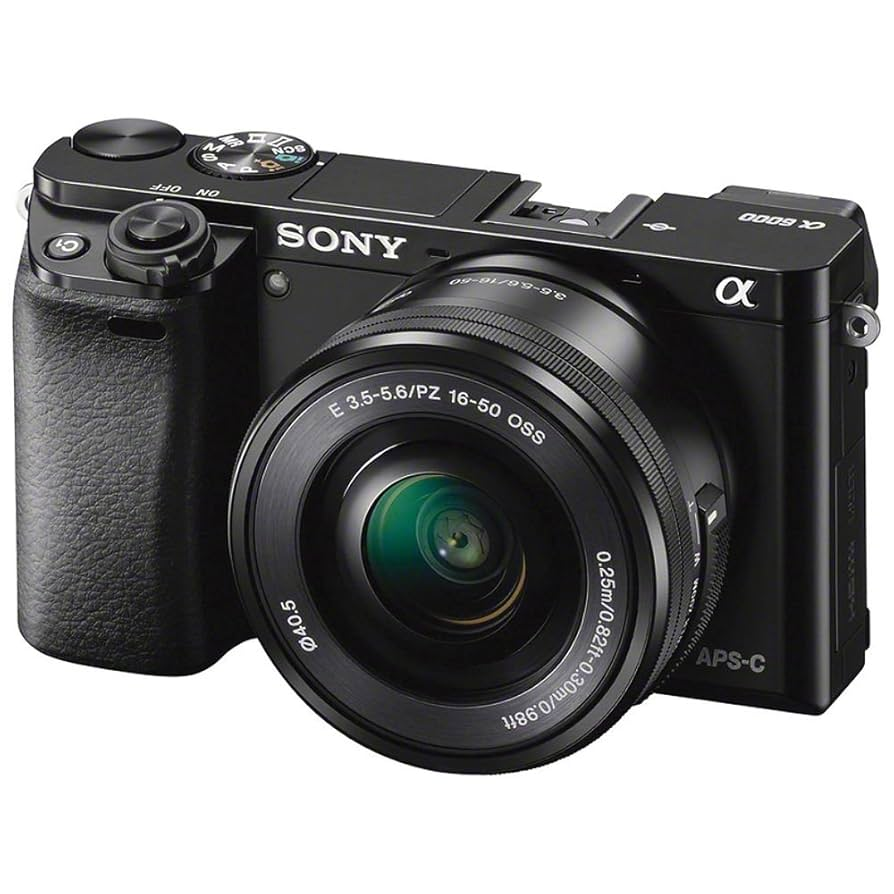
A common question is, “Do all Sony cameras use the same battery?” The answer is no. While the NP-FW50 is compatible with many older Sony mirrorless models such as the α6000 series and NEX cameras, newer models often require different batteries like the NP-FZ100. Therefore, it’s crucial to verify your camera’s battery type before purchasing or replacing, as using the wrong battery could lead to performance issues or even damage.

How Many Years Should a Camera Battery Last?

Photographers often ask, “How many years should a camera, battery last?” On average, a well-maintained lithium-ion battery like the NP-FW50 can last 2 to 3 years, or roughly 300 to 500 full charge cycles. Proper care—such as avoiding full discharges, not storing the battery in extreme temperatures, and charging only when necessary—can extend this lifespan. Conversely, neglecting these practices can lead to a faster decline in battery performance.

Why Is My Sony Camera Battery Dying So Fast?

Another frequent concern is, “Why is my Sony camera, battery dying so fast?” Rapid battery drain can result from multiple factors. Using power-intensive features, leaving the camera on for extended periods, or operating in cold conditions can significantly shorten battery life per charge. Additionally, after many charge cycles, the chemical composition inside the battery naturally degrades, reducing its capacity. Monitoring usage habits and considering battery replacements when capacity drops is essential for maintaining reliable performance.

Tips to Maximize Battery Life

To get the most out of your Sony camera battery NP-FW50, simple practices can help. Reducing the use of live view and Wi-Fi features, lowering LCD brightness, and turning off the camera when not in use can conserve energy. For long trips, carrying a spare battery is always a smart strategy. Regularly checking the battery’s health and avoiding leaving it completely discharged for long periods will also help extend its usable life.

Conclusion

Understanding the intricacies of your Sony camera battery NP-FW50 is vital for any photographer. Knowing how long a Sony camera, battery lasts, which cameras it is compatible with, how many years a camera, battery should last, and why it might die quickly, can make a huge difference in your shooting experience. With proper care and smart usage, you can enjoy longer shooting sessions and maintain reliable performance for years to come.

If you want to ensure uninterrupted photography sessions, consider investing in additional NP-FW50 batteries or compatible alternatives to avoid sudden power shortages during crucial moments.

Powering Your Photography: A Complete Guide to Camera Batteries and Chargers

The Importance of a Reliable Camera Battery

A camera battery is the heart of any digital camera, powering every shot and ensuring you don’t miss important moments. Without a dependable battery, even the best camera becomes useless. Photographers, whether professional or casual, must understand how to manage and maintain their batteries to maximize performance and shooting time. Different cameras use different battery types, which makes choosing the right one crucial.

Choosing the Right Camera Battery Charger

Alongside the battery, a camera battery charger plays an equally important role. Without it, your battery cannot be recharged for continued use. Some chargers are compact and portable, ideal for travel, while others offer dual charging slots to power two batteries at once. Having a reliable camera battery charger ensures your gear is always ready, and investing in an additional charger can provide peace of mind during long shoots or vacations.

Canon Camera Battery and Charger Essentials

When it comes to photography equipment, a Canon camera battery is widely recognized for its endurance and compatibility with many Canon DSLR and mirrorless models. To keep these batteries in top condition, using a matching Canon camera battery charger is essential. These chargers are specifically designed to maximize the charging efficiency and safety of Canon batteries. For photographers who rely on Canon gear, carrying a spare Canon camera battery and a reliable charger is the best way to avoid interruptions while capturing images.

The Convenience of a Ring Camera Battery

For home security enthusiasts, the Ring camera battery is an essential component that powers video doorbells and security cameras. Unlike traditional camera batteries used in photography, these are designed for long standby times and quick swapping when needed. Since home security depends on uninterrupted performance, keeping a charged Ring camera battery on hand ensures continuous protection without gaps in video monitoring.

Sony Camera Battery for Professional and Everyday Use

Sony is another leader in the camera industry, and a Sony camera battery is known for powering both compact cameras and professional mirrorless systems. Photographers who use Sony equipment often carry multiple spare batteries due to the power demands of high-resolution video recording and continuous shooting. Pairing these with a compatible charger guarantees that the batteries remain ready for demanding sessions.

Extending Battery Life and Practical Tips

Beyond brand-specific batteries, there are general practices to extend the life of any camera battery. Avoid exposing batteries to extreme heat or cold, as this can reduce their lifespan. Regularly charging and discharging helps maintain performance, and storing unused batteries at around half charge keeps them in good condition. For heavy users, carrying both spare batteries and an extra camera battery charger is a simple way to stay prepared.

Final Thoughts

From the Canon camera battery to the Sony camera battery, and from the Ring camera battery to the essential camera battery charger, power management is at the core of reliable performance. Whether for professional photography or home security, having the right battery and charger setup ensures your devices never fail you at critical moments. Keeping spare batteries and an efficient charging routine is the key to uninterrupted shooting and monitoring.