We are specialists in quality batteries. We have batteries, chargers and accessories for everything you can think of. Low prices, big inventory, expert advice. Find your battery here!
You’ll find the same functionality in its new Windows app.
Microsoft
TheRemote Desktop appfor Windows is (almost) dead; long live the Windows app. Microsoftsaidon Monday that its legacy Remote Desktop client, which has already been replaced on other platforms, will no longer be supported on Windows after May 27, 2025. But you aren’t losing any functionality here. You can still do tech support for your parents using built-in Windows functionality or the modern Windows app, which is somehow both the simplest and most confusing naming convention Microsoft’s marketing team could have mustered.
“Starting May 27, 2025, the Remote Desktop app for Windows from the Microsoft Store will no longer be supported or available for download and installation,” Microsoft’s Hilary Braun wrote on its Windows IT Pro Blog. “Users must transition to Windows App to ensure continued access to Windows 365, Azure Virtual Desktop and Microsoft Dev Box.”
The company says connections to Windows 365, Azure Virtual Desktop and Microsoft Dev Box via the Remote Desktop app from the Microsoft Store will be blocked in the Remote Desktop app on the app’s expiration date of May 27. For all other users, it will continue working but will no longer be supported.
Increasing the confusion, Windows has a built-in Remote Desktop Connection app that will remain the only way to use Remote Desktop Protocol (RDP) connections after May 27. But Microsoft will eventually incorporate that into the Windows app.
Microsoftwarnedthat it would eventually replace the Remote Desktop with the Windows app when the operating system’s namesake applaunchedlast fall. The new app even arrived as an update to the Remote Desktop client on Apple’s App Store.
As for the, uh,interestinglynamed Windows app, the company likely chose that branding because itwantsto move Windows increasingly to the cloud. Its Windows 365 service, introduced in 2021, even lets youstream a virtual version of the OS from any device. So, calling the unified app used to access cloud and remote PCs “Windows app” seems maybeslightlyless bizarre from that angle.
Still, a Redditthreadfrom the Windows app’s September launch held some entertaining reactions from the company’s fans. “Microsoft needs to collect all the staff responsible for naming or renaming their products in the past 15 years and shoot them into the sun,” u/AlignedHurdle posted. Meanwhile, u/Shoddy_Eye7866 seized an opportunity to use the Xzibit meme: “Yo dawg, I heard you like Windows, so I took Windows App and put in your Windows so you can Windows while you Windows.”
Microsoft is preparing changes to its laptop battery charge indicators, which should be coming to future versions of Windows 11 in the coming months.
The updates are set to make clear distinctions between the different battery states, such as an unplugged battery, a charging battery, or a battery with an unknown status. While all Windows 11 users are scheduled to get the new battery-level icons, Windows 11 Insiders are set to get first dibs. According to Windows Latest, Microsoft previewed the battery icons to pre-release users in a video conference in early March. This conference revealed the icon images but did not give much further information about the coming design changes, such as a release timeline.
Many pundits note that the icons now resemble the battery charge indicators on mobile devices, with some considering they favor iOS products, and others thinking they resemble Android devices. Each battery design designates a specific battery state. Where the older icons are mono-color, some of the new ones are color-coded in accordance with the state of the battery, such as disconnected, charging, or low battery. The new icon is also longer and more slender. The battery itself will also be styled in accordance with the Windows theme. If Windows 11 is set in a dark theme the battery will be black, if in a light theme, the battery will be white.
Slow charging (an error symbol with a solid color fill)
Low battery level (a narrow red bar when between 1% and 5%)
Battery unknown (a cross symbol indicating there’s no battery)
Windows Latest noted the update was set to be available to the public last month but was postponed because of an unforeseen bug. News of this update has been circulating since at least January when leakers found the feature hidden in a Windows 11 developer build. Enthusiasts are sure to be excited once it is finally available.
In today’s fast-paced business world, selecting the right operating system is essential for productivity and efficiency. This article will provide an overview comparison between Windows 11 and macOS. We will examine their strengths and weaknesses across various business-related aspects, including software compatibility, user interface, security, and hardware ecosystem.
By analyzing these factors, we aim to offer valuable insights to help businesses make informed decisions when choosing the most suitableoperating systemfor their needs in 2025.
Windows 11 vs macOS for business: features
Even though Windows 11 and macOS are operating systems with certain advantages for businesses, they have distinct features that appeal to different tastes and requirements. This is because Windows 11 has a wide range of software compatibility, which means it can run many applications, including older systems that some organizations still use. This flexibility in hardware makes it easier to personalize and find cheaper alternatives. The interface is not new and offers a lot of settings that allow the user to change the layout of their desktop to suit their work needs. Such flexibility could result in confusion and increase security threat risks
On the other hand, macOS offers a more simplified and easy-to-use interface with an emphasis on aesthetics. It also provides a comprehensive solution for continuity across devices within the Apple ecosystem to enhance productivity for businesses already using Apple products. Also, macOS is famous for its security and stability, which helps prevent data breaches and downtime. However, the hardware choices are limited and are generally costly, and though the software compatibility is increasing, it may still be a problem for some organizations. Therefore, the choice between Windows 11 and macOS will depend on the business needs and priorities, including the software needs, the budget, and the current technology architecture.
When selecting hardware for your operating system, it’s crucial to consider the specific needs of your tasks and applications.
For small to medium-sized businesses, hardware specifications should account for the following factors:
Chipsets and processors: The CPU type and power affect how efficiently systems multitask and run intensive applications.
RAM: Sufficient RAM is vital for maintaining system performance, as limited memory can lead to slowdowns.
Storage solutions: SSDs (Solid State Drives) offer faster startup times and better responsiveness than HDDs (Hard Disk Drives), providing more storage at lower prices. A common approach is SSDs for operating systems and applications, while HDDs are for data storage.
GPUs: Dedicated GPU investments are necessary for high performance in gaming and design applications, offloading tasks from the CPU.
Networking equipment: Routers and switches are essential for remote work setups, ensuring reliable connectivity and sufficient bandwidth.
Scalability: Choose systems with upgradeable features like additional RAM slots to accommodate future growth and extend system lifespans.
Server considerations: Attention to security, redundancy, and load balancing for on-site and cloud-hosted servers.
Finally, when choosing between Windows 11 and macOS, you should focus on hardware compatibility with your applications. Thorough research will help you make the right choice for your needs.
There are numerous ways to purchase support fromMicrosoftfor Windows and Apple for macOS. Various factors affect the price, but in general terms, you can assume the following:
Macs tend to have a higher upfront cost than PCs. However, they may have a lower total cost of ownership (TCO) over time due to their longer lifespan and lower maintenance costs.
Meanwhile, PCs are generally more compatible with business software than Macs. However, most popular business software is now available for both platforms.
Microsoft offers a wider range of support options for businesses, including phone, email, and online support. Apple also offers support options, but they may be more limited.
Macs are generally considered to be more secure than PCs due to Apple’s focus on hardware and software design. However, both platforms have security features built in.
PCs offer more customization options than Macs. This can be an advantage for businesses that need to tailor their computers to specific needs.
Finally, Macs generally require less maintenance than PCs. This can save businesses time and money.
Overall, the best platform for your business will depend on your specific needs and budget. PCs may be a better choice if you are looking for the most affordable option. If you are looking for the most secure and reliable option, Macs may be a better choice.
When it comes to pricing for Windows 11 and macOS in a business context, there are some key differences to consider:
Windows 11
Licensing: Microsoft offers variouslicensing optionsfor businesses, including volume licensing, which can be more cost-effective for larger organizations.
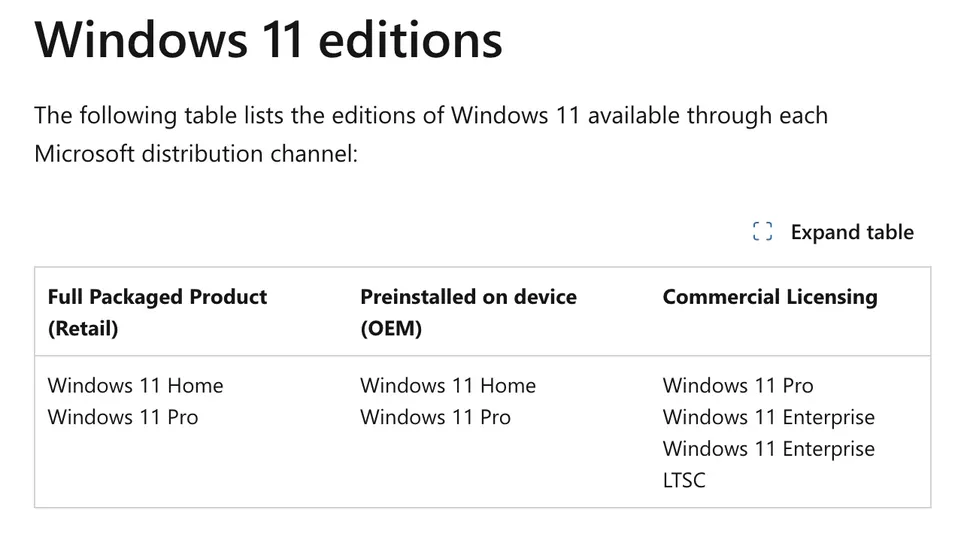
Editions: Different editions of Windows 11 cater to different business needs, with varying features and costs. For example, Windows 11 Pro is a common choice for businesses due to its advanced security and management features.
Hardware: Windows 11 is typically bundled with a wide range of hardware options from various manufacturers, offering flexibility in terms of budget and specifications.
macOS
Bundled with hardware: macOS is exclusively tied to Apple’s hardware, meaning you purchase the operating system when you buy a Mac.
No separate licensing: There are no separate licensing costs for macOS itself, which can simplify budgeting.
Hardware costs: Macs tend to have a higher upfront cost compared to Windows PCs, which can be a significant factor for businesses with tight budgets.
Ultimately, the best choice for your business will depend on your specific needs and budget. If you prioritize flexibility and affordability, Windows 11 might be a better fit. If you prefer a streamlined experience and are willing to invest in Apple’s ecosystem, macOS could be the right choice.
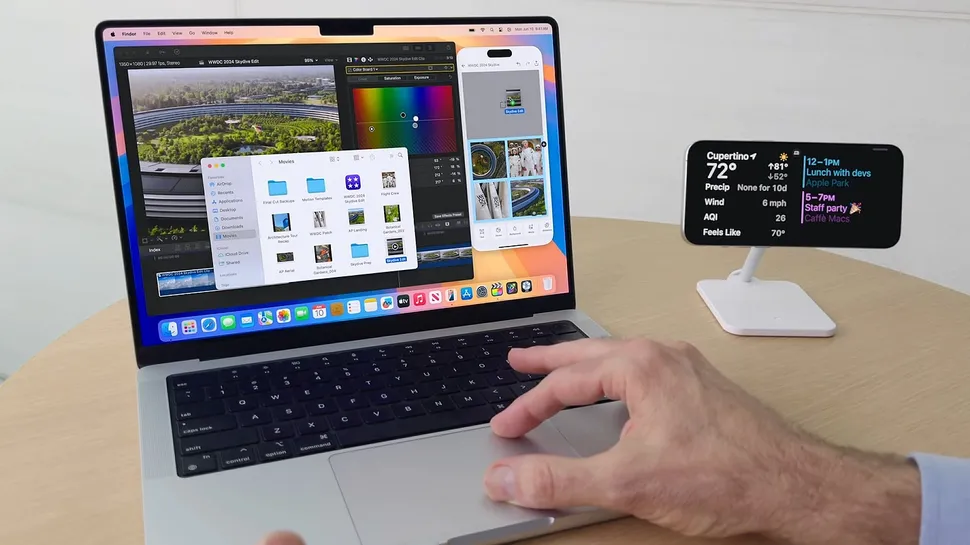
(Image credit: Apple)
Windows 11 vs macOS for business: verdict
Choosing between Windows and macOS for business requires careful consideration of their distinct advantages and disadvantages.
Windows offers a wider range of hardware options at various price points, making it more budget-friendly. It also boasts extensive software compatibility, which is crucial for businesses using specialized applications. The variety and customizability of Windows hardware provide flexibility, and its strong support for gaming can be beneficial for certain industries. However, Windows has historically been more susceptible to security vulnerabilities, and performance issues can arise due to the diverse hardware configurations, sometimes leading to complicated troubleshooting.
On the other hand, macOS is known for its user-friendly interface, reliability, and robust security features, making it less prone to malware attacks. Its seamless integration within the Apple ecosystem and its popularity among creative professionals are significant advantages. The downsides include the higher cost of Apple products, limited hardware options, and a smaller software library compared to Windows, which can potentially result in compatibility issues. Additionally, macOS offers less customization, and repairs can be more complex and expensive.
Ultimately, the best choice depends on a business’s specific needs, budget, software requirements, technical expertise, and user preferences.
In January, an update halved the Google Pixel 4a’s battery capacity, affecting devices fitted with a battery from one of two suppliers. An Australian consumer protection agency has finally revealed the reason behind Google’s decision to roll out this update.
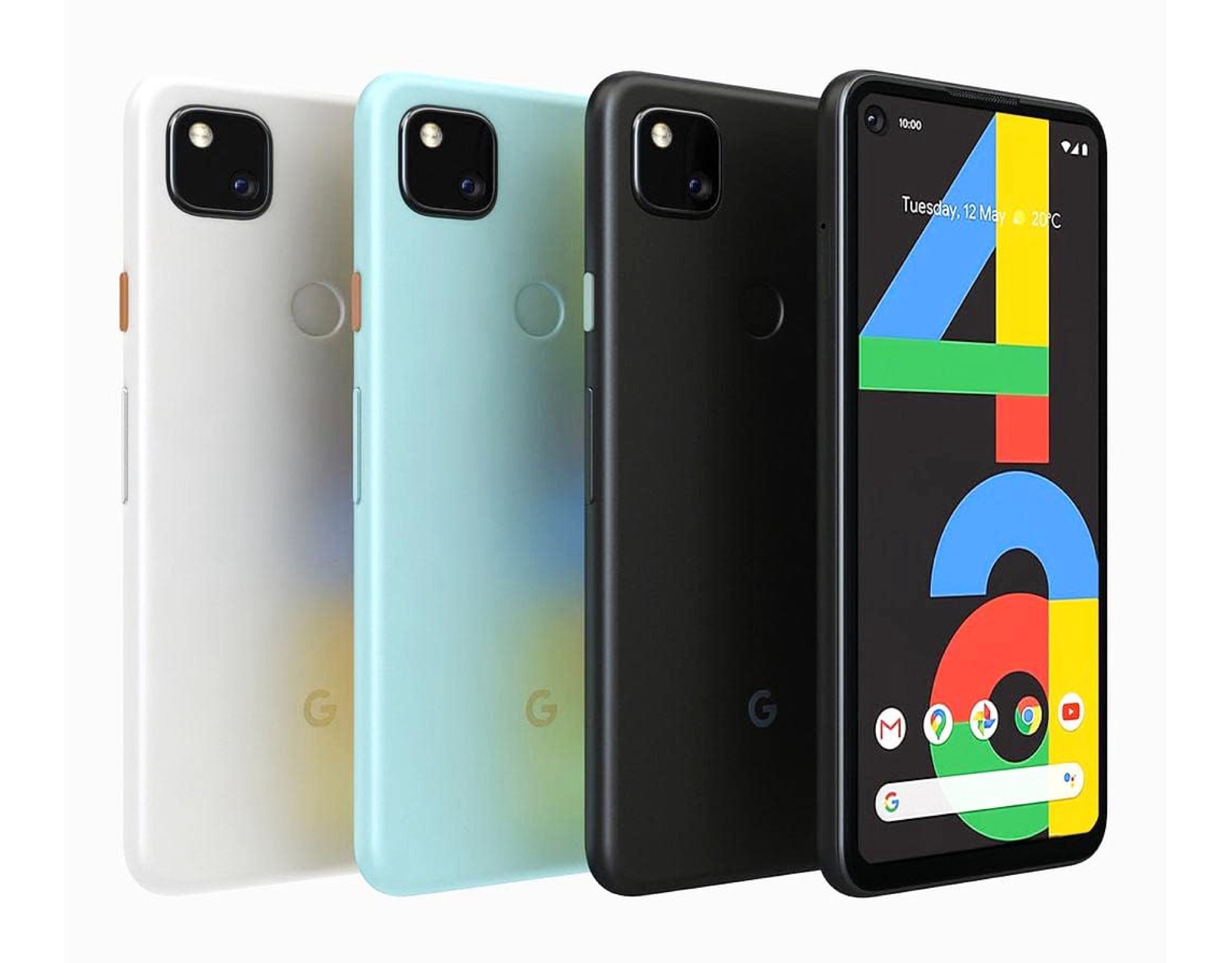
The battery in the Google Pixel 4a is allegedly prone to overheating, causing Google to limit the battery capacity. (Image source: Google)
Back in January, Google released an “update from hell” for the Pixel 4a that reduced its battery voltage from 4.44 V to 3.95 V, effectively cutting its capacity from 3,080 mAh to 1,539 mAh. As a result, the battery life of the 2020 mid-range phone dropped by a whopping 50%. Notably, the update was only rolled out to Pixel 4a devices with a Lishen battery, not those with a battery made by Amperex (ATL).
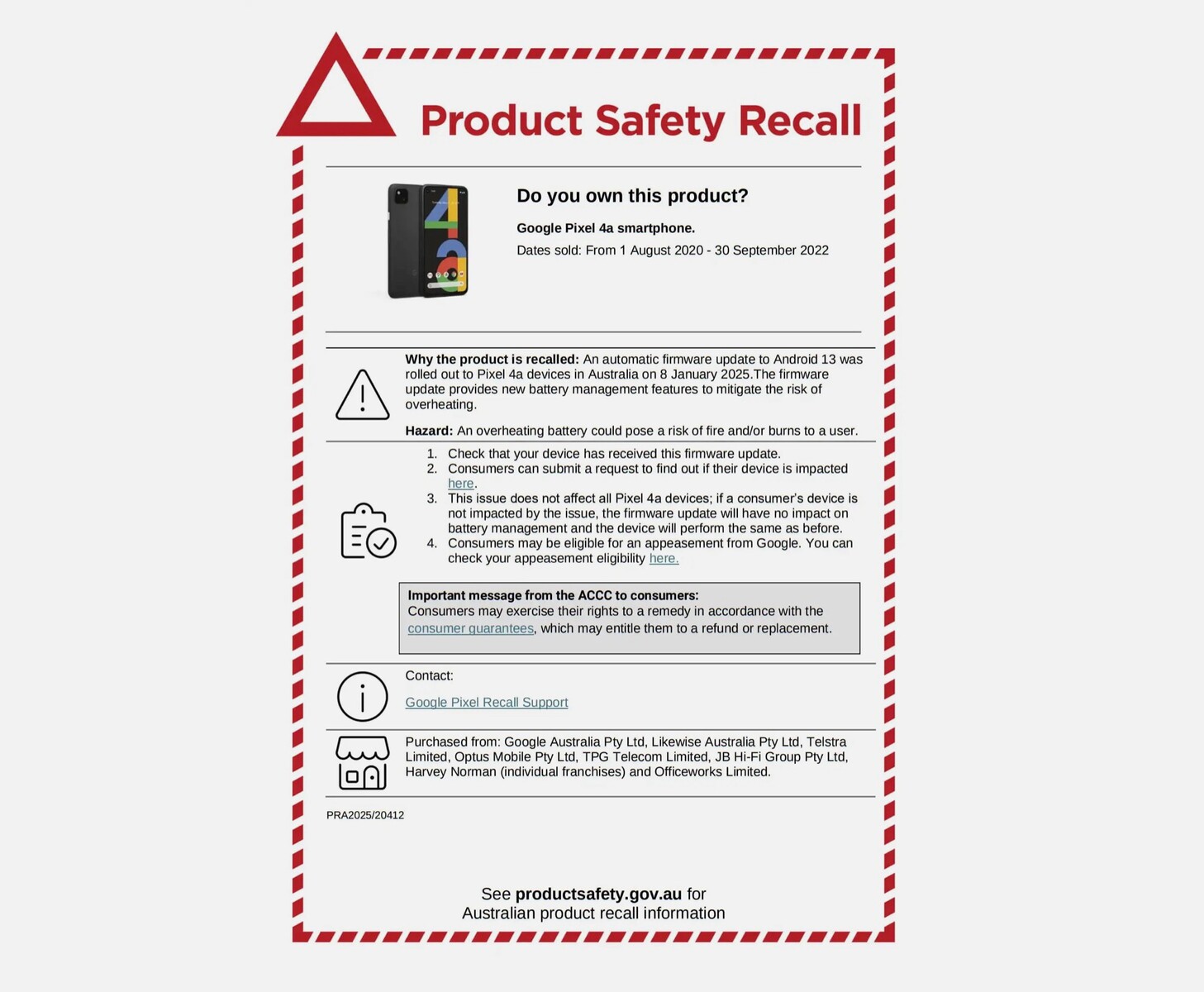
This action suggested that Google had discovered an issue with those specific batteries. The product safety department at theAustralian Competition & Consumer Commission (ACCC)has now finally released details related to the update, which Google evidently was required to provide as part of a product recall. According to the information, the Pixel 4a’s battery is prone to overheating and thus could pose a fire risk. The firmware update is intended to significantly reduce the battery’s performance and the risk of a battery fire.
Consequently, the Australian consumer protection agency recommends that all Pixel 4a users install the update. Google offers affected users variouscompensation options, ranging from a free battery replacement to a $50 cash payment. You can visitGoogle’s websiteto check if your Pixel 4a is affected and eligible for compensation.
Budget phones can’t shake their notorious reputation of having poor cameras. I know this very well because the majority of them falter at when it comes to capturing images in low light. However, in my experience, that’s not the case with theNothing Phone3a Pro andGooglePixel 8a.
Everyone knows that I’m a fan of thebest cheap phonesaround because of how they cost a fraction of the price. In myNothing Phone 3a Pro review, I call out how it’s super rare to find a triple camera system in a phone for under $500 — and one with a dedicated telephoto lens at that. Of course, in myPixel 8a review, I also noted how AI features can make a big difference in adding value to a camera phone.
That’s why I’m seeking out which is the worthierbest camera phonecontender with my 200 photo shootout between the Nothing Phone 3a Pro and Pixel 8a. By snapping the same set of photos, inspecting the images side-by-side on a monitor, and then grading them in the 10 categories below, we can see which device truly offers the best photos for a low price.
I’m astounded by what you get with the Nothing Phone 3a Pro, which features a 50MP main snapper, 8MP ultrawide, 50MP telephoto with 3x optical zoom, and a 50MP selfie camera. In contrast, the Pixel 8a sports a dual-camera setup that pairs a 64MP main camera with a 13MP ultrawide — and a 13MP selfie around the front.
Don’t let those specs get to your head just yet — they’re never indicative of their real-world performance.
I’ll tell you this about the main cameras on both the Nothing Phone 3a Pro and the Pixel 8a: they’re nearly flagship caliber, so you can count on them to reliably capture a scene. I looked through all the snapshots above and there’s not one that has an overpowering performance, but the Pixel 8a has enough strong characteristics to win me over.
When I look at the first shot of the wooden sign, I like the stronger contrast of the Nothing Phone 3a Pro — but the Pixel 8a draws out a tiny bit more detail in the sign.
I see that, too, with the second image of the tree next to the house. Zoom into the branches and you’ll see how the Pixel 8a catches a little more definition, while also boosting the shadows.
Winner:Pixel 8a
Nothing Phone 3a Pro vs Pixel 8a: Ultrawide
Both ultrawide cameras have the same 120-degree field of view, so they have the same reach from the same exact position. However, the Pixel 8a produces the better results.
Even though both are light with the details, I like how the Pixel 8a applies a bit more sharpening and how it brightens up the photos. I can see it in the dunes in the far background in the first set of ultrawide shots, along with the wooden sign in the second set.
Colors are thankfully not too oversaturated or overpowering as they can be on some other phones. But the Pixel 8a applies just enough to make its shots pop more.
I personally like the more vibrant pinks, reds, and yellows of the Pixel 8a with the shot of the wreath. In contrast, the Nothing Phone 3a Pro looks dull.
In the second set of photos with the flower vines, the slight saturation of the Pixel 8a makes it stand out more.
Winner:Pixel 8a
Nothing Phone 3a Pro vs Pixel 8a: Dynamic range
When it comes to testing out their dynamic range, I purposely chose high-contrast scenes that have strong light that cast shadows over certain parts of the shot. This one’s another close race, with neither the Nothing Phone 3a or Pixel 8a demonstrably outperforming the other.
In the gazebo shots with the townhomes in the background, the Pixel 8a casts the slightly brighter shot, but the rocks in front of the gazebo are slightly better exposed on the Pixel.
However, the Nothing Phone 3a Pro draws the brighter image in the shots with the colorful sign in the middle. In the third set of photos of the beach homes in the background, the shadowed areas of the exterior appear evenly exposed with the two phones.
Winner: Tie
Nothing Phone 3a Pro vs Pixel 8a: Macro
Even though the Nothing Phone 3a Pro includes a dedicated macro mode, it actually relies on the main camera for it rather than the ultrawide. The Pixel 8a doesn’t offer any macro mode, so it clearly can’t match the minimum focal length of its rival.
Overall, I really like the Nothing Phone 3a Pro for close-ups because I’m able to snap photos much closer. The Nothing Phone 3a offers 3x and 6x zoom with macro photos, so it has an inherent advantage.
If you look at the first set of photos of the tree buds starting their bloom, there’s much more detail with the Nothing Phone 3a Pro, like the fuzzy sprouts around the buds.
Winner:Nothing Phone 3a Pro
Nothing Phone 3a Pro vs Pixel 8a: Panorama
Oddly enough, panoramas are a clear strength for the Nothing Phone 3a Pro — so much so that it’s not close. It’s strange because both the Nothing and Google phones utilize their main cameras for panoramas, but given how the Pixel 8a fared better in the daytime, I’m surprised by its lackluster shots here.
What’s most apparent in all the panoramas above is that there’s a lot more detail captured with the Nothing Phone 3a Pro. Just look at the red wooden railing with the first set of shots.
In the second set with the sun directly in front of me, the Nothing Phone 3a Pro has a more consistent exposure throughout the scene.
Winner:Nothing Phone 3a Pro
Nothing Phone 3a Pro vs Pixel 8a: Zoom
Due to how the Nothing Phone 3a packs a dedicated 50MP telephoto camera with 3x optical zoom, it enjoys an advantage with zooming. The Pixel 8a doesn’t have its own telephoto camera, so it leans on the main camera and pixel zooming for everything, with the Super Res Zoom feature cleaning up any distortion from digital zoom.
I shot all the photos above at 3x and 8x zoom to give you an idea of how they differ. The Nothing Phone 3a Pro comes in handy as a result of its optical zoom, which produces the sharper, more legible words in the first set of shots with the parking sign on the street.
In the second set with the wooden sign, the results are very close at 2x zoom, but the Nothing Phone 3a Pro pulls out more definition all around the wooden sign at 8x zoom.
Winner:Nothing Phone 3a Pro
Nothing Phone 3a Pro vs Pixel 8a: Low light
When I compared theNothing Phone 2a vs Pixel 8alast year, Google clearly won the low light category by a wide margin. This time, however, the tides have turned.
Impressively, the Nothing Phone 3a Pro beats out the Pixel 8a in every nighttime shot above. What’s important to note here is that there’s very little ambient light in the scene. With the shot of the tree in my backyard, the Nothing Phone 3a Pro’s performance stands out for its superb contrast and better detail.
In the second batch of photos, the results are no different as the Pixel 8a’s shot of the tree is underexposed and softer. This is a big change from last year and shows how much the Nothing Phone 3a Pro has improved in low light.
Winner:Nothing Phone 3a Pro
Nothing Phone 3a Pro vs Pixel 8a: Verdict
If there’s something I can say about this photo shootout, then it has to be that budget phones can confidently capture photographs. Gone are the days of fuzzy details and grainy looking low light images. That’s because the Nothing Phone 3a Pro and Pixel 8a prove you can get excellent photos in a sub-$500 package.
Technically speaking, the Pixel 8a wins more categories in this shootout. Its strengths lie in its strong main camera performance, portrait mode, and exceptional selfie camera.
On the flip side, the Nothing Phone 3a Pro is a pro at zooming, low light, panoramas, and macro photography. I favor those areas much more, which is why I’d personally pick the Nothing Phone 3a Pro over the Pixel 8a. I’m also quite impressed with the Nothing phone’sastrophotography performance.
For the value, you can’t deny that the Nothing Phone 3a Pro has more of it due to its triple camera arrangement. Of course, with a rumoredPixel 9alaunch coming up, it won’t be long before the Nothing Phone 3a Pro faces another challenge for the best low-cost camera phone crown.
This is just one of the growing companies setting up shop elsewhere to escape the US-China trade war.
(Image credit: Shutterstock)
Lenovo is moving all PC manufacturing to India over the next three years, the company announced at Tech World India 2025, and is preparing to do the same for its AI GPU servers in Pondicherry, India.
Lenovo has produced 12 million units in India and is planning to increase that to nearly 17 million to meet incoming domestic and international demand, according to aDigiTimes Asiareport detailing the news.
Although it didn’t mention tariffs, Lenovo — a Chinese-owned company with five factories in China and one in Mexico — owns 12% of the U.S. laptop market. President Trump’s 20% tariff on China and 25% tariff on Mexico will therefore impact its pricing strategy, making Lenovo laptops more expensive than the competition.
Lenovo isn’t the only company moving out of China to escape Trump’s tariffs. ASRock announced in early February that it will move manufacturing operations to Vietnam and Taiwan. HP made a similar announcement just a few days ago, saying that 90% of products bound for the U.S. will be made outside of the East Asian country by October this year. Even Dell said it’s diversifying its supply chain, meaning it will reduce its reliance on Chinese factories to make its products.
Aside from the tariffs, the White House’s export controls on the latest AI chips also force some PC parts manufacturers to move their operations. PC Partner, the manufacturer behind Zotac, Inno3D, and Manli brands and one of the largest GPU manufacturers in the world, ismoving its headquarters to Singapore, with a rumored production shift from China to Indonesia.
Other chip companies like Amkor Technology, Hana Micron, and even Intel arepouring billions of dollars into Vietnamto shift production away from China.
Trump administration’s tariffs on Chinese goods are starting to take effect in the computer industry, with some larger companies announcing investments within the U.S. to move manufacturing within its shores. This includes TSMC, which announced anadditional $100 billion in spendingon three new fabs, two advanced packaging factories, and an R&D center in its Arizona campus.
Trump also announced during his speech to the joint session of Congress that other companies, like Apple and Oracle, are investing hundreds of billions of dollars more because they want to avoid the tariffs that he’s placed on Canada, Mexico, and China.
Moving manufacturing inside the U.S. might not be viable for smaller companies, however. So they’re moving to nations with friendlier ties to the U.S., like India, Taiwan, and Indonesia, that aren’t affected by the tariffs. These moves will likely take years, especially if a particular company does not yet have an existing facility within the region.
So as they wait for their production facilities and supply chains to come online, companies will have no choice but to raise their prices to cover the tariffs the White House has placed on their products.
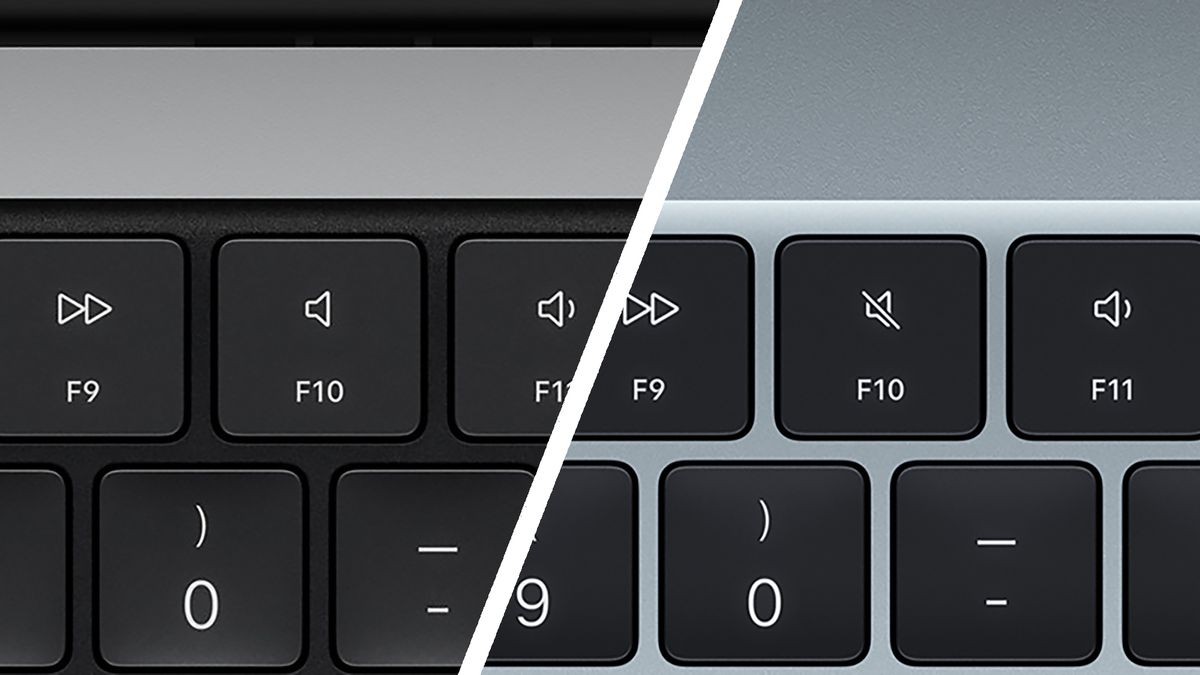
Apple keyboard mute buttons, old (left) and new (right)(Image credit: Apple)
The Mac mute button now matches the on-screen graphics
Keyboards for MacBooks and iPads have been updated
It’s the first tweak to the button design since back in 1999
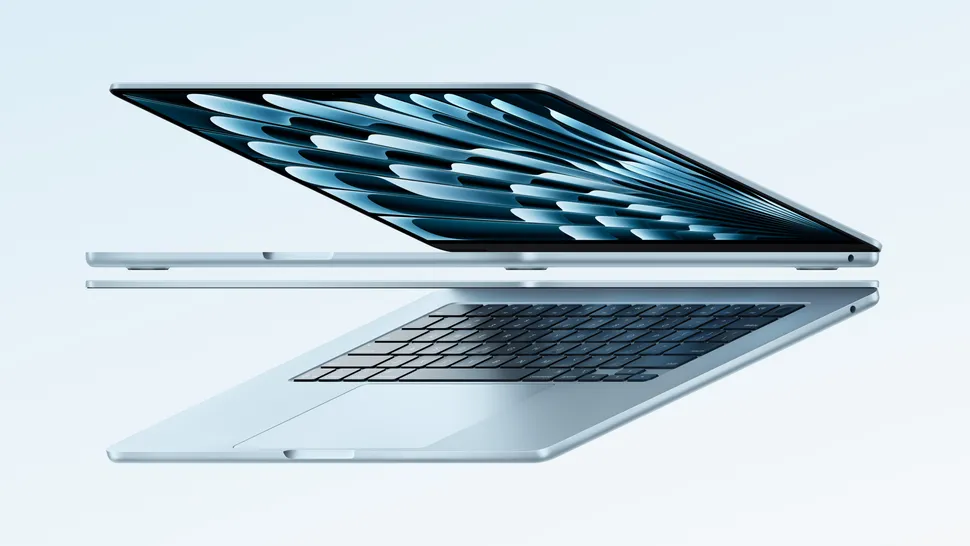
Appleunveiled some shinynew MacBook Airsfor 2025 earlier this week – and as well as featuring the latest M4 chipsets inside, they also correct a keyboard oversight that’s been around since the last century.
As spotted byiCulture(viaMacRumors), the mute button on the keyboard now shows a small speaker with a strikeout line through it. Previously, the icon was just a speaker, with none of the sound waves next to it that the other volume buttons show.
Why does this matter? Well, as you’ll notice if you’re reading this on a Mac, if you tap the mute button on an Apple keyboard, you get a speaker icon with a strikeout line through it on screen. The keyboard graphics now match the macOS visuals.
It’s not much of a change in the grand scheme of computing upgrades, but it’s nice to now have some consistency. The old mute button icon has been around since the launch of the PowerBook G3 all the way back in 1999.
The updated laptops bring with them a fresh color(Image credit: Apple)
Apple hasn’t said anything officially about the updated iconography, but the change has also been made on the new Magic Keyboard that comes with the refreshed7th-generation iPad Air tablet, powered by the M3 chipset.
That would indicate the new look is here to stay, and will continue to feature on Mac keyboards going forward. The next computers we’re expecting from Apple are the M5 MacBook Pros, duebefore the end of the year.
Judging by the comments in the MacRumors article above, this isn’t something that has been particularly confusing or frustrating for users – but given Apple’s usual attention to detail, it’s strange that the inconsistency has persisted.
Our full review of the M4 MacBook Air is still in the pipeline, but we have managed to get some hands-on time with the updated laptops already – and the fresh Sky Blue color is definitely one that catches the eye.
TheNintendo Switch 2is less than a month away from itsbig reveal on April 2. Details about the new portable console are slowly trickling out, and the latest info gives some good news for collectors of the interactive action figures, the Amiibo.
Nintendo has filed new FCC filings for what appears to be the Switch 2, which confirm a few features, as first spotted byThe Vergeon Friday. Nintendo’s new console will support Wi-Fi 6 for faster internet speeds, both USB-C ports will be able to charge the console and it will be NFC compatible, which allows it to communicate with the Amiibo toys.
Nintendo first introduced theAmiibo in 2014 for the Wii U alongside Super Smash Bros. for Wii U as a way to transfer data between the toy and console. Eventually, support for the toys spread to the Nintendo 3DS and Nintendo Switch. Originally, the toy line featured Nintendo mascots, but soon non-Nintendo characters had their own Amiibo, including Sora from Kingdom Hearts, Solaire of Astora from Dark Souls and Pac-Man.
You can see the Switch 2 was tested with an HAC game card, meaning a cartridge from the original Switch. Nintendo previously confirmed the Switch 2 would be backwards compatible.Image: FCC
Details such as the release date or price have yet to be confirmed, although there is speculation that the console will launch sometime over the summer and retail for $400. However, pricing may change due to recently introduced tariffs.
More details about the Switch will be revealed on April 2. A lucky few will be able to play with the Switch 2 before its launch at the Nintendo Switch 2 experience events taking place around the globe.
Sound detection will be dropped on the Home Max in a few months.
What you need to know
Google Home Max users are losing the sound detection feature in May 2025.
The feature is available for Nest Aware subscribers, and will remain for other Home and Nest devices.
Sound detection made it possible to receive notifications when your Home Max hears dangerous sounds.
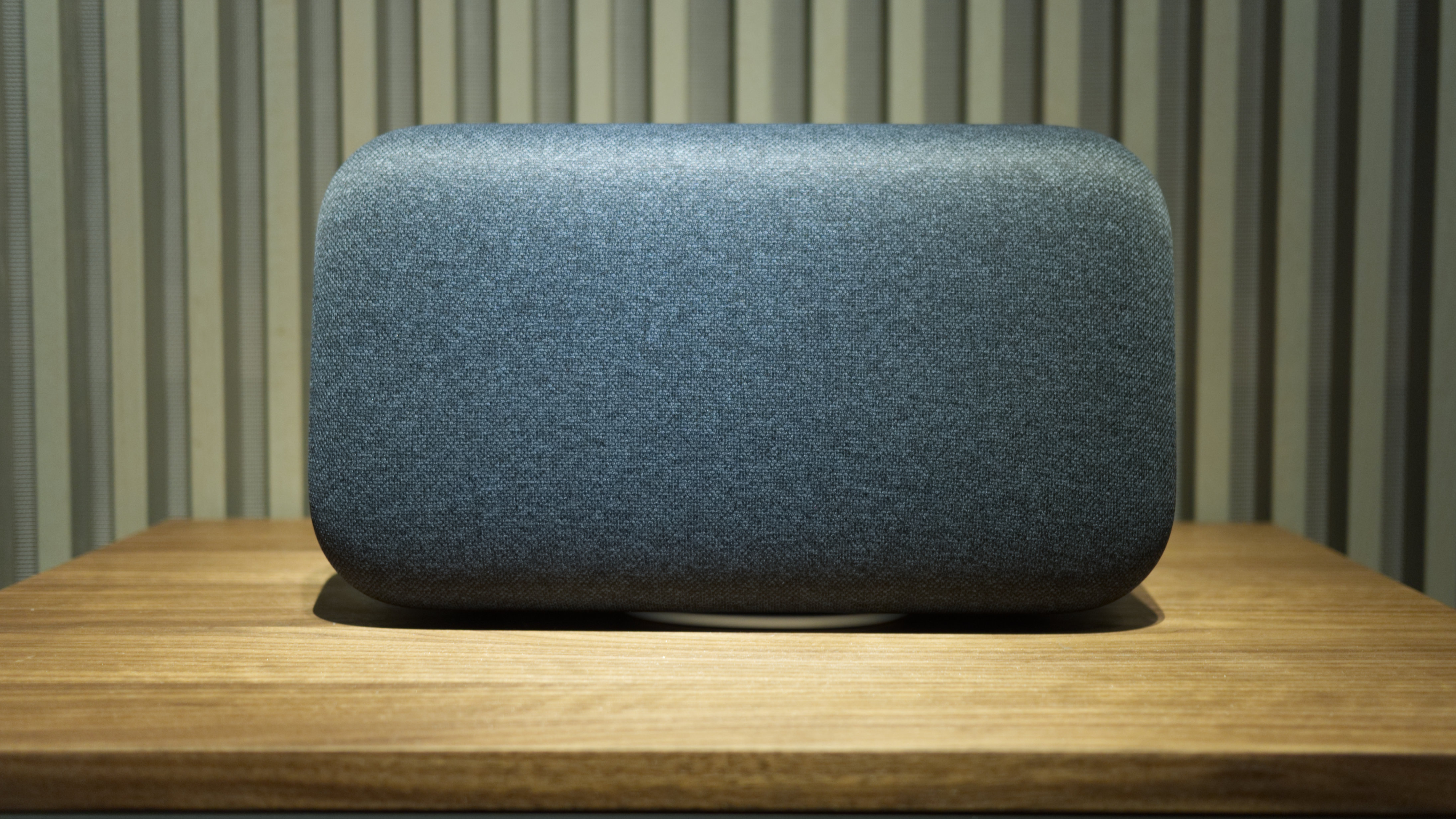
Google released the Home Max smart speaker back in 2017, and many are in use today. However, as the company recently communicated in an email to owners, theGoogle Home Maxis losing the sound detection feature (via9to5Google). This feature used the Home Max microphone to listen for dangerous sounds, like glass breaking or a smoke alarm ringing, and sent a push notification to the user’s smartphone.
It required aNest Aware subscription, but will be sunset for the Google Home Max on May 8, 2025. Google says that the feature will still be supported “on your other Google devices with your Nest Aware subscription.” It’s unclear why the feature is being dropped specifically from the Home Max, although the speaker is getting old.
“Starting May 8, 2025, your Google Home Max will no longer have the sound detection feature as part of yourNest Aware subscription,” the email reads. “Sound detection (which alerts you if glass breaking or a smoke/carbon monoxide alarm is heard) will still be supported on your other Google devices with your Nest Aware subscription.”
Sound detection is useful for making sure you don’t miss important security events while you’re away from home. A notification that glass broke or that a smoke or carbon monoxide detector went off could help homeowners respond to problems quickly. It’s especially helpful for people deep into the Google Home/Nest ecosystems, as you can look into live camera feeds to respond to sound detection pings if you have them.
As of now, sound detection will still be available onGoogle Homeand Google Home mini hardware. 9to5Google points out that the Google Home Max runs an older firmware version, number 1.56.275994, than those other two models, which run 3.75.456944. This major disparity could be a reason why sound detection is being dropped.
The Yoga Solar’s worst enemy is the cloud, and for once we don’t mean Microsoft OneDrive.
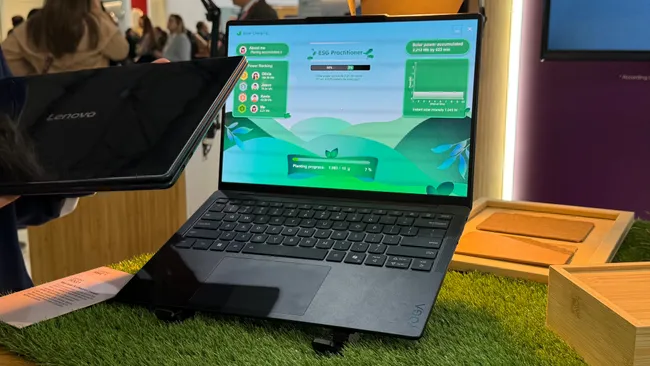
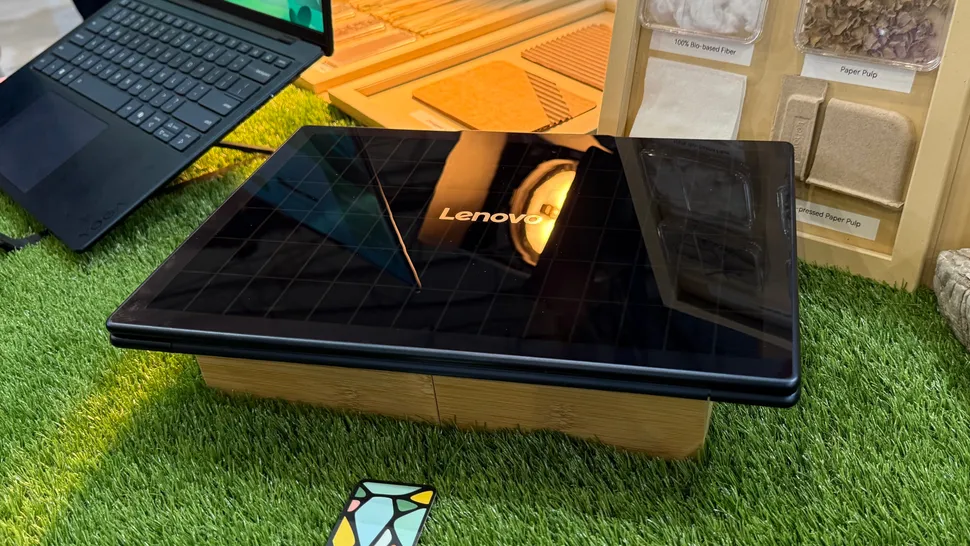
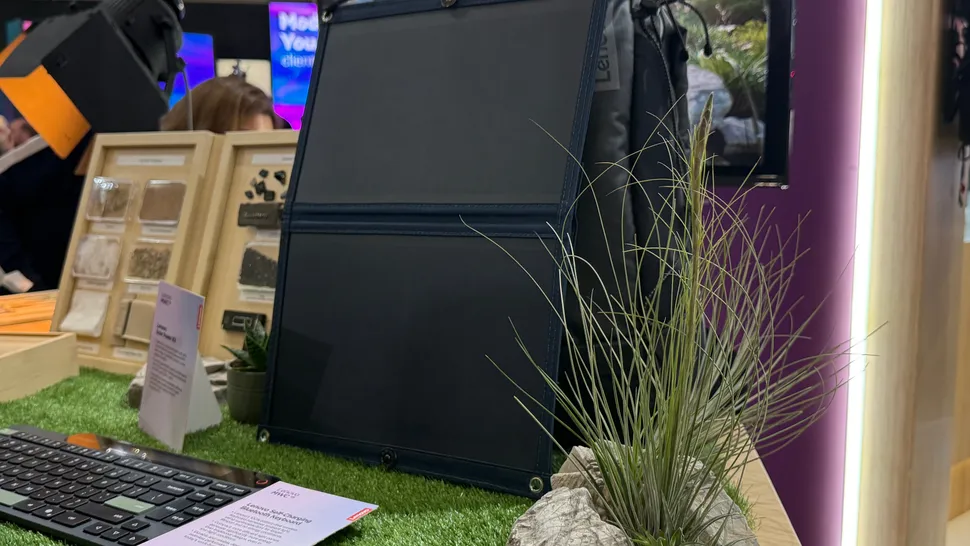
Sustainability is near and dear to our hearts, and the Yoga Solar PC Laptop Concept showcased at this year’s Mobile World Congress expo is a fascinating look at how recent advances in solar technology and ultra-efficient processors intersect to make a laptop that is nearly self-sustaining in broad daylight.
That’s right, you didn’t misread.Lenovohas designed a laptop that runs on the power of the sun. This was no pie-in-the-sky idea or bold claim, either. Lenovo brought the laptop toMWC 2025and proudly displayed a fully realized model.
While it’s not the first solar-powered laptop we’ve ever seen (RIP Sol), it is an impressive revival of that concept that seems all the more fitting as companies chase down ways to minimize carbon footprints and bolster battery efficiency beyond making sure your devices come in recyclable boxes.
With that in mind, how could wenotaward the Yoga Solar laptop our Laptop Laurel award for the best concept of MWC 2025?
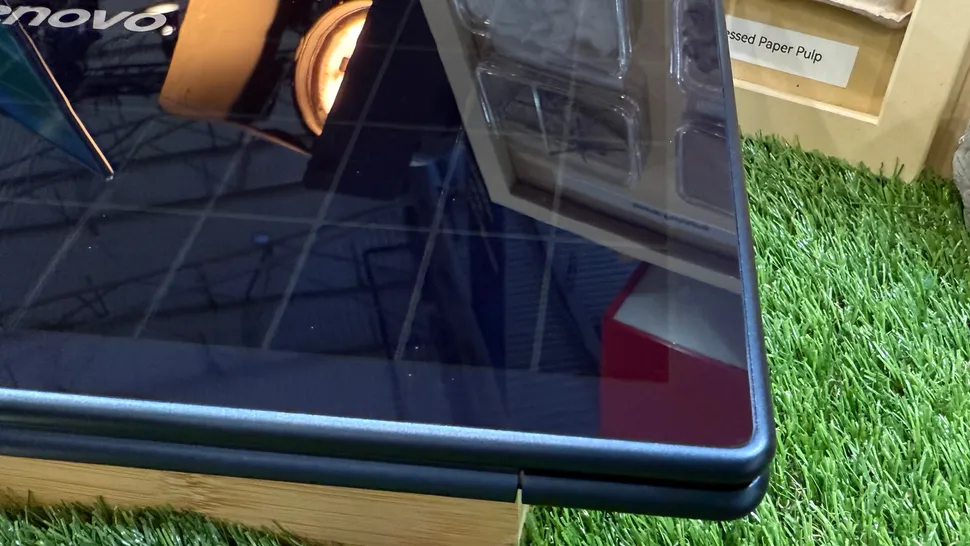
Thanks to the 84 solar cells in the Yoga’s top panel lid, just 20 minutes of charging in direct sunlight allows the Yoga Solar to charge enough battery power for 1 hour of video playback. Lenovo is reporting a 24.3% conversion rate on the Yoga Solar’s back-contact solar cells, which can absorb light from any source above 0.3 watts.
Combined with anIntel CoreUltra “Lunar Lake” chipset, those 84 solar cells create a laptop that might never need to charge at an outlet. The Yoga Solar concept laptop already has a spec sheet, though it is naturally a bit vague, listingIntelCore Ultra processors, integrated Intel Graphics, up to 32GB of memory, up to 1TB of SSD storage, and a 14-inch OLED display panel.
But the Yoga Solar doesn’t just sound cool from a sustainability perspective, it also looks fantastic.
Lenovo’s Yoga series is often the more stylish, premium Lenovo consumer laptop, and the Solar concept is no different. Thanks to a gloss panel over the 84 solar cells, the Yoga Solar looks sleek and modern, even with solar panels on the lid.
Many tradeshow concepts exist just to prove a design point and push boundaries, but they won’t ever make it into the world. While it may be a few years before we see a full production version of the Yoga Solar, Lenovo does have a history of bringing various concept laptops to life.
The ThinkBook Plus Gen 6 debuted as a concept laptop atMWC 2023, but the rollable laptop is shipping later this year. Lenovo’s MagicBay system was aCES 2024 concept, but some of the accessories have already hit the shelves.
With a little luck, Lenovo will eventually bring the Yoga Solar to full production. Strap MIL-STD rating on this laptop and you may have one of the most impressive bits of travel tech on the market.
More importantly, it may kickstart a sustainability trend in tech that benefits the user just as much as it does the environment.



 >>>
>>>
 >>>
>>>